Air Conditioning in Bangkok Rentals: Landlord Responsibilities Explained
Guides
Air Conditioning in Bangkok Rentals: Landlord Responsibilities Explained
Know your rights and landlord's duties regarding AC maintenance in Bangkok rentals.
Summary
Learn what landlords must provide for air conditioner condo Bangkok rentals, including maintenance responsibilities and tenant rights in Thailand's hot cli
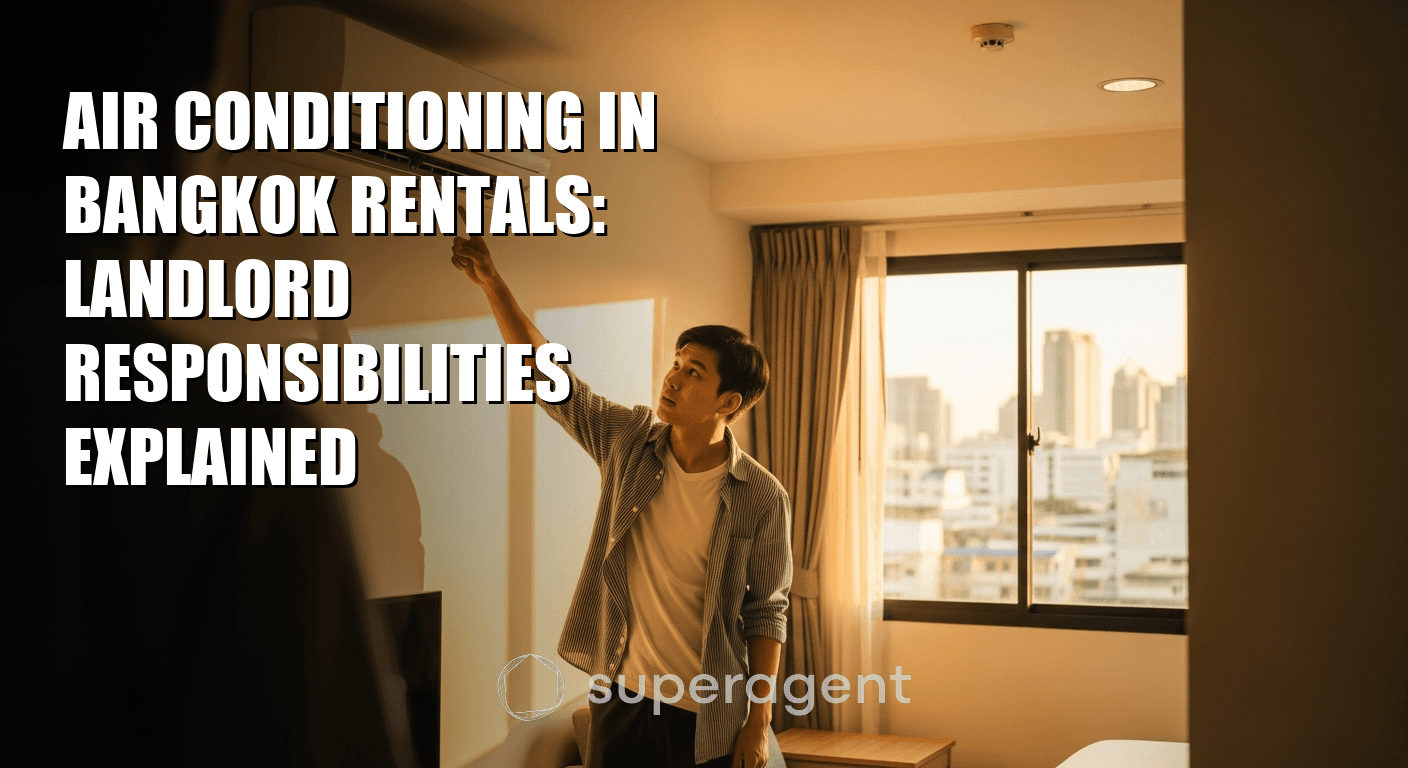
It's 35 degrees outside, you've just climbed six floors because the elevator is being serviced, and you walk into your condo to discover the air conditioner is blowing warm air. In Bangkok, a broken AC isn't a minor inconvenience. It's a genuine emergency. But who pays for the repair? Who calls the technician? And what happens if your landlord just ghosts you? If you're renting a condo in Bangkok, understanding how air conditioner responsibilities work can save you thousands of baht and a whole lot of sweaty frustration.
What Thai Law Actually Says About AC Maintenance
Here's the thing most tenants don't realize: Thai rental law is surprisingly vague when it comes to air conditioner maintenance in a condo in Bangkok. The Civil and Commercial Code states that landlords must maintain the property in a condition suitable for the purpose of the lease. That sounds clear enough, but "suitable condition" is open to interpretation.
In practice, this means the AC units that came with the condo when you signed the lease are the landlord's responsibility to keep in working order. If the compressor dies after normal use, that's on the landlord. If the fan motor burns out because the unit is 12 years old, that's on the landlord too.
But here's where it gets tricky. Say you're renting a one bedroom at Lumpini Park Rama 9, paying around 12,000 THB per month. Your lease might include a clause saying "tenant is responsible for regular AC cleaning." That clause is legal, and it means you're expected to pay for routine servicing, which typically costs 400 to 600 THB per unit. The distinction between routine maintenance and actual repairs is where most disputes happen.
Routine Cleaning vs. Major Repairs: Know the Difference
Every renter in Bangkok should understand this split. Routine AC cleaning means washing the filters, clearing the drain line, and doing a basic chemical wash every three to four months. This keeps the unit running efficiently and prevents mold buildup. Most landlords expect tenants to handle this, and honestly, you should. A neglected AC in Bangkok's humidity will start smelling funky within weeks.
Major repairs are a different story. We're talking about compressor failure, refrigerant leaks, electrical board malfunctions, or a unit that simply stops cooling. These are capital expenses, and they should fall on the landlord unless your lease explicitly says otherwise.
A friend of mine rented a studio near BTS Ari for 15,000 THB per month. Two months in, the AC stopped cooling entirely. The landlord tried to argue that my friend hadn't cleaned the filters often enough, causing the compressor to fail. But the unit was already eight years old with no service history. After some back and forth, the landlord replaced the unit. The lesson? Document everything. Take photos of the AC units when you move in, and save receipts from every cleaning.
What Your Lease Should Spell Out
The single best thing you can do before signing a rental agreement is make sure the AC responsibilities are clearly written into the lease. Vague language like "tenant maintains all appliances" is a red flag. You want specifics.
A well written lease should state who pays for routine cleaning, who covers major repairs, and what happens if a unit needs full replacement. It should also specify a response time. If you're paying 25,000 THB per month for a two bedroom near MRT Phra Ram 9 and your AC breaks in April, you can't wait two weeks for your landlord to "find a good technician."
Look for clauses that mention a maximum response period, usually 48 to 72 hours for essential repairs. If your lease doesn't include this, ask for it before signing. Most reasonable landlords will agree. If they won't, that tells you something about how they'll handle problems down the road.
Consider a real scenario at a building like The Base Park West near BTS On Nut. Units there typically come with two wall mounted AC systems. A good landlord will note the brand, model, and age of each unit in the lease inventory. This protects both parties if something breaks.
What to Do When Your Landlord Won't Fix the AC
Let's be honest. Some landlords in Bangkok are fantastic, and some are impossible to reach after they've collected the deposit. If your air conditioner breaks and your landlord isn't responding, here's a practical playbook.
First, send a written request through LINE or email. Something clear like "The AC in the bedroom stopped working on May 3rd. Please arrange a repair within 48 hours." Keep it polite but specific. Screenshots of this message are your evidence if things escalate.
Second, if you get no response after a reasonable period, you can hire a technician yourself. Get a proper receipt and invoice. Many Bangkok AC repair services charge 500 to 2,000 THB for diagnostics and basic fixes. Deducting this from your next month's rent is technically possible under Thai law, but it works best when you have written proof that you gave the landlord a chance to act first.
Third, if the situation drags on, contact the building's juristic office. In managed condos like Life Asoke Hype near MRT Phetchaburi, the juristic person can sometimes mediate between tenants and owners. They have a vested interest in keeping the building's reputation intact.
Protect Yourself Before You Move In
The best AC disputes are the ones that never happen. During your viewing, test every air conditioner unit. Set it to 22 degrees, wait ten minutes, and see if it actually cools the room. Check for water stains on walls beneath the units, which signal drainage problems. Ask the landlord when each unit was last serviced and whether there's a maintenance history.
Take a video walkthrough on move in day with the AC running. Note any strange sounds, weak airflow, or bad smells. Add all of this to your move in inspection report. It takes 20 minutes and could save you a 15,000 THB replacement argument later.
Renting a condo in Bangkok should be exciting, not stressful. When you know your rights and your responsibilities around air conditioning, you remove one of the biggest sources of landlord tenant conflict in the city. If you're searching for your next condo and want listings with transparent lease terms and verified landlord details, check out superagent.co to find a place where the AC actually works and someone is accountable when it doesn't.
It's 35 degrees outside, you've just climbed six floors because the elevator is being serviced, and you walk into your condo to discover the air conditioner is blowing warm air. In Bangkok, a broken AC isn't a minor inconvenience. It's a genuine emergency. But who pays for the repair? Who calls the technician? And what happens if your landlord just ghosts you? If you're renting a condo in Bangkok, understanding how air conditioner responsibilities work can save you thousands of baht and a whole lot of sweaty frustration.
What Thai Law Actually Says About AC Maintenance
Here's the thing most tenants don't realize: Thai rental law is surprisingly vague when it comes to air conditioner maintenance in a condo in Bangkok. The Civil and Commercial Code states that landlords must maintain the property in a condition suitable for the purpose of the lease. That sounds clear enough, but "suitable condition" is open to interpretation.
In practice, this means the AC units that came with the condo when you signed the lease are the landlord's responsibility to keep in working order. If the compressor dies after normal use, that's on the landlord. If the fan motor burns out because the unit is 12 years old, that's on the landlord too.
But here's where it gets tricky. Say you're renting a one bedroom at Lumpini Park Rama 9, paying around 12,000 THB per month. Your lease might include a clause saying "tenant is responsible for regular AC cleaning." That clause is legal, and it means you're expected to pay for routine servicing, which typically costs 400 to 600 THB per unit. The distinction between routine maintenance and actual repairs is where most disputes happen.
Continue reading after that.
Looking for a condo
to rent?
Leave your name and phone. We'll follow up while you keep reading.
100% Secure
Fast Response
Free Consultation
Routine Cleaning vs. Major Repairs: Know the Difference
Every renter in Bangkok should understand this split. Routine AC cleaning means washing the filters, clearing the drain line, and doing a basic chemical wash every three to four months. This keeps the unit running efficiently and prevents mold buildup. Most landlords expect tenants to handle this, and honestly, you should. A neglected AC in Bangkok's humidity will start smelling funky within weeks.
Major repairs are a different story. We're talking about compressor failure, refrigerant leaks, electrical board malfunctions, or a unit that simply stops cooling. These are capital expenses, and they should fall on the landlord unless your lease explicitly says otherwise.
A friend of mine rented a studio near BTS Ari for 15,000 THB per month. Two months in, the AC stopped cooling entirely. The landlord tried to argue that my friend hadn't cleaned the filters often enough, causing the compressor to fail. But the unit was already eight years old with no service history. After some back and forth, the landlord replaced the unit. The lesson? Document everything. Take photos of the AC units when you move in, and save receipts from every cleaning.
What Your Lease Should Spell Out
The single best thing you can do before signing a rental agreement is make sure the AC responsibilities are clearly written into the lease. Vague language like "tenant maintains all appliances" is a red flag. You want specifics.
A well written lease should state who pays for routine cleaning, who covers major repairs, and what happens if a unit needs full replacement. It should also specify a response time. If you're paying 25,000 THB per month for a two bedroom near MRT Phra Ram 9 and your AC breaks in April, you can't wait two weeks for your landlord to "find a good technician."
Look for clauses that mention a maximum response period, usually 48 to 72 hours for essential repairs. If your lease doesn't include this, ask for it before signing. Most reasonable landlords will agree. If they won't, that tells you something about how they'll handle problems down the road.
Consider a real scenario at a building like The Base Park West near BTS On Nut. Units there typically come with two wall mounted AC systems. A good landlord will note the brand, model, and age of each unit in the lease inventory. This protects both parties if something breaks.
What to Do When Your Landlord Won't Fix the AC
Let's be honest. Some landlords in Bangkok are fantastic, and some are impossible to reach after they've collected the deposit. If your air conditioner breaks and your landlord isn't responding, here's a practical playbook.
First, send a written request through LINE or email. Something clear like "The AC in the bedroom stopped working on May 3rd. Please arrange a repair within 48 hours." Keep it polite but specific. Screenshots of this message are your evidence if things escalate.
Continue reading after that.
Looking for a condo
to rent?
Leave your name and phone. We'll follow up while you keep reading.
100% Secure
Fast Response
Free Consultation
Second, if you get no response after a reasonable period, you can hire a technician yourself. Get a proper receipt and invoice. Many Bangkok AC repair services charge 500 to 2,000 THB for diagnostics and basic fixes. Deducting this from your next month's rent is technically possible under Thai law, but it works best when you have written proof that you gave the landlord a chance to act first.
Third, if the situation drags on, contact the building's juristic office. In managed condos like Life Asoke Hype near MRT Phetchaburi, the juristic person can sometimes mediate between tenants and owners. They have a vested interest in keeping the building's reputation intact.
Protect Yourself Before You Move In
The best AC disputes are the ones that never happen. During your viewing, test every air conditioner unit. Set it to 22 degrees, wait ten minutes, and see if it actually cools the room. Check for water stains on walls beneath the units, which signal drainage problems. Ask the landlord when each unit was last serviced and whether there's a maintenance history.
Take a video walkthrough on move in day with the AC running. Note any strange sounds, weak airflow, or bad smells. Add all of this to your move in inspection report. It takes 20 minutes and could save you a 15,000 THB replacement argument later.
Renting a condo in Bangkok should be exciting, not stressful. When you know your rights and your responsibilities around air conditioning, you remove one of the biggest sources of landlord tenant conflict in the city. If you're searching for your next condo and want listings with transparent lease terms and verified landlord details, check out superagent.co to find a place where the AC actually works and someone is accountable when it doesn't.
Share this article
Properties you may like
![[For Rent] CONDO I Las Colinas Condominium I 2 Beds I 3 Baths I 85,000THB/mo](/_next/image?url=https%3A%2F%2Fstorage.googleapis.com%2Fsuperagent-web%2Fattachments%2Flistings%2F6828%2F80f345c4-488e-43b2-b017-c9fbb17b520d-99486dd8-4237-4ba2-9207-01ce4f66b21f-media.jpg&w=3840&q=75)
฿85,000
2 Bed3170 sqm
[For Rent] CONDO I Las Colinas Condominium I 2 Beds I 3 Baths I 85,000THB/mo
Asoke
Condo![[For Rent] CONDO I Aspire Sukhumvit 48 I 2 Beds I 2 Baths I 24,000THB/mo](/_next/image?url=https%3A%2F%2Fstorage.googleapis.com%2Fsuperagent-web%2Fattachments%2Flistings%2F1199%2F130cd37f-3e03-4538-ad28-bdb3d47916ce-93-9.jpg&w=3840&q=75)
฿24,000
2 Bed254 sqm
[For Rent] CONDO I Aspire Sukhumvit 48 I 2 Beds I 2 Baths I 24,000THB/mo
On Nut
Condo![[For Rent] CONDO I BEATNIQ Sukhumvit32 I 2 Beds I 1 Baths I 110,000THB/mo](/_next/image?url=https%3A%2F%2Fstorage.googleapis.com%2Fsuperagent-web%2Fattachments%2Flistings%2F6806%2F8024fbb5-880d-428a-b7f7-d8caf46fe4d1-1190-1.jpg&w=3840&q=75)
฿110,000
2 Bed1107 sqm
[For Rent] CONDO I BEATNIQ Sukhumvit32 I 2 Beds I 1 Baths I 110,000THB/mo
Phrom Phong
Condo![[For Rent] CONDO I The Diplomat 39 I 2 Beds I 2 Baths I 89,000THB/mo](/_next/image?url=https%3A%2F%2Fstorage.googleapis.com%2Fsuperagent-web%2Fattachments%2Flistings%2F6784%2Ff92c62cc-d3be-42df-adca-b8f96fb02cfb-1163-1.jpg&w=3840&q=75)
฿89,000
2 Bed286 sqm
[For Rent] CONDO I The Diplomat 39 I 2 Beds I 2 Baths I 89,000THB/mo
Phrom Phong
Condo![[For Rent] CONDO I Noble State 39 I 3 Beds I 2 Baths I 85,000 THB/mo](/_next/image?url=https%3A%2F%2Fstorage.googleapis.com%2Fsuperagent-web%2Fattachments%2Flistings%2F1454%2Fdc7f3742-b148-4d56-9e26-1961f002d674-384-19.jpg&w=3840&q=75)
฿85,000
3 Bed285 sqm
[For Rent] CONDO I Noble State 39 I 3 Beds I 2 Baths I 85,000 THB/mo
Phrom Phong
Condo![[For Rent] CONDO I Piyathip Place I 2 Beds I 2 Baths I 77,000THB/mo](/_next/image?url=https%3A%2F%2Fstorage.googleapis.com%2Fsuperagent-web%2Fattachments%2Flistings%2F6817%2F2943cf16-53ee-4779-8edb-2e1be7291556-1191-1.jpg&w=3840&q=75)
฿77,000
2 Bed2173 sqm
[For Rent] CONDO I Piyathip Place I 2 Beds I 2 Baths I 77,000THB/mo
Condo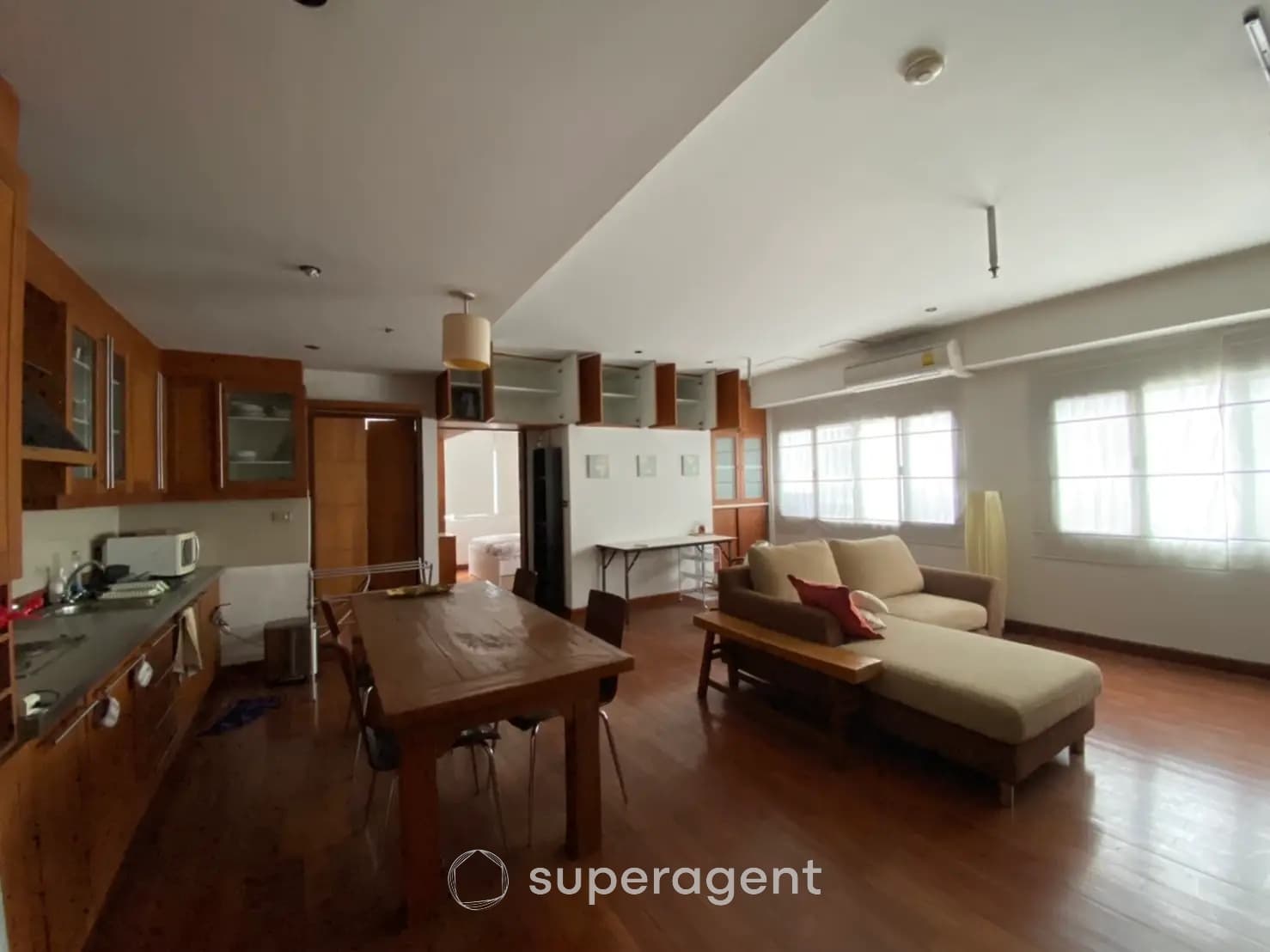
฿28,000
1 Bed167 sqm
1-BR Condo at Wittayu Complex near BTS Phloen Chit
Condo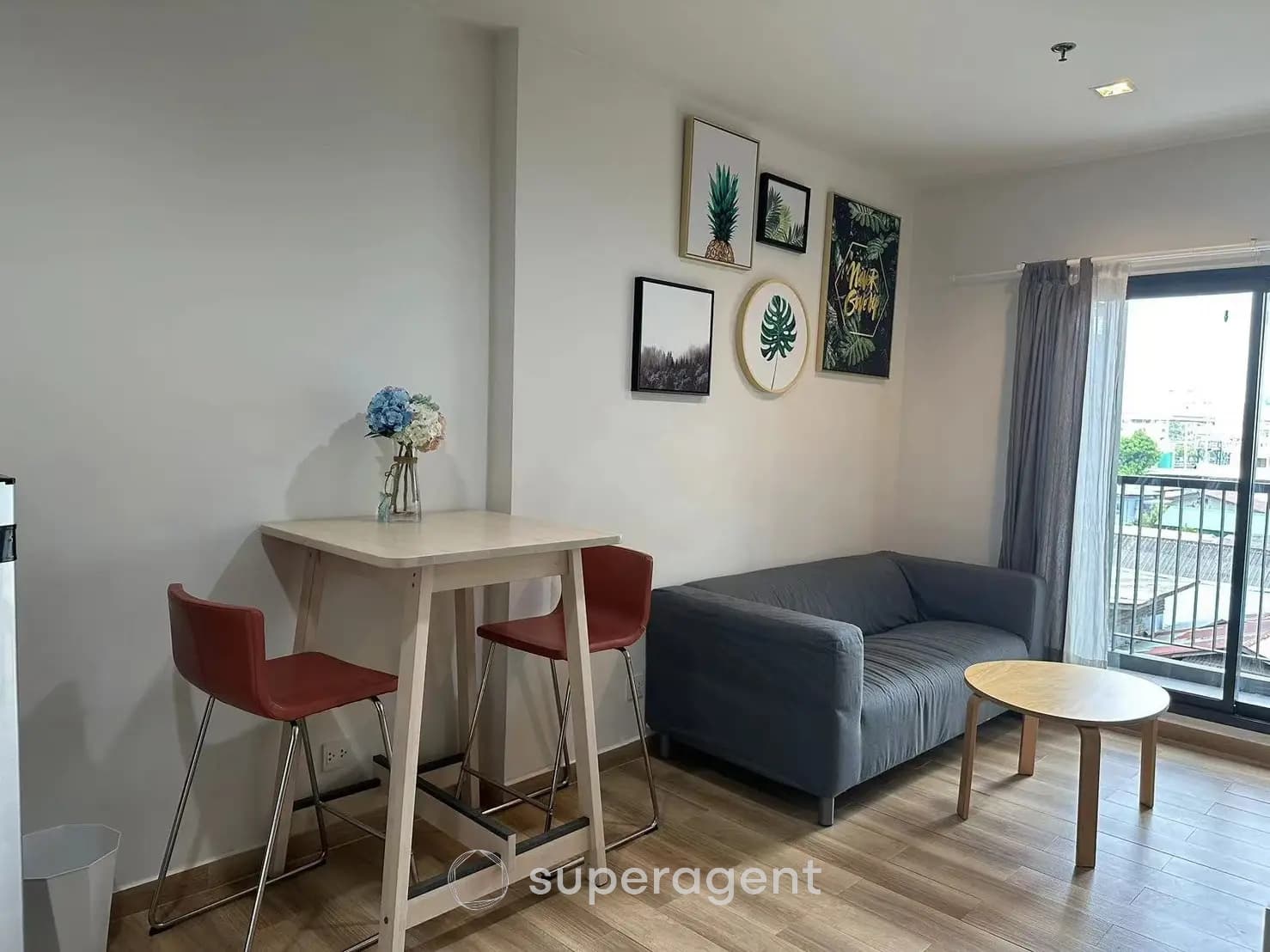
฿23,000
2 Bed150 sqm
2-BR Condo at Life Sukhumvit 48 near BTS Phra Khanong
On Nut
Condo![[For Rent] CONDO I Maestro 14 Siam-Ratchathewi Pet Friendly I 1 Bed I 1 Bath I 22,000THB/mo](/_next/image?url=https%3A%2F%2Fstorage.googleapis.com%2Fsuperagent-web%2Fattachments%2Flistings%2F6686%2F5ae8a77f-b6fb-4578-a765-e56f493cd25f-1058.png&w=3840&q=75)
฿25,000
1 Bed130 sqm
[For Rent] CONDO I Maestro 14 Siam-Ratchathewi Pet Friendly I 1 Bed I 1 Bath I 22,000THB/mo
Siam
Condo![[For Rent] CONDO I KEN Attitude Rattanathibet I Duplex I 2 Beds I 2 Baths I 40,000THB/mo](/_next/image?url=https%3A%2F%2Fstorage.googleapis.com%2Fsuperagent-web%2Fattachments%2Flistings%2F6852%2F17c1715e-4458-4008-bb0b-072a4c081166-img_0557.jpeg&w=3840&q=75)
฿40,000
2 Bed277 sqm
[For Rent] CONDO I KEN Attitude Rattanathibet I Duplex I 2 Beds I 2 Baths I 40,000THB/mo
CondoMore like this
 In Guides · Superagent EditorialHidden Costs of Renting a Condo in Bangkok Nobody Warns You AboutBangkok condo rent looks affordable until month one hits. Here are the real costs beyond the headline figure that catch most renters off guard.25 May 20261 min read
 In Guides · Superagent EditorialWhat a Long-Vacant Bangkok Condo Unit Is Actually Telling YouA Bangkok condo vacant for months signals overpricing, landlord issues, or real problems. Here is how to read the signs.25 May 20261 min read
 In Guides · Superagent EditorialRed Flags in a Bangkok Rental Contract to Watch Out ForBangkok rental contracts often hide risky clauses. Here are the red flags every tenant must catch before signing any lease.25 May 20261 min read
 In Guides · Superagent EditorialWorking Online from a Condo: How to Choose the Perfect Room for ProductivityLearn how to choose the best condo room for working online with tips on lighting, noise, and furniture setup to maximize productivity.9 May 20261 min read