Guides
Air Quality and Altitude in Bangkok: What Expats Should Know Before Renting
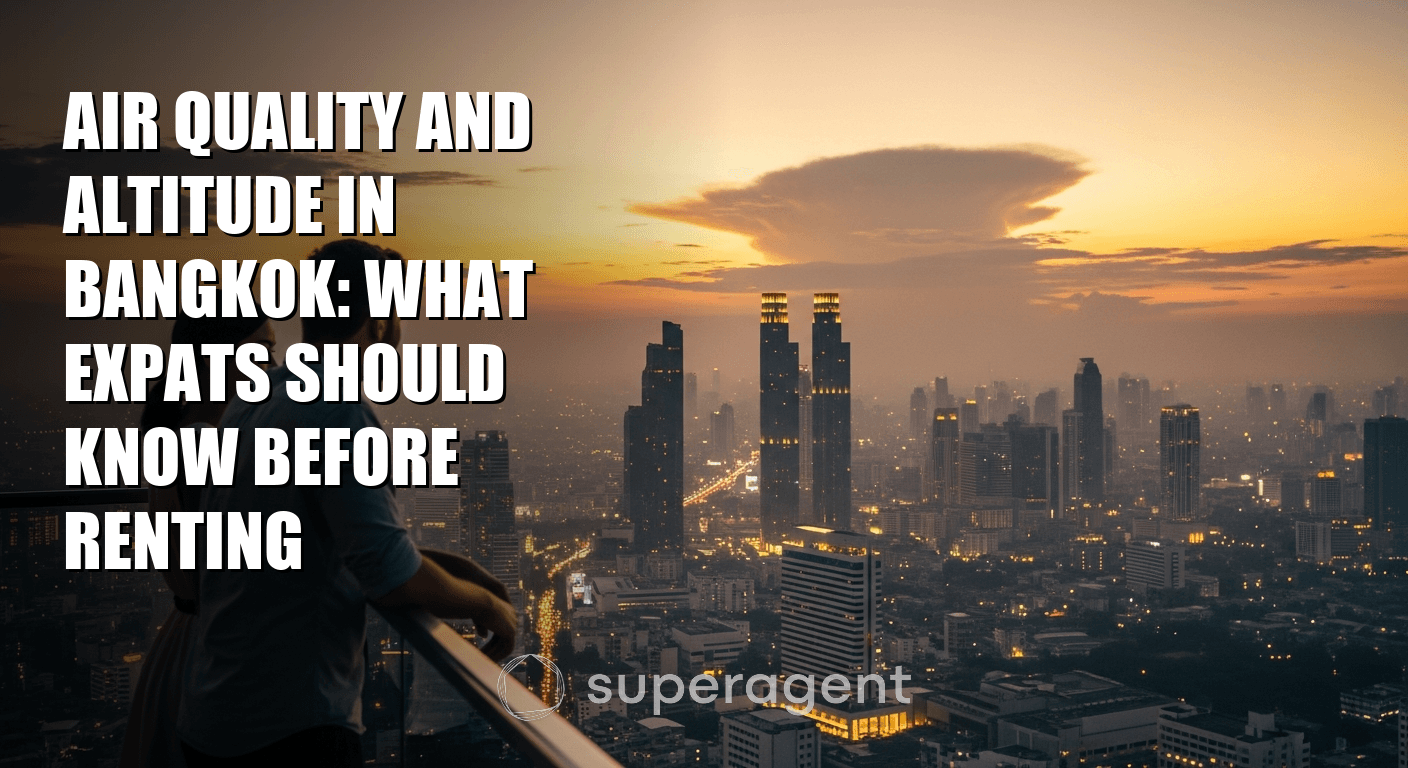
Understanding Bangkok's air quality and altitude challenges helps expats make informed rental decisions.
Summary
Learn how Bangkok altitude and air quality affect expat rentals. Discover practical tips for choosing healthy apartments in Thailand's capital city.
Every year around January, the group chats light up. Expats who just moved to Bangkok start posting screenshots of their air quality apps with shocked emoji. Numbers in the red. Sometimes purple. And then the questions start rolling in: "Is it always like this?" "Should I move to a higher floor?" "Does altitude even matter in a city this flat?" If you are planning to rent a condo in Bangkok, air quality is something you absolutely need to factor into your decision. Not just the neighborhood, not just the price, but the floor level, the building's ventilation system, and even the time of year you start your lease.
Bangkok's Air Quality Problem: What Is Actually Going On?
Bangkok sits in a low, flat river basin. The average elevation across the city is barely 1.5 meters above sea level. That matters because pollutants, especially PM2.5 particulate matter, tend to settle and linger in low-lying areas with limited wind circulation. According to MRT Bangkok's operational data, millions of commuters move through underground stations daily, but above ground the air can sit heavy and stagnant for weeks during the burning season.
The worst months are typically December through March. Agricultural burning in neighboring provinces sends smoke drifting into the Bangkok metropolitan area, and vehicle emissions compound the problem. In February 2024, Bangkok recorded PM2.5 levels exceeding 100 micrograms per cubic meter on multiple days, well above the WHO guideline of 15 micrograms per cubic meter for 24-hour mean exposure. That is roughly six to seven times the recommended safe level.
Picture this: you have just signed a one-year lease on a gorgeous ground-floor unit near BTS Thong Lo. The rent is a steal at 18,000 THB per month. But by February, you cannot open the windows, you are running a purifier 24 hours a day, and your throat feels scratchy every morning. The "deal" does not feel like one anymore.
Does Living on a Higher Floor Actually Help?
This is the question every expat eventually asks. And the answer is: it depends, but generally yes, with big caveats. In Bangkok, PM2.5 concentrations tend to be highest at street level where traffic emissions are densest. Research from Chulalongkorn University has shown that particulate matter concentrations can decrease by 10 to 20 percent between ground level and the 15th floor of residential buildings in central Bangkok.
But "altitude" in the traditional sense barely applies here. Bangkok is not Chiang Mai, which sits at 300 meters elevation and gets trapped inversions in its mountain valley. Bangkok's problem is horizontal spread, not vertical trapping. So while a 30th-floor unit at a building like Ashton Asoke near MRT Sukhumvit might give you slightly cleaner air and better wind circulation, you are not escaping the pollution entirely.
The real advantage of higher floors is distance from tailpipe emissions. If your condo faces a busy road like Ratchadaphisek or Sukhumvit, the difference between floor 5 and floor 25 is noticeable. You will smell less exhaust, and your balcony will collect less black soot. One expat I know at The Line Sukhumvit 101 switched from the 8th floor to the 31st floor in the same building. She said her air purifier filter lasted twice as long after the move.
Neighborhoods That Breathe Better (and Those That Do Not)
Not all parts of Bangkok are equal when it comes to air quality. Areas near large green spaces tend to fare better. Condos near Lumpini Park, Benjakitti Park, or the newer Benchasiri Park along Sukhumvit get slightly better air circulation. Conversely, dense commercial zones with heavy traffic corridors, like the stretch around Victory Monument or the Ratchaprarop area, consistently log higher PM2.5 readings.
According to DDproperty's market data, average rent for a one-bedroom condo near Lumpini Park ranges from 25,000 to 45,000 THB per month depending on the building's age and amenities. In contrast, one-bedrooms near Victory Monument can go for 12,000 to 20,000 THB, but you are trading air quality for affordability.
Take the Bang Na area as an example. It is further from the city center, with wider roads and more open space near the BTS Bang Na station. Rents for decent one-bedrooms run 10,000 to 18,000 THB per month. During pollution season, monitoring stations in Bang Na routinely show PM2.5 levels 15 to 25 percent lower than readings at stations in the Asoke or Siam areas. If you work remotely and do not need to be in the CBD every day, the air quality difference alone might justify the commute.
What to Look for in a Building's Air Filtration Setup
Here is something most rental listings will never tell you: the building's HVAC system matters more than almost anything else when it comes to indoor air quality. Newer condos built after 2018 in Bangkok increasingly come with centralized air handling units that include basic filtration. But "basic" often means filters that catch dust, not PM2.5.
When you tour a unit, ask the building's juristic office about the HVAC filtration rating. You want MERV 13 or higher for any meaningful PM2.5 protection. Buildings like Magnolias Waterfront Residences at ICONSIAM or Park Origin Phrom Phong tend to have better-than-average air handling. Older buildings along Sukhumvit Soi 11 or Soi 23 may have window units or split-type ACs with zero filtration beyond a mesh screen.
One practical scenario: a couple I know rented at Life Asoke Hype near MRT Phetchaburi. The building is relatively new, completed around 2020, and their unit came with split-type air conditioning. They added a standalone HEPA air purifier for about 5,000 THB and a PM2.5 sensor for 1,500 THB. During peak season, they kept windows sealed and ran the purifier on high. Their indoor readings stayed below 20 micrograms while outdoor readings hit 80 plus. Smart setup, minimal cost.
Comparing Your Options: Floor Level, Location, and Air Quality
Here is a practical breakdown to help you weigh the tradeoffs when choosing where to rent in Bangkok during pollution season.
| Factor | Low Floor (1-10) in Traffic Zone | High Floor (20+) in Traffic Zone | Any Floor Near Green Space | Suburban / Outer BTS Area |
|---|---|---|---|---|
| Typical PM2.5 Exposure (Peak Season) | High (70-120+) | Moderate (50-90) | Moderate (40-70) | Lower (30-60) |
| Example Area | Asoke, Soi 11 | Ashton Asoke, The Esse | Near Lumpini Park, Silom | Bang Na, Bearing, On Nut |
| 1-Bed Rent Range (THB/month) | 15,000-30,000 | 25,000-55,000 | 25,000-45,000 | 8,000-18,000 |
| Noise from Traffic | High | Low to Moderate | Moderate | Low |
| Need for Air Purifier | Essential | Recommended | Recommended | Optional but Smart |
| Commute to CBD | Minimal | Minimal | Short | 30-50 min by BTS |
This table reflects real conditions during January through March. Outside of burning season, differences narrow significantly, and most areas return to moderate or acceptable levels.
Practical Steps to Protect Yourself Before Signing a Lease
First, check historical air quality data for the neighborhood you are considering. The Bumrungrad Hospital health resources page has useful guidance on PM2.5 health thresholds and symptoms to watch for, especially if you have asthma or respiratory conditions. Apps like IQAir and AirVisual let you look at station-by-station data across Bangkok going back months.
Second, time your apartment search strategically. If possible, visit prospective condos during pollution season so you can see and feel the air quality firsthand. A unit that looks amazing in October might feel suffocating in February. Open the windows during your viewing. Step onto the balcony. If you can smell exhaust or see haze at eye level, that is your answer.
Third, budget for air quality equipment. A quality HEPA purifier capable of handling a 30-square-meter studio runs 4,000 to 8,000 THB. A portable PM2.5 monitor costs 1,000 to 3,000 THB. These are not luxuries in Bangkok. They are essentials, especially if you are renting below the 15th floor in a high-traffic area.
Fourth, negotiate. If a unit has older windows that do not seal properly, or if the building lacks modern filtration, use that as leverage in your rent negotiation. Landlords in Bangkok are increasingly aware that air quality affects tenant retention. A 1,000 to 2,000 THB monthly discount is not unreasonable if the unit has clear ventilation shortcomings.
Finally, do not overlook the orientation of the building. Units facing away from major roads and toward interior courtyards or parks consistently test better for indoor air quality, even on the same floor of the same building. A west-facing unit overlooking Sukhumvit Road and an east-facing unit overlooking a garden at the same condo can have meaningfully different PM2.5 readings indoors.
Air quality is not a seasonal inconvenience in Bangkok. It is a year-round factor that shapes how comfortable your home actually feels. The good news is that with the right information, you can find a condo that keeps you breathing easy without blowing your budget. Whether you prioritize a higher floor, a greener neighborhood, or a newer building with better filtration, the key is knowing what questions to ask before you sign.
If you want to search Bangkok condos with filters that actually matter, like floor level, building age, and neighborhood air quality trends, try Superagent. It is built for renters who want the full picture, not just pretty photos.
Every year around January, the group chats light up. Expats who just moved to Bangkok start posting screenshots of their air quality apps with shocked emoji. Numbers in the red. Sometimes purple. And then the questions start rolling in: "Is it always like this?" "Should I move to a higher floor?" "Does altitude even matter in a city this flat?" If you are planning to rent a condo in Bangkok, air quality is something you absolutely need to factor into your decision. Not just the neighborhood, not just the price, but the floor level, the building's ventilation system, and even the time of year you start your lease.
Bangkok's Air Quality Problem: What Is Actually Going On?
Bangkok sits in a low, flat river basin. The average elevation across the city is barely 1.5 meters above sea level. That matters because pollutants, especially PM2.5 particulate matter, tend to settle and linger in low-lying areas with limited wind circulation. According to MRT Bangkok's operational data, millions of commuters move through underground stations daily, but above ground the air can sit heavy and stagnant for weeks during the burning season.
The worst months are typically December through March. Agricultural burning in neighboring provinces sends smoke drifting into the Bangkok metropolitan area, and vehicle emissions compound the problem. In February 2024, Bangkok recorded PM2.5 levels exceeding 100 micrograms per cubic meter on multiple days, well above the WHO guideline of 15 micrograms per cubic meter for 24-hour mean exposure. That is roughly six to seven times the recommended safe level.
Picture this: you have just signed a one-year lease on a gorgeous ground-floor unit near BTS Thong Lo. The rent is a steal at 18,000 THB per month. But by February, you cannot open the windows, you are running a purifier 24 hours a day, and your throat feels scratchy every morning. The "deal" does not feel like one anymore.
Does Living on a Higher Floor Actually Help?
This is the question every expat eventually asks. And the answer is: it depends, but generally yes, with big caveats. In Bangkok, PM2.5 concentrations tend to be highest at street level where traffic emissions are densest. Research from Chulalongkorn University has shown that particulate matter concentrations can decrease by 10 to 20 percent between ground level and the 15th floor of residential buildings in central Bangkok.
But "altitude" in the traditional sense barely applies here. Bangkok is not Chiang Mai, which sits at 300 meters elevation and gets trapped inversions in its mountain valley. Bangkok's problem is horizontal spread, not vertical trapping. So while a 30th-floor unit at a building like Ashton Asoke near MRT Sukhumvit might give you slightly cleaner air and better wind circulation, you are not escaping the pollution entirely.
The real advantage of higher floors is distance from tailpipe emissions. If your condo faces a busy road like Ratchadaphisek or Sukhumvit, the difference between floor 5 and floor 25 is noticeable. You will smell less exhaust, and your balcony will collect less black soot. One expat I know at The Line Sukhumvit 101 switched from the 8th floor to the 31st floor in the same building. She said her air purifier filter lasted twice as long after the move.
Neighborhoods That Breathe Better (and Those That Do Not)
Not all parts of Bangkok are equal when it comes to air quality. Areas near large green spaces tend to fare better. Condos near Lumpini Park, Benjakitti Park, or the newer Benchasiri Park along Sukhumvit get slightly better air circulation. Conversely, dense commercial zones with heavy traffic corridors, like the stretch around Victory Monument or the Ratchaprarop area, consistently log higher PM2.5 readings.
According to DDproperty's market data, average rent for a one-bedroom condo near Lumpini Park ranges from 25,000 to 45,000 THB per month depending on the building's age and amenities. In contrast, one-bedrooms near Victory Monument can go for 12,000 to 20,000 THB, but you are trading air quality for affordability.
Take the Bang Na area as an example. It is further from the city center, with wider roads and more open space near the BTS Bang Na station. Rents for decent one-bedrooms run 10,000 to 18,000 THB per month. During pollution season, monitoring stations in Bang Na routinely show PM2.5 levels 15 to 25 percent lower than readings at stations in the Asoke or Siam areas. If you work remotely and do not need to be in the CBD every day, the air quality difference alone might justify the commute.
What to Look for in a Building's Air Filtration Setup
Here is something most rental listings will never tell you: the building's HVAC system matters more than almost anything else when it comes to indoor air quality. Newer condos built after 2018 in Bangkok increasingly come with centralized air handling units that include basic filtration. But "basic" often means filters that catch dust, not PM2.5.
When you tour a unit, ask the building's juristic office about the HVAC filtration rating. You want MERV 13 or higher for any meaningful PM2.5 protection. Buildings like Magnolias Waterfront Residences at ICONSIAM or Park Origin Phrom Phong tend to have better-than-average air handling. Older buildings along Sukhumvit Soi 11 or Soi 23 may have window units or split-type ACs with zero filtration beyond a mesh screen.
One practical scenario: a couple I know rented at Life Asoke Hype near MRT Phetchaburi. The building is relatively new, completed around 2020, and their unit came with split-type air conditioning. They added a standalone HEPA air purifier for about 5,000 THB and a PM2.5 sensor for 1,500 THB. During peak season, they kept windows sealed and ran the purifier on high. Their indoor readings stayed below 20 micrograms while outdoor readings hit 80 plus. Smart setup, minimal cost.
Talk to us about renting
Share your details and keep reading — we’ll get back to you.
Comparing Your Options: Floor Level, Location, and Air Quality
Here is a practical breakdown to help you weigh the tradeoffs when choosing where to rent in Bangkok during pollution season.
| Factor | Low Floor (1-10) in Traffic Zone | High Floor (20+) in Traffic Zone | Any Floor Near Green Space | Suburban / Outer BTS Area |
|---|---|---|---|---|
| Typical PM2.5 Exposure (Peak Season) | High (70-120+) | Moderate (50-90) | Moderate (40-70) | Lower (30-60) |
| Example Area | Asoke, Soi 11 | Ashton Asoke, The Esse | Near Lumpini Park, Silom | Bang Na, Bearing, On Nut |
| 1-Bed Rent Range (THB/month) | 15,000-30,000 | 25,000-55,000 | 25,000-45,000 | 8,000-18,000 |
| Noise from Traffic | High | Low to Moderate | Moderate | Low |
| Need for Air Purifier | Essential | Recommended | Recommended | Optional but Smart |
| Commute to CBD | Minimal | Minimal | Short | 30-50 min by BTS |
This table reflects real conditions during January through March. Outside of burning season, differences narrow significantly, and most areas return to moderate or acceptable levels.
Practical Steps to Protect Yourself Before Signing a Lease
First, check historical air quality data for the neighborhood you are considering. The Bumrungrad Hospital health resources page has useful guidance on PM2.5 health thresholds and symptoms to watch for, especially if you have asthma or respiratory conditions. Apps like IQAir and AirVisual let you look at station-by-station data across Bangkok going back months.
Second, time your apartment search strategically. If possible, visit prospective condos during pollution season so you can see and feel the air quality firsthand. A unit that looks amazing in October might feel suffocating in February. Open the windows during your viewing. Step onto the balcony. If you can smell exhaust or see haze at eye level, that is your answer.
Third, budget for air quality equipment. A quality HEPA purifier capable of handling a 30-square-meter studio runs 4,000 to 8,000 THB. A portable PM2.5 monitor costs 1,000 to 3,000 THB. These are not luxuries in Bangkok. They are essentials, especially if you are renting below the 15th floor in a high-traffic area.
Fourth, negotiate. If a unit has older windows that do not seal properly, or if the building lacks modern filtration, use that as leverage in your rent negotiation. Landlords in Bangkok are increasingly aware that air quality affects tenant retention. A 1,000 to 2,000 THB monthly discount is not unreasonable if the unit has clear ventilation shortcomings.
Finally, do not overlook the orientation of the building. Units facing away from major roads and toward interior courtyards or parks consistently test better for indoor air quality, even on the same floor of the same building. A west-facing unit overlooking Sukhumvit Road and an east-facing unit overlooking a garden at the same condo can have meaningfully different PM2.5 readings indoors.
Air quality is not a seasonal inconvenience in Bangkok. It is a year-round factor that shapes how comfortable your home actually feels. The good news is that with the right information, you can find a condo that keeps you breathing easy without blowing your budget. Whether you prioritize a higher floor, a greener neighborhood, or a newer building with better filtration, the key is knowing what questions to ask before you sign.
If you want to search Bangkok condos with filters that actually matter, like floor level, building age, and neighborhood air quality trends, try Superagent. It is built for renters who want the full picture, not just pretty photos.
Share this article
Properties you may like
฿55,000
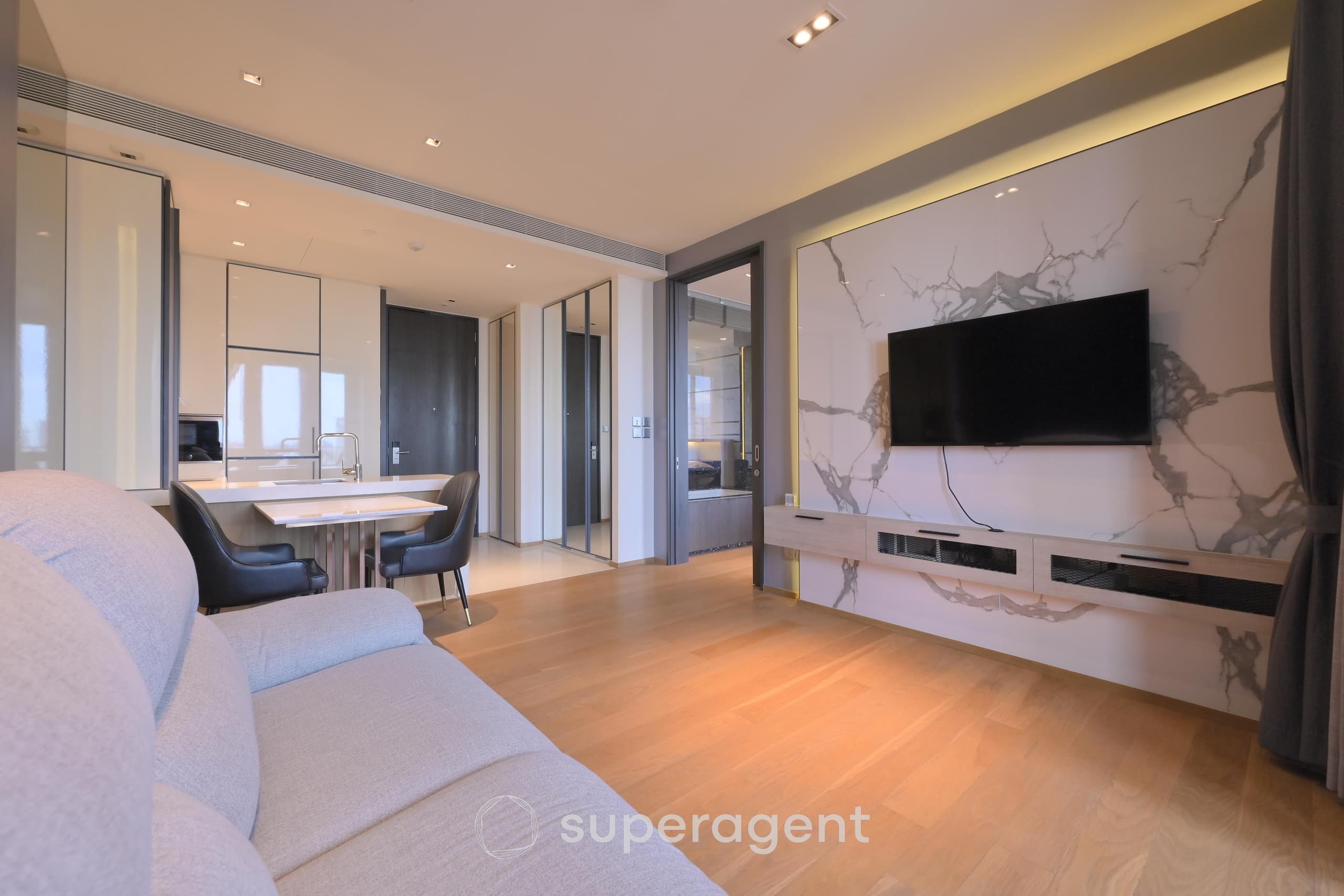
Beatniq Sukhumvit 32 near BTS Thong Lo Location Near Employment, Surrounded by Lifestyles
Phrom Phong
Condo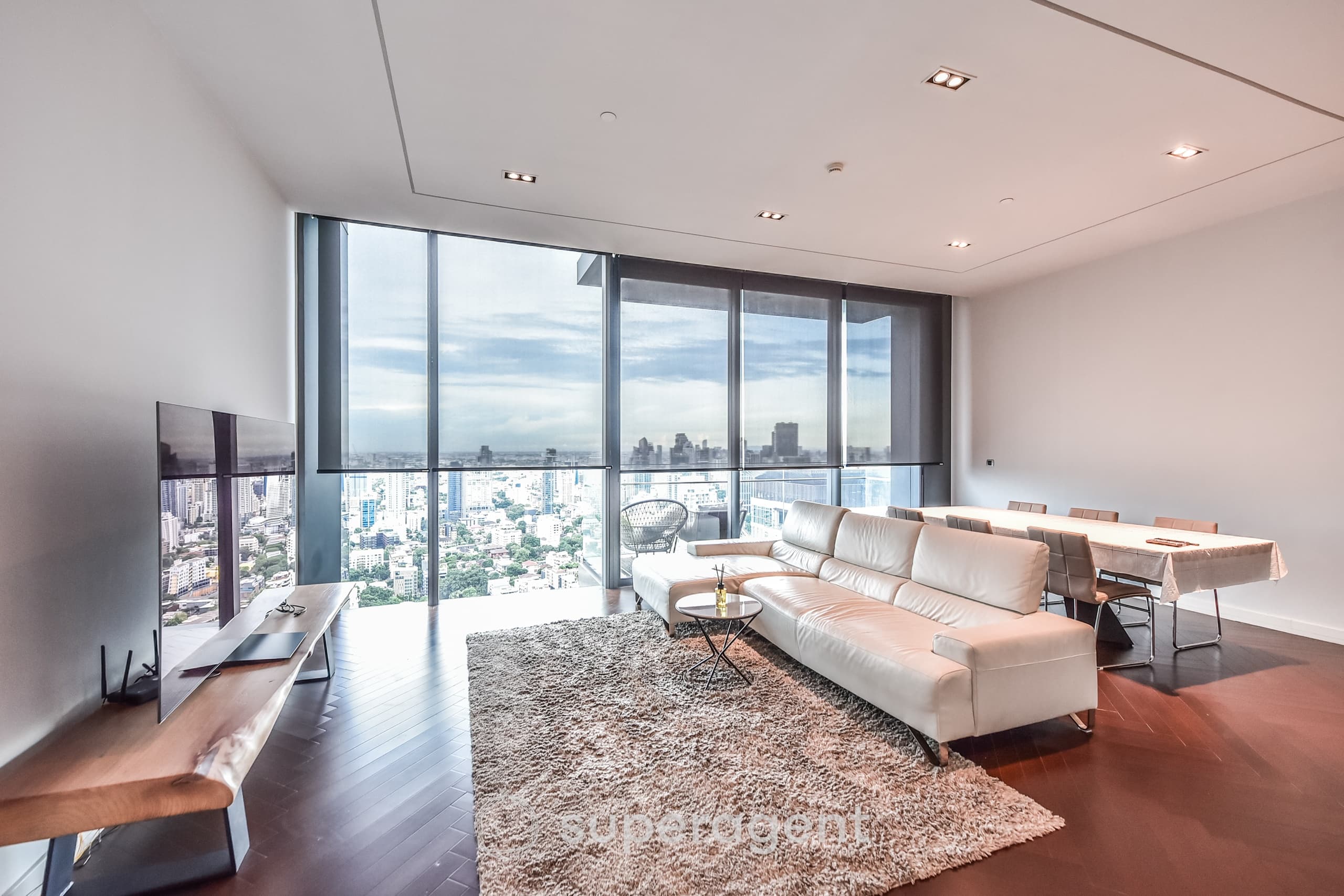
฿220,000
Marque Sukhumvit The Privilege of Luxury in an Economic Hub Location near BTS Phrom Phong
Phrom Phong
Condo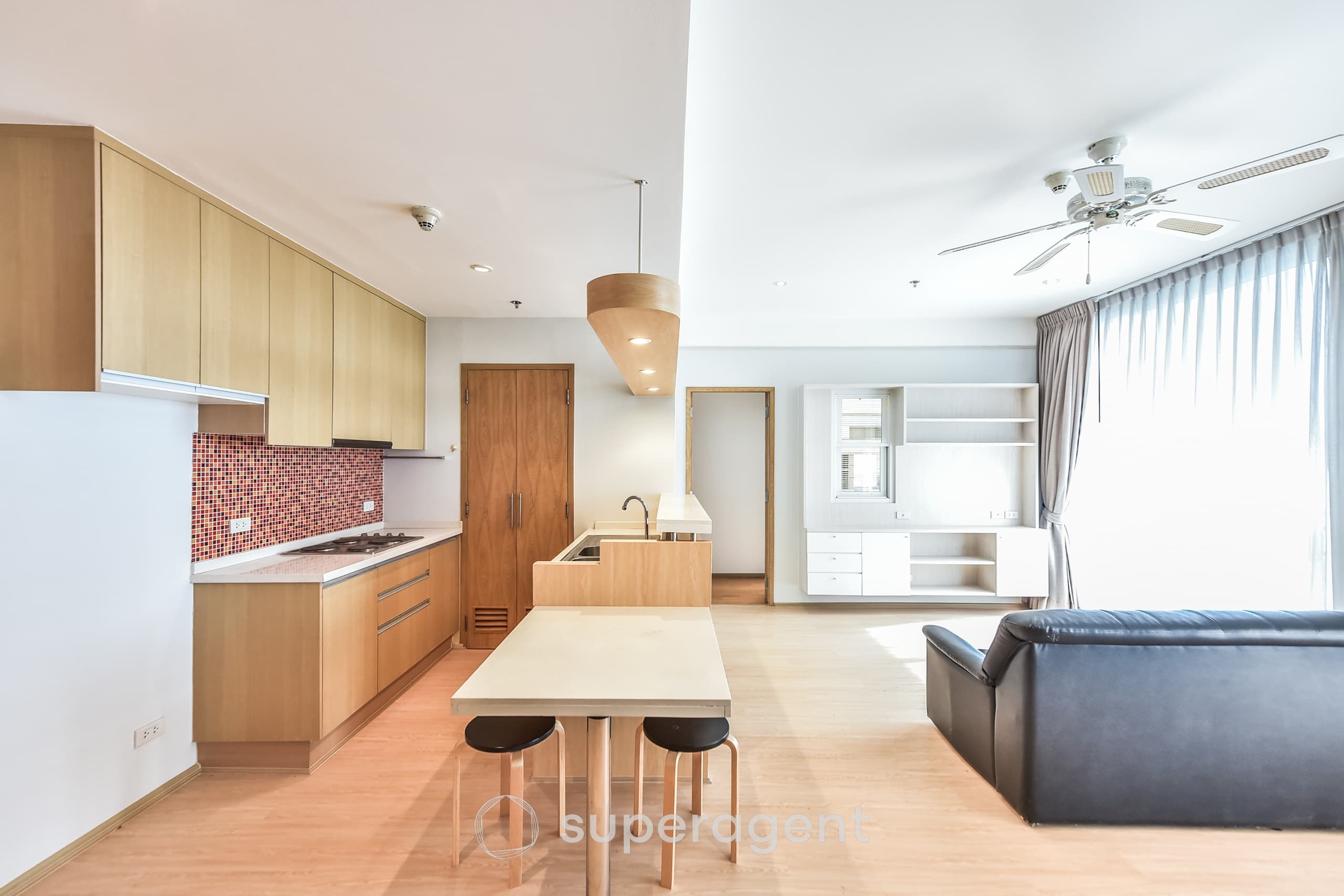
฿37,000
Special Unit, Quality Guaranteed by Top Brands Villa Rachatewi near Airport Rail Link Phaya Thai Station
Condo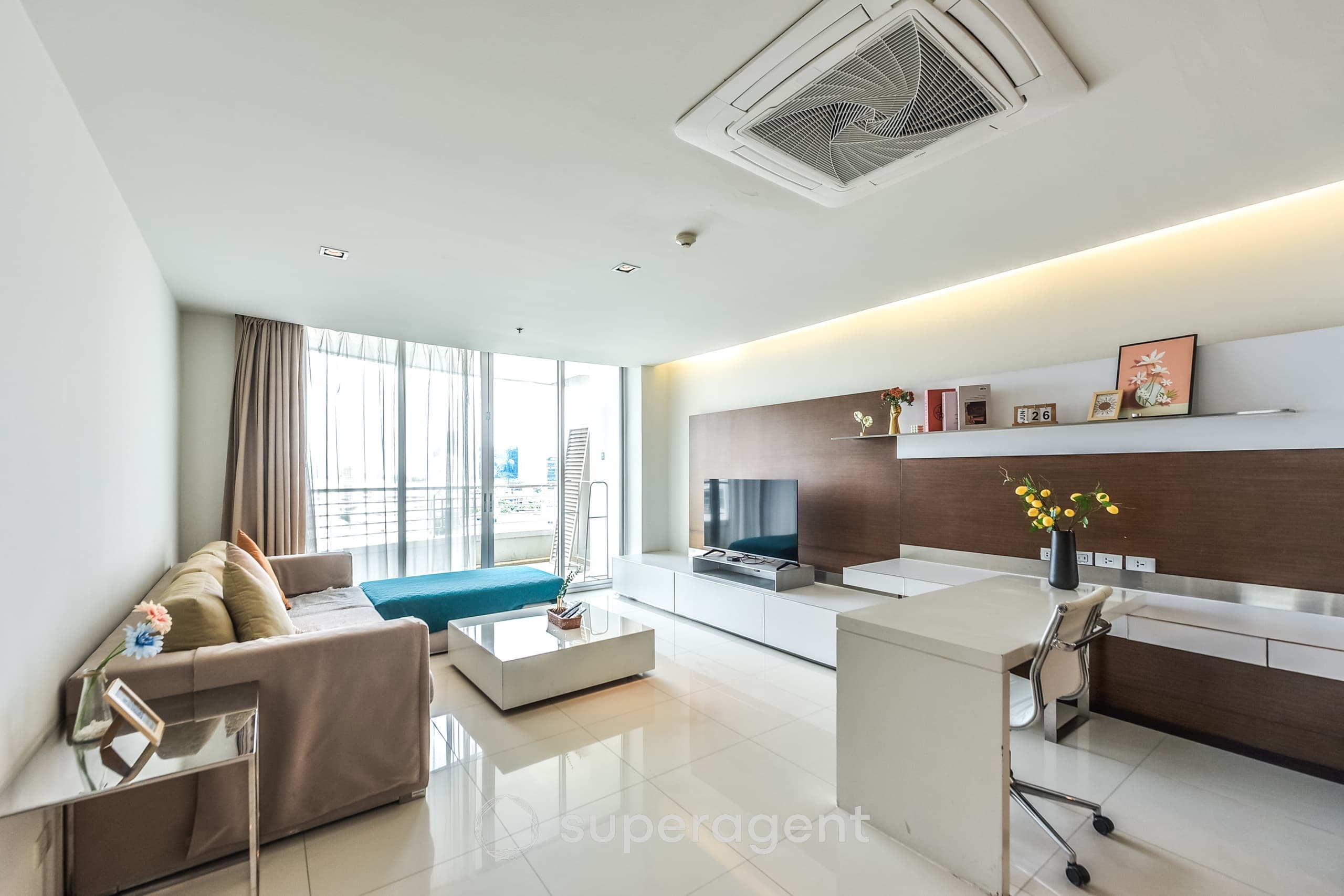
฿55,000
Sathorn Heritage
Sathorn
Condo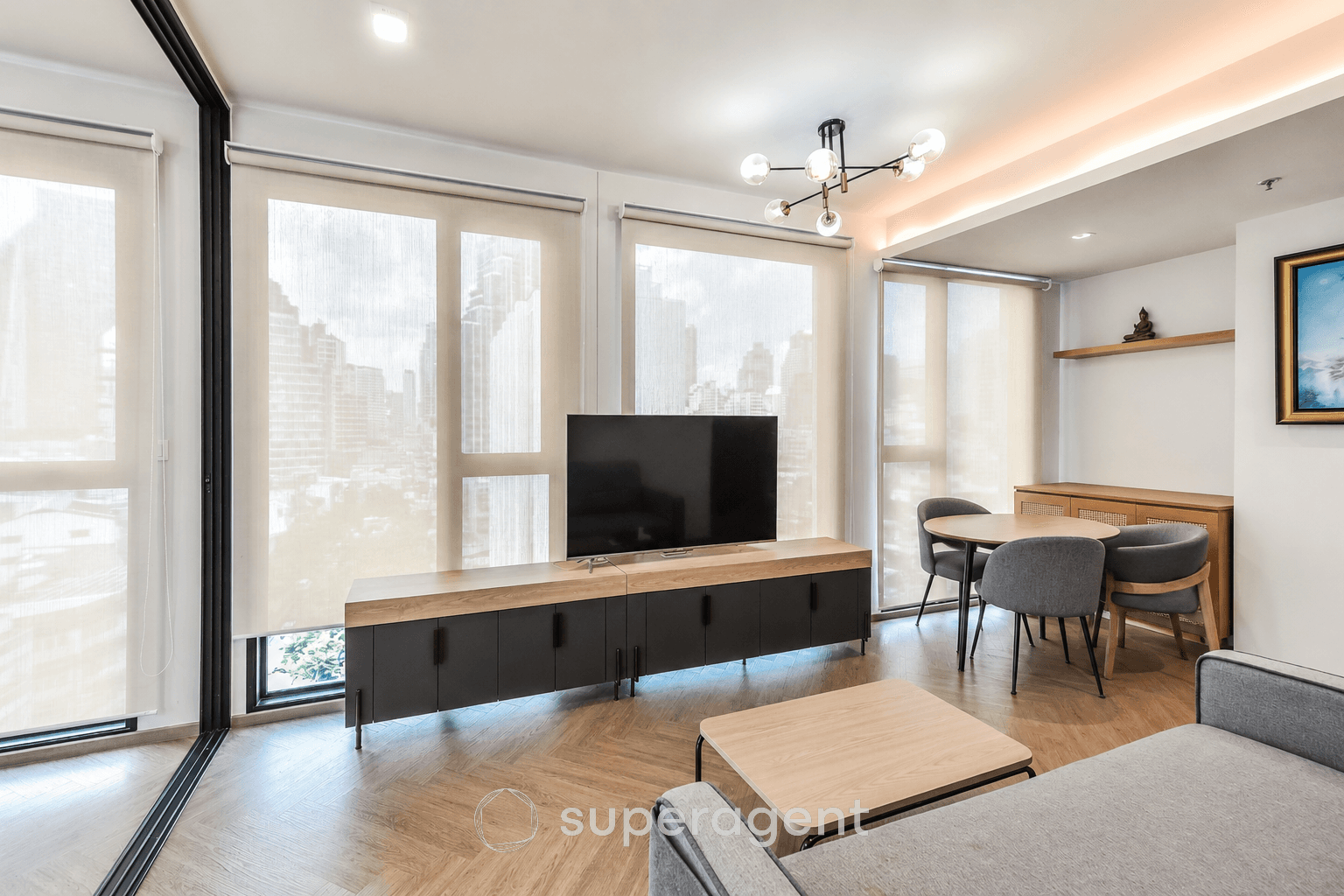
฿33,000
Chapter Chula-Samyan
Siam
Condo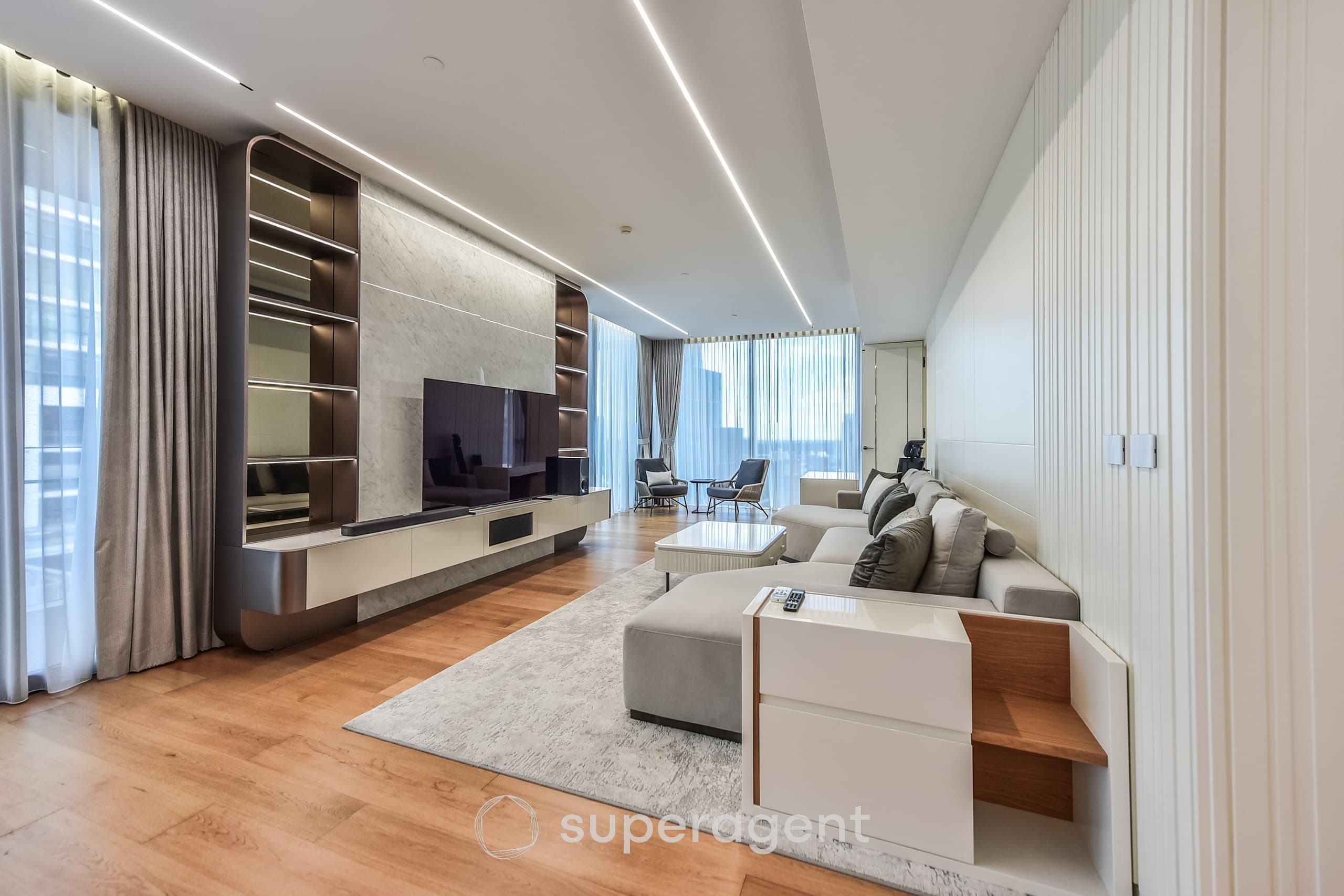
฿290,000
Marque Sukhumvit near BTS Phrom Phong The Privilege of Luxury in an Economic Hub Location
Phrom Phong
Condo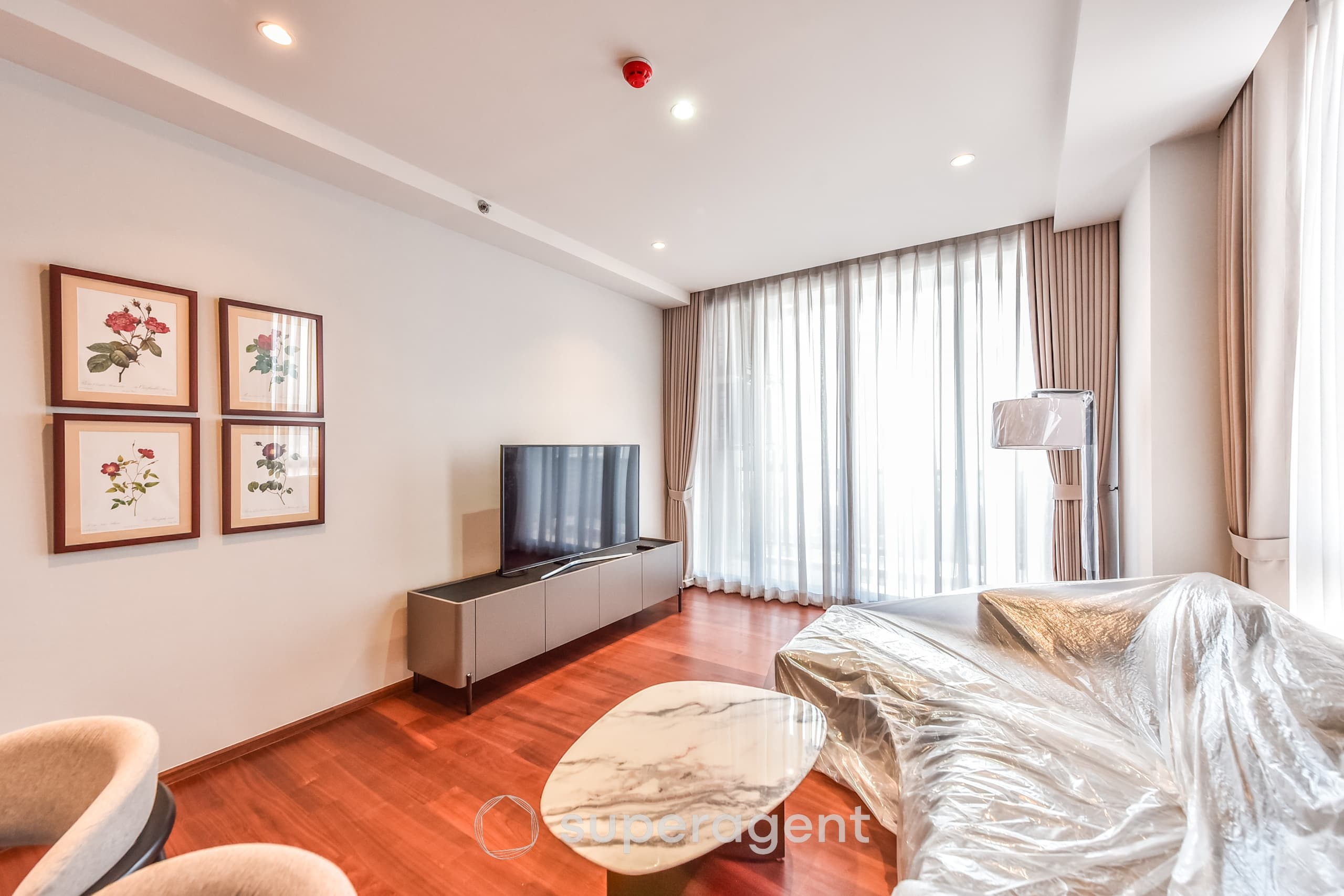
฿79,000
Book before anyone else One Altitude - Charoenkrung
Condo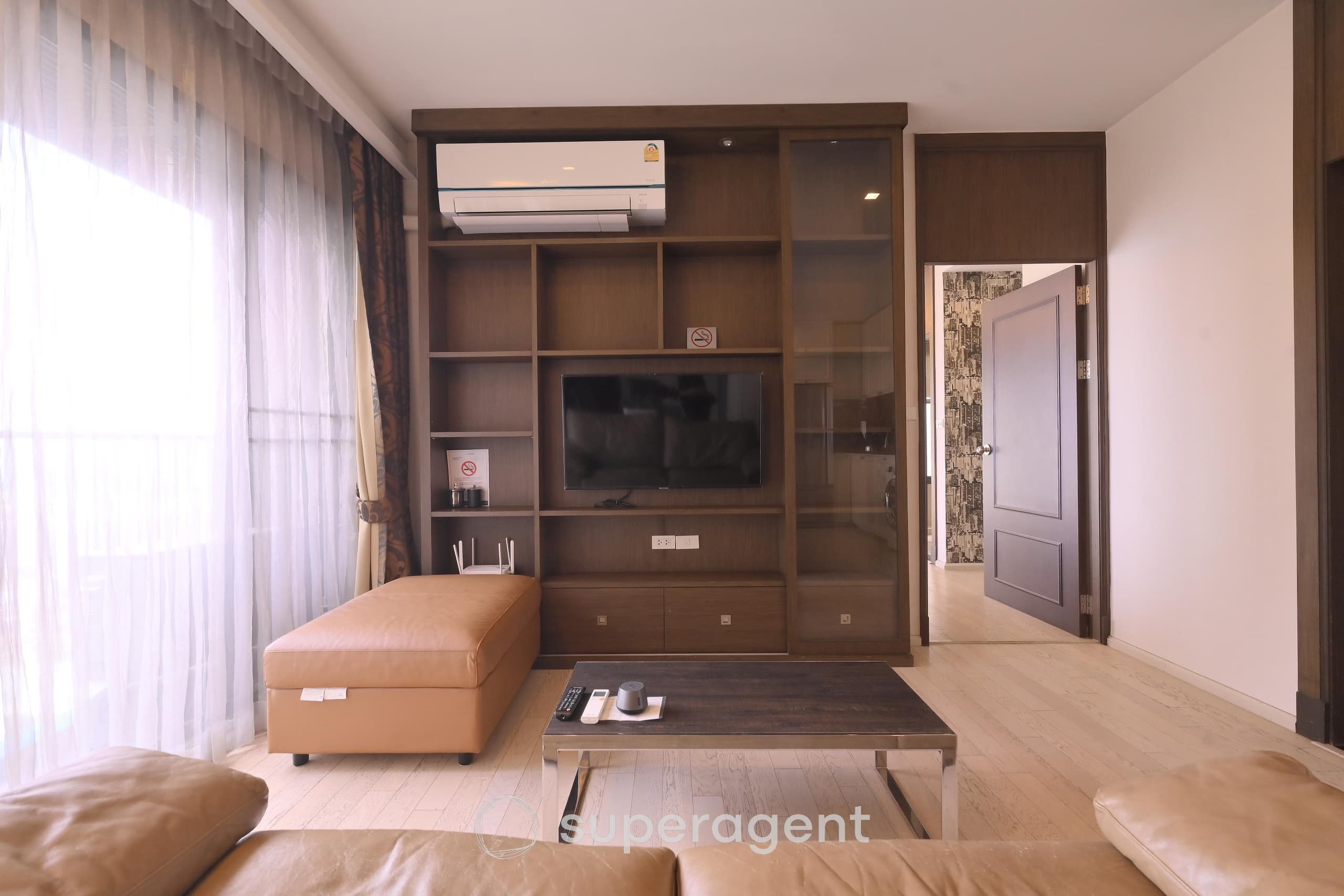
฿45,000
Noble Solo Special unit at an attractive price
Thonglor
Condo![[For Rent] HOUSE I Perfect Masterpiece3 Sukhumvit77 - Suvarnabhumi I 4 Beds I 4 Baths I 165,000THB/mo](/_next/image?url=https%3A%2F%2Fstorage.googleapis.com%2Fsuperagent-web%2Fattachments%2Flistings%2F2054%2Fea6423aa-11fe-4ec7-b419-859b18bb841f-1783662238561.jpg&w=3840&q=75)
฿165,000
[For Rent] HOUSE I Perfect Masterpiece3 Sukhumvit77 - Suvarnabhumi I 4 Beds I 4 Baths I 165,000THB/mo
House![[For Rent&Sale] HOUSE I Perfect Place Ramindra - Wongwaen I 4 Beds I 3 Baths I Rent 33,000THB/mo - Sale 7.49mb THB](/_next/image?url=https%3A%2F%2Fstorage.googleapis.com%2Fsuperagent-web%2Fattachments%2Flistings%2F1957%2F4c02eda2-14c3-4a1c-8ad1-fea436f93326-p8.5.jpg&w=3840&q=75)
฿33,000
[For Rent&Sale] HOUSE I Perfect Place Ramindra - Wongwaen I 4 Beds I 3 Baths I Rent 33,000THB/mo - Sale 7.49mb THB
HouseMore like this
 In Guides · Superagent EditorialHidden Costs of Renting a Condo in Bangkok Nobody Warns You AboutBangkok condo rent looks affordable until month one hits. Here are the real costs beyond the headline figure that catch most renters off guard.25 May 20261 min read
 In Guides · Superagent EditorialWhat a Long-Vacant Bangkok Condo Unit Is Actually Telling YouA Bangkok condo vacant for months signals overpricing, landlord issues, or real problems. Here is how to read the signs.25 May 20261 min read
 In Guides · Superagent EditorialRed Flags in a Bangkok Rental Contract to Watch Out ForBangkok rental contracts often hide risky clauses. Here are the red flags every tenant must catch before signing any lease.25 May 20261 min read
 In Guides · Superagent EditorialWorking Online from a Condo: How to Choose the Perfect Room for ProductivityLearn how to choose the best condo room for working online with tips on lighting, noise, and furniture setup to maximize productivity.9 May 20261 min read