Airbnb Condo Rentals in Thailand: Is It Legal and What Are the Risks?
Guides
Airbnb Condo Rentals in Thailand: Is It Legal and What Are the Risks?
Learn the legal requirements and potential risks of renting out your Bangkok condo on Airbnb.
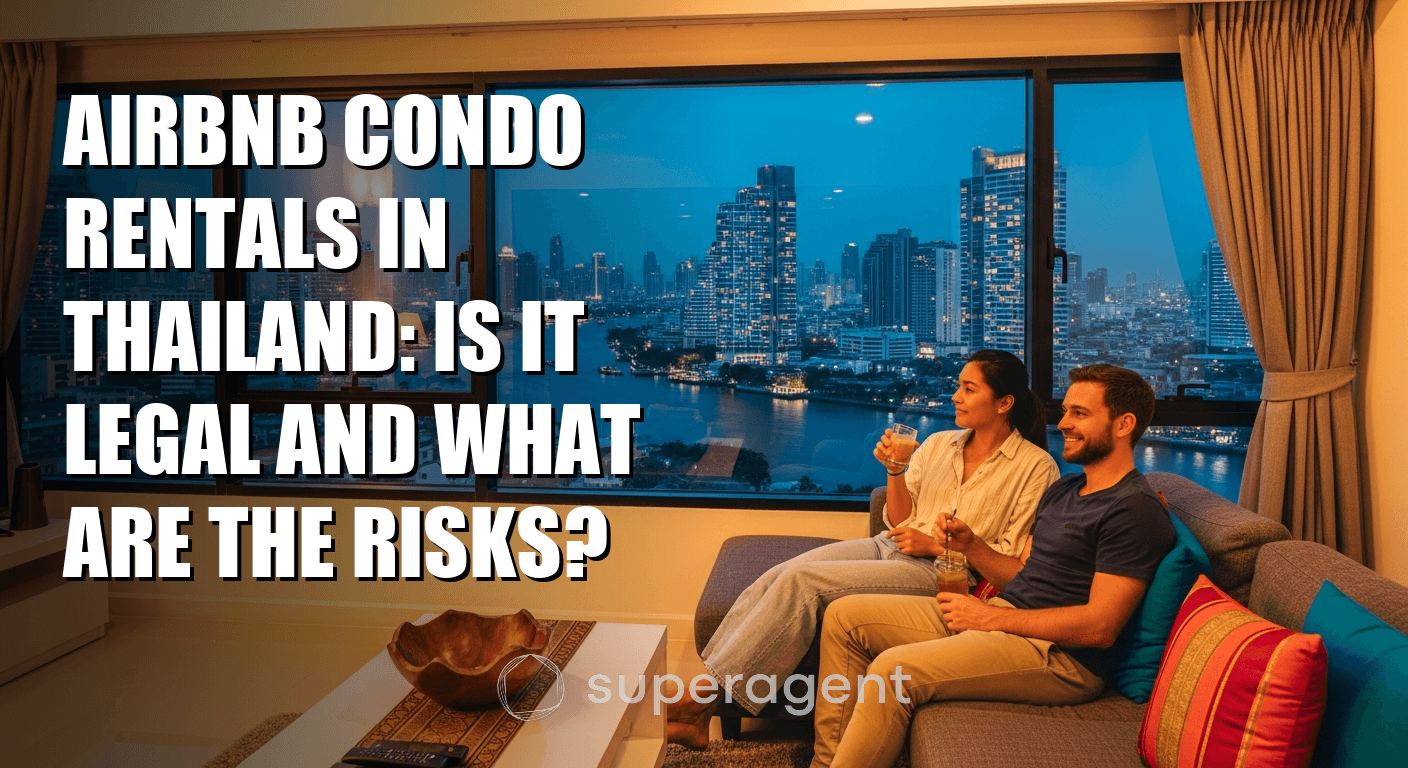
Summary
Discover if short-term condo rentals via Airbnb in Thailand are legal and what risks you should know about before listing your property.
So you're thinking about listing your Bangkok condo on Airbnb. You've seen other owners posting photos of their units, tracking bookings, and making decent money month after month. But before you set up that listing, we need to talk about what's actually legal in Thailand and what could go wrong. The short answer? It's complicated, and there are real risks you need to understand.
The Legal Status of Airbnb Rentals in Thailand
Thailand doesn't have a blanket ban on short-term condo rentals through platforms like Airbnb. You won't get arrested for listing your unit. But Thailand also doesn't have clear, specific laws that make it 100% legal either. This legal gray area is where things get tricky for owners.
The government views short-term rentals differently than long-term leases. A traditional condo rental for one year or more falls under clear residential tenancy law. Airbnb rentals for 3 nights at a time? The law doesn't explicitly address it. The Thai Tax Department, for example, expects you to report income from these rentals, but doesn't provide a straightforward registration process like other countries do.
In practice, what matters most is your condo building's house rules and regulations. This is where real legal problems actually start for most owners.
Your Condo's Restrictions Are the Real Problem
Here's the situation almost nobody talks about clearly enough. Your building's Homeowners Association (called the "Juristic Person" or "Juristic Council" in Thailand) created rules when the building opened. Most of those rules explicitly prohibit short-term rentals, Airbnb listings, or "hotel-like" use of residential units.
Take a condo like Aguston Sukhumvit 22 near BTS Asok. Check its building rules and you'll find language that says something like: "Units may only be used for residential purposes by the registered owner or long-term tenants. Commercial use and tourist accommodation are prohibited." That's standard language in almost every condo in central Bangkok, from Phloenchit to Thonglor to Samsen.
If the Juristic Council finds out you're running an Airbnb operation, they can fine you, increase your condo fees, or even take legal action. The fine typically ranges from 5,000 to 50,000 THB per violation, and each booking could technically count as a separate violation. That adds up fast.
Tax and Income Reporting Complications
Legally, you need to report Airbnb income to Thailand's Revenue Department. Most owners don't, and enforcement is weak. But that doesn't make it legal. The law requires you to register for a tax ID related to this income and file annual tax returns reporting what you earned.
There's a 5% withholding tax on rental income in Thailand, which you're technically responsible for. Airbnb doesn't automatically handle this for Thai properties the way it might in other countries. You handle it yourself when you file taxes, or you risk penalties if the Revenue Department audits you.
An owner in Rama 9 who listed their 2-bedroom condo at 25,000 THB per night and booked it 20 times in a year just made 500,000 THB that the government knows nothing about. That's a tax liability sitting there waiting. If an audit happens, the penalties and back taxes could reach 100,000 THB or more.
Real Consequences When Owners Get Caught
What actually happens when the Juristic Council discovers your Airbnb operation? The process usually starts with complaints from other residents who notice constant guest turnover, noise, or people they don't recognize coming and going. Management investigates, confirms the Airbnb listing, and sends you a warning letter.
If you ignore it, they escalate to fines. A few owners have faced lawsuits from their Juristic Council demanding they stop the operation and pay damages. In some cases, the building actually revoked the owner's right to lease out their unit at all, long-term or short-term.
There's also the issue of your building's liability insurance. If a guest gets injured in your unit and sues, your building's insurance likely won't cover it because you violated the house rules. You'd be personally liable for medical costs, damages, and legal fees. That's potentially hundreds of thousands of THB in exposure.
Building Types That Might Allow Short-Term Rentals
Some newer buildings, particularly those marketed as "serviced apartments" or buildings with mixed-use policies, do allow short-term rentals. You'd find this written clearly in their house rules. Buildings like certain units in Thonglor or Ploenchit that are designed partly for corporate housing sometimes permit it.
Before you list anything, pull out your building's Homeowners Association rules document. If it's in Thai, have someone translate the specific clauses about rental policies. That document is your actual legal baseline, not what Airbnb's terms say or what other owners are getting away with.
If you want to pursue short-term rentals legally, your first step is contacting your building management or Juristic Council directly. Ask if they allow it, what the process is, and what restrictions apply. Some buildings charge higher condo fees for units used this way. Others require registration and regular inspections. That's the honest path forward.
The reality in Bangkok's rental market is that short-term Airbnb rentals exist in a legal and contractual gray zone. You might operate successfully for months without problems. You also might get a fine letter tomorrow. Your building's rules matter more than national law, and tax obligations exist whether anyone's enforcing them today or not. If you're considering listing your condo, understand these risks before you upload that first photo. Looking for a safer rental strategy? Check out Superagent.co to explore long-term rental opportunities that work with Bangkok's actual legal framework.
So you're thinking about listing your Bangkok condo on Airbnb. You've seen other owners posting photos of their units, tracking bookings, and making decent money month after month. But before you set up that listing, we need to talk about what's actually legal in Thailand and what could go wrong. The short answer? It's complicated, and there are real risks you need to understand.
The Legal Status of Airbnb Rentals in Thailand
Thailand doesn't have a blanket ban on short-term condo rentals through platforms like Airbnb. You won't get arrested for listing your unit. But Thailand also doesn't have clear, specific laws that make it 100% legal either. This legal gray area is where things get tricky for owners.
The government views short-term rentals differently than long-term leases. A traditional condo rental for one year or more falls under clear residential tenancy law. Airbnb rentals for 3 nights at a time? The law doesn't explicitly address it. The Thai Tax Department, for example, expects you to report income from these rentals, but doesn't provide a straightforward registration process like other countries do.
In practice, what matters most is your condo building's house rules and regulations. This is where real legal problems actually start for most owners.
Continue reading after that.
Looking for a condo
to rent?
Leave your name and phone. We'll follow up while you keep reading.
100% Secure
Fast Response
Free Consultation
Your Condo's Restrictions Are the Real Problem
Here's the situation almost nobody talks about clearly enough. Your building's Homeowners Association (called the "Juristic Person" or "Juristic Council" in Thailand) created rules when the building opened. Most of those rules explicitly prohibit short-term rentals, Airbnb listings, or "hotel-like" use of residential units.
Take a condo like Aguston Sukhumvit 22 near BTS Asok. Check its building rules and you'll find language that says something like: "Units may only be used for residential purposes by the registered owner or long-term tenants. Commercial use and tourist accommodation are prohibited." That's standard language in almost every condo in central Bangkok, from Phloenchit to Thonglor to Samsen.
If the Juristic Council finds out you're running an Airbnb operation, they can fine you, increase your condo fees, or even take legal action. The fine typically ranges from 5,000 to 50,000 THB per violation, and each booking could technically count as a separate violation. That adds up fast.
Tax and Income Reporting Complications
Legally, you need to report Airbnb income to Thailand's Revenue Department. Most owners don't, and enforcement is weak. But that doesn't make it legal. The law requires you to register for a tax ID related to this income and file annual tax returns reporting what you earned.
There's a 5% withholding tax on rental income in Thailand, which you're technically responsible for. Airbnb doesn't automatically handle this for Thai properties the way it might in other countries. You handle it yourself when you file taxes, or you risk penalties if the Revenue Department audits you.
An owner in Rama 9 who listed their 2-bedroom condo at 25,000 THB per night and booked it 20 times in a year just made 500,000 THB that the government knows nothing about. That's a tax liability sitting there waiting. If an audit happens, the penalties and back taxes could reach 100,000 THB or more.
Real Consequences When Owners Get Caught
What actually happens when the Juristic Council discovers your Airbnb operation? The process usually starts with complaints from other residents who notice constant guest turnover, noise, or people they don't recognize coming and going. Management investigates, confirms the Airbnb listing, and sends you a warning letter.
If you ignore it, they escalate to fines. A few owners have faced lawsuits from their Juristic Council demanding they stop the operation and pay damages. In some cases, the building actually revoked the owner's right to lease out their unit at all, long-term or short-term.
There's also the issue of your building's liability insurance. If a guest gets injured in your unit and sues, your building's insurance likely won't cover it because you violated the house rules. You'd be personally liable for medical costs, damages, and legal fees. That's potentially hundreds of thousands of THB in exposure.
Continue reading after that.
Looking for a condo
to rent?
Leave your name and phone. We'll follow up while you keep reading.
100% Secure
Fast Response
Free Consultation
Building Types That Might Allow Short-Term Rentals
Some newer buildings, particularly those marketed as "serviced apartments" or buildings with mixed-use policies, do allow short-term rentals. You'd find this written clearly in their house rules. Buildings like certain units in Thonglor or Ploenchit that are designed partly for corporate housing sometimes permit it.
Before you list anything, pull out your building's Homeowners Association rules document. If it's in Thai, have someone translate the specific clauses about rental policies. That document is your actual legal baseline, not what Airbnb's terms say or what other owners are getting away with.
If you want to pursue short-term rentals legally, your first step is contacting your building management or Juristic Council directly. Ask if they allow it, what the process is, and what restrictions apply. Some buildings charge higher condo fees for units used this way. Others require registration and regular inspections. That's the honest path forward.
The reality in Bangkok's rental market is that short-term Airbnb rentals exist in a legal and contractual gray zone. You might operate successfully for months without problems. You also might get a fine letter tomorrow. Your building's rules matter more than national law, and tax obligations exist whether anyone's enforcing them today or not. If you're considering listing your condo, understand these risks before you upload that first photo. Looking for a safer rental strategy? Check out Superagent.co to explore long-term rental opportunities that work with Bangkok's actual legal framework.
Share this article
Properties you may like
![[For Rent] CONDO I Las Colinas Condominium I 2 Beds I 3 Baths I 85,000THB/mo](/_next/image?url=https%3A%2F%2Fstorage.googleapis.com%2Fsuperagent-web%2Fattachments%2Flistings%2F6828%2F80f345c4-488e-43b2-b017-c9fbb17b520d-99486dd8-4237-4ba2-9207-01ce4f66b21f-media.jpg&w=3840&q=75)
฿85,000
2 Bed3170 sqm
[For Rent] CONDO I Las Colinas Condominium I 2 Beds I 3 Baths I 85,000THB/mo
Asoke
Condo![[For Rent] CONDO I Ashton Asoke I 1 Bed I 1 Bath I 30,000THB/mo](/_next/image?url=https%3A%2F%2Fstorage.googleapis.com%2Fsuperagent-web%2Fattachments%2Flistings%2F6876%2Fb7ce9bbe-f877-4ff5-bb54-8ad0026db940-1272-4.jpg&w=3840&q=75)
฿30,000
1 Bed135 sqm
[For Rent] CONDO I Ashton Asoke I 1 Bed I 1 Bath I 30,000THB/mo
Asoke
Condo![[For Rent] CONDO I Skyrise Avenue Sukhumvit 64 I 2 Beds I 2 Baths I 27,000THB/mo](/_next/image?url=https%3A%2F%2Fstorage.googleapis.com%2Fsuperagent-web%2Fattachments%2Flistings%2F2001%2F670f91de-c251-4e81-971c-8e30ed2158cd-screenshot-2026-07-05-at-11.38.53-pm.png&w=3840&q=75)
฿27,000
2 Bed252 sqm
[For Rent] CONDO I Skyrise Avenue Sukhumvit 64 I 2 Beds I 2 Baths I 27,000THB/mo
Punnawithi
Condo![[For Rent] CONDO I Park Origin Ratchathewi I Duplex I 2 Beds I 1 Bath I 32,000THB/mo](/_next/image?url=https%3A%2F%2Fstorage.googleapis.com%2Fsuperagent-web%2Fattachments%2Flistings%2F6896%2Fb79a7d21-7533-4b0d-bb19-762ebfafab62-1318-6.jpg&w=3840&q=75)
฿32,000
2 Bed135.9 sqm
[For Rent] CONDO I Park Origin Ratchathewi I Duplex I 2 Beds I 1 Bath I 32,000THB/mo
Ratchathewi
Condo![[For Rent] CONDO I Park Origin Phayathai I Studio I 1 Bath I 28,000THB/mo](/_next/image?url=https%3A%2F%2Fstorage.googleapis.com%2Fsuperagent-web%2Fattachments%2Flistings%2F6757%2Fb226df93-94c6-46fa-aeba-ebfadc7f81b8-1000006042.jpg&w=3840&q=75)
฿28,000
Studio129 sqm
[For Rent] CONDO I Park Origin Phayathai I Studio I 1 Bath I 28,000THB/mo
Phaya Thai
Condo![[For Rent] CONDO I Ideo Mobi Sukhumvit 81 I Duplex I 1 Bed I 1 Bath I 28,000THB/mo](/_next/image?url=https%3A%2F%2Fstorage.googleapis.com%2Fsuperagent-web%2Fattachments%2Flistings%2F1849%2Fc8b2c033-3b5f-4615-b2b0-4972f40141f0-705-13.jpg&w=3840&q=75)
฿28,000
1 Bed143 sqm
[For Rent] CONDO I Ideo Mobi Sukhumvit 81 I Duplex I 1 Bed I 1 Bath I 28,000THB/mo
On Nut
Condo![[For Rent] CONDO I Siamese Sukhumvit 48 I 1 Bed I 1 Bath I 28,000THB/mo](/_next/image?url=https%3A%2F%2Fstorage.googleapis.com%2Fsuperagent-web%2Fattachments%2Flistings%2F6841%2Febc2dce2-2e9b-4e6d-a01c-0cfa619dfa13-1231-6.jpg&w=3840&q=75)
฿28,000
1 Bed144 sqm
[For Rent] CONDO I Siamese Sukhumvit 48 I 1 Bed I 1 Bath I 28,000THB/mo
Condo![[For Rent] CONDO I Ashton Asoke I 1 Bed I 1 Bath I 22,000THB/mo](/_next/image?url=https%3A%2F%2Fstorage.googleapis.com%2Fsuperagent-web%2Fattachments%2Flistings%2F6802%2Fe06b9b73-1207-414a-ab04-1685de0c7eaa-20220808_153124_0.jpg&w=3840&q=75)
฿22,000
1 Bed134 sqm
[For Rent] CONDO I Ashton Asoke I 1 Bed I 1 Bath I 22,000THB/mo
Asoke
Condo![[For Rent] CONDO I HQ Thonglor Soi 4 I 1 Bed I 1 Bath I 35,000 THB/mo](/_next/image?url=https%3A%2F%2Fstorage.googleapis.com%2Fsuperagent-web%2Fattachments%2Flistings%2F1445%2F72352585-1bc2-41a8-bd62-ddcbf8189fe9-376-5.jpg&w=3840&q=75)
฿35,000
1 Bed143.6 sqm
[For Rent] CONDO I HQ Thonglor Soi 4 I 1 Bed I 1 Bath I 35,000 THB/mo
Thonglor
Condo![[For Rent] CONDO I The Master Centrium Asoke - Sukhumvit I Duplex I 2 Beds I 3 Baths I 75,000 THB/mo](/_next/image?url=https%3A%2F%2Fstorage.googleapis.com%2Fsuperagent-web%2Fattachments%2Flistings%2F1545%2F97932b6a-c358-45e4-b5f9-995dbf5a3cf0-441-2.jpg&w=3840&q=75)
฿75,000
2 Bed3150 sqm
[For Rent] CONDO I The Master Centrium Asoke - Sukhumvit I Duplex I 2 Beds I 3 Baths I 75,000 THB/mo
Asoke
CondoMore like this
 In Guides · Superagent EditorialHidden Costs of Renting a Condo in Bangkok Nobody Warns You AboutBangkok condo rent looks affordable until month one hits. Here are the real costs beyond the headline figure that catch most renters off guard.25 May 20261 min read
 In Guides · Superagent EditorialWhat a Long-Vacant Bangkok Condo Unit Is Actually Telling YouA Bangkok condo vacant for months signals overpricing, landlord issues, or real problems. Here is how to read the signs.25 May 20261 min read
 In Guides · Superagent EditorialRed Flags in a Bangkok Rental Contract to Watch Out ForBangkok rental contracts often hide risky clauses. Here are the red flags every tenant must catch before signing any lease.25 May 20261 min read
 In Guides · Superagent EditorialWorking Online from a Condo: How to Choose the Perfect Room for ProductivityLearn how to choose the best condo room for working online with tips on lighting, noise, and furniture setup to maximize productivity.9 May 20261 min read