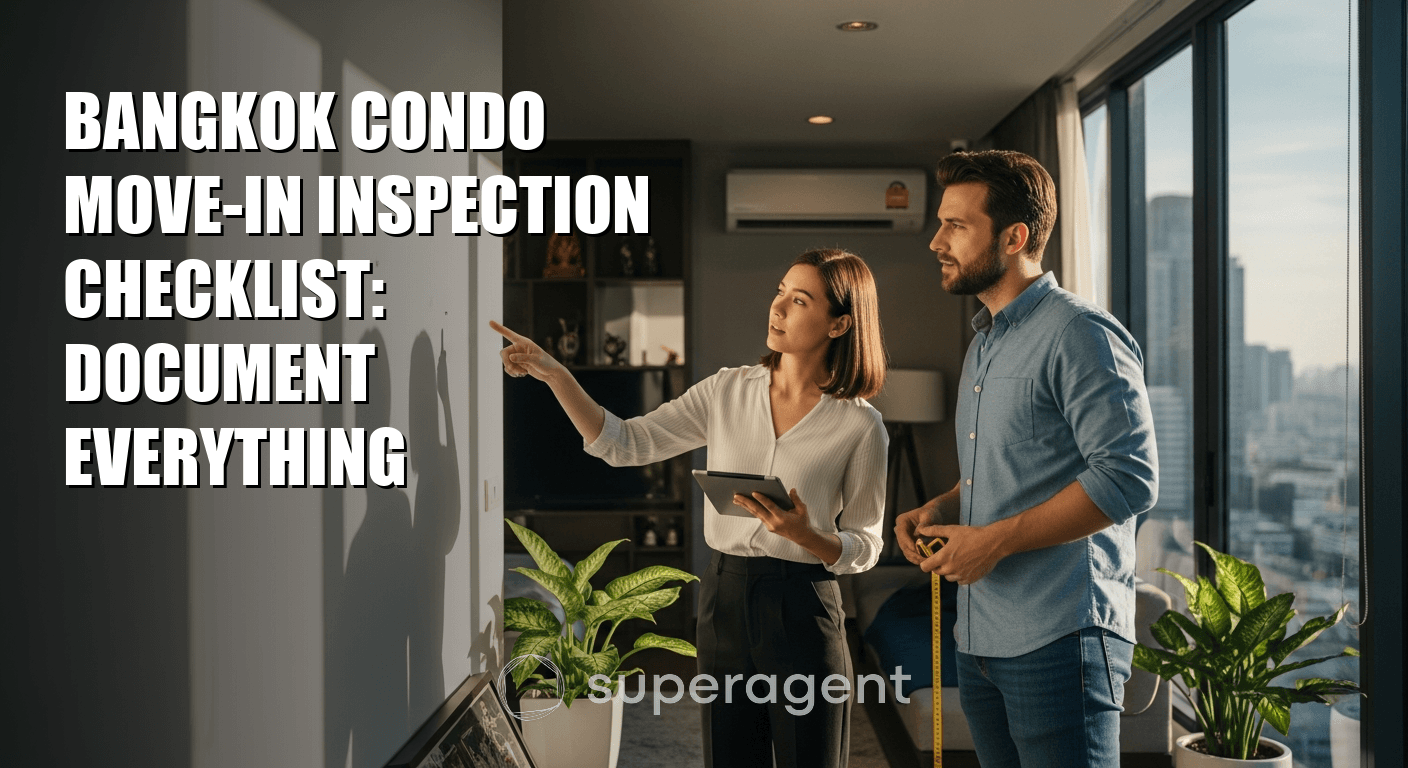
Bangkok Condo Move-In Inspection Checklist: Document Everything
Guides
Bangkok Condo Move-In Inspection Checklist: Document Everything
Protect your deposit with a thorough inspection before moving into your Bangkok condo.
Summary
Use this move in checklist bangkok condo guide to document damage, test utilities, and protect your security deposit before signing the lease.
You've just signed the lease on a one bedroom at The Base Sukhumvit 77 near On Nut BTS. Rent is 15,000 THB per month, you paid a two month security deposit of 30,000 THB, and you're ready to move in. But before you unpack a single suitcase, there's one step that can save you thousands of baht when you eventually move out: the move in inspection. Skipping this part is one of the most common and most expensive mistakes renters make in Bangkok. This move in checklist for your Bangkok condo will help you document everything so your deposit actually comes back to you.
Why the Move In Inspection Matters More Than You Think
Here's the reality. When you move out of a Bangkok condo, landlords will go through the unit looking for damage. Every scratch, stain, and scuff mark becomes a potential deduction from your deposit. If you didn't document the condition on day one, you have zero proof that the damage was already there when you arrived.
A friend of mine rented a studio near Ari BTS for 12,000 THB a month. When she moved out after a year, the landlord deducted 8,000 THB for a cracked bathroom tile and a stained kitchen counter. Both were there when she moved in, but she had no photos, no checklist, nothing. She lost that money with no way to fight it.
The fix is simple. Spend 30 to 45 minutes on move in day walking through every corner of the unit with your phone camera and a written checklist. Send everything to the landlord or agent by email so there's a timestamped record. That one effort protects your entire deposit.
The Room by Room Checklist You Should Follow
Start at the front door and work your way through every room systematically. Don't rush this part. Open every cabinet, test every switch, and run every faucet. Here's what to check in each area.
Living area and bedrooms: Check walls for cracks, holes, scuff marks, and peeling paint. Test all light switches and power outlets by plugging in your phone charger. Open and close windows to make sure locks work. Inspect the flooring for scratches, especially if it's laminate or hardwood. Check the curtains or blinds for stains and broken mechanisms. Test the air conditioning unit and note any unusual noises or smells.
Kitchen: Run the stove burners and check the microwave. Open the fridge and freezer to confirm they're cooling properly. Run the tap and check water pressure. Look under the sink for leaks or water stains. Check the countertop for chips, burns, or discoloration.
Bathroom: Flush the toilet and watch for slow draining. Turn on the shower and hot water heater. Check tiles for cracks and grout for mold. Look at the ceiling for water damage or discoloration. Test the bathroom fan if there is one.
I once checked into a unit at Life Ladprao near Ladprao MRT where the hot water heater wasn't working at all. If I hadn't tested it during the inspection, I would've discovered the problem after the landlord disappeared for a two week trip. Catching it early meant it was fixed before I even slept there.
How to Document Everything Properly
Taking photos is good. Taking organized, timestamped, clearly labeled photos is better. Here's the method that actually holds up if there's ever a dispute.
Use your phone's default camera app because it automatically embeds the date and time into the photo metadata. Take wide shots of each room first, then close ups of any damage or wear you spot. Record a short video walkthrough too, narrating what you see as you go. "This is the bedroom wall, there's a crack near the window frame, approximately 15 centimeters long."
After the inspection, compile everything into a single email. Send it to your landlord or property agent with the subject line "Move In Condition Report" and the date. Ask them to confirm receipt and acknowledge the contents. If they reply with even a simple "Received, thank you," you now have written proof that both parties agreed on the unit's condition.
For condos managed through agencies, like those along Sukhumvit from Nana to Ekkamai, most professional agents will actually provide their own checklist form. Sign it together and keep a copy. If your agent doesn't offer one, that's a small red flag about how professional the management will be going forward.
Furniture and Appliance Inventory
Most Bangkok condos in the 10,000 to 35,000 THB range come furnished. That means the sofa, bed, dining table, washing machine, and TV all belong to the landlord. You need a written inventory of every item and its condition.
A couple I know rented a two bedroom at Lumpini Park Rama 9 near Rama 9 MRT for 22,000 THB monthly. The unit came with a washing machine that already had a dented door. They never noted it. At move out, the landlord charged them 6,500 THB to repair it. A single photo would have saved them that money.
List every piece of furniture and every appliance. Note the brand and model of electronics if possible. Photograph serial number stickers on the back of TVs and washing machines. Check sofa cushions for stains, mattresses for sagging, and dining chairs for wobbly legs.
Utility Meters and Access Cards
Before you settle in, photograph the electric and water meter readings. Many Bangkok condos charge electricity at a per unit rate set by the building juristic office, often 7 to 9 THB per unit instead of the government rate of around 4 THB. Knowing your starting meter reading protects you from being billed for the previous tenant's usage.
Also confirm how many key cards, door keys, mailbox keys, and parking cards you received. Write the exact number on your checklist. Replacement key cards at buildings like The Niche Pride Thonglor or Ideo Mobi Asoke can cost 500 to 1,500 THB each. You don't want to pay for cards that were already missing before you arrived.
Taking the time to complete a proper move in checklist for your Bangkok condo is one of those small efforts that pays off in a big way. It takes less than an hour, costs nothing, and puts you in a strong position when move out day eventually arrives. Your deposit is your money, and a little documentation keeps it that way. If you're currently searching for your next condo in Bangkok, Superagent at superagent.co can help you find the right place and make sure your rental experience starts on solid ground.
You've just signed the lease on a one bedroom at The Base Sukhumvit 77 near On Nut BTS. Rent is 15,000 THB per month, you paid a two month security deposit of 30,000 THB, and you're ready to move in. But before you unpack a single suitcase, there's one step that can save you thousands of baht when you eventually move out: the move in inspection. Skipping this part is one of the most common and most expensive mistakes renters make in Bangkok. This move in checklist for your Bangkok condo will help you document everything so your deposit actually comes back to you.
Why the Move In Inspection Matters More Than You Think
Here's the reality. When you move out of a Bangkok condo, landlords will go through the unit looking for damage. Every scratch, stain, and scuff mark becomes a potential deduction from your deposit. If you didn't document the condition on day one, you have zero proof that the damage was already there when you arrived.
A friend of mine rented a studio near Ari BTS for 12,000 THB a month. When she moved out after a year, the landlord deducted 8,000 THB for a cracked bathroom tile and a stained kitchen counter. Both were there when she moved in, but she had no photos, no checklist, nothing. She lost that money with no way to fight it.
The fix is simple. Spend 30 to 45 minutes on move in day walking through every corner of the unit with your phone camera and a written checklist. Send everything to the landlord or agent by email so there's a timestamped record. That one effort protects your entire deposit.
Continue reading after that.
Looking for a condo
to rent?
Leave your name and phone. We'll follow up while you keep reading.
100% Secure
Fast Response
Free Consultation
The Room by Room Checklist You Should Follow
Start at the front door and work your way through every room systematically. Don't rush this part. Open every cabinet, test every switch, and run every faucet. Here's what to check in each area.
Living area and bedrooms: Check walls for cracks, holes, scuff marks, and peeling paint. Test all light switches and power outlets by plugging in your phone charger. Open and close windows to make sure locks work. Inspect the flooring for scratches, especially if it's laminate or hardwood. Check the curtains or blinds for stains and broken mechanisms. Test the air conditioning unit and note any unusual noises or smells.
Kitchen: Run the stove burners and check the microwave. Open the fridge and freezer to confirm they're cooling properly. Run the tap and check water pressure. Look under the sink for leaks or water stains. Check the countertop for chips, burns, or discoloration.
Bathroom: Flush the toilet and watch for slow draining. Turn on the shower and hot water heater. Check tiles for cracks and grout for mold. Look at the ceiling for water damage or discoloration. Test the bathroom fan if there is one.
I once checked into a unit at Life Ladprao near Ladprao MRT where the hot water heater wasn't working at all. If I hadn't tested it during the inspection, I would've discovered the problem after the landlord disappeared for a two week trip. Catching it early meant it was fixed before I even slept there.
How to Document Everything Properly
Taking photos is good. Taking organized, timestamped, clearly labeled photos is better. Here's the method that actually holds up if there's ever a dispute.
Use your phone's default camera app because it automatically embeds the date and time into the photo metadata. Take wide shots of each room first, then close ups of any damage or wear you spot. Record a short video walkthrough too, narrating what you see as you go. "This is the bedroom wall, there's a crack near the window frame, approximately 15 centimeters long."
After the inspection, compile everything into a single email. Send it to your landlord or property agent with the subject line "Move In Condition Report" and the date. Ask them to confirm receipt and acknowledge the contents. If they reply with even a simple "Received, thank you," you now have written proof that both parties agreed on the unit's condition.
For condos managed through agencies, like those along Sukhumvit from Nana to Ekkamai, most professional agents will actually provide their own checklist form. Sign it together and keep a copy. If your agent doesn't offer one, that's a small red flag about how professional the management will be going forward.
Furniture and Appliance Inventory
Most Bangkok condos in the 10,000 to 35,000 THB range come furnished. That means the sofa, bed, dining table, washing machine, and TV all belong to the landlord. You need a written inventory of every item and its condition.
A couple I know rented a two bedroom at Lumpini Park Rama 9 near Rama 9 MRT for 22,000 THB monthly. The unit came with a washing machine that already had a dented door. They never noted it. At move out, the landlord charged them 6,500 THB to repair it. A single photo would have saved them that money.
Continue reading after that.
Looking for a condo
to rent?
Leave your name and phone. We'll follow up while you keep reading.
100% Secure
Fast Response
Free Consultation
List every piece of furniture and every appliance. Note the brand and model of electronics if possible. Photograph serial number stickers on the back of TVs and washing machines. Check sofa cushions for stains, mattresses for sagging, and dining chairs for wobbly legs.
Utility Meters and Access Cards
Before you settle in, photograph the electric and water meter readings. Many Bangkok condos charge electricity at a per unit rate set by the building juristic office, often 7 to 9 THB per unit instead of the government rate of around 4 THB. Knowing your starting meter reading protects you from being billed for the previous tenant's usage.
Also confirm how many key cards, door keys, mailbox keys, and parking cards you received. Write the exact number on your checklist. Replacement key cards at buildings like The Niche Pride Thonglor or Ideo Mobi Asoke can cost 500 to 1,500 THB each. You don't want to pay for cards that were already missing before you arrived.
Taking the time to complete a proper move in checklist for your Bangkok condo is one of those small efforts that pays off in a big way. It takes less than an hour, costs nothing, and puts you in a strong position when move out day eventually arrives. Your deposit is your money, and a little documentation keeps it that way. If you're currently searching for your next condo in Bangkok, Superagent at superagent.co can help you find the right place and make sure your rental experience starts on solid ground.
Share this article
Properties you may like
![[For Rent] CONDO I BEATNIQ Sukhumvit32 I 2 Beds I 1 Baths I 110,000THB/mo](/_next/image?url=https%3A%2F%2Fstorage.googleapis.com%2Fsuperagent-web%2Fattachments%2Flistings%2F6806%2F8024fbb5-880d-428a-b7f7-d8caf46fe4d1-1190-1.jpg&w=3840&q=75)
฿110,000
2 Bed1107 sqm
[For Rent] CONDO I BEATNIQ Sukhumvit32 I 2 Beds I 1 Baths I 110,000THB/mo
Phrom Phong
Condo![[For Rent] CONDO I The Diplomat 39 I 2 Beds I 2 Baths I 89,000THB/mo](/_next/image?url=https%3A%2F%2Fstorage.googleapis.com%2Fsuperagent-web%2Fattachments%2Flistings%2F6784%2Ff92c62cc-d3be-42df-adca-b8f96fb02cfb-1163-1.jpg&w=3840&q=75)
฿89,000
2 Bed286 sqm
[For Rent] CONDO I The Diplomat 39 I 2 Beds I 2 Baths I 89,000THB/mo
Phrom Phong
Condo![[For Rent] CONDO I Noble State 39 I 3 Beds I 2 Baths I 85,000 THB/mo](/_next/image?url=https%3A%2F%2Fstorage.googleapis.com%2Fsuperagent-web%2Fattachments%2Flistings%2F1454%2Fdc7f3742-b148-4d56-9e26-1961f002d674-384-19.jpg&w=3840&q=75)
฿85,000
3 Bed285 sqm
[For Rent] CONDO I Noble State 39 I 3 Beds I 2 Baths I 85,000 THB/mo
Phrom Phong
Condo![[For Rent] CONDO I Piyathip Place I 2 Beds I 2 Baths I 77,000THB/mo](/_next/image?url=https%3A%2F%2Fstorage.googleapis.com%2Fsuperagent-web%2Fattachments%2Flistings%2F6817%2F2943cf16-53ee-4779-8edb-2e1be7291556-1191-1.jpg&w=3840&q=75)
฿77,000
2 Bed2173 sqm
[For Rent] CONDO I Piyathip Place I 2 Beds I 2 Baths I 77,000THB/mo
Condo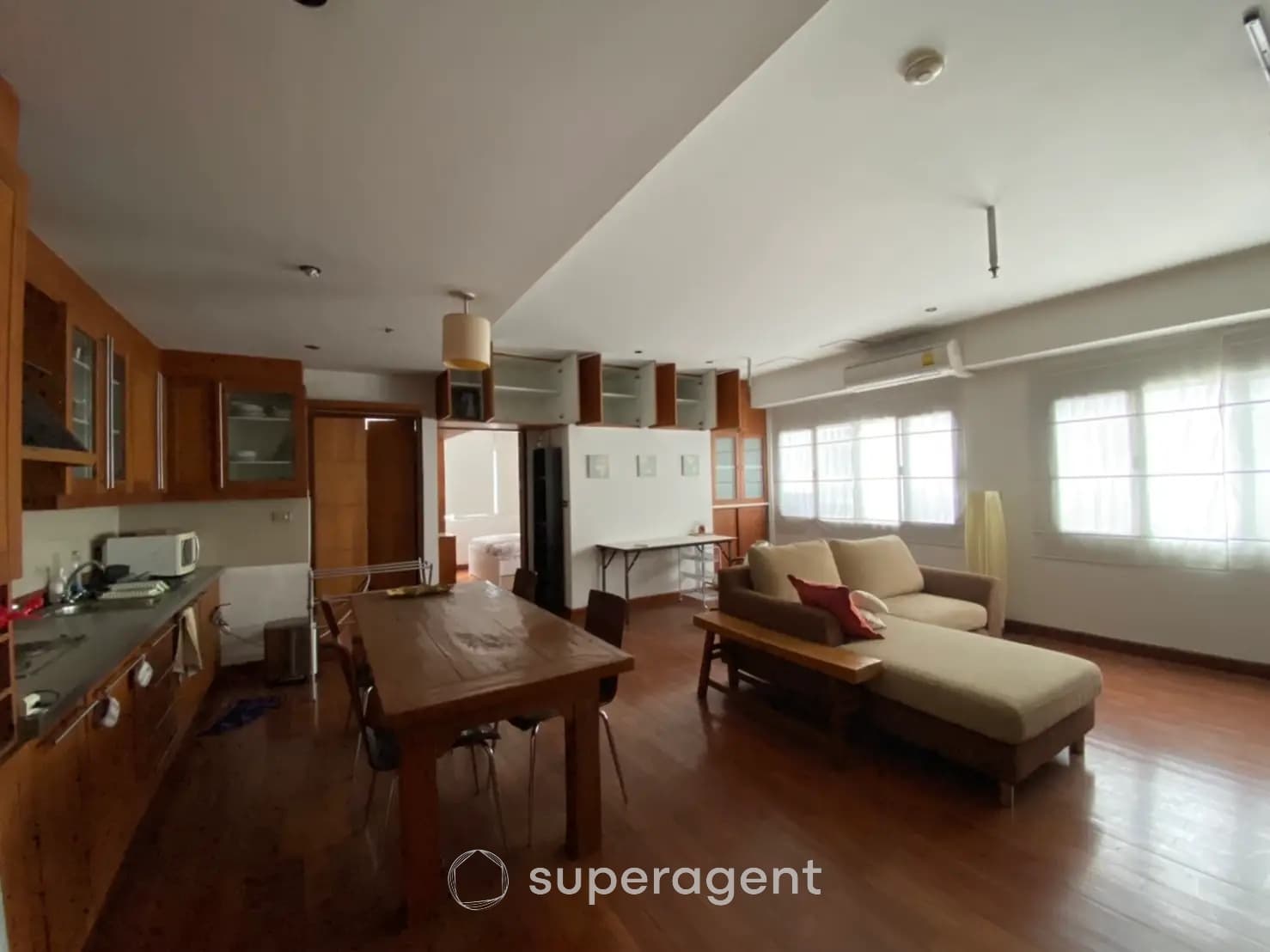
฿28,000
1 Bed167 sqm
1-BR Condo at Wittayu Complex near BTS Phloen Chit
Condo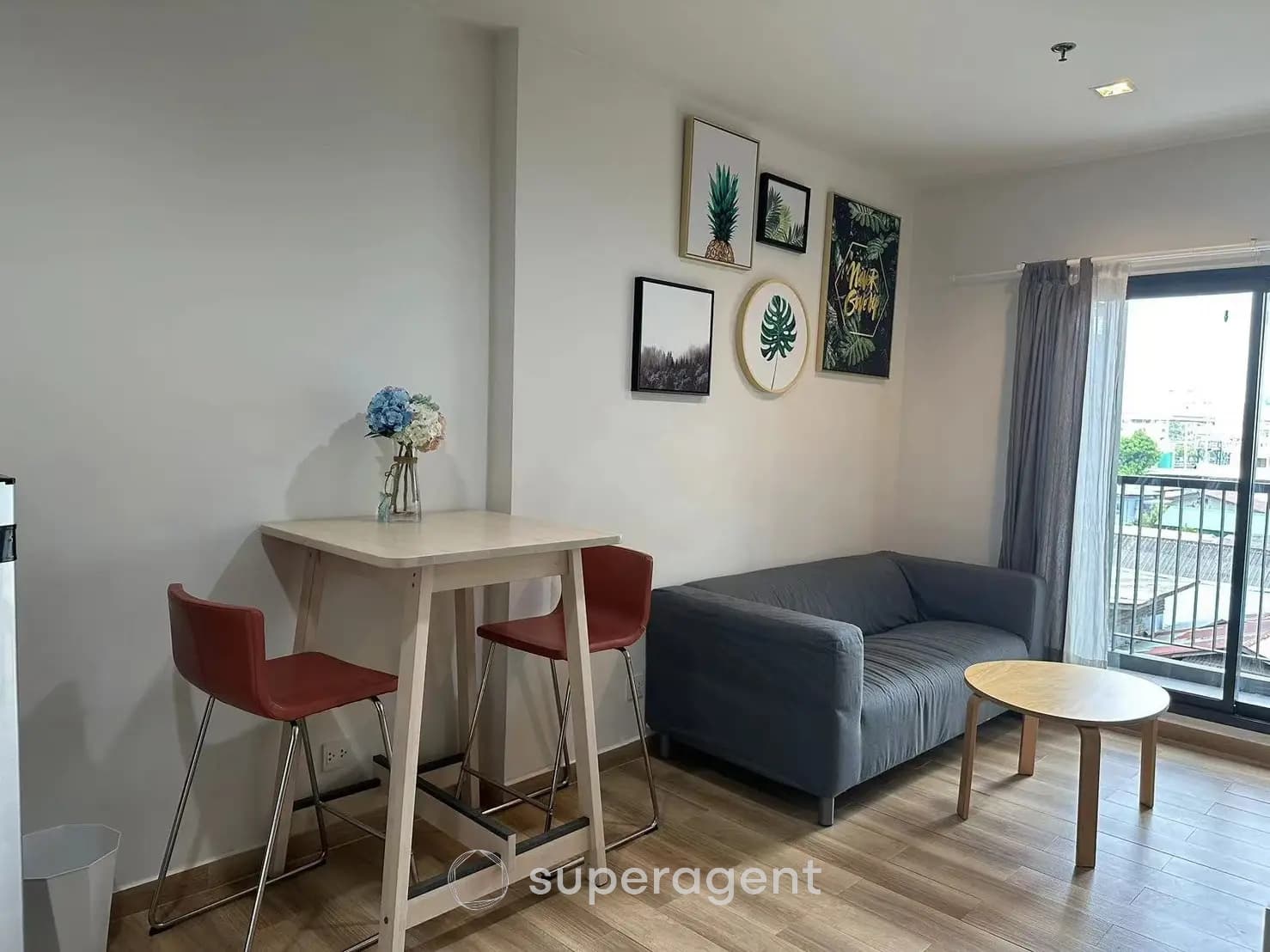
฿23,000
2 Bed150 sqm
2-BR Condo at Life Sukhumvit 48 near BTS Phra Khanong
On Nut
Condo![[For Rent] CONDO I Maestro 14 Siam-Ratchathewi Pet Friendly I 1 Bed I 1 Bath I 22,000THB/mo](/_next/image?url=https%3A%2F%2Fstorage.googleapis.com%2Fsuperagent-web%2Fattachments%2Flistings%2F6686%2F5ae8a77f-b6fb-4578-a765-e56f493cd25f-1058.png&w=3840&q=75)
฿25,000
1 Bed130 sqm
[For Rent] CONDO I Maestro 14 Siam-Ratchathewi Pet Friendly I 1 Bed I 1 Bath I 22,000THB/mo
Siam
Condo![[For Rent] CONDO I Las Colinas Condominium I 2 Beds I 3 Baths I 85,000THB/mo](/_next/image?url=https%3A%2F%2Fstorage.googleapis.com%2Fsuperagent-web%2Fattachments%2Flistings%2F6828%2F80f345c4-488e-43b2-b017-c9fbb17b520d-99486dd8-4237-4ba2-9207-01ce4f66b21f-media.jpg&w=3840&q=75)
฿85,000
2 Bed3170 sqm
[For Rent] CONDO I Las Colinas Condominium I 2 Beds I 3 Baths I 85,000THB/mo
Asoke
Condo![[For Rent] CONDO I KEN Attitude Rattanathibet I Duplex I 2 Beds I 2 Baths I 40,000THB/mo](/_next/image?url=https%3A%2F%2Fstorage.googleapis.com%2Fsuperagent-web%2Fattachments%2Flistings%2F6852%2F17c1715e-4458-4008-bb0b-072a4c081166-img_0557.jpeg&w=3840&q=75)
฿40,000
2 Bed277 sqm
[For Rent] CONDO I KEN Attitude Rattanathibet I Duplex I 2 Beds I 2 Baths I 40,000THB/mo
Condo![[For Rent] CONDO I H Sukhumvit 43 I 1 Bed I 1 Bath I 28,000THB/mo](/_next/image?url=https%3A%2F%2Fstorage.googleapis.com%2Fsuperagent-web%2Fattachments%2Flistings%2F6851%2Ff355c21a-a282-4338-86c6-dc5bb3368321-1244-1.jpg&w=3840&q=75)
฿28,000
1 Bed143 sqm
[For Rent] CONDO I H Sukhumvit 43 I 1 Bed I 1 Bath I 28,000THB/mo
Phrom Phong
CondoMore like this
 In Guides · Superagent EditorialHidden Costs of Renting a Condo in Bangkok Nobody Warns You AboutBangkok condo rent looks affordable until month one hits. Here are the real costs beyond the headline figure that catch most renters off guard.25 May 20261 min read
 In Guides · Superagent EditorialWhat a Long-Vacant Bangkok Condo Unit Is Actually Telling YouA Bangkok condo vacant for months signals overpricing, landlord issues, or real problems. Here is how to read the signs.25 May 20261 min read
 In Guides · Superagent EditorialRed Flags in a Bangkok Rental Contract to Watch Out ForBangkok rental contracts often hide risky clauses. Here are the red flags every tenant must catch before signing any lease.25 May 20261 min read
 In Guides · Superagent EditorialWorking Online from a Condo: How to Choose the Perfect Room for ProductivityLearn how to choose the best condo room for working online with tips on lighting, noise, and furniture setup to maximize productivity.9 May 20261 min read