Bangkok for Families: What Life Actually Looks Like with Kids
Lifestyle
Bangkok for Families: What Life Actually Looks Like with Kids
Real talk on schools, safety, costs, and daily life for expat families renting in Bangkok
Summary
From international schools to kid-friendly neighborhoods, here's what expat family life in Bangkok actually looks like day to day.
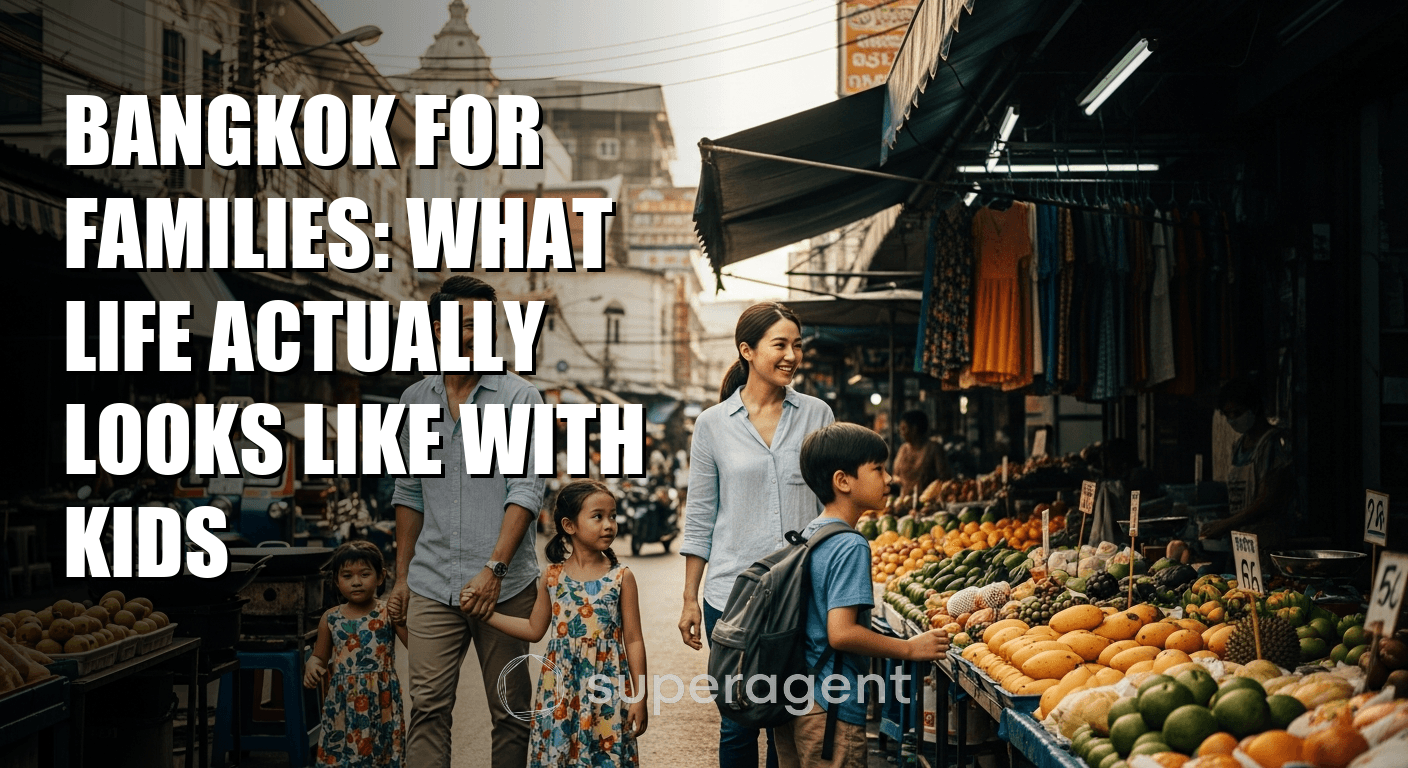
Moving to Bangkok with kids sounds like a big leap. And honestly, it is. But it is also one of the best decisions thousands of expat families make every single year. The city is surprisingly family friendly once you know where to look, what to budget for, and which neighborhoods actually work for daily life with little ones. This is what it really looks like on the ground.
Choosing a Neighborhood That Works for the Whole Family
Not every trendy Bangkok neighborhood is built for family life. Thonglor and Ekkamai look great on Instagram, but try pushing a stroller down Sukhumvit Soi 55 during rush hour and you will rethink things fast. The truth is, families tend to gravitate toward a handful of areas for very practical reasons.
Phrom Phong, right at BTS Phrom Phong, is probably the most popular pick. Emporium and EmQuartier malls are right there with play zones, grocery stores, and kid friendly restaurants. Sukhumvit Soi 24 and Soi 39 are packed with international families. You will hear more languages on the playground at Benjasiri Park than you can count.
Another strong option is the Ari area, near BTS Ari. It is quieter, more residential, and has a genuine neighborhood feel with local coffee shops, weekend markets, and wide enough sidewalks that you can actually walk with a child. Two bedroom condos in Ari run from about 25,000 to 45,000 THB per month depending on the building and floor.
If you want something more suburban, Bearing or Bang Na along the BTS extension offer newer developments with bigger units and lower rents. A spacious three bedroom at a place like Ideo Mobi Sukhumvit Eastgate near BTS Bang Na can come in around 30,000 to 40,000 THB. That is hard to beat for the space you get. For a deeper look at how different areas compare, check out this guide to the best areas to live in Bangkok.
Schools and the Budget Reality
Let's talk about the elephant in the room. International school fees in Bangkok are significant. We are talking anywhere from 300,000 to over 900,000 THB per year depending on the school and curriculum. Bangkok Patana School in Bangna, one of the oldest and most respected, sits at the higher end. NIST International School near BTS Asok is another top tier option.
More affordable international schools do exist. Bromsgrove International School in the Ramintra area and KIS International School near Ekkamai offer solid education at somewhat lower price points. Some families choose Thai bilingual programs, which can run 100,000 to 200,000 THB annually and give kids genuine language immersion.
Here is the thing people do not always calculate. School location should drive your condo search, not the other way around. Bangkok traffic means a 10 kilometer school commute can take anywhere from 20 minutes to over an hour. Many families pick their apartment specifically to stay on the same school bus route. Ask the school for route maps before you sign any lease.
What Daily Life Actually Feels Like
A typical weekday morning for a Bangkok family might look like this. You are in a two bedroom condo at Lumpini Suite Sukhumvit 41, just off BTS Phrom Phong. The school bus picks up your daughter at 6:45 from the lobby. You grab coffee from the cafe on Soi 39 and take the BTS to work. Your partner hits the gym in the building before heading out.
Afternoons often involve activities at one of the many kids' clubs scattered around Sukhumvit. Tumbles at Sukhumvit Soi 49 has been a family institution for years. Weekends might mean a trip to KidZania at Siam Paragon, a swim at the condo pool, or brunch at one of Thonglor's many family friendly spots.
Grocery shopping is easy. Villa Market, Tops, and Gourmet Market carry international brands. If you want to save money, local markets like the one at Khlong Toei are unbeatable for fresh produce. Grab deliveries and food apps make everything even more convenient on those lazy evenings.
Finding a Family Friendly Condo
Space is the biggest challenge. Most Bangkok condos are designed for singles or couples. Studios and one bedrooms dominate the market. Finding a genuine two or three bedroom unit with enough room for a family takes effort. You want to look at buildings with good common areas, a real pool, and maybe a playground or green space.
Buildings like Baan Siri 24, The Emporio Place on Sukhumvit 24, and Millennium Residence near BTS Asok are known for larger family units. Expect to pay 40,000 to 80,000 THB for a well maintained two or three bedroom in these buildings. Security is generally excellent in Bangkok condos, with key card access and 24 hour guards being standard.
Pay attention to lease terms too. Most landlords ask for a one year minimum, which actually works well for families who need stability. If you are still figuring out your budget, this breakdown of Bangkok condo rental prices is a helpful starting point.
Healthcare, Safety, and the Stuff Parents Worry About
Bangkok has world class hospitals. Bumrungrad International Hospital near BTS Nana and Samitivej Hospital on Sukhumvit 49 are go to choices for expat families. Both have pediatric departments with English speaking doctors. A standard pediatric visit costs around 1,500 to 3,000 THB without insurance.
Air quality is a real concern, especially from December through March when PM2.5 levels can spike. Many family condos now come with air purifiers, and most international schools have indoor air filtration systems. It is worth checking whether your building has these features before committing.
Safety wise, Bangkok is genuinely a safe city for families. Violent crime is rare in residential areas. The bigger daily concerns are traffic, sidewalk obstacles, and heat management. Keep hydration packs in your bag and learn to love the air conditioned refuge of shopping malls on the hottest days.
Bangkok is not a perfect city for families. No city is. But it offers an incredible combination of affordability, culture, convenience, and community that is hard to match anywhere else in Southeast Asia. The key is doing your homework on neighborhoods, schools, and the right condo before you arrive. If you want to skip the spreadsheet chaos and find family friendly listings fast, Superagent at superagent.co uses AI to match you with condos that actually fit your life, not just your budget.
Moving to Bangkok with kids sounds like a big leap. And honestly, it is. But it is also one of the best decisions thousands of expat families make every single year. The city is surprisingly family friendly once you know where to look, what to budget for, and which neighborhoods actually work for daily life with little ones. This is what it really looks like on the ground.
Choosing a Neighborhood That Works for the Whole Family
Not every trendy Bangkok neighborhood is built for family life. Thonglor and Ekkamai look great on Instagram, but try pushing a stroller down Sukhumvit Soi 55 during rush hour and you will rethink things fast. The truth is, families tend to gravitate toward a handful of areas for very practical reasons.
Phrom Phong, right at BTS Phrom Phong, is probably the most popular pick. Emporium and EmQuartier malls are right there with play zones, grocery stores, and kid friendly restaurants. Sukhumvit Soi 24 and Soi 39 are packed with international families. You will hear more languages on the playground at Benjasiri Park than you can count.
Another strong option is the Ari area, near BTS Ari. It is quieter, more residential, and has a genuine neighborhood feel with local coffee shops, weekend markets, and wide enough sidewalks that you can actually walk with a child. Two bedroom condos in Ari run from about 25,000 to 45,000 THB per month depending on the building and floor.
Continue reading after that.
Looking for a condo
to rent?
Leave your name and phone. We'll follow up while you keep reading.
100% Secure
Fast Response
Free Consultation
If you want something more suburban, Bearing or Bang Na along the BTS extension offer newer developments with bigger units and lower rents. A spacious three bedroom at a place like Ideo Mobi Sukhumvit Eastgate near BTS Bang Na can come in around 30,000 to 40,000 THB. That is hard to beat for the space you get. For a deeper look at how different areas compare, check out this guide to the best areas to live in Bangkok.
Schools and the Budget Reality
Let's talk about the elephant in the room. International school fees in Bangkok are significant. We are talking anywhere from 300,000 to over 900,000 THB per year depending on the school and curriculum. Bangkok Patana School in Bangna, one of the oldest and most respected, sits at the higher end. NIST International School near BTS Asok is another top tier option.
More affordable international schools do exist. Bromsgrove International School in the Ramintra area and KIS International School near Ekkamai offer solid education at somewhat lower price points. Some families choose Thai bilingual programs, which can run 100,000 to 200,000 THB annually and give kids genuine language immersion.
Here is the thing people do not always calculate. School location should drive your condo search, not the other way around. Bangkok traffic means a 10 kilometer school commute can take anywhere from 20 minutes to over an hour. Many families pick their apartment specifically to stay on the same school bus route. Ask the school for route maps before you sign any lease.
What Daily Life Actually Feels Like
A typical weekday morning for a Bangkok family might look like this. You are in a two bedroom condo at Lumpini Suite Sukhumvit 41, just off BTS Phrom Phong. The school bus picks up your daughter at 6:45 from the lobby. You grab coffee from the cafe on Soi 39 and take the BTS to work. Your partner hits the gym in the building before heading out.
Afternoons often involve activities at one of the many kids' clubs scattered around Sukhumvit. Tumbles at Sukhumvit Soi 49 has been a family institution for years. Weekends might mean a trip to KidZania at Siam Paragon, a swim at the condo pool, or brunch at one of Thonglor's many family friendly spots.
Grocery shopping is easy. Villa Market, Tops, and Gourmet Market carry international brands. If you want to save money, local markets like the one at Khlong Toei are unbeatable for fresh produce. Grab deliveries and food apps make everything even more convenient on those lazy evenings.
Finding a Family Friendly Condo
Space is the biggest challenge. Most Bangkok condos are designed for singles or couples. Studios and one bedrooms dominate the market. Finding a genuine two or three bedroom unit with enough room for a family takes effort. You want to look at buildings with good common areas, a real pool, and maybe a playground or green space.
Buildings like Baan Siri 24, The Emporio Place on Sukhumvit 24, and Millennium Residence near BTS Asok are known for larger family units. Expect to pay 40,000 to 80,000 THB for a well maintained two or three bedroom in these buildings. Security is generally excellent in Bangkok condos, with key card access and 24 hour guards being standard.
Continue reading after that.
Looking for a condo
to rent?
Leave your name and phone. We'll follow up while you keep reading.
100% Secure
Fast Response
Free Consultation
Pay attention to lease terms too. Most landlords ask for a one year minimum, which actually works well for families who need stability. If you are still figuring out your budget, this breakdown of Bangkok condo rental prices is a helpful starting point.
Healthcare, Safety, and the Stuff Parents Worry About
Bangkok has world class hospitals. Bumrungrad International Hospital near BTS Nana and Samitivej Hospital on Sukhumvit 49 are go to choices for expat families. Both have pediatric departments with English speaking doctors. A standard pediatric visit costs around 1,500 to 3,000 THB without insurance.
Air quality is a real concern, especially from December through March when PM2.5 levels can spike. Many family condos now come with air purifiers, and most international schools have indoor air filtration systems. It is worth checking whether your building has these features before committing.
Safety wise, Bangkok is genuinely a safe city for families. Violent crime is rare in residential areas. The bigger daily concerns are traffic, sidewalk obstacles, and heat management. Keep hydration packs in your bag and learn to love the air conditioned refuge of shopping malls on the hottest days.
Bangkok is not a perfect city for families. No city is. But it offers an incredible combination of affordability, culture, convenience, and community that is hard to match anywhere else in Southeast Asia. The key is doing your homework on neighborhoods, schools, and the right condo before you arrive. If you want to skip the spreadsheet chaos and find family friendly listings fast, Superagent at superagent.co uses AI to match you with condos that actually fit your life, not just your budget.
Share this article
Properties you may like
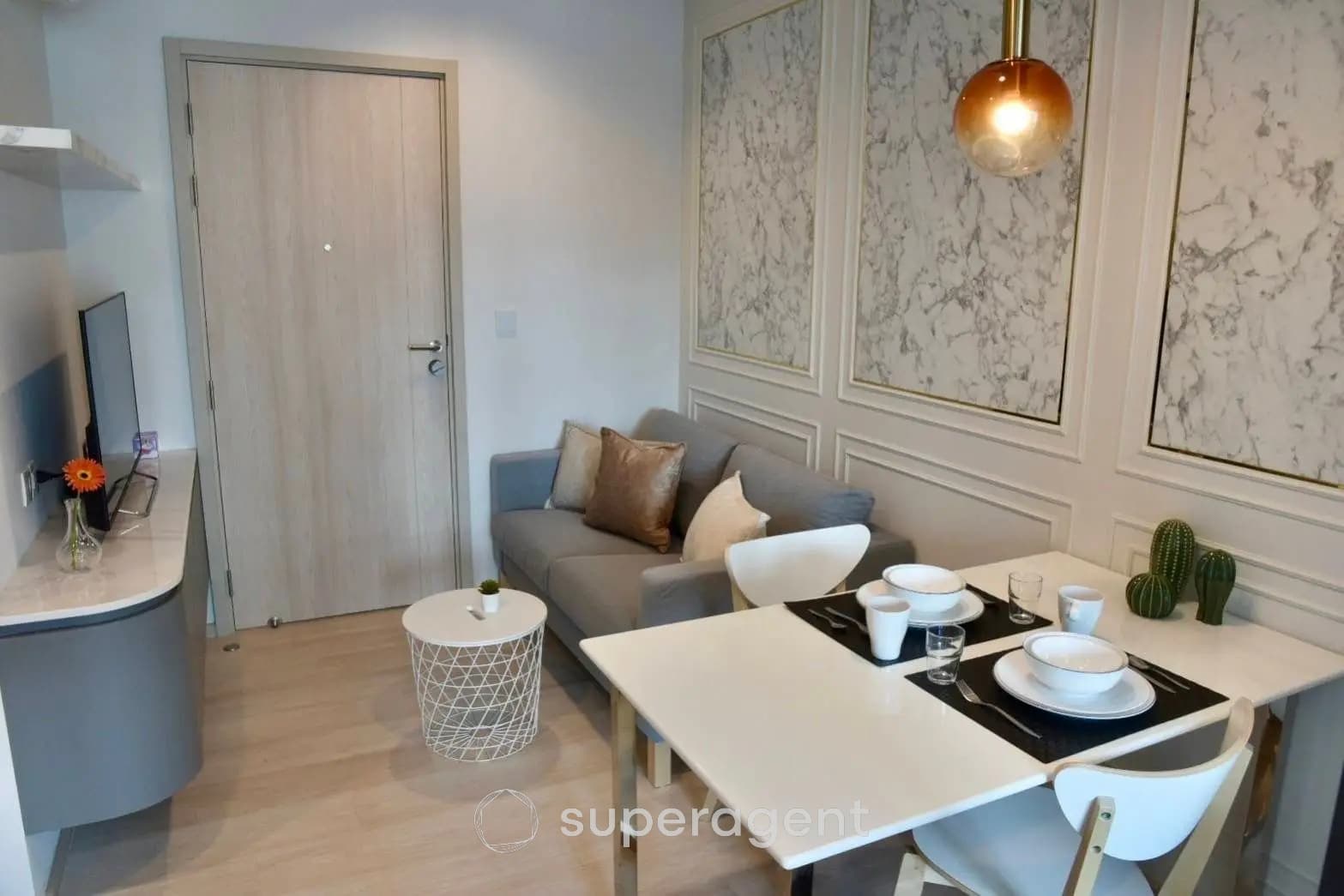
฿24,000
1 Bed135 sqm
1-BR Condo at Life One Wireless near BTS Phloen Chit
Ploenchit
Condo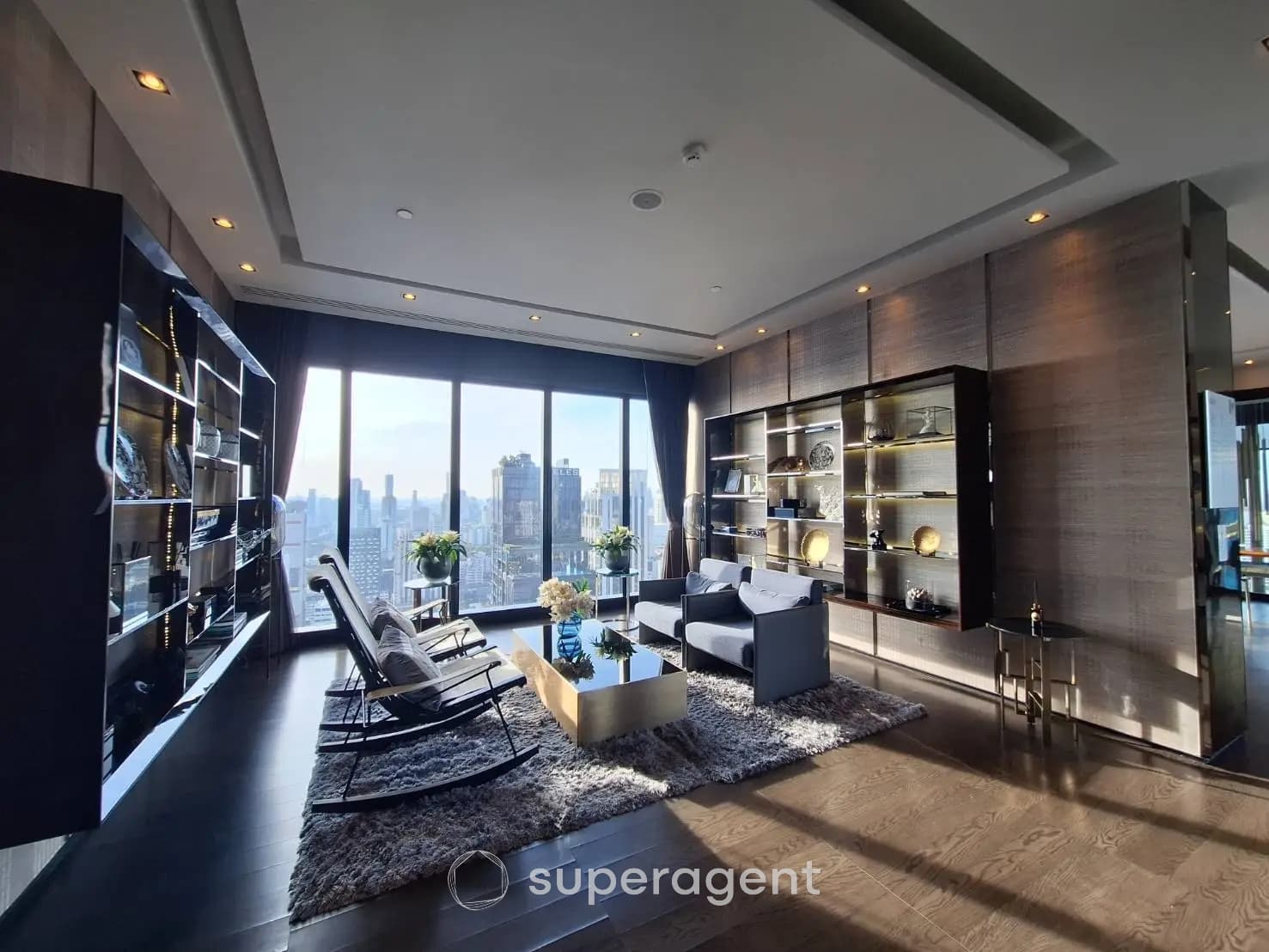
฿25,000
1 Bed133 sqm
1-BR Condo at Ashton Asoke near MRT Sukhumvit
Asoke
Condo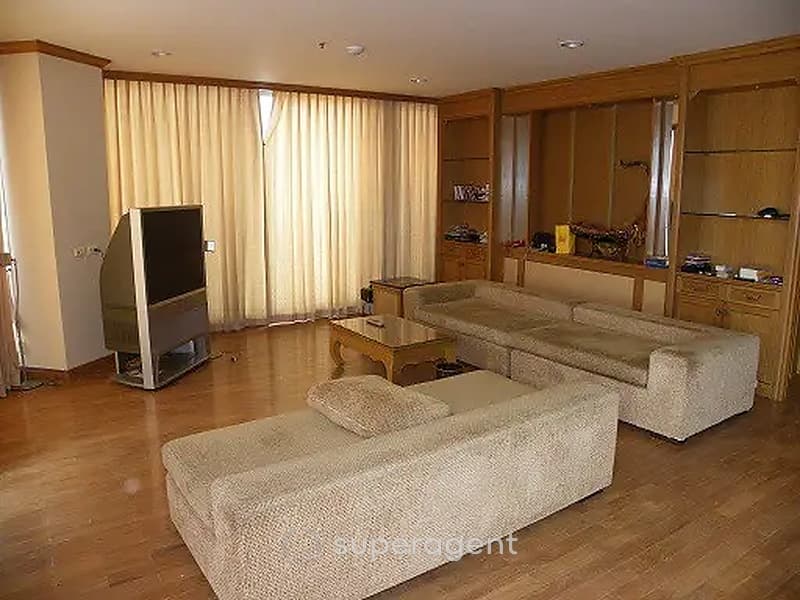
฿70,000
3 Bed3230 sqm
3-BR Condo at River Heaven Chareonkrung in Bang Kho Laem
Condo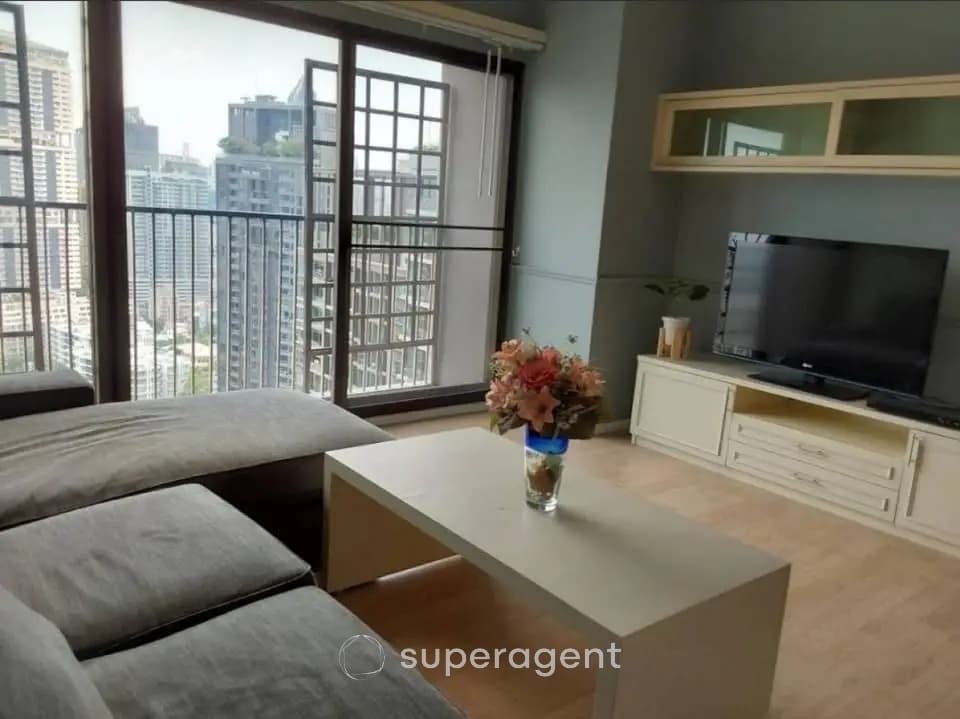
฿63,000
3 Bed2102 sqm
3-BR Condo at Noble Remix near BTS Thong Lor
Thonglor
Condo
฿27,000
Studio135 sqm
Studio Condo at Ideo Q Victory near BTS Victory Monument
Victory Monument
Condo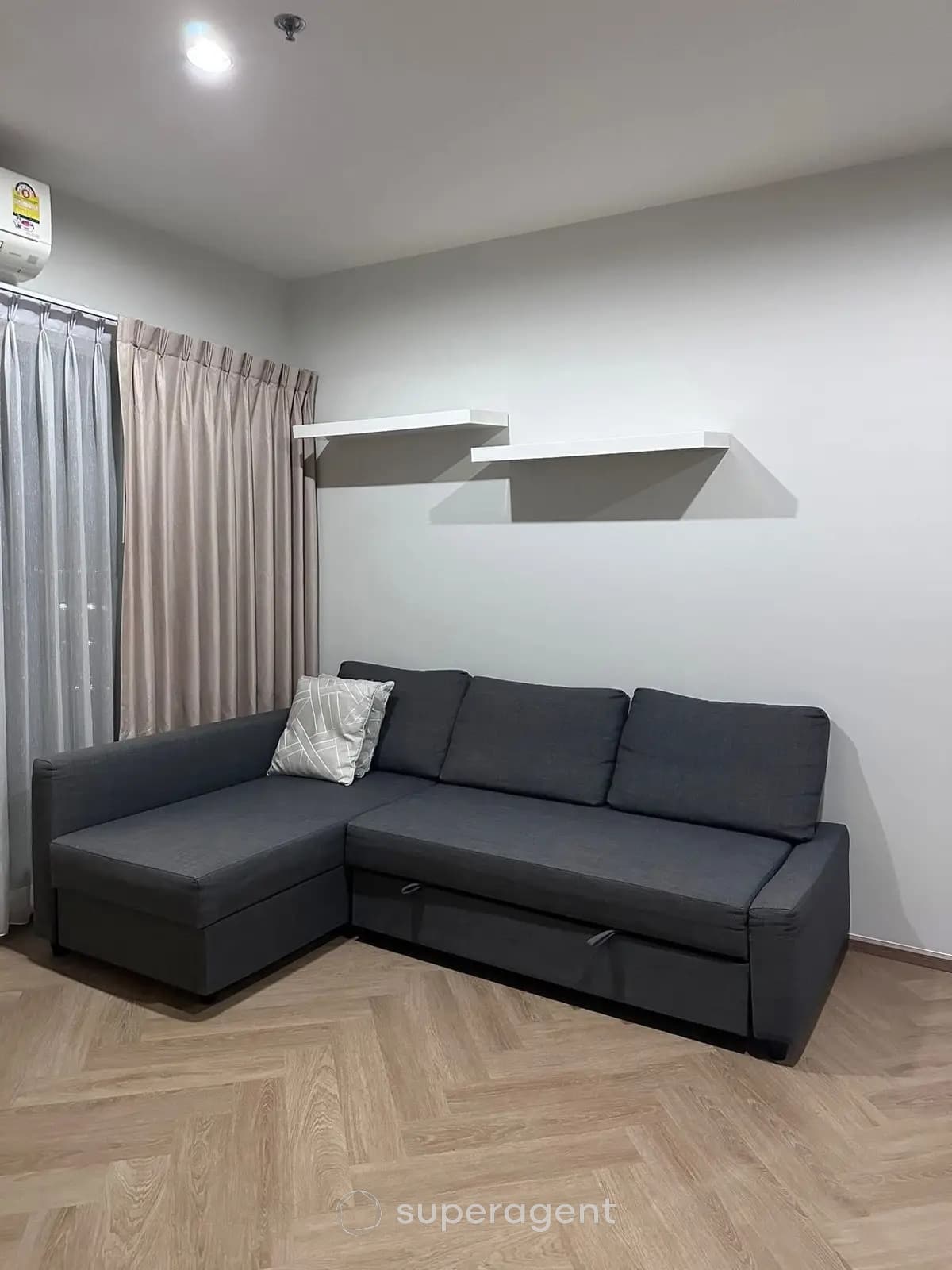
฿30,000
2 Bed252.9 sqm
2-BR Condo at The Key Sathorn - Charoenraj in Bang Khlo
Condo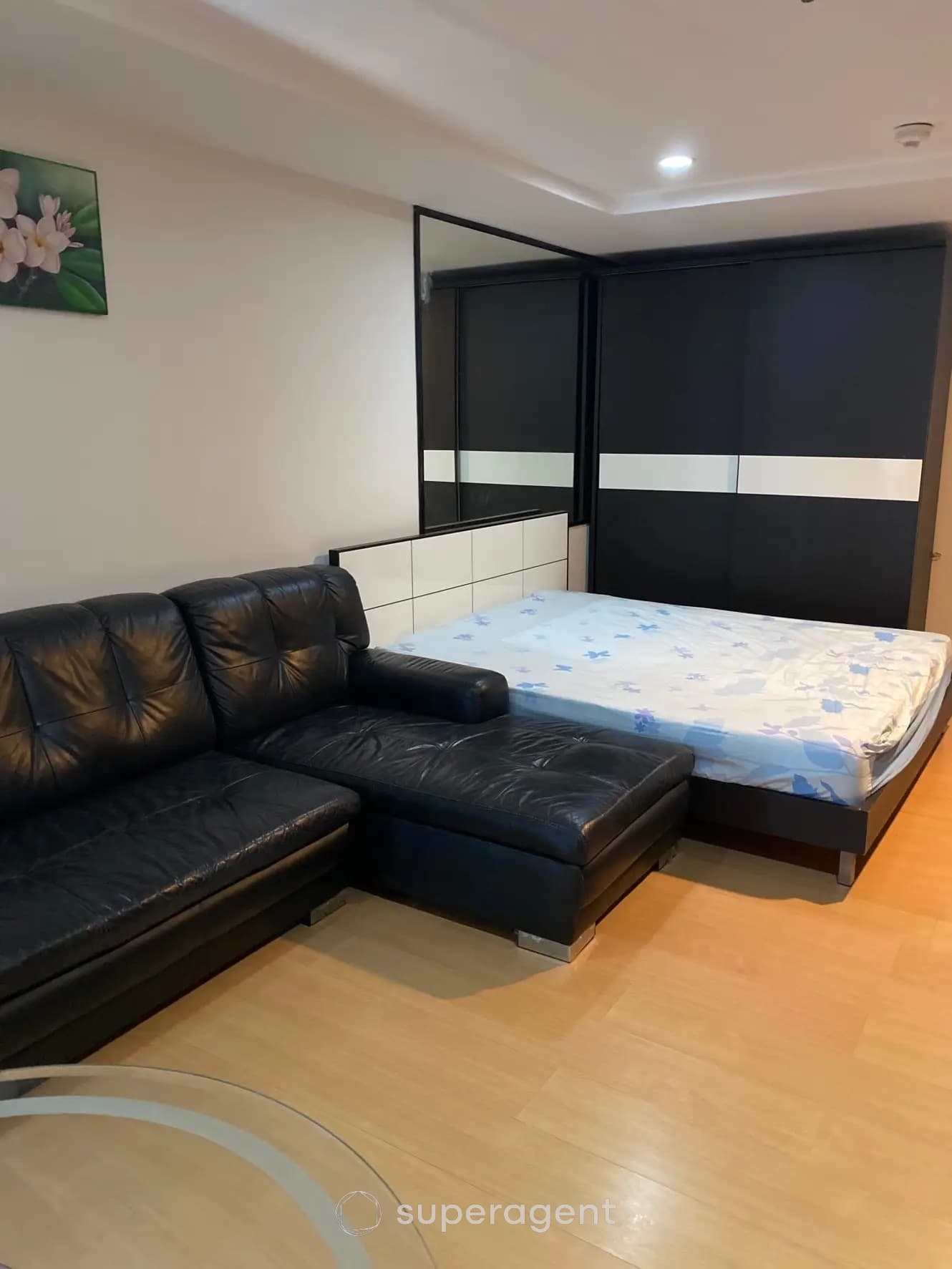
฿17,000
1 Bed136 sqm
1-BR Condo at The Trendy Condominium near BTS Nana
Condo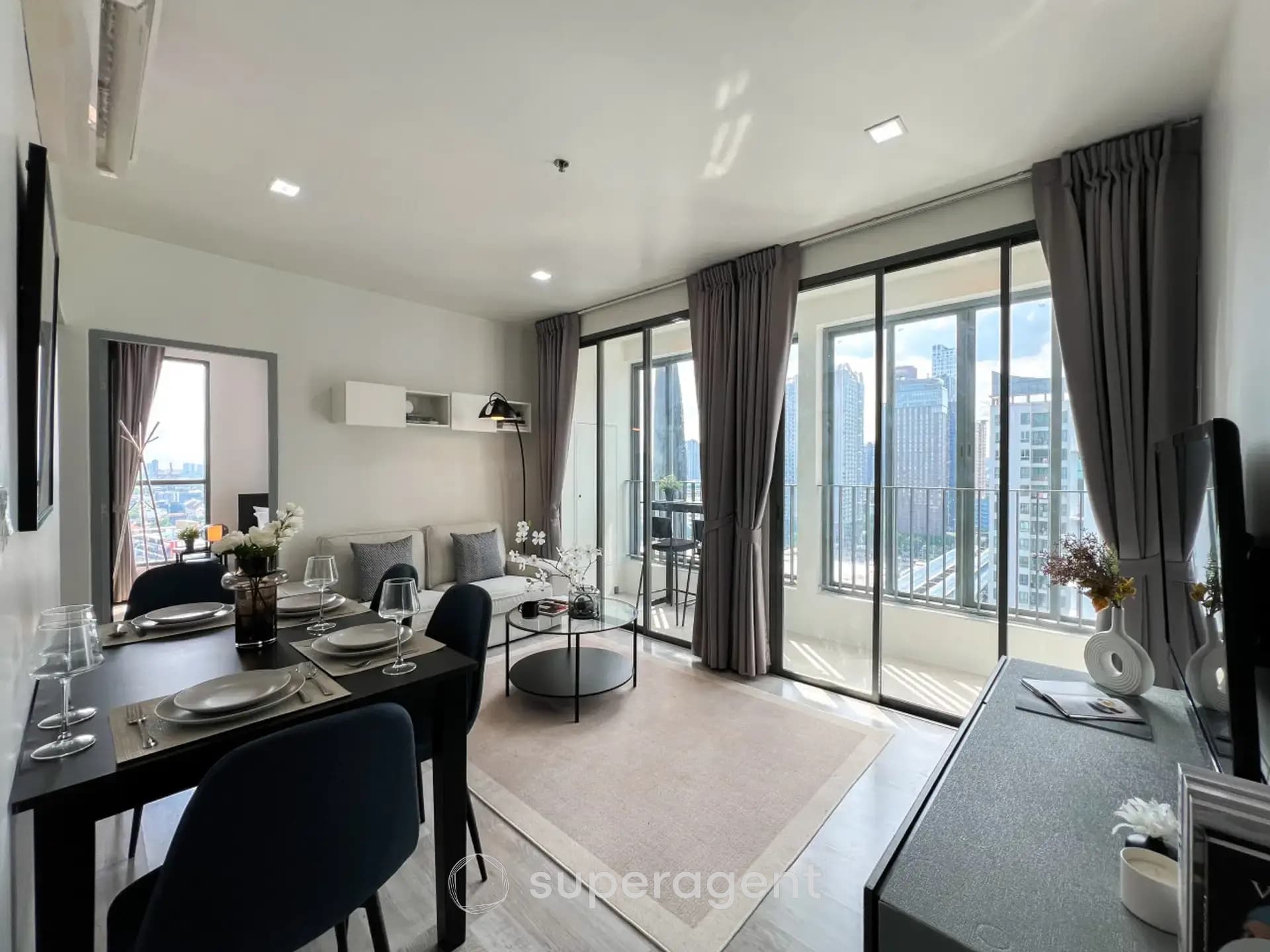
฿42,000
2 Bed287 sqm
2-BR Condo at Ideo Mobi Sukhumvit 81 near BTS On Nut
Condo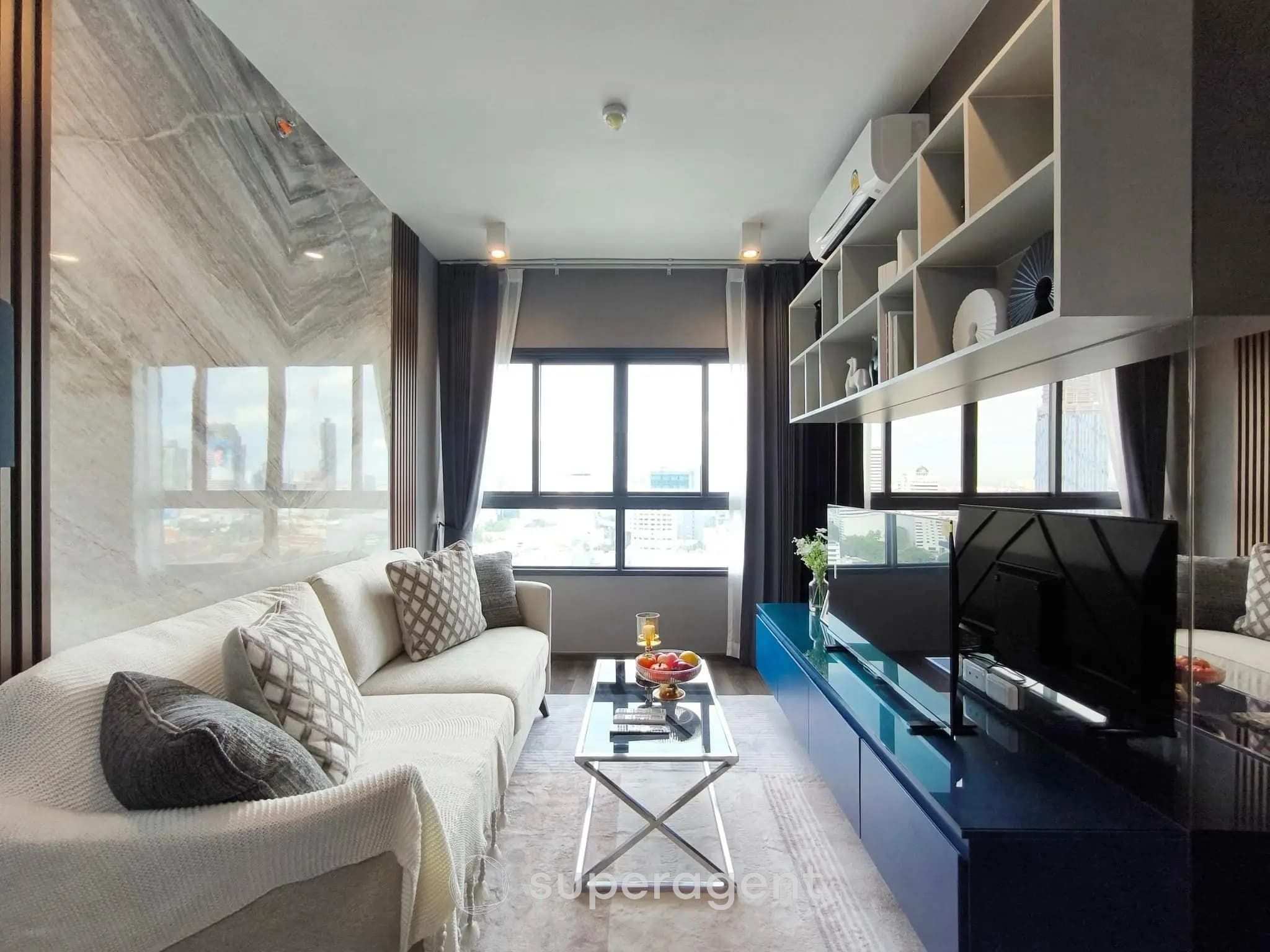
฿38,000
2 Bed258 sqm
2-BR Condo at Ideo Rama 9 - Asoke near MRT Phra Ram 9
Condo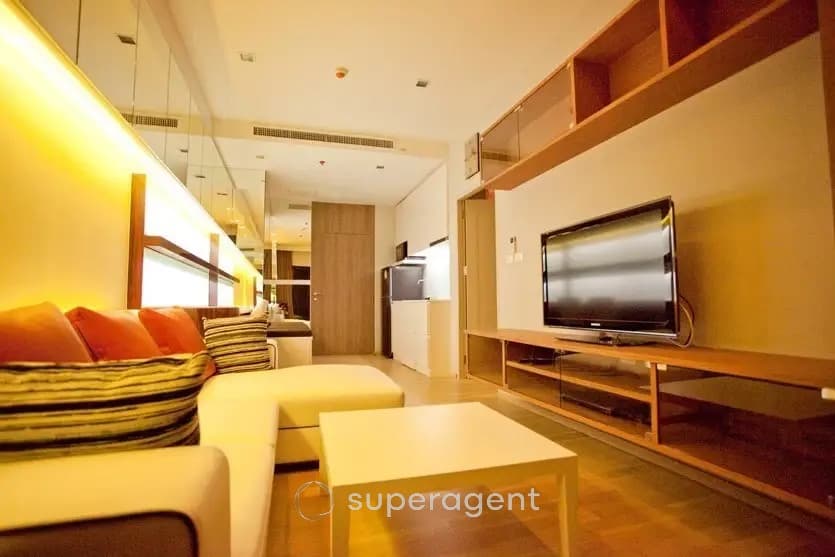
฿27,000
1 Bed145 sqm
1-BR Condo at Noble Reveal Ekamai near BTS Ekkamai
Ekkamai
CondoMore like this
 In Lifestyle · Superagent EditorialWhere Bangkok's Expat Communities Are Concentrated: Rental Guide by NationalityDiscover where Bangkok's expat community areas are located. Our rental guide maps out neighborhoods by nationality to help you find your ideal home.12 Apr 20241 min read
 In Lifestyle · Superagent EditorialThe AI Rental Revolution in Bangkok: How Technology Is Changing How Expats Find HomesBangkok rental revolution ai is reshaping how expats find homes. Explore smart technology, virtual tours, and AI-powered matching tools transforming the ma16 Apr 20211 min read
 In Lifestyle · Superagent EditorialMonthly Condo Rentals in Bangkok: Why They Beat Daily Rates Once Your Stay Passes Two WeeksCompare Bangkok daily and monthly condo rates near BTS Thong Lo, Asoke, Ari and On Nut, and see why monthly leases save tens of thousands of baht.19 Jul 20191 min read
 In Lifestyle · Superagent EditorialHow to Negotiate Rent With Thai Condo Landlords: Techniques That Actually Work in BangkokProven tactics for negotiating condo rent with Bangkok landlords, from market research and counter offers to lease length, timing and low season.18 Jul 20191 min read