Bangkok Short-Term vs Long-Term Rental: Which Is Cheaper Monthly?
Market
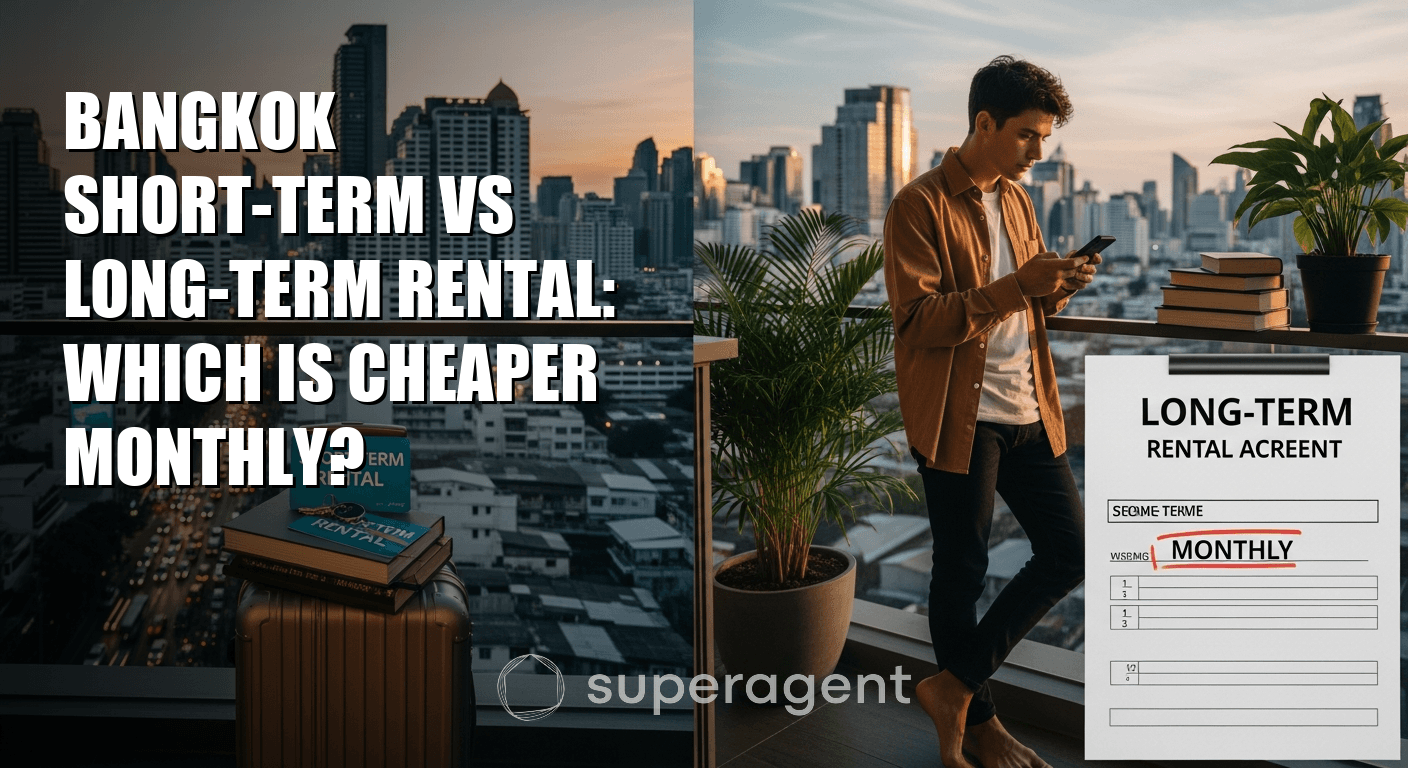
Bangkok Short-Term vs Long-Term Rental: Which Is Cheaper Monthly?
A side-by-side cost breakdown to help expats and digital nomads decide the smarter rental strategy in Bangkok.
Summary
Compare Bangkok short-term vs long-term rental costs monthly, including hidden fees, to find which option saves you more money.
So let's actually compare the numbers, neighborhood by neighborhood, the way you would if you had a spreadsheet open and a Chang in hand.
What "Short-Term" Actually Means in Bangkok
In Bangkok, short-term usually means 1 to 6 months. Anything under 30 days gets into Airbnb territory, which is a different conversation entirely. The typical short-term condo rental runs month-to-month, sometimes with a 2-month deposit, and the price reflects that flexibility.
Take a studio near Phrom Phong BTS. A 30 sqm unit at The Lumpini 24 on Sukhumvit Soi 24 rents short-term for around 22,000 to 25,000 THB per month. Utilities, wifi, and a housekeeping visit are usually folded in. That sounds reasonable until you compare it to the long-term rate.
The Long-Term Numbers Tell a Different Story
Lock in a 12-month contract on the same type of unit in the same area, and the monthly rate drops considerably. That same 30 sqm studio at a comparable building near Phrom Phong, say a mid-tier building off Sukhumvit Soi 26, will run 14,000 to 17,000 THB per month unfurnished, or 16,000 to 19,000 THB fully furnished with a standard 2-month deposit.
Over 12 months, the difference adds up to 48,000 to 72,000 THB saved by going long-term. That is real money, enough to cover flights home, a motorbike, or three solid months of street food lunches.
The gap is smaller in less central areas. On the MRT dark blue line near Lat Phrao or Huai Khwang, short-term and long-term rates are only 2,000 to 4,000 THB apart per month because demand is lower and landlords there are more flexible.
When Short-Term Is the Smarter Move
Short-term is not always the wrong choice. If you are new to Bangkok and haven't figured out your commute yet, paying a premium for 2 to 3 months while you test neighborhoods is cheaper than signing a year-long lease in the wrong area and eating the deposit.
A classic example: someone lands a job in the Silom area, signs a long lease near Asok BTS because the unit looked great online, then spends 18 months sitting in traffic on Rama 4 every morning. A 2-month short-term stay near BTS Chong Nonsi or Saint Louis while you feel out the area costs more per month, but it saves the commute headache and potentially a broken-lease penalty.
Short-term also wins when you are between visa runs or waiting on a longer-term contract to start. Bangkok has enough furnished short-term inventory, especially in Sukhumvit, Sathorn, and around Ratchathewi BTS, that you won't be stuck scrambling.
The Hidden Costs That Flip the Math
Both options carry costs the headline rate doesn't show. Long-term contracts almost always require a 2-month deposit plus the first month's rent upfront, so you're putting down 3 months of cash on day one. At 18,000 THB per month, that's 54,000 THB before you've slept there once.
Short-term rentals bundle utilities, but you lose control of the bill. A landlord who includes "utilities" but caps usage at 2,000 THB per month will charge you overages, and in Bangkok's heat, you will exceed that cap running the AC at night.
There is also the internet question. Long-term tenants in older buildings like Baan Suan Lalana near Victory Monument or The Room Sukhumvit 62 near BTS Punnawithi sometimes deal with slow shared wifi unless they install their own fiber, adding 600 to 900 THB per month to the real cost.
How Bangkok Neighborhoods Change the Calculus
The short-term premium varies a lot by area. In prime Sukhumvit, Thonglor, and Ekkamai, the premium is steep because demand from short-stay expats and digital nomads is high. Short-term rates in these areas run 30 to 50 percent above long-term prices for comparable units.
Step off the tourist track and the gap shrinks fast. In Lat Phrao Soi 71, Ram Inthra, or the Charansanitwong area near Bang O MRT, landlords are less used to short-term traffic and often prefer long-term tenants regardless. Here you might find a 35 sqm one-bedroom at 10,000 to 12,000 THB per month on a 6-month contract, with short-term rates only 1,500 to 2,000 THB higher because the landlord just wants it filled.
The Ari BTS area is an interesting middle case. It's popular with long-term residents who want a quieter feel, so short-term rates are elevated, but landlords are often open to 3 to 6-month leases at rates close to the 12-month price, especially in newer low-rise buildings on Phahonyothin Soi 7 or Soi 11.
The Practical Answer
For stays longer than 4 months, long-term almost always wins on total cost. The savings are real, the deposit is recoverable, and Bangkok landlords are generally reasonable if you communicate your situation early.
For stays under 3 months, short-term flexibility is worth the extra cost, especially if you haven't yet figured out your neighborhood, your commute, or whether you want to stay at all.
The honest middle ground is a 6-month contract. Many buildings in Bangkok will do 6 months, especially if you are a working expat with documentation. The monthly rate lands somewhere between the short-term and long-term price, the deposit is standard, and you are not locked in for a full year.
If you want to see how current Bangkok condo prices compare across contract lengths and areas, Superagent pulls live listings across Sukhumvit, Silom, Ratchada, and beyond so you can run the actual numbers on real units before you commit.
Written by the Superagent editorial team. Superagent is Bangkok's AI-powered condo rental platform, helping expats and locals find the right rental faster. superagent.co
Related articles
So let's actually compare the numbers, neighborhood by neighborhood, the way you would if you had a spreadsheet open and a Chang in hand.
What "Short-Term" Actually Means in Bangkok
In Bangkok, short-term usually means 1 to 6 months. Anything under 30 days gets into Airbnb territory, which is a different conversation entirely. The typical short-term condo rental runs month-to-month, sometimes with a 2-month deposit, and the price reflects that flexibility.
Take a studio near Phrom Phong BTS. A 30 sqm unit at The Lumpini 24 on Sukhumvit Soi 24 rents short-term for around 22,000 to 25,000 THB per month. Utilities, wifi, and a housekeeping visit are usually folded in. That sounds reasonable until you compare it to the long-term rate.
The Long-Term Numbers Tell a Different Story
Lock in a 12-month contract on the same type of unit in the same area, and the monthly rate drops considerably. That same 30 sqm studio at a comparable building near Phrom Phong, say a mid-tier building off Sukhumvit Soi 26, will run 14,000 to 17,000 THB per month unfurnished, or 16,000 to 19,000 THB fully furnished with a standard 2-month deposit.
Over 12 months, the difference adds up to 48,000 to 72,000 THB saved by going long-term. That is real money, enough to cover flights home, a motorbike, or three solid months of street food lunches.
Continue reading after that.
Looking for a condo
to rent?
Leave your name and phone. We'll follow up while you keep reading.
100% Secure
Fast Response
Free Consultation
The gap is smaller in less central areas. On the MRT dark blue line near Lat Phrao or Huai Khwang, short-term and long-term rates are only 2,000 to 4,000 THB apart per month because demand is lower and landlords there are more flexible.
When Short-Term Is the Smarter Move
Short-term is not always the wrong choice. If you are new to Bangkok and haven't figured out your commute yet, paying a premium for 2 to 3 months while you test neighborhoods is cheaper than signing a year-long lease in the wrong area and eating the deposit.
A classic example: someone lands a job in the Silom area, signs a long lease near Asok BTS because the unit looked great online, then spends 18 months sitting in traffic on Rama 4 every morning. A 2-month short-term stay near BTS Chong Nonsi or Saint Louis while you feel out the area costs more per month, but it saves the commute headache and potentially a broken-lease penalty.
Short-term also wins when you are between visa runs or waiting on a longer-term contract to start. Bangkok has enough furnished short-term inventory, especially in Sukhumvit, Sathorn, and around Ratchathewi BTS, that you won't be stuck scrambling.
The Hidden Costs That Flip the Math
Both options carry costs the headline rate doesn't show. Long-term contracts almost always require a 2-month deposit plus the first month's rent upfront, so you're putting down 3 months of cash on day one. At 18,000 THB per month, that's 54,000 THB before you've slept there once.
Short-term rentals bundle utilities, but you lose control of the bill. A landlord who includes "utilities" but caps usage at 2,000 THB per month will charge you overages, and in Bangkok's heat, you will exceed that cap running the AC at night.
There is also the internet question. Long-term tenants in older buildings like Baan Suan Lalana near Victory Monument or The Room Sukhumvit 62 near BTS Punnawithi sometimes deal with slow shared wifi unless they install their own fiber, adding 600 to 900 THB per month to the real cost.
How Bangkok Neighborhoods Change the Calculus
The short-term premium varies a lot by area. In prime Sukhumvit, Thonglor, and Ekkamai, the premium is steep because demand from short-stay expats and digital nomads is high. Short-term rates in these areas run 30 to 50 percent above long-term prices for comparable units.
Step off the tourist track and the gap shrinks fast. In Lat Phrao Soi 71, Ram Inthra, or the Charansanitwong area near Bang O MRT, landlords are less used to short-term traffic and often prefer long-term tenants regardless. Here you might find a 35 sqm one-bedroom at 10,000 to 12,000 THB per month on a 6-month contract, with short-term rates only 1,500 to 2,000 THB higher because the landlord just wants it filled.
The Ari BTS area is an interesting middle case. It's popular with long-term residents who want a quieter feel, so short-term rates are elevated, but landlords are often open to 3 to 6-month leases at rates close to the 12-month price, especially in newer low-rise buildings on Phahonyothin Soi 7 or Soi 11.
Continue reading after that.
Looking for a condo
to rent?
Leave your name and phone. We'll follow up while you keep reading.
100% Secure
Fast Response
Free Consultation
The Practical Answer
For stays longer than 4 months, long-term almost always wins on total cost. The savings are real, the deposit is recoverable, and Bangkok landlords are generally reasonable if you communicate your situation early.
For stays under 3 months, short-term flexibility is worth the extra cost, especially if you haven't yet figured out your neighborhood, your commute, or whether you want to stay at all.
The honest middle ground is a 6-month contract. Many buildings in Bangkok will do 6 months, especially if you are a working expat with documentation. The monthly rate lands somewhere between the short-term and long-term price, the deposit is standard, and you are not locked in for a full year.
If you want to see how current Bangkok condo prices compare across contract lengths and areas, Superagent pulls live listings across Sukhumvit, Silom, Ratchada, and beyond so you can run the actual numbers on real units before you commit.
Written by the Superagent editorial team. Superagent is Bangkok's AI-powered condo rental platform, helping expats and locals find the right rental faster. superagent.co
Related articles
Share this article
Properties you may like
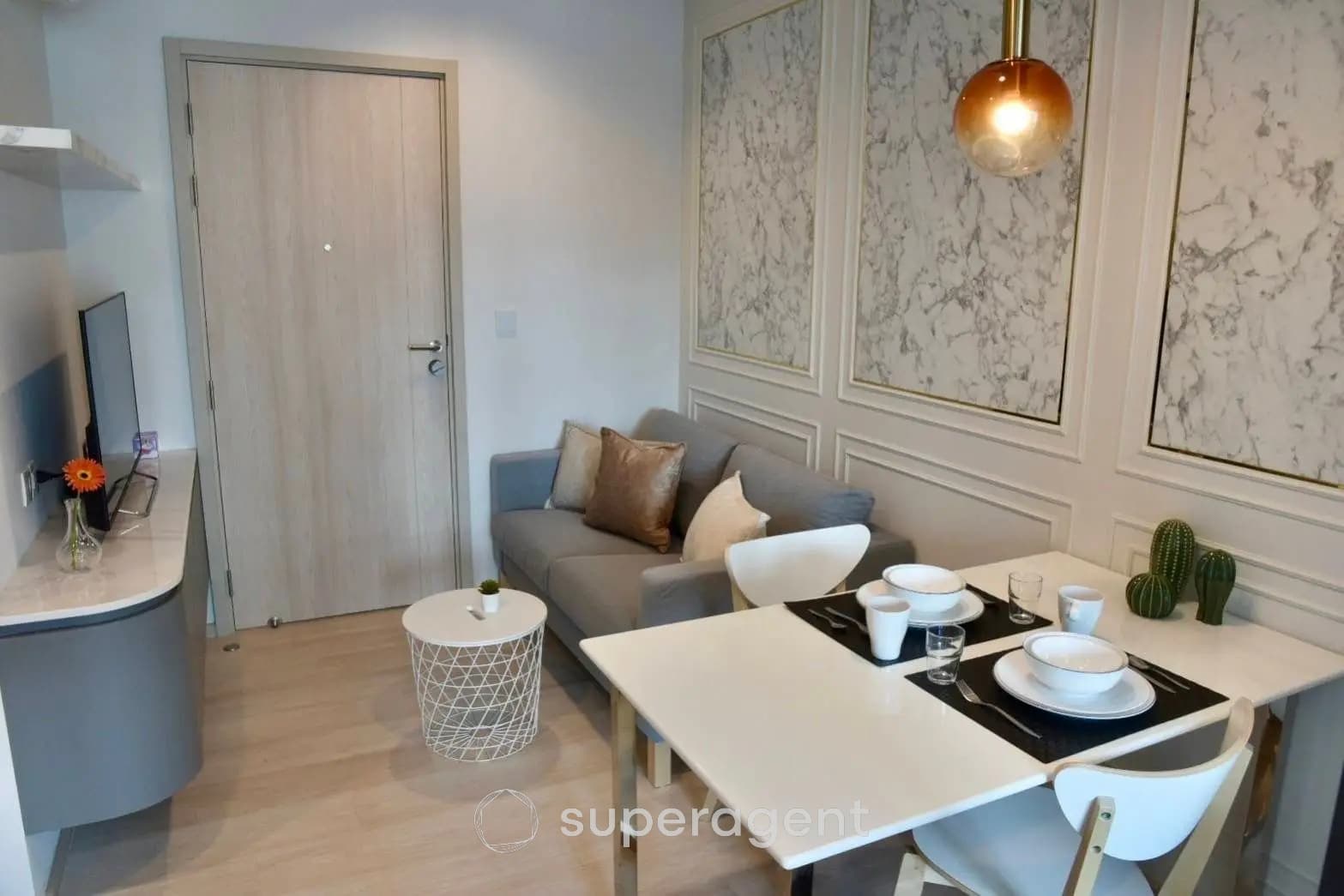
฿24,000
1 Bed135 sqm
1-BR Condo at Life One Wireless near BTS Phloen Chit
Ploenchit
Condo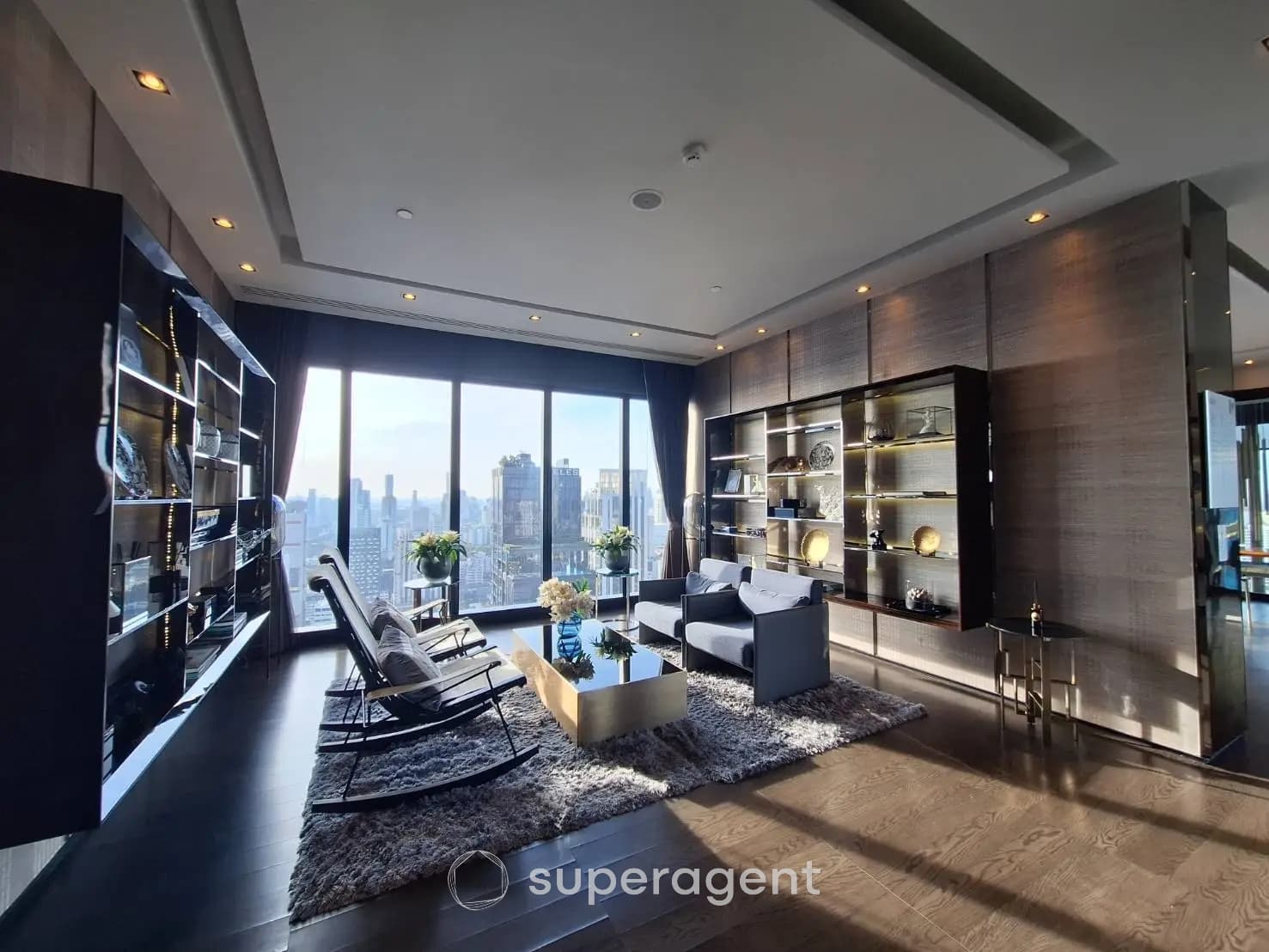
฿25,000
1 Bed133 sqm
1-BR Condo at Ashton Asoke near MRT Sukhumvit
Asoke
Condo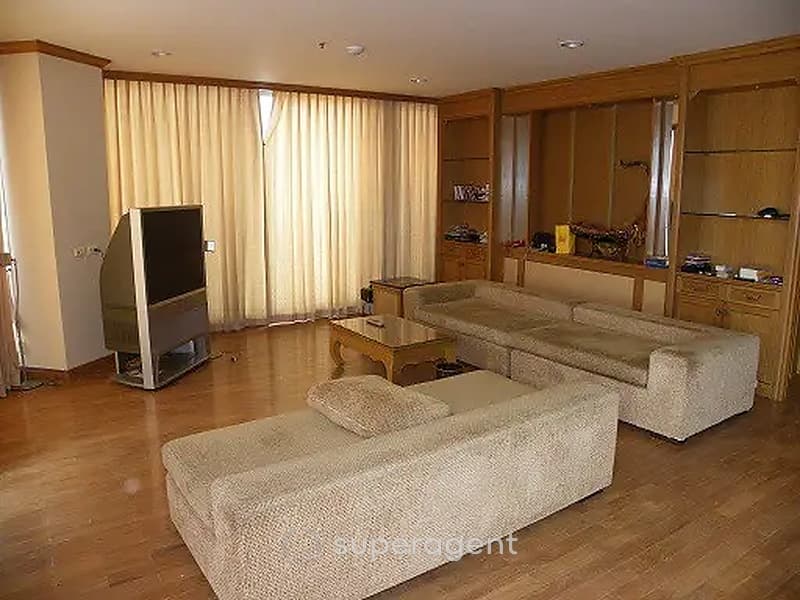
฿70,000
3 Bed3230 sqm
3-BR Condo at River Heaven Chareonkrung in Bang Kho Laem
Condo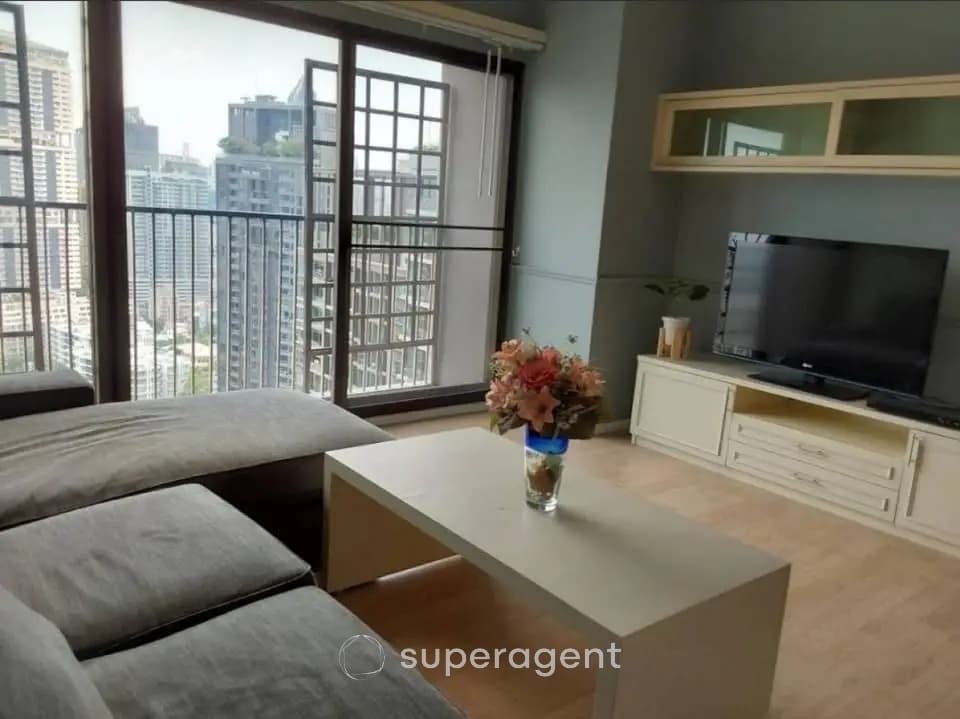
฿63,000
3 Bed2102 sqm
3-BR Condo at Noble Remix near BTS Thong Lor
Thonglor
Condo
฿27,000
Studio135 sqm
Studio Condo at Ideo Q Victory near BTS Victory Monument
Victory Monument
Condo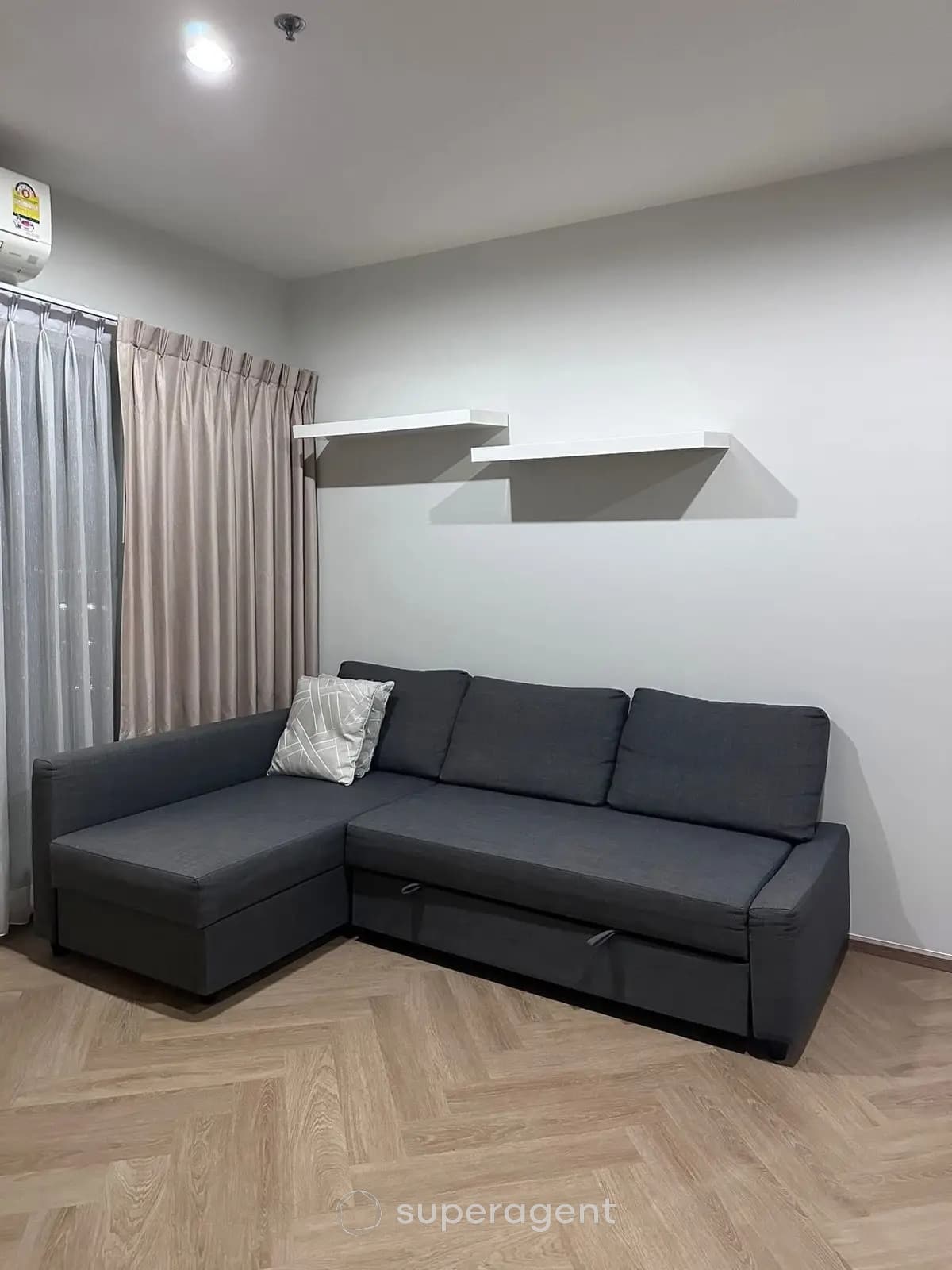
฿30,000
2 Bed252.9 sqm
2-BR Condo at The Key Sathorn - Charoenraj in Bang Khlo
Condo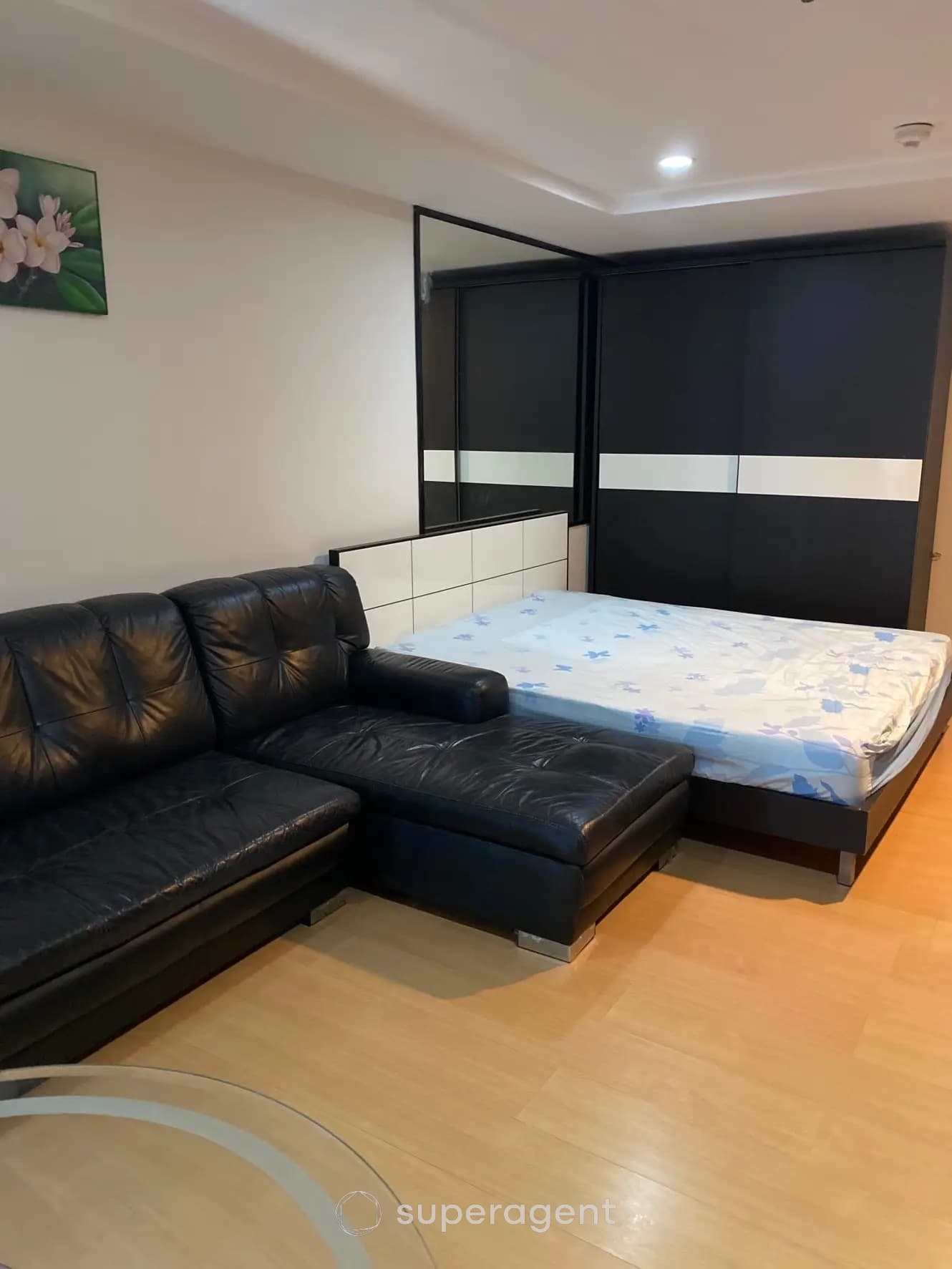
฿17,000
1 Bed136 sqm
1-BR Condo at The Trendy Condominium near BTS Nana
Condo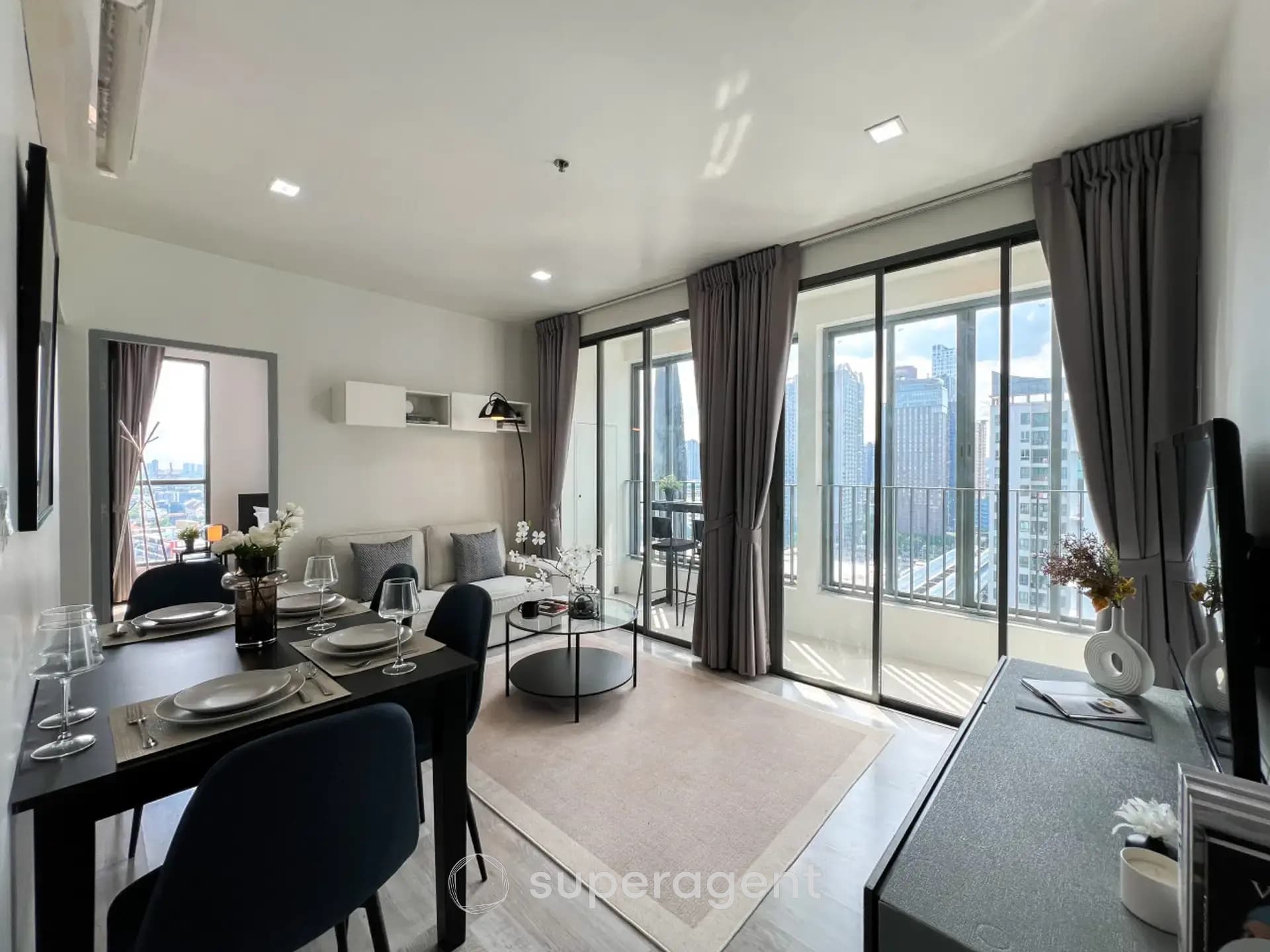
฿42,000
2 Bed287 sqm
2-BR Condo at Ideo Mobi Sukhumvit 81 near BTS On Nut
Condo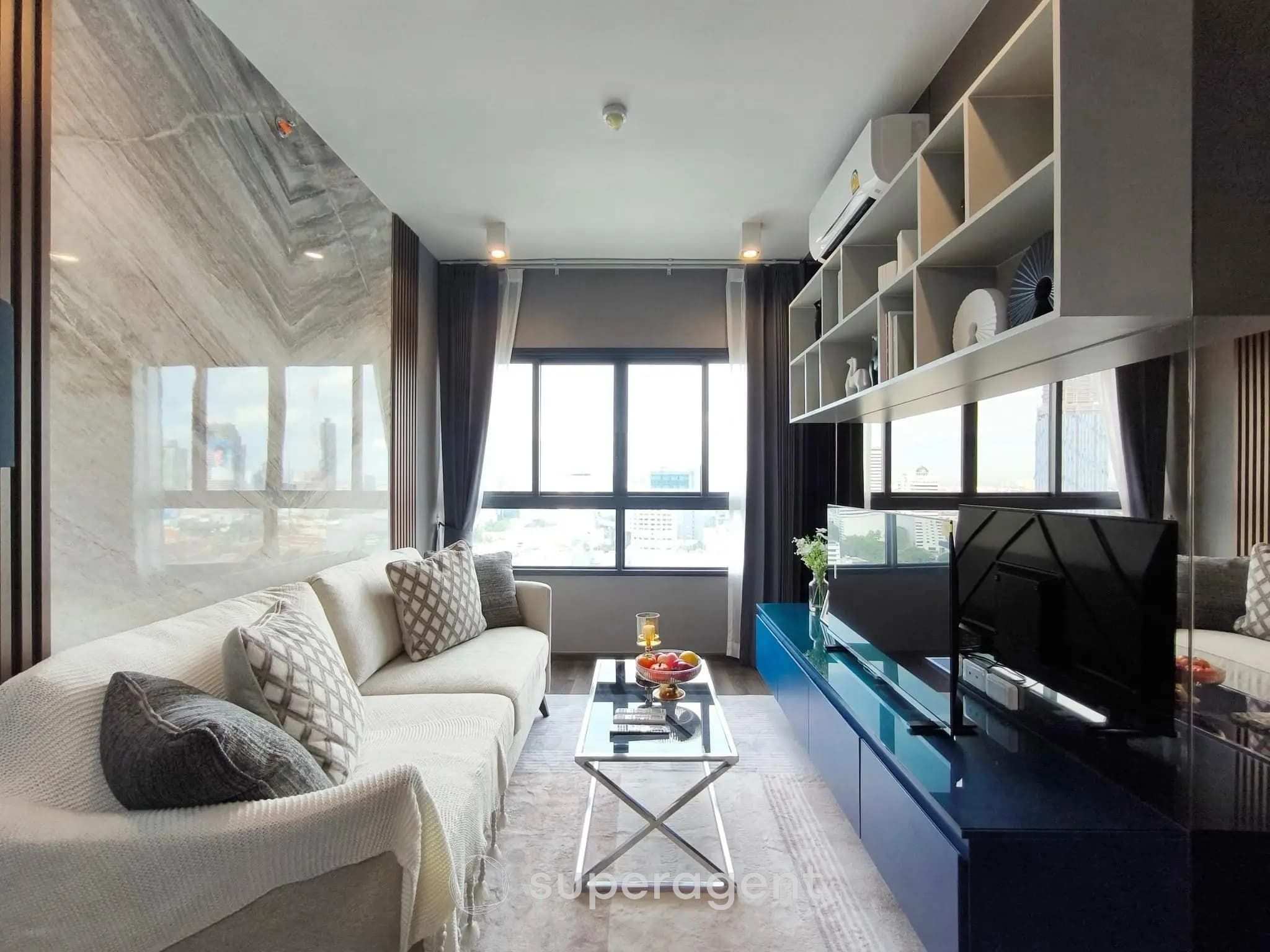
฿38,000
2 Bed258 sqm
2-BR Condo at Ideo Rama 9 - Asoke near MRT Phra Ram 9
Condo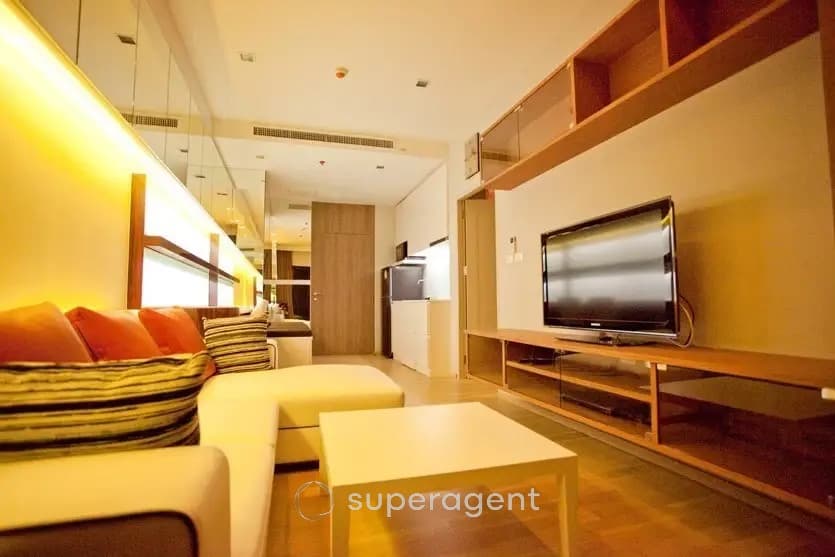
฿27,000
1 Bed145 sqm
1-BR Condo at Noble Reveal Ekamai near BTS Ekkamai
Ekkamai
CondoMore like this
 In Market · Superagent EditorialApartment vs Condo in Bangkok: What Is the Real Difference and Which One Should You Rent?Bangkok apartments and condos differ in ownership, rent, utilities, maintenance and lease terms. Here is how to compare them before you sign.26 Jan 20191 min read
 In Market · Superagent EditorialRent or Buy a Condo in Bangkok: An Honest Financial BreakdownCompare the true cost of buying versus renting a Bangkok condo, from mortgage rates and common fees to rental yields and opportunity cost.25 Jan 20191 min read
 In Market · Superagent EditorialWhere Expats Rent Condos in Bangkok: The Top Neighborhoods and What They Really CostFrom Sukhumvit and Sathorn to Ari, On Nut and the riverside, see which Bangkok neighborhoods expats rent in and what monthly rent costs.19 Jan 20191 min read
 In Market · Superagent EditorialBangkok Condo Rents vs the World: How Cheap Is Bangkok Really?Compare Bangkok condo rents with Singapore, Tokyo, London, Paris, New York and Toronto, plus where Bangkok itself turns expensive.17 Jan 20191 min read