Bangkok vs Phnom Penh: Which Is Better for Expat Renters?
Guides
Bangkok vs Phnom Penh: Which Is Better for Expat Renters?
Bangkok offers more amenities and higher costs, while Phnom Penh provides budget-friendly living for expats.
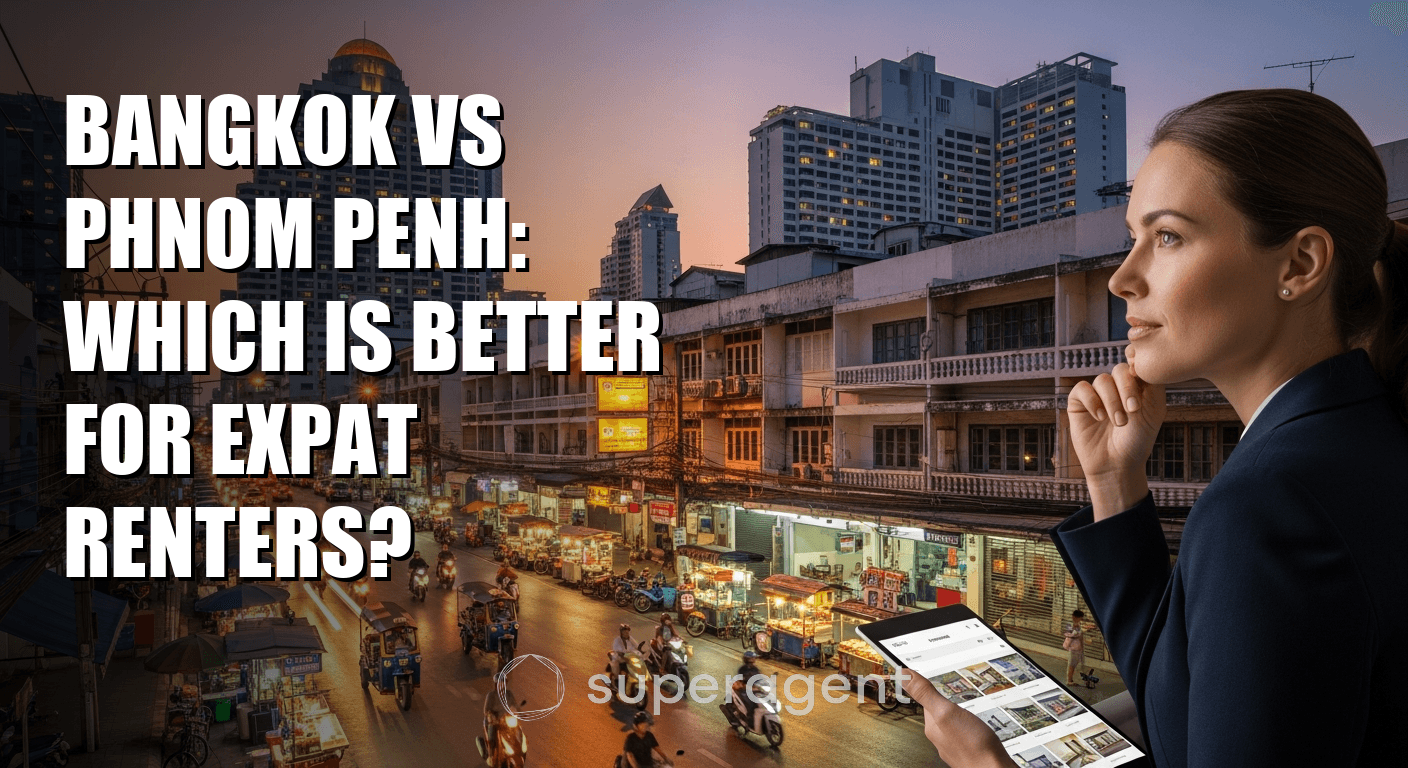
Summary
Compare bangkok vs phnom penh rent prices, neighborhoods, and lifestyle factors to find your ideal Southeast Asian expat home base.
If you're comparing cities in Southeast Asia for your next move, Bangkok and Phnom Penh probably both came up on your radar. They're relatively close geographically, both offer a lower cost of living than most Western cities, and both have growing expat communities. But when it comes to actually renting a place and building a daily life, these two cities feel worlds apart. Having lived in Bangkok for years and visited Phnom Penh enough times to understand its rental scene, here's my honest take on how they compare for expat renters.
Rent Prices: Phnom Penh Is Cheaper, But Bangkok Gives You More
Let's get the obvious part out of the way. Phnom Penh is cheaper for rent. You can find a decent one bedroom apartment in central areas like BKK1 or Tonle Bassac for $400 to $600 USD per month. That's roughly 14,000 to 21,000 THB. For a city capital, that's low.
But here's the thing. In Bangkok, 15,000 to 20,000 THB per month gets you a well maintained condo with a real gym, a rooftop pool, and a location right next to a BTS or MRT station. Think buildings like The Base Sukhumvit 77 near On Nut BTS or Lumpini Park Rama 9 near Rama 9 MRT. You're getting modern infrastructure, reliable elevators, 24 hour security, and professional juristic management.
In Phnom Penh at a similar price, the building quality can be hit or miss. Some newer developments are nice, but many older apartments have inconsistent water pressure, unreliable power, or no real building management. You get what you pay for, and sometimes you get less.
Transportation and Getting Around
This is where Bangkok pulls ahead dramatically. The BTS Skytrain, MRT subway, Airport Rail Link, and extensive bus network mean you can get almost anywhere in the city without owning a vehicle. Living near Phrom Phong BTS, you can be at Siam in ten minutes or at Chatuchak in twenty five. The system is air conditioned, affordable, and runs until midnight.
Phnom Penh has no metro system. Zero. Your options are tuk tuks, motorbike taxis, or ride hailing apps like Grab and PassApp. That's fine for short trips, but it adds up. A daily commute in Phnom Penh by Grab can easily cost $8 to $12 USD each way depending on distance and traffic. In Bangkok, a monthly BTS pass costs around 1,300 THB, which is roughly $37 USD.
If you value the ability to live car free and still get everywhere efficiently, Bangkok wins this comparison by a wide margin.
Quality of Life and Daily Convenience
Bangkok is a megacity with all the conveniences that come with it. Every neighborhood has 7 Elevens, pharmacies, hospitals with English speaking staff, and malls with international brands. Living on Sukhumvit Soi 24, for example, you're walking distance to EmQuartier mall, Bumrungrad Hospital, and dozens of restaurants ranging from 50 THB pad kra pao to fine dining.
Phnom Penh has improved massively in recent years. You'll find good coffee shops, international restaurants, and coworking spaces in the central districts. But the variety and depth just aren't the same yet. Finding specialty groceries, seeing a dermatologist who speaks your language, or getting a package delivered reliably can all require more effort.
For families, Bangkok offers international schools at every level, kids' activity centers, and large public parks like Benjakitti or Lumpini. Phnom Penh's options for families are more limited, though schools like ISPP and Northbridge have solid reputations.
The Rental Process and Tenant Protections
Renting in Bangkok is relatively structured. Standard leases are one year. Most landlords ask for two months' deposit and one month's rent upfront. Contracts are usually bilingual in Thai and English. You can view units, compare prices across buildings, and negotiate terms with reasonable transparency.
In Phnom Penh, the rental market is more informal. Leases are often in English, which is convenient, but enforcement can be unpredictable. Some landlords change terms mid lease or handle deposits loosely. There's less legal recourse if something goes wrong, and tenant protections are minimal compared to what you'd expect in Thailand.
For example, if you rent a condo at Life Asoke Hype near Rama 9 MRT in Bangkok, the juristic office tracks your deposit, handles common area maintenance, and mediates disputes. That institutional layer simply doesn't exist in most Phnom Penh rentals.
Visa Situations for Expat Renters
Phnom Penh does have one genuine advantage. Cambodia's visa process is simpler and more lenient. A business visa with a work permit extension is straightforward, and many expats find the immigration process less stressful overall.
Thailand's visa landscape is more complex. Options like the Elite Visa, DTV (Digital Nomad Visa), Non B work visa, and retirement visa each come with different requirements and costs. However, these structured pathways also offer more legal clarity once you're set up. If you're working remotely, the newer DTV option has made Bangkok much more accessible for digital professionals on longer stays.
Bangkok and Phnom Penh both have their appeal, but for most expat renters who want a high quality daily life, reliable infrastructure, and a transparent rental market, Bangkok consistently comes out ahead. The price gap between the two cities has also narrowed as Phnom Penh's popular areas have gotten more expensive, making Bangkok's value proposition even stronger. If you're ready to explore condos across Bangkok's best neighborhoods with verified listings and real pricing, check out superagent.co to find your next place without the usual headaches.
If you're comparing cities in Southeast Asia for your next move, Bangkok and Phnom Penh probably both came up on your radar. They're relatively close geographically, both offer a lower cost of living than most Western cities, and both have growing expat communities. But when it comes to actually renting a place and building a daily life, these two cities feel worlds apart. Having lived in Bangkok for years and visited Phnom Penh enough times to understand its rental scene, here's my honest take on how they compare for expat renters.
Rent Prices: Phnom Penh Is Cheaper, But Bangkok Gives You More
Let's get the obvious part out of the way. Phnom Penh is cheaper for rent. You can find a decent one bedroom apartment in central areas like BKK1 or Tonle Bassac for $400 to $600 USD per month. That's roughly 14,000 to 21,000 THB. For a city capital, that's low.
But here's the thing. In Bangkok, 15,000 to 20,000 THB per month gets you a well maintained condo with a real gym, a rooftop pool, and a location right next to a BTS or MRT station. Think buildings like The Base Sukhumvit 77 near On Nut BTS or Lumpini Park Rama 9 near Rama 9 MRT. You're getting modern infrastructure, reliable elevators, 24 hour security, and professional juristic management.
Continue reading after that.
Looking for a condo
to rent?
Leave your name and phone. We'll follow up while you keep reading.
100% Secure
Fast Response
Free Consultation
In Phnom Penh at a similar price, the building quality can be hit or miss. Some newer developments are nice, but many older apartments have inconsistent water pressure, unreliable power, or no real building management. You get what you pay for, and sometimes you get less.
Transportation and Getting Around
This is where Bangkok pulls ahead dramatically. The BTS Skytrain, MRT subway, Airport Rail Link, and extensive bus network mean you can get almost anywhere in the city without owning a vehicle. Living near Phrom Phong BTS, you can be at Siam in ten minutes or at Chatuchak in twenty five. The system is air conditioned, affordable, and runs until midnight.
Phnom Penh has no metro system. Zero. Your options are tuk tuks, motorbike taxis, or ride hailing apps like Grab and PassApp. That's fine for short trips, but it adds up. A daily commute in Phnom Penh by Grab can easily cost $8 to $12 USD each way depending on distance and traffic. In Bangkok, a monthly BTS pass costs around 1,300 THB, which is roughly $37 USD.
If you value the ability to live car free and still get everywhere efficiently, Bangkok wins this comparison by a wide margin.
Quality of Life and Daily Convenience
Bangkok is a megacity with all the conveniences that come with it. Every neighborhood has 7 Elevens, pharmacies, hospitals with English speaking staff, and malls with international brands. Living on Sukhumvit Soi 24, for example, you're walking distance to EmQuartier mall, Bumrungrad Hospital, and dozens of restaurants ranging from 50 THB pad kra pao to fine dining.
Phnom Penh has improved massively in recent years. You'll find good coffee shops, international restaurants, and coworking spaces in the central districts. But the variety and depth just aren't the same yet. Finding specialty groceries, seeing a dermatologist who speaks your language, or getting a package delivered reliably can all require more effort.
For families, Bangkok offers international schools at every level, kids' activity centers, and large public parks like Benjakitti or Lumpini. Phnom Penh's options for families are more limited, though schools like ISPP and Northbridge have solid reputations.
The Rental Process and Tenant Protections
Renting in Bangkok is relatively structured. Standard leases are one year. Most landlords ask for two months' deposit and one month's rent upfront. Contracts are usually bilingual in Thai and English. You can view units, compare prices across buildings, and negotiate terms with reasonable transparency.
In Phnom Penh, the rental market is more informal. Leases are often in English, which is convenient, but enforcement can be unpredictable. Some landlords change terms mid lease or handle deposits loosely. There's less legal recourse if something goes wrong, and tenant protections are minimal compared to what you'd expect in Thailand.
Continue reading after that.
Looking for a condo
to rent?
Leave your name and phone. We'll follow up while you keep reading.
100% Secure
Fast Response
Free Consultation
For example, if you rent a condo at Life Asoke Hype near Rama 9 MRT in Bangkok, the juristic office tracks your deposit, handles common area maintenance, and mediates disputes. That institutional layer simply doesn't exist in most Phnom Penh rentals.
Visa Situations for Expat Renters
Phnom Penh does have one genuine advantage. Cambodia's visa process is simpler and more lenient. A business visa with a work permit extension is straightforward, and many expats find the immigration process less stressful overall.
Thailand's visa landscape is more complex. Options like the Elite Visa, DTV (Digital Nomad Visa), Non B work visa, and retirement visa each come with different requirements and costs. However, these structured pathways also offer more legal clarity once you're set up. If you're working remotely, the newer DTV option has made Bangkok much more accessible for digital professionals on longer stays.
Bangkok and Phnom Penh both have their appeal, but for most expat renters who want a high quality daily life, reliable infrastructure, and a transparent rental market, Bangkok consistently comes out ahead. The price gap between the two cities has also narrowed as Phnom Penh's popular areas have gotten more expensive, making Bangkok's value proposition even stronger. If you're ready to explore condos across Bangkok's best neighborhoods with verified listings and real pricing, check out superagent.co to find your next place without the usual headaches.
Share this article
Properties you may like
![[For Rent] CONDO I BEATNIQ Sukhumvit32 I 2 Beds I 1 Baths I 110,000THB/mo](/_next/image?url=https%3A%2F%2Fstorage.googleapis.com%2Fsuperagent-web%2Fattachments%2Flistings%2F6806%2F8024fbb5-880d-428a-b7f7-d8caf46fe4d1-1190-1.jpg&w=3840&q=75)
฿110,000
2 Bed1107 sqm
[For Rent] CONDO I BEATNIQ Sukhumvit32 I 2 Beds I 1 Baths I 110,000THB/mo
Phrom Phong
Condo![[For Rent] CONDO I The Diplomat 39 I 2 Beds I 2 Baths I 89,000THB/mo](/_next/image?url=https%3A%2F%2Fstorage.googleapis.com%2Fsuperagent-web%2Fattachments%2Flistings%2F6784%2Ff92c62cc-d3be-42df-adca-b8f96fb02cfb-1163-1.jpg&w=3840&q=75)
฿89,000
2 Bed286 sqm
[For Rent] CONDO I The Diplomat 39 I 2 Beds I 2 Baths I 89,000THB/mo
Phrom Phong
Condo![[For Rent] CONDO I Noble State 39 I 3 Beds I 2 Baths I 85,000 THB/mo](/_next/image?url=https%3A%2F%2Fstorage.googleapis.com%2Fsuperagent-web%2Fattachments%2Flistings%2F1454%2Fdc7f3742-b148-4d56-9e26-1961f002d674-384-19.jpg&w=3840&q=75)
฿85,000
3 Bed285 sqm
[For Rent] CONDO I Noble State 39 I 3 Beds I 2 Baths I 85,000 THB/mo
Phrom Phong
Condo![[For Rent] CONDO I Piyathip Place I 2 Beds I 2 Baths I 77,000THB/mo](/_next/image?url=https%3A%2F%2Fstorage.googleapis.com%2Fsuperagent-web%2Fattachments%2Flistings%2F6817%2F2943cf16-53ee-4779-8edb-2e1be7291556-1191-1.jpg&w=3840&q=75)
฿77,000
2 Bed2173 sqm
[For Rent] CONDO I Piyathip Place I 2 Beds I 2 Baths I 77,000THB/mo
Condo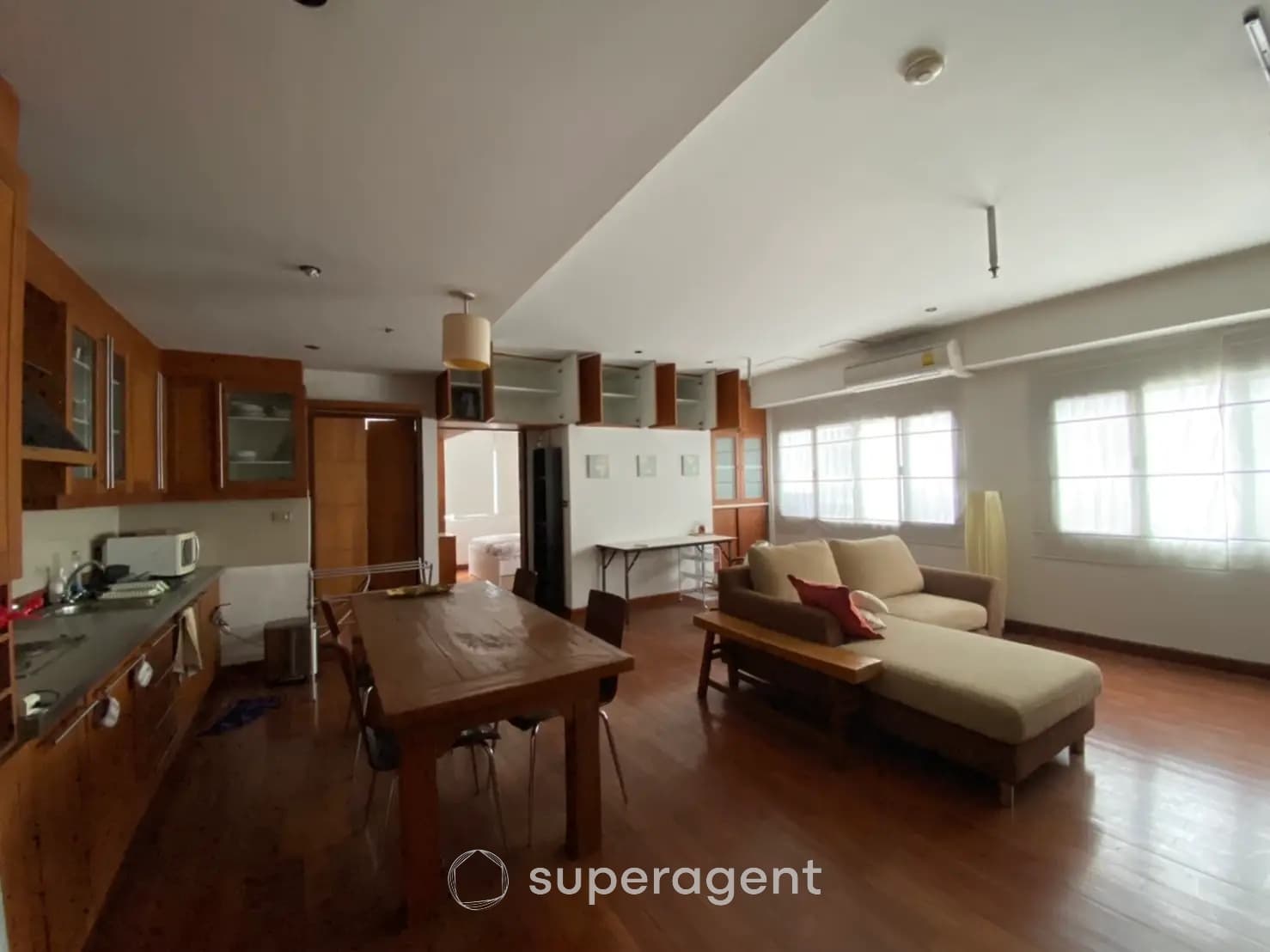
฿28,000
1 Bed167 sqm
1-BR Condo at Wittayu Complex near BTS Phloen Chit
Condo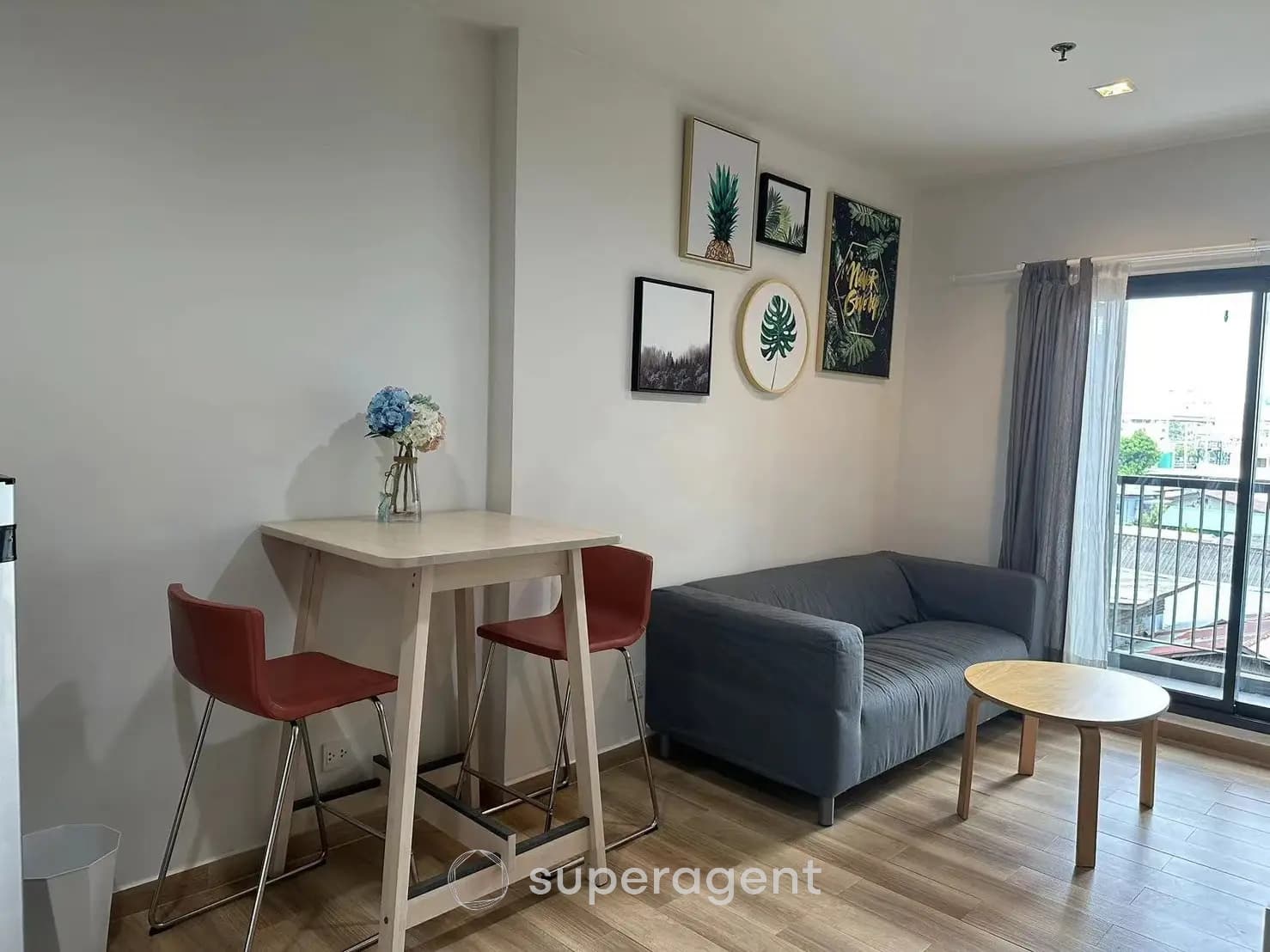
฿23,000
2 Bed150 sqm
2-BR Condo at Life Sukhumvit 48 near BTS Phra Khanong
On Nut
Condo![[For Rent] CONDO I Maestro 14 Siam-Ratchathewi Pet Friendly I 1 Bed I 1 Bath I 22,000THB/mo](/_next/image?url=https%3A%2F%2Fstorage.googleapis.com%2Fsuperagent-web%2Fattachments%2Flistings%2F6686%2F5ae8a77f-b6fb-4578-a765-e56f493cd25f-1058.png&w=3840&q=75)
฿25,000
1 Bed130 sqm
[For Rent] CONDO I Maestro 14 Siam-Ratchathewi Pet Friendly I 1 Bed I 1 Bath I 22,000THB/mo
Siam
Condo![[For Rent] CONDO I Las Colinas Condominium I 2 Beds I 3 Baths I 85,000THB/mo](/_next/image?url=https%3A%2F%2Fstorage.googleapis.com%2Fsuperagent-web%2Fattachments%2Flistings%2F6828%2F80f345c4-488e-43b2-b017-c9fbb17b520d-99486dd8-4237-4ba2-9207-01ce4f66b21f-media.jpg&w=3840&q=75)
฿85,000
2 Bed3170 sqm
[For Rent] CONDO I Las Colinas Condominium I 2 Beds I 3 Baths I 85,000THB/mo
Asoke
Condo![[For Rent] CONDO I KEN Attitude Rattanathibet I Duplex I 2 Beds I 2 Baths I 40,000THB/mo](/_next/image?url=https%3A%2F%2Fstorage.googleapis.com%2Fsuperagent-web%2Fattachments%2Flistings%2F6852%2F17c1715e-4458-4008-bb0b-072a4c081166-img_0557.jpeg&w=3840&q=75)
฿40,000
2 Bed277 sqm
[For Rent] CONDO I KEN Attitude Rattanathibet I Duplex I 2 Beds I 2 Baths I 40,000THB/mo
Condo![[For Rent] CONDO I H Sukhumvit 43 I 1 Bed I 1 Bath I 28,000THB/mo](/_next/image?url=https%3A%2F%2Fstorage.googleapis.com%2Fsuperagent-web%2Fattachments%2Flistings%2F6851%2Ff355c21a-a282-4338-86c6-dc5bb3368321-1244-1.jpg&w=3840&q=75)
฿28,000
1 Bed143 sqm
[For Rent] CONDO I H Sukhumvit 43 I 1 Bed I 1 Bath I 28,000THB/mo
Phrom Phong
CondoMore like this
 In Guides · Superagent EditorialHidden Costs of Renting a Condo in Bangkok Nobody Warns You AboutBangkok condo rent looks affordable until month one hits. Here are the real costs beyond the headline figure that catch most renters off guard.25 May 20261 min read
 In Guides · Superagent EditorialWhat a Long-Vacant Bangkok Condo Unit Is Actually Telling YouA Bangkok condo vacant for months signals overpricing, landlord issues, or real problems. Here is how to read the signs.25 May 20261 min read
 In Guides · Superagent EditorialRed Flags in a Bangkok Rental Contract to Watch Out ForBangkok rental contracts often hide risky clauses. Here are the red flags every tenant must catch before signing any lease.25 May 20261 min read
 In Guides · Superagent EditorialWorking Online from a Condo: How to Choose the Perfect Room for ProductivityLearn how to choose the best condo room for working online with tips on lighting, noise, and furniture setup to maximize productivity.9 May 20261 min read