Can Landlords Raise Condo Rent in Thailand: What the Law Says
Guides
Can Landlords Raise Condo Rent in Thailand: What the Law Says
Understand your rights as a tenant when your landlord wants to increase your monthly rent.
Summary
Learn about Thai rental laws on raising condo rent. Discover landlord rights, tenant protections, and legal requirements for rent increases in Thailand.
So your landlord just slapped you with a notice that your rent is going up 15 percent next year. Your first reaction is probably "Wait, can they even do that?" The answer is frustratingly complicated in Thailand, which is why I'm breaking down exactly what the law actually says about rent increases here in Bangkok.
I've lived here long enough to see this happen to friends in Thonglor, Ari, and Rama 9. Some landlords play by the rules. Others seem to think they can charge whatever they want. Let's figure out where you actually stand legally and what you can actually do about it.
The Basic Rule: What the Law Actually Says
Thailand doesn't have a blanket rent control law that caps how much landlords can raise rent. This isn't Europe. This is Bangkok, where the free market basically rules the residential rental market.
The key legal document here is the Thai Rental Agreement Act. It says that if you have a written lease, the terms in that lease control everything. If your lease says rent can increase by 10 percent annually, that's what it says. If it doesn't mention increases at all, things get messier.
Here's the reality: your lease is your protection. No lease? You're basically renting month to month under whatever terms your landlord decides. I knew someone in a condo near Ekamai BTS who never signed anything formal, and her landlord raised the rent 20 percent without warning. She had almost no recourse.
What Your Lease Actually Protects You
If you signed a one year lease and it clearly states "no rent increase during the lease term," your landlord cannot legally raise the rent until that lease expires. Period. This is actually your strongest protection.
But here's where landlords get creative. Many leases say something vague like "rent adjustments are subject to mutual agreement" or include a clause that says rent can increase after the first year. Some leases I've seen in condos around Phetchaburi say "rent increases in line with market conditions," which is basically meaningless and opens the door for disputes.
The moment your lease expires, the legal situation completely changes. Your landlord can refuse to renew unless you accept a higher rent. They can also give you notice that the lease won't be renewed, forcing you to move. If you stay without signing a new lease, you're now a month to month tenant, and your landlord can raise rent on 30 days notice.
The Notification Requirements You Should Know
Even though Thailand doesn't have strict rent controls, there are notice requirements. If you're on a lease with a term, your landlord cannot just announce a rent hike midway through. They need to wait until the lease expires.
For month to month tenants, Thai law generally requires 30 days notice before a rent increase takes effect. This is important. If your landlord tells you on the 15th that your rent is increasing next month, technically that's not enough notice.
I had a roommate in a serviced apartment near Sukhumvit Soi 39 who got a text from her landlord saying rent was up 500 baht starting the next week. She pushed back citing lack of notice, and the landlord backed down. Having even basic familiarity with these rules gives you leverage.
When Rent Increases Actually Get Blocked
There are specific situations where even landlords can't just raise rent however they want. If the increase is so unreasonable that it's considered unjust enrichment under Thai civil law, a tenant can potentially challenge it in court. But this is rare and expensive.
More practically, if your landlord raises rent but it violates the specific terms of your lease, you can refuse and they need to go to court to enforce it. If your lease says "maximum 5 percent annual increase" and they demand 15 percent, you have legal standing to argue against it.
There's also the practical matter of tenant rights groups and online communities. A friend of mine in a condo near Chiang Mai Road organized with other tenants when their landlord tried hiking everyone's rent simultaneously. The landlord backed off when faced with organized resistance and the threat of group relocation.
What You Should Do Right Now
First, read your lease completely. Not a skim. Actually read it. Look specifically for language about rent increases. Take a photo of the relevant pages and keep them somewhere safe.
If your landlord notifies you of an increase, check if it violates your lease terms. If it does, write a response in Thai (or have someone translate your English response to Thai) stating that it violates the agreed lease terms. Keep a copy.
If you're month to month, make sure you're getting proper notice. Thirty days minimum. If they're trying to increase rent faster than that, you have time to plan your next move, whether that's negotiating or finding a new place.
Consider getting a new lease signed immediately if you're on verbal terms. A written agreement, even if it allows for future increases, is still better than nothing. Many condos in Bangkok, from places around Rama 9 to units near Bang Na BTS, use standard templates that landlords and tenants can negotiate on before signing.
The bottom line: your lease is your actual protection. The law gives landlords enormous freedom to raise rent in Thailand, but what you've actually agreed to in writing matters. Don't sign anything without reading it carefully. Document everything in writing, not WhatsApp.
If you're hunting for a new place and want to avoid sketchy landlords with aggressive rent hike patterns, using a platform like Superagent.co connects you with properties that have transparent rental terms upfront. You can actually compare what rent increases look like across different buildings and neighborhoods before you commit.
So your landlord just slapped you with a notice that your rent is going up 15 percent next year. Your first reaction is probably "Wait, can they even do that?" The answer is frustratingly complicated in Thailand, which is why I'm breaking down exactly what the law actually says about rent increases here in Bangkok.
I've lived here long enough to see this happen to friends in Thonglor, Ari, and Rama 9. Some landlords play by the rules. Others seem to think they can charge whatever they want. Let's figure out where you actually stand legally and what you can actually do about it.
The Basic Rule: What the Law Actually Says
Thailand doesn't have a blanket rent control law that caps how much landlords can raise rent. This isn't Europe. This is Bangkok, where the free market basically rules the residential rental market.
The key legal document here is the Thai Rental Agreement Act. It says that if you have a written lease, the terms in that lease control everything. If your lease says rent can increase by 10 percent annually, that's what it says. If it doesn't mention increases at all, things get messier.
Here's the reality: your lease is your protection. No lease? You're basically renting month to month under whatever terms your landlord decides. I knew someone in a condo near Ekamai BTS who never signed anything formal, and her landlord raised the rent 20 percent without warning. She had almost no recourse.
Continue reading after that.
Looking for a condo
to rent?
Leave your name and phone. We'll follow up while you keep reading.
100% Secure
Fast Response
Free Consultation
What Your Lease Actually Protects You
If you signed a one year lease and it clearly states "no rent increase during the lease term," your landlord cannot legally raise the rent until that lease expires. Period. This is actually your strongest protection.
But here's where landlords get creative. Many leases say something vague like "rent adjustments are subject to mutual agreement" or include a clause that says rent can increase after the first year. Some leases I've seen in condos around Phetchaburi say "rent increases in line with market conditions," which is basically meaningless and opens the door for disputes.
The moment your lease expires, the legal situation completely changes. Your landlord can refuse to renew unless you accept a higher rent. They can also give you notice that the lease won't be renewed, forcing you to move. If you stay without signing a new lease, you're now a month to month tenant, and your landlord can raise rent on 30 days notice.
The Notification Requirements You Should Know
Even though Thailand doesn't have strict rent controls, there are notice requirements. If you're on a lease with a term, your landlord cannot just announce a rent hike midway through. They need to wait until the lease expires.
For month to month tenants, Thai law generally requires 30 days notice before a rent increase takes effect. This is important. If your landlord tells you on the 15th that your rent is increasing next month, technically that's not enough notice.
I had a roommate in a serviced apartment near Sukhumvit Soi 39 who got a text from her landlord saying rent was up 500 baht starting the next week. She pushed back citing lack of notice, and the landlord backed down. Having even basic familiarity with these rules gives you leverage.
When Rent Increases Actually Get Blocked
There are specific situations where even landlords can't just raise rent however they want. If the increase is so unreasonable that it's considered unjust enrichment under Thai civil law, a tenant can potentially challenge it in court. But this is rare and expensive.
More practically, if your landlord raises rent but it violates the specific terms of your lease, you can refuse and they need to go to court to enforce it. If your lease says "maximum 5 percent annual increase" and they demand 15 percent, you have legal standing to argue against it.
There's also the practical matter of tenant rights groups and online communities. A friend of mine in a condo near Chiang Mai Road organized with other tenants when their landlord tried hiking everyone's rent simultaneously. The landlord backed off when faced with organized resistance and the threat of group relocation.
Continue reading after that.
Looking for a condo
to rent?
Leave your name and phone. We'll follow up while you keep reading.
100% Secure
Fast Response
Free Consultation
What You Should Do Right Now
First, read your lease completely. Not a skim. Actually read it. Look specifically for language about rent increases. Take a photo of the relevant pages and keep them somewhere safe.
If your landlord notifies you of an increase, check if it violates your lease terms. If it does, write a response in Thai (or have someone translate your English response to Thai) stating that it violates the agreed lease terms. Keep a copy.
If you're month to month, make sure you're getting proper notice. Thirty days minimum. If they're trying to increase rent faster than that, you have time to plan your next move, whether that's negotiating or finding a new place.
Consider getting a new lease signed immediately if you're on verbal terms. A written agreement, even if it allows for future increases, is still better than nothing. Many condos in Bangkok, from places around Rama 9 to units near Bang Na BTS, use standard templates that landlords and tenants can negotiate on before signing.
The bottom line: your lease is your actual protection. The law gives landlords enormous freedom to raise rent in Thailand, but what you've actually agreed to in writing matters. Don't sign anything without reading it carefully. Document everything in writing, not WhatsApp.
If you're hunting for a new place and want to avoid sketchy landlords with aggressive rent hike patterns, using a platform like Superagent.co connects you with properties that have transparent rental terms upfront. You can actually compare what rent increases look like across different buildings and neighborhoods before you commit.
Share this article
Properties you may like

฿24,000
1 Bed135 sqm
1-BR Condo at Life One Wireless near BTS Phloen Chit
Ploenchit
Condo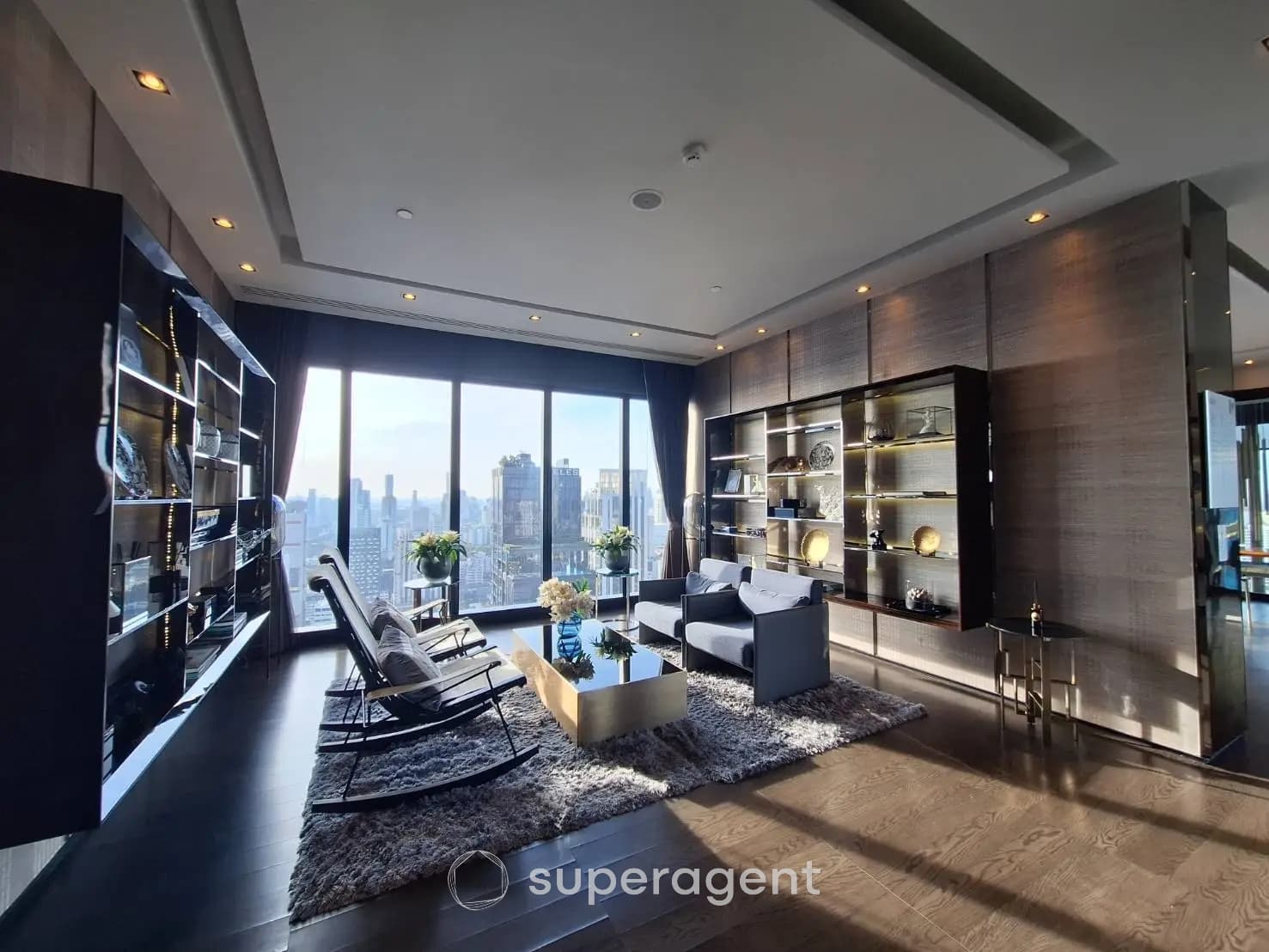
฿25,000
1 Bed133 sqm
1-BR Condo at Ashton Asoke near MRT Sukhumvit
Asoke
Condo
฿70,000
3 Bed3230 sqm
3-BR Condo at River Heaven Chareonkrung in Bang Kho Laem
Condo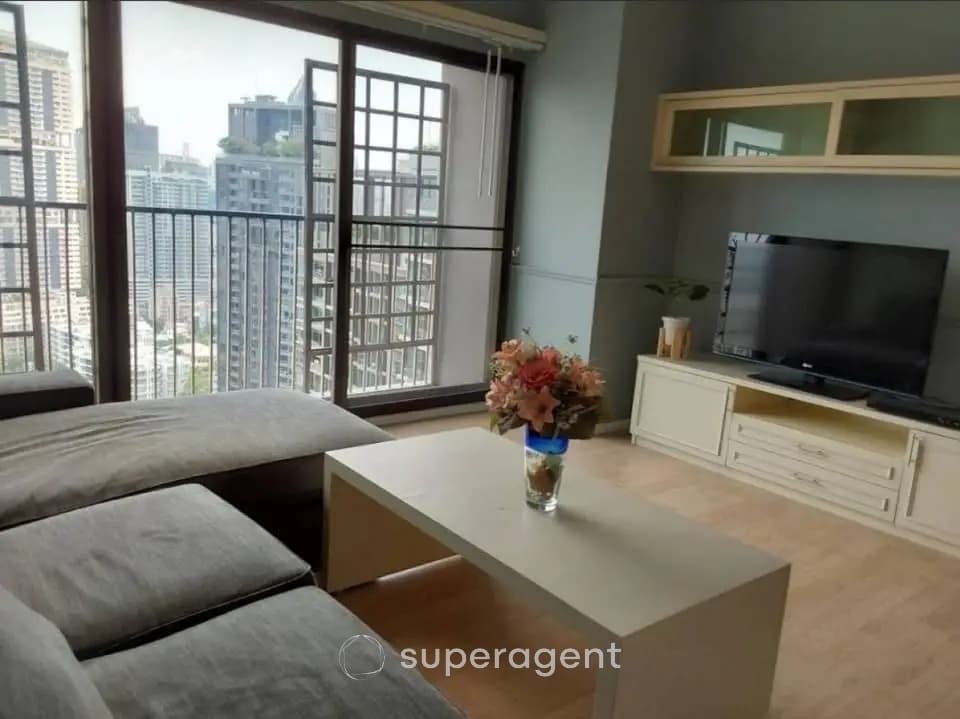
฿63,000
3 Bed2102 sqm
3-BR Condo at Noble Remix near BTS Thong Lor
Thonglor
Condo
฿27,000
Studio135 sqm
Studio Condo at Ideo Q Victory near BTS Victory Monument
Victory Monument
Condo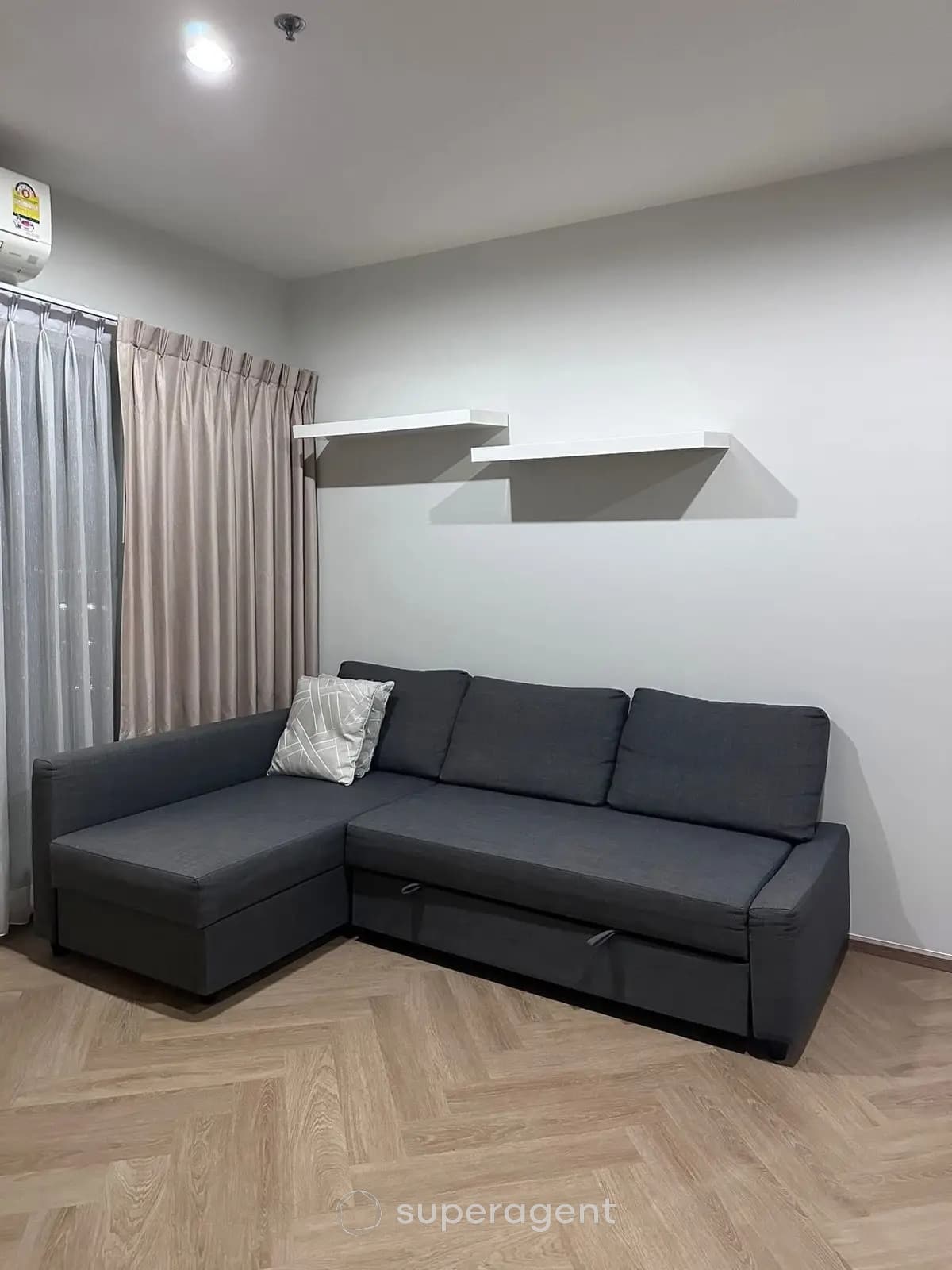
฿30,000
2 Bed252.9 sqm
2-BR Condo at The Key Sathorn - Charoenraj in Bang Khlo
Condo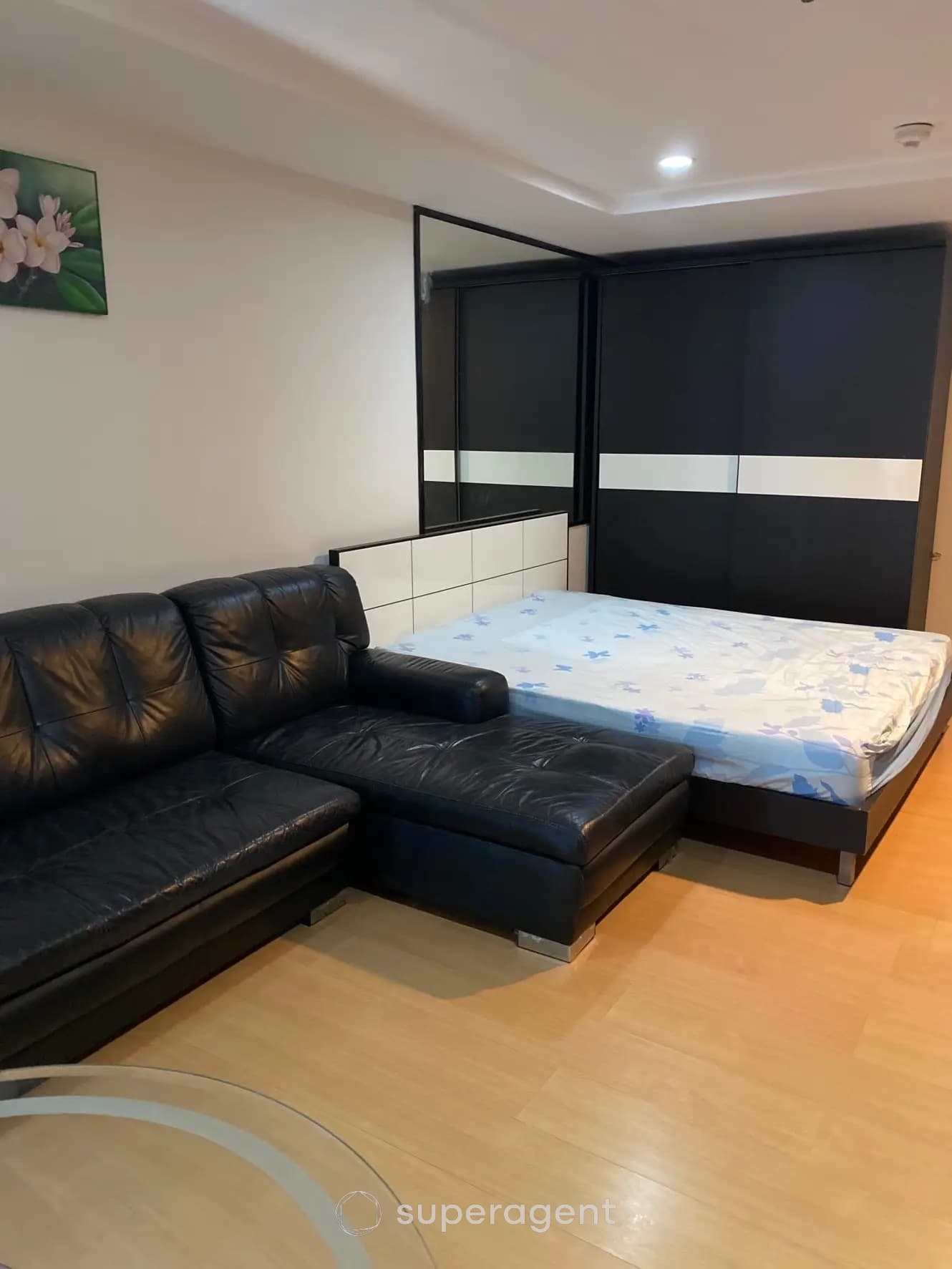
฿17,000
1 Bed136 sqm
1-BR Condo at The Trendy Condominium near BTS Nana
Condo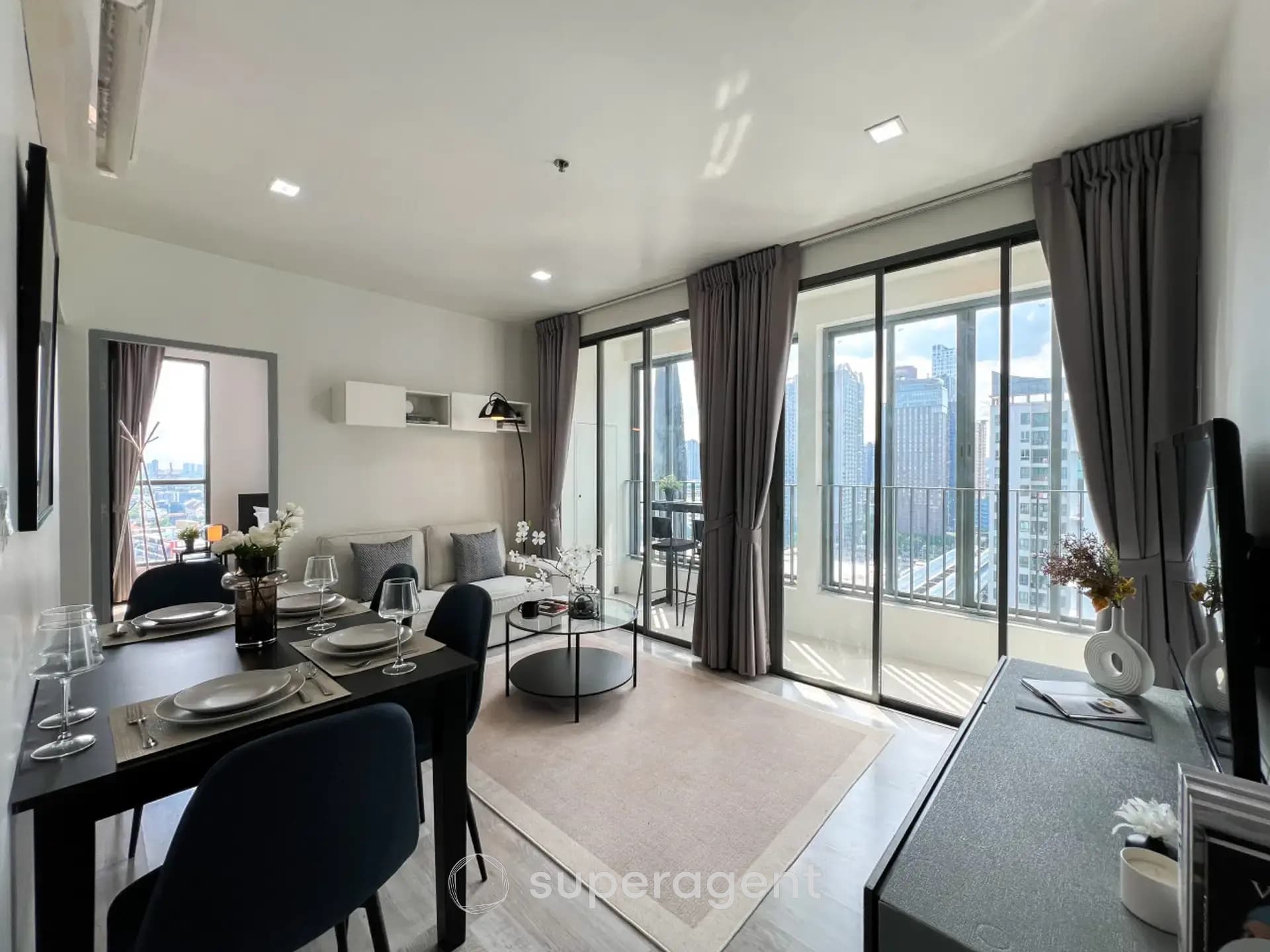
฿42,000
2 Bed287 sqm
2-BR Condo at Ideo Mobi Sukhumvit 81 near BTS On Nut
Condo
฿38,000
2 Bed258 sqm
2-BR Condo at Ideo Rama 9 - Asoke near MRT Phra Ram 9
Condo
฿27,000
1 Bed145 sqm
1-BR Condo at Noble Reveal Ekamai near BTS Ekkamai
Ekkamai
CondoMore like this
 In Guides · Superagent EditorialHidden Costs of Renting a Condo in Bangkok Nobody Warns You AboutBangkok condo rent looks affordable until month one hits. Here are the real costs beyond the headline figure that catch most renters off guard.25 May 20261 min read
 In Guides · Superagent EditorialWhat a Long-Vacant Bangkok Condo Unit Is Actually Telling YouA Bangkok condo vacant for months signals overpricing, landlord issues, or real problems. Here is how to read the signs.25 May 20261 min read
 In Guides · Superagent EditorialRed Flags in a Bangkok Rental Contract to Watch Out ForBangkok rental contracts often hide risky clauses. Here are the red flags every tenant must catch before signing any lease.25 May 20261 min read
 In Guides · Superagent EditorialWorking Online from a Condo: How to Choose the Perfect Room for ProductivityLearn how to choose the best condo room for working online with tips on lighting, noise, and furniture setup to maximize productivity.9 May 20261 min read