Can Landlords Raise Rent in Thailand: What Thai Law Says
Guides
Can Landlords Raise Rent in Thailand: What Thai Law Says
Learn what Thai rental laws allow landlords to do about raising tenant rents.
Summary
Understand Thai rental laws on raising rent. Know your rights as a tenant and what landlords can legally do under Thai law.
Your landlord just sent you a message. They want to raise your rent by 2,000 baht starting next month. You're sitting in your condo near Thong Lo BTS, scrolling through your lease agreement, wondering if they can actually do this. Can they? What does Thai law actually say about rent increases?
This is the question that comes up constantly in Bangkok's rental market. Whether you're paying 15,000 baht a month in a modest studio in Soi 26, Thonglor or 80,000 baht for a two-bedroom in a luxury building, understanding your rights around rent increases matters. A lot of renters here don't know the rules, and landlords sometimes count on that. Let's cut through the confusion and talk about what Thai law actually allows.
What Does Thai Law Say About Rent Increases?
Thailand's Rent Control Act is the main legal framework here. The short answer is yes, landlords can raise rent, but not whenever they want and not by however much they want. There are specific rules built into Thai law that protect tenants.
The law says your landlord must give you written notice of any rent increase at least 30 days before the increase takes effect. They can't just spring it on you. They have to follow the procedure. If they text you or tell you in person without putting it in writing and giving proper notice, it's not legally valid.
Here's the part that actually matters for your wallet. The law limits how much they can increase the rent in a single year. The maximum legal increase is 20 percent of your current rent per year. That's the ceiling. So if you're paying 30,000 baht a month, the maximum they can raise it is 6,000 baht annually, bringing it to 36,000 baht.
But wait, there's a catch. This applies mainly to residential rentals under the Rent Control Act. If you're in a modern condo building like Ideo Mobi Sukhumvit or Elio Del Ray, the situation gets grayer. Some condos fall outside the traditional Rent Control Act framework, and their tenant protections differ.
The 30 Day Notice Requirement That Most People Miss
This is where landlords mess up and where tenants gain power. Your landlord must notify you in writing at least 30 days before the new rent takes effect. Not 29 days. Not verbally. In writing. Email counts as written notice in most cases, but a physical letter or written notice is clearer.
Imagine this. You live in a two-bedroom at Lumpini Park, Rama 4 area, paying 45,000 baht monthly. Your landlord texts you on the 20th of the month saying rent goes up to 50,000 baht next month. That's not legal. They haven't given you 30 days' notice. You can refuse to pay the increase and cite the Rent Control Act.
The notice has to be clear and specific. It should state the current rent, the new rent amount, the effective date, and the reason for the increase if they choose to provide one. A vague message doesn't cut it.
If they don't follow this procedure, you're within your rights to keep paying the old amount. Some landlords count on tenants not knowing this rule. You knowing it changes the conversation.
When Can a Landlord Actually Raise Your Rent?
Thai law allows rent increases, but not unlimited ones and not under every circumstance. The 20 percent annual cap applies. That's the legal maximum increase in a 12 month period.
Beyond that cap, the rent increase becomes harder to justify legally. If your landlord raises rent by 15 percent, that's within the law. If they try 25 percent, they've crossed the line. The Rent Control Act protects you at that point.
The law also recognizes that rent increases should connect to inflation or building costs, not arbitrary landlord decisions. In reality, many Bangkok landlords charge market rates and raise rent based on neighborhood demand. A condo in Phrom Phong near major developments can command higher rents than one in Lat Phrao, obviously. But within your specific lease, the law limits how fast they can raise what you pay.
If you're in a property that falls under the Rent Control Act, you have genuine protection. If you're renting from a smaller property owner or in an area less regulated, the protections exist but enforcement varies.
What If Your Landlord Raises Rent Illegally?
If your landlord violates these rules, what happens? You have options. First, you can dispute the increase in writing. Send them a message citing the Rent Control Act and the specific violation. Many landlords back down once they realize you know the law.
If they push forward illegally, you can file a complaint with the District Officer in your area. Bangkok has 50 districts, and each has an office that handles rental disputes. Going to the one in your district costs nothing and they take these complaints seriously when tenants have documentation.
You can also take legal action by filing a case at the civil court, but that's more formal and takes longer. Most disputes settle before court when both sides understand the law. Having your lease agreement and written documentation of the illegal notice gives you solid ground to stand on.
One concrete example. A renter in Soi Nana Nua was paying 25,000 baht for a studio. The landlord gave only 10 days notice and tried to increase rent by 4,000 baht monthly, which is 16 percent. The tenant sent one message citing Thai law and the 30 day requirement. The landlord withdrew the increase and proposed it again 30 days later with proper notice. Problem solved because the tenant knew the rules.
Protecting Yourself Before a Rent Increase Happens
The best strategy is prevention. Know what's in your lease. Have a clear written agreement with your landlord that outlines rent payment terms, duration, and what conditions allow for increases.
Keep documentation of all rental payments. Keep your lease agreement digital and physical copies. Screenshot any messages about rent. Build a paper trail that proves your current rent amount and any agreements you've made.
When you sign a lease, try to negotiate lease terms that cap increases. Some landlords agree to fixed rent for one or two years, then allow increases only after that period. That gives you stability and planning time.
If you rent in Bangkok and understand these rules, you have real leverage in conversations with your landlord. You're not defenseless. Thai law actually protects tenants more than many realize. The catch is knowing and using that protection.
Finding a rental that works financially means understanding both the market and your legal position. When you're searching for your next Bangkok home, whether it's near BTS Chitlom, MRT Sukhumvit, or anywhere in the middle, you're looking at rent you'll pay for months or years. Knowing you can't be exploited with illegal increases is part of the deal. Make sure whoever owns or manages your next place understands that you know the law, and you'll find the conversation about rent goes much smoother. Check out Superagent.co to find verified rentals where landlords respect tenant rights and transparent agreements actually happen.
Your landlord just sent you a message. They want to raise your rent by 2,000 baht starting next month. You're sitting in your condo near Thong Lo BTS, scrolling through your lease agreement, wondering if they can actually do this. Can they? What does Thai law actually say about rent increases?
This is the question that comes up constantly in Bangkok's rental market. Whether you're paying 15,000 baht a month in a modest studio in Soi 26, Thonglor or 80,000 baht for a two-bedroom in a luxury building, understanding your rights around rent increases matters. A lot of renters here don't know the rules, and landlords sometimes count on that. Let's cut through the confusion and talk about what Thai law actually allows.
What Does Thai Law Say About Rent Increases?
Thailand's Rent Control Act is the main legal framework here. The short answer is yes, landlords can raise rent, but not whenever they want and not by however much they want. There are specific rules built into Thai law that protect tenants.
The law says your landlord must give you written notice of any rent increase at least 30 days before the increase takes effect. They can't just spring it on you. They have to follow the procedure. If they text you or tell you in person without putting it in writing and giving proper notice, it's not legally valid.
Here's the part that actually matters for your wallet. The law limits how much they can increase the rent in a single year. The maximum legal increase is 20 percent of your current rent per year. That's the ceiling. So if you're paying 30,000 baht a month, the maximum they can raise it is 6,000 baht annually, bringing it to 36,000 baht.
Continue reading after that.
Looking for a condo
to rent?
Leave your name and phone. We'll follow up while you keep reading.
100% Secure
Fast Response
Free Consultation
But wait, there's a catch. This applies mainly to residential rentals under the Rent Control Act. If you're in a modern condo building like Ideo Mobi Sukhumvit or Elio Del Ray, the situation gets grayer. Some condos fall outside the traditional Rent Control Act framework, and their tenant protections differ.
The 30 Day Notice Requirement That Most People Miss
This is where landlords mess up and where tenants gain power. Your landlord must notify you in writing at least 30 days before the new rent takes effect. Not 29 days. Not verbally. In writing. Email counts as written notice in most cases, but a physical letter or written notice is clearer.
Imagine this. You live in a two-bedroom at Lumpini Park, Rama 4 area, paying 45,000 baht monthly. Your landlord texts you on the 20th of the month saying rent goes up to 50,000 baht next month. That's not legal. They haven't given you 30 days' notice. You can refuse to pay the increase and cite the Rent Control Act.
The notice has to be clear and specific. It should state the current rent, the new rent amount, the effective date, and the reason for the increase if they choose to provide one. A vague message doesn't cut it.
If they don't follow this procedure, you're within your rights to keep paying the old amount. Some landlords count on tenants not knowing this rule. You knowing it changes the conversation.
When Can a Landlord Actually Raise Your Rent?
Thai law allows rent increases, but not unlimited ones and not under every circumstance. The 20 percent annual cap applies. That's the legal maximum increase in a 12 month period.
Beyond that cap, the rent increase becomes harder to justify legally. If your landlord raises rent by 15 percent, that's within the law. If they try 25 percent, they've crossed the line. The Rent Control Act protects you at that point.
The law also recognizes that rent increases should connect to inflation or building costs, not arbitrary landlord decisions. In reality, many Bangkok landlords charge market rates and raise rent based on neighborhood demand. A condo in Phrom Phong near major developments can command higher rents than one in Lat Phrao, obviously. But within your specific lease, the law limits how fast they can raise what you pay.
If you're in a property that falls under the Rent Control Act, you have genuine protection. If you're renting from a smaller property owner or in an area less regulated, the protections exist but enforcement varies.
What If Your Landlord Raises Rent Illegally?
If your landlord violates these rules, what happens? You have options. First, you can dispute the increase in writing. Send them a message citing the Rent Control Act and the specific violation. Many landlords back down once they realize you know the law.
If they push forward illegally, you can file a complaint with the District Officer in your area. Bangkok has 50 districts, and each has an office that handles rental disputes. Going to the one in your district costs nothing and they take these complaints seriously when tenants have documentation.
You can also take legal action by filing a case at the civil court, but that's more formal and takes longer. Most disputes settle before court when both sides understand the law. Having your lease agreement and written documentation of the illegal notice gives you solid ground to stand on.
Continue reading after that.
Looking for a condo
to rent?
Leave your name and phone. We'll follow up while you keep reading.
100% Secure
Fast Response
Free Consultation
One concrete example. A renter in Soi Nana Nua was paying 25,000 baht for a studio. The landlord gave only 10 days notice and tried to increase rent by 4,000 baht monthly, which is 16 percent. The tenant sent one message citing Thai law and the 30 day requirement. The landlord withdrew the increase and proposed it again 30 days later with proper notice. Problem solved because the tenant knew the rules.
Protecting Yourself Before a Rent Increase Happens
The best strategy is prevention. Know what's in your lease. Have a clear written agreement with your landlord that outlines rent payment terms, duration, and what conditions allow for increases.
Keep documentation of all rental payments. Keep your lease agreement digital and physical copies. Screenshot any messages about rent. Build a paper trail that proves your current rent amount and any agreements you've made.
When you sign a lease, try to negotiate lease terms that cap increases. Some landlords agree to fixed rent for one or two years, then allow increases only after that period. That gives you stability and planning time.
If you rent in Bangkok and understand these rules, you have real leverage in conversations with your landlord. You're not defenseless. Thai law actually protects tenants more than many realize. The catch is knowing and using that protection.
Finding a rental that works financially means understanding both the market and your legal position. When you're searching for your next Bangkok home, whether it's near BTS Chitlom, MRT Sukhumvit, or anywhere in the middle, you're looking at rent you'll pay for months or years. Knowing you can't be exploited with illegal increases is part of the deal. Make sure whoever owns or manages your next place understands that you know the law, and you'll find the conversation about rent goes much smoother. Check out Superagent.co to find verified rentals where landlords respect tenant rights and transparent agreements actually happen.
Share this article
Properties you may like
![[For Rent] CONDO I Park Origin 24 I 2 Beds I 1 Baths I 48,000THB/mo](/_next/image?url=https%3A%2F%2Fstorage.googleapis.com%2Fsuperagent-web%2Fattachments%2Flistings%2F6890%2Ffb28cb5c-9a1b-424b-9b52-b844aeba7bf2-1291-1.jpg&w=3840&q=75)
฿48,000
2 Bed152.1 sqm
[For Rent] CONDO I Park Origin 24 I 2 Beds I 1 Baths I 48,000THB/mo
Phrom Phong
Condo![[For Rent] CONDO I Grand Parkview Asoke I 2 Beds I 1 Bath I 35,000THB/mo](/_next/image?url=https%3A%2F%2Fstorage.googleapis.com%2Fsuperagent-web%2Fattachments%2Flistings%2F6889%2F9cb3631b-7a06-4438-9425-a5c78df563d4-1303-1.jpg&w=3840&q=75)
฿35,000
2 Bed168.4 sqm
[For Rent] CONDO I Grand Parkview Asoke I 2 Beds I 1 Bath I 35,000THB/mo
Asoke
Condo![[For Rent] CONDO I Culture Thonglor I 1 Bed I 1 Bath I 22,000THB/mo](/_next/image?url=https%3A%2F%2Fstorage.googleapis.com%2Fsuperagent-web%2Fattachments%2Flistings%2F2271%2Fcb90f802-330c-49a2-a142-2e33a8127032-culture_thonglor_for_rent_02.jpg&w=3840&q=75)
฿22,000
1 Bed126 sqm
[For Rent] CONDO I Culture Thonglor I 1 Bed I 1 Bath I 22,000THB/mo
Thonglor
Condo
฿120,000
3 Bed3165 sqm
The Height Thonglor, 3BR 165 sq.m. 120K Show Unit Feel, Great Price, Rare Item in the Heart of Thonglor, Near BTS Thonglo
Condo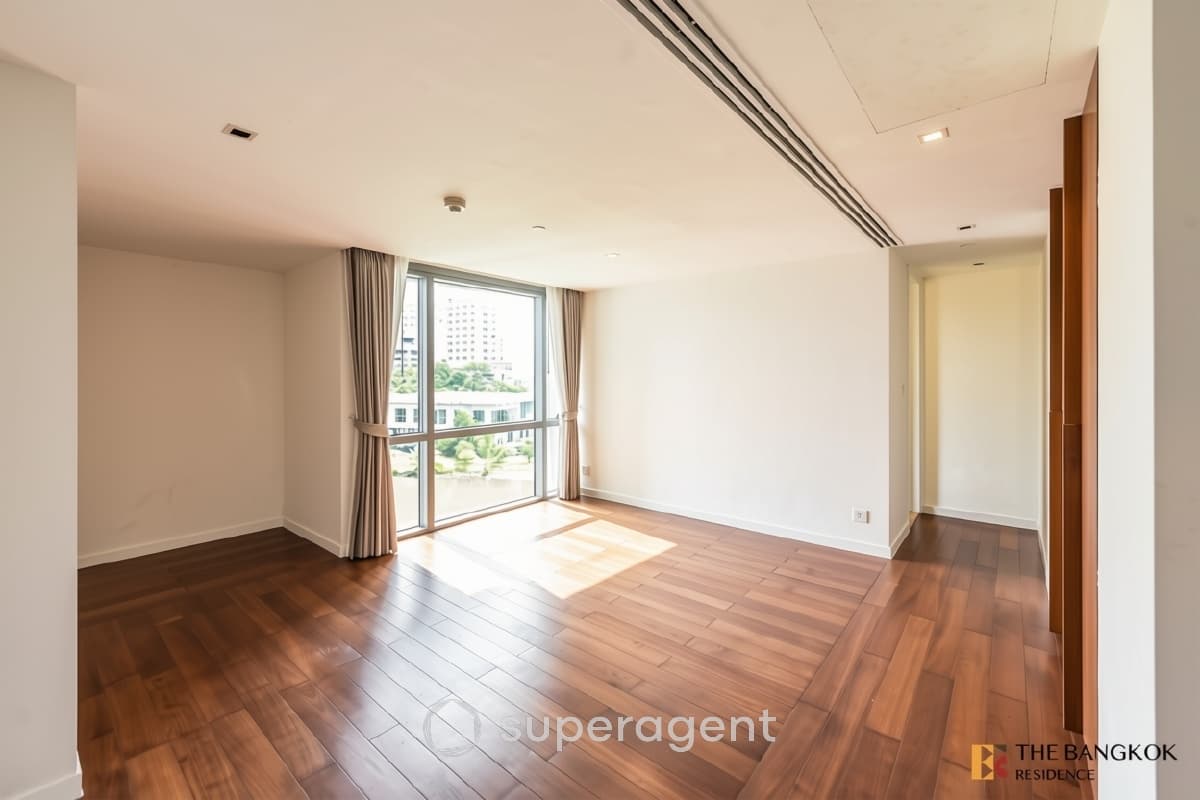
฿180,000
3 Bed4453 sqm
The Pano, 3BR 453sq.m. 180K Spacious Unit, Stunning Views
Condo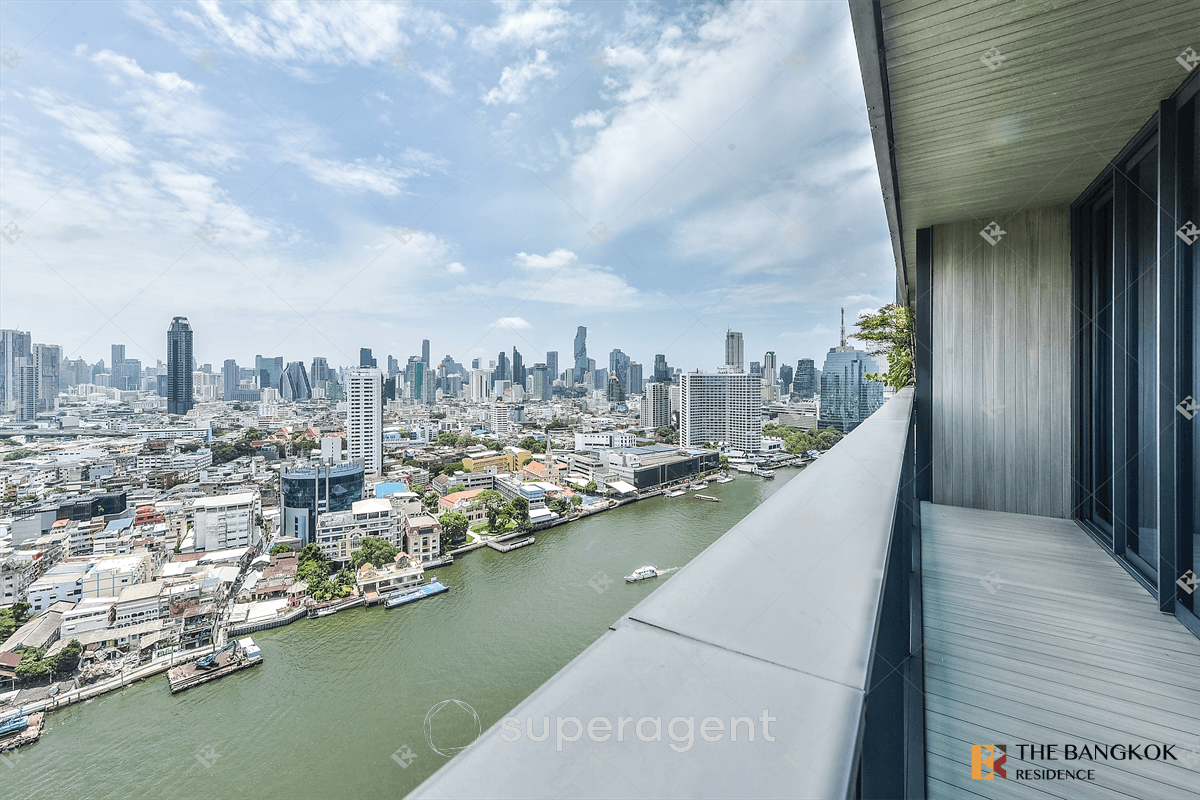
฿190,000
2 Bed2178.3 sqm
Banyan Tree Residence Riverside Bangkok, 2BR 178.34 sq.m. 190K Beautiful Fully Furnished Unit, Near BTS Saphan Taksin
Charoen Nakhon
Condo
฿59,000
1 Bed155.8 sqm
The Bangkok Thonglor, 1BR 55.8 sq.m. 59K, Premium High Floor Unit, Near BTS Thonglo
Thonglor
Condo![[For Rent] CONDO I Culture Chula I Duplex I 1 Bed I 1 Bath I 35,000THB/mo](/_next/image?url=https%3A%2F%2Fstorage.googleapis.com%2Fsuperagent-web%2Fattachments%2Flistings%2F6760%2F8deaff98-ecb1-4c62-b9be-aecac2f65797-1140-1.jpg&w=3840&q=75)
฿35,000
1 Bed138 sqm
[For Rent] CONDO I Culture Chula I Duplex I 1 Bed I 1 Bath I 35,000THB/mo
Siam
Condo![[For Rent] CONDO I Ideo Chula Samyan I 1 Bed I 1 Bath I 30,000THB/mo](/_next/image?url=https%3A%2F%2Fstorage.googleapis.com%2Fsuperagent-web%2Fattachments%2Flistings%2F6872%2Ff9ab570c-e4ca-41d6-90ee-a8e581218438-1271-8.jpg&w=3840&q=75)
฿30,000
1 Bed135 sqm
[For Rent] CONDO I Ideo Chula Samyan I 1 Bed I 1 Bath I 30,000THB/mo
Siam
Condo![[For Rent] TOWNHOME I Quarter 31 I 4 Beds I 5 Baths I 280,000THB/mo](/_next/image?url=https%3A%2F%2Fstorage.googleapis.com%2Fsuperagent-web%2Fattachments%2Flistings%2F1724%2Fb24f7c3a-8acd-49e4-ae85-6a31498207e4-600-2.jpg&w=3840&q=75)
฿280,000
4 Bed5425 sqm
[For Rent] TOWNHOME I Quarter 31 I 4 Beds I 5 Baths I 280,000THB/mo
Phrom Phong
CondoMore like this
 In Guides · Superagent EditorialHidden Costs of Renting a Condo in Bangkok Nobody Warns You AboutBangkok condo rent looks affordable until month one hits. Here are the real costs beyond the headline figure that catch most renters off guard.25 May 20261 min read
 In Guides · Superagent EditorialWhat a Long-Vacant Bangkok Condo Unit Is Actually Telling YouA Bangkok condo vacant for months signals overpricing, landlord issues, or real problems. Here is how to read the signs.25 May 20261 min read
 In Guides · Superagent EditorialRed Flags in a Bangkok Rental Contract to Watch Out ForBangkok rental contracts often hide risky clauses. Here are the red flags every tenant must catch before signing any lease.25 May 20261 min read
 In Guides · Superagent EditorialWorking Online from a Condo: How to Choose the Perfect Room for ProductivityLearn how to choose the best condo room for working online with tips on lighting, noise, and furniture setup to maximize productivity.9 May 20261 min read