Co-Living Spaces in Bangkok: New Options for Digital Nomads and Young Renters
News
Co-Living Spaces in Bangkok: New Options for Digital Nomads and Young Renters
Discover modern co-living communities designed for flexible, affordable urban living in Bangkok
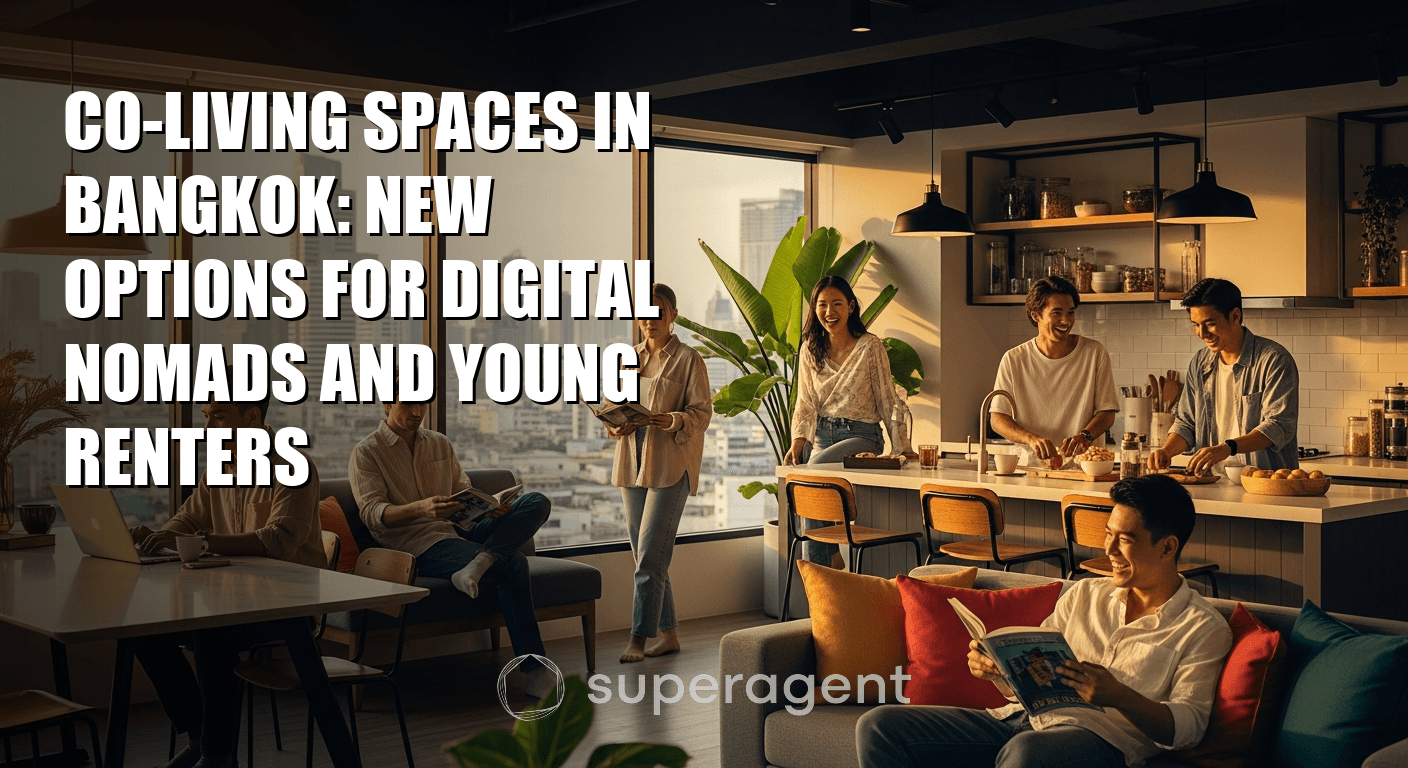
Summary
Explore co-living spaces in Bangkok offering furnished rooms, shared amenities, and community for digital nomads and young professionals seeking flexibilit
Five years ago, if you were a digital nomad landing in Bangkok, your options were pretty simple. You either grabbed a studio condo on a month-to-month lease, crashed in a hostel until you figured things out, or scrolled through Facebook groups hoping to find a decent room. Fast forward to 2024, and the landscape looks completely different. Co-living spaces have exploded across the city, offering fully furnished rooms, built-in communities, flexible leases, and pricing that often undercuts traditional condo rentals once you factor in utilities and WiFi. Whether you are a remote worker fresh off a flight from Berlin or a young Thai professional tired of commuting from the suburbs, co-living in Bangkok is now a serious, practical option.
What Exactly Is Co-Living, and Why Is Bangkok a Hotspot?
Co-living is shared housing designed for modern lifestyles. Think of it as a step up from a traditional apartment share. You get your own private bedroom, sometimes with a private bathroom, and you share common areas like kitchens, lounges, coworking desks, and rooftop spaces. The rent usually covers everything: furniture, WiFi, cleaning, water, and electricity up to a cap.
Bangkok has become one of Southeast Asia's top destinations for this model. According to a Knight Frank Thailand report, demand for flexible living arrangements in Bangkok surged by over 20% between 2022 and 2024, driven largely by remote workers and young professionals priced out of premium solo rentals. The city's low cost of living, excellent public transit, and thriving cafe and coworking culture make it a natural fit.
Take the area around Ari BTS station, for example. A one-bedroom condo there might cost you 15,000 to 22,000 THB per month before you add electricity (often 7 to 8 baht per unit), water, and internet. A co-living room in the same neighborhood can run 10,000 to 16,000 THB all-inclusive. For someone who just needs a clean, connected place to sleep and work, the math speaks for itself.
The Major Co-Living Players in Bangkok Right Now
The co-living scene here is no longer just a handful of converted shophouses. Several brands have established themselves with multiple locations across the city, each with a slightly different vibe and target renter.
Lyf Sukhumvit 8, operated by Ascott, sits right off Nana BTS and caters to a mix of business travelers and longer-stay digital nomads. Rooms start around 18,000 THB per month for extended stays, with coworking areas, a pool, and social events baked into the experience. Then you have Hmlet, which operates spaces near Thonglor and Ekkamai, targeting young professionals who want hotel-level design without the hotel price tag.
On the more budget-friendly end, local operators like Quarters Hostel and Social Club in the Silom and Sathorn area offer dorm-style co-living starting from as low as 6,500 THB per month. These spots attract backpackers transitioning into longer stays and Thai university graduates starting their first jobs.
There is also a growing wave of boutique co-living houses along Charoen Krung and in the Phra Khanong area near On Nut BTS, where converted townhouses offer four to eight rooms with shared kitchens and gardens. These tend to run 9,000 to 14,000 THB per month and foster a tight-knit community feel that bigger buildings simply cannot replicate.
Co-Living vs. Renting a Condo: A Realistic Comparison
The biggest question most people ask is whether co-living actually saves money compared to renting a traditional condo. The answer depends on what you value. Here is a side-by-side look at what you can expect in popular Bangkok neighborhoods.
| Factor | Co-Living Space | Traditional Condo Rental |
|---|---|---|
| Monthly Rent (Sukhumvit area) | 10,000 to 20,000 THB | 15,000 to 35,000 THB |
| Utilities Included | Usually yes (capped) | No, typically 2,000 to 4,000 THB extra |
| WiFi Included | Yes | Sometimes, or 600 to 900 THB/month |
| Minimum Lease | 1 to 3 months | 6 to 12 months |
| Security Deposit | 1 month typical | 2 months typical |
| Furniture | Fully furnished | Varies, sometimes unfurnished |
| Community and Events | Built-in social programming | None |
| Privacy | Private room, shared common areas | Fully private unit |
| Cleaning Service | Often included weekly | Self-arranged, 300 to 500 THB per visit |
The average all-inclusive co-living rent in central Bangkok falls between 12,000 and 18,000 THB per month for a private room, making it roughly 20 to 30% cheaper than a comparable solo condo rental once all hidden costs are factored in. That is a significant difference for someone planning to stay three to six months.
Who Is Actually Living in These Spaces?
Walk into a co-living space near Ekkamai BTS on any given Tuesday afternoon, and you will find a surprisingly diverse crowd. There is a UX designer from Portugal on a six-month stay, a Thai content creator who moved from Chiang Mai for client meetings, a couple of fintech developers sharing a coworking table, and a retired teacher from the UK who just enjoys the social atmosphere.
Data from DDproperty indicates that roughly 40% of co-living tenants in Bangkok are Thai nationals, debunking the myth that these spaces are only for foreigners. Young Thai professionals, especially those aged 23 to 32, are increasingly choosing co-living over renting a condo far from the city center and enduring brutal commutes.
The flexibility factor is huge. If you are on a tourist visa or a recently introduced Long-Term Resident (LTR) visa, committing to a 12-month condo lease with a two-month deposit feels risky. Co-living operators understand this and typically offer month-to-month or three-month agreements with just one month's deposit. You can check the latest visa categories on the Thai Immigration Bureau website if you are planning a longer stay.
The Best Neighborhoods for Co-Living in Bangkok
Location matters just as much in co-living as it does in traditional rentals. Here are the neighborhoods where the co-living scene is most active right now.
Sukhumvit Soi 1 through Soi 39, stretching from Nana BTS to Phrom Phong BTS, is the densest corridor. This is where Lyf, Hmlet, and several independent operators cluster. You are close to everything: Terminal 21, EmQuartier, hospitals like Bumrungrad, and endless food options. Expect to pay 14,000 to 22,000 THB per month in this zone.
Ari and Saphan Khwai, accessible via the BTS Sukhumvit Line, have become favorites for people who want a more local, less touristy vibe. The co-living options here tend to be smaller and more community-driven, with rents in the 9,000 to 15,000 THB range. Weekend markets, independent coffee shops, and quiet sois define the area.
Sathorn and Silom appeal to those with a more corporate schedule. If you are doing contract work for a multinational or attending meetings in the financial district, co-living spaces near Chong Nonsi BTS or Sala Daeng BTS put you within walking distance of major office towers. Prices here sit at 13,000 to 20,000 THB monthly.
On Nut and Phra Khanong are the value picks. These neighborhoods along the lower Sukhumvit line have seen a boom in boutique co-living houses. Rents can drop to 8,000 to 12,000 THB, and you are still only 15 minutes by BTS from Asok, the city's main transit interchange.
What to Watch Out for Before Signing Up
Co-living is not perfect, and it helps to go in with open eyes. The biggest complaint from residents is noise. Shared walls and social events mean you will hear people. If you are a light sleeper or need absolute silence for deep work, ask about room placement and wall insulation before committing.
Another thing to check is the electricity cap. Many co-living spaces advertise "utilities included" but set a monthly cap, say 1,500 THB worth of electricity. In Bangkok's hot season from March through May, running your air conditioner around the clock can easily blow past that. Ask what the overage rate is. Some places charge 8 to 9 baht per unit over the cap, which is higher than what you would pay with a direct residential meter.
Imagine this scenario: you move into a co-living space near Thonglor, love the first month, then realize the communal kitchen is always packed during dinner hours and the WiFi slows to a crawl when everyone logs on for their morning video calls. These are real issues worth investigating during a trial stay or at minimum a tour before you put money down.
Also, read the house rules carefully. Some spaces restrict overnight guests, set quiet hours, or have policies about cooking smells. These rules exist for good reason in a shared environment, but they can feel restrictive if you are used to the freedom of your own apartment.
Is Co-Living Right for You?
If you are arriving in Bangkok for the first time, planning to stay one to six months, and want to hit the ground running without the hassle of setting up utilities, buying furniture, or hunting for a guarantor, co-living is a fantastic entry point. It is also ideal if you value meeting people and want a built-in social network in a new city.
On the other hand, if you are settling in Bangkok longer-term, have a partner or family, or simply prefer coming home to a fully private space, a traditional condo rental will probably serve you better. The good news is that Bangkok has no shortage of either option.
Whatever direction you choose, doing proper research on neighborhoods, pricing, and lease terms will save you headaches later. If you are exploring condo rentals alongside co-living and want to compare real listings with verified prices, Superagent at superagent.co can help you search smarter. The platform uses AI to match you with condos based on your budget, preferred BTS or MRT line, and move-in date, so you spend less time scrolling and more time settling into your new Bangkok life.
Five years ago, if you were a digital nomad landing in Bangkok, your options were pretty simple. You either grabbed a studio condo on a month-to-month lease, crashed in a hostel until you figured things out, or scrolled through Facebook groups hoping to find a decent room. Fast forward to 2024, and the landscape looks completely different. Co-living spaces have exploded across the city, offering fully furnished rooms, built-in communities, flexible leases, and pricing that often undercuts traditional condo rentals once you factor in utilities and WiFi. Whether you are a remote worker fresh off a flight from Berlin or a young Thai professional tired of commuting from the suburbs, co-living in Bangkok is now a serious, practical option.
What Exactly Is Co-Living, and Why Is Bangkok a Hotspot?
Co-living is shared housing designed for modern lifestyles. Think of it as a step up from a traditional apartment share. You get your own private bedroom, sometimes with a private bathroom, and you share common areas like kitchens, lounges, coworking desks, and rooftop spaces. The rent usually covers everything: furniture, WiFi, cleaning, water, and electricity up to a cap.
Bangkok has become one of Southeast Asia's top destinations for this model. According to a Knight Frank Thailand report, demand for flexible living arrangements in Bangkok surged by over 20% between 2022 and 2024, driven largely by remote workers and young professionals priced out of premium solo rentals. The city's low cost of living, excellent public transit, and thriving cafe and coworking culture make it a natural fit.
Take the area around Ari BTS station, for example. A one-bedroom condo there might cost you 15,000 to 22,000 THB per month before you add electricity (often 7 to 8 baht per unit), water, and internet. A co-living room in the same neighborhood can run 10,000 to 16,000 THB all-inclusive. For someone who just needs a clean, connected place to sleep and work, the math speaks for itself.
Continue reading after that.
Looking for a condo
to rent?
Leave your name and phone. We'll follow up while you keep reading.
100% Secure
Fast Response
Free Consultation
The Major Co-Living Players in Bangkok Right Now
The co-living scene here is no longer just a handful of converted shophouses. Several brands have established themselves with multiple locations across the city, each with a slightly different vibe and target renter.
Lyf Sukhumvit 8, operated by Ascott, sits right off Nana BTS and caters to a mix of business travelers and longer-stay digital nomads. Rooms start around 18,000 THB per month for extended stays, with coworking areas, a pool, and social events baked into the experience. Then you have Hmlet, which operates spaces near Thonglor and Ekkamai, targeting young professionals who want hotel-level design without the hotel price tag.
On the more budget-friendly end, local operators like Quarters Hostel and Social Club in the Silom and Sathorn area offer dorm-style co-living starting from as low as 6,500 THB per month. These spots attract backpackers transitioning into longer stays and Thai university graduates starting their first jobs.
There is also a growing wave of boutique co-living houses along Charoen Krung and in the Phra Khanong area near On Nut BTS, where converted townhouses offer four to eight rooms with shared kitchens and gardens. These tend to run 9,000 to 14,000 THB per month and foster a tight-knit community feel that bigger buildings simply cannot replicate.
Co-Living vs. Renting a Condo: A Realistic Comparison
The biggest question most people ask is whether co-living actually saves money compared to renting a traditional condo. The answer depends on what you value. Here is a side-by-side look at what you can expect in popular Bangkok neighborhoods.
| Factor | Co-Living Space | Traditional Condo Rental |
|---|---|---|
| Monthly Rent (Sukhumvit area) | 10,000 to 20,000 THB | 15,000 to 35,000 THB |
| Utilities Included | Usually yes (capped) | No, typically 2,000 to 4,000 THB extra |
| WiFi Included | Yes | Sometimes, or 600 to 900 THB/month |
| Minimum Lease | 1 to 3 months | 6 to 12 months |
| Security Deposit | 1 month typical | 2 months typical |
| Furniture | Fully furnished | Varies, sometimes unfurnished |
| Community and Events | Built-in social programming | None |
| Privacy | Private room, shared common areas | Fully private unit |
| Cleaning Service | Often included weekly | Self-arranged, 300 to 500 THB per visit |
The average all-inclusive co-living rent in central Bangkok falls between 12,000 and 18,000 THB per month for a private room, making it roughly 20 to 30% cheaper than a comparable solo condo rental once all hidden costs are factored in. That is a significant difference for someone planning to stay three to six months.
Who Is Actually Living in These Spaces?
Walk into a co-living space near Ekkamai BTS on any given Tuesday afternoon, and you will find a surprisingly diverse crowd. There is a UX designer from Portugal on a six-month stay, a Thai content creator who moved from Chiang Mai for client meetings, a couple of fintech developers sharing a coworking table, and a retired teacher from the UK who just enjoys the social atmosphere.
Data from DDproperty indicates that roughly 40% of co-living tenants in Bangkok are Thai nationals, debunking the myth that these spaces are only for foreigners. Young Thai professionals, especially those aged 23 to 32, are increasingly choosing co-living over renting a condo far from the city center and enduring brutal commutes.
The flexibility factor is huge. If you are on a tourist visa or a recently introduced Long-Term Resident (LTR) visa, committing to a 12-month condo lease with a two-month deposit feels risky. Co-living operators understand this and typically offer month-to-month or three-month agreements with just one month's deposit. You can check the latest visa categories on the Thai Immigration Bureau website if you are planning a longer stay.
The Best Neighborhoods for Co-Living in Bangkok
Location matters just as much in co-living as it does in traditional rentals. Here are the neighborhoods where the co-living scene is most active right now.
Sukhumvit Soi 1 through Soi 39, stretching from Nana BTS to Phrom Phong BTS, is the densest corridor. This is where Lyf, Hmlet, and several independent operators cluster. You are close to everything: Terminal 21, EmQuartier, hospitals like Bumrungrad, and endless food options. Expect to pay 14,000 to 22,000 THB per month in this zone.
Ari and Saphan Khwai, accessible via the BTS Sukhumvit Line, have become favorites for people who want a more local, less touristy vibe. The co-living options here tend to be smaller and more community-driven, with rents in the 9,000 to 15,000 THB range. Weekend markets, independent coffee shops, and quiet sois define the area.
Sathorn and Silom appeal to those with a more corporate schedule. If you are doing contract work for a multinational or attending meetings in the financial district, co-living spaces near Chong Nonsi BTS or Sala Daeng BTS put you within walking distance of major office towers. Prices here sit at 13,000 to 20,000 THB monthly.
Continue reading after that.
Looking for a condo
to rent?
Leave your name and phone. We'll follow up while you keep reading.
100% Secure
Fast Response
Free Consultation
On Nut and Phra Khanong are the value picks. These neighborhoods along the lower Sukhumvit line have seen a boom in boutique co-living houses. Rents can drop to 8,000 to 12,000 THB, and you are still only 15 minutes by BTS from Asok, the city's main transit interchange.
What to Watch Out for Before Signing Up
Co-living is not perfect, and it helps to go in with open eyes. The biggest complaint from residents is noise. Shared walls and social events mean you will hear people. If you are a light sleeper or need absolute silence for deep work, ask about room placement and wall insulation before committing.
Another thing to check is the electricity cap. Many co-living spaces advertise "utilities included" but set a monthly cap, say 1,500 THB worth of electricity. In Bangkok's hot season from March through May, running your air conditioner around the clock can easily blow past that. Ask what the overage rate is. Some places charge 8 to 9 baht per unit over the cap, which is higher than what you would pay with a direct residential meter.
Imagine this scenario: you move into a co-living space near Thonglor, love the first month, then realize the communal kitchen is always packed during dinner hours and the WiFi slows to a crawl when everyone logs on for their morning video calls. These are real issues worth investigating during a trial stay or at minimum a tour before you put money down.
Also, read the house rules carefully. Some spaces restrict overnight guests, set quiet hours, or have policies about cooking smells. These rules exist for good reason in a shared environment, but they can feel restrictive if you are used to the freedom of your own apartment.
Is Co-Living Right for You?
If you are arriving in Bangkok for the first time, planning to stay one to six months, and want to hit the ground running without the hassle of setting up utilities, buying furniture, or hunting for a guarantor, co-living is a fantastic entry point. It is also ideal if you value meeting people and want a built-in social network in a new city.
On the other hand, if you are settling in Bangkok longer-term, have a partner or family, or simply prefer coming home to a fully private space, a traditional condo rental will probably serve you better. The good news is that Bangkok has no shortage of either option.
Whatever direction you choose, doing proper research on neighborhoods, pricing, and lease terms will save you headaches later. If you are exploring condo rentals alongside co-living and want to compare real listings with verified prices, Superagent at superagent.co can help you search smarter. The platform uses AI to match you with condos based on your budget, preferred BTS or MRT line, and move-in date, so you spend less time scrolling and more time settling into your new Bangkok life.
Share this article
Properties you may like
![[For Rent] CONDO I Las Colinas Condominium I 2 Beds I 3 Baths I 85,000THB/mo](/_next/image?url=https%3A%2F%2Fstorage.googleapis.com%2Fsuperagent-web%2Fattachments%2Flistings%2F6828%2F80f345c4-488e-43b2-b017-c9fbb17b520d-99486dd8-4237-4ba2-9207-01ce4f66b21f-media.jpg&w=3840&q=75)
฿85,000
2 Bed3170 sqm
[For Rent] CONDO I Las Colinas Condominium I 2 Beds I 3 Baths I 85,000THB/mo
Asoke
Condo![[For Rent] CONDO I Ashton Asoke I 1 Bed I 1 Bath I 30,000THB/mo](/_next/image?url=https%3A%2F%2Fstorage.googleapis.com%2Fsuperagent-web%2Fattachments%2Flistings%2F6876%2Fb7ce9bbe-f877-4ff5-bb54-8ad0026db940-1272-4.jpg&w=3840&q=75)
฿30,000
1 Bed135 sqm
[For Rent] CONDO I Ashton Asoke I 1 Bed I 1 Bath I 30,000THB/mo
Asoke
Condo![[For Rent] CONDO I Skyrise Avenue Sukhumvit 64 I 2 Beds I 2 Baths I 27,000THB/mo](/_next/image?url=https%3A%2F%2Fstorage.googleapis.com%2Fsuperagent-web%2Fattachments%2Flistings%2F2001%2F670f91de-c251-4e81-971c-8e30ed2158cd-screenshot-2026-07-05-at-11.38.53-pm.png&w=3840&q=75)
฿27,000
2 Bed252 sqm
[For Rent] CONDO I Skyrise Avenue Sukhumvit 64 I 2 Beds I 2 Baths I 27,000THB/mo
Punnawithi
Condo![[For Rent] CONDO I Park Origin Ratchathewi I Duplex I 2 Beds I 1 Bath I 32,000THB/mo](/_next/image?url=https%3A%2F%2Fstorage.googleapis.com%2Fsuperagent-web%2Fattachments%2Flistings%2F6896%2Fb79a7d21-7533-4b0d-bb19-762ebfafab62-1318-6.jpg&w=3840&q=75)
฿32,000
2 Bed135.9 sqm
[For Rent] CONDO I Park Origin Ratchathewi I Duplex I 2 Beds I 1 Bath I 32,000THB/mo
Ratchathewi
Condo![[For Rent] CONDO I Park Origin Phayathai I Studio I 1 Bath I 28,000THB/mo](/_next/image?url=https%3A%2F%2Fstorage.googleapis.com%2Fsuperagent-web%2Fattachments%2Flistings%2F6757%2Fb226df93-94c6-46fa-aeba-ebfadc7f81b8-1000006042.jpg&w=3840&q=75)
฿28,000
Studio129 sqm
[For Rent] CONDO I Park Origin Phayathai I Studio I 1 Bath I 28,000THB/mo
Phaya Thai
Condo![[For Rent] CONDO I Ideo Mobi Sukhumvit 81 I Duplex I 1 Bed I 1 Bath I 28,000THB/mo](/_next/image?url=https%3A%2F%2Fstorage.googleapis.com%2Fsuperagent-web%2Fattachments%2Flistings%2F1849%2Fc8b2c033-3b5f-4615-b2b0-4972f40141f0-705-13.jpg&w=3840&q=75)
฿28,000
1 Bed143 sqm
[For Rent] CONDO I Ideo Mobi Sukhumvit 81 I Duplex I 1 Bed I 1 Bath I 28,000THB/mo
On Nut
Condo![[For Rent] CONDO I Siamese Sukhumvit 48 I 1 Bed I 1 Bath I 28,000THB/mo](/_next/image?url=https%3A%2F%2Fstorage.googleapis.com%2Fsuperagent-web%2Fattachments%2Flistings%2F6841%2Febc2dce2-2e9b-4e6d-a01c-0cfa619dfa13-1231-6.jpg&w=3840&q=75)
฿28,000
1 Bed144 sqm
[For Rent] CONDO I Siamese Sukhumvit 48 I 1 Bed I 1 Bath I 28,000THB/mo
Condo![[For Rent] CONDO I Ashton Asoke I 1 Bed I 1 Bath I 22,000THB/mo](/_next/image?url=https%3A%2F%2Fstorage.googleapis.com%2Fsuperagent-web%2Fattachments%2Flistings%2F6802%2Fe06b9b73-1207-414a-ab04-1685de0c7eaa-20220808_153124_0.jpg&w=3840&q=75)
฿22,000
1 Bed134 sqm
[For Rent] CONDO I Ashton Asoke I 1 Bed I 1 Bath I 22,000THB/mo
Asoke
Condo![[For Rent] CONDO I HQ Thonglor Soi 4 I 1 Bed I 1 Bath I 35,000 THB/mo](/_next/image?url=https%3A%2F%2Fstorage.googleapis.com%2Fsuperagent-web%2Fattachments%2Flistings%2F1445%2F72352585-1bc2-41a8-bd62-ddcbf8189fe9-376-5.jpg&w=3840&q=75)
฿35,000
1 Bed143.6 sqm
[For Rent] CONDO I HQ Thonglor Soi 4 I 1 Bed I 1 Bath I 35,000 THB/mo
Thonglor
Condo![[For Rent] CONDO I The Master Centrium Asoke - Sukhumvit I Duplex I 2 Beds I 3 Baths I 75,000 THB/mo](/_next/image?url=https%3A%2F%2Fstorage.googleapis.com%2Fsuperagent-web%2Fattachments%2Flistings%2F1545%2F97932b6a-c358-45e4-b5f9-995dbf5a3cf0-441-2.jpg&w=3840&q=75)
฿75,000
2 Bed3150 sqm
[For Rent] CONDO I The Master Centrium Asoke - Sukhumvit I Duplex I 2 Beds I 3 Baths I 75,000 THB/mo
Asoke
CondoMore like this
 In News · Superagent EditorialWhat Is Superagent? The AI Brokerage Changing Bangkok's Condo Rental MarketSuperagent is an AI-native brokerage that closes deals 10x faster at 65%+ gross margin, compared to 5-10% for traditional brokerages in Bangkok.22 May 20261 min read
 In News · Ramida GoorojanawongMaria’s Success Case: From First Message to Move-In in 4 Hours | SuperagentMaria contacted Superagent at 1:06 PM looking for a 1-bedroom condo near BTS Saint Louis / Sathorn, with a budget of 18,000, 25,000 THB/month. Her must-haves were gym and pool access, and she wanted…12 May 20261 min read
 In News · Superagent EditorialMagnolias Waterfront Bangkok: Riverside Living and What It Costs to Rent NearbyMagnolias Waterfront Bangkok offers premium riverside living with stunning views. Learn about rental prices and amenities in this exclusive waterfront area26 Dec 20251 min read
 In News · Superagent EditorialIdeo, Life, The Base: Thailand's Biggest Condo Brands and What They Offer RentersExplore Thailand's biggest condo brands including Ideo, Life, and The Base. Learn what each developer offers renters in Bangkok's competitive market.8 Dec 20251 min read