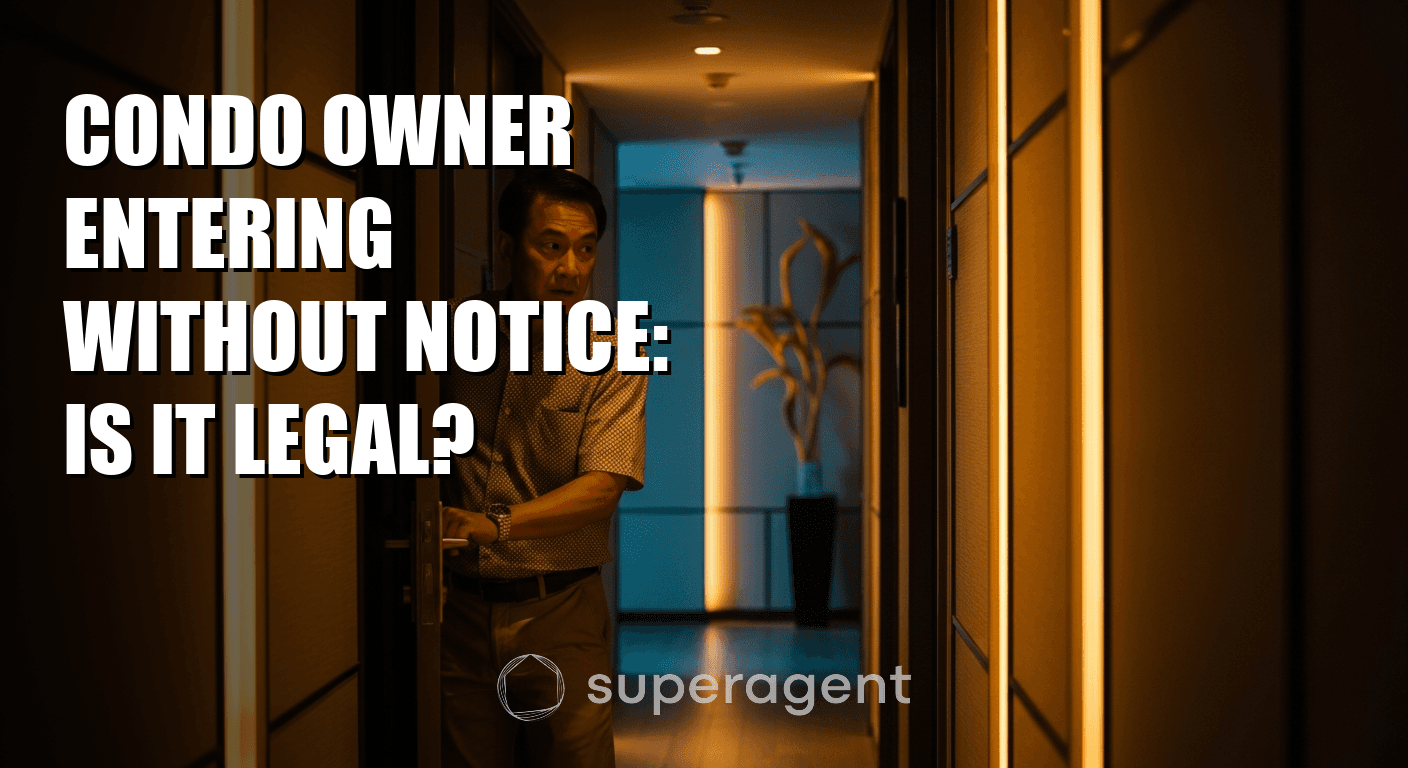
Condo Owner Entering Without Notice: Is It Legal?
Guides
Condo Owner Entering Without Notice: Is It Legal?
Understanding tenant rights when landlords access your rental unit unannounced.
Summary
Learn whether condo owners can legally enter your home without notice in Bangkok. Know your tenant rights and what the law says about surprise landlord vis
Your condo landlord just showed up at your door on a Tuesday afternoon without warning. They walk in, start checking the bathroom, opening cupboards. You're standing there confused, slightly annoyed, wondering if this is actually legal in Thailand. It happens more often than you'd think in Bangkok's rental market, and most tenants have no idea what their actual rights are.
The truth is messier than a simple yes or no. Thailand's rental laws do protect your privacy, but they also give landlords certain rights. Understanding where the line sits could save you serious headaches, whether you're renting a condo in Phrom Phong, Ekamai, or Rama 9.
What Thai Law Actually Says About Landlord Access
Thailand's Civil and Commercial Code is pretty clear on this one. Your landlord can't just barge in whenever they feel like it. Article 542 specifically states that a landlord needs a legitimate reason to enter a rental unit, and they generally need to give advance notice. It's not a gray area legally speaking, but enforcement is where things get complicated.
The law recognizes a few legitimate reasons for landlord access. They need to inspect the property's condition, make necessary repairs, deal with maintenance issues, or show the place to potential new tenants. They can't enter just because they own the building. That's the key distinction Bangkok renters often miss.
Here's the practical reality though. Many landlords in Thailand operate under the assumption that owning the property means they can access it whenever. This attitude is especially common with owner-occupants who live in the same building as their rental units, like in smaller condo buildings near Nana or Ploenchit.
The Notice Requirement and What It Actually Means
Thai law requires landlords to give advance notice before entering. Most legal sources suggest 24 hours minimum, though your specific lease agreement might say something different. If your contract is silent on this, the law defaults to requiring reasonable notice.
The problem is that "reasonable notice" is subjective. One landlord might think texting you the morning they want to enter counts. Another might think showing up with two hours' notice is fine. A tenant in Phetchaburi Road and a tenant in Sathorn will experience completely different interpretations of what "reasonable" means depending on who manages their building.
Always check your actual lease agreement first. Some legitimate condo leases in Bangkok actually include clauses that specify the notice period, what counts as an emergency versus routine access, and how inspections are scheduled. If yours doesn't mention it, you should try to get something in writing with your landlord about this before problems start.
When Landlords Can Enter Without Warning
There are legitimate emergencies where landlords don't technically need advance notice. A water leak from your unit damaging the unit below, a fire alarm issue, a gas leak, or suspected criminal activity inside the unit would qualify. A broken AC unit in July, not so much.
The tricky part is that landlords sometimes claim emergencies when there really isn't one. A tenant in Sukhumvit Soi 22 had their landlord enter claiming an emergency AC repair that could have easily waited a week. The tenant technically didn't have much legal recourse if the AC was actually the landlord's responsibility under the lease.
If your landlord enters without notice claiming an emergency, ask them to document what that emergency was. Get it in writing. If it becomes a pattern of false emergencies, that's evidence of harassment and gives you actual legal grounds to push back.
Your Practical Rights as a Renter in Bangkok
If your landlord enters without proper notice and without a legitimate reason, you have a few options. The nuclear option is filing a complaint with the civil court, but that's expensive, time consuming, and you'll likely lose the tenancy over it. Not realistic for most people.
The practical approach is documenting everything. Note the date, time, and what your landlord did during the unauthorized entry. If it happens repeatedly, you build a case for harassment. Keep photos of the condo's condition if they're making suspicious visits that might be setting you up to claim damage.
The most effective thing most renters actually do is have a direct conversation with their landlord about boundaries. Many landlords in Bangkok honestly don't realize they're violating their tenants' rights because they've never been told. A friendly message saying something like "Could you please text me 24 hours before coming by?" often works surprisingly well. Less confrontation, more cooperation.
How Your Lease Agreement Overrides Everything
Here's what most renters don't realize. Your specific lease agreement can actually be more protective than the law, or less protective depending on what you signed. If your lease says the landlord needs 48 hours' notice and provides valid reasons only, that's now your contract, and it supersedes the general legal requirement.
Before you sign any condo lease in Bangkok, actually read the parts about landlord access. It's boring, but it matters. Some legitimate buildings near BTS Ari or Chit Lom have really professional lease terms that spell out exactly when and how landlords can enter. Others are vague or give the landlord way too much power.
If you're currently renting and your lease doesn't address this, you can actually try negotiating an amendment. Get your landlord to add a clause about notice periods and authorized reasons for entry. It only helps you, and most reasonable landlords will agree.
Understanding your rights about landlord access matters in Bangkok's competitive rental market. Whether you're renting near Emporium, in Rama 9, or in a smaller soi condo, knowing exactly what your landlord can and can't do protects you. Document everything, keep your lease accessible, and don't hesitate to be specific with your landlord about what constitutes acceptable notice. If you need help reviewing lease terms or understanding your rental agreement before signing, Superagent's platform makes it easy to compare rental options with clear terms and reliable information.
Your condo landlord just showed up at your door on a Tuesday afternoon without warning. They walk in, start checking the bathroom, opening cupboards. You're standing there confused, slightly annoyed, wondering if this is actually legal in Thailand. It happens more often than you'd think in Bangkok's rental market, and most tenants have no idea what their actual rights are.
The truth is messier than a simple yes or no. Thailand's rental laws do protect your privacy, but they also give landlords certain rights. Understanding where the line sits could save you serious headaches, whether you're renting a condo in Phrom Phong, Ekamai, or Rama 9.
What Thai Law Actually Says About Landlord Access
Thailand's Civil and Commercial Code is pretty clear on this one. Your landlord can't just barge in whenever they feel like it. Article 542 specifically states that a landlord needs a legitimate reason to enter a rental unit, and they generally need to give advance notice. It's not a gray area legally speaking, but enforcement is where things get complicated.
The law recognizes a few legitimate reasons for landlord access. They need to inspect the property's condition, make necessary repairs, deal with maintenance issues, or show the place to potential new tenants. They can't enter just because they own the building. That's the key distinction Bangkok renters often miss.
Here's the practical reality though. Many landlords in Thailand operate under the assumption that owning the property means they can access it whenever. This attitude is especially common with owner-occupants who live in the same building as their rental units, like in smaller condo buildings near Nana or Ploenchit.
The Notice Requirement and What It Actually Means
Thai law requires landlords to give advance notice before entering. Most legal sources suggest 24 hours minimum, though your specific lease agreement might say something different. If your contract is silent on this, the law defaults to requiring reasonable notice.
The problem is that "reasonable notice" is subjective. One landlord might think texting you the morning they want to enter counts. Another might think showing up with two hours' notice is fine. A tenant in Phetchaburi Road and a tenant in Sathorn will experience completely different interpretations of what "reasonable" means depending on who manages their building.
Always check your actual lease agreement first. Some legitimate condo leases in Bangkok actually include clauses that specify the notice period, what counts as an emergency versus routine access, and how inspections are scheduled. If yours doesn't mention it, you should try to get something in writing with your landlord about this before problems start.
When Landlords Can Enter Without Warning
There are legitimate emergencies where landlords don't technically need advance notice. A water leak from your unit damaging the unit below, a fire alarm issue, a gas leak, or suspected criminal activity inside the unit would qualify. A broken AC unit in July, not so much.
The tricky part is that landlords sometimes claim emergencies when there really isn't one. A tenant in Sukhumvit Soi 22 had their landlord enter claiming an emergency AC repair that could have easily waited a week. The tenant technically didn't have much legal recourse if the AC was actually the landlord's responsibility under the lease.
If your landlord enters without notice claiming an emergency, ask them to document what that emergency was. Get it in writing. If it becomes a pattern of false emergencies, that's evidence of harassment and gives you actual legal grounds to push back.
Your Practical Rights as a Renter in Bangkok
If your landlord enters without proper notice and without a legitimate reason, you have a few options. The nuclear option is filing a complaint with the civil court, but that's expensive, time consuming, and you'll likely lose the tenancy over it. Not realistic for most people.
Talk to us about renting
Share your details and keep reading — we’ll get back to you.
The practical approach is documenting everything. Note the date, time, and what your landlord did during the unauthorized entry. If it happens repeatedly, you build a case for harassment. Keep photos of the condo's condition if they're making suspicious visits that might be setting you up to claim damage.
The most effective thing most renters actually do is have a direct conversation with their landlord about boundaries. Many landlords in Bangkok honestly don't realize they're violating their tenants' rights because they've never been told. A friendly message saying something like "Could you please text me 24 hours before coming by?" often works surprisingly well. Less confrontation, more cooperation.
How Your Lease Agreement Overrides Everything
Here's what most renters don't realize. Your specific lease agreement can actually be more protective than the law, or less protective depending on what you signed. If your lease says the landlord needs 48 hours' notice and provides valid reasons only, that's now your contract, and it supersedes the general legal requirement.
Before you sign any condo lease in Bangkok, actually read the parts about landlord access. It's boring, but it matters. Some legitimate buildings near BTS Ari or Chit Lom have really professional lease terms that spell out exactly when and how landlords can enter. Others are vague or give the landlord way too much power.
If you're currently renting and your lease doesn't address this, you can actually try negotiating an amendment. Get your landlord to add a clause about notice periods and authorized reasons for entry. It only helps you, and most reasonable landlords will agree.
Understanding your rights about landlord access matters in Bangkok's competitive rental market. Whether you're renting near Emporium, in Rama 9, or in a smaller soi condo, knowing exactly what your landlord can and can't do protects you. Document everything, keep your lease accessible, and don't hesitate to be specific with your landlord about what constitutes acceptable notice. If you need help reviewing lease terms or understanding your rental agreement before signing, Superagent's platform makes it easy to compare rental options with clear terms and reliable information.
Share this article
Properties you may like
![[For Rent] CONDO I The Room 69 I 1 Bed I 1 Bath I 35,000THB/mo](/_next/image?url=https%3A%2F%2Fstorage.googleapis.com%2Fsuperagent-web%2Fattachments%2Flistings%2F6756%2F445213f0-c378-46a2-b3fe-7a5ba62b623f-1135-1.jpg&w=3840&q=75)
฿35,000
1 Bed144.7 sqm
[For Rent] CONDO I The Room 69 I 1 Bed I 1 Bath I 35,000THB/mo
Condo![[For Rent] HOUSE I Mantana Bangna Km.7 I 3 BedsI 3 Baths I 68,000THB/mo](/_next/image?url=https%3A%2F%2Fstorage.googleapis.com%2Fsuperagent-web%2Fattachments%2Flistings%2F6755%2F673e8400-a19a-43b4-b994-7c0d717c8d40-1128-4.jpg&w=3840&q=75)
฿68,000
3 Bed3172 sqm
[For Rent] HOUSE I Mantana Bangna Km.7 I 3 BedsI 3 Baths I 68,000THB/mo
Bang Na
House![[For Rent] CONDO I Rhythm Sukhumvit 42 I 1 Bed I 1 Bath I 40,000THB/mo](/_next/image?url=https%3A%2F%2Fstorage.googleapis.com%2Fsuperagent-web%2Fattachments%2Flistings%2F6754%2F8bbb6bb3-98f5-49b6-8b48-0c2321f81b70-1127-3.jpg&w=3840&q=75)
฿40,000
1 Bed148 sqm
[For Rent] CONDO I Rhythm Sukhumvit 42 I 1 Bed I 1 Bath I 40,000THB/mo
Ekkamai
Condo![[For Rent&Sale] CONDO I The Waterford Sukhumvit 50 I Pet Friendly I 2 Beds I 2 Baths I Rent 50,000THB/mo - Sale 9mb THB](/_next/image?url=https%3A%2F%2Fstorage.googleapis.com%2Fsuperagent-web%2Fattachments%2Flistings%2F6753%2F9b31da57-144a-4728-bac2-010477b1614d-112-5.jpg&w=3840&q=75)
฿50,000
2 Bed292 sqm
[For Rent&Sale] CONDO I The Waterford Sukhumvit 50 I Pet Friendly I 2 Beds I 2 Baths I Rent 50,000THB/mo - Sale 9mb THB
On Nut
Condo![[For Rent&Sale] HOUSE I Perfect Masterpiece Rama 9–Krungthep Kreetha I 5 Beds I 6 Baths I Rent 400,000THB/mo - Sale 70 ล้านบาท](/_next/image?url=https%3A%2F%2Fstorage.googleapis.com%2Fsuperagent-web%2Fattachments%2Flistings%2F6752%2F1f1b4e6f-23df-48bb-a7ea-7a3252f44588-1125-1.jpg&w=3840&q=75)
฿400,000
5 Bed+6700 sqm
[For Rent&Sale] HOUSE I Perfect Masterpiece Rama 9–Krungthep Kreetha I 5 Beds I 6 Baths I Rent 400,000THB/mo - Sale 70 ล้านบาท
Condo![[For Rent] CONDO I Ashton Asoke I 3 Beds I 3 Baths I 100,000THB/mo](/_next/image?url=https%3A%2F%2Fstorage.googleapis.com%2Fsuperagent-web%2Fattachments%2Flistings%2F6751%2F5e37d6d9-2e62-43e6-b358-15d8b92aad47-1124.jpg&w=3840&q=75)
฿100,000
3 Bed3100 sqm
[For Rent] CONDO I Ashton Asoke I 3 Beds I 3 Baths I 100,000THB/mo
Asoke
Condo![[For Rent&Sale] CONDO I TC Green Rama 9 I 1 Bed I 1 Bath I Rent 15,000THB/mo - Sale 2.8mb THB](/_next/image?url=https%3A%2F%2Fstorage.googleapis.com%2Fsuperagent-web%2Fattachments%2Flistings%2F6750%2F47e9c291-b440-4d94-8168-c22bdaf34baf-1123-1.jpg&w=3840&q=75)
฿15,000
1 Bed139 sqm
[For Rent&Sale] CONDO I TC Green Rama 9 I 1 Bed I 1 Bath I Rent 15,000THB/mo - Sale 2.8mb THB
Rama 9
Condo![[For Rent&Sale] CONDO I Riviera 4 I 2 Beds I 2 Baths I Rent 18,000THB/mo - Sale 3.2mb THB](/_next/image?url=https%3A%2F%2Fstorage.googleapis.com%2Fsuperagent-web%2Fattachments%2Flistings%2F6748%2F5a58104a-d990-4793-8366-1acd0390940b-1121-6.jpg&w=3840&q=75)
฿18,000
2 Bed290 sqm
[For Rent&Sale] CONDO I Riviera 4 I 2 Beds I 2 Baths I Rent 18,000THB/mo - Sale 3.2mb THB
Condo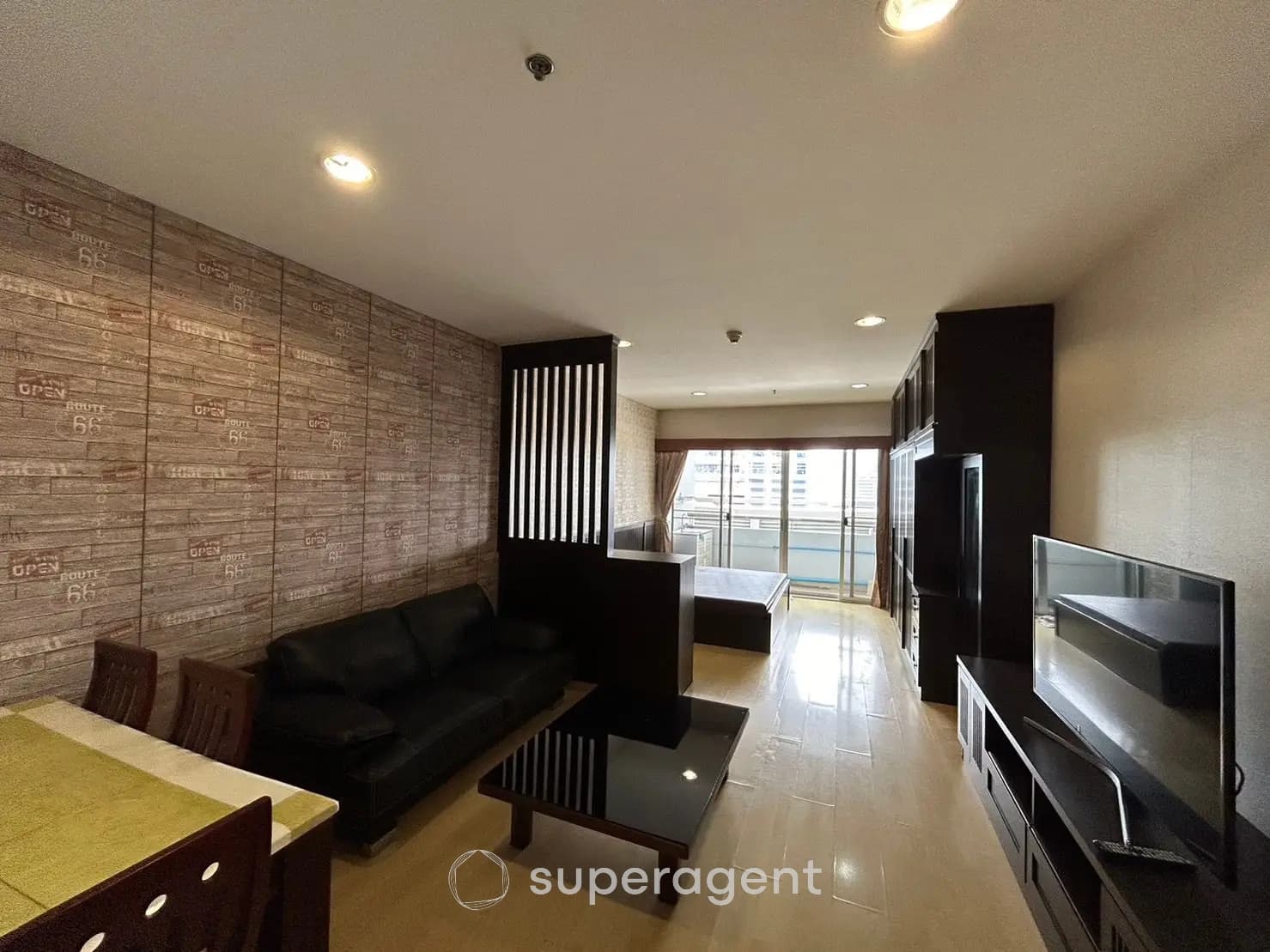
฿15,000
1 Bed145 sqm
1-BR Condo at The Platinum Condominium near ARL Ratchaprarop
Condo![[For Rent] CONDO I Park 24 I Studio I 1 Bath I 25,000THB/mo](/_next/image?url=https%3A%2F%2Fstorage.googleapis.com%2Fsuperagent-web%2Fattachments%2Flistings%2F6747%2F99e94009-1261-4181-ab16-6c2c80017f7d-1130-2.jpg&w=3840&q=75)
฿25,000
Studio129 sqm
[For Rent] CONDO I Park 24 I Studio I 1 Bath I 25,000THB/mo
Phrom Phong
CondoMore like this
 In Guides · Superagent EditorialHidden Costs of Renting a Condo in Bangkok Nobody Warns You AboutBangkok condo rent looks affordable until month one hits. Here are the real costs beyond the headline figure that catch most renters off guard.25 May 20261 min read
 In Guides · Superagent EditorialWhat a Long-Vacant Bangkok Condo Unit Is Actually Telling YouA Bangkok condo vacant for months signals overpricing, landlord issues, or real problems. Here is how to read the signs.25 May 20261 min read
 In Guides · Superagent EditorialRed Flags in a Bangkok Rental Contract to Watch Out ForBangkok rental contracts often hide risky clauses. Here are the red flags every tenant must catch before signing any lease.25 May 20261 min read
 In Guides · Superagent EditorialWorking Online from a Condo: How to Choose the Perfect Room for ProductivityLearn how to choose the best condo room for working online with tips on lighting, noise, and furniture setup to maximize productivity.9 May 20261 min read