Condo Rental Agreements: Everything Tenants Need to Know Before Signing
Guides
Condo Rental Agreements: Everything Tenants Need to Know Before Signing
Master the essentials of condo rental contracts to protect your rights and avoid costly mistakes.
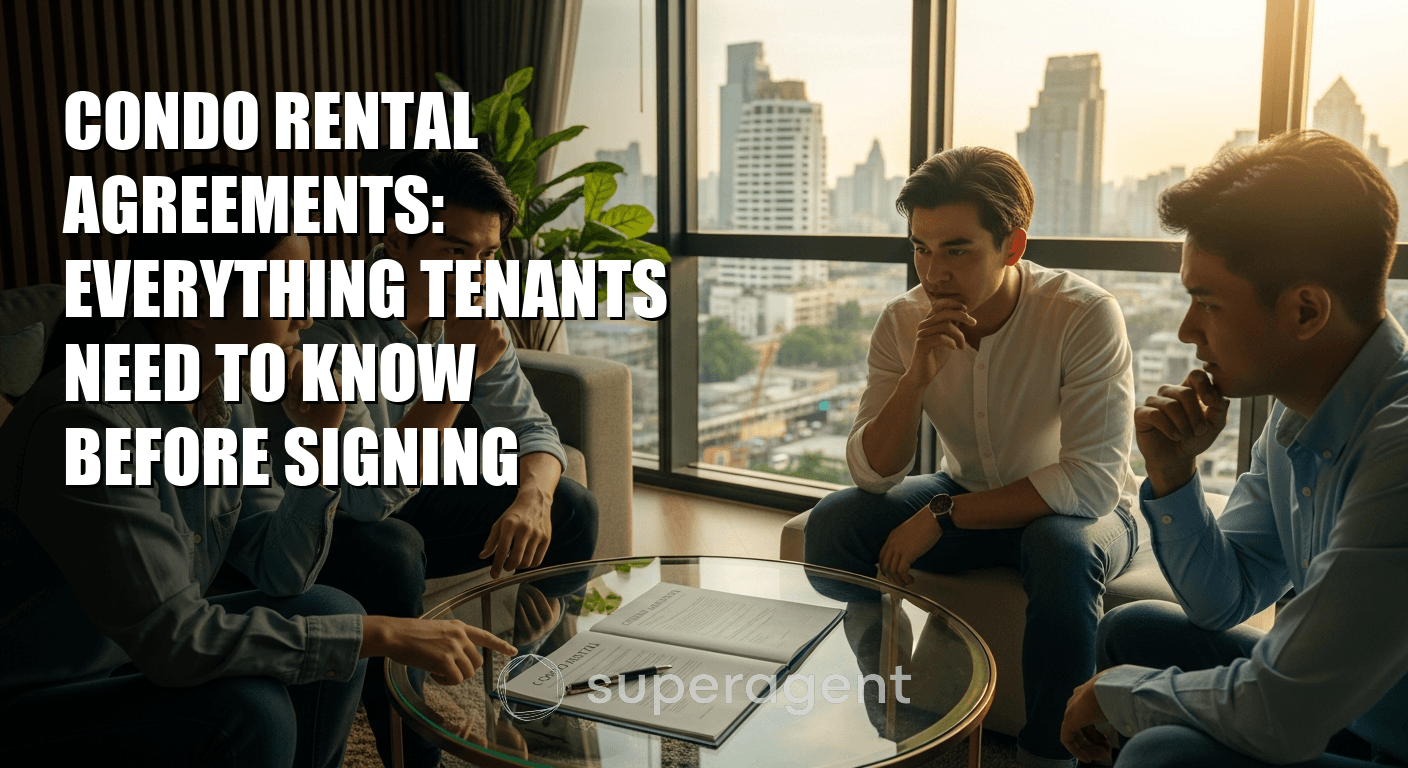
Summary
Learn what every tenant should know about condo rental agreements in Bangkok. Our guide covers key clauses, legal protections, and negotiation tips before
You're sitting in a coffee shop near BTS Thonglor, scrolling through condo listings on your phone. You've found the perfect one. Two bedrooms, nice balcony, reasonable price. Your heart's racing. Then your Thai friend asks the question that snaps you back to reality: "Did you read the contract yet?" Your stomach drops. A condo rental contract in Thailand is not something to skim through and sign. Getting this wrong can cost you your deposit, trap you in a lease you can't exit, or leave you vulnerable to surprise rent increases. This guide walks you through everything in a สัญญาเช่าคอนโด that actually matters, so you can sign with confidence.
The Lease Term and Lock-in Period
Most condo contracts in Bangkok run for one or two years. Before you sign anything, you need to understand exactly how long you're locked in. I've seen people sign a two-year lease thinking they could leave after twelve months, only to find they owe the landlord one full month's rent as a penalty.
Check the contract for the renewal clause too. Some contracts auto-renew unless you give notice 30 to 60 days before the end date. If you're not paying attention, you could wake up in month 24 realizing you're already committed to another year. This happened to a friend of mine in a building near Sukhumvit 39. She thought she was free to go, but the lease auto-renewed. She had to negotiate hard to get out early.
What you want to look for in the contract: a clear start and end date, the exact notice period you need to give if you don't want to renew, and any early termination fees. These fees are usually one month's rent, but I've seen landlords try to charge more. Get it in writing and make sure it's fair before you sign.
Deposit, Rent, and Hidden Charges
The security deposit in Bangkok is typically one month's rent, sometimes two depending on the building. This is non-refundable only if you damage the unit beyond normal wear and tear. Get clear on what "normal wear" means. Does a nail hole in the wall count? What about the condition of grout in the bathroom? These details matter when you move out.
Here's where people get blindsided. The monthly rent you see advertised is not always what you'll actually pay. Read the contract for additional charges: utility deposit (usually 1,000 to 2,000 baht per unit), building maintenance fee, and parking fees. I rented a one-bedroom near BTS Ari last year. The advertised rent was 18,000 baht, but with maintenance, parking, and utilities, I was paying closer to 21,000 baht monthly. That's an extra 3,000 baht that wasn't obvious from the listing.
Make sure the contract specifies exactly what's included in rent and what you'll be charged separately. Electricity? Water? Air conditioning? Internet? Cleaning service? Some buildings include some of these. Others don't. Don't assume.
Who Pays for What and When
Thai rental contracts should clearly state the payment schedule. Most require rent on the first of each month. Some building management companies insist on payment before you receive the keys. Others allow you to pay within a few days of the due date. Ask for flexibility in writing if that matters to you. Some landlords in older buildings near Siam Square are surprisingly flexible on payment dates if you've been a good tenant, but newer buildings like those near BTS Chitlom tend to be strict about the rules.
The contract should also spell out how utilities are calculated and paid. Are you billed monthly based on your actual usage? Is there a minimum charge? If your building uses an automated meter, confirm you understand how to top up and whether there's a grace period if you run out of credit. I know someone who lost hot water and air conditioning in the middle of the night because she didn't realize her electricity was on a prepaid system and had run out of credit.
Damage, Maintenance, and Your Responsibilities
One of the most contentious parts of any rental contract is the damage clause. Before signing, ask for a walk-through inspection with the landlord or building manager. Take photos of every room, every wall, every fixture. Note any existing damage, stains, or wear. Get these photos and notes attached to the contract or in a separate email exchange. This protects you when you move out. Without this, the landlord can claim you damaged something that was already broken and withhold your deposit.
Read what the contract says about maintenance. If the air conditioning breaks, is it the landlord's responsibility or yours? What about appliances? What about common areas like hallways? In most legitimate buildings in Bangkok, the landlord is responsible for structural issues, electrical systems, and major appliances. You're responsible for damage you cause through negligence. But some old-school landlords will try to shift everything to the tenant. Push back on unreasonable terms.
A friend rented in a building on Sukhumvit Soi 33 where the contract said she was responsible for repainting the walls if they got dirty. She negotiated that down to normal scuffs and scratches only. The landlord agreed because the building needed good tenants. You have more leverage than you think, especially if the unit has been vacant for a while.
House Rules, Guests, and Quiet Hours
Check what the contract says about having guests over. Can they stay overnight? For how long? Do you need permission from management? Some buildings, especially luxury ones near BTS Phloem Chit, have strict rules about overnight guests. Others don't care as long as you're not running an Airbnb. Make sure the rules align with your lifestyle before you commit.
Look for the quiet hours clause too. Most buildings in Thailand enforce quiet hours from 10pm to 8am or something similar. Some contracts say you can't make any noise that disturbs neighbors. That sounds reasonable until a neighbor complains about your alarm clock or your shower drain. Get the specifics in writing. Vague rules give landlords too much wiggle room to enforce them inconsistently.
Also check if subletting is allowed and under what conditions. If your job moves you six months into your lease, can you sublet the apartment? Or will the landlord force you to keep paying rent even if you're no longer there? These scenarios happen more often than you'd think, especially with expat workers in Bangkok.
What Happens When You Move Out
The contract should detail the move-out process. You'll need to give the required notice, return the keys, have a final inspection, pay any remaining bills, and the landlord returns your deposit. But disputes happen. Make sure the contract specifies a timeline for the deposit return, ideally within 7 to 14 days of move-out. Without this, landlords can drag their feet, claiming they're "still calculating damages."
Document everything during move-out the same way you did during move-in. Take photos showing the unit is clean and undamaged. Keep receipts for any cleaning services you hire. Email the landlord a move-out report and ask for their written confirmation. I know someone who lost 15,000 baht of her deposit because she didn't have documentation proving she'd left the apartment clean. The landlord claimed the place was filthy and charged for professional cleaning. A simple email exchange with photos would have saved her that money.
Renting a condo in Bangkok doesn't have to be stressful. You just need to know what you're reading before you sign. Take your time with the contract. Ask questions. Get clarification on anything that's unclear. And if something feels off, trust that instinct. A good landlord will be happy to clarify terms because they have nothing to hide. A landlord who gets defensive or tries to rush you is a red flag.
When you're ready to actually sign a contract on your next apartment, take one more look at Superagent.co to find listings from trustworthy landlords who explain their terms upfront. The right place makes all the difference, and so does the right contract.
You're sitting in a coffee shop near BTS Thonglor, scrolling through condo listings on your phone. You've found the perfect one. Two bedrooms, nice balcony, reasonable price. Your heart's racing. Then your Thai friend asks the question that snaps you back to reality: "Did you read the contract yet?" Your stomach drops. A condo rental contract in Thailand is not something to skim through and sign. Getting this wrong can cost you your deposit, trap you in a lease you can't exit, or leave you vulnerable to surprise rent increases. This guide walks you through everything in a สัญญาเช่าคอนโด that actually matters, so you can sign with confidence.
The Lease Term and Lock-in Period
Most condo contracts in Bangkok run for one or two years. Before you sign anything, you need to understand exactly how long you're locked in. I've seen people sign a two-year lease thinking they could leave after twelve months, only to find they owe the landlord one full month's rent as a penalty.
Check the contract for the renewal clause too. Some contracts auto-renew unless you give notice 30 to 60 days before the end date. If you're not paying attention, you could wake up in month 24 realizing you're already committed to another year. This happened to a friend of mine in a building near Sukhumvit 39. She thought she was free to go, but the lease auto-renewed. She had to negotiate hard to get out early.
What you want to look for in the contract: a clear start and end date, the exact notice period you need to give if you don't want to renew, and any early termination fees. These fees are usually one month's rent, but I've seen landlords try to charge more. Get it in writing and make sure it's fair before you sign.
Continue reading after that.
Looking for a condo
to rent?
Leave your name and phone. We'll follow up while you keep reading.
100% Secure
Fast Response
Free Consultation
Deposit, Rent, and Hidden Charges
The security deposit in Bangkok is typically one month's rent, sometimes two depending on the building. This is non-refundable only if you damage the unit beyond normal wear and tear. Get clear on what "normal wear" means. Does a nail hole in the wall count? What about the condition of grout in the bathroom? These details matter when you move out.
Here's where people get blindsided. The monthly rent you see advertised is not always what you'll actually pay. Read the contract for additional charges: utility deposit (usually 1,000 to 2,000 baht per unit), building maintenance fee, and parking fees. I rented a one-bedroom near BTS Ari last year. The advertised rent was 18,000 baht, but with maintenance, parking, and utilities, I was paying closer to 21,000 baht monthly. That's an extra 3,000 baht that wasn't obvious from the listing.
Make sure the contract specifies exactly what's included in rent and what you'll be charged separately. Electricity? Water? Air conditioning? Internet? Cleaning service? Some buildings include some of these. Others don't. Don't assume.
Who Pays for What and When
Thai rental contracts should clearly state the payment schedule. Most require rent on the first of each month. Some building management companies insist on payment before you receive the keys. Others allow you to pay within a few days of the due date. Ask for flexibility in writing if that matters to you. Some landlords in older buildings near Siam Square are surprisingly flexible on payment dates if you've been a good tenant, but newer buildings like those near BTS Chitlom tend to be strict about the rules.
The contract should also spell out how utilities are calculated and paid. Are you billed monthly based on your actual usage? Is there a minimum charge? If your building uses an automated meter, confirm you understand how to top up and whether there's a grace period if you run out of credit. I know someone who lost hot water and air conditioning in the middle of the night because she didn't realize her electricity was on a prepaid system and had run out of credit.
Damage, Maintenance, and Your Responsibilities
One of the most contentious parts of any rental contract is the damage clause. Before signing, ask for a walk-through inspection with the landlord or building manager. Take photos of every room, every wall, every fixture. Note any existing damage, stains, or wear. Get these photos and notes attached to the contract or in a separate email exchange. This protects you when you move out. Without this, the landlord can claim you damaged something that was already broken and withhold your deposit.
Read what the contract says about maintenance. If the air conditioning breaks, is it the landlord's responsibility or yours? What about appliances? What about common areas like hallways? In most legitimate buildings in Bangkok, the landlord is responsible for structural issues, electrical systems, and major appliances. You're responsible for damage you cause through negligence. But some old-school landlords will try to shift everything to the tenant. Push back on unreasonable terms.
A friend rented in a building on Sukhumvit Soi 33 where the contract said she was responsible for repainting the walls if they got dirty. She negotiated that down to normal scuffs and scratches only. The landlord agreed because the building needed good tenants. You have more leverage than you think, especially if the unit has been vacant for a while.
House Rules, Guests, and Quiet Hours
Check what the contract says about having guests over. Can they stay overnight? For how long? Do you need permission from management? Some buildings, especially luxury ones near BTS Phloem Chit, have strict rules about overnight guests. Others don't care as long as you're not running an Airbnb. Make sure the rules align with your lifestyle before you commit.
Continue reading after that.
Looking for a condo
to rent?
Leave your name and phone. We'll follow up while you keep reading.
100% Secure
Fast Response
Free Consultation
Look for the quiet hours clause too. Most buildings in Thailand enforce quiet hours from 10pm to 8am or something similar. Some contracts say you can't make any noise that disturbs neighbors. That sounds reasonable until a neighbor complains about your alarm clock or your shower drain. Get the specifics in writing. Vague rules give landlords too much wiggle room to enforce them inconsistently.
Also check if subletting is allowed and under what conditions. If your job moves you six months into your lease, can you sublet the apartment? Or will the landlord force you to keep paying rent even if you're no longer there? These scenarios happen more often than you'd think, especially with expat workers in Bangkok.
What Happens When You Move Out
The contract should detail the move-out process. You'll need to give the required notice, return the keys, have a final inspection, pay any remaining bills, and the landlord returns your deposit. But disputes happen. Make sure the contract specifies a timeline for the deposit return, ideally within 7 to 14 days of move-out. Without this, landlords can drag their feet, claiming they're "still calculating damages."
Document everything during move-out the same way you did during move-in. Take photos showing the unit is clean and undamaged. Keep receipts for any cleaning services you hire. Email the landlord a move-out report and ask for their written confirmation. I know someone who lost 15,000 baht of her deposit because she didn't have documentation proving she'd left the apartment clean. The landlord claimed the place was filthy and charged for professional cleaning. A simple email exchange with photos would have saved her that money.
Renting a condo in Bangkok doesn't have to be stressful. You just need to know what you're reading before you sign. Take your time with the contract. Ask questions. Get clarification on anything that's unclear. And if something feels off, trust that instinct. A good landlord will be happy to clarify terms because they have nothing to hide. A landlord who gets defensive or tries to rush you is a red flag.
When you're ready to actually sign a contract on your next apartment, take one more look at Superagent.co to find listings from trustworthy landlords who explain their terms upfront. The right place makes all the difference, and so does the right contract.
Share this article
Properties you may like
![[For Rent] CONDO I Park Origin 24 I 2 Beds I 1 Baths I 48,000THB/mo](/_next/image?url=https%3A%2F%2Fstorage.googleapis.com%2Fsuperagent-web%2Fattachments%2Flistings%2F6890%2Ffb28cb5c-9a1b-424b-9b52-b844aeba7bf2-1291-1.jpg&w=3840&q=75)
฿48,000
2 Bed152.1 sqm
[For Rent] CONDO I Park Origin 24 I 2 Beds I 1 Baths I 48,000THB/mo
Phrom Phong
Condo![[For Rent] CONDO I Grand Parkview Asoke I 2 Beds I 1 Bath I 35,000THB/mo](/_next/image?url=https%3A%2F%2Fstorage.googleapis.com%2Fsuperagent-web%2Fattachments%2Flistings%2F6889%2F9cb3631b-7a06-4438-9425-a5c78df563d4-1303-1.jpg&w=3840&q=75)
฿35,000
2 Bed168.4 sqm
[For Rent] CONDO I Grand Parkview Asoke I 2 Beds I 1 Bath I 35,000THB/mo
Asoke
Condo![[For Rent&Sale] CONDO I Park Origin Phrom Phong I 1 Bed I 1 Bath I Rent 25,000THB/mo - Sale 4.8mb THB](/_next/image?url=https%3A%2F%2Fstorage.googleapis.com%2Fsuperagent-web%2Fattachments%2Flistings%2F6825%2F8bbfe15d-0151-4ba5-8bbc-c931b777d509-1207-1.jpg&w=3840&q=75)
฿25,000
1 Bed126 sqm
[For Rent&Sale] CONDO I Park Origin Phrom Phong I 1 Bed I 1 Bath I Rent 25,000THB/mo - Sale 4.8mb THB
Phrom Phong
Condo![[For Rent] CONDO I Culture Thonglor I 1 Bed I 1 Bath I 22,000THB/mo](/_next/image?url=https%3A%2F%2Fstorage.googleapis.com%2Fsuperagent-web%2Fattachments%2Flistings%2F2271%2Fcb90f802-330c-49a2-a142-2e33a8127032-culture_thonglor_for_rent_02.jpg&w=3840&q=75)
฿22,000
1 Bed126 sqm
[For Rent] CONDO I Culture Thonglor I 1 Bed I 1 Bath I 22,000THB/mo
Thonglor
Condo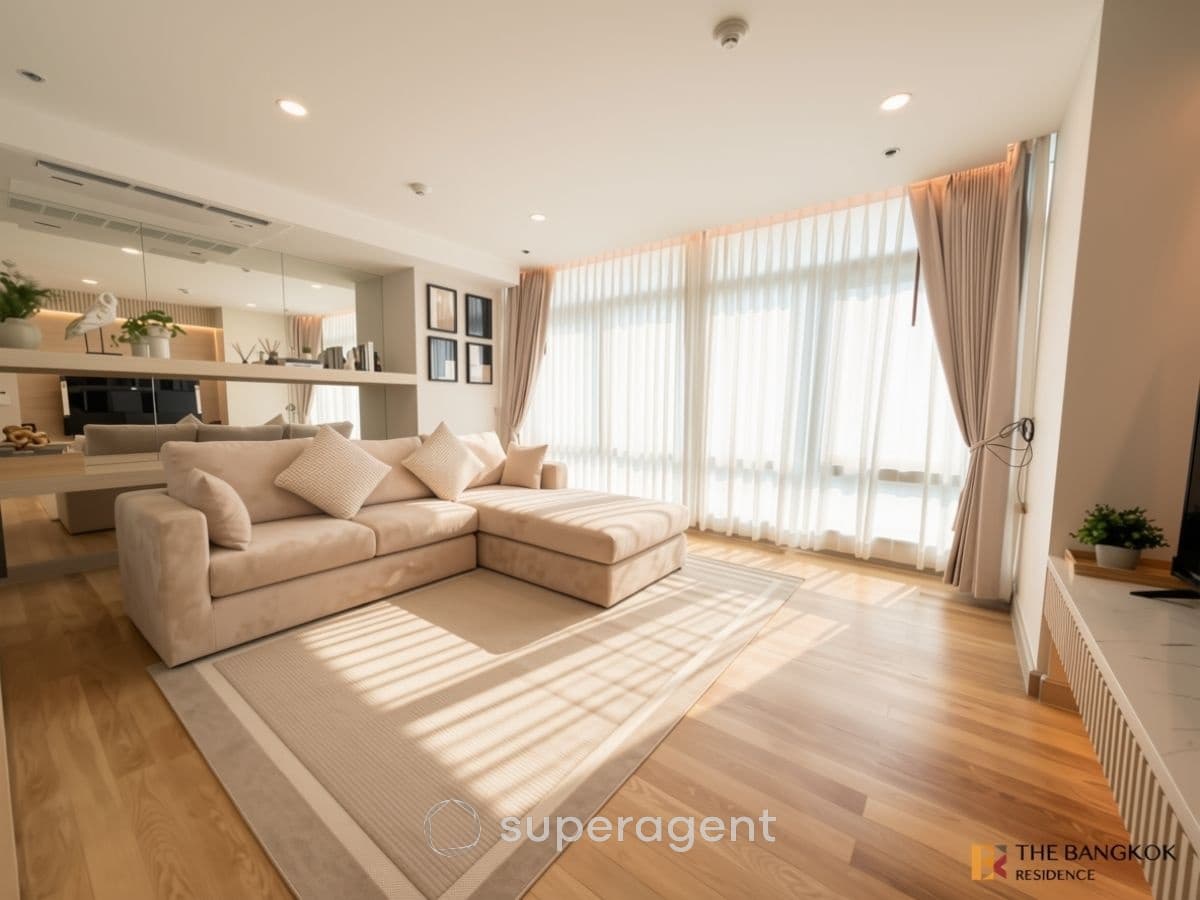
฿120,000
3 Bed3165 sqm
The Height Thonglor, 3BR 165 sq.m. 120K Show Unit Feel, Great Price, Rare Item in the Heart of Thonglor, Near BTS Thonglo
Condo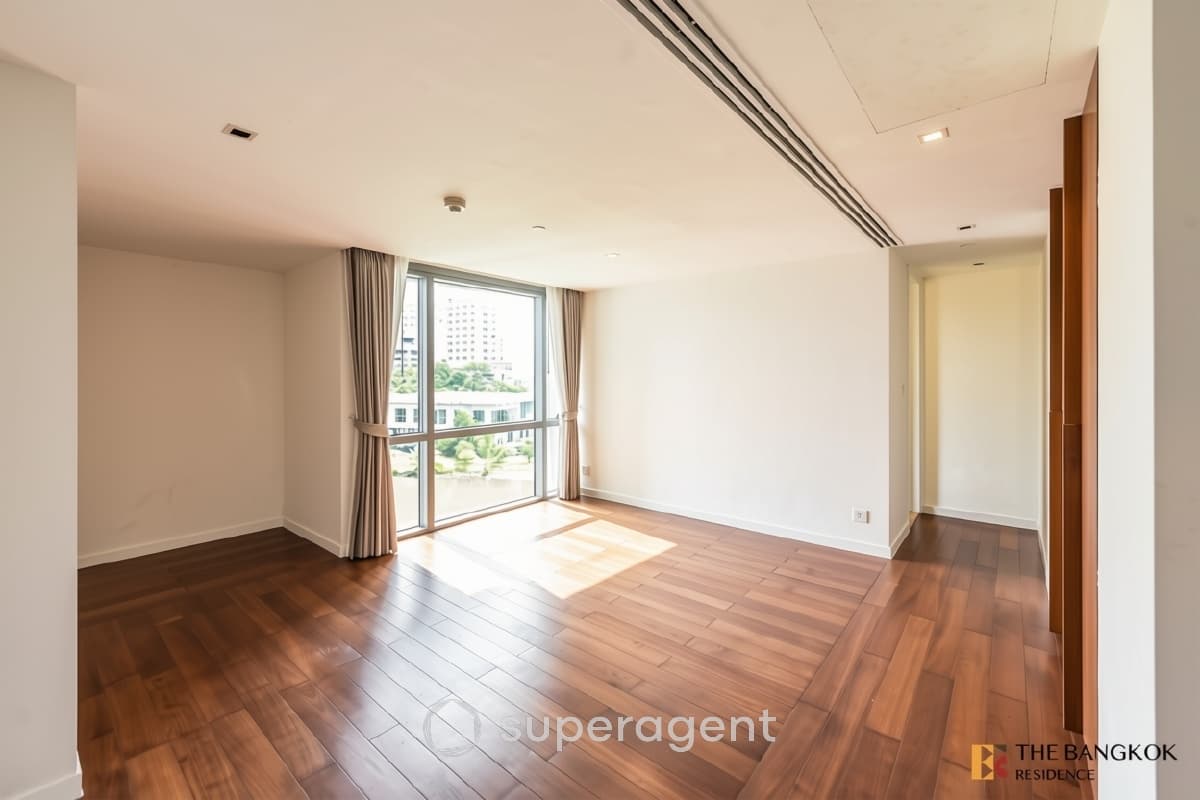
฿180,000
3 Bed4453 sqm
The Pano, 3BR 453sq.m. 180K Spacious Unit, Stunning Views
Condo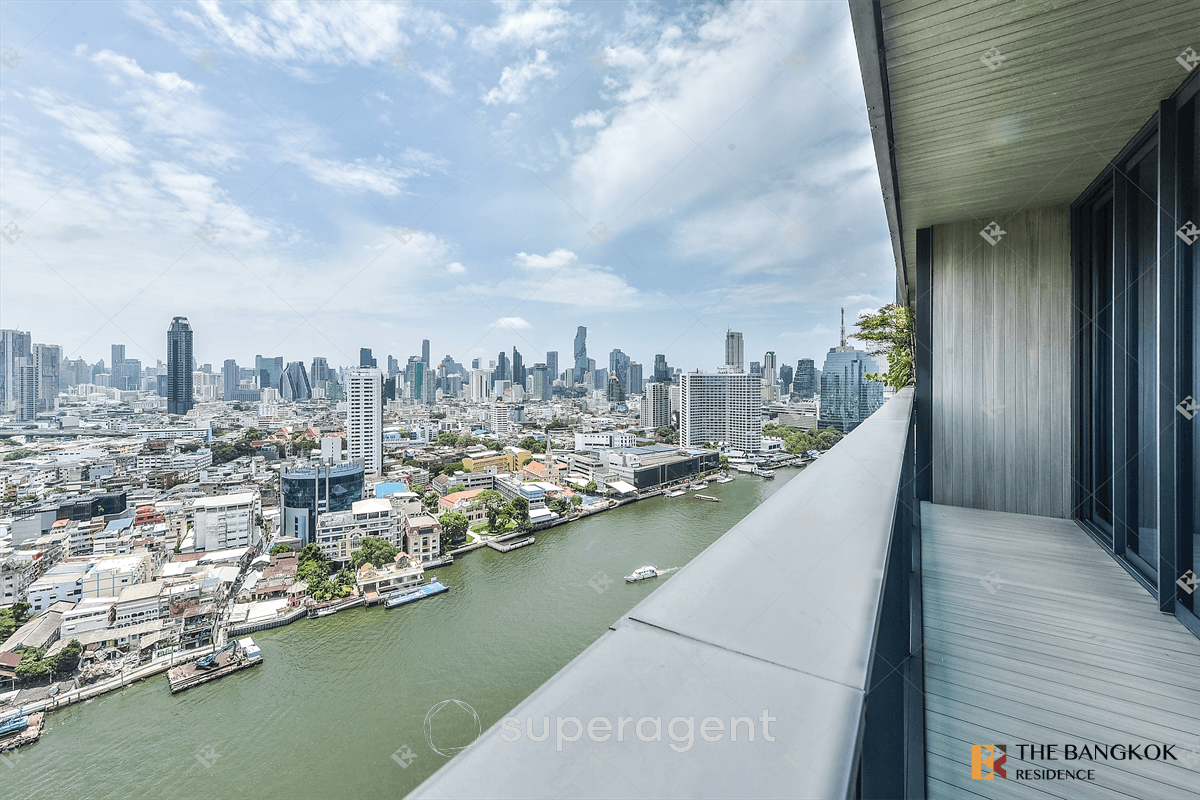
฿190,000
2 Bed2178.3 sqm
Banyan Tree Residence Riverside Bangkok, 2BR 178.34 sq.m. 190K Beautiful Fully Furnished Unit, Near BTS Saphan Taksin
Charoen Nakhon
Condo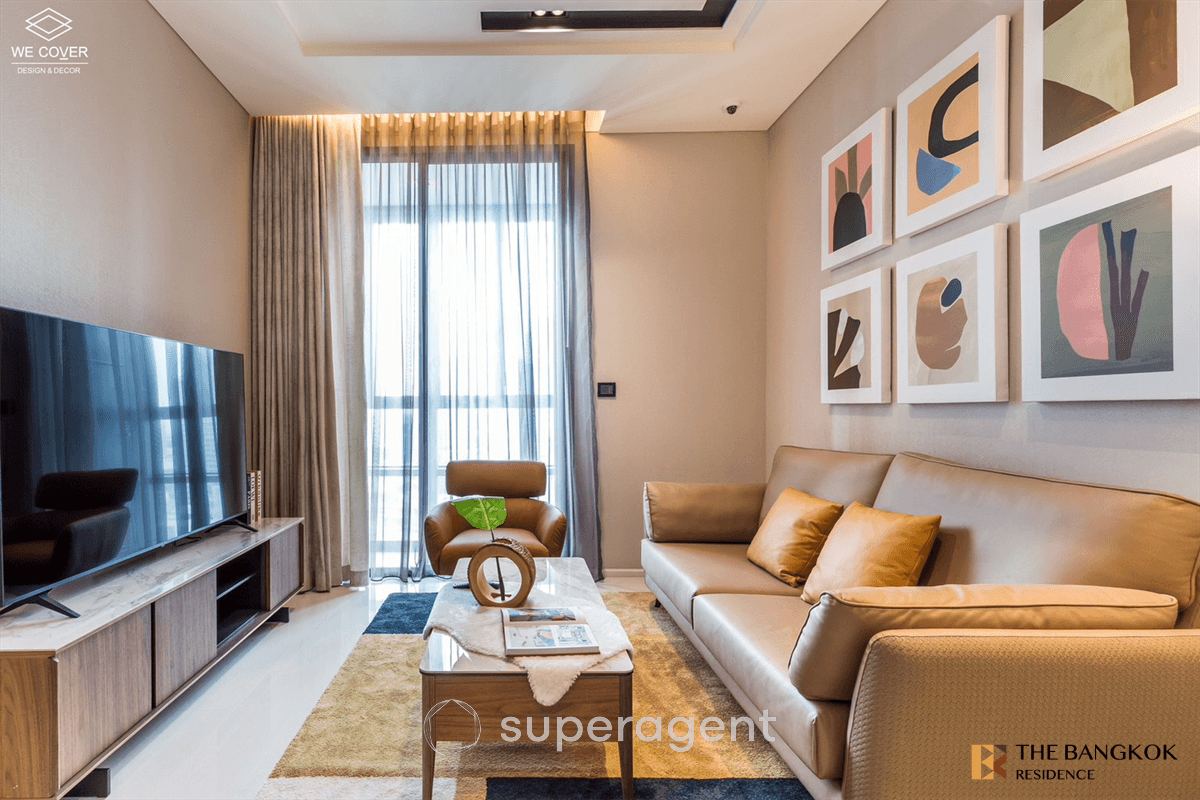
฿59,000
1 Bed155.8 sqm
The Bangkok Thonglor, 1BR 55.8 sq.m. 59K, Premium High Floor Unit, Near BTS Thonglo
Thonglor
Condo![[For Rent] CONDO I Culture Chula I Duplex I 1 Bed I 1 Bath I 35,000THB/mo](/_next/image?url=https%3A%2F%2Fstorage.googleapis.com%2Fsuperagent-web%2Fattachments%2Flistings%2F6760%2F8deaff98-ecb1-4c62-b9be-aecac2f65797-1140-1.jpg&w=3840&q=75)
฿35,000
1 Bed138 sqm
[For Rent] CONDO I Culture Chula I Duplex I 1 Bed I 1 Bath I 35,000THB/mo
Siam
Condo![[For Rent] CONDO I Ideo Chula Samyan I 1 Bed I 1 Bath I 30,000THB/mo](/_next/image?url=https%3A%2F%2Fstorage.googleapis.com%2Fsuperagent-web%2Fattachments%2Flistings%2F6872%2Ff9ab570c-e4ca-41d6-90ee-a8e581218438-1271-8.jpg&w=3840&q=75)
฿30,000
1 Bed135 sqm
[For Rent] CONDO I Ideo Chula Samyan I 1 Bed I 1 Bath I 30,000THB/mo
Siam
CondoMore like this
 In Guides · Superagent EditorialHidden Costs of Renting a Condo in Bangkok Nobody Warns You AboutBangkok condo rent looks affordable until month one hits. Here are the real costs beyond the headline figure that catch most renters off guard.25 May 20261 min read
 In Guides · Superagent EditorialWhat a Long-Vacant Bangkok Condo Unit Is Actually Telling YouA Bangkok condo vacant for months signals overpricing, landlord issues, or real problems. Here is how to read the signs.25 May 20261 min read
 In Guides · Superagent EditorialRed Flags in a Bangkok Rental Contract to Watch Out ForBangkok rental contracts often hide risky clauses. Here are the red flags every tenant must catch before signing any lease.25 May 20261 min read
 In Guides · Superagent EditorialWorking Online from a Condo: How to Choose the Perfect Room for ProductivityLearn how to choose the best condo room for working online with tips on lighting, noise, and furniture setup to maximize productivity.9 May 20261 min read