Condo Rental Deposits: When You Get Your Money Back and What Landlords Can Keep
Guides
Condo Rental Deposits: When You Get Your Money Back and What Landlords Can Keep
Know your rights on condo rental deposits and what landlords are legally allowed to withhold.
Summary
: Learn when deposits are returned, what deductions landlords can make, and how to protect your money.
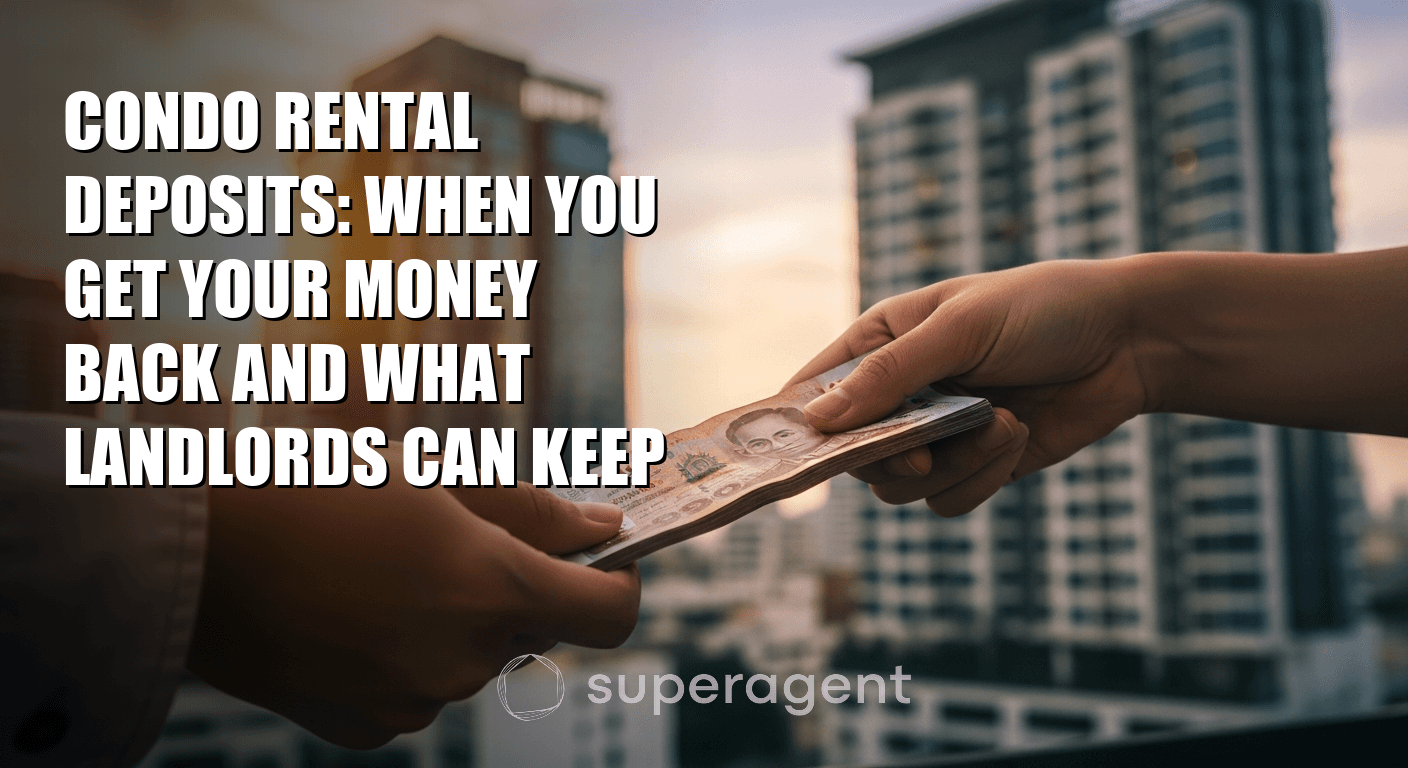
You've just signed the lease on that Ari condo you've been hunting for months. The landlord takes 80,000 baht as a security deposit. Fast forward to moving day after two years. Now you're wondering: when do you actually get that money back? And what can your landlord legally keep?
This is the question that keeps expats and locals awake at night in Bangkok. The deposit system in Thailand isn't written in stone the way it is in some countries, and landlords have more wiggle room than you might think. Let's break down what you need to know before you hand over your cash.
When Should You Get Your Security Deposit Back?
The law says your landlord should return your deposit within 14 days of your move-out date. That's the timeline written into Thailand's rental laws. In practice, though, you'll see everything from same-week returns to months of waiting.
Here's what usually happens: you hand over the keys, the landlord does a walk-through inspection (sometimes with you, sometimes without), and they get back to you. Some honest landlords at places like Quattro in Thonglor return it in 5 days. Others will stretch it to the full 14 days while they hunt for damage they can claim against.
The timing also depends on whether the landlord is a professional property manager or an individual owner. If you're renting from a management company at a managed building near Ekkamai BTS, they often have systems in place for faster returns. If it's a Bangkok condo owner managing it themselves, responses can be slower.
Don't expect interest on your deposit either. Landlords in Thailand don't have to pay you any interest on security money you've held for years. That 80,000 baht you gave in 2022 comes back as exactly 80,000 baht in 2024.
What Can Your Landlord Actually Keep From Your Deposit?
Here's where things get murky. Thai law says the landlord can keep money from your deposit to cover "damages caused by your carelessness or negligence." The problem is that "damages" and "carelessness" get interpreted very differently depending on who's doing the interpreting.
Legitimate deductions usually include: holes in walls from picture frames, cigarette burns on the carpet or furniture, stained curtains you ruined, a broken air conditioning unit due to not having it serviced, or damaged tiles from dropping something heavy. These are wear-and-tear issues you caused through misuse.
Let's say you lived in a condo near Petchburi Road for one year and the landlord claims the sofa got a permanent stain from you spilling coffee. If you had the lease clause allowing them to keep deposits for stains, they might deduct 15,000 baht. That's borderline normal in Bangkok.
However, your landlord cannot keep money for normal wear and tear. Paint fading from sunlight over three years? That's not your fault. Slight discoloration on the ceiling? Not deductible. The toilet needs fixing because you used it normally? Nope. That's the landlord's maintenance responsibility.
Many landlords in Bangkok try to keep deposits by claiming damage that's either normal wear or pre-existing. This happens constantly at older buildings in Phrom Phong and Nana where the unit was already worn when you moved in.
Deductions That Landlords Pull (And Whether They're Legal)
In real Bangkok rental situations, landlords commonly try to hold back money for things that shouldn't count as legitimate deductions. You need to know the difference between what's legal and what's landlord overreach.
Cleaning costs: This is huge. Almost every landlord will claim they need to hire a cleaner after you move out and try to deduct 3,000 to 8,000 baht. They say your unit wasn't "returned in clean condition." Technically, unless your lease specifically says you must return it in "move-in condition" and you left it filthy, this deduction is shaky legally. However, most people just let it slide.
Maintenance fees owed: If you're behind on utilities or maintenance charges for the building, the landlord can hold that from your deposit. This is one of the few deductions that actually holds up in court. A condo building in Sukhumvit near Thong Lor can add 2,000 to 5,000 baht in common area fees you didn't pay.
Rent shortfall: If you left early and didn't pay full notice, landlords sometimes try to keep the deposit to cover rent they'll lose. Again, your lease terms matter here. If you gave two months notice, they can't legally keep anything. If you bailed with one week notice, they might have a case.
Appliance replacement: This depends entirely on your lease. Some contracts say the landlord provides appliances in "working condition" and you return them the same way. Others say appliances wear out and that's the landlord's cost. Read your lease carefully before signing.
How to Protect Your Deposit in Bangkok
The best defense is documentation. Take photos and video of the unit on move-in day. Walk through with your landlord if possible and document the existing condition. This sounds paranoid, but when your landlord claims there was a pre-existing stain and you have photos from day one showing it, you're covered.
Keep your lease agreement. Make sure it clearly states what the deposit covers and what counts as deductible damage. Some leases are vague on purpose, which gives landlords room to claim whatever they want. A good lease says exactly what happens to the deposit.
Take photos again on move-out day, especially of damage the landlord claims they found. If they say there are new scratches on the kitchen tiles, get evidence. Bangkok landlords know that most tenants won't fight back, so they count on your silence.
Document any building repairs or maintenance issues during your tenancy. If the air conditioner broke and you had a repair person come fix it, keep the receipt. If there was already water damage on the ceiling when you moved in, photograph it.
What To Do If Your Landlord Won't Return Your Deposit
If 14 days pass and you haven't heard anything, start by sending a written request. Use email or a message you can screenshot. Keep the tone professional, not accusatory. "Hi, I moved out on January 15th. Could you please confirm when I'll receive my security deposit of 80,000 baht?"
If another week goes by with no response, escalate. Request an itemized list of what they're keeping and why. A landlord who's serious about withholding money will send you documentation. One who's ghosting you is probably hoping you'll give up.
If you're still stuck after 30 days, you have legal options in Thailand, but they're slow and require patience. You can file a complaint with the Ombudsman or take the case to the Housing Department. You can also pursue it in court, but a court case over a deposit takes months and costs money in legal fees.
Many expats in Bangkok just accept small losses. If the landlord keeps 5,000 baht out of 80,000, most people decide it's not worth the hassle. But if they're keeping half your deposit without documentation, that's worth fighting.
The reality of Bangkok rentals is that your deposit is safer when you've documented everything, chosen a reliable landlord, and read your lease carefully before you sign. A reputable managed property like those at Emporium or Quartermaine tends to follow the rules. Individual owners managing multiple units on Soi Ari? More variable.
Want to find a condo rental with transparent landlords and clear terms? Superagent.co lets you filter by management type and read actual tenant reviews before you commit. You'll know what you're walking into before you hand over your deposit.
You've just signed the lease on that Ari condo you've been hunting for months. The landlord takes 80,000 baht as a security deposit. Fast forward to moving day after two years. Now you're wondering: when do you actually get that money back? And what can your landlord legally keep?
This is the question that keeps expats and locals awake at night in Bangkok. The deposit system in Thailand isn't written in stone the way it is in some countries, and landlords have more wiggle room than you might think. Let's break down what you need to know before you hand over your cash.
When Should You Get Your Security Deposit Back?
The law says your landlord should return your deposit within 14 days of your move-out date. That's the timeline written into Thailand's rental laws. In practice, though, you'll see everything from same-week returns to months of waiting.
Here's what usually happens: you hand over the keys, the landlord does a walk-through inspection (sometimes with you, sometimes without), and they get back to you. Some honest landlords at places like Quattro in Thonglor return it in 5 days. Others will stretch it to the full 14 days while they hunt for damage they can claim against.
The timing also depends on whether the landlord is a professional property manager or an individual owner. If you're renting from a management company at a managed building near Ekkamai BTS, they often have systems in place for faster returns. If it's a Bangkok condo owner managing it themselves, responses can be slower.
Don't expect interest on your deposit either. Landlords in Thailand don't have to pay you any interest on security money you've held for years. That 80,000 baht you gave in 2022 comes back as exactly 80,000 baht in 2024.
What Can Your Landlord Actually Keep From Your Deposit?
Here's where things get murky. Thai law says the landlord can keep money from your deposit to cover "damages caused by your carelessness or negligence." The problem is that "damages" and "carelessness" get interpreted very differently depending on who's doing the interpreting.
Legitimate deductions usually include: holes in walls from picture frames, cigarette burns on the carpet or furniture, stained curtains you ruined, a broken air conditioning unit due to not having it serviced, or damaged tiles from dropping something heavy. These are wear-and-tear issues you caused through misuse.
Let's say you lived in a condo near Petchburi Road for one year and the landlord claims the sofa got a permanent stain from you spilling coffee. If you had the lease clause allowing them to keep deposits for stains, they might deduct 15,000 baht. That's borderline normal in Bangkok.
However, your landlord cannot keep money for normal wear and tear. Paint fading from sunlight over three years? That's not your fault. Slight discoloration on the ceiling? Not deductible. The toilet needs fixing because you used it normally? Nope. That's the landlord's maintenance responsibility.
Many landlords in Bangkok try to keep deposits by claiming damage that's either normal wear or pre-existing. This happens constantly at older buildings in Phrom Phong and Nana where the unit was already worn when you moved in.
Deductions That Landlords Pull (And Whether They're Legal)
In real Bangkok rental situations, landlords commonly try to hold back money for things that shouldn't count as legitimate deductions. You need to know the difference between what's legal and what's landlord overreach.
Cleaning costs: This is huge. Almost every landlord will claim they need to hire a cleaner after you move out and try to deduct 3,000 to 8,000 baht. They say your unit wasn't "returned in clean condition." Technically, unless your lease specifically says you must return it in "move-in condition" and you left it filthy, this deduction is shaky legally. However, most people just let it slide.
Maintenance fees owed: If you're behind on utilities or maintenance charges for the building, the landlord can hold that from your deposit. This is one of the few deductions that actually holds up in court. A condo building in Sukhumvit near Thong Lor can add 2,000 to 5,000 baht in common area fees you didn't pay.
Rent shortfall: If you left early and didn't pay full notice, landlords sometimes try to keep the deposit to cover rent they'll lose. Again, your lease terms matter here. If you gave two months notice, they can't legally keep anything. If you bailed with one week notice, they might have a case.
Appliance replacement: This depends entirely on your lease. Some contracts say the landlord provides appliances in "working condition" and you return them the same way. Others say appliances wear out and that's the landlord's cost. Read your lease carefully before signing.
Talk to us about renting
Share your details and keep reading — we’ll get back to you.
How to Protect Your Deposit in Bangkok
The best defense is documentation. Take photos and video of the unit on move-in day. Walk through with your landlord if possible and document the existing condition. This sounds paranoid, but when your landlord claims there was a pre-existing stain and you have photos from day one showing it, you're covered.
Keep your lease agreement. Make sure it clearly states what the deposit covers and what counts as deductible damage. Some leases are vague on purpose, which gives landlords room to claim whatever they want. A good lease says exactly what happens to the deposit.
Take photos again on move-out day, especially of damage the landlord claims they found. If they say there are new scratches on the kitchen tiles, get evidence. Bangkok landlords know that most tenants won't fight back, so they count on your silence.
Document any building repairs or maintenance issues during your tenancy. If the air conditioner broke and you had a repair person come fix it, keep the receipt. If there was already water damage on the ceiling when you moved in, photograph it.
What To Do If Your Landlord Won't Return Your Deposit
If 14 days pass and you haven't heard anything, start by sending a written request. Use email or a message you can screenshot. Keep the tone professional, not accusatory. "Hi, I moved out on January 15th. Could you please confirm when I'll receive my security deposit of 80,000 baht?"
If another week goes by with no response, escalate. Request an itemized list of what they're keeping and why. A landlord who's serious about withholding money will send you documentation. One who's ghosting you is probably hoping you'll give up.
If you're still stuck after 30 days, you have legal options in Thailand, but they're slow and require patience. You can file a complaint with the Ombudsman or take the case to the Housing Department. You can also pursue it in court, but a court case over a deposit takes months and costs money in legal fees.
Many expats in Bangkok just accept small losses. If the landlord keeps 5,000 baht out of 80,000, most people decide it's not worth the hassle. But if they're keeping half your deposit without documentation, that's worth fighting.
The reality of Bangkok rentals is that your deposit is safer when you've documented everything, chosen a reliable landlord, and read your lease carefully before you sign. A reputable managed property like those at Emporium or Quartermaine tends to follow the rules. Individual owners managing multiple units on Soi Ari? More variable.
Want to find a condo rental with transparent landlords and clear terms? Superagent.co lets you filter by management type and read actual tenant reviews before you commit. You'll know what you're walking into before you hand over your deposit.
Share this article
Properties you may like
![[For Rent] CONDO I The Room 69 I 1 Bed I 1 Bath I 35,000THB/mo](/_next/image?url=https%3A%2F%2Fstorage.googleapis.com%2Fsuperagent-web%2Fattachments%2Flistings%2F6756%2F445213f0-c378-46a2-b3fe-7a5ba62b623f-1135-1.jpg&w=3840&q=75)
฿35,000
1 Bed144.7 sqm
[For Rent] CONDO I The Room 69 I 1 Bed I 1 Bath I 35,000THB/mo
Condo![[For Rent] HOUSE I Mantana Bangna Km.7 I 3 BedsI 3 Baths I 68,000THB/mo](/_next/image?url=https%3A%2F%2Fstorage.googleapis.com%2Fsuperagent-web%2Fattachments%2Flistings%2F6755%2F673e8400-a19a-43b4-b994-7c0d717c8d40-1128-4.jpg&w=3840&q=75)
฿68,000
3 Bed3172 sqm
[For Rent] HOUSE I Mantana Bangna Km.7 I 3 BedsI 3 Baths I 68,000THB/mo
Bang Na
House![[For Rent] CONDO I Rhythm Sukhumvit 42 I 1 Bed I 1 Bath I 40,000THB/mo](/_next/image?url=https%3A%2F%2Fstorage.googleapis.com%2Fsuperagent-web%2Fattachments%2Flistings%2F6754%2F8bbb6bb3-98f5-49b6-8b48-0c2321f81b70-1127-3.jpg&w=3840&q=75)
฿40,000
1 Bed148 sqm
[For Rent] CONDO I Rhythm Sukhumvit 42 I 1 Bed I 1 Bath I 40,000THB/mo
Ekkamai
Condo![[For Rent&Sale] CONDO I The Waterford Sukhumvit 50 I Pet Friendly I 2 Beds I 2 Baths I Rent 50,000THB/mo - Sale 9mb THB](/_next/image?url=https%3A%2F%2Fstorage.googleapis.com%2Fsuperagent-web%2Fattachments%2Flistings%2F6753%2F9b31da57-144a-4728-bac2-010477b1614d-112-5.jpg&w=3840&q=75)
฿50,000
2 Bed292 sqm
[For Rent&Sale] CONDO I The Waterford Sukhumvit 50 I Pet Friendly I 2 Beds I 2 Baths I Rent 50,000THB/mo - Sale 9mb THB
On Nut
Condo![[For Rent&Sale] HOUSE I Perfect Masterpiece Rama 9–Krungthep Kreetha I 5 Beds I 6 Baths I Rent 400,000THB/mo - Sale 70 ล้านบาท](/_next/image?url=https%3A%2F%2Fstorage.googleapis.com%2Fsuperagent-web%2Fattachments%2Flistings%2F6752%2F1f1b4e6f-23df-48bb-a7ea-7a3252f44588-1125-1.jpg&w=3840&q=75)
฿400,000
5 Bed+6700 sqm
[For Rent&Sale] HOUSE I Perfect Masterpiece Rama 9–Krungthep Kreetha I 5 Beds I 6 Baths I Rent 400,000THB/mo - Sale 70 ล้านบาท
Condo![[For Rent] CONDO I Ashton Asoke I 3 Beds I 3 Baths I 100,000THB/mo](/_next/image?url=https%3A%2F%2Fstorage.googleapis.com%2Fsuperagent-web%2Fattachments%2Flistings%2F6751%2F5e37d6d9-2e62-43e6-b358-15d8b92aad47-1124.jpg&w=3840&q=75)
฿100,000
3 Bed3100 sqm
[For Rent] CONDO I Ashton Asoke I 3 Beds I 3 Baths I 100,000THB/mo
Asoke
Condo![[For Rent&Sale] CONDO I TC Green Rama 9 I 1 Bed I 1 Bath I Rent 15,000THB/mo - Sale 2.8mb THB](/_next/image?url=https%3A%2F%2Fstorage.googleapis.com%2Fsuperagent-web%2Fattachments%2Flistings%2F6750%2F47e9c291-b440-4d94-8168-c22bdaf34baf-1123-1.jpg&w=3840&q=75)
฿15,000
1 Bed139 sqm
[For Rent&Sale] CONDO I TC Green Rama 9 I 1 Bed I 1 Bath I Rent 15,000THB/mo - Sale 2.8mb THB
Rama 9
Condo![[For Rent&Sale] CONDO I Riviera 4 I 2 Beds I 2 Baths I Rent 18,000THB/mo - Sale 3.2mb THB](/_next/image?url=https%3A%2F%2Fstorage.googleapis.com%2Fsuperagent-web%2Fattachments%2Flistings%2F6748%2F5a58104a-d990-4793-8366-1acd0390940b-1121-6.jpg&w=3840&q=75)
฿18,000
2 Bed290 sqm
[For Rent&Sale] CONDO I Riviera 4 I 2 Beds I 2 Baths I Rent 18,000THB/mo - Sale 3.2mb THB
Condo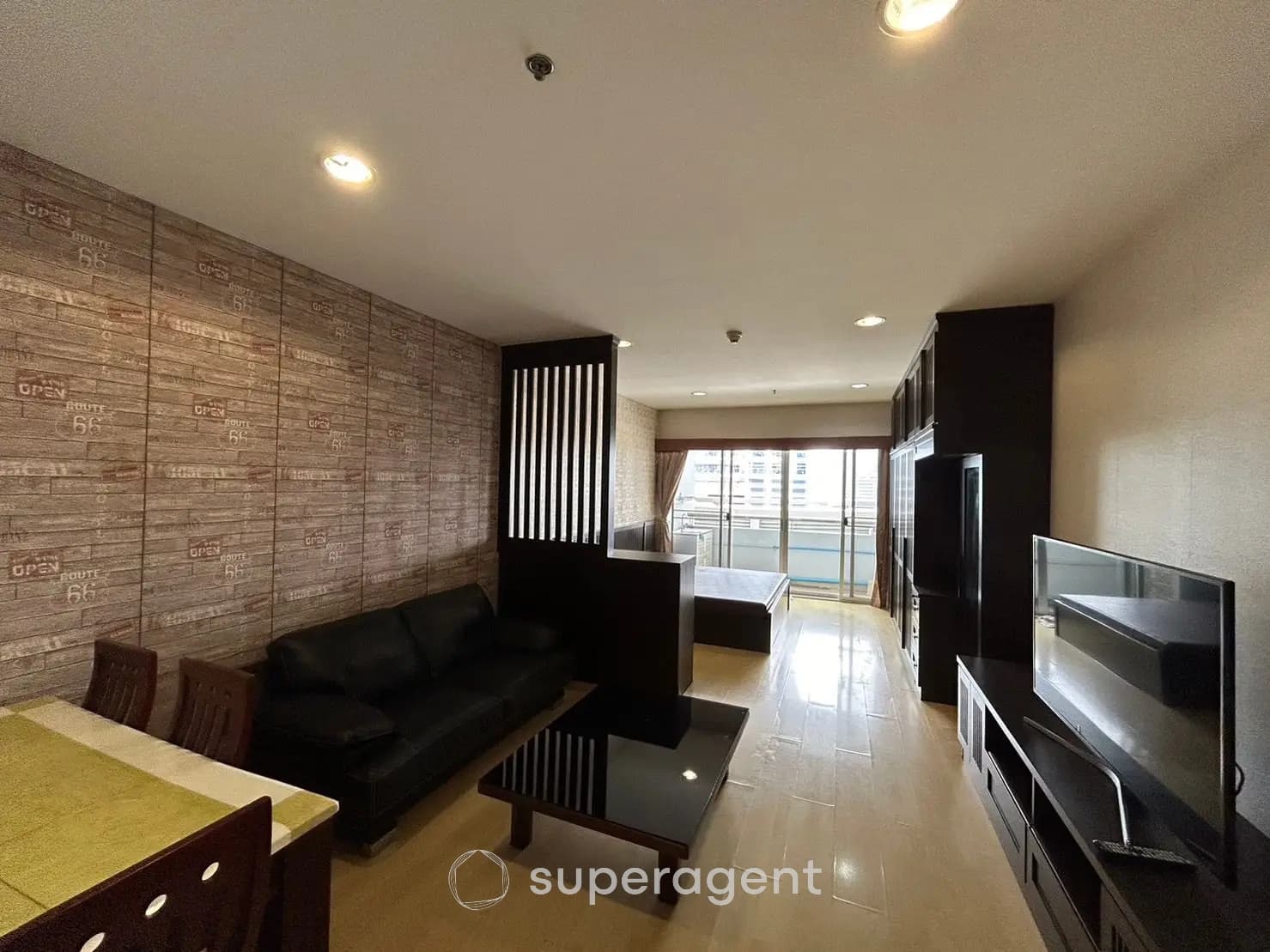
฿15,000
1 Bed145 sqm
1-BR Condo at The Platinum Condominium near ARL Ratchaprarop
Condo![[For Rent] CONDO I Park 24 I Studio I 1 Bath I 25,000THB/mo](/_next/image?url=https%3A%2F%2Fstorage.googleapis.com%2Fsuperagent-web%2Fattachments%2Flistings%2F6747%2F99e94009-1261-4181-ab16-6c2c80017f7d-1130-2.jpg&w=3840&q=75)
฿25,000
Studio129 sqm
[For Rent] CONDO I Park 24 I Studio I 1 Bath I 25,000THB/mo
Phrom Phong
CondoMore like this
 In Guides · Superagent EditorialHidden Costs of Renting a Condo in Bangkok Nobody Warns You AboutBangkok condo rent looks affordable until month one hits. Here are the real costs beyond the headline figure that catch most renters off guard.25 May 20261 min read
 In Guides · Superagent EditorialWhat a Long-Vacant Bangkok Condo Unit Is Actually Telling YouA Bangkok condo vacant for months signals overpricing, landlord issues, or real problems. Here is how to read the signs.25 May 20261 min read
 In Guides · Superagent EditorialRed Flags in a Bangkok Rental Contract to Watch Out ForBangkok rental contracts often hide risky clauses. Here are the red flags every tenant must catch before signing any lease.25 May 20261 min read
 In Guides · Superagent EditorialWorking Online from a Condo: How to Choose the Perfect Room for ProductivityLearn how to choose the best condo room for working online with tips on lighting, noise, and furniture setup to maximize productivity.9 May 20261 min read