Condo Rental Income Tax in Thailand: How Much Do Landlords Pay?
Guides
Condo Rental Income Tax in Thailand: How Much Do Landlords Pay?
Understand your tax obligations when renting out a condo in Bangkok.
Summary
Learn about condo rental income tax requirements in Thailand. Our guide covers rates, deductions, and filing deadlines for Bangkok landlords.
If you're renting out your Bangkok condo, you're probably wondering what the taxman wants. Most Thai landlords I know either don't think about it or panic when tax season rolls around. The truth is, Thailand's tax system on rental income isn't that complicated once you understand the basics. Let me break down what you actually owe as a condo owner in Bangkok.
ทำไมต้องเสียภาษีปล่อยเช่าคอนโด
Rental income is income. Thailand's Revenue Department sees it the same way whether you're collecting 18,000 baht a month for a studio in On Nut or 150,000 baht for a three-bedroom in Thonglor. If you're getting paid to let someone live in your property, that's taxable income in Thailand.
The scary part for many landlords is that they don't register their rental income at all. They just pocket the monthly checks and hope nobody notices. But if the Revenue Department decides to look into your bank deposits and notices consistent monthly transfers that don't match any declared business, you're in for complications.
A friend who owns a one-bedroom condo near BTS Asok made this exact mistake for five years. When he finally hired a tax consultant, he owed back taxes plus penalties that hurt. He's now properly registered and it costs him way less anxiety.
อัตราภาษีรายได้จากการปล่อยเช่า
Thailand taxes rental income at your personal income tax rate, which runs between 5% and 35% depending on how much total income you make. This is called "progressive taxation" and it means the more you earn overall, the higher your rate.
Here's the simplified breakdown: if your total annual income is under 150,000 baht, you pay no income tax. From 150,001 to 500,000 baht, you pay 5%. Jump to 1 to 2 million baht and you're at 15%. Earn over 4 million baht and you're hitting 35%.
Let's say you own a two-bedroom condo in Petchburi and rent it out for 35,000 baht per month. That's 420,000 baht annually. If this is your only income, you're in the 5% bracket, so you'd owe about 21,000 baht in taxes. But if you also have a salary or other business income, your total income pushes you higher and your tax rate increases.
ค่าใช้จ่ายที่หักออกได้
The good news: you don't pay tax on your gross rental income. You can deduct legitimate expenses from what the Revenue Department calls your "net income." This matters because it lowers your taxable amount.
What can you deduct? Building maintenance, repairs, property management fees, insurance, property tax, internet and utilities you pay for tenants, condo maintenance fees, and depreciation on the building itself. If you hire an agent to find tenants, that commission counts too.
Say your Ari condo brings in 40,000 baht monthly. Your condo maintenance fee is 3,500 baht, insurance is 800 baht, and you had a plumbing repair for 5,000 baht last year. That's 51,200 baht in deductible expenses annually. So your taxable income drops from 480,000 to about 428,800 baht. At a 5% rate, you save about 2,560 baht in taxes just by documenting your expenses.
Keep receipts for everything. The Revenue Department wants to see actual bills and invoices, not just your word that you spent the money.
สำคัญที่ต้องลงทะเบียนกับสรรพสถ
You need to register as a landlord with the local tax office (สำนักงานเก็บสรรพสถ). Most foreigners and many Thai owners skip this step thinking it's optional. It's not. Being registered protects you.
The registration process is straightforward: bring your ID, the condo purchase deed, and a form completed at your local tax office. They'll give you a tax identification number for rental purposes. The whole thing takes maybe an hour and costs nothing.
An expat I know who rents out a condo near BTS Chit Lom didn't register for three years. When he sold the property, the buyer's lawyer flagged the unregistered rental income during due diligence. Suddenly he needed a tax certificate showing compliance, which meant scrambling to file back taxes with penalties. Registration would have saved him thousands and a major headache.
ภาษีอากรอื่นที่เจ้าของต้องจ่าย
Income tax isn't the only bill. You also owe property tax (ภาษีโยธา) on the condo's appraised value, though the first 50 million baht of property value is exempt. For most condos in Bangkok, this tax is minimal or zero.
You might also owe specific business tax (ภาษีธุรกิจ) if your rental is considered a commercial activity. This typically applies if you own multiple properties or if renting is clearly your main business, not just occasional income.
There's also the Land and Building Tax (ภาษีที่ดินและสิ่งปลูกสร้าง) which is calculated on the land and building value. Again, most regular condo rentals fall under exemptions or pay very little.
The specifics depend on your individual situation, which is why many Bangkok landlords hire a tax accountant for 2,000 to 5,000 baht per year. It's cheap insurance against making expensive mistakes.
Here's the reality: renting out your Bangkok condo isn't tax-free, but it's not complicated either. Register properly, keep your receipts, declare your income, and you're good. The landlords who get in trouble are usually the ones trying to hide the income completely. Thailand's tax system is reasonable if you just follow it.
If you're looking to rent out your place or finding the perfect condo to invest in, Superagent.co helps Bangkok landlords and tenants connect quickly. The platform takes the friction out of rental transactions so you can focus on what matters. Check it out when you're ready to list or search.
If you're renting out your Bangkok condo, you're probably wondering what the taxman wants. Most Thai landlords I know either don't think about it or panic when tax season rolls around. The truth is, Thailand's tax system on rental income isn't that complicated once you understand the basics. Let me break down what you actually owe as a condo owner in Bangkok.
ทำไมต้องเสียภาษีปล่อยเช่าคอนโด
Rental income is income. Thailand's Revenue Department sees it the same way whether you're collecting 18,000 baht a month for a studio in On Nut or 150,000 baht for a three-bedroom in Thonglor. If you're getting paid to let someone live in your property, that's taxable income in Thailand.
The scary part for many landlords is that they don't register their rental income at all. They just pocket the monthly checks and hope nobody notices. But if the Revenue Department decides to look into your bank deposits and notices consistent monthly transfers that don't match any declared business, you're in for complications.
A friend who owns a one-bedroom condo near BTS Asok made this exact mistake for five years. When he finally hired a tax consultant, he owed back taxes plus penalties that hurt. He's now properly registered and it costs him way less anxiety.
อัตราภาษีรายได้จากการปล่อยเช่า
Thailand taxes rental income at your personal income tax rate, which runs between 5% and 35% depending on how much total income you make. This is called "progressive taxation" and it means the more you earn overall, the higher your rate.
Here's the simplified breakdown: if your total annual income is under 150,000 baht, you pay no income tax. From 150,001 to 500,000 baht, you pay 5%. Jump to 1 to 2 million baht and you're at 15%. Earn over 4 million baht and you're hitting 35%.
Let's say you own a two-bedroom condo in Petchburi and rent it out for 35,000 baht per month. That's 420,000 baht annually. If this is your only income, you're in the 5% bracket, so you'd owe about 21,000 baht in taxes. But if you also have a salary or other business income, your total income pushes you higher and your tax rate increases.
ค่าใช้จ่ายที่หักออกได้
The good news: you don't pay tax on your gross rental income. You can deduct legitimate expenses from what the Revenue Department calls your "net income." This matters because it lowers your taxable amount.
What can you deduct? Building maintenance, repairs, property management fees, insurance, property tax, internet and utilities you pay for tenants, condo maintenance fees, and depreciation on the building itself. If you hire an agent to find tenants, that commission counts too.
Say your Ari condo brings in 40,000 baht monthly. Your condo maintenance fee is 3,500 baht, insurance is 800 baht, and you had a plumbing repair for 5,000 baht last year. That's 51,200 baht in deductible expenses annually. So your taxable income drops from 480,000 to about 428,800 baht. At a 5% rate, you save about 2,560 baht in taxes just by documenting your expenses.
Keep receipts for everything. The Revenue Department wants to see actual bills and invoices, not just your word that you spent the money.
สำคัญที่ต้องลงทะเบียนกับสรรพสถ
You need to register as a landlord with the local tax office (สำนักงานเก็บสรรพสถ). Most foreigners and many Thai owners skip this step thinking it's optional. It's not. Being registered protects you.
Talk to us about renting
Share your details and keep reading — we’ll get back to you.
The registration process is straightforward: bring your ID, the condo purchase deed, and a form completed at your local tax office. They'll give you a tax identification number for rental purposes. The whole thing takes maybe an hour and costs nothing.
An expat I know who rents out a condo near BTS Chit Lom didn't register for three years. When he sold the property, the buyer's lawyer flagged the unregistered rental income during due diligence. Suddenly he needed a tax certificate showing compliance, which meant scrambling to file back taxes with penalties. Registration would have saved him thousands and a major headache.
ภาษีอากรอื่นที่เจ้าของต้องจ่าย
Income tax isn't the only bill. You also owe property tax (ภาษีโยธา) on the condo's appraised value, though the first 50 million baht of property value is exempt. For most condos in Bangkok, this tax is minimal or zero.
You might also owe specific business tax (ภาษีธุรกิจ) if your rental is considered a commercial activity. This typically applies if you own multiple properties or if renting is clearly your main business, not just occasional income.
There's also the Land and Building Tax (ภาษีที่ดินและสิ่งปลูกสร้าง) which is calculated on the land and building value. Again, most regular condo rentals fall under exemptions or pay very little.
The specifics depend on your individual situation, which is why many Bangkok landlords hire a tax accountant for 2,000 to 5,000 baht per year. It's cheap insurance against making expensive mistakes.
Here's the reality: renting out your Bangkok condo isn't tax-free, but it's not complicated either. Register properly, keep your receipts, declare your income, and you're good. The landlords who get in trouble are usually the ones trying to hide the income completely. Thailand's tax system is reasonable if you just follow it.
If you're looking to rent out your place or finding the perfect condo to invest in, Superagent.co helps Bangkok landlords and tenants connect quickly. The platform takes the friction out of rental transactions so you can focus on what matters. Check it out when you're ready to list or search.
Share this article
Properties you may like
![[For Rent] CONDO I The Room 69 I 1 Bed I 1 Bath I 35,000THB/mo](/_next/image?url=https%3A%2F%2Fstorage.googleapis.com%2Fsuperagent-web%2Fattachments%2Flistings%2F6756%2F445213f0-c378-46a2-b3fe-7a5ba62b623f-1135-1.jpg&w=3840&q=75)
฿35,000
1 Bed144.7 sqm
[For Rent] CONDO I The Room 69 I 1 Bed I 1 Bath I 35,000THB/mo
Condo![[For Rent] HOUSE I Mantana Bangna Km.7 I 3 BedsI 3 Baths I 68,000THB/mo](/_next/image?url=https%3A%2F%2Fstorage.googleapis.com%2Fsuperagent-web%2Fattachments%2Flistings%2F6755%2F673e8400-a19a-43b4-b994-7c0d717c8d40-1128-4.jpg&w=3840&q=75)
฿68,000
3 Bed3172 sqm
[For Rent] HOUSE I Mantana Bangna Km.7 I 3 BedsI 3 Baths I 68,000THB/mo
Bang Na
House![[For Rent] CONDO I Rhythm Sukhumvit 42 I 1 Bed I 1 Bath I 40,000THB/mo](/_next/image?url=https%3A%2F%2Fstorage.googleapis.com%2Fsuperagent-web%2Fattachments%2Flistings%2F6754%2F8bbb6bb3-98f5-49b6-8b48-0c2321f81b70-1127-3.jpg&w=3840&q=75)
฿40,000
1 Bed148 sqm
[For Rent] CONDO I Rhythm Sukhumvit 42 I 1 Bed I 1 Bath I 40,000THB/mo
Ekkamai
Condo![[For Rent&Sale] CONDO I The Waterford Sukhumvit 50 I Pet Friendly I 2 Beds I 2 Baths I Rent 50,000THB/mo - Sale 9mb THB](/_next/image?url=https%3A%2F%2Fstorage.googleapis.com%2Fsuperagent-web%2Fattachments%2Flistings%2F6753%2F9b31da57-144a-4728-bac2-010477b1614d-112-5.jpg&w=3840&q=75)
฿50,000
2 Bed292 sqm
[For Rent&Sale] CONDO I The Waterford Sukhumvit 50 I Pet Friendly I 2 Beds I 2 Baths I Rent 50,000THB/mo - Sale 9mb THB
On Nut
Condo![[For Rent&Sale] HOUSE I Perfect Masterpiece Rama 9–Krungthep Kreetha I 5 Beds I 6 Baths I Rent 400,000THB/mo - Sale 70 ล้านบาท](/_next/image?url=https%3A%2F%2Fstorage.googleapis.com%2Fsuperagent-web%2Fattachments%2Flistings%2F6752%2F1f1b4e6f-23df-48bb-a7ea-7a3252f44588-1125-1.jpg&w=3840&q=75)
฿400,000
5 Bed+6700 sqm
[For Rent&Sale] HOUSE I Perfect Masterpiece Rama 9–Krungthep Kreetha I 5 Beds I 6 Baths I Rent 400,000THB/mo - Sale 70 ล้านบาท
Condo![[For Rent] CONDO I Ashton Asoke I 3 Beds I 3 Baths I 100,000THB/mo](/_next/image?url=https%3A%2F%2Fstorage.googleapis.com%2Fsuperagent-web%2Fattachments%2Flistings%2F6751%2F5e37d6d9-2e62-43e6-b358-15d8b92aad47-1124.jpg&w=3840&q=75)
฿100,000
3 Bed3100 sqm
[For Rent] CONDO I Ashton Asoke I 3 Beds I 3 Baths I 100,000THB/mo
Asoke
Condo![[For Rent&Sale] CONDO I TC Green Rama 9 I 1 Bed I 1 Bath I Rent 15,000THB/mo - Sale 2.8mb THB](/_next/image?url=https%3A%2F%2Fstorage.googleapis.com%2Fsuperagent-web%2Fattachments%2Flistings%2F6750%2F47e9c291-b440-4d94-8168-c22bdaf34baf-1123-1.jpg&w=3840&q=75)
฿15,000
1 Bed139 sqm
[For Rent&Sale] CONDO I TC Green Rama 9 I 1 Bed I 1 Bath I Rent 15,000THB/mo - Sale 2.8mb THB
Rama 9
Condo![[For Rent&Sale] CONDO I Riviera 4 I 2 Beds I 2 Baths I Rent 18,000THB/mo - Sale 3.2mb THB](/_next/image?url=https%3A%2F%2Fstorage.googleapis.com%2Fsuperagent-web%2Fattachments%2Flistings%2F6748%2F5a58104a-d990-4793-8366-1acd0390940b-1121-6.jpg&w=3840&q=75)
฿18,000
2 Bed290 sqm
[For Rent&Sale] CONDO I Riviera 4 I 2 Beds I 2 Baths I Rent 18,000THB/mo - Sale 3.2mb THB
Condo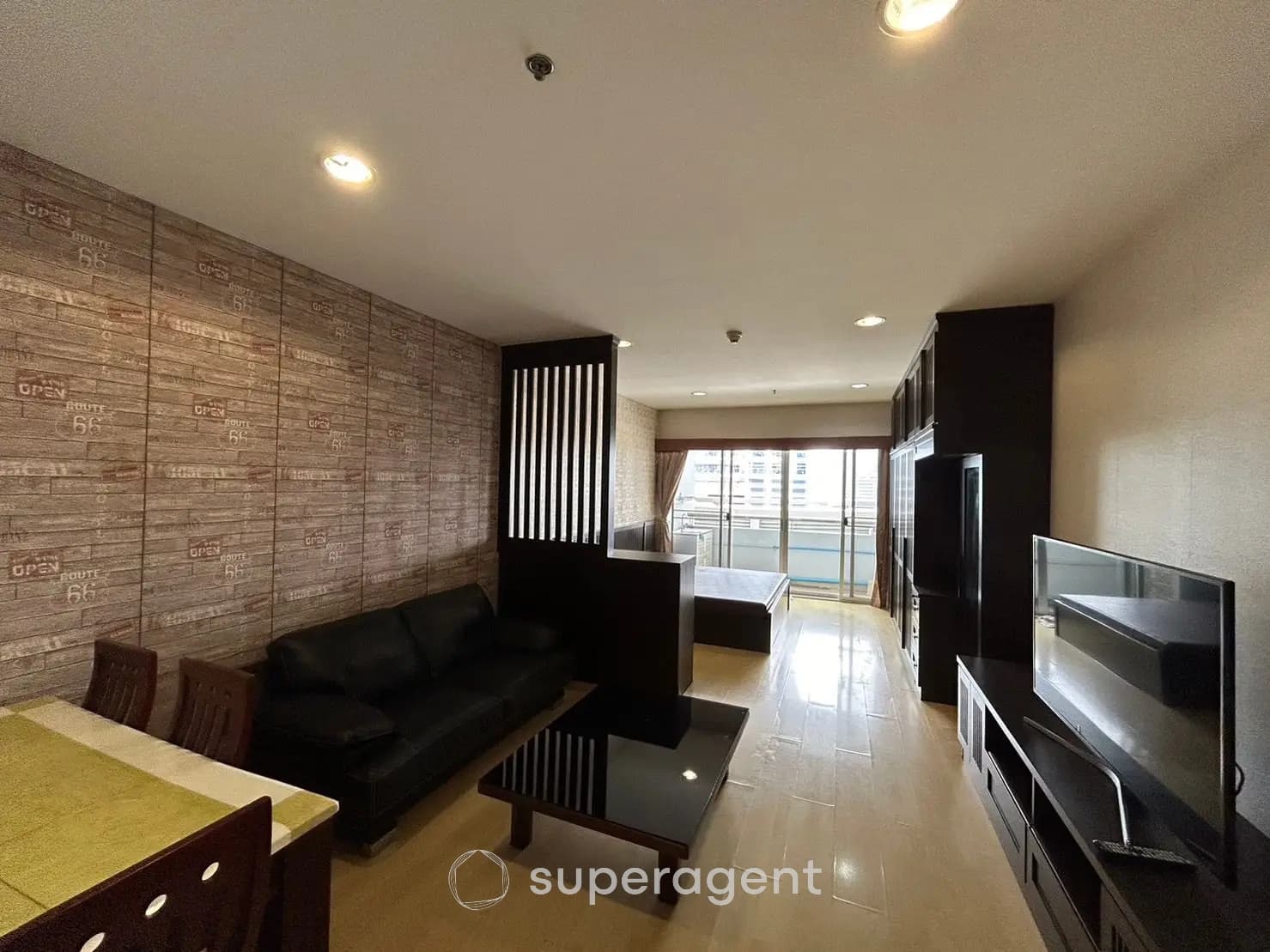
฿15,000
1 Bed145 sqm
1-BR Condo at The Platinum Condominium near ARL Ratchaprarop
Condo![[For Rent] CONDO I Park 24 I Studio I 1 Bath I 25,000THB/mo](/_next/image?url=https%3A%2F%2Fstorage.googleapis.com%2Fsuperagent-web%2Fattachments%2Flistings%2F6747%2F99e94009-1261-4181-ab16-6c2c80017f7d-1130-2.jpg&w=3840&q=75)
฿25,000
Studio129 sqm
[For Rent] CONDO I Park 24 I Studio I 1 Bath I 25,000THB/mo
Phrom Phong
CondoMore like this
 In Guides · Superagent EditorialHidden Costs of Renting a Condo in Bangkok Nobody Warns You AboutBangkok condo rent looks affordable until month one hits. Here are the real costs beyond the headline figure that catch most renters off guard.25 May 20261 min read
 In Guides · Superagent EditorialWhat a Long-Vacant Bangkok Condo Unit Is Actually Telling YouA Bangkok condo vacant for months signals overpricing, landlord issues, or real problems. Here is how to read the signs.25 May 20261 min read
 In Guides · Superagent EditorialRed Flags in a Bangkok Rental Contract to Watch Out ForBangkok rental contracts often hide risky clauses. Here are the red flags every tenant must catch before signing any lease.25 May 20261 min read
 In Guides · Superagent EditorialWorking Online from a Condo: How to Choose the Perfect Room for ProductivityLearn how to choose the best condo room for working online with tips on lighting, noise, and furniture setup to maximize productivity.9 May 20261 min read