Digital Nomad Visa Thailand 2026: Latest LTR Update
Lifestyle
Digital Nomad Visa Thailand 2026: Latest LTR Update
Everything you need to know about Thailand's Long-Term Resident visa for remote workers in 2026.
Summary
Get the latest digital nomad visa Thailand update on LTR requirements, costs, and application process for remote workers planning to relocate.
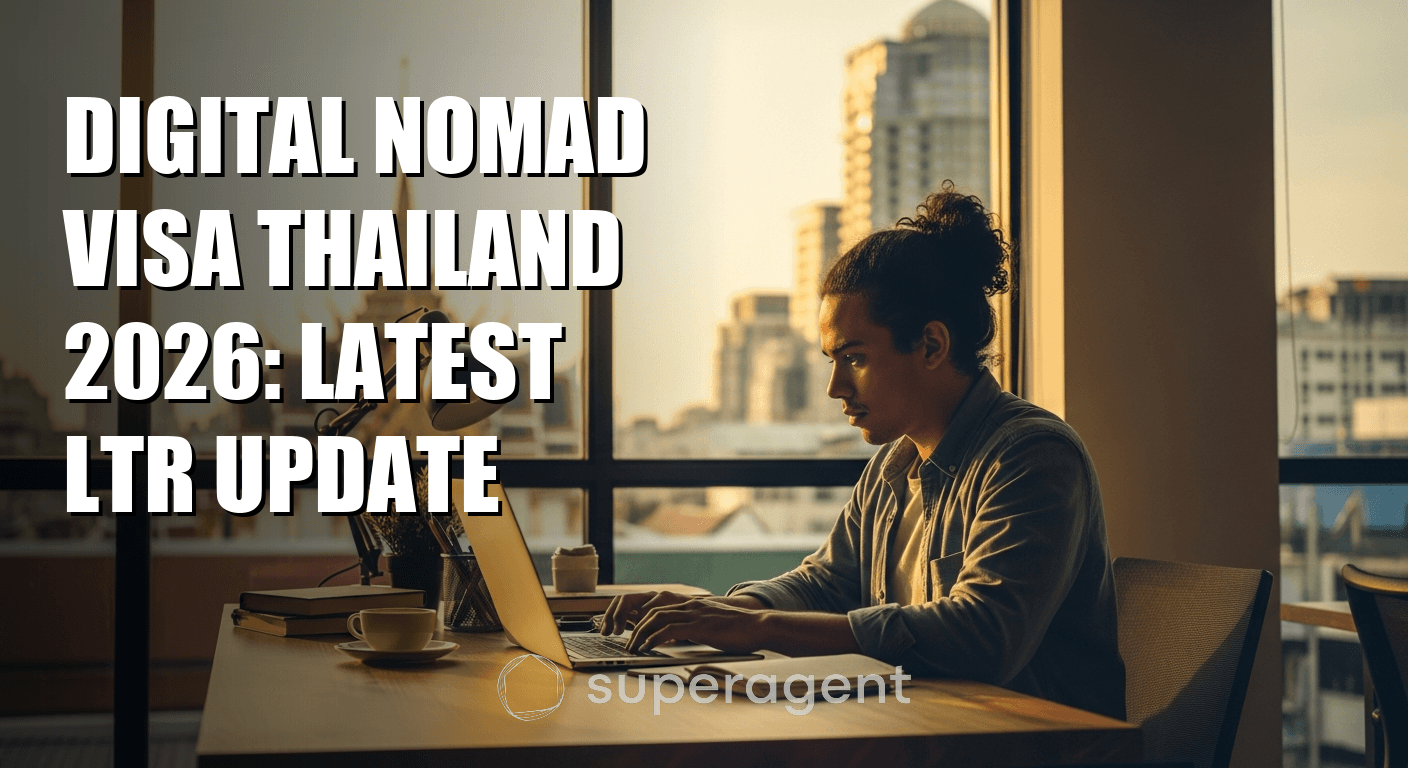
If you have been following the buzz around Thailand's efforts to attract remote workers, you probably know the landscape keeps shifting. The Long Term Resident visa, commonly called the LTR, got another round of updates heading into 2026, and it changes the game for digital nomads eyeing Bangkok as a base. Whether you are a freelancer pulling income from clients in Europe, a startup founder running things from a co working space near Asoke, or a remote employee for a US tech company, these updates matter for your wallet, your legal status, and yes, your apartment search.
What Actually Changed with the LTR Visa in 2026
The Thai government has been tweaking the LTR visa since it launched in 2022, and the latest adjustments make it more accessible for a wider pool of remote workers. The income threshold for the "Work from Thailand" category was adjusted, and the documentation process got streamlined through a new single window application portal. Processing times have dropped from around 40 business days to closer to 20 in many cases.
The big headline is the continued flat 17% personal income tax rate for qualifying LTR holders, compared to the progressive scale that can climb as high as 35% for standard work permit holders. You also still get the digital work permit bundled in, which means no separate work permit application and no need for a Thai employer sponsor.
For example, a UX designer I know who had been visa running every 60 days from his condo near BTS Thong Lo finally applied late last year. He locked in a 10 year stay, ditched the border runs, and now focuses on his clients instead of immigration paperwork. His monthly income from European clients qualifies comfortably, and the tax savings alone cover a solid chunk of his rent at Keyne by Sansiri on Sukhumvit Soi 34.
Who Qualifies and Who Should Not Bother
Let's be honest. The LTR visa is not for every remote worker crashing in a Khao San Road hostel with a laptop. There are real financial requirements. For the "Work from Thailand" category, you generally need to show personal income of at least $80,000 USD over the past two years, or a combination of income and employment with a company that has a certain revenue threshold and headcount.
If you are a freelancer earning $3,000 a month, this visa is probably out of reach right now. You might be better off with the Destination Thailand Visa, the DTV, which launched in 2024 and targets a broader range of remote workers with lower income requirements. The DTV gives you up to 180 days with a possible extension, which is decent for testing the waters.
But if you do qualify for the LTR, the perks stack up fast. No 90 day reporting requirement at immigration. A fast track lane at Suvarnabhumi. Permission for your spouse and dependents to live and work here too. One product manager I spoke with at a co working space near MRT Phra Ram 9 brought her whole family over. They enrolled their kids at an international school in the Ekamai area and signed a two year lease on a three bedroom unit at Noble Reveal on Sukhumvit Soi 63 for around 65,000 THB per month.
How the Visa Impacts Your Bangkok Rental Strategy
Here is where it gets practical. Your visa type directly affects how landlords and property managers treat you. Holding an LTR visa signals stability. You are not a tourist on a 30 day stamp who might vanish. You are someone committed to staying, and that gives you negotiating power on lease terms and pricing.
With a long term visa in hand, you can confidently sign 12 to 24 month leases, which usually unlocks lower monthly rates. A one bedroom at Life Asoke Hype near MRT Phetchaburi might list at 22,000 THB per month on a short term basis, but lock in a year and you could negotiate it down to 18,000 or even 17,000 THB. Landlords love the certainty.
You also open up neighborhoods that make more sense for long term living rather than short term tourist convenience. Instead of staying in the Nana or Silom tourist pockets, LTR holders tend to settle in more residential areas. Ari near BTS Ari is popular for its cafe culture and quieter streets. Phra Khanong near BTS On Nut offers incredible value, with modern one bedrooms at buildings like Ideo Mobi Sukhumvit 66 going for 12,000 to 15,000 THB per month.
Common Mistakes Digital Nomads Make with the LTR Process
The application is not as painful as a traditional Thai work permit, but people still trip up. The most common mistake is submitting income documentation that does not match what the Board of Investment actually wants. They need certified tax returns, employment contracts, or audited company financials, not just bank statements showing deposits.
Another frequent error is waiting until your current visa is about to expire before starting the LTR application. Even with faster processing, you want a buffer of at least 60 days. I have seen people scramble to do a last minute border run to Vientiane because their timing was off.
Also, do not assume your health insurance from back home automatically qualifies. The LTR requires coverage of at least $50,000 USD, and some policies from the US or Europe do not meet the specific criteria Thailand sets. Double check before you submit.
Setting Up Your Bangkok Base the Smart Way
Once your LTR is approved, the real fun starts. Finding the right condo is arguably the most important decision you will make in your first month. Think about your daily routine. Do you need fast internet above all else? Proximity to a BTS station? A gym in the building? A pool where you can decompress after calls with clients in different time zones?
If you work from home most days, prioritize buildings with dedicated co working lounges. Newer developments along Sukhumvit between Soi 24 and Soi 49 tend to have these. If you prefer working from external spaces, living near Ekkamai or Phrom Phong puts you close to places like The Commons and dozens of work friendly cafes.
Budget wise, most single digital nomads on LTR visas in Bangkok spend between 15,000 and 35,000 THB per month on rent, depending on how central and how new they want their place. Couples and families typically look at the 40,000 to 80,000 THB range for two or three bedrooms in well maintained buildings.
Getting the visa sorted is step one. Finding a condo that fits your actual lifestyle is step two, and honestly, it is just as important. If you want to skip the endless scrolling through outdated listings and deal with real time availability and pricing, check out superagent.co. It is built for renters in Bangkok who want straight answers and a faster search, whether you just landed on an LTR or you have been here for years.
If you have been following the buzz around Thailand's efforts to attract remote workers, you probably know the landscape keeps shifting. The Long Term Resident visa, commonly called the LTR, got another round of updates heading into 2026, and it changes the game for digital nomads eyeing Bangkok as a base. Whether you are a freelancer pulling income from clients in Europe, a startup founder running things from a co working space near Asoke, or a remote employee for a US tech company, these updates matter for your wallet, your legal status, and yes, your apartment search.
What Actually Changed with the LTR Visa in 2026
The Thai government has been tweaking the LTR visa since it launched in 2022, and the latest adjustments make it more accessible for a wider pool of remote workers. The income threshold for the "Work from Thailand" category was adjusted, and the documentation process got streamlined through a new single window application portal. Processing times have dropped from around 40 business days to closer to 20 in many cases.
The big headline is the continued flat 17% personal income tax rate for qualifying LTR holders, compared to the progressive scale that can climb as high as 35% for standard work permit holders. You also still get the digital work permit bundled in, which means no separate work permit application and no need for a Thai employer sponsor.
For example, a UX designer I know who had been visa running every 60 days from his condo near BTS Thong Lo finally applied late last year. He locked in a 10 year stay, ditched the border runs, and now focuses on his clients instead of immigration paperwork. His monthly income from European clients qualifies comfortably, and the tax savings alone cover a solid chunk of his rent at Keyne by Sansiri on Sukhumvit Soi 34.
Who Qualifies and Who Should Not Bother
Let's be honest. The LTR visa is not for every remote worker crashing in a Khao San Road hostel with a laptop. There are real financial requirements. For the "Work from Thailand" category, you generally need to show personal income of at least $80,000 USD over the past two years, or a combination of income and employment with a company that has a certain revenue threshold and headcount.
If you are a freelancer earning $3,000 a month, this visa is probably out of reach right now. You might be better off with the Destination Thailand Visa, the DTV, which launched in 2024 and targets a broader range of remote workers with lower income requirements. The DTV gives you up to 180 days with a possible extension, which is decent for testing the waters.
But if you do qualify for the LTR, the perks stack up fast. No 90 day reporting requirement at immigration. A fast track lane at Suvarnabhumi. Permission for your spouse and dependents to live and work here too. One product manager I spoke with at a co working space near MRT Phra Ram 9 brought her whole family over. They enrolled their kids at an international school in the Ekamai area and signed a two year lease on a three bedroom unit at Noble Reveal on Sukhumvit Soi 63 for around 65,000 THB per month.
How the Visa Impacts Your Bangkok Rental Strategy
Here is where it gets practical. Your visa type directly affects how landlords and property managers treat you. Holding an LTR visa signals stability. You are not a tourist on a 30 day stamp who might vanish. You are someone committed to staying, and that gives you negotiating power on lease terms and pricing.
With a long term visa in hand, you can confidently sign 12 to 24 month leases, which usually unlocks lower monthly rates. A one bedroom at Life Asoke Hype near MRT Phetchaburi might list at 22,000 THB per month on a short term basis, but lock in a year and you could negotiate it down to 18,000 or even 17,000 THB. Landlords love the certainty.
You also open up neighborhoods that make more sense for long term living rather than short term tourist convenience. Instead of staying in the Nana or Silom tourist pockets, LTR holders tend to settle in more residential areas. Ari near BTS Ari is popular for its cafe culture and quieter streets. Phra Khanong near BTS On Nut offers incredible value, with modern one bedrooms at buildings like Ideo Mobi Sukhumvit 66 going for 12,000 to 15,000 THB per month.
Talk to us about renting
Share your details and keep reading — we’ll get back to you.
Common Mistakes Digital Nomads Make with the LTR Process
The application is not as painful as a traditional Thai work permit, but people still trip up. The most common mistake is submitting income documentation that does not match what the Board of Investment actually wants. They need certified tax returns, employment contracts, or audited company financials, not just bank statements showing deposits.
Another frequent error is waiting until your current visa is about to expire before starting the LTR application. Even with faster processing, you want a buffer of at least 60 days. I have seen people scramble to do a last minute border run to Vientiane because their timing was off.
Also, do not assume your health insurance from back home automatically qualifies. The LTR requires coverage of at least $50,000 USD, and some policies from the US or Europe do not meet the specific criteria Thailand sets. Double check before you submit.
Setting Up Your Bangkok Base the Smart Way
Once your LTR is approved, the real fun starts. Finding the right condo is arguably the most important decision you will make in your first month. Think about your daily routine. Do you need fast internet above all else? Proximity to a BTS station? A gym in the building? A pool where you can decompress after calls with clients in different time zones?
If you work from home most days, prioritize buildings with dedicated co working lounges. Newer developments along Sukhumvit between Soi 24 and Soi 49 tend to have these. If you prefer working from external spaces, living near Ekkamai or Phrom Phong puts you close to places like The Commons and dozens of work friendly cafes.
Budget wise, most single digital nomads on LTR visas in Bangkok spend between 15,000 and 35,000 THB per month on rent, depending on how central and how new they want their place. Couples and families typically look at the 40,000 to 80,000 THB range for two or three bedrooms in well maintained buildings.
Getting the visa sorted is step one. Finding a condo that fits your actual lifestyle is step two, and honestly, it is just as important. If you want to skip the endless scrolling through outdated listings and deal with real time availability and pricing, check out superagent.co. It is built for renters in Bangkok who want straight answers and a faster search, whether you just landed on an LTR or you have been here for years.
Share this article
Properties you may like
![[For Rent] CONDO I The Room 69 I 1 Bed I 1 Bath I 35,000THB/mo](/_next/image?url=https%3A%2F%2Fstorage.googleapis.com%2Fsuperagent-web%2Fattachments%2Flistings%2F6756%2F445213f0-c378-46a2-b3fe-7a5ba62b623f-1135-1.jpg&w=3840&q=75)
฿35,000
1 Bed144.7 sqm
[For Rent] CONDO I The Room 69 I 1 Bed I 1 Bath I 35,000THB/mo
Condo![[For Rent] HOUSE I Mantana Bangna Km.7 I 3 BedsI 3 Baths I 68,000THB/mo](/_next/image?url=https%3A%2F%2Fstorage.googleapis.com%2Fsuperagent-web%2Fattachments%2Flistings%2F6755%2F673e8400-a19a-43b4-b994-7c0d717c8d40-1128-4.jpg&w=3840&q=75)
฿68,000
3 Bed3172 sqm
[For Rent] HOUSE I Mantana Bangna Km.7 I 3 BedsI 3 Baths I 68,000THB/mo
Bang Na
House![[For Rent] CONDO I Rhythm Sukhumvit 42 I 1 Bed I 1 Bath I 40,000THB/mo](/_next/image?url=https%3A%2F%2Fstorage.googleapis.com%2Fsuperagent-web%2Fattachments%2Flistings%2F6754%2F8bbb6bb3-98f5-49b6-8b48-0c2321f81b70-1127-3.jpg&w=3840&q=75)
฿40,000
1 Bed148 sqm
[For Rent] CONDO I Rhythm Sukhumvit 42 I 1 Bed I 1 Bath I 40,000THB/mo
Ekkamai
Condo![[For Rent&Sale] CONDO I The Waterford Sukhumvit 50 I Pet Friendly I 2 Beds I 2 Baths I Rent 50,000THB/mo - Sale 9mb THB](/_next/image?url=https%3A%2F%2Fstorage.googleapis.com%2Fsuperagent-web%2Fattachments%2Flistings%2F6753%2F9b31da57-144a-4728-bac2-010477b1614d-112-5.jpg&w=3840&q=75)
฿50,000
2 Bed292 sqm
[For Rent&Sale] CONDO I The Waterford Sukhumvit 50 I Pet Friendly I 2 Beds I 2 Baths I Rent 50,000THB/mo - Sale 9mb THB
On Nut
Condo![[For Rent&Sale] HOUSE I Perfect Masterpiece Rama 9–Krungthep Kreetha I 5 Beds I 6 Baths I Rent 400,000THB/mo - Sale 70 ล้านบาท](/_next/image?url=https%3A%2F%2Fstorage.googleapis.com%2Fsuperagent-web%2Fattachments%2Flistings%2F6752%2F1f1b4e6f-23df-48bb-a7ea-7a3252f44588-1125-1.jpg&w=3840&q=75)
฿400,000
5 Bed+6700 sqm
[For Rent&Sale] HOUSE I Perfect Masterpiece Rama 9–Krungthep Kreetha I 5 Beds I 6 Baths I Rent 400,000THB/mo - Sale 70 ล้านบาท
Condo![[For Rent] CONDO I Ashton Asoke I 3 Beds I 3 Baths I 100,000THB/mo](/_next/image?url=https%3A%2F%2Fstorage.googleapis.com%2Fsuperagent-web%2Fattachments%2Flistings%2F6751%2F5e37d6d9-2e62-43e6-b358-15d8b92aad47-1124.jpg&w=3840&q=75)
฿100,000
3 Bed3100 sqm
[For Rent] CONDO I Ashton Asoke I 3 Beds I 3 Baths I 100,000THB/mo
Asoke
Condo![[For Rent&Sale] CONDO I TC Green Rama 9 I 1 Bed I 1 Bath I Rent 15,000THB/mo - Sale 2.8mb THB](/_next/image?url=https%3A%2F%2Fstorage.googleapis.com%2Fsuperagent-web%2Fattachments%2Flistings%2F6750%2F47e9c291-b440-4d94-8168-c22bdaf34baf-1123-1.jpg&w=3840&q=75)
฿15,000
1 Bed139 sqm
[For Rent&Sale] CONDO I TC Green Rama 9 I 1 Bed I 1 Bath I Rent 15,000THB/mo - Sale 2.8mb THB
Rama 9
Condo![[For Rent&Sale] CONDO I Riviera 4 I 2 Beds I 2 Baths I Rent 18,000THB/mo - Sale 3.2mb THB](/_next/image?url=https%3A%2F%2Fstorage.googleapis.com%2Fsuperagent-web%2Fattachments%2Flistings%2F6748%2F5a58104a-d990-4793-8366-1acd0390940b-1121-6.jpg&w=3840&q=75)
฿18,000
2 Bed290 sqm
[For Rent&Sale] CONDO I Riviera 4 I 2 Beds I 2 Baths I Rent 18,000THB/mo - Sale 3.2mb THB
Condo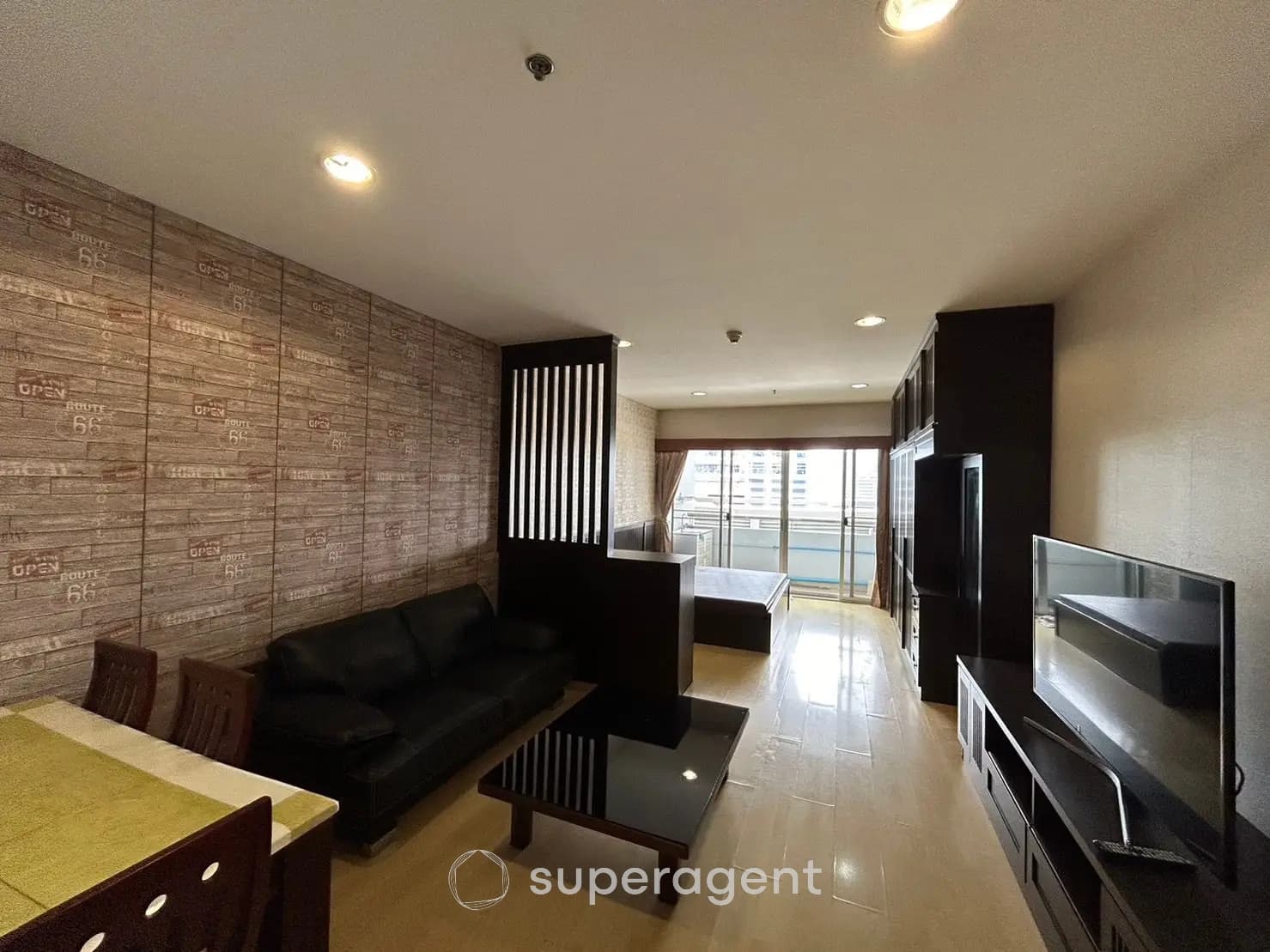
฿15,000
1 Bed145 sqm
1-BR Condo at The Platinum Condominium near ARL Ratchaprarop
Condo![[For Rent] CONDO I Park 24 I Studio I 1 Bath I 25,000THB/mo](/_next/image?url=https%3A%2F%2Fstorage.googleapis.com%2Fsuperagent-web%2Fattachments%2Flistings%2F6747%2F99e94009-1261-4181-ab16-6c2c80017f7d-1130-2.jpg&w=3840&q=75)
฿25,000
Studio129 sqm
[For Rent] CONDO I Park 24 I Studio I 1 Bath I 25,000THB/mo
Phrom Phong
CondoMore like this
 In Lifestyle · Superagent EditorialWhere Bangkok's Expat Communities Are Concentrated: Rental Guide by NationalityDiscover where Bangkok's expat community areas are located. Our rental guide maps out neighborhoods by nationality to help you find your ideal home.12 Apr 20241 min read
 In Lifestyle · Superagent EditorialThe AI Rental Revolution in Bangkok: How Technology Is Changing How Expats Find HomesBangkok rental revolution ai is reshaping how expats find homes. Explore smart technology, virtual tours, and AI-powered matching tools transforming the ma16 Apr 20211 min read
 In Lifestyle · Superagent EditorialMonthly Condo Rentals in Bangkok: Why They Beat Daily Rates Once Your Stay Passes Two WeeksCompare Bangkok daily and monthly condo rates near BTS Thong Lo, Asoke, Ari and On Nut, and see why monthly leases save tens of thousands of baht.19 Jul 20191 min read
 In Lifestyle · Superagent EditorialHow to Negotiate Rent With Thai Condo Landlords: Techniques That Actually Work in BangkokProven tactics for negotiating condo rent with Bangkok landlords, from market research and counter offers to lease length, timing and low season.18 Jul 20191 min read