DIY Condo Rental Agreements: What You Need and What to Avoid
Guides
DIY Condo Rental Agreements: What You Need and What to Avoid
Master the essentials of creating your own condo lease without legal headaches.
Summary
Learn how to create a condo rental agreement independently with key requirements and important precautions to protect your investment and rights.
You're staring at a condo lease agreement, coffee getting cold, and you're thinking: why am I paying an agent 5000 baht when I can just sign this myself? Fair question. Bangkok renters ask me this all the time, especially when they find a place they love in Sukhumvit or near Phrom Phong and the landlord says he'll do a direct deal. The truth is, you can absolutely write your own lease. People do it every day. But before you grab a pen, you need to know what actually goes into a legal rental contract in Thailand, what landlords expect to see, and where most DIY agreements fall apart.
What Every Condo Lease Must Include
A real Thai rental contract needs specific elements or it won't hold up if something goes wrong. You're not just writing casual terms on a napkin. You need the full names and ID numbers of both tenant and landlord, the exact address and unit number of the condo, the monthly rent amount in Thai numerals and words, and the security deposit figure. I knew someone renting in a building near Chit Lom who skipped the security deposit line, and when he moved out, the landlord claimed he never mentioned it and demanded two months' rent.
The lease needs the rental period spelled out clearly. Is it one year? Six months? Month to month? You need to state the exact start and end dates, not just "about a year from now." You also need payment terms: when is rent due, how is it paid (bank transfer, cash, cheque), and what happens if it's late. Thailand doesn't mess around with late payments, so be specific.
Utilities are critical. Who pays for water, electricity, internet, and cable? Most Bangkok condos include water and common area maintenance in the rent, but you need to verify this and write it down. I've seen disputes where a tenant thought water was included and the landlord thought otherwise. Electricity usually goes straight to the tenant with PEA, so that's individual, but confirm it. Specify who pays for the building key card, parking fees if applicable, and any other monthly costs.
House Rules and Condition Clauses You Can't Skip
Thai landlords care deeply about property condition. Your lease needs a detailed move-in checklist describing the condition of the unit, appliances, furniture, walls, carpet, and any damage already present. Take photos and attach them to the contract. This sounds tedious, but it saves you thousands of baht when you move out and the landlord claims you caused damage that was already there.
Include a clause about what happens if you damage something. Can you fix it and deduct from rent? Do you need the landlord's approval first? In many Bangkok buildings near BTS Ari or Saphan Taksin, landlords expect tenants to arrange repairs through the building's preferred contractor, and you pay directly. Write this down.
Add rules about guests, noise, pets, and smoking. Most condo buildings have strict policies on these. Some don't allow overnight guests without notice. Some prohibit pets entirely. Some are strict about noise after 10 PM. If your contract doesn't mention these, you're relying on the building rules you probably never read, and that's weak protection if a dispute happens.
The Termination Clause Is Where Most DIY Deals Fail
This is huge. What happens if you need to leave early? What happens if the landlord wants you out? A real contract needs notice periods spelled out for both sides. Thai law says tenants usually need to give one month notice, but many landlords want 60 days. Write the exact number.
Do you get your security deposit back if you break the lease early? Most landlords keep part or all of it as penalty. Some charge a full month's rent as termination fee. A friend of mine in a place near Rama IX road wanted to leave after seven months because he got transferred. His contract said no early termination, and he lost the entire security deposit. The written contract made it legal.
Also specify what condition the unit must be in when you leave. Do walls need to be painted? Does every bulb need to work? Do you need a professional cleaning service? These details matter because Thai landlords are picky about move-outs. Put it in writing so there's no argument later.
What About Property Rights and Landlord Access
Your lease should clearly state your quiet enjoyment of the property. The landlord can't just walk in whenever he wants. In Thailand, standard practice is that landlords can enter for repairs or inspections with at least 24 hours notice. But if your contract doesn't mention this, he might think he can show the place to future tenants whenever he wants, or access it for maintenance without warning you.
Write down if the landlord can show the unit to prospective tenants during the last month of your lease. Some tenants hate this, so clarify whether he needs your permission, how much notice he gives, and whether you have any say in the timing.
Also include what happens if something breaks. If the air conditioner fails, does the landlord fix it within a certain timeframe, or are you responsible? In Bangkok's heat, this matters. A malfunctioning AC can make the unit uninhabitable, and you need to know who bears that cost and how quickly it gets fixed.
The Legal Reality and When You Might Need Help
Here's the hard truth: a handwritten or basic typed lease you create yourself might not be legally airtight. Thai rental law has specific requirements about witness signatures, registration with local authorities, and stamps. Many personal leases aren't officially registered, which means they're harder to enforce if something goes wrong.
For longer leases (a year or more) or larger amounts of money, it's worth having a lawyer review your contract. You can find English-speaking lawyers in Bangkok for around 3000 to 5000 baht for a lease review. It costs less than a month's rent and protects you far more than trying to save the agent fee.
If this all sounds overwhelming, remember you have options. Some landlords provide their own lease template (read it carefully before signing), and some Bangkok property platforms offer basic lease templates. Many people find that paying a small agent fee gives you a professionally drafted contract that actually protects you. It's not always worth going solo.
Making a condo lease work yourself is possible, but it requires detail, patience, and actually knowing what Thai landlords expect. Get the core elements right: clear rental dates, explicit rent and deposit amounts, maintenance and damage clauses, and termination details. Take photos of the unit condition. Use clear Thai numerals. If you're uncertain about any part, don't guess. Bangkok's rental market moves fast, but a solid lease is worth the time investment.
When you find a place you love in Bangkok, whether you're self-writing the lease or working with an agent, make sure every detail is documented and both sides agree completely. Platforms like Superagent.co can help you find vetted listings where landlords are straightforward about terms, taking some of that negotiation stress off your plate.
You're staring at a condo lease agreement, coffee getting cold, and you're thinking: why am I paying an agent 5000 baht when I can just sign this myself? Fair question. Bangkok renters ask me this all the time, especially when they find a place they love in Sukhumvit or near Phrom Phong and the landlord says he'll do a direct deal. The truth is, you can absolutely write your own lease. People do it every day. But before you grab a pen, you need to know what actually goes into a legal rental contract in Thailand, what landlords expect to see, and where most DIY agreements fall apart.
What Every Condo Lease Must Include
A real Thai rental contract needs specific elements or it won't hold up if something goes wrong. You're not just writing casual terms on a napkin. You need the full names and ID numbers of both tenant and landlord, the exact address and unit number of the condo, the monthly rent amount in Thai numerals and words, and the security deposit figure. I knew someone renting in a building near Chit Lom who skipped the security deposit line, and when he moved out, the landlord claimed he never mentioned it and demanded two months' rent.
The lease needs the rental period spelled out clearly. Is it one year? Six months? Month to month? You need to state the exact start and end dates, not just "about a year from now." You also need payment terms: when is rent due, how is it paid (bank transfer, cash, cheque), and what happens if it's late. Thailand doesn't mess around with late payments, so be specific.
Continue reading after that.
Looking for a condo
to rent?
Leave your name and phone. We'll follow up while you keep reading.
100% Secure
Fast Response
Free Consultation
Utilities are critical. Who pays for water, electricity, internet, and cable? Most Bangkok condos include water and common area maintenance in the rent, but you need to verify this and write it down. I've seen disputes where a tenant thought water was included and the landlord thought otherwise. Electricity usually goes straight to the tenant with PEA, so that's individual, but confirm it. Specify who pays for the building key card, parking fees if applicable, and any other monthly costs.
House Rules and Condition Clauses You Can't Skip
Thai landlords care deeply about property condition. Your lease needs a detailed move-in checklist describing the condition of the unit, appliances, furniture, walls, carpet, and any damage already present. Take photos and attach them to the contract. This sounds tedious, but it saves you thousands of baht when you move out and the landlord claims you caused damage that was already there.
Include a clause about what happens if you damage something. Can you fix it and deduct from rent? Do you need the landlord's approval first? In many Bangkok buildings near BTS Ari or Saphan Taksin, landlords expect tenants to arrange repairs through the building's preferred contractor, and you pay directly. Write this down.
Add rules about guests, noise, pets, and smoking. Most condo buildings have strict policies on these. Some don't allow overnight guests without notice. Some prohibit pets entirely. Some are strict about noise after 10 PM. If your contract doesn't mention these, you're relying on the building rules you probably never read, and that's weak protection if a dispute happens.
The Termination Clause Is Where Most DIY Deals Fail
This is huge. What happens if you need to leave early? What happens if the landlord wants you out? A real contract needs notice periods spelled out for both sides. Thai law says tenants usually need to give one month notice, but many landlords want 60 days. Write the exact number.
Do you get your security deposit back if you break the lease early? Most landlords keep part or all of it as penalty. Some charge a full month's rent as termination fee. A friend of mine in a place near Rama IX road wanted to leave after seven months because he got transferred. His contract said no early termination, and he lost the entire security deposit. The written contract made it legal.
Also specify what condition the unit must be in when you leave. Do walls need to be painted? Does every bulb need to work? Do you need a professional cleaning service? These details matter because Thai landlords are picky about move-outs. Put it in writing so there's no argument later.
What About Property Rights and Landlord Access
Your lease should clearly state your quiet enjoyment of the property. The landlord can't just walk in whenever he wants. In Thailand, standard practice is that landlords can enter for repairs or inspections with at least 24 hours notice. But if your contract doesn't mention this, he might think he can show the place to future tenants whenever he wants, or access it for maintenance without warning you.
Write down if the landlord can show the unit to prospective tenants during the last month of your lease. Some tenants hate this, so clarify whether he needs your permission, how much notice he gives, and whether you have any say in the timing.
Also include what happens if something breaks. If the air conditioner fails, does the landlord fix it within a certain timeframe, or are you responsible? In Bangkok's heat, this matters. A malfunctioning AC can make the unit uninhabitable, and you need to know who bears that cost and how quickly it gets fixed.
Continue reading after that.
Looking for a condo
to rent?
Leave your name and phone. We'll follow up while you keep reading.
100% Secure
Fast Response
Free Consultation
The Legal Reality and When You Might Need Help
Here's the hard truth: a handwritten or basic typed lease you create yourself might not be legally airtight. Thai rental law has specific requirements about witness signatures, registration with local authorities, and stamps. Many personal leases aren't officially registered, which means they're harder to enforce if something goes wrong.
For longer leases (a year or more) or larger amounts of money, it's worth having a lawyer review your contract. You can find English-speaking lawyers in Bangkok for around 3000 to 5000 baht for a lease review. It costs less than a month's rent and protects you far more than trying to save the agent fee.
If this all sounds overwhelming, remember you have options. Some landlords provide their own lease template (read it carefully before signing), and some Bangkok property platforms offer basic lease templates. Many people find that paying a small agent fee gives you a professionally drafted contract that actually protects you. It's not always worth going solo.
Making a condo lease work yourself is possible, but it requires detail, patience, and actually knowing what Thai landlords expect. Get the core elements right: clear rental dates, explicit rent and deposit amounts, maintenance and damage clauses, and termination details. Take photos of the unit condition. Use clear Thai numerals. If you're uncertain about any part, don't guess. Bangkok's rental market moves fast, but a solid lease is worth the time investment.
When you find a place you love in Bangkok, whether you're self-writing the lease or working with an agent, make sure every detail is documented and both sides agree completely. Platforms like Superagent.co can help you find vetted listings where landlords are straightforward about terms, taking some of that negotiation stress off your plate.
Share this article
Properties you may like
![[For Rent] CONDO I Park Origin 24 I 2 Beds I 1 Baths I 48,000THB/mo](/_next/image?url=https%3A%2F%2Fstorage.googleapis.com%2Fsuperagent-web%2Fattachments%2Flistings%2F6890%2Ffb28cb5c-9a1b-424b-9b52-b844aeba7bf2-1291-1.jpg&w=3840&q=75)
฿48,000
2 Bed152.1 sqm
[For Rent] CONDO I Park Origin 24 I 2 Beds I 1 Baths I 48,000THB/mo
Phrom Phong
Condo![[For Rent] CONDO I Grand Parkview Asoke I 2 Beds I 1 Bath I 35,000THB/mo](/_next/image?url=https%3A%2F%2Fstorage.googleapis.com%2Fsuperagent-web%2Fattachments%2Flistings%2F6889%2F9cb3631b-7a06-4438-9425-a5c78df563d4-1303-1.jpg&w=3840&q=75)
฿35,000
2 Bed168.4 sqm
[For Rent] CONDO I Grand Parkview Asoke I 2 Beds I 1 Bath I 35,000THB/mo
Asoke
Condo![[For Rent] CONDO I Culture Thonglor I 1 Bed I 1 Bath I 22,000THB/mo](/_next/image?url=https%3A%2F%2Fstorage.googleapis.com%2Fsuperagent-web%2Fattachments%2Flistings%2F2271%2Fcb90f802-330c-49a2-a142-2e33a8127032-culture_thonglor_for_rent_02.jpg&w=3840&q=75)
฿22,000
1 Bed126 sqm
[For Rent] CONDO I Culture Thonglor I 1 Bed I 1 Bath I 22,000THB/mo
Thonglor
Condo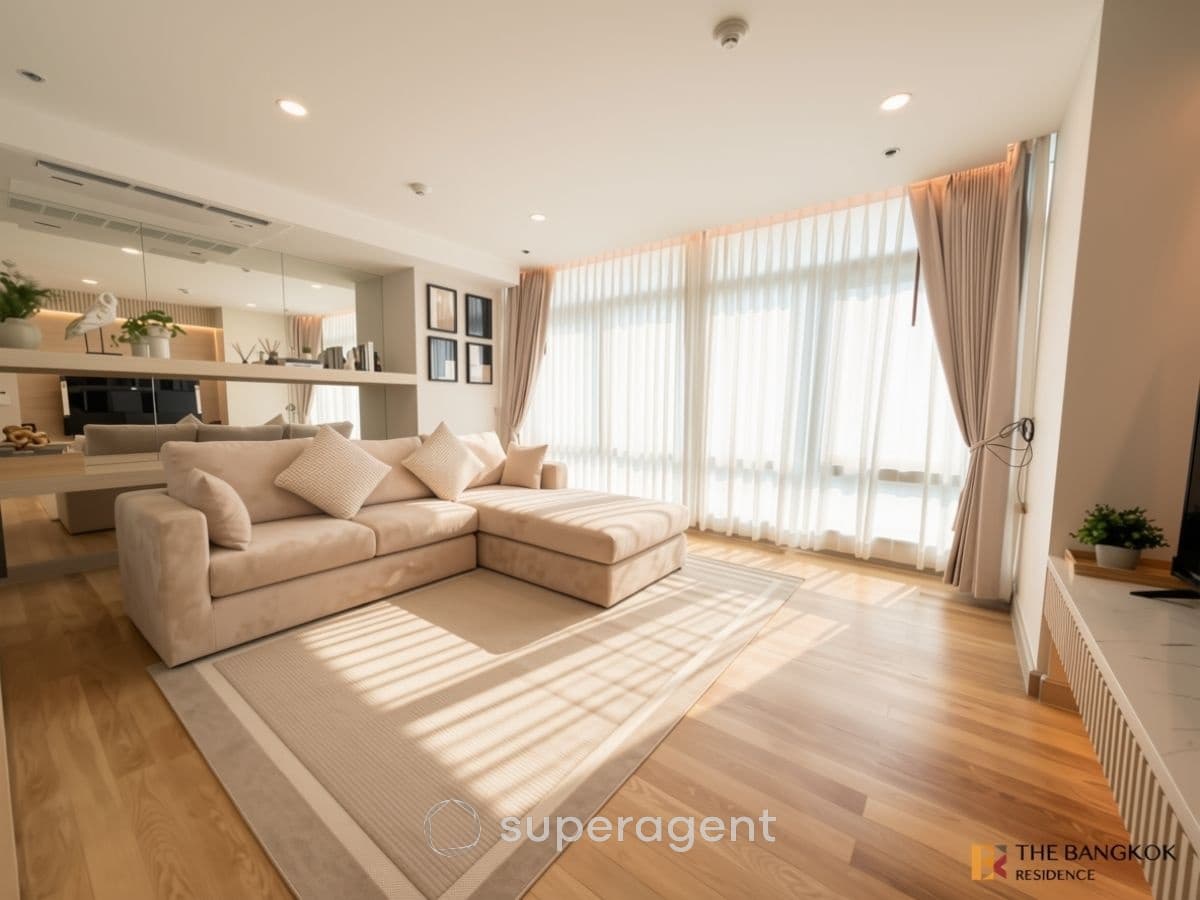
฿120,000
3 Bed3165 sqm
The Height Thonglor, 3BR 165 sq.m. 120K Show Unit Feel, Great Price, Rare Item in the Heart of Thonglor, Near BTS Thonglo
Condo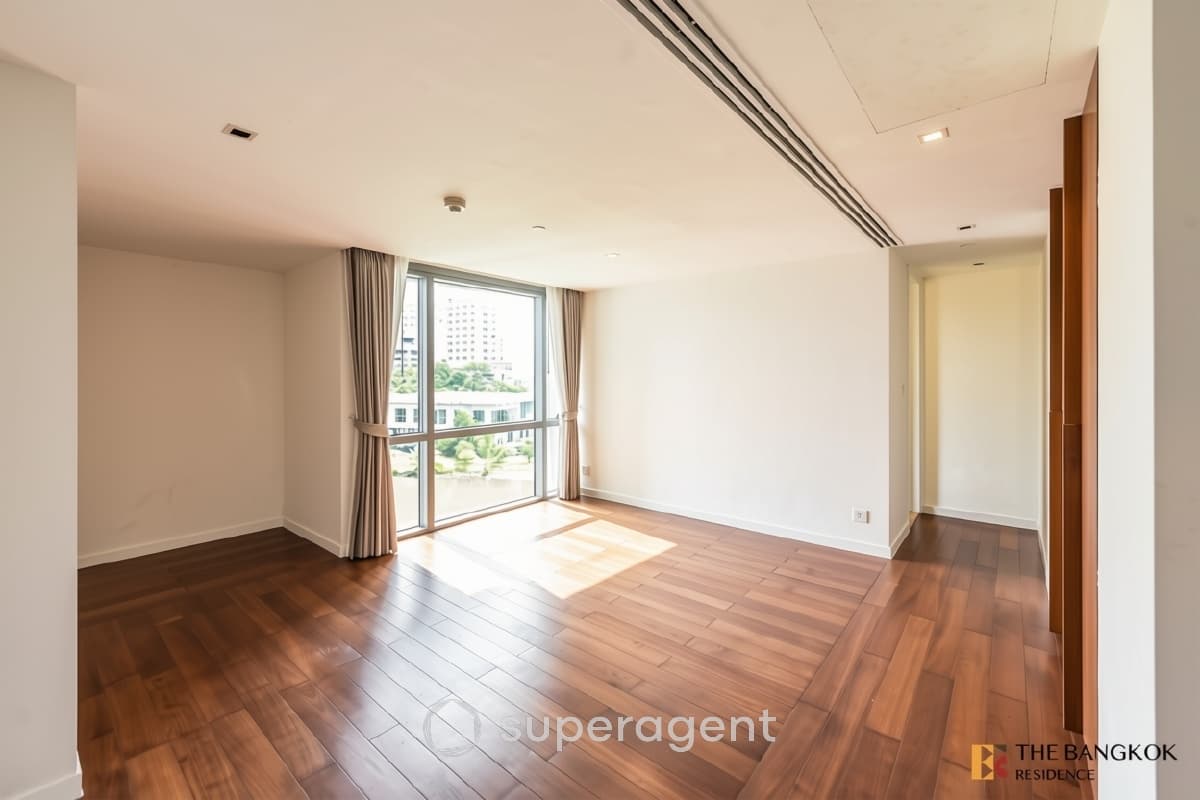
฿180,000
3 Bed4453 sqm
The Pano, 3BR 453sq.m. 180K Spacious Unit, Stunning Views
Condo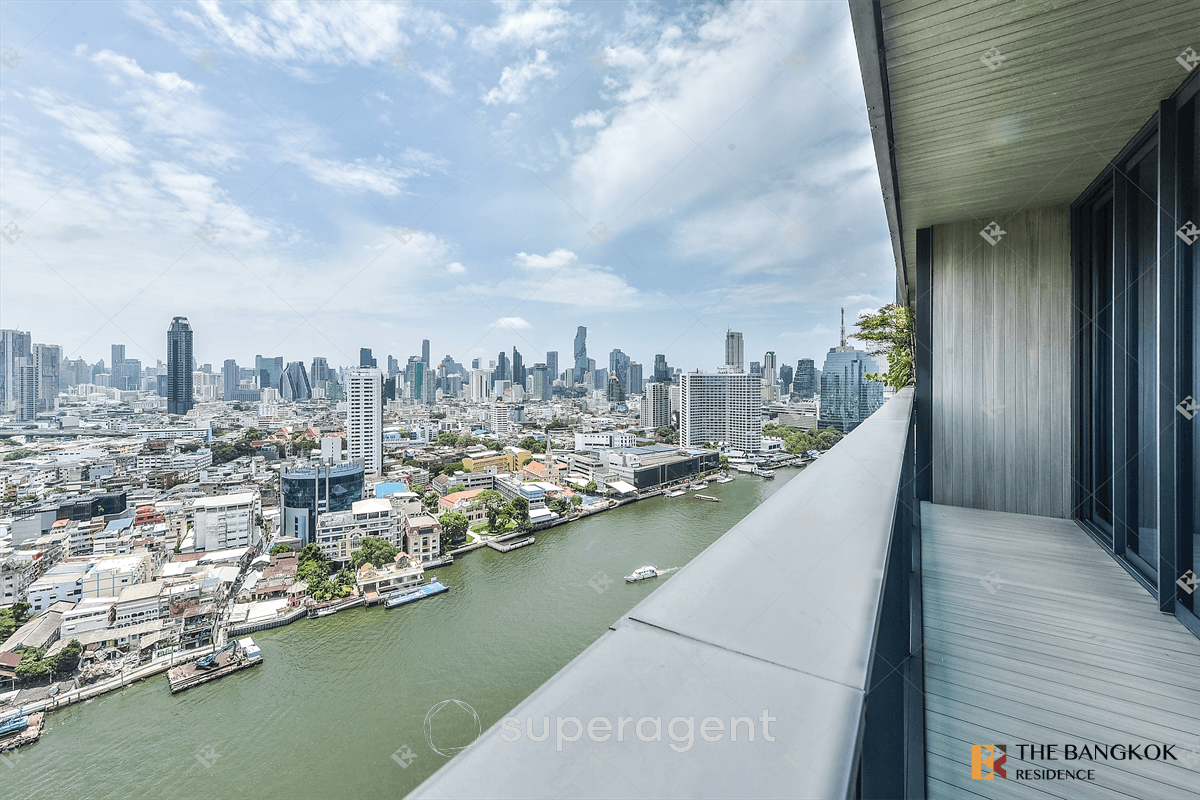
฿190,000
2 Bed2178.3 sqm
Banyan Tree Residence Riverside Bangkok, 2BR 178.34 sq.m. 190K Beautiful Fully Furnished Unit, Near BTS Saphan Taksin
Charoen Nakhon
Condo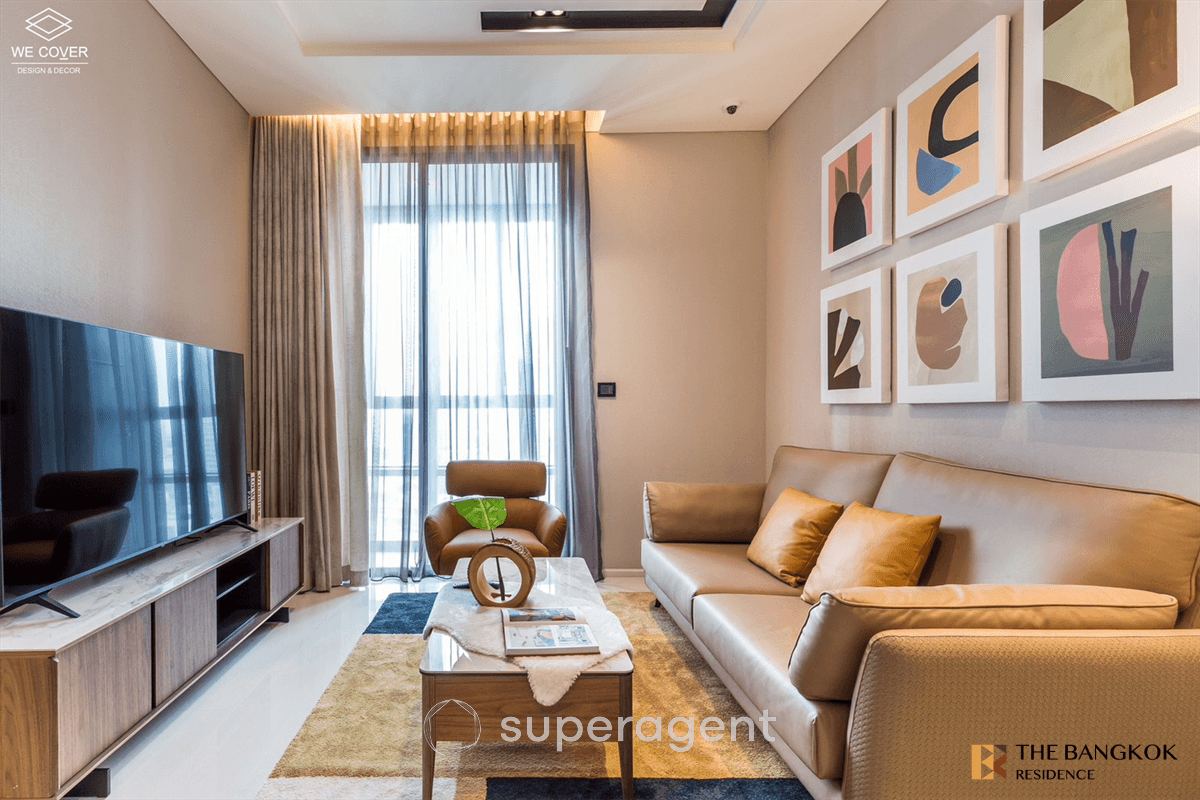
฿59,000
1 Bed155.8 sqm
The Bangkok Thonglor, 1BR 55.8 sq.m. 59K, Premium High Floor Unit, Near BTS Thonglo
Thonglor
Condo![[For Rent] CONDO I Culture Chula I Duplex I 1 Bed I 1 Bath I 35,000THB/mo](/_next/image?url=https%3A%2F%2Fstorage.googleapis.com%2Fsuperagent-web%2Fattachments%2Flistings%2F6760%2F8deaff98-ecb1-4c62-b9be-aecac2f65797-1140-1.jpg&w=3840&q=75)
฿35,000
1 Bed138 sqm
[For Rent] CONDO I Culture Chula I Duplex I 1 Bed I 1 Bath I 35,000THB/mo
Siam
Condo![[For Rent] CONDO I Ideo Chula Samyan I 1 Bed I 1 Bath I 30,000THB/mo](/_next/image?url=https%3A%2F%2Fstorage.googleapis.com%2Fsuperagent-web%2Fattachments%2Flistings%2F6872%2Ff9ab570c-e4ca-41d6-90ee-a8e581218438-1271-8.jpg&w=3840&q=75)
฿30,000
1 Bed135 sqm
[For Rent] CONDO I Ideo Chula Samyan I 1 Bed I 1 Bath I 30,000THB/mo
Siam
Condo![[For Rent] TOWNHOME I Quarter 31 I 4 Beds I 5 Baths I 280,000THB/mo](/_next/image?url=https%3A%2F%2Fstorage.googleapis.com%2Fsuperagent-web%2Fattachments%2Flistings%2F1724%2Fb24f7c3a-8acd-49e4-ae85-6a31498207e4-600-2.jpg&w=3840&q=75)
฿280,000
4 Bed5425 sqm
[For Rent] TOWNHOME I Quarter 31 I 4 Beds I 5 Baths I 280,000THB/mo
Phrom Phong
CondoMore like this
 In Guides · Superagent EditorialHidden Costs of Renting a Condo in Bangkok Nobody Warns You AboutBangkok condo rent looks affordable until month one hits. Here are the real costs beyond the headline figure that catch most renters off guard.25 May 20261 min read
 In Guides · Superagent EditorialWhat a Long-Vacant Bangkok Condo Unit Is Actually Telling YouA Bangkok condo vacant for months signals overpricing, landlord issues, or real problems. Here is how to read the signs.25 May 20261 min read
 In Guides · Superagent EditorialRed Flags in a Bangkok Rental Contract to Watch Out ForBangkok rental contracts often hide risky clauses. Here are the red flags every tenant must catch before signing any lease.25 May 20261 min read
 In Guides · Superagent EditorialWorking Online from a Condo: How to Choose the Perfect Room for ProductivityLearn how to choose the best condo room for working online with tips on lighting, noise, and furniture setup to maximize productivity.9 May 20261 min read