Early Termination of Bangkok Rental Contracts: What You'll Pay and How to Minimize It
Guides
Early Termination of Bangkok Rental Contracts: What You'll Pay and How to Minimize It
Understanding fees, penalties, and strategic ways to exit your Bangkok lease early.
Summary
Learn about bangkok condo early termination costs, penalties, and negotiation strategies to minimize financial impact when breaking your rental agreement.
You signed a 12 month lease on a nice one bedroom near BTS Thong Lo six months ago. Now your company is relocating you to Chiang Mai, or maybe you just found a way better deal on a two bedroom near MRT Phra Ram 9. Either way, you want out. But that contract you barely read before signing? It has something to say about that. Breaking a Bangkok condo lease early is one of the most common situations renters face here, and most people have no idea what it actually costs until the bill shows up.
Let's break down what you're really on the hook for, what's negotiable, and how to walk away spending as little as possible.
What Your Bangkok Lease Probably Says About Early Termination
Most standard rental contracts in Bangkok include an early termination clause. The typical penalty is forfeiture of your security deposit, which usually equals two months of rent. So if you're paying 25,000 THB per month for a studio in The Base Park West near BTS On Nut, you're looking at losing 50,000 THB right off the bat.
Some landlords and agencies go further. Certain contracts require 60 or even 90 days of written notice on top of the deposit forfeiture. A few high end buildings in the Sukhumvit corridor, think places like Marque Sukhumvit or Noble Ploenchit, sometimes include penalty clauses equal to one additional month of rent beyond the deposit.
Here's the thing most tenants miss. The penalty terms vary wildly depending on whether you rented through an agency, directly from an owner, or through a property management company. Contracts from larger agencies tend to be more standardized and rigid. Deals struck directly with a Thai landlord on Soi Ari 1 or somewhere in Ladprao can be surprisingly flexible, simply because the landlord may prefer a quick friendly resolution over chasing you through paperwork.
The Real Cost Beyond the Deposit
Losing your deposit stings, but it's not always the only cost. If you gave post dated checks or set up auto transfers, make sure to cancel those immediately once you've reached an agreement. I've seen renters in buildings like Life Asoke Hype near MRT Phetchaburi get charged an extra month because they forgot to stop a scheduled payment.
Then there's the move out inspection. Landlords who are already annoyed about early termination tend to be a lot pickier about wall marks, scratches on floors, and wear on appliances. Suddenly that tiny scuff near the kitchen becomes a 3,000 THB deduction. If you're already losing your deposit, some landlords will try to bill you separately for damages on top of it.
There's also the matter of utilities. Final electricity and water bills need to be settled, and some landlords hold onto part of the deposit specifically for this. If you're forfeiting the full deposit anyway, clarify whether utilities are considered covered or if you'll get a separate bill. Don't assume. Ask directly and get the answer in writing, even a LINE message works.
How to Negotiate a Cheaper Exit
This is where most people leave money on the table. Landlords in Bangkok are often more flexible than the contract suggests, especially if you approach the conversation the right way. The key is making it easy for them to say yes.
Let's say you're renting a 35,000 THB per month unit at Ideo Mobi Sukhumvit near BTS Ekkamai. You're eight months into a 12 month lease and need to leave. Instead of just announcing you're breaking the lease, offer to help find a replacement tenant. If someone takes over your unit quickly, the landlord loses nothing. Many owners will return part or all of your deposit under these circumstances.
Timing matters too. If you're breaking your lease during high season, roughly October through February, when expat demand spikes around Asoke, Phrom Phong, and Sala Daeng, your landlord will have an easier time filling the unit. Use that as a negotiating point. During low season, you might need to sweeten the deal by offering to cover the listing period or paying a partial penalty.
Another tactic that works surprisingly well is simply being honest and polite. Many Thai landlords value the relationship over strict contract enforcement. A respectful conversation, ideally in person or over a call rather than just text, goes a long way.
When You Might Owe Nothing at All
There are situations where you can terminate early without penalty. If your landlord has failed to maintain the unit, like a persistent mold problem in an older building off Soi Nana, or a broken air conditioner that goes unrepaired for weeks, you may have grounds to argue the landlord breached the agreement first.
Similarly, if the building itself becomes uninhabitable due to construction, flooding, or safety issues, Thai rental law gives tenants some protection. Document everything with photos and timestamps. These situations aren't common, but when they happen, they can save you tens of thousands of baht.
Also check your contract for a diplomatic clause or relocation clause. Some leases, particularly those arranged through international relocation agencies, allow early termination with 30 days notice if you're transferred out of Thailand for work.
Protect Yourself Before You Even Sign
The best time to deal with early termination is before it happens. When reviewing a lease, look for the break clause and push to add one if it doesn't exist. A reasonable break clause might allow termination after six months with 60 days notice and forfeiture of only one month's deposit instead of two.
If you're renting a 20,000 THB unit near BTS Bearing and the landlord refuses any break clause, that's useful information about how they handle tenant relationships. It might be worth walking away and finding a more flexible setup.
Read the Thai language version of the contract if there is one. In case of disputes, Thai courts typically defer to the Thai text. If you can't read Thai, spend the 2,000 to 5,000 THB to have someone translate the key clauses. It's cheap insurance against a 50,000 THB surprise later.
Breaking a Bangkok lease doesn't have to be a disaster. With the right approach, a little negotiation, and a clear understanding of what your contract actually says, you can minimize the damage and move on without burning bridges or your budget. If you're currently searching for a condo and want to compare lease terms before committing, Superagent at superagent.co can help you find listings with flexible rental conditions that match your situation from the start.
You signed a 12 month lease on a nice one bedroom near BTS Thong Lo six months ago. Now your company is relocating you to Chiang Mai, or maybe you just found a way better deal on a two bedroom near MRT Phra Ram 9. Either way, you want out. But that contract you barely read before signing? It has something to say about that. Breaking a Bangkok condo lease early is one of the most common situations renters face here, and most people have no idea what it actually costs until the bill shows up.
Let's break down what you're really on the hook for, what's negotiable, and how to walk away spending as little as possible.
What Your Bangkok Lease Probably Says About Early Termination
Most standard rental contracts in Bangkok include an early termination clause. The typical penalty is forfeiture of your security deposit, which usually equals two months of rent. So if you're paying 25,000 THB per month for a studio in The Base Park West near BTS On Nut, you're looking at losing 50,000 THB right off the bat.
Some landlords and agencies go further. Certain contracts require 60 or even 90 days of written notice on top of the deposit forfeiture. A few high end buildings in the Sukhumvit corridor, think places like Marque Sukhumvit or Noble Ploenchit, sometimes include penalty clauses equal to one additional month of rent beyond the deposit.
Continue reading after that.
Looking for a condo
to rent?
Leave your name and phone. We'll follow up while you keep reading.
100% Secure
Fast Response
Free Consultation
Here's the thing most tenants miss. The penalty terms vary wildly depending on whether you rented through an agency, directly from an owner, or through a property management company. Contracts from larger agencies tend to be more standardized and rigid. Deals struck directly with a Thai landlord on Soi Ari 1 or somewhere in Ladprao can be surprisingly flexible, simply because the landlord may prefer a quick friendly resolution over chasing you through paperwork.
The Real Cost Beyond the Deposit
Losing your deposit stings, but it's not always the only cost. If you gave post dated checks or set up auto transfers, make sure to cancel those immediately once you've reached an agreement. I've seen renters in buildings like Life Asoke Hype near MRT Phetchaburi get charged an extra month because they forgot to stop a scheduled payment.
Then there's the move out inspection. Landlords who are already annoyed about early termination tend to be a lot pickier about wall marks, scratches on floors, and wear on appliances. Suddenly that tiny scuff near the kitchen becomes a 3,000 THB deduction. If you're already losing your deposit, some landlords will try to bill you separately for damages on top of it.
There's also the matter of utilities. Final electricity and water bills need to be settled, and some landlords hold onto part of the deposit specifically for this. If you're forfeiting the full deposit anyway, clarify whether utilities are considered covered or if you'll get a separate bill. Don't assume. Ask directly and get the answer in writing, even a LINE message works.
How to Negotiate a Cheaper Exit
This is where most people leave money on the table. Landlords in Bangkok are often more flexible than the contract suggests, especially if you approach the conversation the right way. The key is making it easy for them to say yes.
Let's say you're renting a 35,000 THB per month unit at Ideo Mobi Sukhumvit near BTS Ekkamai. You're eight months into a 12 month lease and need to leave. Instead of just announcing you're breaking the lease, offer to help find a replacement tenant. If someone takes over your unit quickly, the landlord loses nothing. Many owners will return part or all of your deposit under these circumstances.
Timing matters too. If you're breaking your lease during high season, roughly October through February, when expat demand spikes around Asoke, Phrom Phong, and Sala Daeng, your landlord will have an easier time filling the unit. Use that as a negotiating point. During low season, you might need to sweeten the deal by offering to cover the listing period or paying a partial penalty.
Another tactic that works surprisingly well is simply being honest and polite. Many Thai landlords value the relationship over strict contract enforcement. A respectful conversation, ideally in person or over a call rather than just text, goes a long way.
When You Might Owe Nothing at All
There are situations where you can terminate early without penalty. If your landlord has failed to maintain the unit, like a persistent mold problem in an older building off Soi Nana, or a broken air conditioner that goes unrepaired for weeks, you may have grounds to argue the landlord breached the agreement first.
Similarly, if the building itself becomes uninhabitable due to construction, flooding, or safety issues, Thai rental law gives tenants some protection. Document everything with photos and timestamps. These situations aren't common, but when they happen, they can save you tens of thousands of baht.
Continue reading after that.
Looking for a condo
to rent?
Leave your name and phone. We'll follow up while you keep reading.
100% Secure
Fast Response
Free Consultation
Also check your contract for a diplomatic clause or relocation clause. Some leases, particularly those arranged through international relocation agencies, allow early termination with 30 days notice if you're transferred out of Thailand for work.
Protect Yourself Before You Even Sign
The best time to deal with early termination is before it happens. When reviewing a lease, look for the break clause and push to add one if it doesn't exist. A reasonable break clause might allow termination after six months with 60 days notice and forfeiture of only one month's deposit instead of two.
If you're renting a 20,000 THB unit near BTS Bearing and the landlord refuses any break clause, that's useful information about how they handle tenant relationships. It might be worth walking away and finding a more flexible setup.
Read the Thai language version of the contract if there is one. In case of disputes, Thai courts typically defer to the Thai text. If you can't read Thai, spend the 2,000 to 5,000 THB to have someone translate the key clauses. It's cheap insurance against a 50,000 THB surprise later.
Breaking a Bangkok lease doesn't have to be a disaster. With the right approach, a little negotiation, and a clear understanding of what your contract actually says, you can minimize the damage and move on without burning bridges or your budget. If you're currently searching for a condo and want to compare lease terms before committing, Superagent at superagent.co can help you find listings with flexible rental conditions that match your situation from the start.
Share this article
Properties you may like
฿23,000
2 Bed150 sqm
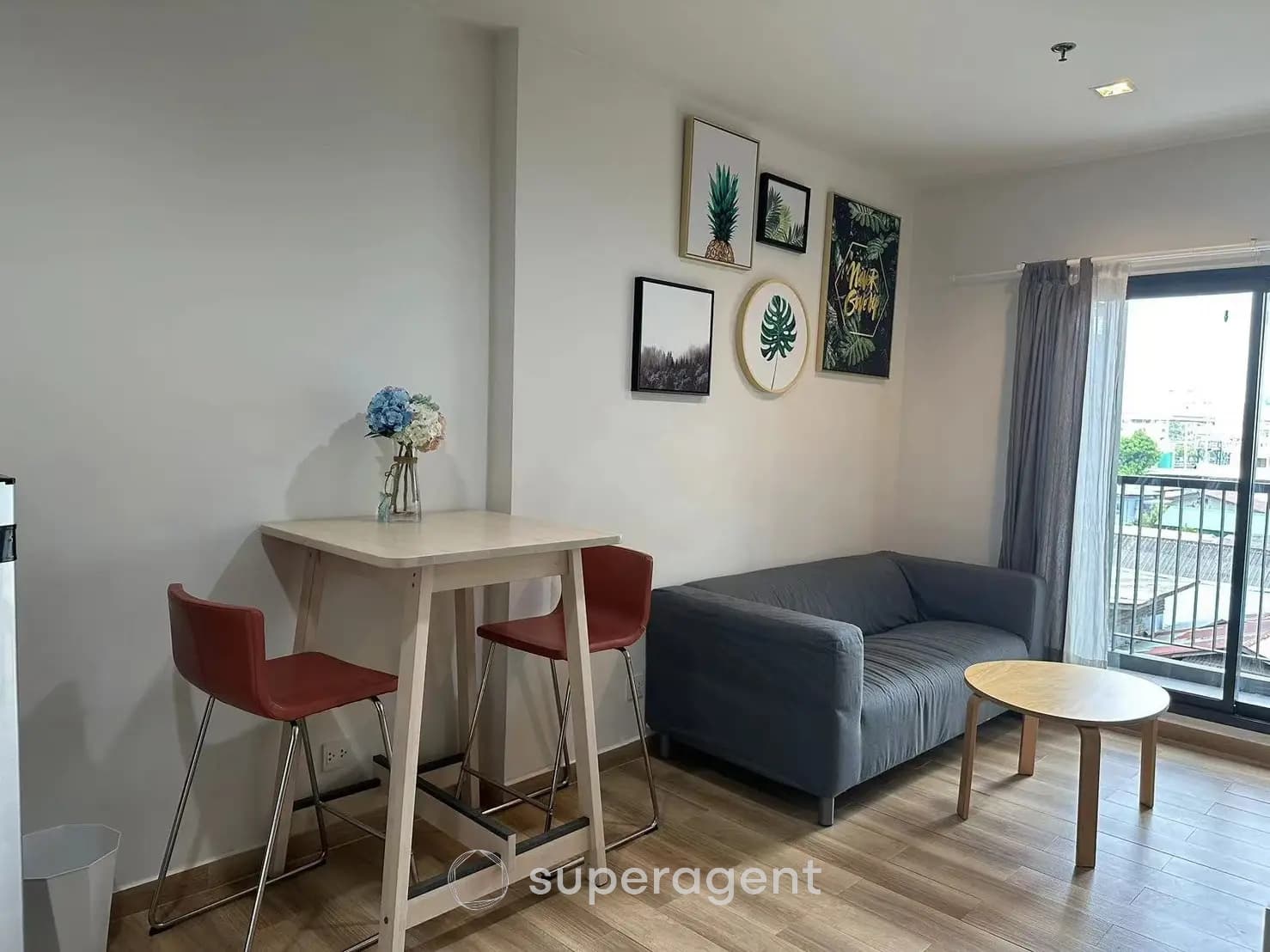
2-BR Condo at Life Sukhumvit 48 near BTS Phra Khanong
On Nut
Condo![[For Rent] CONDO I Maestro 14 Siam-Ratchathewi Pet Friendly I 1 Bed I 1 Bath I 22,000THB/mo](/_next/image?url=https%3A%2F%2Fstorage.googleapis.com%2Fsuperagent-web%2Fattachments%2Flistings%2F6686%2F5ae8a77f-b6fb-4578-a765-e56f493cd25f-1058.png&w=3840&q=75)
฿25,000
1 Bed130 sqm
[For Rent] CONDO I Maestro 14 Siam-Ratchathewi Pet Friendly I 1 Bed I 1 Bath I 22,000THB/mo
Siam
Condo![[For Rent] CONDO I Las Colinas Condominium I 2 Beds I 3 Baths I 85,000THB/mo](/_next/image?url=https%3A%2F%2Fstorage.googleapis.com%2Fsuperagent-web%2Fattachments%2Flistings%2F6828%2F80f345c4-488e-43b2-b017-c9fbb17b520d-99486dd8-4237-4ba2-9207-01ce4f66b21f-media.jpg&w=3840&q=75)
฿85,000
2 Bed3170 sqm
[For Rent] CONDO I Las Colinas Condominium I 2 Beds I 3 Baths I 85,000THB/mo
Asoke
Condo![[For Rent] CONDO I The Diplomat 39 I 2 Beds I 2 Baths I 89,000THB/mo](/_next/image?url=https%3A%2F%2Fstorage.googleapis.com%2Fsuperagent-web%2Fattachments%2Flistings%2F6784%2Ff92c62cc-d3be-42df-adca-b8f96fb02cfb-1163-1.jpg&w=3840&q=75)
฿89,000
2 Bed286 sqm
[For Rent] CONDO I The Diplomat 39 I 2 Beds I 2 Baths I 89,000THB/mo
Phrom Phong
Condo![[For Rent] CONDO I KEN Attitude Rattanathibet I Duplex I 2 Beds I 2 Baths I 40,000THB/mo](/_next/image?url=https%3A%2F%2Fstorage.googleapis.com%2Fsuperagent-web%2Fattachments%2Flistings%2F6852%2F17c1715e-4458-4008-bb0b-072a4c081166-img_0557.jpeg&w=3840&q=75)
฿40,000
2 Bed277 sqm
[For Rent] CONDO I KEN Attitude Rattanathibet I Duplex I 2 Beds I 2 Baths I 40,000THB/mo
Condo![[For Rent] CONDO I H Sukhumvit 43 I 1 Bed I 1 Bath I 28,000THB/mo](/_next/image?url=https%3A%2F%2Fstorage.googleapis.com%2Fsuperagent-web%2Fattachments%2Flistings%2F6851%2Ff355c21a-a282-4338-86c6-dc5bb3368321-1244-1.jpg&w=3840&q=75)
฿28,000
1 Bed143 sqm
[For Rent] CONDO I H Sukhumvit 43 I 1 Bed I 1 Bath I 28,000THB/mo
Phrom Phong
Condo![[For Rent] CONDO I The Base Park West T77 I 2 Beds I 2 Baths I 24,000THB/mo](/_next/image?url=https%3A%2F%2Fstorage.googleapis.com%2Fsuperagent-web%2Fattachments%2Flistings%2F6723%2Fabc06b19-f7fa-4950-98f6-8bdd841b26a6-1098-3.jpg&w=3840&q=75)
฿24,000
2 Bed253 sqm
[For Rent] CONDO I The Base Park West T77 I 2 Beds I 2 Baths I 24,000THB/mo
On Nut
Condo![[For Rent] CONDO I The Room Phaya Thai I 1 Bed I 1 Bath I 20,000THB/mo](/_next/image?url=https%3A%2F%2Fstorage.googleapis.com%2Fsuperagent-web%2Fattachments%2Flistings%2F2042%2F47afcf0d-8998-4283-abfe-8451d5c47178-1000029204.jpg&w=3840&q=75)
฿20,000
1 Bed128 sqm
[For Rent] CONDO I The Room Phaya Thai I 1 Bed I 1 Bath I 20,000THB/mo
Condo![[For Rent] CONDO I IDEO Rama 9-Asoke I Duplex I 1 Bed I 1 Bath I 36,000THB/mo](/_next/image?url=https%3A%2F%2Fstorage.googleapis.com%2Fsuperagent-web%2Fattachments%2Flistings%2F6795%2Fa7e5e587-f4be-4b3e-a635-839870c16713-1174-4.jpg&w=3840&q=75)
฿36,000
1 Bed138 sqm
[For Rent] CONDO I IDEO Rama 9-Asoke I Duplex I 1 Bed I 1 Bath I 36,000THB/mo
Condo![[For Rent/Sale] CONDO I Park Origin Thonglor I 3 Beds I 2 Baths I Rent 95,000 THB/mo - Sale 26mb THB](/_next/image?url=https%3A%2F%2Fstorage.googleapis.com%2Fsuperagent-web%2Fattachments%2Flistings%2F1508%2F725e6df5-039f-428c-a0c8-2f5d596e7833-420-1.jpg&w=3840&q=75)
฿95,000
3 Bed272 sqm
[For Rent/Sale] CONDO I Park Origin Thonglor I 3 Beds I 2 Baths I Rent 95,000 THB/mo - Sale 26mb THB
Thonglor
CondoMore like this
 In Guides · Superagent EditorialHidden Costs of Renting a Condo in Bangkok Nobody Warns You AboutBangkok condo rent looks affordable until month one hits. Here are the real costs beyond the headline figure that catch most renters off guard.25 May 20261 min read
 In Guides · Superagent EditorialWhat a Long-Vacant Bangkok Condo Unit Is Actually Telling YouA Bangkok condo vacant for months signals overpricing, landlord issues, or real problems. Here is how to read the signs.25 May 20261 min read
 In Guides · Superagent EditorialRed Flags in a Bangkok Rental Contract to Watch Out ForBangkok rental contracts often hide risky clauses. Here are the red flags every tenant must catch before signing any lease.25 May 20261 min read
 In Guides · Superagent EditorialWorking Online from a Condo: How to Choose the Perfect Room for ProductivityLearn how to choose the best condo room for working online with tips on lighting, noise, and furniture setup to maximize productivity.9 May 20261 min read