Foreign Landlords in Bangkok: Income Rules and Tax Implications
Market
Foreign Landlords in Bangkok: Income Rules and Tax Implications
Understand Thailand's tax rules and income requirements for foreign property owners.
Summary
Learn how Bangkok rental income works for foreigners. Discover tax obligations, reporting requirements, and financial rules that affect your rental propert
Owning a condo in Bangkok and renting it out sounds like a straightforward plan. Buy a unit near BTS Phrom Phong, list it at 35,000 THB per month, and watch the passive income roll in while you sip coffee at a café on Sukhumvit Soi 33. But if you're a foreign national, the reality is a lot more layered than that. Bangkok rental income for foreign landlords comes with specific tax rules, reporting obligations, and a few quirks that can catch you off guard if you're not prepared.
Whether you're a retired expat with a condo near MRT Phra Ram 9 or a digital nomad who picked up a studio at The Base Park West in On Nut, understanding how Thailand treats your rental income is essential. Let's break down what you actually need to know.
How Thailand Taxes Rental Income from Foreign Owners
Thailand's Revenue Department doesn't care what passport you hold. If you earn rental income from a property located in Thailand, that income is subject to Thai personal income tax. Period. The tax is progressive, ranging from 0% for the first 150,000 THB of net assessable income up to 35% for income exceeding 5 million THB.
Here's where it gets practical. Say you own a one bedroom at Ideo Mobi Sukhumvit and rent it out for 25,000 THB per month. That's 300,000 THB annually. After deducting 30% as a standard expense allowance (which the tax code permits for rental income in lieu of actual expenses), your assessable income drops to 210,000 THB. On that amount, you'd owe a relatively small tax bill, possibly around 3,000 THB after the first 150,000 THB exemption.
But you have to file. Many foreign landlords skip this step, assuming nobody will notice. The Revenue Department has been tightening enforcement in recent years, especially around condos in high rental areas like Thong Lo, Asoke, and Silom. Don't assume you're invisible just because you're overseas half the year.
Withholding Tax and Your Thai Tenant
If your tenant is a company, things shift. Thai businesses are required to withhold 5% of the rental amount and remit it to the Revenue Department on your behalf. So if a corporate tenant pays 40,000 THB per month for your two bedroom at Life Ladprao near BTS Ha Yaek Lat Phrao, they'll withhold 2,000 THB each month and send it to the tax office.
You'll receive a withholding tax certificate (known as a "50 Tawi" form) at the end of the year, which you can use as a credit when you file your annual return. If the total withholding exceeds your actual tax liability, you can even apply for a refund, though in practice this process can be slow.
When your tenant is an individual, there's no automatic withholding. That means the full responsibility for reporting and paying falls on you. This is the more common scenario for condo landlords renting to expats or locals directly, say a young professional paying 18,000 THB per month for a studio near BTS Bearing.
Double Taxation Agreements and Your Home Country
Here's where foreign landlords often get confused. Thailand has double taxation agreements (DTAs) with over 60 countries, including the US, UK, Australia, Japan, Germany, and Singapore. These agreements exist to prevent you from being taxed twice on the same income.
In most cases, the country where the property is located, Thailand in this case, gets the first right to tax rental income. Your home country may then either exempt that income or give you a credit for taxes already paid in Thailand. The specifics depend entirely on the DTA between Thailand and your country of residence.
For example, a British national renting out a condo at Ashton Asoke near MRT Sukhumvit for 45,000 THB per month would pay Thai tax on that income first. When filing their UK self assessment, they could claim a foreign tax credit for the Thai tax paid. The result is that you don't pay double, but you absolutely need to report in both jurisdictions.
If you're American, the process involves reporting worldwide income on your US return and claiming a Foreign Tax Credit using IRS Form 1116. It's not optional.
Structuring Ownership and Common Pitfalls
Some foreign landlords set up a Thai company to hold property and manage rentals. While this used to be more common, the Revenue Department and Department of Business Development have cracked down on nominee structures. If a Thai company exists solely to hold a condo and has no real business activity, you're at risk of penalties or having the company dissolved.
A practical scenario: a Hong Kong investor bought three units at Rhythm Sukhumvit 36/38 near BTS Thong Lo through a Thai limited company. The company had no employees, no operations, and no purpose beyond holding those condos. Authorities flagged it during a routine audit. The legal headaches lasted over a year.
Owning in your personal name as a foreigner (freehold, within the foreign quota) is cleaner and more transparent. You pay personal income tax, file annually, and avoid the corporate compliance burden. Keep receipts, maintain proper lease agreements, and register them if they exceed three years.
Practical Tips for Staying Compliant
Get a Thai tax ID number. You can apply at your local Revenue Department branch, and you'll need it to file returns. Many foreign landlords don't realize this is a separate process from any visa or work permit paperwork.
Keep records of every payment received, every repair expense, and every month of occupancy. Even if you choose the 30% standard deduction, having documentation protects you during audits. Track periods when the unit was vacant, like that two month gap between tenants at your place near BTS Ekkamai. Vacancy periods can affect your overall tax position.
Hire a local accountant who handles expat tax filings. A good one in Bangkok will charge 5,000 to 15,000 THB per year for a straightforward rental income return. That's a tiny cost compared to the fines for non compliance.
Bangkok's rental market continues to attract foreign property owners, and for good reason. Yields in popular areas like Ari, Sathorn, and upper Sukhumvit remain competitive compared to most global cities. But earning that income responsibly means understanding the tax landscape and filing properly in every country where you owe a return. If you're looking for tenants or want to see what your condo could rent for in today's market, Superagent at superagent.co can help you connect with qualified renters and get a clear picture of current pricing across Bangkok's most in demand neighborhoods.
Owning a condo in Bangkok and renting it out sounds like a straightforward plan. Buy a unit near BTS Phrom Phong, list it at 35,000 THB per month, and watch the passive income roll in while you sip coffee at a café on Sukhumvit Soi 33. But if you're a foreign national, the reality is a lot more layered than that. Bangkok rental income for foreign landlords comes with specific tax rules, reporting obligations, and a few quirks that can catch you off guard if you're not prepared.
Whether you're a retired expat with a condo near MRT Phra Ram 9 or a digital nomad who picked up a studio at The Base Park West in On Nut, understanding how Thailand treats your rental income is essential. Let's break down what you actually need to know.
How Thailand Taxes Rental Income from Foreign Owners
Thailand's Revenue Department doesn't care what passport you hold. If you earn rental income from a property located in Thailand, that income is subject to Thai personal income tax. Period. The tax is progressive, ranging from 0% for the first 150,000 THB of net assessable income up to 35% for income exceeding 5 million THB.
Here's where it gets practical. Say you own a one bedroom at Ideo Mobi Sukhumvit and rent it out for 25,000 THB per month. That's 300,000 THB annually. After deducting 30% as a standard expense allowance (which the tax code permits for rental income in lieu of actual expenses), your assessable income drops to 210,000 THB. On that amount, you'd owe a relatively small tax bill, possibly around 3,000 THB after the first 150,000 THB exemption.
But you have to file. Many foreign landlords skip this step, assuming nobody will notice. The Revenue Department has been tightening enforcement in recent years, especially around condos in high rental areas like Thong Lo, Asoke, and Silom. Don't assume you're invisible just because you're overseas half the year.
Withholding Tax and Your Thai Tenant
If your tenant is a company, things shift. Thai businesses are required to withhold 5% of the rental amount and remit it to the Revenue Department on your behalf. So if a corporate tenant pays 40,000 THB per month for your two bedroom at Life Ladprao near BTS Ha Yaek Lat Phrao, they'll withhold 2,000 THB each month and send it to the tax office.
You'll receive a withholding tax certificate (known as a "50 Tawi" form) at the end of the year, which you can use as a credit when you file your annual return. If the total withholding exceeds your actual tax liability, you can even apply for a refund, though in practice this process can be slow.
When your tenant is an individual, there's no automatic withholding. That means the full responsibility for reporting and paying falls on you. This is the more common scenario for condo landlords renting to expats or locals directly, say a young professional paying 18,000 THB per month for a studio near BTS Bearing.
Double Taxation Agreements and Your Home Country
Here's where foreign landlords often get confused. Thailand has double taxation agreements (DTAs) with over 60 countries, including the US, UK, Australia, Japan, Germany, and Singapore. These agreements exist to prevent you from being taxed twice on the same income.
In most cases, the country where the property is located, Thailand in this case, gets the first right to tax rental income. Your home country may then either exempt that income or give you a credit for taxes already paid in Thailand. The specifics depend entirely on the DTA between Thailand and your country of residence.
For example, a British national renting out a condo at Ashton Asoke near MRT Sukhumvit for 45,000 THB per month would pay Thai tax on that income first. When filing their UK self assessment, they could claim a foreign tax credit for the Thai tax paid. The result is that you don't pay double, but you absolutely need to report in both jurisdictions.
If you're American, the process involves reporting worldwide income on your US return and claiming a Foreign Tax Credit using IRS Form 1116. It's not optional.
Talk to us about renting
Share your details and keep reading — we’ll get back to you.
Structuring Ownership and Common Pitfalls
Some foreign landlords set up a Thai company to hold property and manage rentals. While this used to be more common, the Revenue Department and Department of Business Development have cracked down on nominee structures. If a Thai company exists solely to hold a condo and has no real business activity, you're at risk of penalties or having the company dissolved.
A practical scenario: a Hong Kong investor bought three units at Rhythm Sukhumvit 36/38 near BTS Thong Lo through a Thai limited company. The company had no employees, no operations, and no purpose beyond holding those condos. Authorities flagged it during a routine audit. The legal headaches lasted over a year.
Owning in your personal name as a foreigner (freehold, within the foreign quota) is cleaner and more transparent. You pay personal income tax, file annually, and avoid the corporate compliance burden. Keep receipts, maintain proper lease agreements, and register them if they exceed three years.
Practical Tips for Staying Compliant
Get a Thai tax ID number. You can apply at your local Revenue Department branch, and you'll need it to file returns. Many foreign landlords don't realize this is a separate process from any visa or work permit paperwork.
Keep records of every payment received, every repair expense, and every month of occupancy. Even if you choose the 30% standard deduction, having documentation protects you during audits. Track periods when the unit was vacant, like that two month gap between tenants at your place near BTS Ekkamai. Vacancy periods can affect your overall tax position.
Hire a local accountant who handles expat tax filings. A good one in Bangkok will charge 5,000 to 15,000 THB per year for a straightforward rental income return. That's a tiny cost compared to the fines for non compliance.
Bangkok's rental market continues to attract foreign property owners, and for good reason. Yields in popular areas like Ari, Sathorn, and upper Sukhumvit remain competitive compared to most global cities. But earning that income responsibly means understanding the tax landscape and filing properly in every country where you owe a return. If you're looking for tenants or want to see what your condo could rent for in today's market, Superagent at superagent.co can help you connect with qualified renters and get a clear picture of current pricing across Bangkok's most in demand neighborhoods.
Share this article
Properties you may like
![[For Rent] CONDO I The Room 69 I 1 Bed I 1 Bath I 35,000THB/mo](/_next/image?url=https%3A%2F%2Fstorage.googleapis.com%2Fsuperagent-web%2Fattachments%2Flistings%2F6756%2F445213f0-c378-46a2-b3fe-7a5ba62b623f-1135-1.jpg&w=3840&q=75)
฿35,000
1 Bed144.7 sqm
[For Rent] CONDO I The Room 69 I 1 Bed I 1 Bath I 35,000THB/mo
Condo![[For Rent] HOUSE I Mantana Bangna Km.7 I 3 BedsI 3 Baths I 68,000THB/mo](/_next/image?url=https%3A%2F%2Fstorage.googleapis.com%2Fsuperagent-web%2Fattachments%2Flistings%2F6755%2F673e8400-a19a-43b4-b994-7c0d717c8d40-1128-4.jpg&w=3840&q=75)
฿68,000
3 Bed3172 sqm
[For Rent] HOUSE I Mantana Bangna Km.7 I 3 BedsI 3 Baths I 68,000THB/mo
Bang Na
House![[For Rent] CONDO I Rhythm Sukhumvit 42 I 1 Bed I 1 Bath I 40,000THB/mo](/_next/image?url=https%3A%2F%2Fstorage.googleapis.com%2Fsuperagent-web%2Fattachments%2Flistings%2F6754%2F8bbb6bb3-98f5-49b6-8b48-0c2321f81b70-1127-3.jpg&w=3840&q=75)
฿40,000
1 Bed148 sqm
[For Rent] CONDO I Rhythm Sukhumvit 42 I 1 Bed I 1 Bath I 40,000THB/mo
Ekkamai
Condo![[For Rent&Sale] CONDO I The Waterford Sukhumvit 50 I Pet Friendly I 2 Beds I 2 Baths I Rent 50,000THB/mo - Sale 9mb THB](/_next/image?url=https%3A%2F%2Fstorage.googleapis.com%2Fsuperagent-web%2Fattachments%2Flistings%2F6753%2F9b31da57-144a-4728-bac2-010477b1614d-112-5.jpg&w=3840&q=75)
฿50,000
2 Bed292 sqm
[For Rent&Sale] CONDO I The Waterford Sukhumvit 50 I Pet Friendly I 2 Beds I 2 Baths I Rent 50,000THB/mo - Sale 9mb THB
On Nut
Condo![[For Rent&Sale] HOUSE I Perfect Masterpiece Rama 9–Krungthep Kreetha I 5 Beds I 6 Baths I Rent 400,000THB/mo - Sale 70 ล้านบาท](/_next/image?url=https%3A%2F%2Fstorage.googleapis.com%2Fsuperagent-web%2Fattachments%2Flistings%2F6752%2F1f1b4e6f-23df-48bb-a7ea-7a3252f44588-1125-1.jpg&w=3840&q=75)
฿400,000
5 Bed+6700 sqm
[For Rent&Sale] HOUSE I Perfect Masterpiece Rama 9–Krungthep Kreetha I 5 Beds I 6 Baths I Rent 400,000THB/mo - Sale 70 ล้านบาท
Condo![[For Rent] CONDO I Ashton Asoke I 3 Beds I 3 Baths I 100,000THB/mo](/_next/image?url=https%3A%2F%2Fstorage.googleapis.com%2Fsuperagent-web%2Fattachments%2Flistings%2F6751%2F5e37d6d9-2e62-43e6-b358-15d8b92aad47-1124.jpg&w=3840&q=75)
฿100,000
3 Bed3100 sqm
[For Rent] CONDO I Ashton Asoke I 3 Beds I 3 Baths I 100,000THB/mo
Asoke
Condo![[For Rent&Sale] CONDO I TC Green Rama 9 I 1 Bed I 1 Bath I Rent 15,000THB/mo - Sale 2.8mb THB](/_next/image?url=https%3A%2F%2Fstorage.googleapis.com%2Fsuperagent-web%2Fattachments%2Flistings%2F6750%2F47e9c291-b440-4d94-8168-c22bdaf34baf-1123-1.jpg&w=3840&q=75)
฿15,000
1 Bed139 sqm
[For Rent&Sale] CONDO I TC Green Rama 9 I 1 Bed I 1 Bath I Rent 15,000THB/mo - Sale 2.8mb THB
Rama 9
Condo![[For Rent&Sale] CONDO I Riviera 4 I 2 Beds I 2 Baths I Rent 18,000THB/mo - Sale 3.2mb THB](/_next/image?url=https%3A%2F%2Fstorage.googleapis.com%2Fsuperagent-web%2Fattachments%2Flistings%2F6748%2F5a58104a-d990-4793-8366-1acd0390940b-1121-6.jpg&w=3840&q=75)
฿18,000
2 Bed290 sqm
[For Rent&Sale] CONDO I Riviera 4 I 2 Beds I 2 Baths I Rent 18,000THB/mo - Sale 3.2mb THB
Condo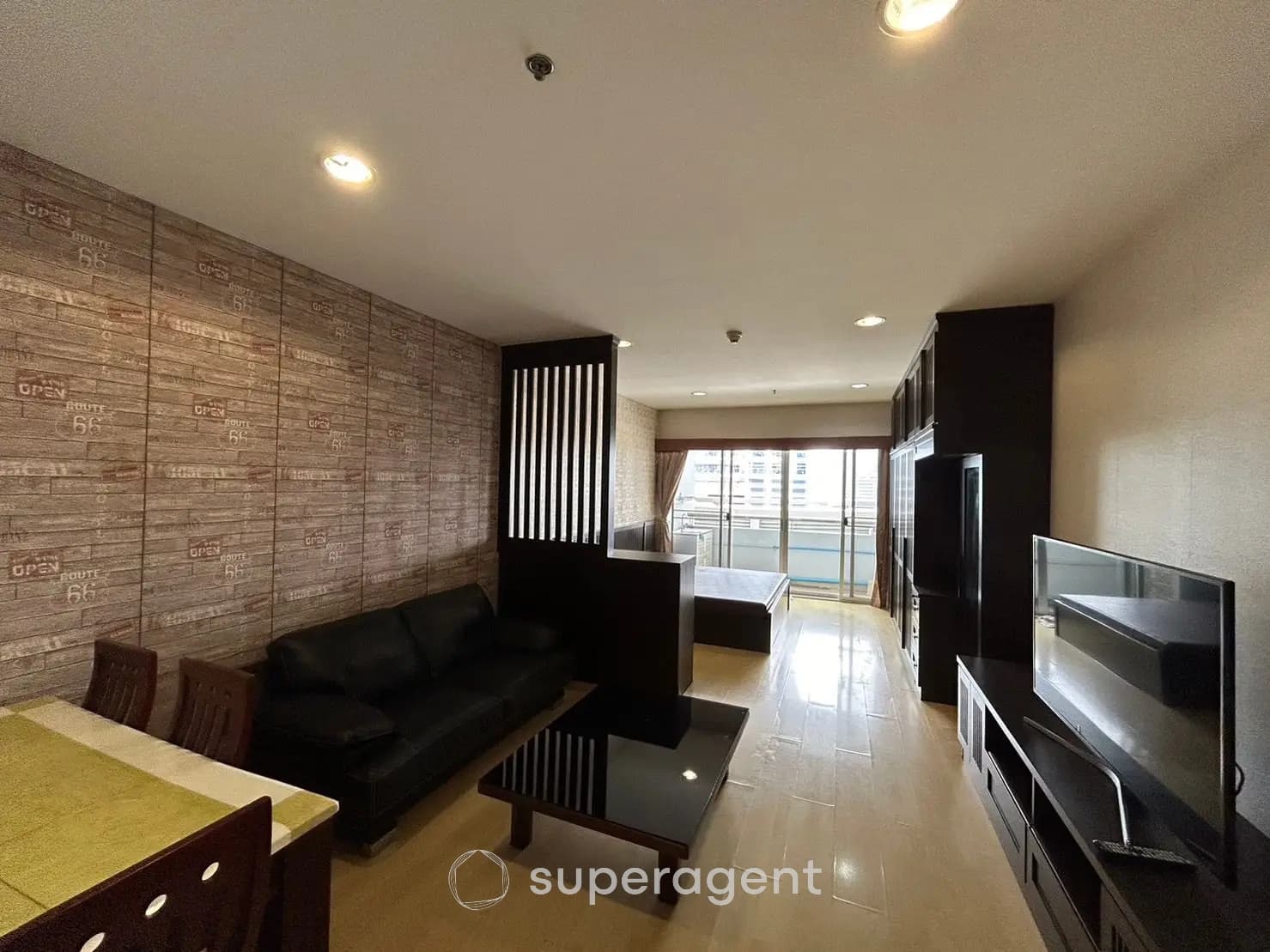
฿15,000
1 Bed145 sqm
1-BR Condo at The Platinum Condominium near ARL Ratchaprarop
Condo![[For Rent] CONDO I Park 24 I Studio I 1 Bath I 25,000THB/mo](/_next/image?url=https%3A%2F%2Fstorage.googleapis.com%2Fsuperagent-web%2Fattachments%2Flistings%2F6747%2F99e94009-1261-4181-ab16-6c2c80017f7d-1130-2.jpg&w=3840&q=75)
฿25,000
Studio129 sqm
[For Rent] CONDO I Park 24 I Studio I 1 Bath I 25,000THB/mo
Phrom Phong
CondoMore like this
 In Market · Superagent EditorialApartment vs Condo in Bangkok: What Is the Real Difference and Which One Should You Rent?Bangkok apartments and condos differ in ownership, rent, utilities, maintenance and lease terms. Here is how to compare them before you sign.26 Jan 20191 min read
 In Market · Superagent EditorialRent or Buy a Condo in Bangkok: An Honest Financial BreakdownCompare the true cost of buying versus renting a Bangkok condo, from mortgage rates and common fees to rental yields and opportunity cost.25 Jan 20191 min read
 In Market · Superagent EditorialWhere Expats Rent Condos in Bangkok: The Top Neighborhoods and What They Really CostFrom Sukhumvit and Sathorn to Ari, On Nut and the riverside, see which Bangkok neighborhoods expats rent in and what monthly rent costs.19 Jan 20191 min read
 In Market · Superagent EditorialBangkok Condo Rents vs the World: How Cheap Is Bangkok Really?Compare Bangkok condo rents with Singapore, Tokyo, London, Paris, New York and Toronto, plus where Bangkok itself turns expensive.17 Jan 20191 min read