Ground Floor Condos for Rent in Bangkok: Pros and Cons You Need to Know
Neighborhoods
Ground Floor Condos for Rent in Bangkok: Pros and Cons You Need to Know
Discover the advantages and disadvantages of renting a ground floor condo before making your decision.
Summary
Learn about ground floor condo rentals in Bangkok, including key benefits like accessibility and drawbacks such as privacy concerns to help you choose wise
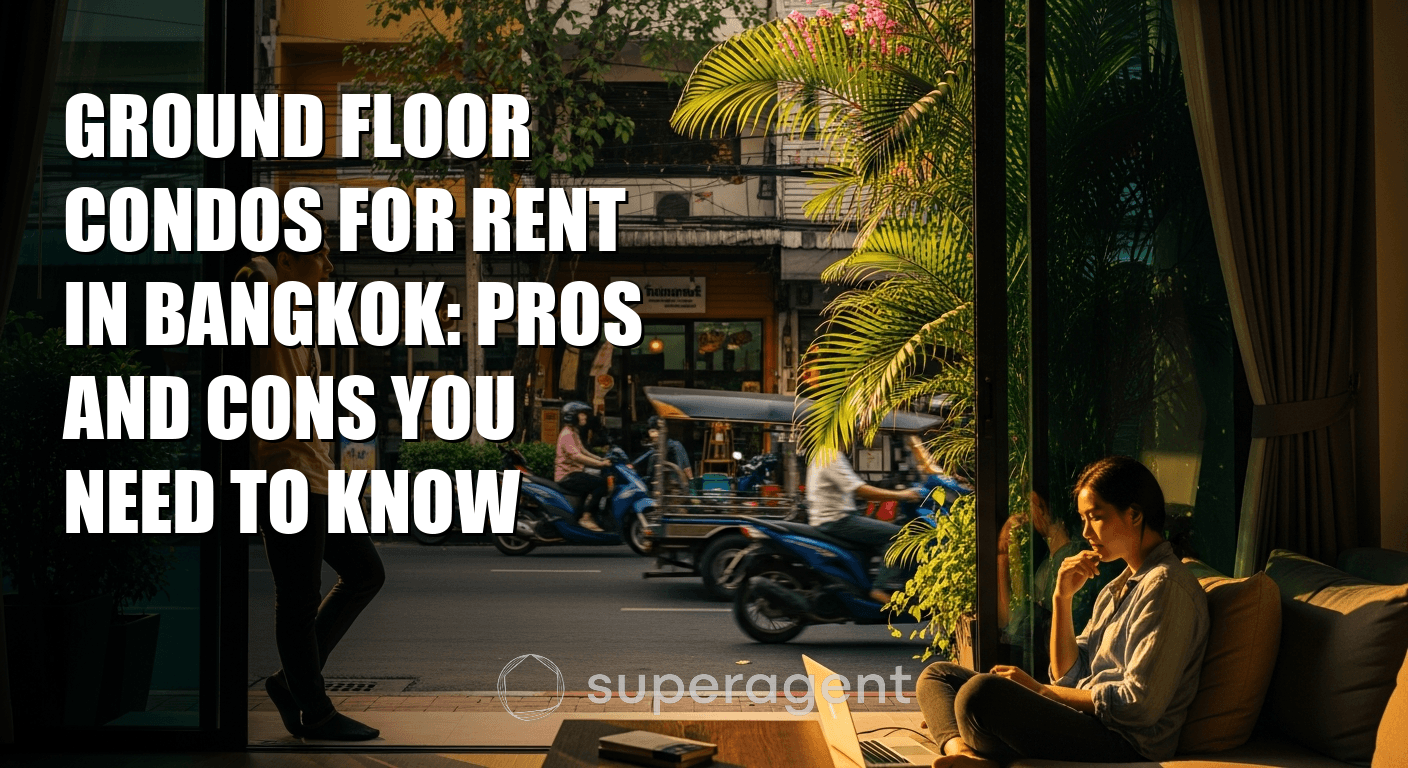
Ground floor condos in Bangkok are everywhere, and they're tempting, right? Lower price tags, easier access, no elevator waits. But before you sign that lease on a unit in Thonglor or Phrom Phong, you need to understand what you're actually getting into. Ground floor living in Bangkok is a specific lifestyle choice, and it comes with real trade-offs that hit differently depending on where you live and what you value.
I've seen plenty of expats and locals jump at ground floor deals only to regret it after a few months. Some handle it beautifully. Others? They're moving by year two. Let's talk about what actually matters when you're considering a ground floor condo in Bangkok.
The Security Reality You Need to Face
Here's the thing nobody wants to discuss at viewings. Ground floor units are exposed. Full stop. Your windows and doors are street-level, which means anyone walking past can see your stuff, your habits, and when you're home or out.
I watched a friend in a ground floor unit at a building near On Nut BTS get broken into twice in eighteen months. The first time they took a laptop and some cash left on the counter. The second time, they were actually home, asleep. Police said it happens more often with ground floors because the barriers to entry are literally non-existent compared to upper units.
Some buildings compensate with excellent security, extra cameras, and guards positioned strategically. Others don't. You absolutely need to ask: Does the building have 24/7 security? Are there cameras pointed at the unit's entrance and windows? How quickly does security respond to breaches? Walk around the building at night and actually look. Don't just trust what the agent tells you.
Noise, Traffic, and Everything That Happens Outside
Ground floor means street noise is your constant companion. In Bangkok, that's significant. You're hearing tuk-tuk engines, motorcycle taxis, construction, street vendors setting up, people shouting orders at delivery drivers, dogs barking, and music from nearby restaurants or bars until late.
If your unit faces a soi like Soi 49 in Thonglor, you're getting background noise 24/7. Even quieter neighborhoods like some parts of Ekkamai can hit you with unexpected loud construction at 8am on a Tuesday. Upper floors escape most of this. Ground floors don't.
The dust situation is also worse. Bangkok's air quality is already a conversation topic among expats, and ground floor units catch exhaust from vehicles directly. Your windows collect gray residue faster, and if you have allergies or respiratory sensitivity, this matters more than you'd think.
Moisture, Humidity, and Mold Issues Nobody Mentions
Ground floors in Bangkok deal with moisture in ways that upper units simply don't. When the rainy season hits, moisture seeps up from the ground, through concrete, and into your unit. The humidity in Bangkok is already brutal, but ground level amplifies it.
A unit I viewed near Ari BTS had visible mold in the corners despite looking clean at first glance. The landlord claimed it was just cosmetic, but once you've dealt with Bangkok humidity for a few years, you recognize moisture problems early. They're expensive to fix and frustrating to live with.
Make sure to check the building's foundation and waterproofing system. Ask the landlord or agent directly: Has moisture been an issue? How does the building manage rainy season water management? Check the walls yourself, especially near the corners and baseboards. Sometimes mold hides until you've already signed the lease.
The Price Difference Isn't Always Worth It
Ground floor units typically rent for 15 to 25 percent less than comparable units on higher floors. In numerical terms, that might be 12,000 to 15,000 baht monthly instead of 16,000 to 20,000 baht. The savings sound meaningful until you're dealing with constant noise at 2am or finding mold in your bedroom.
Calculate the actual cost of your peace of mind. If the price difference is saving you 3,000 to 5,000 baht per month but you're moving after a year because you can't handle it, that's not a savings. That's just wasted effort and moving costs. Sometimes paying more for a third or fourth floor unit is genuinely the smarter financial choice long-term.
When Ground Floor Actually Works Well
Ground floor units aren't universally bad. They work great for specific situations. If you have mobility issues or struggle with stairs and elevators, a ground floor unit with proper accessible design is genuinely valuable. If you're someone who entertains frequently and likes easy guest access, ground floor simplifies that logistics.
Ground floors in quieter residential areas like some parts of Ramintra or Ladprao neighborhoods, away from main roads and BTS stations, can be perfectly fine. The difference between a ground floor on Sukhumvit Road versus a ground floor on a quiet residential soi is massive.
If a building has excellent soundproofing, strong security measures, and sits on a quiet street, ground floor can actually offer good value. You get lower rent without major compromises. Just don't assume all ground floors are created equal.
Making Your Final Decision
Before signing anything, spend time in the unit during different hours. Visit in the evening around 7pm to feel the noise level. Check the morning too, around 8am. Walk around the building exterior and look for water stains, moisture damage, or security gaps. Ask the current tenant, if you can, what their actual experience has been.
Ground floor living in Bangkok works for some people and is miserable for others. The rent savings only matter if you can actually enjoy living there. If you're someone who values quiet, privacy, and peace of mind, an upper floor unit might save you money in the long run, because you won't be searching for a new place after six months.
When you're ready to explore available units, ground floor or otherwise, check out Superagent.co. You can filter by floor level, neighborhood, and price range, and connect with verified landlords who can answer your specific questions about what a unit actually feels like to live in day-to-day.
Ground floor condos in Bangkok are everywhere, and they're tempting, right? Lower price tags, easier access, no elevator waits. But before you sign that lease on a unit in Thonglor or Phrom Phong, you need to understand what you're actually getting into. Ground floor living in Bangkok is a specific lifestyle choice, and it comes with real trade-offs that hit differently depending on where you live and what you value.
I've seen plenty of expats and locals jump at ground floor deals only to regret it after a few months. Some handle it beautifully. Others? They're moving by year two. Let's talk about what actually matters when you're considering a ground floor condo in Bangkok.
The Security Reality You Need to Face
Here's the thing nobody wants to discuss at viewings. Ground floor units are exposed. Full stop. Your windows and doors are street-level, which means anyone walking past can see your stuff, your habits, and when you're home or out.
I watched a friend in a ground floor unit at a building near On Nut BTS get broken into twice in eighteen months. The first time they took a laptop and some cash left on the counter. The second time, they were actually home, asleep. Police said it happens more often with ground floors because the barriers to entry are literally non-existent compared to upper units.
Some buildings compensate with excellent security, extra cameras, and guards positioned strategically. Others don't. You absolutely need to ask: Does the building have 24/7 security? Are there cameras pointed at the unit's entrance and windows? How quickly does security respond to breaches? Walk around the building at night and actually look. Don't just trust what the agent tells you.
Noise, Traffic, and Everything That Happens Outside
Ground floor means street noise is your constant companion. In Bangkok, that's significant. You're hearing tuk-tuk engines, motorcycle taxis, construction, street vendors setting up, people shouting orders at delivery drivers, dogs barking, and music from nearby restaurants or bars until late.
If your unit faces a soi like Soi 49 in Thonglor, you're getting background noise 24/7. Even quieter neighborhoods like some parts of Ekkamai can hit you with unexpected loud construction at 8am on a Tuesday. Upper floors escape most of this. Ground floors don't.
The dust situation is also worse. Bangkok's air quality is already a conversation topic among expats, and ground floor units catch exhaust from vehicles directly. Your windows collect gray residue faster, and if you have allergies or respiratory sensitivity, this matters more than you'd think.
Moisture, Humidity, and Mold Issues Nobody Mentions
Ground floors in Bangkok deal with moisture in ways that upper units simply don't. When the rainy season hits, moisture seeps up from the ground, through concrete, and into your unit. The humidity in Bangkok is already brutal, but ground level amplifies it.
A unit I viewed near Ari BTS had visible mold in the corners despite looking clean at first glance. The landlord claimed it was just cosmetic, but once you've dealt with Bangkok humidity for a few years, you recognize moisture problems early. They're expensive to fix and frustrating to live with.
Make sure to check the building's foundation and waterproofing system. Ask the landlord or agent directly: Has moisture been an issue? How does the building manage rainy season water management? Check the walls yourself, especially near the corners and baseboards. Sometimes mold hides until you've already signed the lease.
The Price Difference Isn't Always Worth It
Ground floor units typically rent for 15 to 25 percent less than comparable units on higher floors. In numerical terms, that might be 12,000 to 15,000 baht monthly instead of 16,000 to 20,000 baht. The savings sound meaningful until you're dealing with constant noise at 2am or finding mold in your bedroom.
Talk to us about renting
Share your details and keep reading — we’ll get back to you.
Calculate the actual cost of your peace of mind. If the price difference is saving you 3,000 to 5,000 baht per month but you're moving after a year because you can't handle it, that's not a savings. That's just wasted effort and moving costs. Sometimes paying more for a third or fourth floor unit is genuinely the smarter financial choice long-term.
When Ground Floor Actually Works Well
Ground floor units aren't universally bad. They work great for specific situations. If you have mobility issues or struggle with stairs and elevators, a ground floor unit with proper accessible design is genuinely valuable. If you're someone who entertains frequently and likes easy guest access, ground floor simplifies that logistics.
Ground floors in quieter residential areas like some parts of Ramintra or Ladprao neighborhoods, away from main roads and BTS stations, can be perfectly fine. The difference between a ground floor on Sukhumvit Road versus a ground floor on a quiet residential soi is massive.
If a building has excellent soundproofing, strong security measures, and sits on a quiet street, ground floor can actually offer good value. You get lower rent without major compromises. Just don't assume all ground floors are created equal.
Making Your Final Decision
Before signing anything, spend time in the unit during different hours. Visit in the evening around 7pm to feel the noise level. Check the morning too, around 8am. Walk around the building exterior and look for water stains, moisture damage, or security gaps. Ask the current tenant, if you can, what their actual experience has been.
Ground floor living in Bangkok works for some people and is miserable for others. The rent savings only matter if you can actually enjoy living there. If you're someone who values quiet, privacy, and peace of mind, an upper floor unit might save you money in the long run, because you won't be searching for a new place after six months.
When you're ready to explore available units, ground floor or otherwise, check out Superagent.co. You can filter by floor level, neighborhood, and price range, and connect with verified landlords who can answer your specific questions about what a unit actually feels like to live in day-to-day.
Share this article
Properties you may like
![[For Rent] CONDO I The Room 69 I 1 Bed I 1 Bath I 35,000THB/mo](/_next/image?url=https%3A%2F%2Fstorage.googleapis.com%2Fsuperagent-web%2Fattachments%2Flistings%2F6756%2F445213f0-c378-46a2-b3fe-7a5ba62b623f-1135-1.jpg&w=3840&q=75)
฿35,000
1 Bed144.7 sqm
[For Rent] CONDO I The Room 69 I 1 Bed I 1 Bath I 35,000THB/mo
Condo![[For Rent] HOUSE I Mantana Bangna Km.7 I 3 BedsI 3 Baths I 68,000THB/mo](/_next/image?url=https%3A%2F%2Fstorage.googleapis.com%2Fsuperagent-web%2Fattachments%2Flistings%2F6755%2F673e8400-a19a-43b4-b994-7c0d717c8d40-1128-4.jpg&w=3840&q=75)
฿68,000
3 Bed3172 sqm
[For Rent] HOUSE I Mantana Bangna Km.7 I 3 BedsI 3 Baths I 68,000THB/mo
Bang Na
House![[For Rent] CONDO I Rhythm Sukhumvit 42 I 1 Bed I 1 Bath I 40,000THB/mo](/_next/image?url=https%3A%2F%2Fstorage.googleapis.com%2Fsuperagent-web%2Fattachments%2Flistings%2F6754%2F8bbb6bb3-98f5-49b6-8b48-0c2321f81b70-1127-3.jpg&w=3840&q=75)
฿40,000
1 Bed148 sqm
[For Rent] CONDO I Rhythm Sukhumvit 42 I 1 Bed I 1 Bath I 40,000THB/mo
Ekkamai
Condo![[For Rent&Sale] CONDO I The Waterford Sukhumvit 50 I Pet Friendly I 2 Beds I 2 Baths I Rent 50,000THB/mo - Sale 9mb THB](/_next/image?url=https%3A%2F%2Fstorage.googleapis.com%2Fsuperagent-web%2Fattachments%2Flistings%2F6753%2F9b31da57-144a-4728-bac2-010477b1614d-112-5.jpg&w=3840&q=75)
฿50,000
2 Bed292 sqm
[For Rent&Sale] CONDO I The Waterford Sukhumvit 50 I Pet Friendly I 2 Beds I 2 Baths I Rent 50,000THB/mo - Sale 9mb THB
On Nut
Condo![[For Rent&Sale] HOUSE I Perfect Masterpiece Rama 9–Krungthep Kreetha I 5 Beds I 6 Baths I Rent 400,000THB/mo - Sale 70 ล้านบาท](/_next/image?url=https%3A%2F%2Fstorage.googleapis.com%2Fsuperagent-web%2Fattachments%2Flistings%2F6752%2F1f1b4e6f-23df-48bb-a7ea-7a3252f44588-1125-1.jpg&w=3840&q=75)
฿400,000
5 Bed+6700 sqm
[For Rent&Sale] HOUSE I Perfect Masterpiece Rama 9–Krungthep Kreetha I 5 Beds I 6 Baths I Rent 400,000THB/mo - Sale 70 ล้านบาท
Condo![[For Rent] CONDO I Ashton Asoke I 3 Beds I 3 Baths I 100,000THB/mo](/_next/image?url=https%3A%2F%2Fstorage.googleapis.com%2Fsuperagent-web%2Fattachments%2Flistings%2F6751%2F5e37d6d9-2e62-43e6-b358-15d8b92aad47-1124.jpg&w=3840&q=75)
฿100,000
3 Bed3100 sqm
[For Rent] CONDO I Ashton Asoke I 3 Beds I 3 Baths I 100,000THB/mo
Asoke
Condo![[For Rent&Sale] CONDO I TC Green Rama 9 I 1 Bed I 1 Bath I Rent 15,000THB/mo - Sale 2.8mb THB](/_next/image?url=https%3A%2F%2Fstorage.googleapis.com%2Fsuperagent-web%2Fattachments%2Flistings%2F6750%2F47e9c291-b440-4d94-8168-c22bdaf34baf-1123-1.jpg&w=3840&q=75)
฿15,000
1 Bed139 sqm
[For Rent&Sale] CONDO I TC Green Rama 9 I 1 Bed I 1 Bath I Rent 15,000THB/mo - Sale 2.8mb THB
Rama 9
Condo![[For Rent&Sale] CONDO I Riviera 4 I 2 Beds I 2 Baths I Rent 18,000THB/mo - Sale 3.2mb THB](/_next/image?url=https%3A%2F%2Fstorage.googleapis.com%2Fsuperagent-web%2Fattachments%2Flistings%2F6748%2F5a58104a-d990-4793-8366-1acd0390940b-1121-6.jpg&w=3840&q=75)
฿18,000
2 Bed290 sqm
[For Rent&Sale] CONDO I Riviera 4 I 2 Beds I 2 Baths I Rent 18,000THB/mo - Sale 3.2mb THB
Condo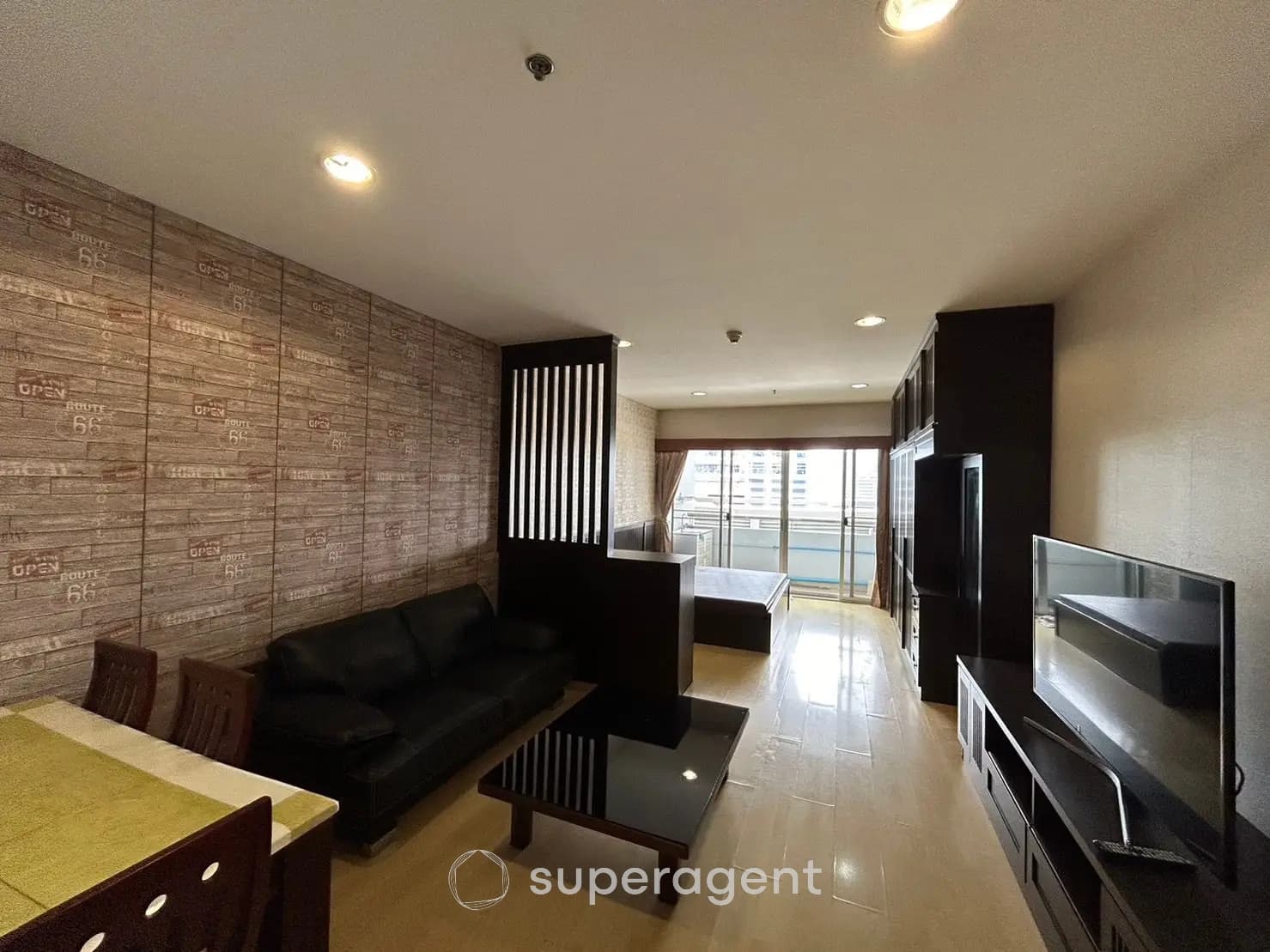
฿15,000
1 Bed145 sqm
1-BR Condo at The Platinum Condominium near ARL Ratchaprarop
Condo![[For Rent] CONDO I Park 24 I Studio I 1 Bath I 25,000THB/mo](/_next/image?url=https%3A%2F%2Fstorage.googleapis.com%2Fsuperagent-web%2Fattachments%2Flistings%2F6747%2F99e94009-1261-4181-ab16-6c2c80017f7d-1130-2.jpg&w=3840&q=75)
฿25,000
Studio129 sqm
[For Rent] CONDO I Park 24 I Studio I 1 Bath I 25,000THB/mo
Phrom Phong
CondoMore like this
 In Neighborhoods · Superagent EditorialCondos Near MRT Tha Phra: Why Bangkok's West Side Beats the East Side on RentOne-bedroom condos near MRT Tha Phra rent for 8,000 to 15,000 THB, 40 to 60 percent below Sukhumvit, with BTS and MRT interchange access.13 Dec 20181 min read
 In Neighborhoods · Superagent EditorialCondos Near MRT Bang Sue: The Interchange Neighborhood Most Bangkok Renters OverlookCondos near MRT Bang Sue rent for 8,000 to 15,000 THB, with Blue and Purple Line interchange access and Krung Thep Aphiwat Central Terminal.12 Dec 20181 min read
 In Neighborhoods · Superagent EditorialCondos Near MRT Lat Phrao: Blue Line Rents, Buildings and Neighborhood GuideA practical guide to renting near MRT Lat Phrao, with one-bedroom rents from 10,000 THB, top condo buildings compared and neighborhood tips.6 Dec 20181 min read
 In Neighborhoods · Superagent EditorialCondos Near MRT Ratchadaphisek: Rental Prices, Buildings and Life in Bangkok's Entertainment CorridorRents near MRT Ratchadaphisek run 12,000 to 22,000 THB for a one bedroom, with Blue Line access, Jodd Fairs and building comparisons.5 Dec 20181 min read