How to Cancel a Condo Rental Contract Early: Steps and Costs
Guides
How to Cancel a Condo Rental Contract Early: Steps and Costs
Learn the legal requirements and financial penalties for breaking your Bangkok condo lease.

Summary
Breaking a condo lease early involves understanding Thai rental law and potential penalties. This guide explains the process for and
You've signed a one-year lease on a nice 2-bedroom condo in Ari near BTS Ari station, paid your deposits and first month's rent. Six months in, your company suddenly transfers you back to your home country. Or maybe you found a better place in Thonglor and want to move. Either way, breaking your rental contract early in Bangkok feels like you're trapped. The good news? It's actually doable, though it'll cost you something.
Breaking a condo lease before your contract ends is one of the most common rental headaches in Bangkok, but way more people do it successfully than you'd think. The key is understanding what the contract actually says, knowing the Thai rental laws, and being prepared for what landlords typically ask for. I've seen people walk away with minimal penalties and others lose serious money, all because of how they handled it upfront.
Understanding Your Contract Terms First
The first thing you need to do, right now, is dig out your rental agreement. I know it sounds obvious, but most people don't actually reread it when they decide to leave. Your contract probably has a clause about early termination or contract cancellation. This is where everything starts.
Thai law doesn't automatically protect you if you want out early. What protects you or stings you is what's written in that contract. Some agreements explicitly state you can cancel with one month's notice and lose one month's rent. Others say you forfeit two months' rent as penalty. Some landlords demand the full remaining lease value. The variation is huge.
For example, if you rented a one-bedroom in Pratunam for 18,000 baht per month with a one-year lease, your contract might say breaking early costs you two months' rent (36,000 baht total). Another landlord in the same area might only charge one month. Read your contract carefully first, because this determines everything else.
What Thai Rental Law Actually Says
Thailand's Civil and Commercial Code addresses rental contracts, but here's the thing: the law is less strict than what many landlords put in their contracts. Legally speaking, if your lease term is fixed, you generally cannot break it without the landlord's permission unless you have a serious reason (like the property becomes uninhabitable).
That said, landlords can agree to let you out early. The law doesn't forbid it. What the law does is say that if you break without permission, the landlord can sue you for damages. In practice, most landlords would rather work out a penalty agreement than deal with legal action, especially since pursuing it in Thai courts takes time and money.
The realistic situation is this: you and your landlord negotiate. Your contract terms are the starting point, but everything is negotiable if both parties want to settle it quickly and cleanly.
Common Financial Penalties in Bangkok
Based on how most Bangkok rentals work, here's what you'll typically encounter. The most common penalty is one to two months' rent. If you're in a modern managed condo like those in Nana or Ekkamai, landlords tend to stick closer to contract terms, so expect to lose whatever the agreement states.
In older apartment buildings or if you're renting directly from an owner, there's more room to negotiate. Some owners will accept one month's notice plus one month's rent as penalty. Others want a full two months' notice to find a replacement tenant plus a penalty month. A few, honestly, will fight you on it and demand more.
Example: You're renting a nice 25,000 baht per month condo near BTS Phrom Phong with eight months left on your lease. Your contract says two-month penalty. You're looking at losing 50,000 baht, roughly. If you negotiate well and offer to help find the next tenant, some owners might reduce it to one month (25,000 baht). Worth trying.
How to Actually Break Your Lease
Step one: Read your contract thoroughly and understand exactly what it says about early termination. Write down the specific terms. Step two: Check if you have legitimate grounds in the contract itself. Some leases allow breaks under specific circumstances.
Step three: Contact your landlord or property manager in writing (LINE messages count, but email or a registered letter is better). Be honest and direct. Don't make excuses. Just say you need to break the lease and ask what options are available. Keep your tone professional and friendly.
Step four: Negotiate if needed. Reference your contract, propose a timeline, and offer solutions like helping them find a new tenant. Most Bangkok landlords are reasonable if you approach this properly.
Step five: Once you agree on terms, get it in writing. A simple one-page agreement signed by both you and the landlord stating the penalty, the move-out date, and how your deposit will be handled works perfectly. This protects both of you.
Practical Steps to Reduce Your Penalty
You don't have to just accept whatever number the landlord throws out. Here are moves that actually work in Bangkok. First, offer to find your replacement tenant. If you can introduce someone ready to sign, most landlords will reduce your penalty significantly, sometimes to just your remaining deposit.
Second, provide extra notice beyond what the contract requires. If you have six months left and you're giving three months' notice, that's valuable to a landlord who needs time to market the unit. Many will reward this with a reduced penalty.
Third, ask if they'll let you sublet for the remaining term instead of breaking the lease. Some contracts allow this. You'd keep paying rent to the landlord, but get a subtenant paying you. This way, the landlord keeps their tenant (you, technically) and you're not the one living there.
Fourth, understand that deposit negotiations happen now. Tell the landlord upfront that you'll apply your deposit against the penalty, rather than asking for it back separately. This simplifies things and often brings the actual cash cost down.
Your Move-Out Checklist
Once you've settled the terms, don't leave anything to chance. Get a walk-through inspection with the landlord or property manager. Take photos of the condition. Agree on any damage costs before you leave, not after. In Bangkok condos, landlords sometimes claim damages after tenants depart, and it becomes a nightmare to dispute.
Return all keys, access cards, and remotes. Pay any outstanding utilities. Get written confirmation that your deposit will be returned within the agreed timeframe, minus the penalty amount. Thai landlords typically return deposits within a few weeks, but get it in writing.
If there's any damage you're responsible for, agree on the repair cost upfront. Don't assume small things like scuffed walls or a broken cabinet won't be charged. Some landlords are strict about this.
Breaking a condo lease early in Bangkok is annoying but totally manageable if you handle it right. Read your contract, communicate clearly, negotiate reasonably, and get everything in writing. Most people who struggle did one or two of these steps halfway. Do all of them, and you'll walk away cleanly.
When you're looking for your next place in Bangkok, whether you're staying longer this time or keeping your options open, Superagent.co makes finding and managing a rental way simpler. Clear listings, transparent pricing, and a platform built for people who actually live in Bangkok. Check it out.
You've signed a one-year lease on a nice 2-bedroom condo in Ari near BTS Ari station, paid your deposits and first month's rent. Six months in, your company suddenly transfers you back to your home country. Or maybe you found a better place in Thonglor and want to move. Either way, breaking your rental contract early in Bangkok feels like you're trapped. The good news? It's actually doable, though it'll cost you something.
Breaking a condo lease before your contract ends is one of the most common rental headaches in Bangkok, but way more people do it successfully than you'd think. The key is understanding what the contract actually says, knowing the Thai rental laws, and being prepared for what landlords typically ask for. I've seen people walk away with minimal penalties and others lose serious money, all because of how they handled it upfront.
Understanding Your Contract Terms First
The first thing you need to do, right now, is dig out your rental agreement. I know it sounds obvious, but most people don't actually reread it when they decide to leave. Your contract probably has a clause about early termination or contract cancellation. This is where everything starts.
Thai law doesn't automatically protect you if you want out early. What protects you or stings you is what's written in that contract. Some agreements explicitly state you can cancel with one month's notice and lose one month's rent. Others say you forfeit two months' rent as penalty. Some landlords demand the full remaining lease value. The variation is huge.
Continue reading after that.
Looking for a condo
to rent?
Leave your name and phone. We'll follow up while you keep reading.
100% Secure
Fast Response
Free Consultation
For example, if you rented a one-bedroom in Pratunam for 18,000 baht per month with a one-year lease, your contract might say breaking early costs you two months' rent (36,000 baht total). Another landlord in the same area might only charge one month. Read your contract carefully first, because this determines everything else.
What Thai Rental Law Actually Says
Thailand's Civil and Commercial Code addresses rental contracts, but here's the thing: the law is less strict than what many landlords put in their contracts. Legally speaking, if your lease term is fixed, you generally cannot break it without the landlord's permission unless you have a serious reason (like the property becomes uninhabitable).
That said, landlords can agree to let you out early. The law doesn't forbid it. What the law does is say that if you break without permission, the landlord can sue you for damages. In practice, most landlords would rather work out a penalty agreement than deal with legal action, especially since pursuing it in Thai courts takes time and money.
The realistic situation is this: you and your landlord negotiate. Your contract terms are the starting point, but everything is negotiable if both parties want to settle it quickly and cleanly.
Common Financial Penalties in Bangkok
Based on how most Bangkok rentals work, here's what you'll typically encounter. The most common penalty is one to two months' rent. If you're in a modern managed condo like those in Nana or Ekkamai, landlords tend to stick closer to contract terms, so expect to lose whatever the agreement states.
In older apartment buildings or if you're renting directly from an owner, there's more room to negotiate. Some owners will accept one month's notice plus one month's rent as penalty. Others want a full two months' notice to find a replacement tenant plus a penalty month. A few, honestly, will fight you on it and demand more.
Example: You're renting a nice 25,000 baht per month condo near BTS Phrom Phong with eight months left on your lease. Your contract says two-month penalty. You're looking at losing 50,000 baht, roughly. If you negotiate well and offer to help find the next tenant, some owners might reduce it to one month (25,000 baht). Worth trying.
How to Actually Break Your Lease
Step one: Read your contract thoroughly and understand exactly what it says about early termination. Write down the specific terms. Step two: Check if you have legitimate grounds in the contract itself. Some leases allow breaks under specific circumstances.
Step three: Contact your landlord or property manager in writing (LINE messages count, but email or a registered letter is better). Be honest and direct. Don't make excuses. Just say you need to break the lease and ask what options are available. Keep your tone professional and friendly.
Step four: Negotiate if needed. Reference your contract, propose a timeline, and offer solutions like helping them find a new tenant. Most Bangkok landlords are reasonable if you approach this properly.
Step five: Once you agree on terms, get it in writing. A simple one-page agreement signed by both you and the landlord stating the penalty, the move-out date, and how your deposit will be handled works perfectly. This protects both of you.
Practical Steps to Reduce Your Penalty
You don't have to just accept whatever number the landlord throws out. Here are moves that actually work in Bangkok. First, offer to find your replacement tenant. If you can introduce someone ready to sign, most landlords will reduce your penalty significantly, sometimes to just your remaining deposit.
Continue reading after that.
Looking for a condo
to rent?
Leave your name and phone. We'll follow up while you keep reading.
100% Secure
Fast Response
Free Consultation
Second, provide extra notice beyond what the contract requires. If you have six months left and you're giving three months' notice, that's valuable to a landlord who needs time to market the unit. Many will reward this with a reduced penalty.
Third, ask if they'll let you sublet for the remaining term instead of breaking the lease. Some contracts allow this. You'd keep paying rent to the landlord, but get a subtenant paying you. This way, the landlord keeps their tenant (you, technically) and you're not the one living there.
Fourth, understand that deposit negotiations happen now. Tell the landlord upfront that you'll apply your deposit against the penalty, rather than asking for it back separately. This simplifies things and often brings the actual cash cost down.
Your Move-Out Checklist
Once you've settled the terms, don't leave anything to chance. Get a walk-through inspection with the landlord or property manager. Take photos of the condition. Agree on any damage costs before you leave, not after. In Bangkok condos, landlords sometimes claim damages after tenants depart, and it becomes a nightmare to dispute.
Return all keys, access cards, and remotes. Pay any outstanding utilities. Get written confirmation that your deposit will be returned within the agreed timeframe, minus the penalty amount. Thai landlords typically return deposits within a few weeks, but get it in writing.
If there's any damage you're responsible for, agree on the repair cost upfront. Don't assume small things like scuffed walls or a broken cabinet won't be charged. Some landlords are strict about this.
Breaking a condo lease early in Bangkok is annoying but totally manageable if you handle it right. Read your contract, communicate clearly, negotiate reasonably, and get everything in writing. Most people who struggle did one or two of these steps halfway. Do all of them, and you'll walk away cleanly.
When you're looking for your next place in Bangkok, whether you're staying longer this time or keeping your options open, Superagent.co makes finding and managing a rental way simpler. Clear listings, transparent pricing, and a platform built for people who actually live in Bangkok. Check it out.
Share this article
Properties you may like
![[For Rent] CONDO I Park Origin 24 I 2 Beds I 1 Baths I 48,000THB/mo](/_next/image?url=https%3A%2F%2Fstorage.googleapis.com%2Fsuperagent-web%2Fattachments%2Flistings%2F6890%2Ffb28cb5c-9a1b-424b-9b52-b844aeba7bf2-1291-1.jpg&w=3840&q=75)
฿48,000
2 Bed152.1 sqm
[For Rent] CONDO I Park Origin 24 I 2 Beds I 1 Baths I 48,000THB/mo
Phrom Phong
Condo![[For Rent] CONDO I Grand Parkview Asoke I 2 Beds I 1 Bath I 35,000THB/mo](/_next/image?url=https%3A%2F%2Fstorage.googleapis.com%2Fsuperagent-web%2Fattachments%2Flistings%2F6889%2F9cb3631b-7a06-4438-9425-a5c78df563d4-1303-1.jpg&w=3840&q=75)
฿35,000
2 Bed168.4 sqm
[For Rent] CONDO I Grand Parkview Asoke I 2 Beds I 1 Bath I 35,000THB/mo
Asoke
Condo![[For Rent] CONDO I Culture Thonglor I 1 Bed I 1 Bath I 22,000THB/mo](/_next/image?url=https%3A%2F%2Fstorage.googleapis.com%2Fsuperagent-web%2Fattachments%2Flistings%2F2271%2Fcb90f802-330c-49a2-a142-2e33a8127032-culture_thonglor_for_rent_02.jpg&w=3840&q=75)
฿22,000
1 Bed126 sqm
[For Rent] CONDO I Culture Thonglor I 1 Bed I 1 Bath I 22,000THB/mo
Thonglor
Condo
฿120,000
3 Bed3165 sqm
The Height Thonglor, 3BR 165 sq.m. 120K Show Unit Feel, Great Price, Rare Item in the Heart of Thonglor, Near BTS Thonglo
Condo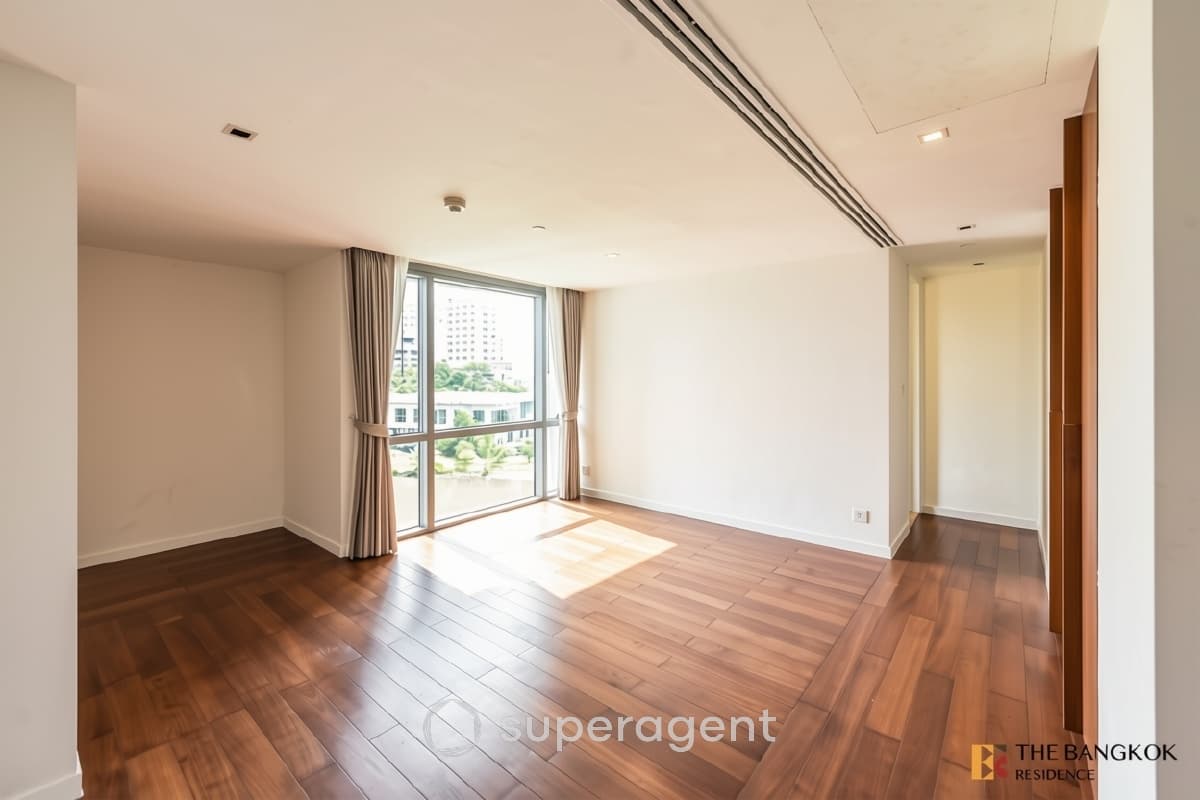
฿180,000
3 Bed4453 sqm
The Pano, 3BR 453sq.m. 180K Spacious Unit, Stunning Views
Condo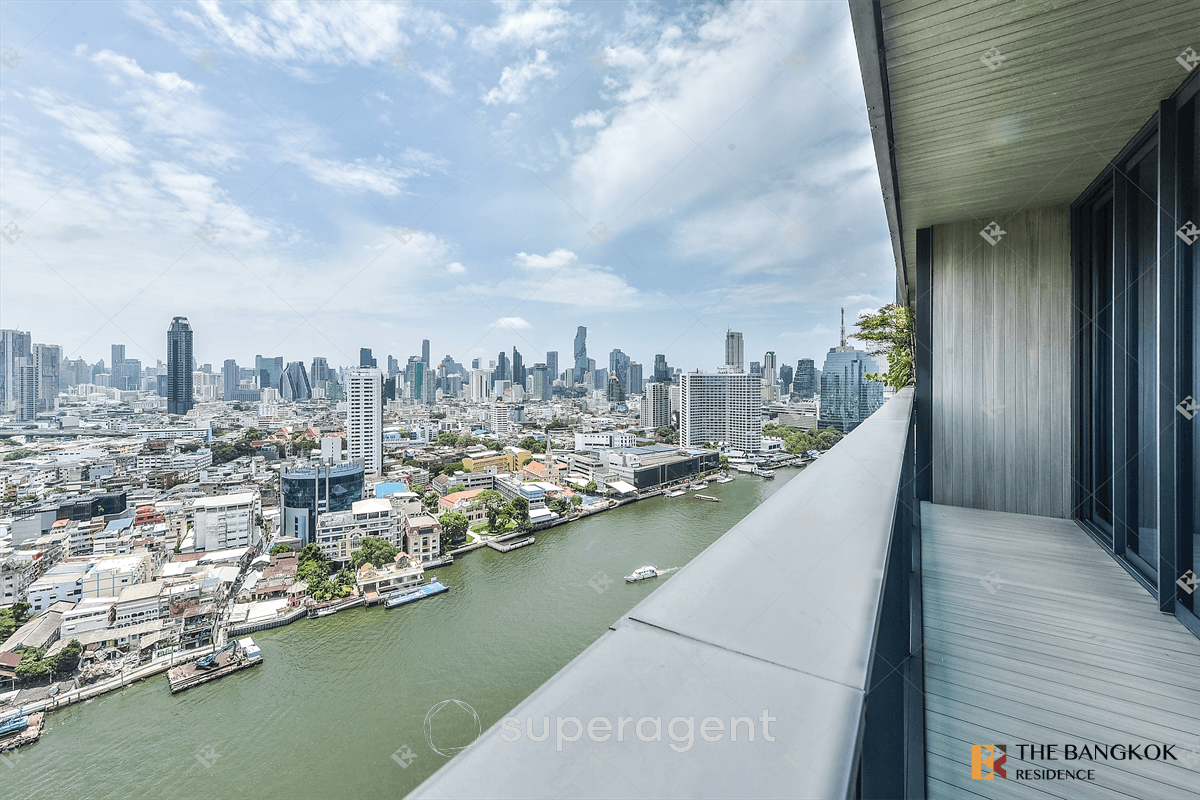
฿190,000
2 Bed2178.3 sqm
Banyan Tree Residence Riverside Bangkok, 2BR 178.34 sq.m. 190K Beautiful Fully Furnished Unit, Near BTS Saphan Taksin
Charoen Nakhon
Condo
฿59,000
1 Bed155.8 sqm
The Bangkok Thonglor, 1BR 55.8 sq.m. 59K, Premium High Floor Unit, Near BTS Thonglo
Thonglor
Condo![[For Rent] CONDO I Culture Chula I Duplex I 1 Bed I 1 Bath I 35,000THB/mo](/_next/image?url=https%3A%2F%2Fstorage.googleapis.com%2Fsuperagent-web%2Fattachments%2Flistings%2F6760%2F8deaff98-ecb1-4c62-b9be-aecac2f65797-1140-1.jpg&w=3840&q=75)
฿35,000
1 Bed138 sqm
[For Rent] CONDO I Culture Chula I Duplex I 1 Bed I 1 Bath I 35,000THB/mo
Siam
Condo![[For Rent] CONDO I Ideo Chula Samyan I 1 Bed I 1 Bath I 30,000THB/mo](/_next/image?url=https%3A%2F%2Fstorage.googleapis.com%2Fsuperagent-web%2Fattachments%2Flistings%2F6872%2Ff9ab570c-e4ca-41d6-90ee-a8e581218438-1271-8.jpg&w=3840&q=75)
฿30,000
1 Bed135 sqm
[For Rent] CONDO I Ideo Chula Samyan I 1 Bed I 1 Bath I 30,000THB/mo
Siam
Condo![[For Rent] TOWNHOME I Quarter 31 I 4 Beds I 5 Baths I 280,000THB/mo](/_next/image?url=https%3A%2F%2Fstorage.googleapis.com%2Fsuperagent-web%2Fattachments%2Flistings%2F1724%2Fb24f7c3a-8acd-49e4-ae85-6a31498207e4-600-2.jpg&w=3840&q=75)
฿280,000
4 Bed5425 sqm
[For Rent] TOWNHOME I Quarter 31 I 4 Beds I 5 Baths I 280,000THB/mo
Phrom Phong
CondoMore like this
 In Guides · Superagent EditorialHidden Costs of Renting a Condo in Bangkok Nobody Warns You AboutBangkok condo rent looks affordable until month one hits. Here are the real costs beyond the headline figure that catch most renters off guard.25 May 20261 min read
 In Guides · Superagent EditorialWhat a Long-Vacant Bangkok Condo Unit Is Actually Telling YouA Bangkok condo vacant for months signals overpricing, landlord issues, or real problems. Here is how to read the signs.25 May 20261 min read
 In Guides · Superagent EditorialRed Flags in a Bangkok Rental Contract to Watch Out ForBangkok rental contracts often hide risky clauses. Here are the red flags every tenant must catch before signing any lease.25 May 20261 min read
 In Guides · Superagent EditorialWorking Online from a Condo: How to Choose the Perfect Room for ProductivityLearn how to choose the best condo room for working online with tips on lighting, noise, and furniture setup to maximize productivity.9 May 20261 min read