How to Move Out of a Condo and Get Your Full Deposit Back: Complete Checklist
Guides
How to Move Out of a Condo and Get Your Full Deposit Back: Complete Checklist
Master the condo move-out process with our complete guide to recovering your full security deposit.
Summary
Learn how to move out of a condo and get your full deposit back with our comprehensive checklist. Follow expert tips to avoid deductions and reclaim your m
Moving out of your condo in Bangkok can feel like a minefield. You've paid your deposit, lived there for a year or two, and now you're ready to leave. But will you actually get that security deposit back? The short answer: yes, if you follow the right steps. The longer answer: most Bangkok renters leave money on the table because they don't know what landlords are actually looking for when they inspect the place.
I've talked to dozens of expats and local professionals who lost thousands of baht in deposits because they didn't understand Thai condo standards or didn't prepare properly. Some landlords are reasonable. Others use deposits as hidden profit. The difference between losing your money and getting it back often comes down to knowing exactly what to check, when to check it, and how to document everything. This checklist will walk you through the whole process, from day one of your tenancy to the final inspection.
Start Documenting on Move In Day
The biggest mistake Thai renters make is assuming the final walkthrough matters more than the first one. It doesn't. Your move in day is everything. The moment you get your keys, you need to photograph and film every room, every wall, every appliance, and every corner of that condo.
Take photos in good daylight. Document any existing scratches on walls, scuff marks on floors, broken handles, stained upholstery, or appliance damage. Take videos walking through each room slowly. Timestamp everything if possible. If your condo is in Phrom Phong or Asok area near the BTS, the building manager might help you document condition, but don't rely on that. Do your own documentation. Save all these files somewhere secure, ideally backed up to cloud storage.
Then request a written condition report from your landlord or property management company. Have them sign it. This becomes your baseline. When you move out nine months or two years later, you'll compare your final photos to these original ones. Any damage that existed on day one is not your responsibility.
Know What Costs Are Legitimate and What Aren't
Thai landlords can legally deduct from your deposit for three things: actual damage beyond normal wear and tear, unpaid utilities, and unpaid rent. Normal wear and tear is the key phrase. Worn carpet from walking on it for two years is normal. A giant rip you made while moving furniture is not.
Paint fading from sunlight over time is normal wear. Walls covered in holes from hanging pictures everywhere is not. Small marks on walls from daily living are normal. Deep gouges or large patches of missing paint are not. A landlord can charge you to repaint if damage goes beyond normal use, but they cannot charge you just because the unit is old.
A typical repainting cost in Bangkok runs between 3,000 to 8,000 baht per room depending on size and location. In a condo near Chit Lom or Ploenchit, you might see higher rates. Know this figure before your final inspection so you understand if a deduction is reasonable or inflated.
Deep Clean Your Unit at Least Two Weeks Before Moving Out
This is where renters actually get their deposits back. A truly clean condo makes landlords much more lenient with small issues. Hire a professional cleaning service. This costs around 1,500 to 3,000 baht for a one bedroom unit, or 3,000 to 5,000 baht for a two bedroom, depending on the neighborhood and how dirty it is.
Professional cleaners know what landlords care about. They'll clean inside appliances, descale showerheads, remove stubborn stains, wipe down cabinets, and polish everything. They'll focus on things most people miss like window tracks, light fixtures, and the tops of fans. Two weeks before you leave gives you time to fix any issues they uncover and get a second clean if needed.
After the professional clean, do your own final check. Walk every room again. Use a bright flashlight and look at baseboards, corners, and shelves. Check for spider webs, dust, or marks you missed. This takes time but it's worth thousands of baht in deposit money.
Handle All Utility Payments and Final Readings
Before your final walkthrough, you need to get final meter readings for water and electricity. This is non negotiable. Schedule this with the building management office at least one week before your move out date. They'll send someone to photograph and record your final usage. You'll receive a final bill for any outstanding utilities.
Pay this bill immediately. Do not wait. Keep the receipt and have the landlord or manager initial it as proof payment. Many Bangkok condo buildings use a central billing system where utilities are included in rent, but others don't. Check your original lease to understand your building's system.
If you live in a building in Ekkamai or On Nut where utilities are separate, this is especially important. A single unpaid water or electricity bill can justify deducting 500 to 1,000 baht from your deposit. Some landlords claim larger amounts if multiple months are outstanding.
Request the Final Inspection at Least One Week in Advance
Don't surprise your landlord with a move out date. Give them formal written notice at least 30 days before you leave, as specified in your lease. Then specifically request a final walkthrough inspection at least one week before your move out date. Give them three possible time slots if you can.
During the final walkthrough, the landlord or their representative will photograph the unit and check against the original condition report. Bring your own copies of the before photos. If they claim damage that wasn't there originally, you can show them proof. Stay calm. Be professional. Take notes of everything they point out.
If they demand deductions for damage you dispute, ask them to explain the deduction in writing with supporting photos. Do not accept an oral explanation. This protects you and forces them to justify their claim on paper. Some landlords back down when asked for written justification because they know their claims won't hold up.
Get Everything in Writing and Keep All Documents
After your final inspection, you should receive a written list of any deductions with photographs and amounts clearly itemized. Review this carefully. Cross reference against your original move in photos. If deductions seem unreasonable, you have the right to dispute them.
Contact your landlord in writing, email preferred, explaining your dispute. Attach your original photos as evidence. If they're unwilling to negotiate, you can escalate to the building management office, though this rarely leads anywhere. In extreme cases, you can pursue small claims, but this costs time and money most Bangkok renters aren't willing to spend.
Keep every receipt, email, photo, utility bill, and inspection report for at least six months after moving out. Store them digitally. If you move to a different condo through Superagent or find another rental, you'll want documentation for your next landlord as well.
Getting your full deposit back comes down to preparation, documentation, and cleanliness. Start the process on day one, not on your last day. Know what legitimate deductions are and what aren't. Clean professionally and thoroughly. Handle utilities properly. Then document everything in writing. Most landlords will return your full deposit if they see you've taken care of the unit and followed proper procedures. The deposit system works fairly when both sides know the rules.
Moving out of your condo in Bangkok can feel like a minefield. You've paid your deposit, lived there for a year or two, and now you're ready to leave. But will you actually get that security deposit back? The short answer: yes, if you follow the right steps. The longer answer: most Bangkok renters leave money on the table because they don't know what landlords are actually looking for when they inspect the place.
I've talked to dozens of expats and local professionals who lost thousands of baht in deposits because they didn't understand Thai condo standards or didn't prepare properly. Some landlords are reasonable. Others use deposits as hidden profit. The difference between losing your money and getting it back often comes down to knowing exactly what to check, when to check it, and how to document everything. This checklist will walk you through the whole process, from day one of your tenancy to the final inspection.
Start Documenting on Move In Day
The biggest mistake Thai renters make is assuming the final walkthrough matters more than the first one. It doesn't. Your move in day is everything. The moment you get your keys, you need to photograph and film every room, every wall, every appliance, and every corner of that condo.
Take photos in good daylight. Document any existing scratches on walls, scuff marks on floors, broken handles, stained upholstery, or appliance damage. Take videos walking through each room slowly. Timestamp everything if possible. If your condo is in Phrom Phong or Asok area near the BTS, the building manager might help you document condition, but don't rely on that. Do your own documentation. Save all these files somewhere secure, ideally backed up to cloud storage.
Continue reading after that.
Looking for a condo
to rent?
Leave your name and phone. We'll follow up while you keep reading.
100% Secure
Fast Response
Free Consultation
Then request a written condition report from your landlord or property management company. Have them sign it. This becomes your baseline. When you move out nine months or two years later, you'll compare your final photos to these original ones. Any damage that existed on day one is not your responsibility.
Know What Costs Are Legitimate and What Aren't
Thai landlords can legally deduct from your deposit for three things: actual damage beyond normal wear and tear, unpaid utilities, and unpaid rent. Normal wear and tear is the key phrase. Worn carpet from walking on it for two years is normal. A giant rip you made while moving furniture is not.
Paint fading from sunlight over time is normal wear. Walls covered in holes from hanging pictures everywhere is not. Small marks on walls from daily living are normal. Deep gouges or large patches of missing paint are not. A landlord can charge you to repaint if damage goes beyond normal use, but they cannot charge you just because the unit is old.
A typical repainting cost in Bangkok runs between 3,000 to 8,000 baht per room depending on size and location. In a condo near Chit Lom or Ploenchit, you might see higher rates. Know this figure before your final inspection so you understand if a deduction is reasonable or inflated.
Deep Clean Your Unit at Least Two Weeks Before Moving Out
This is where renters actually get their deposits back. A truly clean condo makes landlords much more lenient with small issues. Hire a professional cleaning service. This costs around 1,500 to 3,000 baht for a one bedroom unit, or 3,000 to 5,000 baht for a two bedroom, depending on the neighborhood and how dirty it is.
Professional cleaners know what landlords care about. They'll clean inside appliances, descale showerheads, remove stubborn stains, wipe down cabinets, and polish everything. They'll focus on things most people miss like window tracks, light fixtures, and the tops of fans. Two weeks before you leave gives you time to fix any issues they uncover and get a second clean if needed.
After the professional clean, do your own final check. Walk every room again. Use a bright flashlight and look at baseboards, corners, and shelves. Check for spider webs, dust, or marks you missed. This takes time but it's worth thousands of baht in deposit money.
Handle All Utility Payments and Final Readings
Before your final walkthrough, you need to get final meter readings for water and electricity. This is non negotiable. Schedule this with the building management office at least one week before your move out date. They'll send someone to photograph and record your final usage. You'll receive a final bill for any outstanding utilities.
Pay this bill immediately. Do not wait. Keep the receipt and have the landlord or manager initial it as proof payment. Many Bangkok condo buildings use a central billing system where utilities are included in rent, but others don't. Check your original lease to understand your building's system.
If you live in a building in Ekkamai or On Nut where utilities are separate, this is especially important. A single unpaid water or electricity bill can justify deducting 500 to 1,000 baht from your deposit. Some landlords claim larger amounts if multiple months are outstanding.
Request the Final Inspection at Least One Week in Advance
Don't surprise your landlord with a move out date. Give them formal written notice at least 30 days before you leave, as specified in your lease. Then specifically request a final walkthrough inspection at least one week before your move out date. Give them three possible time slots if you can.
Continue reading after that.
Looking for a condo
to rent?
Leave your name and phone. We'll follow up while you keep reading.
100% Secure
Fast Response
Free Consultation
During the final walkthrough, the landlord or their representative will photograph the unit and check against the original condition report. Bring your own copies of the before photos. If they claim damage that wasn't there originally, you can show them proof. Stay calm. Be professional. Take notes of everything they point out.
If they demand deductions for damage you dispute, ask them to explain the deduction in writing with supporting photos. Do not accept an oral explanation. This protects you and forces them to justify their claim on paper. Some landlords back down when asked for written justification because they know their claims won't hold up.
Get Everything in Writing and Keep All Documents
After your final inspection, you should receive a written list of any deductions with photographs and amounts clearly itemized. Review this carefully. Cross reference against your original move in photos. If deductions seem unreasonable, you have the right to dispute them.
Contact your landlord in writing, email preferred, explaining your dispute. Attach your original photos as evidence. If they're unwilling to negotiate, you can escalate to the building management office, though this rarely leads anywhere. In extreme cases, you can pursue small claims, but this costs time and money most Bangkok renters aren't willing to spend.
Keep every receipt, email, photo, utility bill, and inspection report for at least six months after moving out. Store them digitally. If you move to a different condo through Superagent or find another rental, you'll want documentation for your next landlord as well.
Getting your full deposit back comes down to preparation, documentation, and cleanliness. Start the process on day one, not on your last day. Know what legitimate deductions are and what aren't. Clean professionally and thoroughly. Handle utilities properly. Then document everything in writing. Most landlords will return your full deposit if they see you've taken care of the unit and followed proper procedures. The deposit system works fairly when both sides know the rules.
Share this article
Properties you may like
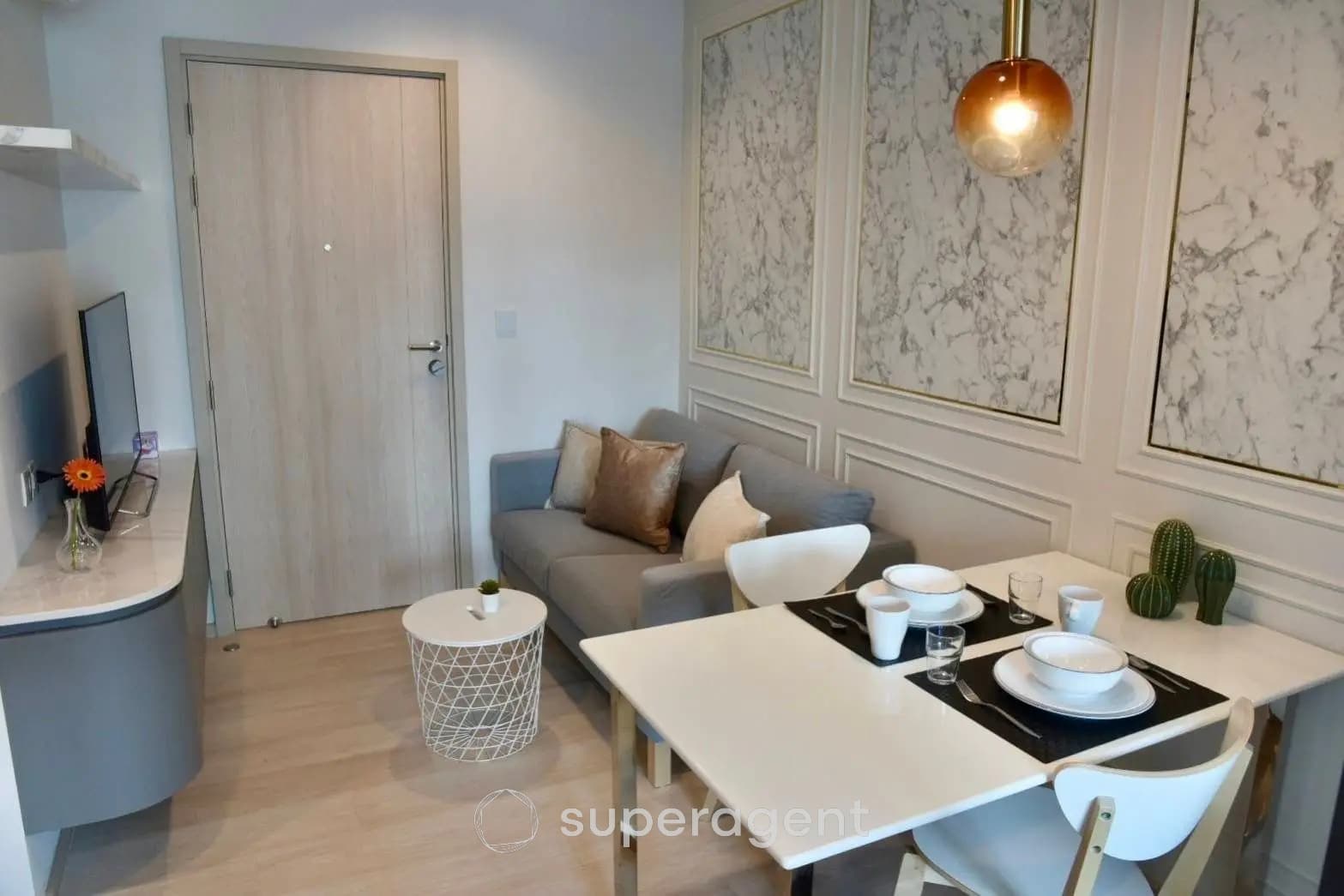
฿24,000
1 Bed135 sqm
1-BR Condo at Life One Wireless near BTS Phloen Chit
Ploenchit
Condo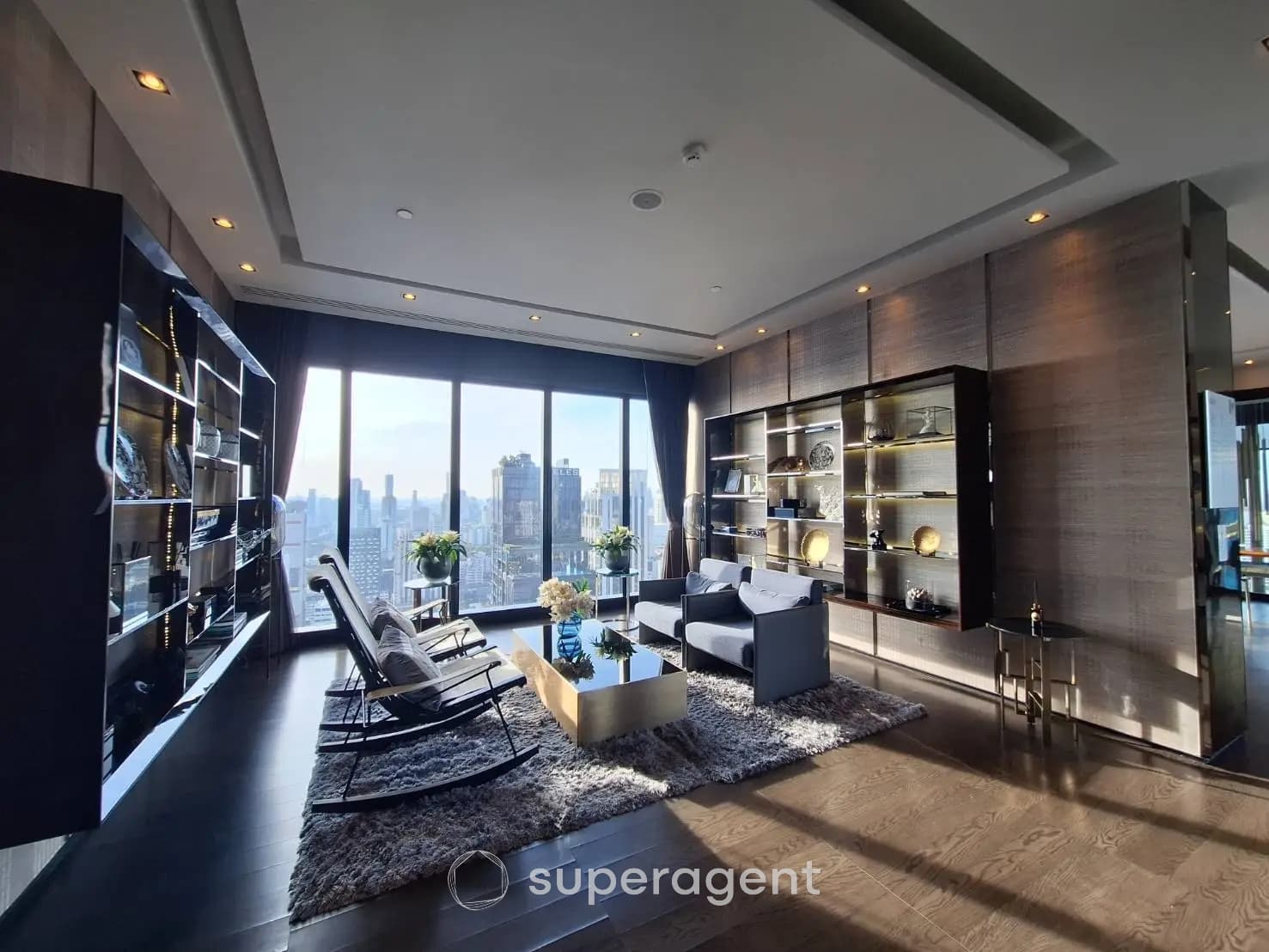
฿25,000
1 Bed133 sqm
1-BR Condo at Ashton Asoke near MRT Sukhumvit
Asoke
Condo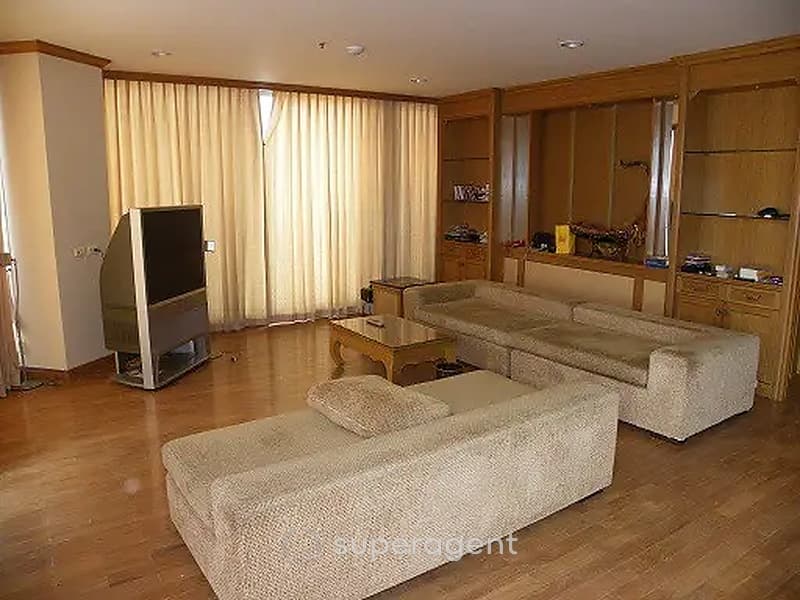
฿70,000
3 Bed3230 sqm
3-BR Condo at River Heaven Chareonkrung in Bang Kho Laem
Condo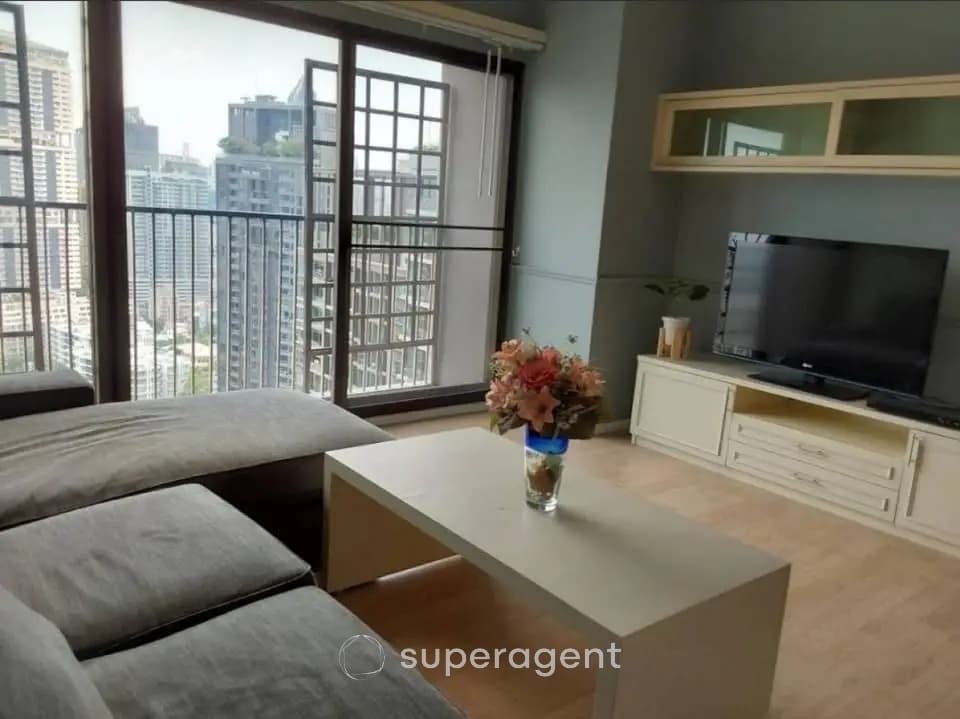
฿63,000
3 Bed2102 sqm
3-BR Condo at Noble Remix near BTS Thong Lor
Thonglor
Condo
฿27,000
Studio135 sqm
Studio Condo at Ideo Q Victory near BTS Victory Monument
Victory Monument
Condo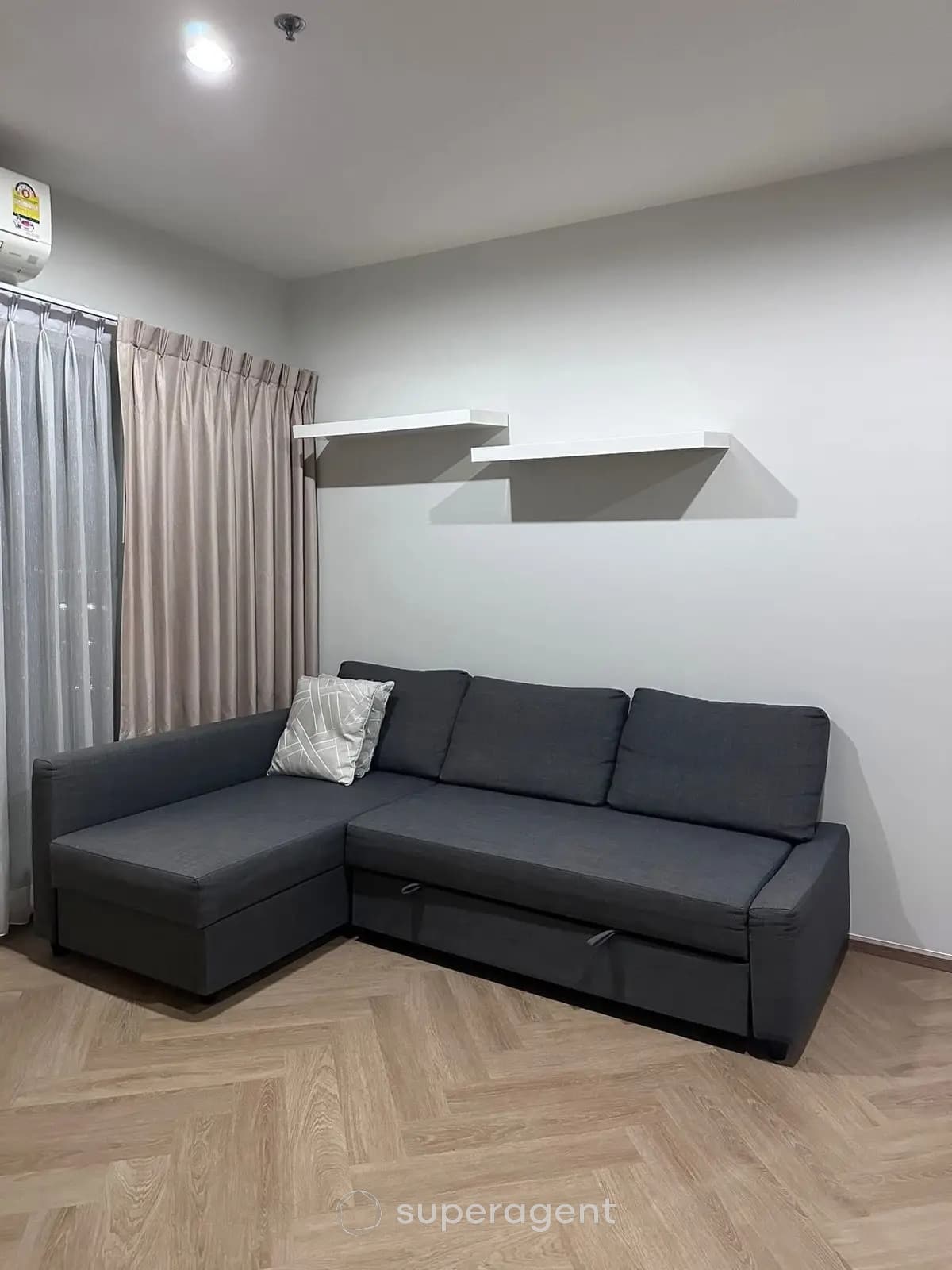
฿30,000
2 Bed252.9 sqm
2-BR Condo at The Key Sathorn - Charoenraj in Bang Khlo
Condo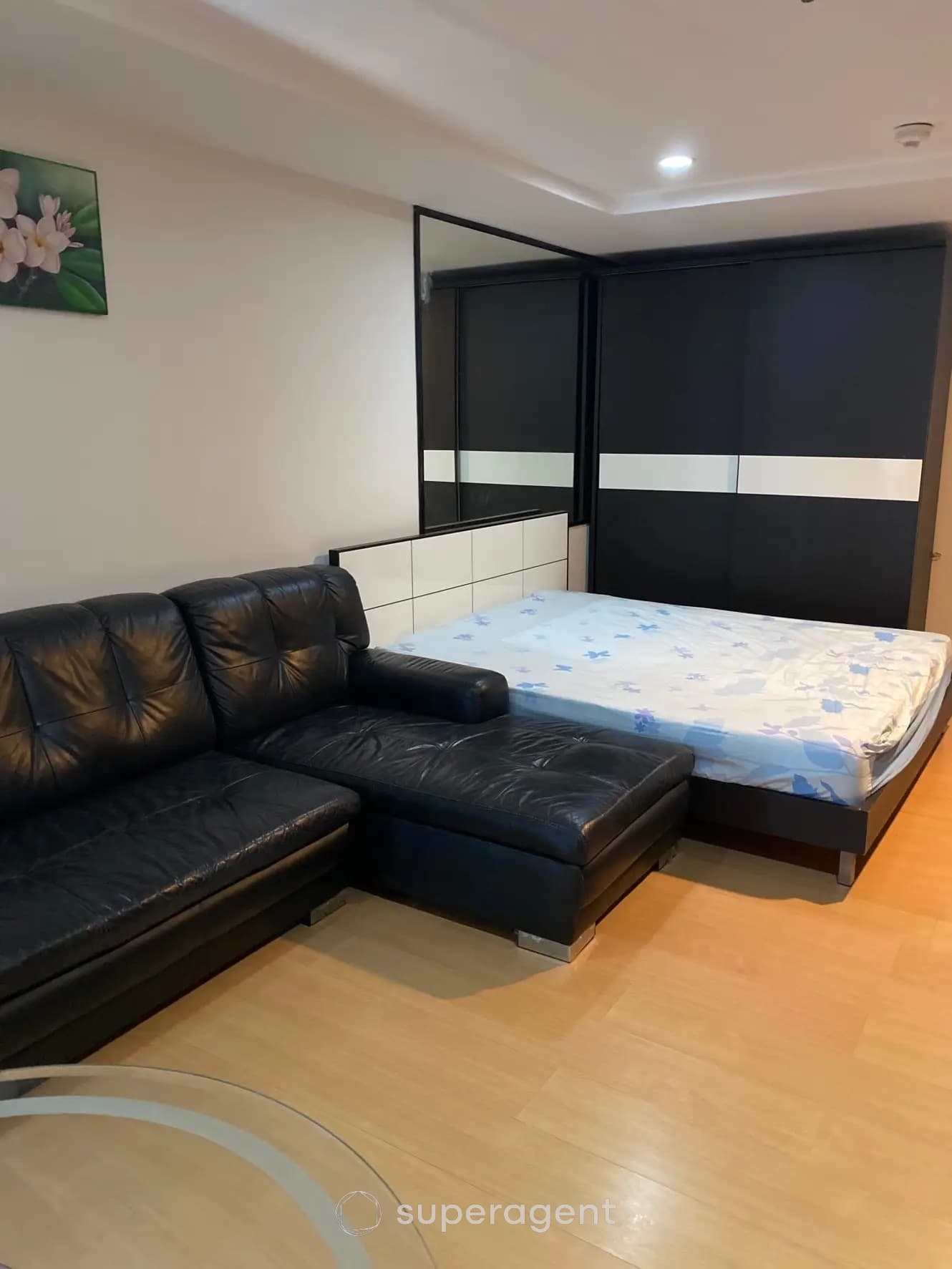
฿17,000
1 Bed136 sqm
1-BR Condo at The Trendy Condominium near BTS Nana
Condo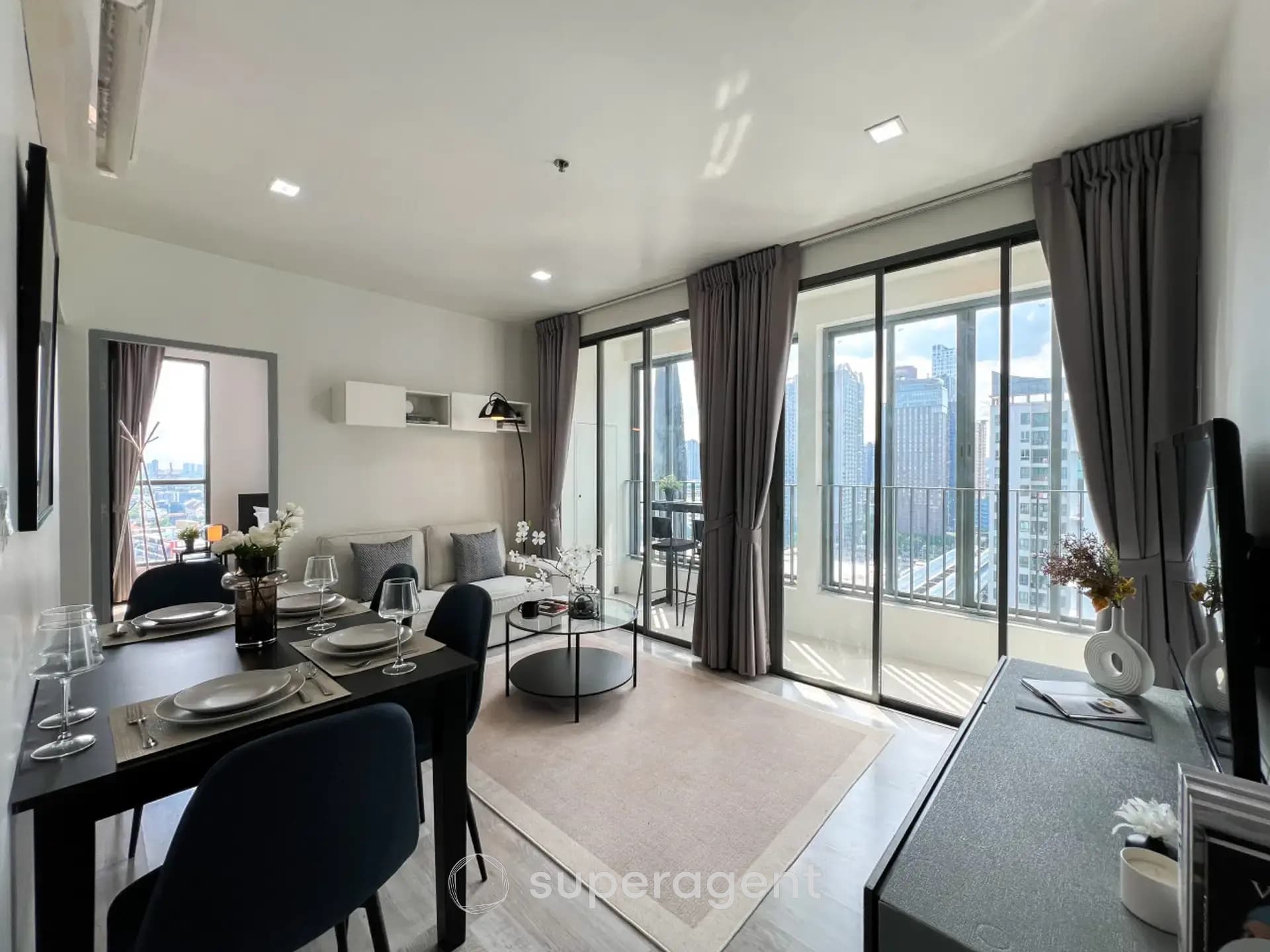
฿42,000
2 Bed287 sqm
2-BR Condo at Ideo Mobi Sukhumvit 81 near BTS On Nut
Condo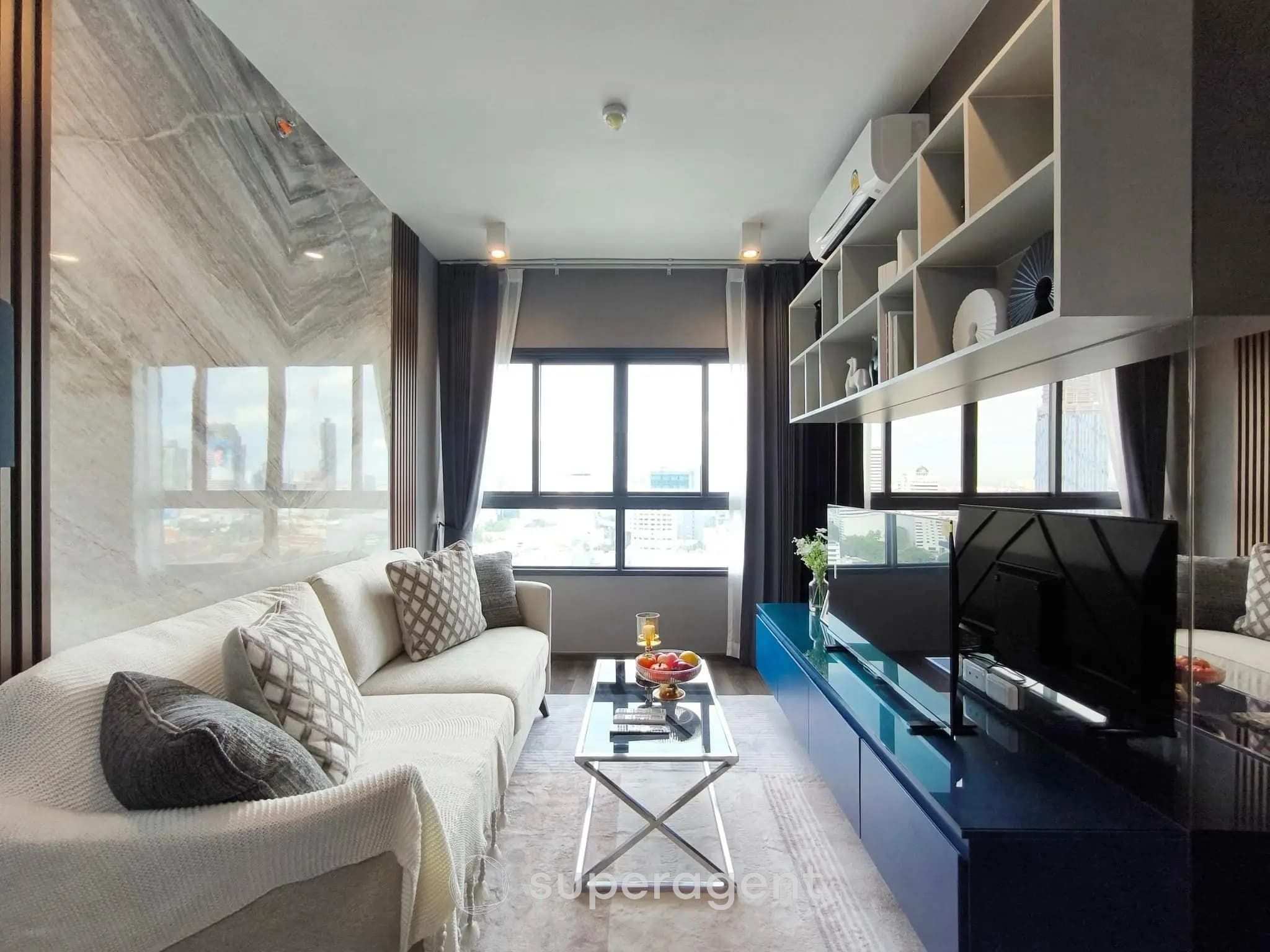
฿38,000
2 Bed258 sqm
2-BR Condo at Ideo Rama 9 - Asoke near MRT Phra Ram 9
Condo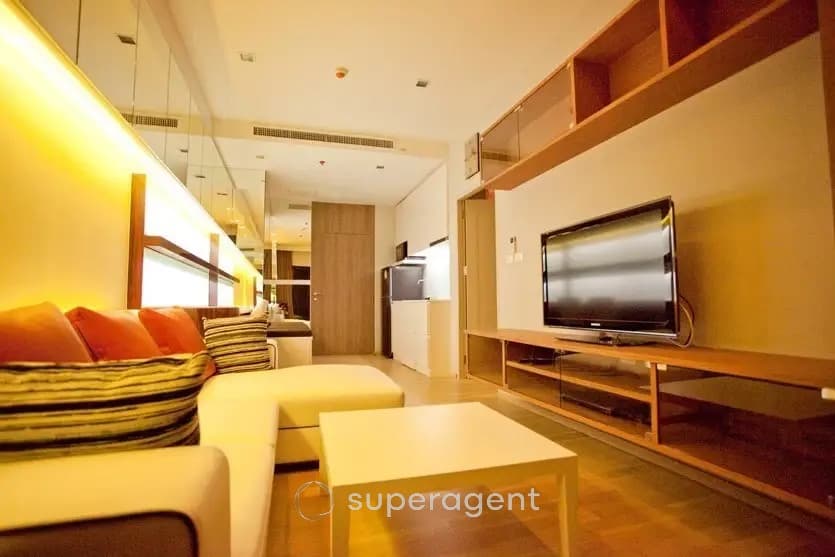
฿27,000
1 Bed145 sqm
1-BR Condo at Noble Reveal Ekamai near BTS Ekkamai
Ekkamai
CondoMore like this
 In Guides · Superagent EditorialHidden Costs of Renting a Condo in Bangkok Nobody Warns You AboutBangkok condo rent looks affordable until month one hits. Here are the real costs beyond the headline figure that catch most renters off guard.25 May 20261 min read
 In Guides · Superagent EditorialWhat a Long-Vacant Bangkok Condo Unit Is Actually Telling YouA Bangkok condo vacant for months signals overpricing, landlord issues, or real problems. Here is how to read the signs.25 May 20261 min read
 In Guides · Superagent EditorialRed Flags in a Bangkok Rental Contract to Watch Out ForBangkok rental contracts often hide risky clauses. Here are the red flags every tenant must catch before signing any lease.25 May 20261 min read
 In Guides · Superagent EditorialWorking Online from a Condo: How to Choose the Perfect Room for ProductivityLearn how to choose the best condo room for working online with tips on lighting, noise, and furniture setup to maximize productivity.9 May 20261 min read