How to Pay Rent in Bangkok: Bank Transfer, Cash, and What's Normal
Guides
How to Pay Rent in Bangkok: Bank Transfer, Cash, and What's Normal
Master the most common payment methods used by Bangkok renters and landlords today.
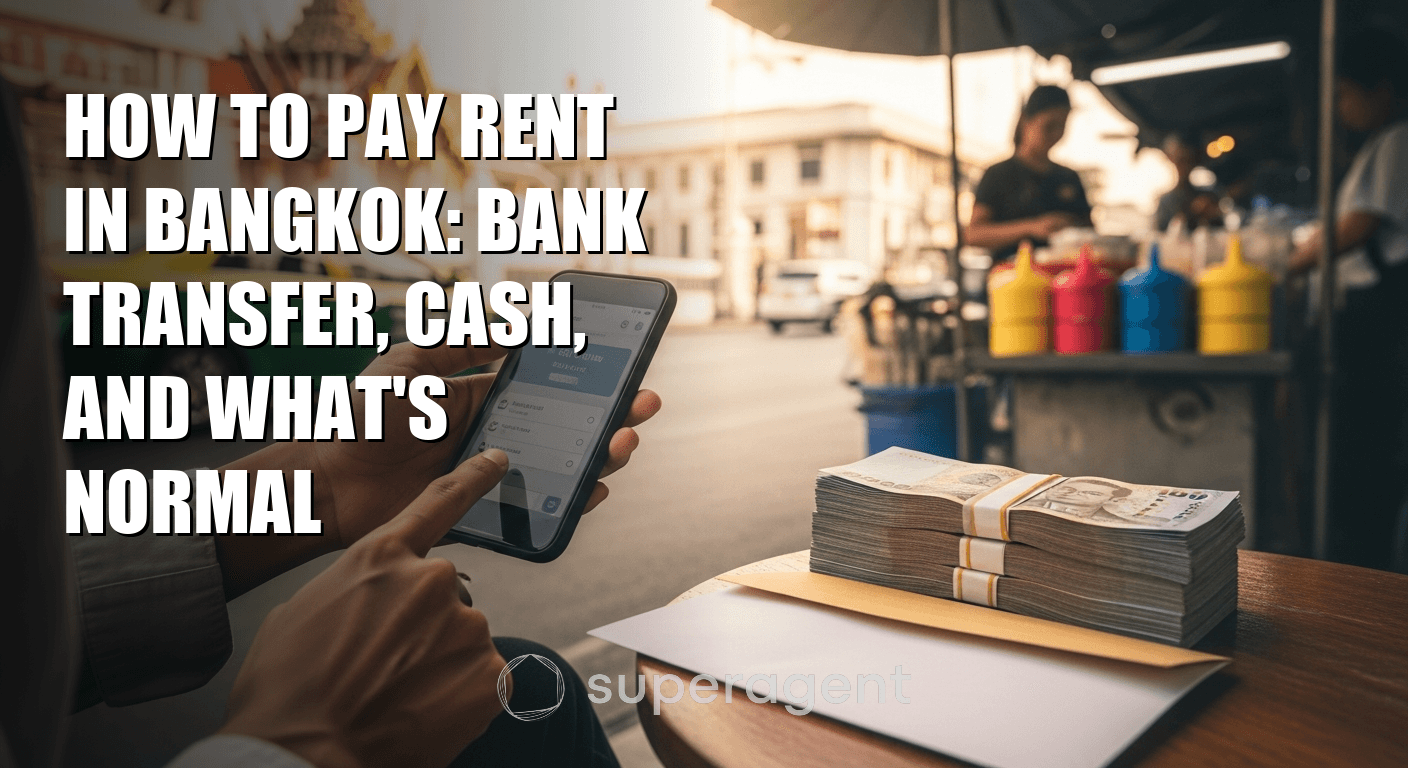
Summary
Learn how to pay rent in Thailand with our complete guide to bank transfers, cash payments, and local rental customs in Bangkok.
You just signed a lease on a condo near BTS Thong Lo. The first month's rent plus deposit is sorted. But now you're standing in your new kitchen wondering: how exactly do I pay next month's rent? Do I transfer it? Hand over cash in an envelope? Set up some kind of auto pay? If you've never rented in Thailand before, the whole process can feel weirdly unclear, mostly because nobody really talks about it.
Here's what actually happens on the ground, based on how rent payments work across Bangkok in 2024 and 2025.
The Most Common Way to Pay Rent in Thailand: Bank Transfer
Let's get this out of the way first. The vast majority of tenants in Bangkok pay rent via direct bank transfer. If you rent a condo at a place like The Base Sukhumvit 77 near BTS On Nut or a unit at Life Ladprao near MRT Phahon Yothin, your landlord will almost certainly give you a Thai bank account number and ask you to transfer rent each month.
Most landlords use Bangkok Bank, Kasikorn Bank (KBank), or SCB. You'll get the account name, account number, and bank name. Then you just transfer from your own Thai bank account through the mobile app. KBank's K PLUS and SCB Easy are the two apps you'll see on basically every phone in Bangkok.
Transfers between the same bank are instant and free. Cross bank transfers are also free for amounts under 5,000 baht, and for larger sums the fee is minimal, usually 25 to 65 baht depending on the bank. For a condo renting at 15,000 to 25,000 baht per month near BTS Bearing or MRT Rama 9, this is pocket change.
After you transfer, screenshot the confirmation slip and send it to your landlord or property manager via LINE. This is your proof of payment. Almost every landlord in Bangkok communicates through LINE, so keep that chat thread organized.
Can You Pay Rent in Cash?
Yes, and some landlords still prefer it. This is more common with older Thai landlords who own one or two units, or with smaller apartment buildings in areas like Ari, Soi Ratchawithi, or around Victory Monument. If you're renting a walk up apartment on Soi Inthamara for 8,000 to 12,000 baht a month, there's a decent chance the owner lives in the building and collects rent in person.
If you do pay cash, always ask for a written receipt. A simple piece of paper with the date, amount, unit number, and the landlord's signature works. Some landlords use a small carbon copy receipt book. Either way, keep every single receipt. If a dispute ever comes up about missed payments, you'll want that paper trail.
One thing to know: paying cash makes it harder to prove your rental history if you ever need it for visa extensions or work permit documentation. Immigration officers at Chaeng Watthana sometimes ask for evidence of where you live, and bank transfer records make that a lot simpler.
What About Credit Cards, PayPal, or Crypto?
Short answer: not really. The Thai rental market has not moved to credit card payments in any meaningful way. A few large serviced apartment operators might accept cards, but if you're renting a standard condo from a private owner, they won't have a card terminal and they won't want to eat the processing fee.
PayPal is basically not used for domestic transactions in Thailand. And while crypto enthusiasts float the idea online, no typical Bangkok landlord is accepting Bitcoin for a one bedroom at Ideo Mobi Sukhumvit. Bank transfer remains king.
PromptPay is worth mentioning though. It's a feature built into Thai banking apps that lets you send money using a phone number or national ID number instead of a full bank account number. Some landlords prefer this. It's instant and free. If your landlord sends you a QR code, they're using PromptPay.
When Is Rent Due and What Happens If You're Late?
Most leases in Bangkok set rent due on the 1st of each month, though some landlords use the 5th. Your lease agreement will specify the date. A typical lease for a condo at Lumpini Suite Phetchaburi near MRT Petchaburi or at Aspire Rama 4 near BTS Ekamai will include a clause about late fees.
Late fees in Bangkok usually range from 500 to 2,000 baht, or sometimes a percentage like 1 to 2 percent per day. Enforcement varies wildly. Some landlords are relaxed about a few days. Others will message you on LINE at 9 AM on the 2nd asking where the money is. Don't assume flexibility. Just pay on time.
If you're consistently late, a landlord can use that as grounds to not renew your lease. In a competitive rental area like Silom, Sathorn, or Asoke, landlords have no shortage of tenants. Being reliable matters.
Setting Up Automatic Transfers
Most Thai banking apps let you schedule recurring transfers. KBank, SCB, and Bangkok Bank all support this. You set the amount, the recipient account, and the date, and the app handles it monthly. This is the easiest way to never miss a payment.
Just make sure you keep enough in your account to cover it. A failed auto transfer doesn't always notify you loudly, and you might not realize it bounced until your landlord pings you. Set a calendar reminder on your phone as a backup.
Paying rent in Bangkok is genuinely simple once you understand the norms. Open a Thai bank account, get your landlord's details, transfer on the 1st, and send the screenshot on LINE. That's 90 percent of it. The key is just knowing what's expected so you don't overthink it.
If you're still searching for a condo in Bangkok and want to see verified listings with clear pricing and transparent lease terms, check out superagent.co. It's built to make the whole rental process feel a lot less like guesswork.
You just signed a lease on a condo near BTS Thong Lo. The first month's rent plus deposit is sorted. But now you're standing in your new kitchen wondering: how exactly do I pay next month's rent? Do I transfer it? Hand over cash in an envelope? Set up some kind of auto pay? If you've never rented in Thailand before, the whole process can feel weirdly unclear, mostly because nobody really talks about it.
Here's what actually happens on the ground, based on how rent payments work across Bangkok in 2024 and 2025.
The Most Common Way to Pay Rent in Thailand: Bank Transfer
Let's get this out of the way first. The vast majority of tenants in Bangkok pay rent via direct bank transfer. If you rent a condo at a place like The Base Sukhumvit 77 near BTS On Nut or a unit at Life Ladprao near MRT Phahon Yothin, your landlord will almost certainly give you a Thai bank account number and ask you to transfer rent each month.
Most landlords use Bangkok Bank, Kasikorn Bank (KBank), or SCB. You'll get the account name, account number, and bank name. Then you just transfer from your own Thai bank account through the mobile app. KBank's K PLUS and SCB Easy are the two apps you'll see on basically every phone in Bangkok.
Transfers between the same bank are instant and free. Cross bank transfers are also free for amounts under 5,000 baht, and for larger sums the fee is minimal, usually 25 to 65 baht depending on the bank. For a condo renting at 15,000 to 25,000 baht per month near BTS Bearing or MRT Rama 9, this is pocket change.
After you transfer, screenshot the confirmation slip and send it to your landlord or property manager via LINE. This is your proof of payment. Almost every landlord in Bangkok communicates through LINE, so keep that chat thread organized.
Can You Pay Rent in Cash?
Yes, and some landlords still prefer it. This is more common with older Thai landlords who own one or two units, or with smaller apartment buildings in areas like Ari, Soi Ratchawithi, or around Victory Monument. If you're renting a walk up apartment on Soi Inthamara for 8,000 to 12,000 baht a month, there's a decent chance the owner lives in the building and collects rent in person.
If you do pay cash, always ask for a written receipt. A simple piece of paper with the date, amount, unit number, and the landlord's signature works. Some landlords use a small carbon copy receipt book. Either way, keep every single receipt. If a dispute ever comes up about missed payments, you'll want that paper trail.
One thing to know: paying cash makes it harder to prove your rental history if you ever need it for visa extensions or work permit documentation. Immigration officers at Chaeng Watthana sometimes ask for evidence of where you live, and bank transfer records make that a lot simpler.
What About Credit Cards, PayPal, or Crypto?
Short answer: not really. The Thai rental market has not moved to credit card payments in any meaningful way. A few large serviced apartment operators might accept cards, but if you're renting a standard condo from a private owner, they won't have a card terminal and they won't want to eat the processing fee.
PayPal is basically not used for domestic transactions in Thailand. And while crypto enthusiasts float the idea online, no typical Bangkok landlord is accepting Bitcoin for a one bedroom at Ideo Mobi Sukhumvit. Bank transfer remains king.
PromptPay is worth mentioning though. It's a feature built into Thai banking apps that lets you send money using a phone number or national ID number instead of a full bank account number. Some landlords prefer this. It's instant and free. If your landlord sends you a QR code, they're using PromptPay.
Talk to us about renting
Share your details and keep reading — we’ll get back to you.
When Is Rent Due and What Happens If You're Late?
Most leases in Bangkok set rent due on the 1st of each month, though some landlords use the 5th. Your lease agreement will specify the date. A typical lease for a condo at Lumpini Suite Phetchaburi near MRT Petchaburi or at Aspire Rama 4 near BTS Ekamai will include a clause about late fees.
Late fees in Bangkok usually range from 500 to 2,000 baht, or sometimes a percentage like 1 to 2 percent per day. Enforcement varies wildly. Some landlords are relaxed about a few days. Others will message you on LINE at 9 AM on the 2nd asking where the money is. Don't assume flexibility. Just pay on time.
If you're consistently late, a landlord can use that as grounds to not renew your lease. In a competitive rental area like Silom, Sathorn, or Asoke, landlords have no shortage of tenants. Being reliable matters.
Setting Up Automatic Transfers
Most Thai banking apps let you schedule recurring transfers. KBank, SCB, and Bangkok Bank all support this. You set the amount, the recipient account, and the date, and the app handles it monthly. This is the easiest way to never miss a payment.
Just make sure you keep enough in your account to cover it. A failed auto transfer doesn't always notify you loudly, and you might not realize it bounced until your landlord pings you. Set a calendar reminder on your phone as a backup.
Paying rent in Bangkok is genuinely simple once you understand the norms. Open a Thai bank account, get your landlord's details, transfer on the 1st, and send the screenshot on LINE. That's 90 percent of it. The key is just knowing what's expected so you don't overthink it.
If you're still searching for a condo in Bangkok and want to see verified listings with clear pricing and transparent lease terms, check out superagent.co. It's built to make the whole rental process feel a lot less like guesswork.
Share this article
Properties you may like
![[For Rent] CONDO I The Coast Bangkok I 2 Beds I 2 Baths I 30,000THB/mo](/_next/image?url=https%3A%2F%2Fstorage.googleapis.com%2Fsuperagent-web%2Fattachments%2Flistings%2F6705%2F2a061e0c-e74a-4fe7-af13-463751fadec8-1079-13.jpg&w=3840&q=75)
฿30,000
2 Bed290 sqm
[For Rent] CONDO I The Coast Bangkok I 2 Beds I 2 Baths I 30,000THB/mo
Bang Na
Condo![[For Rent] CONDO I Park Origin Thonglor I 2 Beds I 2 Baths I 75,000THB/mo](/_next/image?url=https%3A%2F%2Fstorage.googleapis.com%2Fsuperagent-web%2Fattachments%2Flistings%2F6704%2Fe4c8c324-de82-4439-b5f1-9cc8777184ec-1078-1.jpg&w=3840&q=75)
฿75,000
2 Bed268 sqm
[For Rent] CONDO I Park Origin Thonglor I 2 Beds I 2 Baths I 75,000THB/mo
Thonglor
Condo![[For Rent] CONDO I Modiz Sukhumvit 50 I 1 Bed I 1 Bath I 15,000THB/mo](/_next/image?url=https%3A%2F%2Fstorage.googleapis.com%2Fsuperagent-web%2Fattachments%2Flistings%2F6703%2Ff54c40b1-7ad7-46fa-81a3-710d61548fbd-1077-1.jpg&w=3840&q=75)
฿15,000
1 Bed129 sqm
[For Rent] CONDO I Modiz Sukhumvit 50 I 1 Bed I 1 Bath I 15,000THB/mo
On Nut
Condo![[For Rent] CONDO I Magnolias Ratchadamri Boulevard I 1 Bed I 1 Bath I 55,000THB/mo](/_next/image?url=https%3A%2F%2Fstorage.googleapis.com%2Fsuperagent-web%2Fattachments%2Flistings%2F6702%2F71f6d99e-d7f5-4162-ad98-0270bc945b69-1076-3.jpg&w=3840&q=75)
฿55,000
1 Bed159 sqm
[For Rent] CONDO I Magnolias Ratchadamri Boulevard I 1 Bed I 1 Bath I 55,000THB/mo
Condo![[For Rent] CONDO I Life Sukhumvit 65 I 1 Bed I 1 Bath I 20,000THB/mo](/_next/image?url=https%3A%2F%2Fstorage.googleapis.com%2Fsuperagent-web%2Fattachments%2Flistings%2F6701%2F310e667f-f59c-4839-9751-3eda88e3ec00-1075-1.jpg&w=3840&q=75)
฿20,000
1 Bed142 sqm
[For Rent] CONDO I Life Sukhumvit 65 I 1 Bed I 1 Bath I 20,000THB/mo
Condo![[For Rent] CONDO I Knightsbridge Space Rama 9 I Duplex I 2 Beds I 1 Bath I 30,000THB/mo](/_next/image?url=https%3A%2F%2Fstorage.googleapis.com%2Fsuperagent-web%2Fattachments%2Flistings%2F6700%2F4f3f5129-8641-4ec5-85a1-07e56ad7b239-1074-5.jpg&w=3840&q=75)
฿30,000
2 Bed149 sqm
[For Rent] CONDO I Knightsbridge Space Rama 9 I Duplex I 2 Beds I 1 Bath I 30,000THB/mo
Rama 9
Condo![[For Rent] CONDO I RHYTHM Ratchada I 1 Bed I 1 Bath I 18,000THB/mo](/_next/image?url=https%3A%2F%2Fstorage.googleapis.com%2Fsuperagent-web%2Fattachments%2Flistings%2F6699%2F372cfdc9-bf9f-4a46-a2ee-04bd08190ad4-29210.jpg&w=3840&q=75)
฿18,000
1 Bed147 sqm
[For Rent] CONDO I RHYTHM Ratchada I 1 Bed I 1 Bath I 18,000THB/mo
Condo![[For Rent&Sale] CONDO I 49 Plus Condo I 1 Bed I 1 Bath I Rent 30,000THB/mo - Sale 5.4mb THB](/_next/image?url=https%3A%2F%2Fstorage.googleapis.com%2Fsuperagent-web%2Fattachments%2Flistings%2F6698%2F736c437f-3f72-4178-a756-f5a698c84da2-de0b64f2-fd19-4c93-9d9a-28b6fd78fe16-media.jpg&w=3840&q=75)
฿30,000
1 Bed151 sqm
[For Rent&Sale] CONDO I 49 Plus Condo I 1 Bed I 1 Bath I Rent 30,000THB/mo - Sale 5.4mb THB
Condo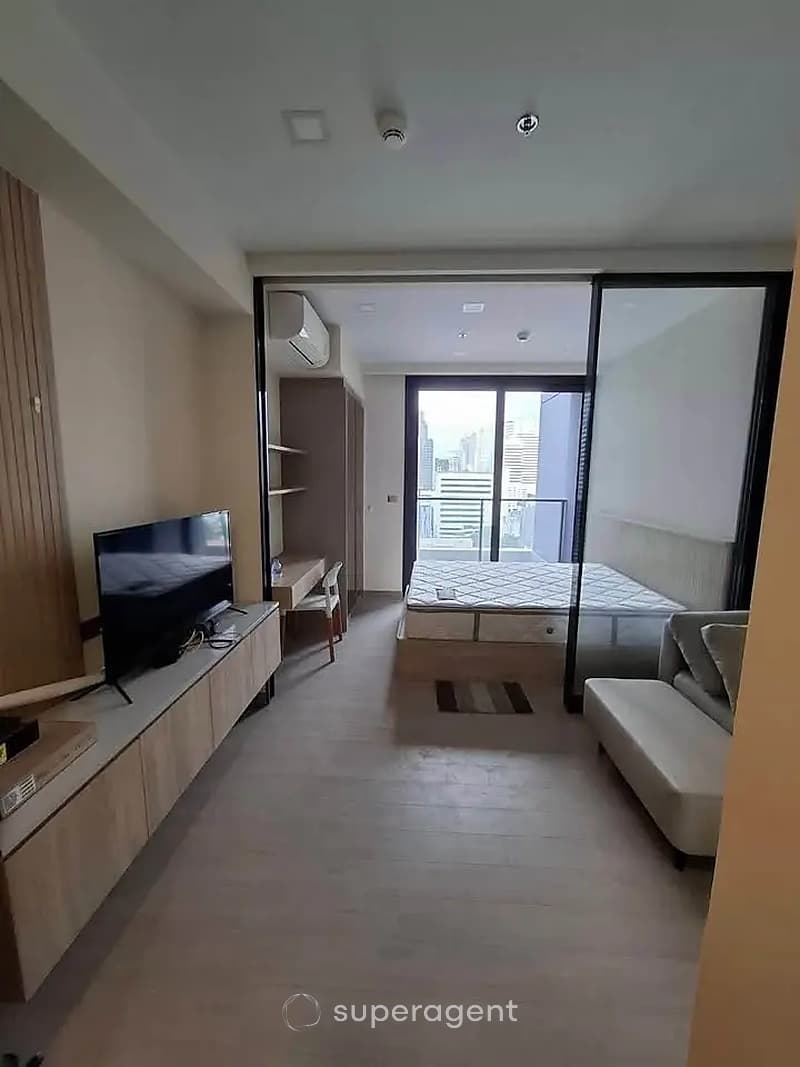
฿20,000
1 Bed127.5 sqm
1-BR Condo at One 9 Five Asoke - Rama 9 near MRT Phra Ram 9
Rama 9
Condo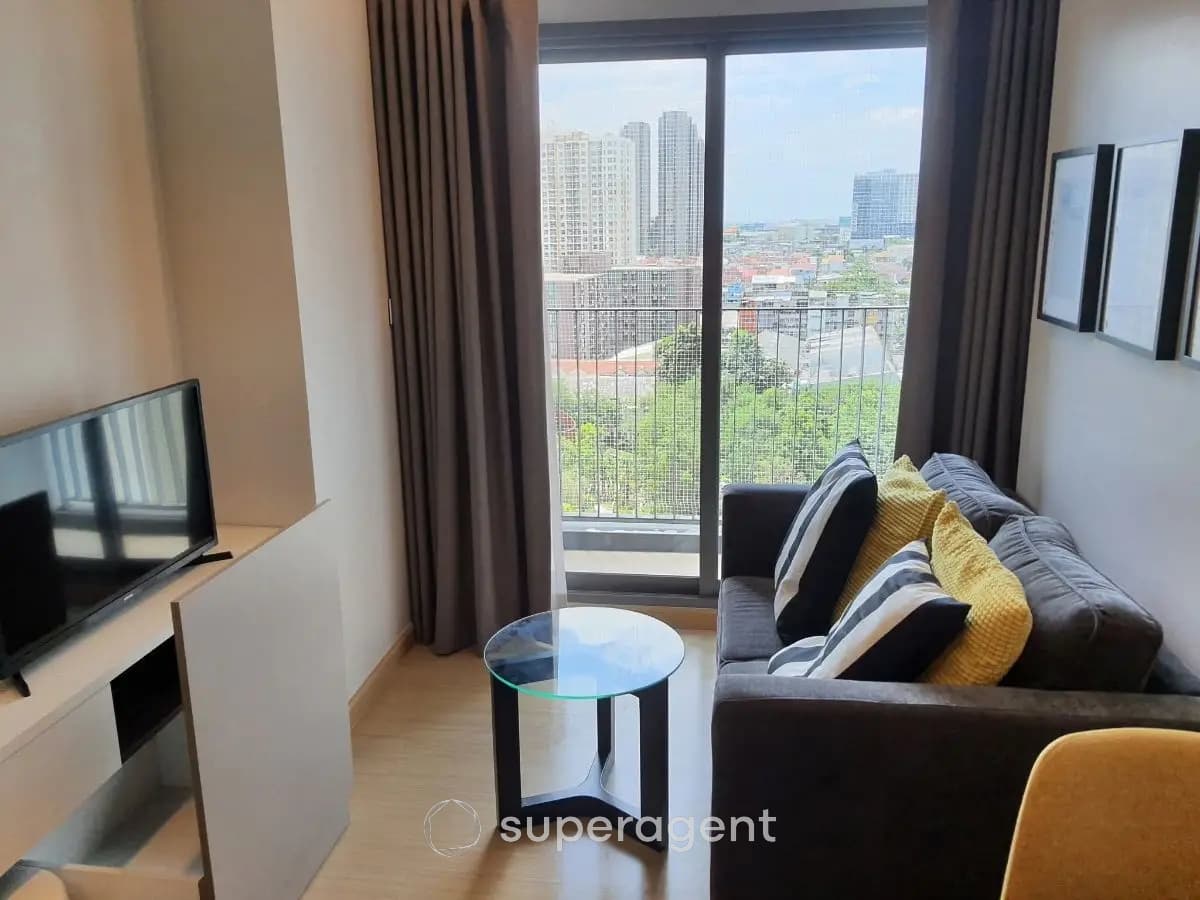
฿18,000
1 Bed126.9 sqm
1-BR Condo at Whizdom Connect Sukhumvit near BTS Punnawithi
Punnawithi
CondoMore like this
 In Guides · Superagent EditorialHidden Costs of Renting a Condo in Bangkok Nobody Warns You AboutBangkok condo rent looks affordable until month one hits. Here are the real costs beyond the headline figure that catch most renters off guard.25 May 20261 min read
 In Guides · Superagent EditorialWhat a Long-Vacant Bangkok Condo Unit Is Actually Telling YouA Bangkok condo vacant for months signals overpricing, landlord issues, or real problems. Here is how to read the signs.25 May 20261 min read
 In Guides · Superagent EditorialRed Flags in a Bangkok Rental Contract to Watch Out ForBangkok rental contracts often hide risky clauses. Here are the red flags every tenant must catch before signing any lease.25 May 20261 min read
 In Guides · Superagent EditorialWorking Online from a Condo: How to Choose the Perfect Room for ProductivityLearn how to choose the best condo room for working online with tips on lighting, noise, and furniture setup to maximize productivity.9 May 20261 min read