Is a Security Deposit Refundable in Thailand?
Guides
Is a Security Deposit Refundable in Thailand?
Learn the rules governing security deposits for rental properties in Thailand.
Summary
Understand whether a security deposit is refundable in Thailand and what tenant rights protect your money during your rental agreement.
You just moved out of your condo near Thong Lo BTS, the unit looks spotless, and now you're waiting for that two months' worth of deposit to land back in your account. A week goes by. Then two. Then three. Sound familiar? If you've ever rented in Bangkok, you probably know the sinking feeling of wondering whether your security deposit is actually coming back. The short answer is yes, your deposit is refundable in Thailand. But the longer, more honest answer involves a few details every renter here should understand before signing a lease.
What Thai Law Actually Says About Security Deposits
Thailand doesn't have a single, comprehensive tenant protection law the way some Western countries do. However, civil and commercial code provisions do cover lease agreements, and the general legal principle is clear: a security deposit belongs to the tenant and must be returned when the lease ends, minus any legitimate deductions for damages or unpaid bills.
Most condo rentals in Bangkok involve a deposit of two months' rent. So if you're paying 25,000 THB per month for a one bedroom near Ari BTS, you're handing over 50,000 THB upfront. That money is supposed to sit as a guarantee, not as the landlord's bonus income. Once you've fulfilled your lease terms, returned the keys, and settled your final utility bills, the landlord is obligated to give it back.
The catch? There's no strict legal timeline for when the refund has to happen. Some landlords return it within 7 days. Others drag it out for 30 to 60 days. And a few, unfortunately, try to keep it altogether. Knowing the basics puts you in a much stronger position when move out day arrives.
Common Reasons Landlords Withhold Deposits
Let's say you rented a studio in The Base Park West near On Nut BTS for 15,000 THB per month. You lived there for a year, took decent care of the place, and moved out expecting your 30,000 THB deposit back. Then the landlord sends you a list of deductions: deep cleaning fee, a scratch on the kitchen counter, a stain on the curtain, and a "repaint charge." Suddenly your refund is down to 5,000 THB.
This happens more often than it should. The most common deductions landlords try to make include professional cleaning fees, damage to walls or furniture, broken appliances, unpaid electricity or water bills, and early termination penalties. Some of these are legitimate. If you actually broke the bathroom mirror, that's a fair deduction. But charging you for normal wear and tear, like minor scuff marks on walls after a year of living there, is not.
The tricky part is that "normal wear and tear" is not clearly defined in Thai rental law. This gray area is exactly where disputes happen, and it's why documentation matters so much.
How to Protect Your Deposit Before You Even Move In
Picture this: you're about to sign a lease for a two bedroom condo at Life Ladprao, right next to Phahon Yothin MRT, at 28,000 THB per month. Before you hand over that 56,000 THB deposit, take 20 minutes to do something that could save you a massive headache later.
Walk through the entire unit with your phone and photograph everything. Every scratch on the floor, every mark on the wall, every dent on the furniture. Open every appliance and test it. Check that the air conditioning works, the water heater runs, and the toilet flushes properly. Then send all those photos to your landlord or agent via email so there's a timestamped record.
Also, read the lease carefully. Look for clauses about cleaning fees, repainting obligations, and early termination penalties. Some leases in Bangkok include a mandatory cleaning deduction of 3,000 to 5,000 THB regardless of the unit's condition. If that clause is in the contract and you signed it, the landlord has every right to deduct it. Better to negotiate those terms before signing than to argue about them on move out day.
What to Do When a Landlord Refuses to Return Your Deposit
You moved out of a condo on Sukhumvit Soi 24, left the place in great condition, and the landlord just stopped responding to your messages. This is unfortunately not rare, especially with individual landlords who manage their own units rather than through professional property management.
Start with a polite but firm written request via email or messaging app. Reference your lease agreement and attach your move in photos as evidence of the unit's original condition. If the landlord claims damages, ask for photos and receipts of the actual repair costs. Many inflated deduction claims fall apart when you ask for proof.
If polite communication fails, you can file a complaint with the Office of Consumer Protection Board or pursue a claim through the Thai small claims court for disputes under 300,000 THB. The small claims process is relatively straightforward and doesn't require a lawyer, though having one helps. Most landlords will settle once they realize you're serious about taking legal steps.
Why Working With a Professional Platform Makes a Difference
One pattern I've noticed after years of renting in Bangkok is that deposit disputes happen far less often when there's a professional intermediary involved. When you rent through a reputable platform, the lease terms tend to be clearer, the move in documentation is more thorough, and there's accountability on both sides.
Renting directly from a landlord you found on a Facebook group can work out fine, but it can also leave you with zero support when things go sideways. Having a platform that keeps records, facilitates communication, and sets clear expectations from day one makes the whole process smoother.
Your security deposit is your money. Treat it that way from the moment you start your search. Document everything, read every clause, and don't be afraid to ask tough questions before signing. If you're looking for a condo in Bangkok and want a rental process that's transparent from start to finish, check out superagent.co to find listings with clear terms and AI powered support that actually has your back.
You just moved out of your condo near Thong Lo BTS, the unit looks spotless, and now you're waiting for that two months' worth of deposit to land back in your account. A week goes by. Then two. Then three. Sound familiar? If you've ever rented in Bangkok, you probably know the sinking feeling of wondering whether your security deposit is actually coming back. The short answer is yes, your deposit is refundable in Thailand. But the longer, more honest answer involves a few details every renter here should understand before signing a lease.
What Thai Law Actually Says About Security Deposits
Thailand doesn't have a single, comprehensive tenant protection law the way some Western countries do. However, civil and commercial code provisions do cover lease agreements, and the general legal principle is clear: a security deposit belongs to the tenant and must be returned when the lease ends, minus any legitimate deductions for damages or unpaid bills.
Most condo rentals in Bangkok involve a deposit of two months' rent. So if you're paying 25,000 THB per month for a one bedroom near Ari BTS, you're handing over 50,000 THB upfront. That money is supposed to sit as a guarantee, not as the landlord's bonus income. Once you've fulfilled your lease terms, returned the keys, and settled your final utility bills, the landlord is obligated to give it back.
Continue reading after that.
Looking for a condo
to rent?
Leave your name and phone. We'll follow up while you keep reading.
100% Secure
Fast Response
Free Consultation
The catch? There's no strict legal timeline for when the refund has to happen. Some landlords return it within 7 days. Others drag it out for 30 to 60 days. And a few, unfortunately, try to keep it altogether. Knowing the basics puts you in a much stronger position when move out day arrives.
Common Reasons Landlords Withhold Deposits
Let's say you rented a studio in The Base Park West near On Nut BTS for 15,000 THB per month. You lived there for a year, took decent care of the place, and moved out expecting your 30,000 THB deposit back. Then the landlord sends you a list of deductions: deep cleaning fee, a scratch on the kitchen counter, a stain on the curtain, and a "repaint charge." Suddenly your refund is down to 5,000 THB.
This happens more often than it should. The most common deductions landlords try to make include professional cleaning fees, damage to walls or furniture, broken appliances, unpaid electricity or water bills, and early termination penalties. Some of these are legitimate. If you actually broke the bathroom mirror, that's a fair deduction. But charging you for normal wear and tear, like minor scuff marks on walls after a year of living there, is not.
The tricky part is that "normal wear and tear" is not clearly defined in Thai rental law. This gray area is exactly where disputes happen, and it's why documentation matters so much.
How to Protect Your Deposit Before You Even Move In
Picture this: you're about to sign a lease for a two bedroom condo at Life Ladprao, right next to Phahon Yothin MRT, at 28,000 THB per month. Before you hand over that 56,000 THB deposit, take 20 minutes to do something that could save you a massive headache later.
Walk through the entire unit with your phone and photograph everything. Every scratch on the floor, every mark on the wall, every dent on the furniture. Open every appliance and test it. Check that the air conditioning works, the water heater runs, and the toilet flushes properly. Then send all those photos to your landlord or agent via email so there's a timestamped record.
Also, read the lease carefully. Look for clauses about cleaning fees, repainting obligations, and early termination penalties. Some leases in Bangkok include a mandatory cleaning deduction of 3,000 to 5,000 THB regardless of the unit's condition. If that clause is in the contract and you signed it, the landlord has every right to deduct it. Better to negotiate those terms before signing than to argue about them on move out day.
What to Do When a Landlord Refuses to Return Your Deposit
You moved out of a condo on Sukhumvit Soi 24, left the place in great condition, and the landlord just stopped responding to your messages. This is unfortunately not rare, especially with individual landlords who manage their own units rather than through professional property management.
Continue reading after that.
Looking for a condo
to rent?
Leave your name and phone. We'll follow up while you keep reading.
100% Secure
Fast Response
Free Consultation
Start with a polite but firm written request via email or messaging app. Reference your lease agreement and attach your move in photos as evidence of the unit's original condition. If the landlord claims damages, ask for photos and receipts of the actual repair costs. Many inflated deduction claims fall apart when you ask for proof.
If polite communication fails, you can file a complaint with the Office of Consumer Protection Board or pursue a claim through the Thai small claims court for disputes under 300,000 THB. The small claims process is relatively straightforward and doesn't require a lawyer, though having one helps. Most landlords will settle once they realize you're serious about taking legal steps.
Why Working With a Professional Platform Makes a Difference
One pattern I've noticed after years of renting in Bangkok is that deposit disputes happen far less often when there's a professional intermediary involved. When you rent through a reputable platform, the lease terms tend to be clearer, the move in documentation is more thorough, and there's accountability on both sides.
Renting directly from a landlord you found on a Facebook group can work out fine, but it can also leave you with zero support when things go sideways. Having a platform that keeps records, facilitates communication, and sets clear expectations from day one makes the whole process smoother.
Your security deposit is your money. Treat it that way from the moment you start your search. Document everything, read every clause, and don't be afraid to ask tough questions before signing. If you're looking for a condo in Bangkok and want a rental process that's transparent from start to finish, check out superagent.co to find listings with clear terms and AI powered support that actually has your back.
Share this article
Properties you may like
฿24,000
1 Bed135 sqm
1-BR Condo at Life One Wireless near BTS Phloen Chit
Ploenchit
Condo
฿25,000
1 Bed133 sqm
1-BR Condo at Ashton Asoke near MRT Sukhumvit
Asoke
Condo
฿70,000
3 Bed3230 sqm
3-BR Condo at River Heaven Chareonkrung in Bang Kho Laem
Condo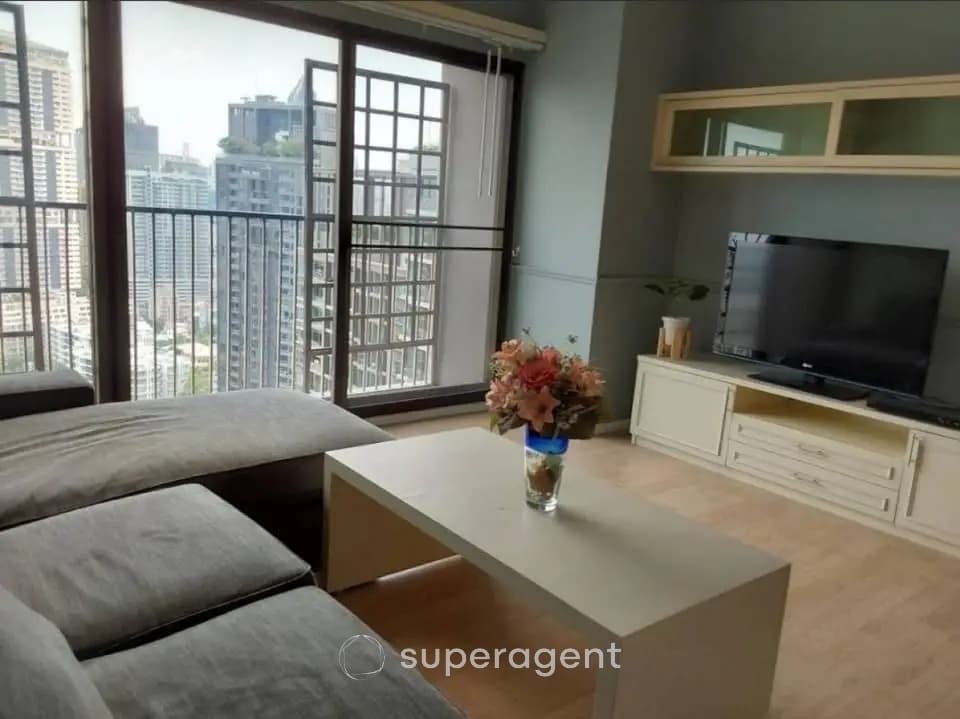
฿63,000
3 Bed2102 sqm
3-BR Condo at Noble Remix near BTS Thong Lor
Thonglor
Condo
฿27,000
Studio135 sqm
Studio Condo at Ideo Q Victory near BTS Victory Monument
Victory Monument
Condo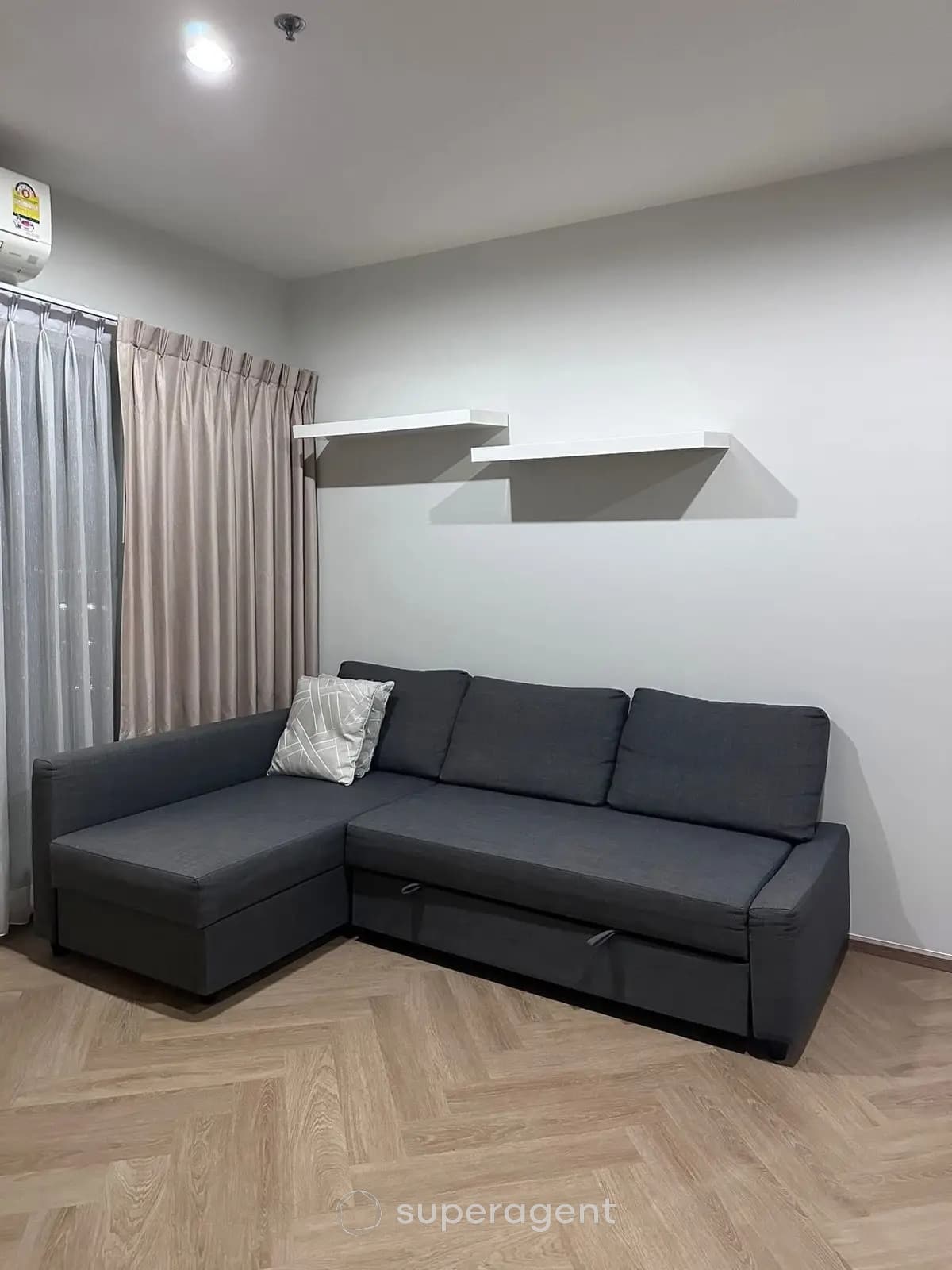
฿30,000
2 Bed252.9 sqm
2-BR Condo at The Key Sathorn - Charoenraj in Bang Khlo
Condo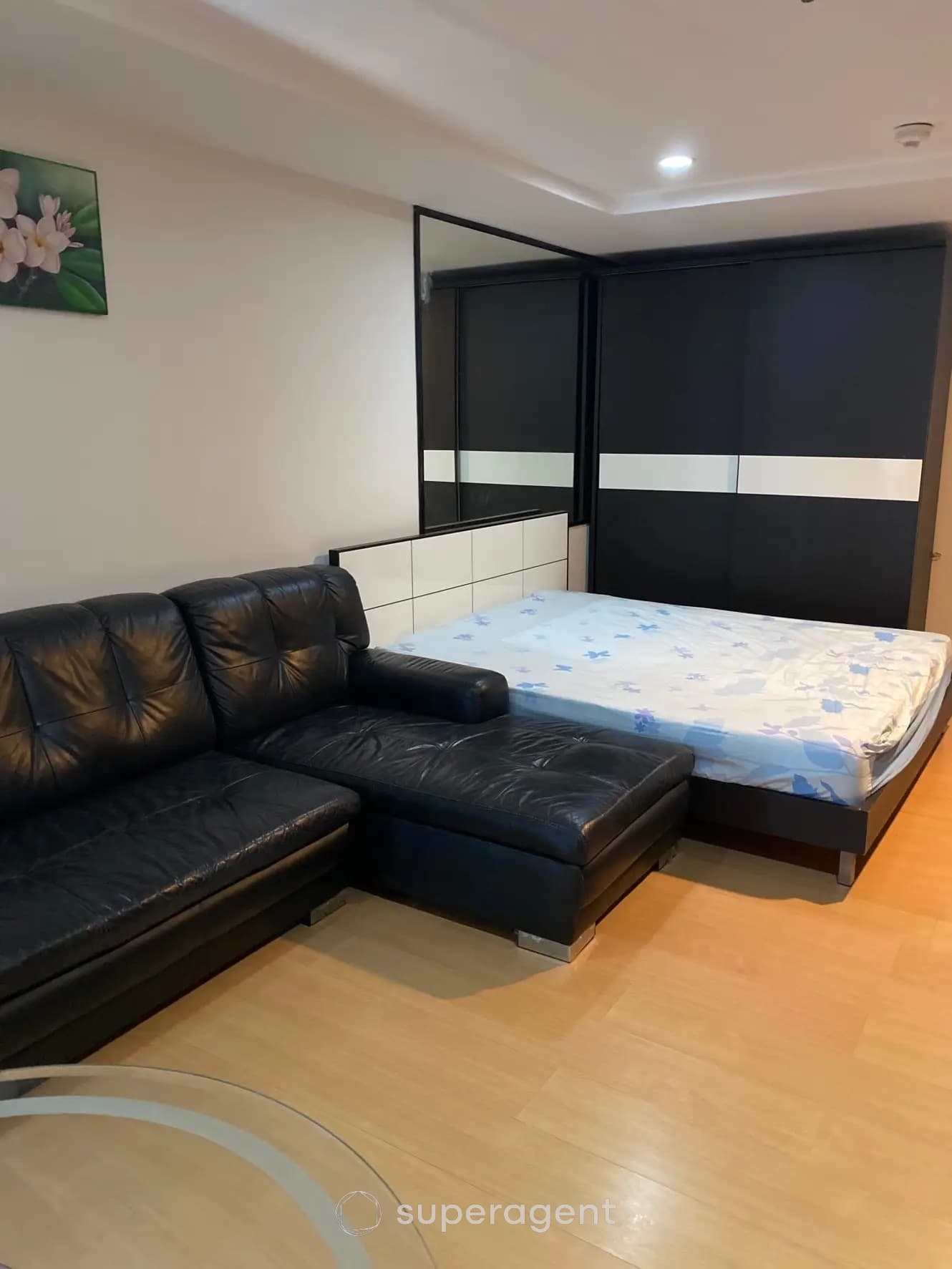
฿17,000
1 Bed136 sqm
1-BR Condo at The Trendy Condominium near BTS Nana
Condo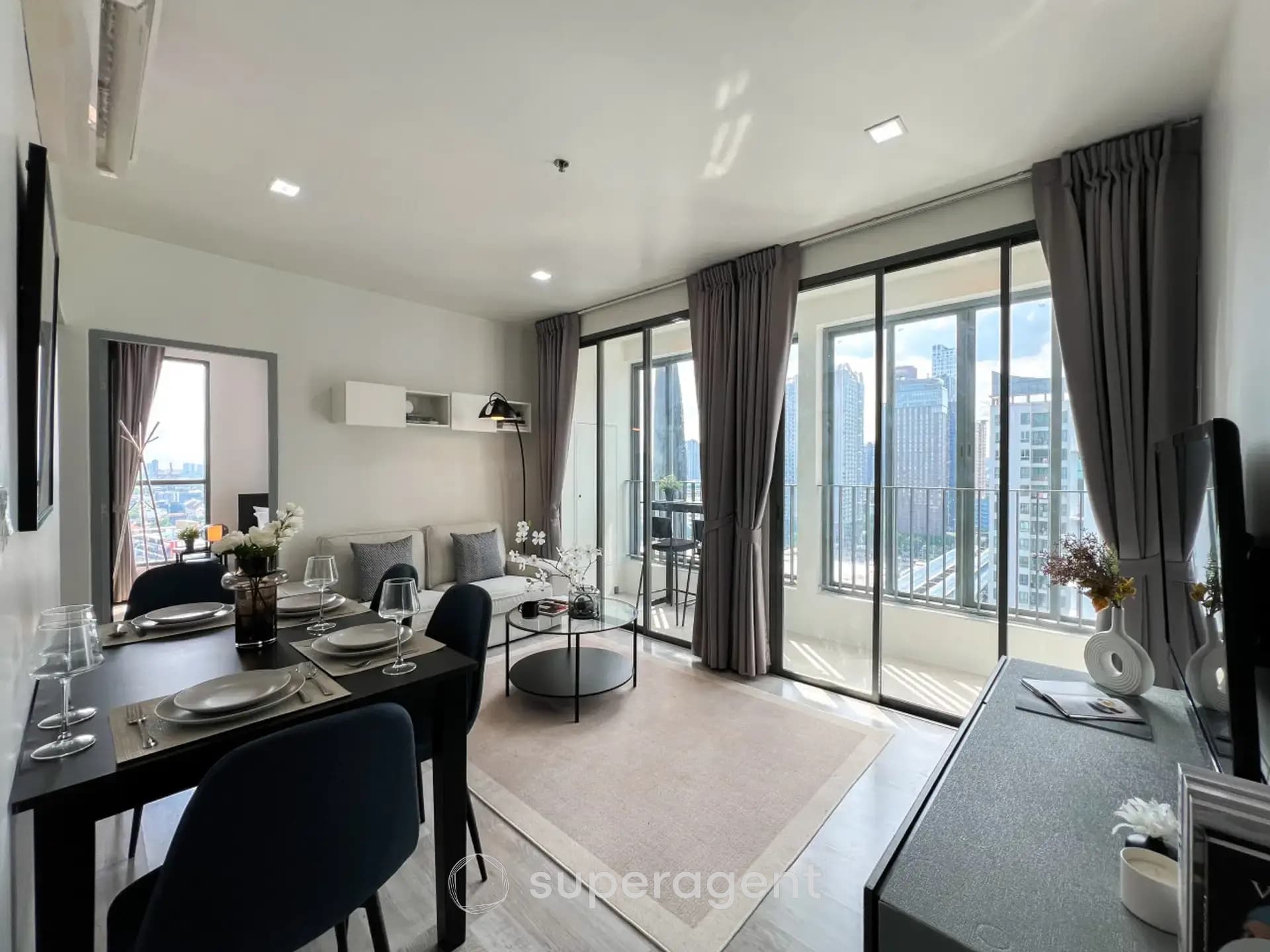
฿42,000
2 Bed287 sqm
2-BR Condo at Ideo Mobi Sukhumvit 81 near BTS On Nut
Condo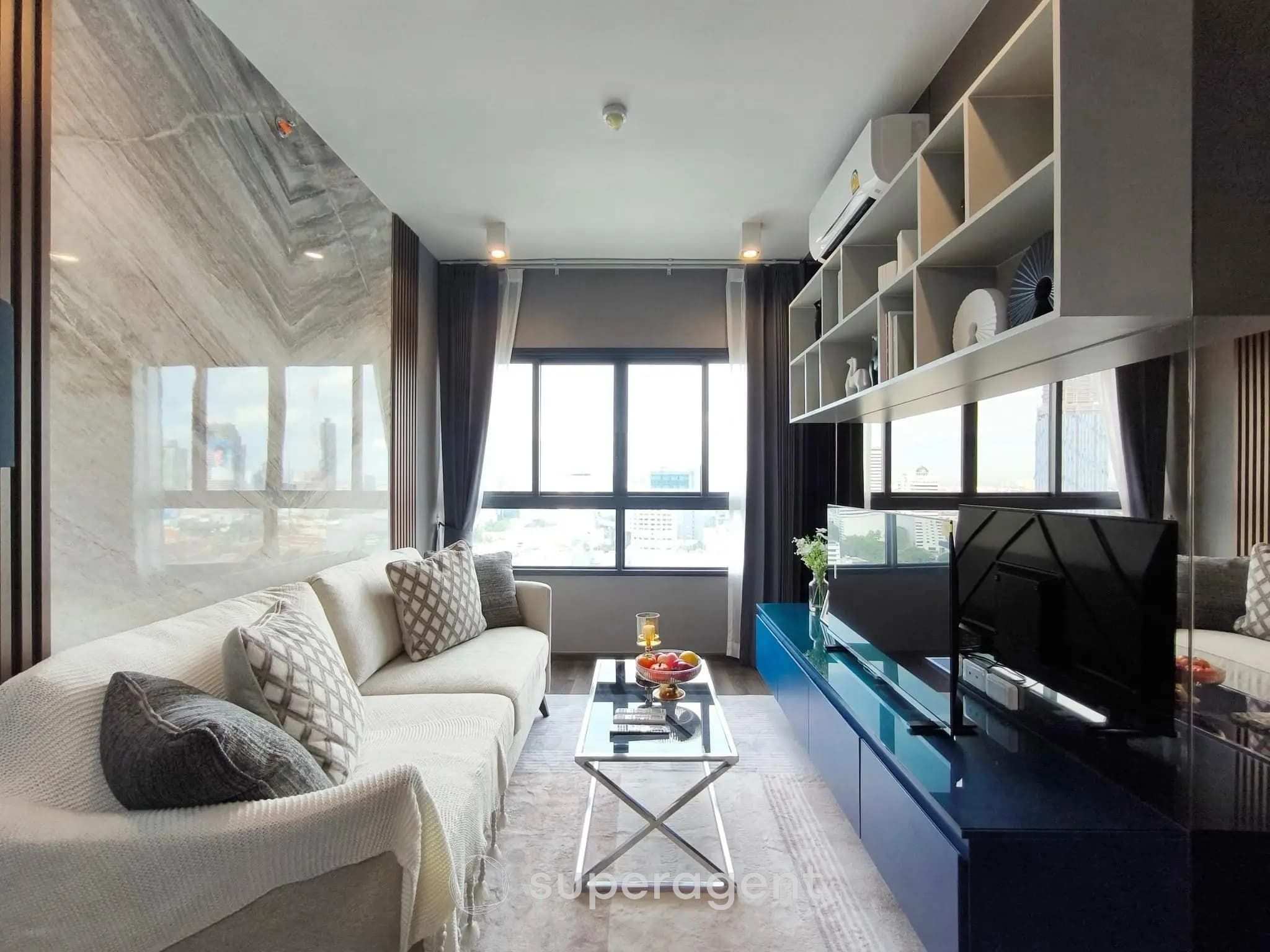
฿38,000
2 Bed258 sqm
2-BR Condo at Ideo Rama 9 - Asoke near MRT Phra Ram 9
Condo
฿27,000
1 Bed145 sqm
1-BR Condo at Noble Reveal Ekamai near BTS Ekkamai
Ekkamai
CondoMore like this
 In Guides · Superagent EditorialHidden Costs of Renting a Condo in Bangkok Nobody Warns You AboutBangkok condo rent looks affordable until month one hits. Here are the real costs beyond the headline figure that catch most renters off guard.25 May 20261 min read
 In Guides · Superagent EditorialWhat a Long-Vacant Bangkok Condo Unit Is Actually Telling YouA Bangkok condo vacant for months signals overpricing, landlord issues, or real problems. Here is how to read the signs.25 May 20261 min read
 In Guides · Superagent EditorialRed Flags in a Bangkok Rental Contract to Watch Out ForBangkok rental contracts often hide risky clauses. Here are the red flags every tenant must catch before signing any lease.25 May 20261 min read
 In Guides · Superagent EditorialWorking Online from a Condo: How to Choose the Perfect Room for ProductivityLearn how to choose the best condo room for working online with tips on lighting, noise, and furniture setup to maximize productivity.9 May 20261 min read