Is Renting a Condo in Thailand Safe? Risks and Prevention Strategies
Guides
Is Renting a Condo in Thailand Safe? Risks and Prevention Strategies
Learn the key safety concerns when renting condos in Thailand and how to protect yourself.
Summary
Discover if เช่าคอนโด ไทย ปลอดภัยไหม with our comprehensive guide covering risks, red flags, and proven protection strategies for expat renters.
If you've been scrolling through condo listings in Bangkok and wondering if it's actually safe to rent here, you're asking the right question. I've lived in Bangkok for seven years, rented in five different buildings, and talked to hundreds of expats and locals doing the same. The short answer: yes, you can rent safely in Bangkok, but it takes real knowledge about what to watch for.
The longer answer involves understanding actual Bangkok rental risks, knowing which neighborhoods have solid track records, and learning how to spot sketchy landlords before they become your problem. This isn't about fear. It's about being smart in a city where rental scams and safety issues are real but totally preventable.
What Actually Goes Wrong with Condo Rentals in Bangkok
The most common problem I've seen isn't dramatic. It's landlords who rent out units they don't actually own, pocket your deposit, then vanish when you try to move in. This happened to a colleague of mine who found a deal on a beautiful two-bedroom in Ari for 18,000 baht per month. The "owner" collected three months' deposit and first month's rent, then never answered the phone again.
Other real risks include contract terms that heavily favor the landlord, buildings with safety issues nobody discloses upfront, and landlords who enter your unit without notice or hold your deposit over your head when you try to leave. Theft from common areas happens too, though less often in managed condos than illegal rentals.
Then there are the environmental concerns specific to Bangkok. Flooding affects certain areas every year. Air quality in some sois gets brutal during burning season. These aren't rental scams, but they absolutely should factor into your decision about where and whether to rent.
How to Verify a Landlord Is Actually the Owner
This is where most people slip up. You meet someone showing you a unit, they seem legitimate, they send you contract photos via WhatsApp, and suddenly you've sent money to a stranger. Real verification takes maybe thirty minutes and saves you thousands of baht.
First, ask to see the Tabian Baan (house registration document) and a copy of their ID card. Any legitimate landlord will have these. The Tabian Baan shows the actual registered owner. If the person showing you the unit isn't on that document, they're either a agent (which is fine, but different situation) or they're running a scam. No exceptions.
Second, visit the building office or management. Tell them you're considering renting unit 2204 and want to confirm the owner's name. The building has records. It takes five minutes and they'll usually help. If the person you're renting from tells you not to ask the building office, run immediately. I watched someone get scammed out of 80,000 baht this way in a Phetchburi Road building.
Third, use the Thailand government's digital property registration system (DLT website) if you want to be thorough. You can search property owners by building name. It costs nothing and takes two minutes.
Reading Contracts Before You Sign Anything
Bangkok landlords use Thai contracts, English translations, or both. Never sign without understanding every line. I'm serious about this. The contract is your legal protection if something goes wrong.
Key things to confirm: exactly how much deposit you're paying and under what conditions you get it back (usually after inspection for damage), when rent is due (monthly on the 1st is standard), what happens if you break the lease early, whether utilities are included or separate, and who pays for maintenance issues. Some landlords charge extra for parking, WiFi, gym access, or unit repairs. Get it all in the contract.
One thing I see constantly: contracts that say the landlord can raise rent 10 percent every year without your agreement. That's standard in Bangkok, actually, but you should know it's coming. Less standard and less favorable: contracts that say the landlord can evict you with 30 days' notice for any reason, or that make you responsible for major repairs. Push back on those terms or find another unit.
If English is your second language or Thai contracts stress you out, pay a lawyer to review it. You'll spend 2,000 to 3,000 baht and avoid potential 200,000 baht problems. There are English-speaking lawyers all over Bangkok who specialize in rental contracts.
Neighborhoods Where Bangkok Rental Risk Is Lower
Safer neighborhoods for rentals aren't necessarily safer neighborhoods overall. They're neighborhoods where the rental market is organized, building management is professional, and landlords are used to dealing with international renters who know what they're doing.
Thonglor and Ekkamai near BTS have large numbers of managed buildings with clear ownership structures. Landlords here are used to foreign tenants and professional contracts. An average two-bedroom runs 25,000 to 35,000 baht monthly. Sathorn, near BTS Chong Nonsi, works the same way. Prices are higher (30,000 to 50,000 baht for two-bedroom) but buildings are professional.
Ari is good if you want something more neighborhood-feeling. BTS Ari station puts you near bars, restaurants, and international schools. Two-bedrooms range 18,000 to 30,000 baht. The rental market here attracts both expats and Thai renters, so buildings tend to be well-maintained and landlords experienced.
Avoid illegal or semi-legal rentals in converted shophouses or older buildings where nobody asks for ID and landlords want cash only. The price looks good, but you have zero legal protection if anything goes wrong. I've known people living in these situations for years without problems, but I've also known people locked out of units because landlords decided they wanted to use the space differently.
Three Safety Checks Before You Hand Over Money
First, visit the building in person at different times of day. Not just to see the unit, but to see the neighborhood and the building's actual condition. Check the parking garage, hallways, and common areas at night if possible. Are locks working? Is the building lit? Are there security staff? A building with visible security, working locks, and maintained common areas is investing in protection.
Second, talk to current tenants if you can. Visit on a weekend morning and knock on a neighboring unit. Most people will give you an honest five-minute answer about their landlord, building management, and whether problems actually get fixed. You'll learn more this way than from any review online.
Third, confirm the building's response to actual emergencies. Ask the management: what happens if there's a water leak in your unit? A break-in? A power outage? Professional buildings have clear procedures. Disorganized buildings will give you vague answers. Trust the building with clear procedures.
Renting safely in Bangkok is totally doable. It requires maybe four hours of research, a bit of skepticism, and the willingness to ask obvious questions. The mistakes I've seen happen when people skip these steps because they're excited about a unit or nervous about looking stupid. Trust me, asking questions feels better than losing 100,000 baht to a scammer.
Use Superagent to search listings with verified owners and transparent information. The platform has already done the hard work of confirming landlord legitimacy, so you can focus on whether the unit and building are actually right for you.
If you've been scrolling through condo listings in Bangkok and wondering if it's actually safe to rent here, you're asking the right question. I've lived in Bangkok for seven years, rented in five different buildings, and talked to hundreds of expats and locals doing the same. The short answer: yes, you can rent safely in Bangkok, but it takes real knowledge about what to watch for.
The longer answer involves understanding actual Bangkok rental risks, knowing which neighborhoods have solid track records, and learning how to spot sketchy landlords before they become your problem. This isn't about fear. It's about being smart in a city where rental scams and safety issues are real but totally preventable.
What Actually Goes Wrong with Condo Rentals in Bangkok
The most common problem I've seen isn't dramatic. It's landlords who rent out units they don't actually own, pocket your deposit, then vanish when you try to move in. This happened to a colleague of mine who found a deal on a beautiful two-bedroom in Ari for 18,000 baht per month. The "owner" collected three months' deposit and first month's rent, then never answered the phone again.
Other real risks include contract terms that heavily favor the landlord, buildings with safety issues nobody discloses upfront, and landlords who enter your unit without notice or hold your deposit over your head when you try to leave. Theft from common areas happens too, though less often in managed condos than illegal rentals.
Continue reading after that.
Looking for a condo
to rent?
Leave your name and phone. We'll follow up while you keep reading.
100% Secure
Fast Response
Free Consultation
Then there are the environmental concerns specific to Bangkok. Flooding affects certain areas every year. Air quality in some sois gets brutal during burning season. These aren't rental scams, but they absolutely should factor into your decision about where and whether to rent.
How to Verify a Landlord Is Actually the Owner
This is where most people slip up. You meet someone showing you a unit, they seem legitimate, they send you contract photos via WhatsApp, and suddenly you've sent money to a stranger. Real verification takes maybe thirty minutes and saves you thousands of baht.
First, ask to see the Tabian Baan (house registration document) and a copy of their ID card. Any legitimate landlord will have these. The Tabian Baan shows the actual registered owner. If the person showing you the unit isn't on that document, they're either a agent (which is fine, but different situation) or they're running a scam. No exceptions.
Second, visit the building office or management. Tell them you're considering renting unit 2204 and want to confirm the owner's name. The building has records. It takes five minutes and they'll usually help. If the person you're renting from tells you not to ask the building office, run immediately. I watched someone get scammed out of 80,000 baht this way in a Phetchburi Road building.
Third, use the Thailand government's digital property registration system (DLT website) if you want to be thorough. You can search property owners by building name. It costs nothing and takes two minutes.
Reading Contracts Before You Sign Anything
Bangkok landlords use Thai contracts, English translations, or both. Never sign without understanding every line. I'm serious about this. The contract is your legal protection if something goes wrong.
Key things to confirm: exactly how much deposit you're paying and under what conditions you get it back (usually after inspection for damage), when rent is due (monthly on the 1st is standard), what happens if you break the lease early, whether utilities are included or separate, and who pays for maintenance issues. Some landlords charge extra for parking, WiFi, gym access, or unit repairs. Get it all in the contract.
One thing I see constantly: contracts that say the landlord can raise rent 10 percent every year without your agreement. That's standard in Bangkok, actually, but you should know it's coming. Less standard and less favorable: contracts that say the landlord can evict you with 30 days' notice for any reason, or that make you responsible for major repairs. Push back on those terms or find another unit.
If English is your second language or Thai contracts stress you out, pay a lawyer to review it. You'll spend 2,000 to 3,000 baht and avoid potential 200,000 baht problems. There are English-speaking lawyers all over Bangkok who specialize in rental contracts.
Neighborhoods Where Bangkok Rental Risk Is Lower
Safer neighborhoods for rentals aren't necessarily safer neighborhoods overall. They're neighborhoods where the rental market is organized, building management is professional, and landlords are used to dealing with international renters who know what they're doing.
Thonglor and Ekkamai near BTS have large numbers of managed buildings with clear ownership structures. Landlords here are used to foreign tenants and professional contracts. An average two-bedroom runs 25,000 to 35,000 baht monthly. Sathorn, near BTS Chong Nonsi, works the same way. Prices are higher (30,000 to 50,000 baht for two-bedroom) but buildings are professional.
Ari is good if you want something more neighborhood-feeling. BTS Ari station puts you near bars, restaurants, and international schools. Two-bedrooms range 18,000 to 30,000 baht. The rental market here attracts both expats and Thai renters, so buildings tend to be well-maintained and landlords experienced.
Continue reading after that.
Looking for a condo
to rent?
Leave your name and phone. We'll follow up while you keep reading.
100% Secure
Fast Response
Free Consultation
Avoid illegal or semi-legal rentals in converted shophouses or older buildings where nobody asks for ID and landlords want cash only. The price looks good, but you have zero legal protection if anything goes wrong. I've known people living in these situations for years without problems, but I've also known people locked out of units because landlords decided they wanted to use the space differently.
Three Safety Checks Before You Hand Over Money
First, visit the building in person at different times of day. Not just to see the unit, but to see the neighborhood and the building's actual condition. Check the parking garage, hallways, and common areas at night if possible. Are locks working? Is the building lit? Are there security staff? A building with visible security, working locks, and maintained common areas is investing in protection.
Second, talk to current tenants if you can. Visit on a weekend morning and knock on a neighboring unit. Most people will give you an honest five-minute answer about their landlord, building management, and whether problems actually get fixed. You'll learn more this way than from any review online.
Third, confirm the building's response to actual emergencies. Ask the management: what happens if there's a water leak in your unit? A break-in? A power outage? Professional buildings have clear procedures. Disorganized buildings will give you vague answers. Trust the building with clear procedures.
Renting safely in Bangkok is totally doable. It requires maybe four hours of research, a bit of skepticism, and the willingness to ask obvious questions. The mistakes I've seen happen when people skip these steps because they're excited about a unit or nervous about looking stupid. Trust me, asking questions feels better than losing 100,000 baht to a scammer.
Use Superagent to search listings with verified owners and transparent information. The platform has already done the hard work of confirming landlord legitimacy, so you can focus on whether the unit and building are actually right for you.
Share this article
Properties you may like
![[For Rent] CONDO I Park Origin 24 I 2 Beds I 1 Baths I 48,000THB/mo](/_next/image?url=https%3A%2F%2Fstorage.googleapis.com%2Fsuperagent-web%2Fattachments%2Flistings%2F6890%2Ffb28cb5c-9a1b-424b-9b52-b844aeba7bf2-1291-1.jpg&w=3840&q=75)
฿48,000
2 Bed152.1 sqm
[For Rent] CONDO I Park Origin 24 I 2 Beds I 1 Baths I 48,000THB/mo
Phrom Phong
Condo![[For Rent] CONDO I Grand Parkview Asoke I 2 Beds I 1 Bath I 35,000THB/mo](/_next/image?url=https%3A%2F%2Fstorage.googleapis.com%2Fsuperagent-web%2Fattachments%2Flistings%2F6889%2F9cb3631b-7a06-4438-9425-a5c78df563d4-1303-1.jpg&w=3840&q=75)
฿35,000
2 Bed168.4 sqm
[For Rent] CONDO I Grand Parkview Asoke I 2 Beds I 1 Bath I 35,000THB/mo
Asoke
Condo![[For Rent] CONDO I Culture Thonglor I 1 Bed I 1 Bath I 22,000THB/mo](/_next/image?url=https%3A%2F%2Fstorage.googleapis.com%2Fsuperagent-web%2Fattachments%2Flistings%2F2271%2Fcb90f802-330c-49a2-a142-2e33a8127032-culture_thonglor_for_rent_02.jpg&w=3840&q=75)
฿22,000
1 Bed126 sqm
[For Rent] CONDO I Culture Thonglor I 1 Bed I 1 Bath I 22,000THB/mo
Thonglor
Condo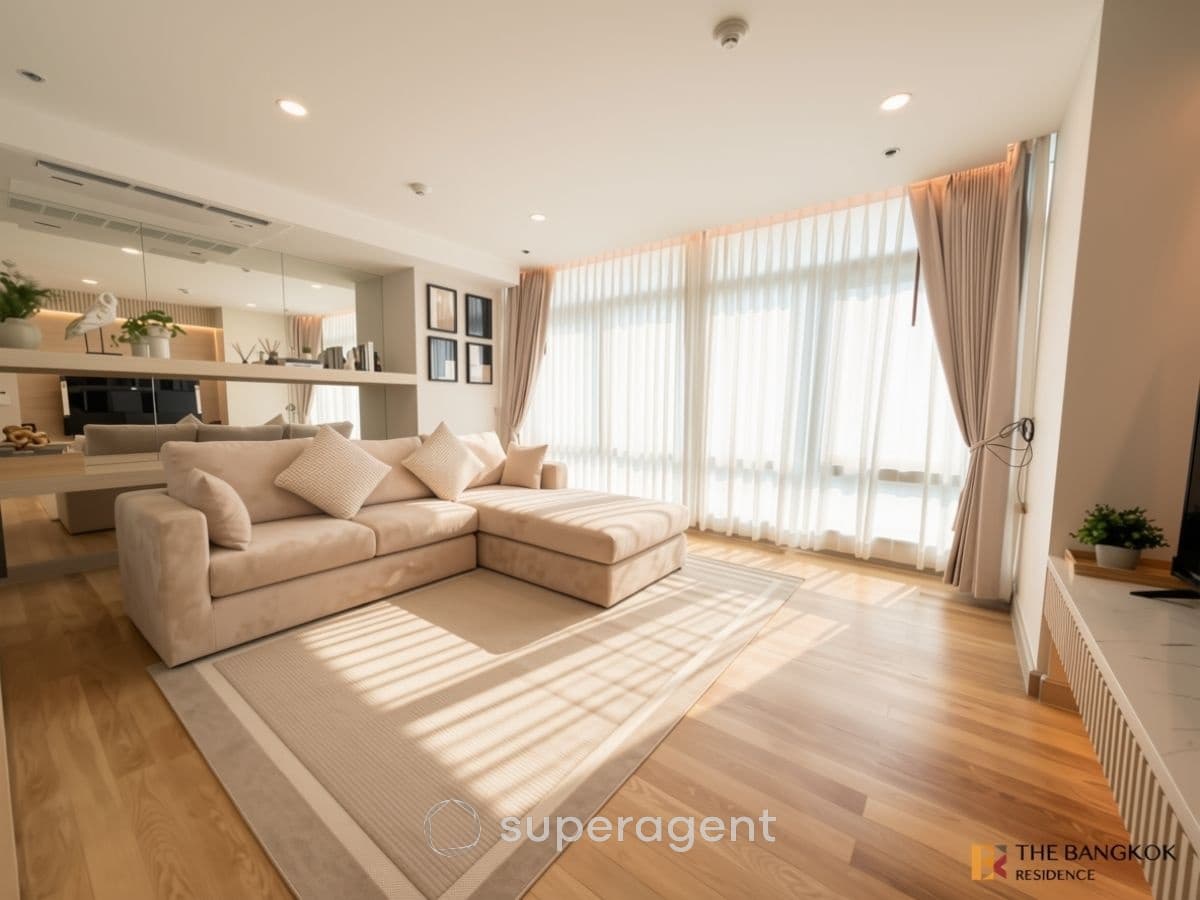
฿120,000
3 Bed3165 sqm
The Height Thonglor, 3BR 165 sq.m. 120K Show Unit Feel, Great Price, Rare Item in the Heart of Thonglor, Near BTS Thonglo
Condo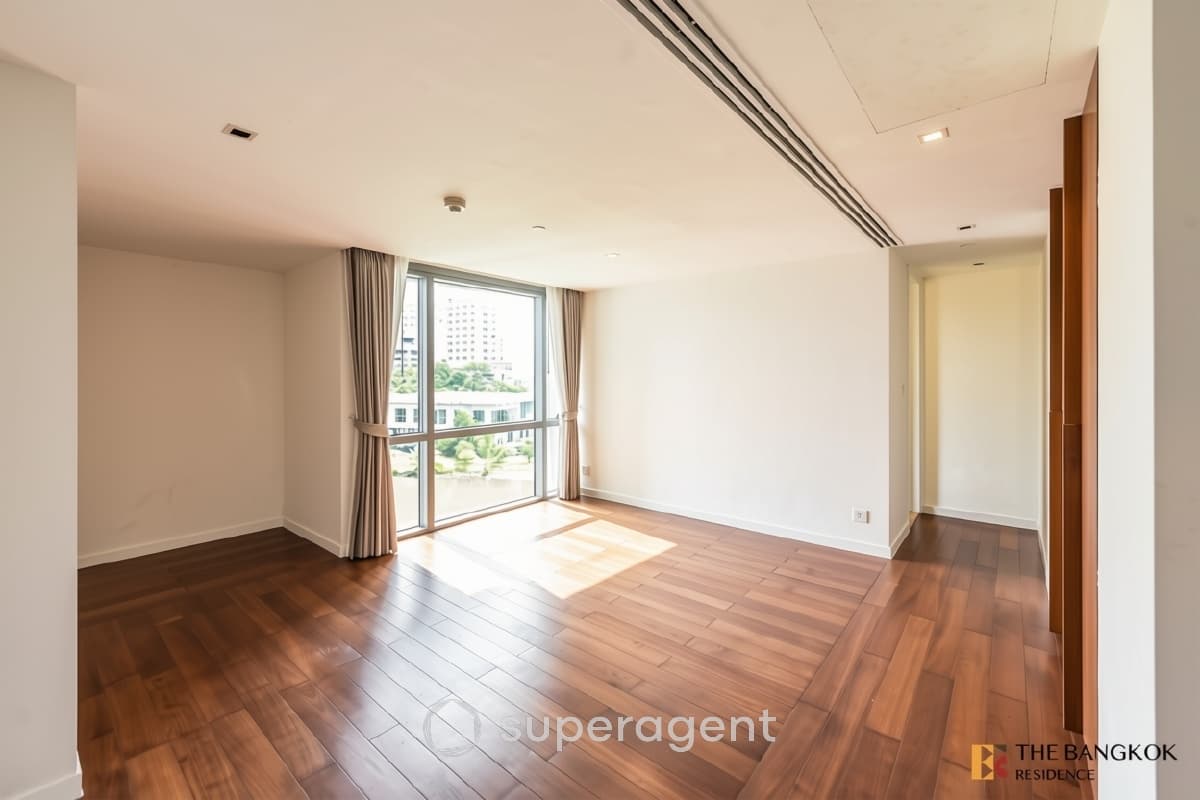
฿180,000
3 Bed4453 sqm
The Pano, 3BR 453sq.m. 180K Spacious Unit, Stunning Views
Condo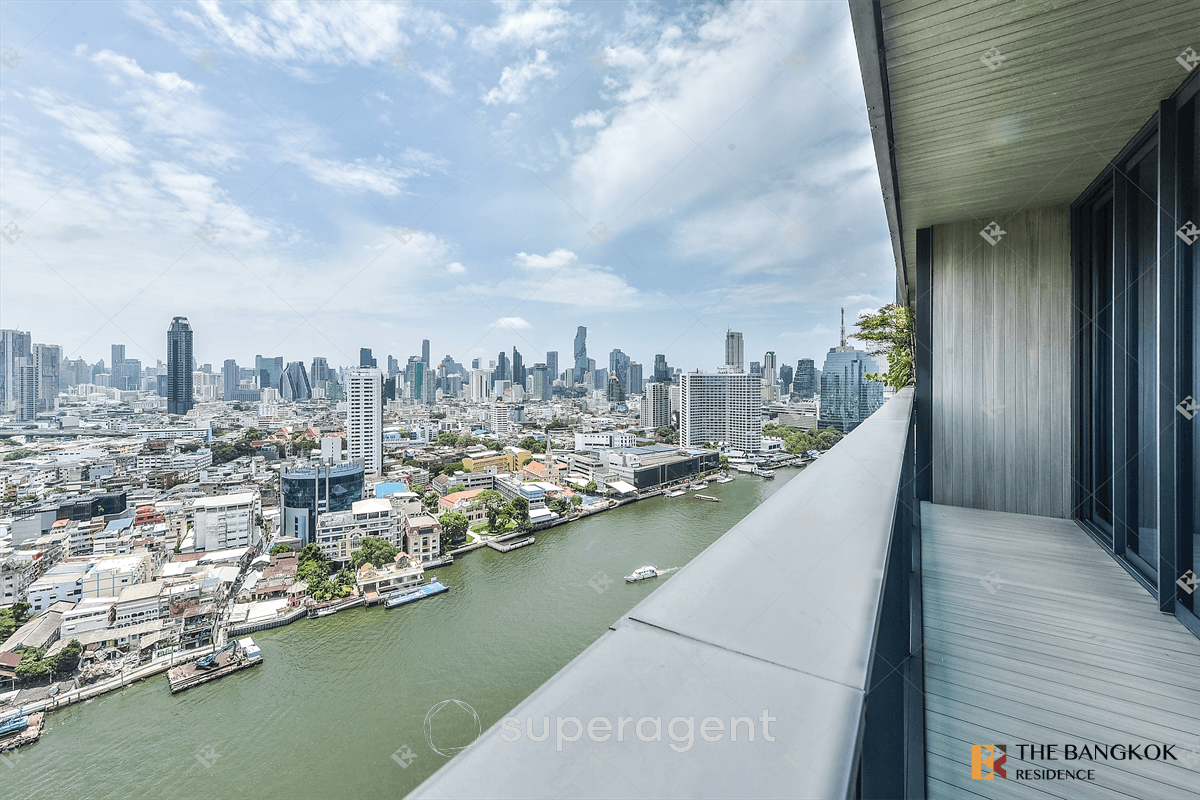
฿190,000
2 Bed2178.3 sqm
Banyan Tree Residence Riverside Bangkok, 2BR 178.34 sq.m. 190K Beautiful Fully Furnished Unit, Near BTS Saphan Taksin
Charoen Nakhon
Condo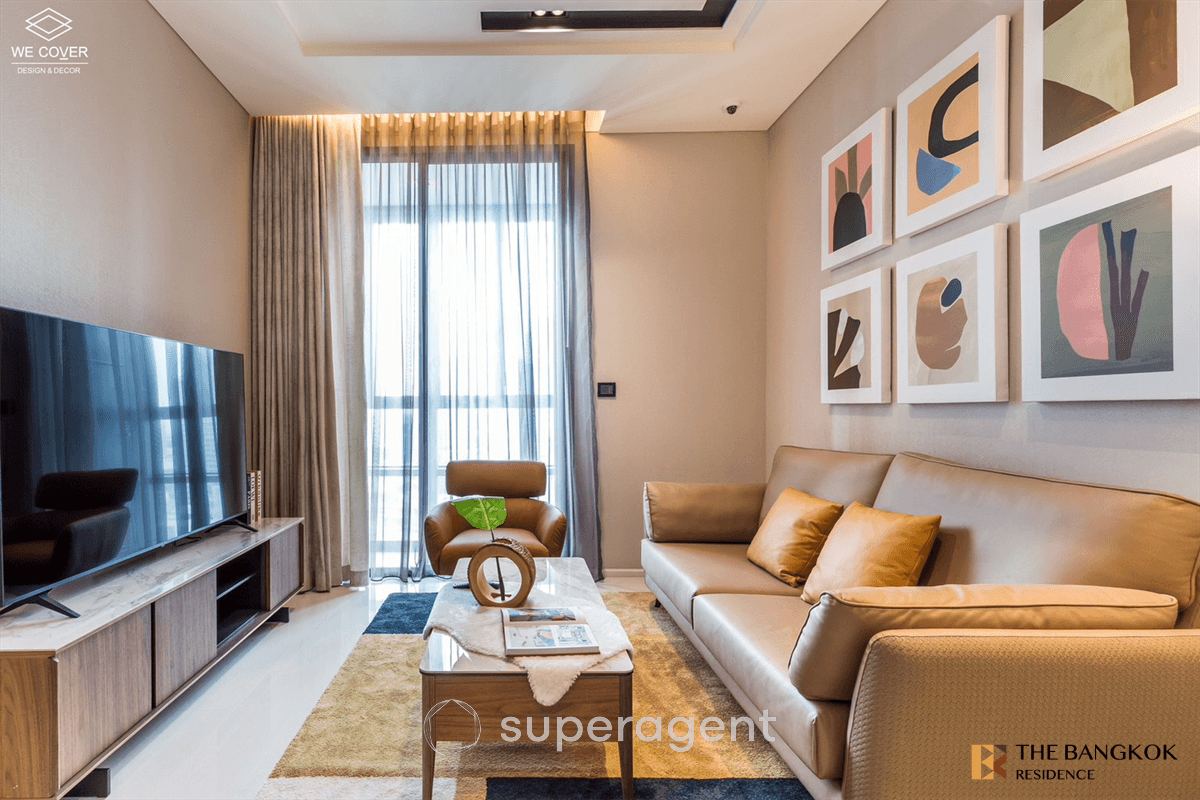
฿59,000
1 Bed155.8 sqm
The Bangkok Thonglor, 1BR 55.8 sq.m. 59K, Premium High Floor Unit, Near BTS Thonglo
Thonglor
Condo![[For Rent] CONDO I Culture Chula I Duplex I 1 Bed I 1 Bath I 35,000THB/mo](/_next/image?url=https%3A%2F%2Fstorage.googleapis.com%2Fsuperagent-web%2Fattachments%2Flistings%2F6760%2F8deaff98-ecb1-4c62-b9be-aecac2f65797-1140-1.jpg&w=3840&q=75)
฿35,000
1 Bed138 sqm
[For Rent] CONDO I Culture Chula I Duplex I 1 Bed I 1 Bath I 35,000THB/mo
Siam
Condo![[For Rent] CONDO I Ideo Chula Samyan I 1 Bed I 1 Bath I 30,000THB/mo](/_next/image?url=https%3A%2F%2Fstorage.googleapis.com%2Fsuperagent-web%2Fattachments%2Flistings%2F6872%2Ff9ab570c-e4ca-41d6-90ee-a8e581218438-1271-8.jpg&w=3840&q=75)
฿30,000
1 Bed135 sqm
[For Rent] CONDO I Ideo Chula Samyan I 1 Bed I 1 Bath I 30,000THB/mo
Siam
Condo![[For Rent] TOWNHOME I Quarter 31 I 4 Beds I 5 Baths I 280,000THB/mo](/_next/image?url=https%3A%2F%2Fstorage.googleapis.com%2Fsuperagent-web%2Fattachments%2Flistings%2F1724%2Fb24f7c3a-8acd-49e4-ae85-6a31498207e4-600-2.jpg&w=3840&q=75)
฿280,000
4 Bed5425 sqm
[For Rent] TOWNHOME I Quarter 31 I 4 Beds I 5 Baths I 280,000THB/mo
Phrom Phong
CondoMore like this
 In Guides · Superagent EditorialHidden Costs of Renting a Condo in Bangkok Nobody Warns You AboutBangkok condo rent looks affordable until month one hits. Here are the real costs beyond the headline figure that catch most renters off guard.25 May 20261 min read
 In Guides · Superagent EditorialWhat a Long-Vacant Bangkok Condo Unit Is Actually Telling YouA Bangkok condo vacant for months signals overpricing, landlord issues, or real problems. Here is how to read the signs.25 May 20261 min read
 In Guides · Superagent EditorialRed Flags in a Bangkok Rental Contract to Watch Out ForBangkok rental contracts often hide risky clauses. Here are the red flags every tenant must catch before signing any lease.25 May 20261 min read
 In Guides · Superagent EditorialWorking Online from a Condo: How to Choose the Perfect Room for ProductivityLearn how to choose the best condo room for working online with tips on lighting, noise, and furniture setup to maximize productivity.9 May 20261 min read