Japanese Expats in Bangkok: Sukhumvit's Little Japan Rental Guide
Lifestyle
Japanese Expats in Bangkok: Sukhumvit's Little Japan Rental Guide
Discover the best neighborhoods and rental tips for Japanese professionals calling Bangkok home.
Summary
Find everything Japanese expat Bangkok renters need to know about Sukhumvit living, from furnished apartments to local amenities and community resources.
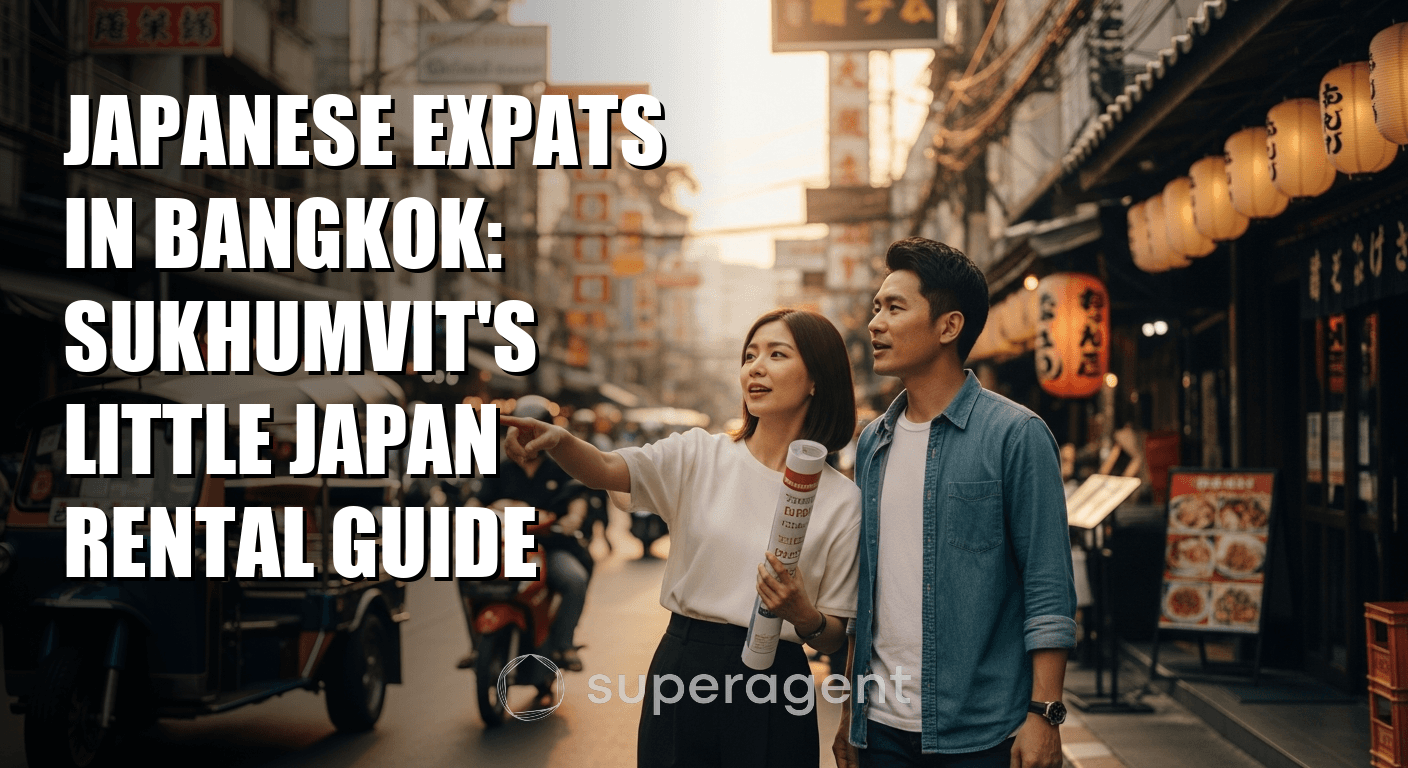
If you've ever walked out of BTS Phrom Phong on a weekday evening, you've probably noticed something immediately. The signs are in Japanese. The restaurants serve tonkatsu and ramen that could fool you into thinking you're in Shinjuku. The supermarket has an entire aisle of natto and miso paste. This stretch of Sukhumvit, roughly between Soi 24 and Soi 63, is home to one of the largest Japanese expat communities outside Japan. And if you're a Japanese expat looking for a condo rental in Bangkok, this is almost certainly where your search begins.
Bangkok has been attracting Japanese professionals and families for decades, thanks to the heavy presence of Japanese corporations in Thailand. The result is an entire ecosystem built around Japanese daily life, from schools and clinics to izakayas and bookstores. Finding the right condo here means more than just picking a nice unit. It means plugging into a neighborhood that already understands how you live.
The Heart of Little Japan: Phrom Phong and Thonglor
Phrom Phong is ground zero for Japanese expat life in Bangkok. Soi 24 alone has Fuji Super, multiple Japanese medical clinics, and enough yakiniku restaurants to keep you busy for months. The Emporium and EmQuartier malls sit right at the BTS station, giving you high end shopping and dining without a commute.
Condos in this area reflect the demand. Buildings like Waterford Diamond Tower, The Lumpini 24, and Bright Sukhumvit 24 are popular with Japanese tenants. Expect to pay between 30,000 and 70,000 THB per month for a well maintained one or two bedroom unit. Three bedroom family units can push past 100,000 THB, especially in newer developments.
Take the example of Kenji, a Japanese engineer relocated by his company to Bangkok. He chose a two bedroom at Bright Sukhumvit 24, paying around 45,000 THB monthly. His kids attend a nearby Japanese supplementary school on weekends, his wife shops at Fuji Super twice a week, and his office shuttle picks him up on Sukhumvit Road. His entire life operates within a 10 minute radius.
Soi 33 and Beyond: The Social Hub
If Phrom Phong is the residential anchor, Sukhumvit Soi 33 is the social one. This soi is packed with Japanese restaurants, karaoke bars, and small izakayas. It's where Japanese expats gather after work and on weekends. Living nearby makes social life effortless.
Condos around Soi 33 and the adjacent even numbered sois offer solid options. Supalai Place Sukhumvit 39 and Baan Siri 31 are both well known among the Japanese expat community. Rent for a one bedroom typically ranges from 25,000 to 40,000 THB, while two bedrooms start around 40,000 THB and climb depending on furnishing quality and building age.
Yuki, a marketing manager from Osaka, specifically chose a unit on Soi 31 so she could walk to her favorite ramen spot on Soi 33 and still be a short motorcycle taxi ride from BTS Phrom Phong. She pays 32,000 THB for a well furnished one bedroom. For her, the neighborhood feel matters just as much as the condo itself.
Ekkamai and On Nut: The Quieter Alternative
Not every Japanese expat wants to live in the busiest part of Sukhumvit. Ekkamai, around Soi 63, and On Nut, further down the line, offer a more relaxed pace while still keeping you connected to the Japanese community.
Ekkamai has its own cluster of Japanese restaurants and cafes, especially along the main Ekkamai Road and Gateway Ekkamai mall. Condos like Noble Reveal and XT Ekkamai offer modern units starting from 22,000 THB for a studio up to 55,000 THB for a spacious two bedroom.
On Nut is the budget friendly choice that has gained serious traction in recent years. Buildings like Ideo Mobi Sukhumvit 81 and Life Sukhumvit 62 provide newer, well designed units at 15,000 to 30,000 THB per month. You lose the walkability to Soi 33, but you gain space, savings, and a growing number of Japanese grocery options. Hiroshi, a young software developer, chose On Nut specifically because he could get a large one bedroom for 18,000 THB, saving nearly half compared to Phrom Phong. He just rides two extra BTS stops to meet friends.
What Japanese Expats Should Look for in a Bangkok Condo
Beyond location, certain condo features matter more to Japanese tenants. Cleanliness and building maintenance rank extremely high. Japanese expats tend to prefer buildings with attentive juristic offices, well kept lobbies, and functioning amenities. A run down gym or a dirty pool can be a dealbreaker.
Bathtubs are another surprisingly important factor. Many Japanese renters specifically request units with bathtubs, which are not standard in most Bangkok condos. If soaking in an ofuro after a long day is non negotiable for you, mention it early in your search. It will narrow your options but save you time.
Proximity to Japanese schools is critical for families. Bangkok has several, including Thai Japanese Association School near Soi 17 and various supplementary weekend schools scattered along Sukhumvit. Families with school age children often pick their condo based on the school commute first and everything else second.
Lease Terms and Common Pitfalls
Most Bangkok condos require a minimum 12 month lease with two months deposit upfront. Some landlords near Phrom Phong are familiar with Japanese corporate relocation packages and may be flexible with lease terms, especially for company sponsored tenancies. If your employer handles housing, make sure your HR team communicates directly with the landlord or agent to avoid misunderstandings about invoicing and tax receipts.
One common pitfall is overpaying simply because you're searching in a limited area. The Japanese expat zones are well known, and some landlords price units higher knowing the demand. Always compare similar units across at least three or four buildings before signing.
Finding the right condo in Bangkok's Japanese neighborhood doesn't have to be stressful. The infrastructure is already here. The community is established. You just need to match your budget and lifestyle to the right building in the right soi. If you want to skip the guesswork and see curated options based on your actual preferences, try searching on superagent.co. It's built for exactly this kind of search, fast, specific, and tailored to how people actually rent in Bangkok.
If you've ever walked out of BTS Phrom Phong on a weekday evening, you've probably noticed something immediately. The signs are in Japanese. The restaurants serve tonkatsu and ramen that could fool you into thinking you're in Shinjuku. The supermarket has an entire aisle of natto and miso paste. This stretch of Sukhumvit, roughly between Soi 24 and Soi 63, is home to one of the largest Japanese expat communities outside Japan. And if you're a Japanese expat looking for a condo rental in Bangkok, this is almost certainly where your search begins.
Bangkok has been attracting Japanese professionals and families for decades, thanks to the heavy presence of Japanese corporations in Thailand. The result is an entire ecosystem built around Japanese daily life, from schools and clinics to izakayas and bookstores. Finding the right condo here means more than just picking a nice unit. It means plugging into a neighborhood that already understands how you live.
The Heart of Little Japan: Phrom Phong and Thonglor
Phrom Phong is ground zero for Japanese expat life in Bangkok. Soi 24 alone has Fuji Super, multiple Japanese medical clinics, and enough yakiniku restaurants to keep you busy for months. The Emporium and EmQuartier malls sit right at the BTS station, giving you high end shopping and dining without a commute.
Continue reading after that.
Looking for a condo
to rent?
Leave your name and phone. We'll follow up while you keep reading.
100% Secure
Fast Response
Free Consultation
Condos in this area reflect the demand. Buildings like Waterford Diamond Tower, The Lumpini 24, and Bright Sukhumvit 24 are popular with Japanese tenants. Expect to pay between 30,000 and 70,000 THB per month for a well maintained one or two bedroom unit. Three bedroom family units can push past 100,000 THB, especially in newer developments.
Take the example of Kenji, a Japanese engineer relocated by his company to Bangkok. He chose a two bedroom at Bright Sukhumvit 24, paying around 45,000 THB monthly. His kids attend a nearby Japanese supplementary school on weekends, his wife shops at Fuji Super twice a week, and his office shuttle picks him up on Sukhumvit Road. His entire life operates within a 10 minute radius.
Soi 33 and Beyond: The Social Hub
If Phrom Phong is the residential anchor, Sukhumvit Soi 33 is the social one. This soi is packed with Japanese restaurants, karaoke bars, and small izakayas. It's where Japanese expats gather after work and on weekends. Living nearby makes social life effortless.
Condos around Soi 33 and the adjacent even numbered sois offer solid options. Supalai Place Sukhumvit 39 and Baan Siri 31 are both well known among the Japanese expat community. Rent for a one bedroom typically ranges from 25,000 to 40,000 THB, while two bedrooms start around 40,000 THB and climb depending on furnishing quality and building age.
Yuki, a marketing manager from Osaka, specifically chose a unit on Soi 31 so she could walk to her favorite ramen spot on Soi 33 and still be a short motorcycle taxi ride from BTS Phrom Phong. She pays 32,000 THB for a well furnished one bedroom. For her, the neighborhood feel matters just as much as the condo itself.
Ekkamai and On Nut: The Quieter Alternative
Not every Japanese expat wants to live in the busiest part of Sukhumvit. Ekkamai, around Soi 63, and On Nut, further down the line, offer a more relaxed pace while still keeping you connected to the Japanese community.
Ekkamai has its own cluster of Japanese restaurants and cafes, especially along the main Ekkamai Road and Gateway Ekkamai mall. Condos like Noble Reveal and XT Ekkamai offer modern units starting from 22,000 THB for a studio up to 55,000 THB for a spacious two bedroom.
On Nut is the budget friendly choice that has gained serious traction in recent years. Buildings like Ideo Mobi Sukhumvit 81 and Life Sukhumvit 62 provide newer, well designed units at 15,000 to 30,000 THB per month. You lose the walkability to Soi 33, but you gain space, savings, and a growing number of Japanese grocery options. Hiroshi, a young software developer, chose On Nut specifically because he could get a large one bedroom for 18,000 THB, saving nearly half compared to Phrom Phong. He just rides two extra BTS stops to meet friends.
What Japanese Expats Should Look for in a Bangkok Condo
Beyond location, certain condo features matter more to Japanese tenants. Cleanliness and building maintenance rank extremely high. Japanese expats tend to prefer buildings with attentive juristic offices, well kept lobbies, and functioning amenities. A run down gym or a dirty pool can be a dealbreaker.
Bathtubs are another surprisingly important factor. Many Japanese renters specifically request units with bathtubs, which are not standard in most Bangkok condos. If soaking in an ofuro after a long day is non negotiable for you, mention it early in your search. It will narrow your options but save you time.
Continue reading after that.
Looking for a condo
to rent?
Leave your name and phone. We'll follow up while you keep reading.
100% Secure
Fast Response
Free Consultation
Proximity to Japanese schools is critical for families. Bangkok has several, including Thai Japanese Association School near Soi 17 and various supplementary weekend schools scattered along Sukhumvit. Families with school age children often pick their condo based on the school commute first and everything else second.
Lease Terms and Common Pitfalls
Most Bangkok condos require a minimum 12 month lease with two months deposit upfront. Some landlords near Phrom Phong are familiar with Japanese corporate relocation packages and may be flexible with lease terms, especially for company sponsored tenancies. If your employer handles housing, make sure your HR team communicates directly with the landlord or agent to avoid misunderstandings about invoicing and tax receipts.
One common pitfall is overpaying simply because you're searching in a limited area. The Japanese expat zones are well known, and some landlords price units higher knowing the demand. Always compare similar units across at least three or four buildings before signing.
Finding the right condo in Bangkok's Japanese neighborhood doesn't have to be stressful. The infrastructure is already here. The community is established. You just need to match your budget and lifestyle to the right building in the right soi. If you want to skip the guesswork and see curated options based on your actual preferences, try searching on superagent.co. It's built for exactly this kind of search, fast, specific, and tailored to how people actually rent in Bangkok.
Share this article
Properties you may like
![[For Rent] CONDO I Las Colinas Condominium I 2 Beds I 3 Baths I 85,000THB/mo](/_next/image?url=https%3A%2F%2Fstorage.googleapis.com%2Fsuperagent-web%2Fattachments%2Flistings%2F6828%2F80f345c4-488e-43b2-b017-c9fbb17b520d-99486dd8-4237-4ba2-9207-01ce4f66b21f-media.jpg&w=3840&q=75)
฿85,000
2 Bed3170 sqm
[For Rent] CONDO I Las Colinas Condominium I 2 Beds I 3 Baths I 85,000THB/mo
Asoke
Condo![[For Rent] CONDO I Aspire Sukhumvit 48 I 2 Beds I 2 Baths I 24,000THB/mo](/_next/image?url=https%3A%2F%2Fstorage.googleapis.com%2Fsuperagent-web%2Fattachments%2Flistings%2F1199%2F130cd37f-3e03-4538-ad28-bdb3d47916ce-93-9.jpg&w=3840&q=75)
฿24,000
2 Bed254 sqm
[For Rent] CONDO I Aspire Sukhumvit 48 I 2 Beds I 2 Baths I 24,000THB/mo
On Nut
Condo![[For Rent] CONDO I BEATNIQ Sukhumvit32 I 2 Beds I 1 Baths I 110,000THB/mo](/_next/image?url=https%3A%2F%2Fstorage.googleapis.com%2Fsuperagent-web%2Fattachments%2Flistings%2F6806%2F8024fbb5-880d-428a-b7f7-d8caf46fe4d1-1190-1.jpg&w=3840&q=75)
฿110,000
2 Bed1107 sqm
[For Rent] CONDO I BEATNIQ Sukhumvit32 I 2 Beds I 1 Baths I 110,000THB/mo
Phrom Phong
Condo![[For Rent] CONDO I The Diplomat 39 I 2 Beds I 2 Baths I 89,000THB/mo](/_next/image?url=https%3A%2F%2Fstorage.googleapis.com%2Fsuperagent-web%2Fattachments%2Flistings%2F6784%2Ff92c62cc-d3be-42df-adca-b8f96fb02cfb-1163-1.jpg&w=3840&q=75)
฿89,000
2 Bed286 sqm
[For Rent] CONDO I The Diplomat 39 I 2 Beds I 2 Baths I 89,000THB/mo
Phrom Phong
Condo![[For Rent] CONDO I Noble State 39 I 3 Beds I 2 Baths I 85,000 THB/mo](/_next/image?url=https%3A%2F%2Fstorage.googleapis.com%2Fsuperagent-web%2Fattachments%2Flistings%2F1454%2Fdc7f3742-b148-4d56-9e26-1961f002d674-384-19.jpg&w=3840&q=75)
฿85,000
3 Bed285 sqm
[For Rent] CONDO I Noble State 39 I 3 Beds I 2 Baths I 85,000 THB/mo
Phrom Phong
Condo![[For Rent] CONDO I Piyathip Place I 2 Beds I 2 Baths I 77,000THB/mo](/_next/image?url=https%3A%2F%2Fstorage.googleapis.com%2Fsuperagent-web%2Fattachments%2Flistings%2F6817%2F2943cf16-53ee-4779-8edb-2e1be7291556-1191-1.jpg&w=3840&q=75)
฿77,000
2 Bed2173 sqm
[For Rent] CONDO I Piyathip Place I 2 Beds I 2 Baths I 77,000THB/mo
Condo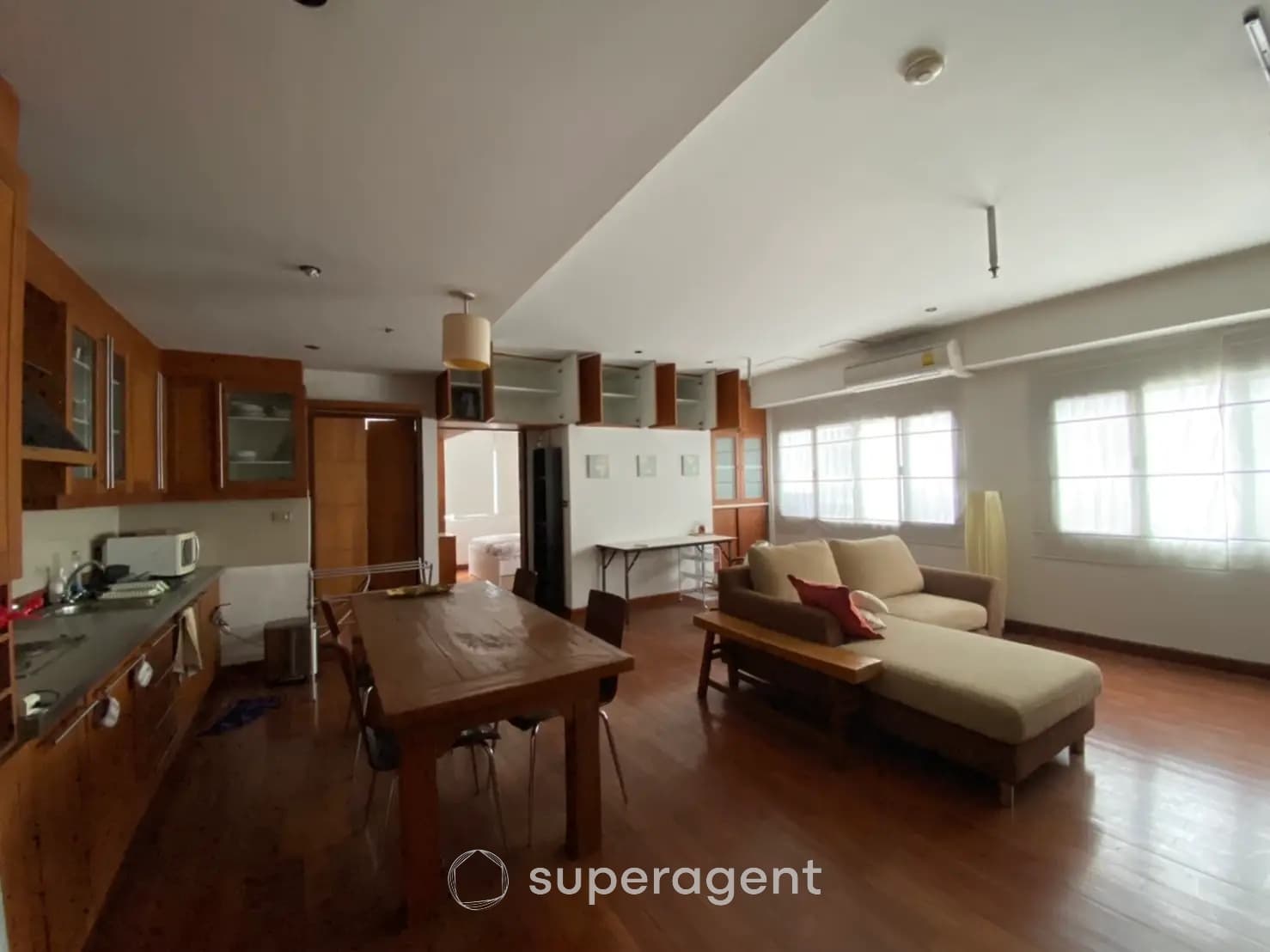
฿28,000
1 Bed167 sqm
1-BR Condo at Wittayu Complex near BTS Phloen Chit
Condo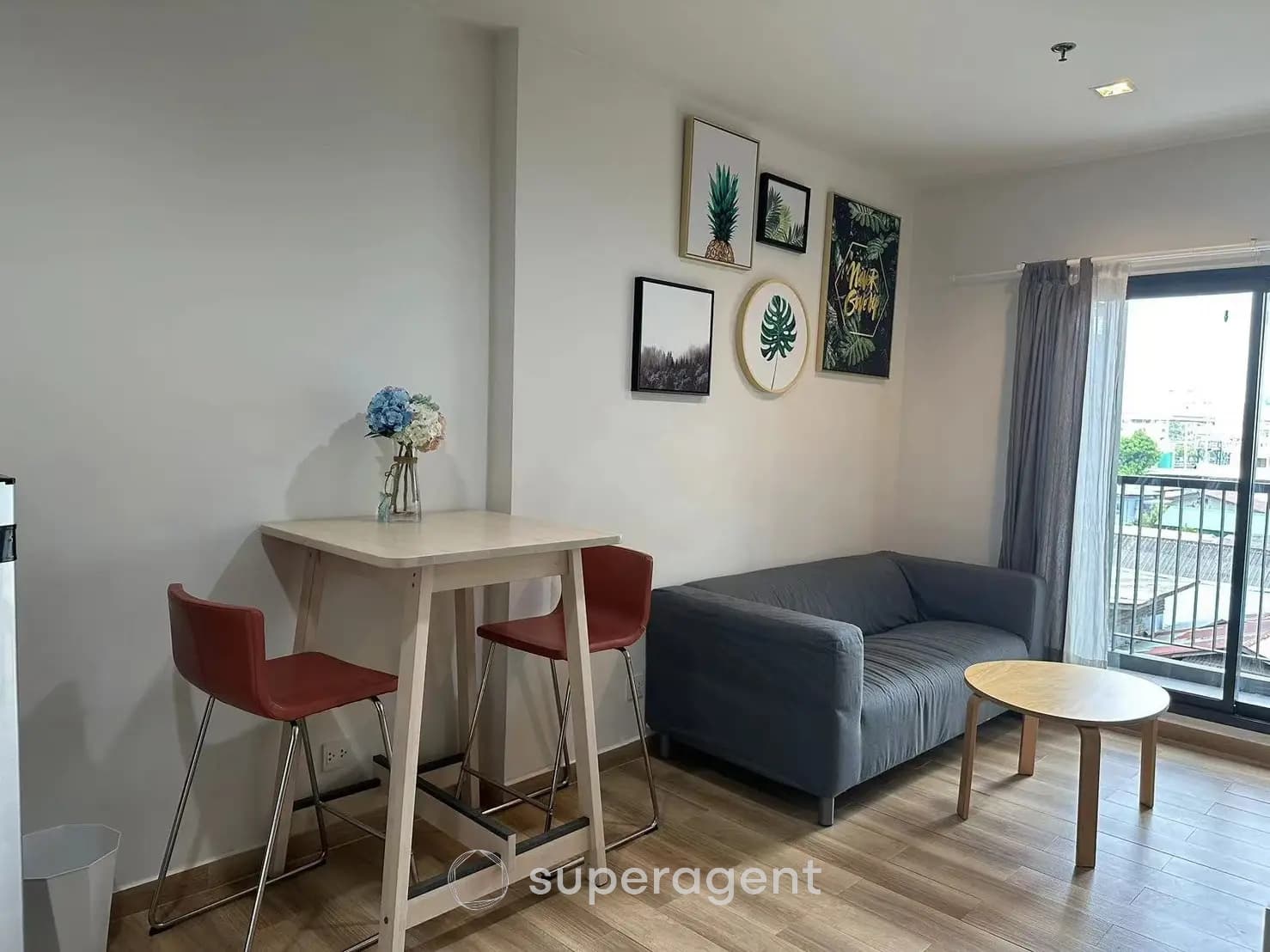
฿23,000
2 Bed150 sqm
2-BR Condo at Life Sukhumvit 48 near BTS Phra Khanong
On Nut
Condo![[For Rent] CONDO I Maestro 14 Siam-Ratchathewi Pet Friendly I 1 Bed I 1 Bath I 22,000THB/mo](/_next/image?url=https%3A%2F%2Fstorage.googleapis.com%2Fsuperagent-web%2Fattachments%2Flistings%2F6686%2F5ae8a77f-b6fb-4578-a765-e56f493cd25f-1058.png&w=3840&q=75)
฿25,000
1 Bed130 sqm
[For Rent] CONDO I Maestro 14 Siam-Ratchathewi Pet Friendly I 1 Bed I 1 Bath I 22,000THB/mo
Siam
Condo![[For Rent] CONDO I KEN Attitude Rattanathibet I Duplex I 2 Beds I 2 Baths I 40,000THB/mo](/_next/image?url=https%3A%2F%2Fstorage.googleapis.com%2Fsuperagent-web%2Fattachments%2Flistings%2F6852%2F17c1715e-4458-4008-bb0b-072a4c081166-img_0557.jpeg&w=3840&q=75)
฿40,000
2 Bed277 sqm
[For Rent] CONDO I KEN Attitude Rattanathibet I Duplex I 2 Beds I 2 Baths I 40,000THB/mo
CondoMore like this
 In Lifestyle · Superagent EditorialWhere Bangkok's Expat Communities Are Concentrated: Rental Guide by NationalityDiscover where Bangkok's expat community areas are located. Our rental guide maps out neighborhoods by nationality to help you find your ideal home.12 Apr 20241 min read
 In Lifestyle · Superagent EditorialThe AI Rental Revolution in Bangkok: How Technology Is Changing How Expats Find HomesBangkok rental revolution ai is reshaping how expats find homes. Explore smart technology, virtual tours, and AI-powered matching tools transforming the ma16 Apr 20211 min read
 In Lifestyle · Superagent EditorialMonthly Condo Rentals in Bangkok: Why They Beat Daily Rates Once Your Stay Passes Two WeeksCompare Bangkok daily and monthly condo rates near BTS Thong Lo, Asoke, Ari and On Nut, and see why monthly leases save tens of thousands of baht.19 Jul 20191 min read
 In Lifestyle · Superagent EditorialHow to Negotiate Rent With Thai Condo Landlords: Techniques That Actually Work in BangkokProven tactics for negotiating condo rent with Bangkok landlords, from market research and counter offers to lease length, timing and low season.18 Jul 20191 min read