Noisy Neighbors in Bangkok Condos: How to Handle It Effectively
Guides
Noisy Neighbors in Bangkok Condos: How to Handle It Effectively
Practical strategies for resolving noise disputes and reclaiming your peaceful Bangkok home.
Summary
Learn effective ways to handle noisy neighbors in Bangkok condos. Discover communication tips, documentation methods, and management solutions for noise co
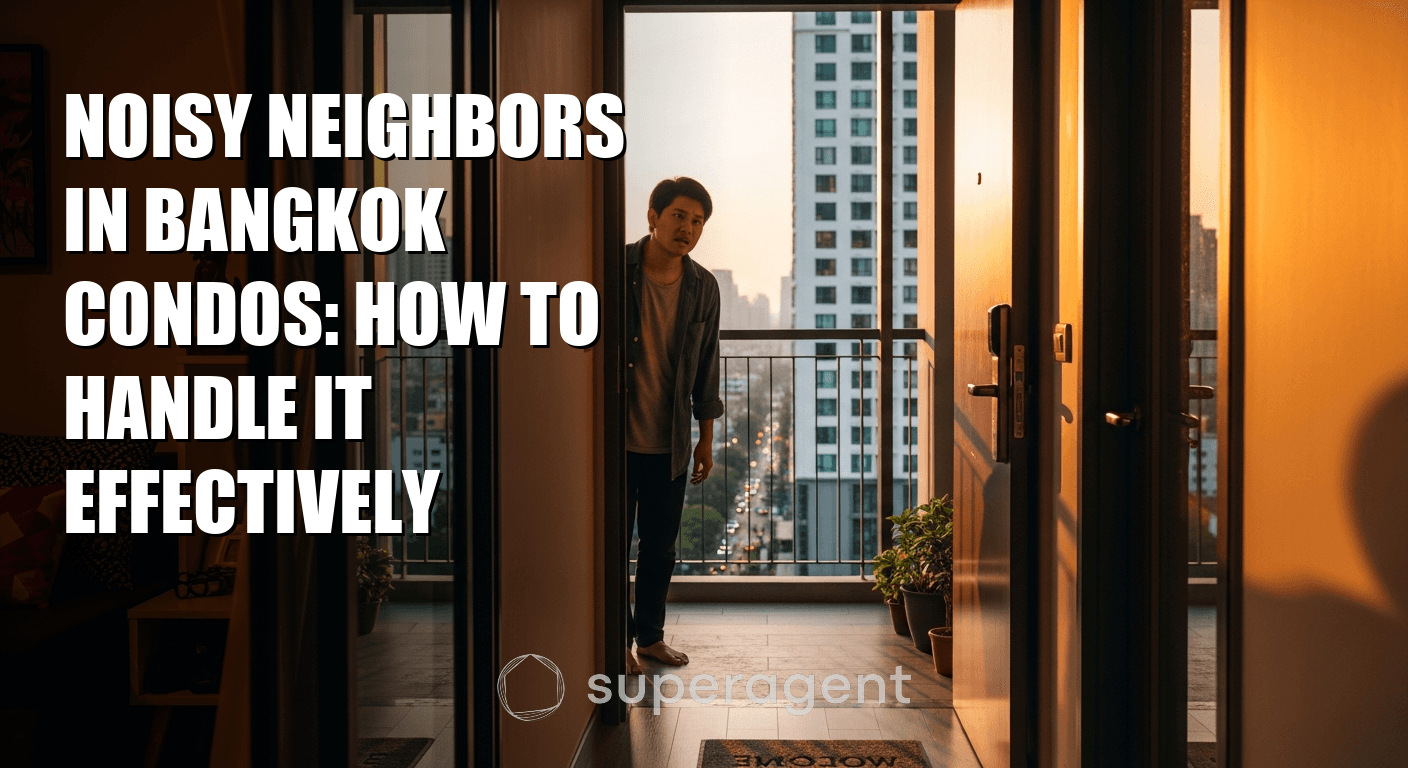
It's 1:47 AM on a Tuesday. You have a client presentation at 9. And your upstairs neighbor in that Sukhumvit Soi 24 condo is blasting EDM like they're headlining a Khao San Road full moon party. Sound familiar? If you've rented a condo in Bangkok for any length of time, you've probably lived some version of this nightmare. The good news is you don't have to suffer in silence. There are real, practical ways to deal with a bangkok condo noisy neighbor situation without losing your cool or your lease.
Understand What Counts as a Noise Complaint in Bangkok Condos
First, let's set some context. Bangkok is not a quiet city. Tuk tuks, street vendors, construction on the new Orange Line extension, the guy selling som tam from a cart with a megaphone at 6 AM. Ambient noise is part of the deal. But inside your condo walls, you actually do have rights.
Most Bangkok condos operate under a juristic person office, and almost all of them have house rules covering noise. Typical quiet hours run from 10 PM to 7 AM, though some buildings push it to 11 PM. These aren't suggestions. They're enforceable rules backed by the Thai Condominium Act.
Take a building like The Lumpini Suite on Sukhumvit Soi 41, near Phrom Phong BTS. Their house rules explicitly ban loud music, construction noise after hours, and excessive pet barking. If your neighbor is violating posted rules, you have legitimate grounds to act. The key is knowing what your specific building's rules say, so dig out that welcome packet or ask the juristic office for a copy.
Start With a Friendly Conversation, Thai Style
Before you go filing complaints or banging on walls, try the direct approach. But do it the Thai way. Confrontation doesn't play well here. A friendly knock, a smile, and a calm "sorry to bother you" goes much further than an aggressive demand.
I once lived in a mid range condo near Ari BTS, paying about 18,000 THB per month. My next door neighbor was a young Thai professional who genuinely didn't realize her TV was shaking my bedroom wall every night. One polite conversation over Line chat, and she moved her speakers to the other side of the room. Problem solved in 24 hours.
Many noise issues come from people who simply don't know they're being loud. Concrete walls in older Bangkok condos can be surprisingly thin, especially in buildings from the early 2000s. A respectful heads up fixes the problem more often than you'd expect.
Escalate Through the Juristic Person Office
If the friendly approach doesn't work, or if you're dealing with a repeat offender, it's time to involve building management. The juristic person office exists for exactly this reason. Go in person during office hours, bring your lease or ownership documents, and file a formal written complaint.
Be specific. "My neighbor is loud" won't get much traction. Instead, say something like: "Unit 1508 has been playing loud music past midnight on four separate occasions this month. Here are the dates and approximate times." If you have audio recordings from your phone, even better.
A friend renting at Ideo Mobi Rama 9 near Phra Ram 9 MRT was dealing with a neighbor who threw parties every weekend. After two written complaints with documented evidence, the juristic office issued a formal warning letter. When the behavior continued, they fined the unit owner 2,000 THB per incident. The parties stopped pretty quickly after that.
Most well managed buildings in the 25,000 to 45,000 THB range take these complaints seriously because property values depend on livability. Budget buildings around 8,000 to 12,000 THB may be less responsive, which is something worth considering before you sign a lease.
Know Your Legal Options Under Thai Law
If building management can't or won't help, Thai law does offer some protection. Section 1337 of the Thai Civil and Commercial Code covers nuisance, including noise. You can technically pursue a civil claim, though this is a last resort and can be slow.
For extreme cases, Thai police can get involved. Calling 191 or visiting your local police station to file a noise complaint is an option, especially during late night hours. Police in areas with high expat populations, like Thong Lo or Asoke, are used to handling these situations.
One expat living in a condo on Soi Thonglor 25 actually called the local police after a neighboring unit hosted a loud party past 2 AM on a weeknight. The police arrived, spoke to the tenant, and the noise stopped that night. It's not the most comfortable move, but it works when nothing else does.
Prevent the Problem Before You Sign a Lease
The smartest way to handle noisy neighbors is to avoid them in the first place. When you're viewing a condo, visit at different times of day. Check the walls by knocking on them. Ask the building staff about noise complaints. Look at the floor plan to see if your bedroom shares a wall with a neighbor's living room.
Buildings with thicker walls and better construction quality, like newer projects from AP Thai, Sansiri, or Ananda, tend to have fewer noise issues. Older buildings near party areas like Sukhumvit Soi 11 or RCA are naturally higher risk.
Dealing with a bangkok condo noisy neighbor situation is never fun, but it's almost always fixable if you approach it with patience, documentation, and the right escalation steps. And if you're still searching for a condo where you can actually sleep at night, Superagent at superagent.co can help you find the right fit. The AI powered search lets you filter by building quality, location, and the kind of details that make the difference between a good rental and a regrettable one.
It's 1:47 AM on a Tuesday. You have a client presentation at 9. And your upstairs neighbor in that Sukhumvit Soi 24 condo is blasting EDM like they're headlining a Khao San Road full moon party. Sound familiar? If you've rented a condo in Bangkok for any length of time, you've probably lived some version of this nightmare. The good news is you don't have to suffer in silence. There are real, practical ways to deal with a bangkok condo noisy neighbor situation without losing your cool or your lease.
Understand What Counts as a Noise Complaint in Bangkok Condos
First, let's set some context. Bangkok is not a quiet city. Tuk tuks, street vendors, construction on the new Orange Line extension, the guy selling som tam from a cart with a megaphone at 6 AM. Ambient noise is part of the deal. But inside your condo walls, you actually do have rights.
Most Bangkok condos operate under a juristic person office, and almost all of them have house rules covering noise. Typical quiet hours run from 10 PM to 7 AM, though some buildings push it to 11 PM. These aren't suggestions. They're enforceable rules backed by the Thai Condominium Act.
Take a building like The Lumpini Suite on Sukhumvit Soi 41, near Phrom Phong BTS. Their house rules explicitly ban loud music, construction noise after hours, and excessive pet barking. If your neighbor is violating posted rules, you have legitimate grounds to act. The key is knowing what your specific building's rules say, so dig out that welcome packet or ask the juristic office for a copy.
Continue reading after that.
Looking for a condo
to rent?
Leave your name and phone. We'll follow up while you keep reading.
100% Secure
Fast Response
Free Consultation
Start With a Friendly Conversation, Thai Style
Before you go filing complaints or banging on walls, try the direct approach. But do it the Thai way. Confrontation doesn't play well here. A friendly knock, a smile, and a calm "sorry to bother you" goes much further than an aggressive demand.
I once lived in a mid range condo near Ari BTS, paying about 18,000 THB per month. My next door neighbor was a young Thai professional who genuinely didn't realize her TV was shaking my bedroom wall every night. One polite conversation over Line chat, and she moved her speakers to the other side of the room. Problem solved in 24 hours.
Many noise issues come from people who simply don't know they're being loud. Concrete walls in older Bangkok condos can be surprisingly thin, especially in buildings from the early 2000s. A respectful heads up fixes the problem more often than you'd expect.
Escalate Through the Juristic Person Office
If the friendly approach doesn't work, or if you're dealing with a repeat offender, it's time to involve building management. The juristic person office exists for exactly this reason. Go in person during office hours, bring your lease or ownership documents, and file a formal written complaint.
Be specific. "My neighbor is loud" won't get much traction. Instead, say something like: "Unit 1508 has been playing loud music past midnight on four separate occasions this month. Here are the dates and approximate times." If you have audio recordings from your phone, even better.
A friend renting at Ideo Mobi Rama 9 near Phra Ram 9 MRT was dealing with a neighbor who threw parties every weekend. After two written complaints with documented evidence, the juristic office issued a formal warning letter. When the behavior continued, they fined the unit owner 2,000 THB per incident. The parties stopped pretty quickly after that.
Most well managed buildings in the 25,000 to 45,000 THB range take these complaints seriously because property values depend on livability. Budget buildings around 8,000 to 12,000 THB may be less responsive, which is something worth considering before you sign a lease.
Know Your Legal Options Under Thai Law
If building management can't or won't help, Thai law does offer some protection. Section 1337 of the Thai Civil and Commercial Code covers nuisance, including noise. You can technically pursue a civil claim, though this is a last resort and can be slow.
For extreme cases, Thai police can get involved. Calling 191 or visiting your local police station to file a noise complaint is an option, especially during late night hours. Police in areas with high expat populations, like Thong Lo or Asoke, are used to handling these situations.
Continue reading after that.
Looking for a condo
to rent?
Leave your name and phone. We'll follow up while you keep reading.
100% Secure
Fast Response
Free Consultation
One expat living in a condo on Soi Thonglor 25 actually called the local police after a neighboring unit hosted a loud party past 2 AM on a weeknight. The police arrived, spoke to the tenant, and the noise stopped that night. It's not the most comfortable move, but it works when nothing else does.
Prevent the Problem Before You Sign a Lease
The smartest way to handle noisy neighbors is to avoid them in the first place. When you're viewing a condo, visit at different times of day. Check the walls by knocking on them. Ask the building staff about noise complaints. Look at the floor plan to see if your bedroom shares a wall with a neighbor's living room.
Buildings with thicker walls and better construction quality, like newer projects from AP Thai, Sansiri, or Ananda, tend to have fewer noise issues. Older buildings near party areas like Sukhumvit Soi 11 or RCA are naturally higher risk.
Dealing with a bangkok condo noisy neighbor situation is never fun, but it's almost always fixable if you approach it with patience, documentation, and the right escalation steps. And if you're still searching for a condo where you can actually sleep at night, Superagent at superagent.co can help you find the right fit. The AI powered search lets you filter by building quality, location, and the kind of details that make the difference between a good rental and a regrettable one.
Share this article
Properties you may like
![[For Rent] CONDO I Las Colinas Condominium I 2 Beds I 3 Baths I 85,000THB/mo](/_next/image?url=https%3A%2F%2Fstorage.googleapis.com%2Fsuperagent-web%2Fattachments%2Flistings%2F6828%2F80f345c4-488e-43b2-b017-c9fbb17b520d-99486dd8-4237-4ba2-9207-01ce4f66b21f-media.jpg&w=3840&q=75)
฿85,000
2 Bed3170 sqm
[For Rent] CONDO I Las Colinas Condominium I 2 Beds I 3 Baths I 85,000THB/mo
Asoke
Condo![[For Rent] CONDO I Aspire Sukhumvit 48 I 2 Beds I 2 Baths I 24,000THB/mo](/_next/image?url=https%3A%2F%2Fstorage.googleapis.com%2Fsuperagent-web%2Fattachments%2Flistings%2F1199%2F130cd37f-3e03-4538-ad28-bdb3d47916ce-93-9.jpg&w=3840&q=75)
฿24,000
2 Bed254 sqm
[For Rent] CONDO I Aspire Sukhumvit 48 I 2 Beds I 2 Baths I 24,000THB/mo
On Nut
Condo![[For Rent] CONDO I BEATNIQ Sukhumvit32 I 2 Beds I 1 Baths I 110,000THB/mo](/_next/image?url=https%3A%2F%2Fstorage.googleapis.com%2Fsuperagent-web%2Fattachments%2Flistings%2F6806%2F8024fbb5-880d-428a-b7f7-d8caf46fe4d1-1190-1.jpg&w=3840&q=75)
฿110,000
2 Bed1107 sqm
[For Rent] CONDO I BEATNIQ Sukhumvit32 I 2 Beds I 1 Baths I 110,000THB/mo
Phrom Phong
Condo![[For Rent] CONDO I The Diplomat 39 I 2 Beds I 2 Baths I 89,000THB/mo](/_next/image?url=https%3A%2F%2Fstorage.googleapis.com%2Fsuperagent-web%2Fattachments%2Flistings%2F6784%2Ff92c62cc-d3be-42df-adca-b8f96fb02cfb-1163-1.jpg&w=3840&q=75)
฿89,000
2 Bed286 sqm
[For Rent] CONDO I The Diplomat 39 I 2 Beds I 2 Baths I 89,000THB/mo
Phrom Phong
Condo![[For Rent] CONDO I Noble State 39 I 3 Beds I 2 Baths I 85,000 THB/mo](/_next/image?url=https%3A%2F%2Fstorage.googleapis.com%2Fsuperagent-web%2Fattachments%2Flistings%2F1454%2Fdc7f3742-b148-4d56-9e26-1961f002d674-384-19.jpg&w=3840&q=75)
฿85,000
3 Bed285 sqm
[For Rent] CONDO I Noble State 39 I 3 Beds I 2 Baths I 85,000 THB/mo
Phrom Phong
Condo![[For Rent] CONDO I Piyathip Place I 2 Beds I 2 Baths I 77,000THB/mo](/_next/image?url=https%3A%2F%2Fstorage.googleapis.com%2Fsuperagent-web%2Fattachments%2Flistings%2F6817%2F2943cf16-53ee-4779-8edb-2e1be7291556-1191-1.jpg&w=3840&q=75)
฿77,000
2 Bed2173 sqm
[For Rent] CONDO I Piyathip Place I 2 Beds I 2 Baths I 77,000THB/mo
Condo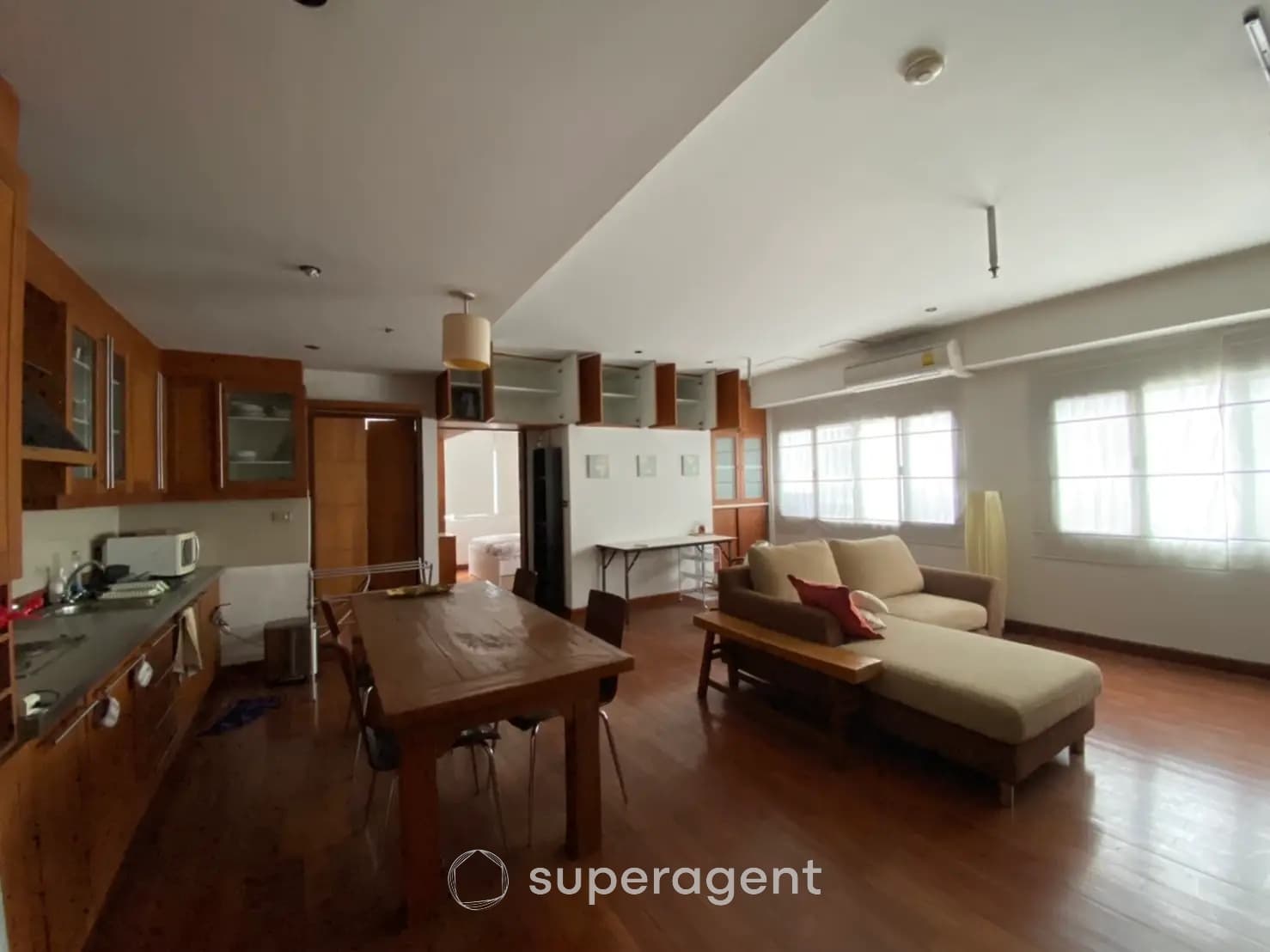
฿28,000
1 Bed167 sqm
1-BR Condo at Wittayu Complex near BTS Phloen Chit
Condo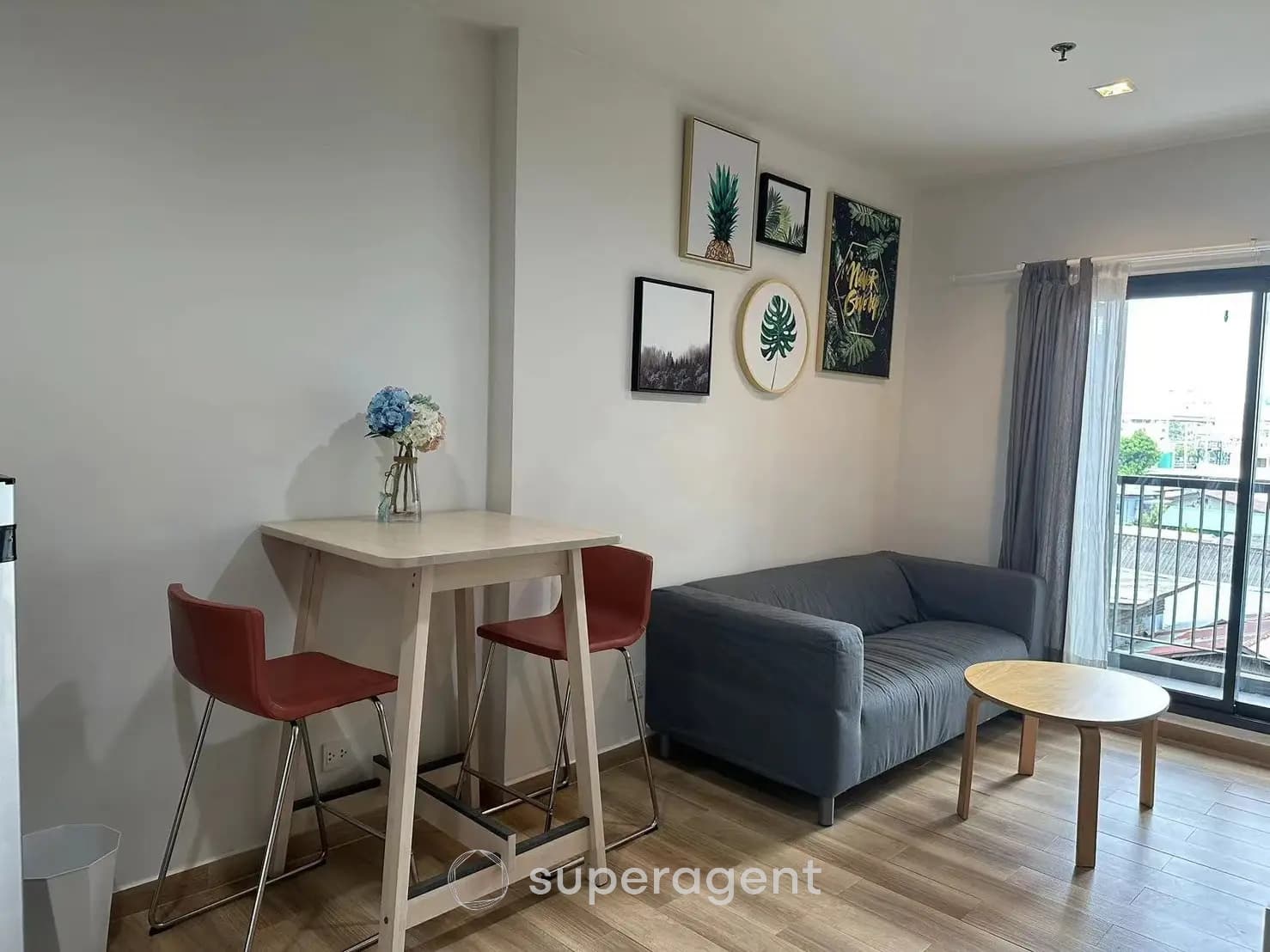
฿23,000
2 Bed150 sqm
2-BR Condo at Life Sukhumvit 48 near BTS Phra Khanong
On Nut
Condo![[For Rent] CONDO I Maestro 14 Siam-Ratchathewi Pet Friendly I 1 Bed I 1 Bath I 22,000THB/mo](/_next/image?url=https%3A%2F%2Fstorage.googleapis.com%2Fsuperagent-web%2Fattachments%2Flistings%2F6686%2F5ae8a77f-b6fb-4578-a765-e56f493cd25f-1058.png&w=3840&q=75)
฿25,000
1 Bed130 sqm
[For Rent] CONDO I Maestro 14 Siam-Ratchathewi Pet Friendly I 1 Bed I 1 Bath I 22,000THB/mo
Siam
Condo![[For Rent] CONDO I KEN Attitude Rattanathibet I Duplex I 2 Beds I 2 Baths I 40,000THB/mo](/_next/image?url=https%3A%2F%2Fstorage.googleapis.com%2Fsuperagent-web%2Fattachments%2Flistings%2F6852%2F17c1715e-4458-4008-bb0b-072a4c081166-img_0557.jpeg&w=3840&q=75)
฿40,000
2 Bed277 sqm
[For Rent] CONDO I KEN Attitude Rattanathibet I Duplex I 2 Beds I 2 Baths I 40,000THB/mo
CondoMore like this
 In Guides · Superagent EditorialHidden Costs of Renting a Condo in Bangkok Nobody Warns You AboutBangkok condo rent looks affordable until month one hits. Here are the real costs beyond the headline figure that catch most renters off guard.25 May 20261 min read
 In Guides · Superagent EditorialWhat a Long-Vacant Bangkok Condo Unit Is Actually Telling YouA Bangkok condo vacant for months signals overpricing, landlord issues, or real problems. Here is how to read the signs.25 May 20261 min read
 In Guides · Superagent EditorialRed Flags in a Bangkok Rental Contract to Watch Out ForBangkok rental contracts often hide risky clauses. Here are the red flags every tenant must catch before signing any lease.25 May 20261 min read
 In Guides · Superagent EditorialWorking Online from a Condo: How to Choose the Perfect Room for ProductivityLearn how to choose the best condo room for working online with tips on lighting, noise, and furniture setup to maximize productivity.9 May 20261 min read