Planning Visa Renewals While Renting in Bangkok: Country Runs and Options
Guides
Planning Visa Renewals While Renting in Bangkok: Country Runs and Options
Master the art of staying legal while renting in Bangkok with strategic visa planning
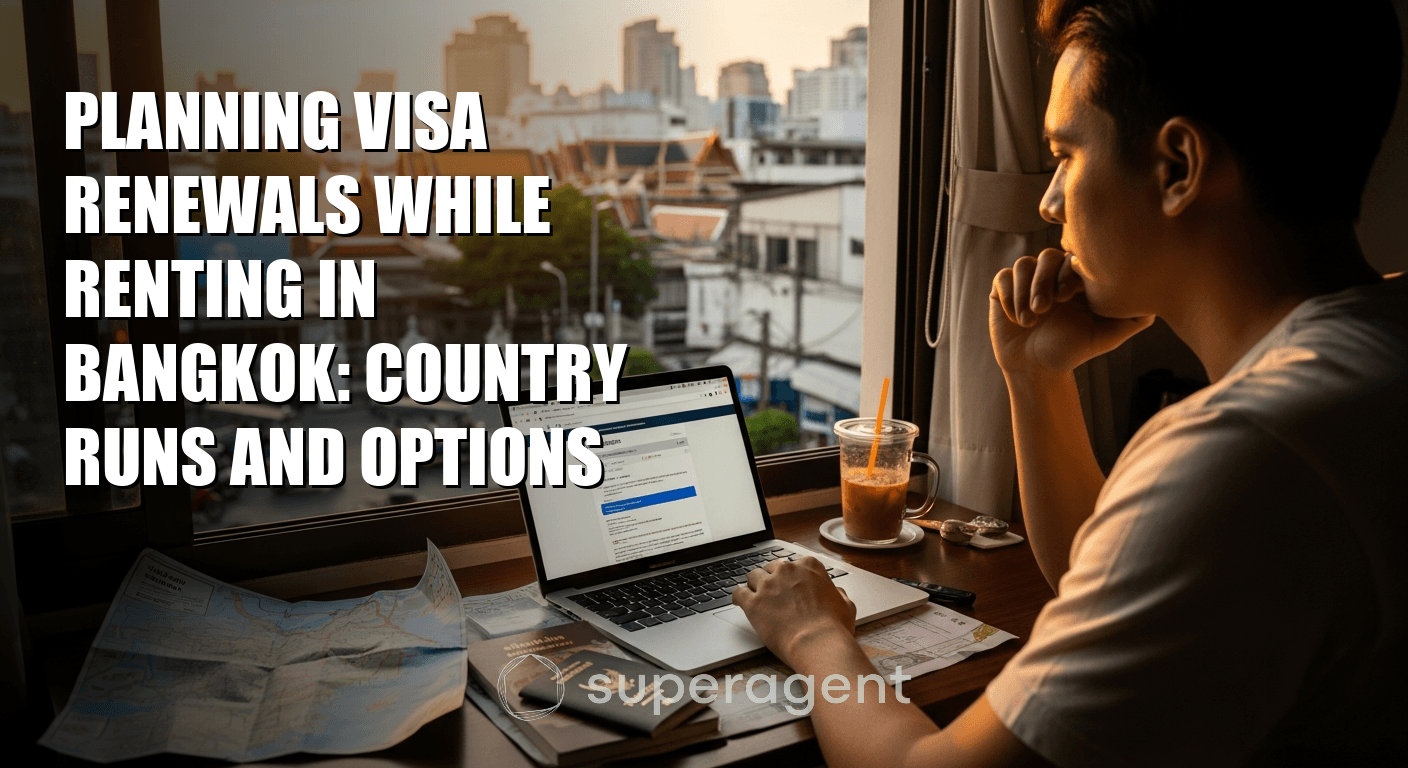
Summary
Learn essential bangkok visa renewal trip strategies and country run options for expat renters managing Thai visa requirements efficiently.
You just signed a new lease on a condo near BTS Thong Lo, the wifi is great, your landlord is chill, and life in Bangkok feels perfectly dialed in. Then your phone buzzes with a calendar reminder: visa expiring in 12 days. Suddenly you're scrambling to figure out whether you need to fly to Vientiane, hop a minivan to the Cambodian border, or just walk into an immigration office. If this sounds familiar, you're not alone. Managing your bangkok visa renewal trip while keeping a rental in Bangkok is one of those things nobody warns you about until it's staring you in the face.
Understanding Your Visa Situation as a Bangkok Renter
First, let's get the basics straight. Most expats renting condos in Bangkok are on one of a few common visas: tourist visas (TR), the visa exemption stamp (30 or 60 days depending on nationality), Non-B work visas, ED visas for studying Thai, or the newer Long Term Resident (LTR) and Digital Nomad visas. Each one has different renewal rules, and the type you hold directly affects how you plan your trips.
If you're on a tourist visa or visa exemption, you'll likely need to do a border run or fly out of Thailand to reset your stay. If you're on a Non-B, your employer usually handles extensions at immigration. The tricky group is everyone in between: freelancers, remote workers, retirees on tourist entries, and people waiting for a longer visa to process.
Say you're renting a one bedroom at The Lofts Ekkamai for around 22,000 THB per month. You love the place, you've settled in, but you're on a 60 day tourist visa. That means roughly every two months, you need a plan. And that plan needs to account for your rent, your stuff, and your lease obligations.
Border Runs vs. Visa Flights: What Actually Works in 2024 and 2025
The classic border run to Cambodia via the Aranyaprathet checkpoint used to be the go to move. Minivans would leave from Mo Chit or Khao San Road early in the morning, you'd stamp out, stamp back in, and be home by dinner. That still works, but Thai immigration has become stricter about repeated land border entries. If you've done it more than twice in a row, expect questions.
Flying to a neighboring country is now the more reliable option. A round trip to Kuala Lumpur, Phnom Penh, or Vientiane can cost as little as 3,000 to 5,000 THB on AirAsia or Thai VietJet if you book early. Vientiane is especially popular because the Thai consulate there processes tourist visas relatively quickly, usually in two business days.
Here's a real scenario. You're renting at Life Asoke Hype near MRT Phetchaburi, paying 18,000 THB a month. Your 60 day TR visa is about to expire. You book a quick flight to Kuala Lumpur for 3,200 THB, spend two nights there, and come back with a fresh stamp. Total cost including a budget hotel: maybe 7,000 THB. That's the price of staying legal and keeping your Bangkok life intact.
How to Protect Your Rental While You're Away
This is the part people overlook. When you leave Thailand for a visa run, even for just 48 hours, your condo sits empty. A few things to think about: make sure your lease doesn't have any clause about extended absences, tell your landlord or juristic office if you'll be gone more than a few days, and don't leave windows open during rainy season. Sounds basic, but flooded condos from forgotten windows are more common than you'd think.
If you're renting month to month, some landlords might get nervous about gaps. Having a clear conversation upfront about visa trips helps. Many landlords in areas like Ari, Phrom Phong, and Sala Daeng are used to renting to expats and understand the drill. Just communicate.
One practical tip: set up automatic bill payments for your electricity (MEA) and water before you leave. Nothing worse than coming back to find your power cut because a payment was missed while you were getting stamped in at Suvarnabhumi.
Timing Your Lease Around Visa Cycles
Smart renters in Bangkok align their lease start dates with their visa timelines. If you know you're going to be on back to back 60 day tourist visas, consider signing a six month lease that starts right after a fresh entry. This way, you can plan your three visa runs in advance and budget for them.
For example, if you sign a lease at Ideo Q Ratchathewi near BTS Ratchathewi at 15,000 THB per month starting January 1, you know you'll need visa trips around late February, late April, and late June. You can book flights early, save money, and avoid the last minute panic that leads to overpriced tickets.
If you're eventually switching to a Non-B or ED visa, try to time that transition between leases. Changing visa types sometimes requires you to leave the country anyway, and it's less stressful when you're not also worrying about rent due dates and utility bills.
The 90 Day Report and TM30: Don't Forget These
Even if your visa is sorted, there are two bureaucratic tasks that trip up Bangkok renters. The 90 day report is required for anyone staying in Thailand on a long term visa. You can do it online, by mail, or in person at Chaeng Watthana immigration. The online system is finicky but works if you're patient.
Then there's the TM30, which is technically your landlord's responsibility. They're supposed to report your address to immigration within 24 hours of you moving in or re entering the country after a trip. Many landlords don't know this or don't bother. If your landlord hasn't filed it, you could face a small fine, and it can complicate future visa extensions. Ask about this before signing any lease.
A quick walk from BTS Saphan Khwai to the immigration office at Chaeng Watthana takes forever, by the way. Budget a full morning and bring snacks.
Planning visa renewals while renting in Bangkok isn't glamorous, but it's part of the expat routine here. The key is treating it like any other recurring expense and scheduling task. Book flights early, communicate with your landlord, protect your condo while you're away, and stay on top of the paperwork. Once you've done two or three trips, it becomes second nature. And if you're currently searching for a condo with a landlord who actually understands expat life, try browsing listings on superagent.co, where you can filter for places that fit your budget, location, and yes, your visa timeline.
You just signed a new lease on a condo near BTS Thong Lo, the wifi is great, your landlord is chill, and life in Bangkok feels perfectly dialed in. Then your phone buzzes with a calendar reminder: visa expiring in 12 days. Suddenly you're scrambling to figure out whether you need to fly to Vientiane, hop a minivan to the Cambodian border, or just walk into an immigration office. If this sounds familiar, you're not alone. Managing your bangkok visa renewal trip while keeping a rental in Bangkok is one of those things nobody warns you about until it's staring you in the face.
Understanding Your Visa Situation as a Bangkok Renter
First, let's get the basics straight. Most expats renting condos in Bangkok are on one of a few common visas: tourist visas (TR), the visa exemption stamp (30 or 60 days depending on nationality), Non-B work visas, ED visas for studying Thai, or the newer Long Term Resident (LTR) and Digital Nomad visas. Each one has different renewal rules, and the type you hold directly affects how you plan your trips.
If you're on a tourist visa or visa exemption, you'll likely need to do a border run or fly out of Thailand to reset your stay. If you're on a Non-B, your employer usually handles extensions at immigration. The tricky group is everyone in between: freelancers, remote workers, retirees on tourist entries, and people waiting for a longer visa to process.
Say you're renting a one bedroom at The Lofts Ekkamai for around 22,000 THB per month. You love the place, you've settled in, but you're on a 60 day tourist visa. That means roughly every two months, you need a plan. And that plan needs to account for your rent, your stuff, and your lease obligations.
Border Runs vs. Visa Flights: What Actually Works in 2024 and 2025
The classic border run to Cambodia via the Aranyaprathet checkpoint used to be the go to move. Minivans would leave from Mo Chit or Khao San Road early in the morning, you'd stamp out, stamp back in, and be home by dinner. That still works, but Thai immigration has become stricter about repeated land border entries. If you've done it more than twice in a row, expect questions.
Flying to a neighboring country is now the more reliable option. A round trip to Kuala Lumpur, Phnom Penh, or Vientiane can cost as little as 3,000 to 5,000 THB on AirAsia or Thai VietJet if you book early. Vientiane is especially popular because the Thai consulate there processes tourist visas relatively quickly, usually in two business days.
Here's a real scenario. You're renting at Life Asoke Hype near MRT Phetchaburi, paying 18,000 THB a month. Your 60 day TR visa is about to expire. You book a quick flight to Kuala Lumpur for 3,200 THB, spend two nights there, and come back with a fresh stamp. Total cost including a budget hotel: maybe 7,000 THB. That's the price of staying legal and keeping your Bangkok life intact.
How to Protect Your Rental While You're Away
This is the part people overlook. When you leave Thailand for a visa run, even for just 48 hours, your condo sits empty. A few things to think about: make sure your lease doesn't have any clause about extended absences, tell your landlord or juristic office if you'll be gone more than a few days, and don't leave windows open during rainy season. Sounds basic, but flooded condos from forgotten windows are more common than you'd think.
If you're renting month to month, some landlords might get nervous about gaps. Having a clear conversation upfront about visa trips helps. Many landlords in areas like Ari, Phrom Phong, and Sala Daeng are used to renting to expats and understand the drill. Just communicate.
One practical tip: set up automatic bill payments for your electricity (MEA) and water before you leave. Nothing worse than coming back to find your power cut because a payment was missed while you were getting stamped in at Suvarnabhumi.
Timing Your Lease Around Visa Cycles
Smart renters in Bangkok align their lease start dates with their visa timelines. If you know you're going to be on back to back 60 day tourist visas, consider signing a six month lease that starts right after a fresh entry. This way, you can plan your three visa runs in advance and budget for them.
Talk to us about renting
Share your details and keep reading — we’ll get back to you.
For example, if you sign a lease at Ideo Q Ratchathewi near BTS Ratchathewi at 15,000 THB per month starting January 1, you know you'll need visa trips around late February, late April, and late June. You can book flights early, save money, and avoid the last minute panic that leads to overpriced tickets.
If you're eventually switching to a Non-B or ED visa, try to time that transition between leases. Changing visa types sometimes requires you to leave the country anyway, and it's less stressful when you're not also worrying about rent due dates and utility bills.
The 90 Day Report and TM30: Don't Forget These
Even if your visa is sorted, there are two bureaucratic tasks that trip up Bangkok renters. The 90 day report is required for anyone staying in Thailand on a long term visa. You can do it online, by mail, or in person at Chaeng Watthana immigration. The online system is finicky but works if you're patient.
Then there's the TM30, which is technically your landlord's responsibility. They're supposed to report your address to immigration within 24 hours of you moving in or re entering the country after a trip. Many landlords don't know this or don't bother. If your landlord hasn't filed it, you could face a small fine, and it can complicate future visa extensions. Ask about this before signing any lease.
A quick walk from BTS Saphan Khwai to the immigration office at Chaeng Watthana takes forever, by the way. Budget a full morning and bring snacks.
Planning visa renewals while renting in Bangkok isn't glamorous, but it's part of the expat routine here. The key is treating it like any other recurring expense and scheduling task. Book flights early, communicate with your landlord, protect your condo while you're away, and stay on top of the paperwork. Once you've done two or three trips, it becomes second nature. And if you're currently searching for a condo with a landlord who actually understands expat life, try browsing listings on superagent.co, where you can filter for places that fit your budget, location, and yes, your visa timeline.
Share this article
Properties you may like
![[For Rent] CONDO I Life One Wireless I 2 Beds I 1 Bath I 40,000THB/mo](/_next/image?url=https%3A%2F%2Fstorage.googleapis.com%2Fsuperagent-web%2Fattachments%2Flistings%2F6767%2F03e11a74-9a71-44df-9493-9adc1c934047-1147-6.jpg&w=3840&q=75)
฿40,000
2 Bed145 sqm
[For Rent] CONDO I Life One Wireless I 2 Beds I 1 Bath I 40,000THB/mo
Ploenchit
Condo![[For Rent] CONDO I IDEO Mobi Charan Interchange I 2 Beds I 1 Bath I 22,000THB/mo](/_next/image?url=https%3A%2F%2Fstorage.googleapis.com%2Fsuperagent-web%2Fattachments%2Flistings%2F6766%2F23b6eb3e-caa3-400e-9bcb-c00c2c6f196b-1146-1.jpg&w=3840&q=75)
฿22,000
2 Bed145 sqm
[For Rent] CONDO I IDEO Mobi Charan Interchange I 2 Beds I 1 Bath I 22,000THB/mo
Condo![[For Rent] CONDO I Life Asoke Hype I 1 Bed I 1 Bath I 18,000THB/mo](/_next/image?url=https%3A%2F%2Fstorage.googleapis.com%2Fsuperagent-web%2Fattachments%2Flistings%2F6765%2F80b683ff-1960-428b-bbbc-37b913f8e2c3-1143-3.jpg&w=3840&q=75)
฿18,000
1 Bed126 sqm
[For Rent] CONDO I Life Asoke Hype I 1 Bed I 1 Bath I 18,000THB/mo
Asoke
Condo![[For Rent] CONDO I Witthayu Complex I Pet Friendly I 2 Beds I 1 Bath I 28,000THB/mo](/_next/image?url=https%3A%2F%2Fstorage.googleapis.com%2Fsuperagent-web%2Fattachments%2Flistings%2F6764%2F02d4c7ac-6555-4668-87da-a32133c64277-1145-1.jpg&w=3840&q=75)
฿28,000
2 Bed185 sqm
[For Rent] CONDO I Witthayu Complex I Pet Friendly I 2 Beds I 1 Bath I 28,000THB/mo
Condo![[For Rent] CONDO I Witthayu Complex I Pet Friendly I 2 Beds I 2 Baths I 35,000THB/mo](/_next/image?url=https%3A%2F%2Fstorage.googleapis.com%2Fsuperagent-web%2Fattachments%2Flistings%2F6763%2F2c2d8fb9-5284-4d27-8451-8658173f9bfb-1144-5.jpg&w=3840&q=75)
฿35,000
2 Bed295 sqm
[For Rent] CONDO I Witthayu Complex I Pet Friendly I 2 Beds I 2 Baths I 35,000THB/mo
Condo![[For Rent] CONDO I UP Ekkamai I Pet Friendly I 2 Beds I 2 Baths I 40,000THB/mo](/_next/image?url=https%3A%2F%2Fstorage.googleapis.com%2Fsuperagent-web%2Fattachments%2Flistings%2F6762%2F28ea39dc-4e7d-4dc5-b8bc-fa254e6512c6-1142-1.jpg&w=3840&q=75)
฿40,003
2 Bed260 sqm
[For Rent] CONDO I UP Ekkamai I Pet Friendly I 2 Beds I 2 Baths I 40,000THB/mo
Condo![[For Rent] CONDO I Ideo Q Phayathai I 2 Beds I 2 Baths I 50,000THB/mo](/_next/image?url=https%3A%2F%2Fstorage.googleapis.com%2Fsuperagent-web%2Fattachments%2Flistings%2F6761%2Fd56dc353-7436-451a-b407-76100af6b15f-1141-1.jpg&w=3840&q=75)
฿50,000
2 Bed275 sqm
[For Rent] CONDO I Ideo Q Phayathai I 2 Beds I 2 Baths I 50,000THB/mo
Phaya Thai
Condo![[For Rent] CONDO I Culture Chula I Duplex I 1 Bed I 1 Bath I 35,000THB/mo](/_next/image?url=https%3A%2F%2Fstorage.googleapis.com%2Fsuperagent-web%2Fattachments%2Flistings%2F6760%2F8deaff98-ecb1-4c62-b9be-aecac2f65797-1140-1.jpg&w=3840&q=75)
฿35,000
1 Bed138 sqm
[For Rent] CONDO I Culture Chula I Duplex I 1 Bed I 1 Bath I 35,000THB/mo
Siam
Condo![[For Rent] CONDO I The River Condominium I 2 Beds I 3 Baths I 55,000THB/mo](/_next/image?url=https%3A%2F%2Fstorage.googleapis.com%2Fsuperagent-web%2Fattachments%2Flistings%2F6745%2Fa48d8ae3-8857-408d-81ff-45eb890fbdb9-1000011745.jpg&w=3840&q=75)
฿55,000
2 Bed398 sqm
[For Rent] CONDO I The River Condominium I 2 Beds I 3 Baths I 55,000THB/mo
Wongwian Yai
Condo![[For Rent] CONDO I Park Origin Phayathai I Studio I 1 Bath I 28,000THB/mo](/_next/image?url=https%3A%2F%2Fstorage.googleapis.com%2Fsuperagent-web%2Fattachments%2Flistings%2F6757%2Fb226df93-94c6-46fa-aeba-ebfadc7f81b8-1000006042.jpg&w=3840&q=75)
฿28,000
Studio129 sqm
[For Rent] CONDO I Park Origin Phayathai I Studio I 1 Bath I 28,000THB/mo
Phaya Thai
CondoMore like this
 In Guides · Superagent EditorialHidden Costs of Renting a Condo in Bangkok Nobody Warns You AboutBangkok condo rent looks affordable until month one hits. Here are the real costs beyond the headline figure that catch most renters off guard.25 May 20261 min read
 In Guides · Superagent EditorialWhat a Long-Vacant Bangkok Condo Unit Is Actually Telling YouA Bangkok condo vacant for months signals overpricing, landlord issues, or real problems. Here is how to read the signs.25 May 20261 min read
 In Guides · Superagent EditorialRed Flags in a Bangkok Rental Contract to Watch Out ForBangkok rental contracts often hide risky clauses. Here are the red flags every tenant must catch before signing any lease.25 May 20261 min read
 In Guides · Superagent EditorialWorking Online from a Condo: How to Choose the Perfect Room for ProductivityLearn how to choose the best condo room for working online with tips on lighting, noise, and furniture setup to maximize productivity.9 May 20261 min read