Plants and Balcony Gardens in Bangkok Condos: What's Allowed
Lifestyle
Plants and Balcony Gardens in Bangkok Condos: What's Allowed
Discover what plants and gardening rules apply to your Bangkok condo balcony.
Summary
Learn the rules for bangkok condo plant gardens, including what's allowed, restrictions, and tips for creating a green balcony space in your rental.
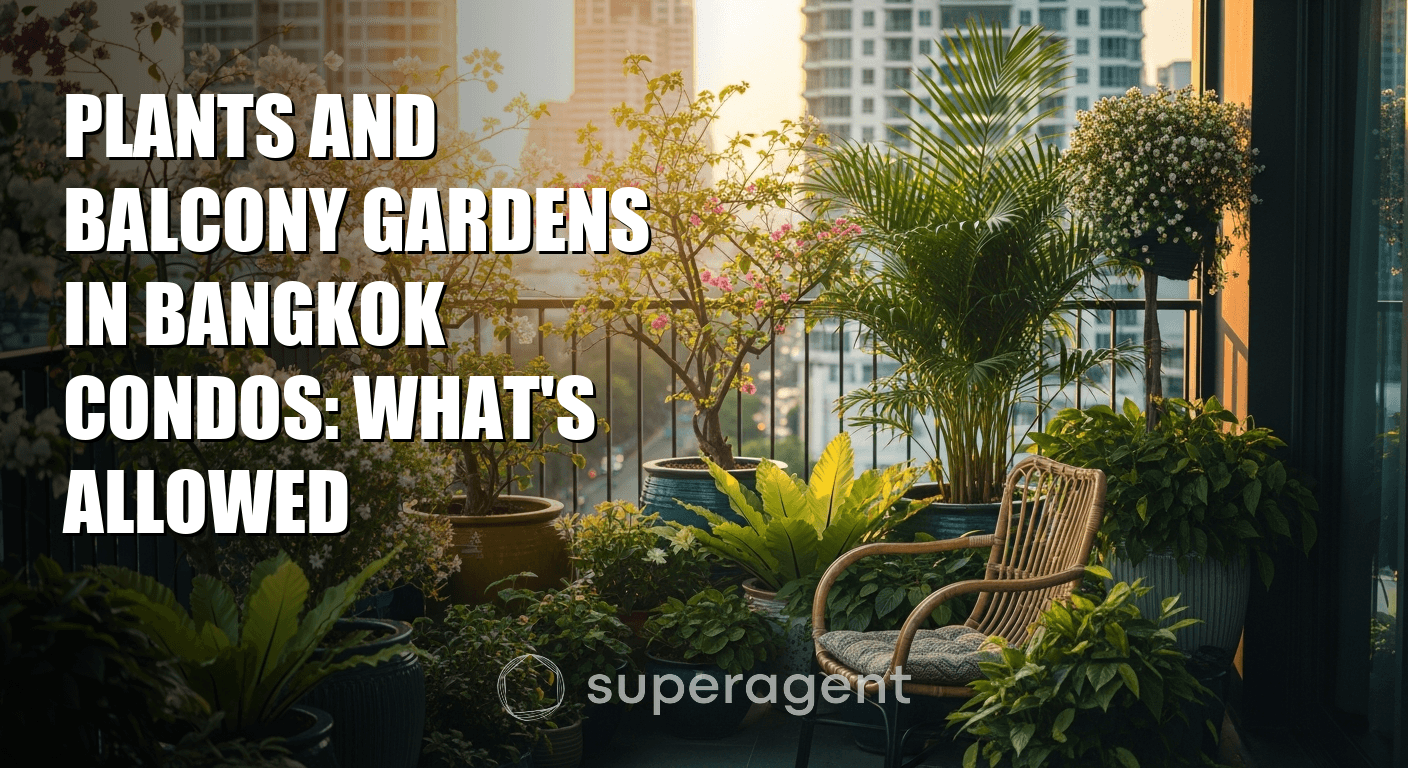
You finally found the perfect condo near On Nut BTS, the light is gorgeous in the morning, and all you can think about is filling that balcony with monstera, pothos, and maybe a little herb garden. Then you read the building rules and realize things aren't as simple as "my balcony, my plants." Welcome to the surprisingly complicated world of keeping a balcony garden in a Bangkok condo.
Growing plants in your condo is one of those things that seems harmless until you get a notice from the juristic office. Rules vary wildly from building to building, and some of the restrictions might catch you off guard. Here's what you actually need to know before you start hauling soil up the elevator.
What Most Bangkok Condos Actually Allow (and Don't)
The short version: most condos allow potted plants on balconies. The longer version involves a bunch of caveats. Buildings like Life Sukhumvit 48 near Phra Khanong BTS or The Base Park West near On Nut typically permit small to medium potted plants, as long as they don't hang over the railing or drip water onto units below.
What gets you in trouble is anything that changes the building's exterior appearance. Hanging planters on the outside of railings, trellises bolted to walls, or plants that grow tall enough to be visible from the street can all trigger complaints. Many newer buildings in the Thong Lo to Ekkamai corridor have strict facade guidelines because developers want that clean, modern look preserved.
Large pots filled with wet soil are also heavy. A single 50cm terracotta pot with soil and a mature plant can weigh over 40 kilograms. Most condo balconies can handle this, but lining an entire balcony edge with 10 of them is a different story. Some buildings set weight limits, though they rarely enforce them unless there's a visible problem like cracking tiles.
The golden rule: read your condo's house rules before buying a single bag of soil. They're usually available from the juristic office, and sometimes they're posted in the lobby or the building's Line group.
Water, Drainage, and Your Downstairs Neighbor
This is where most plant lovers get into actual disputes. Bangkok's condos have balcony drains, but they're designed for rainwater, not daily watering runoff mixed with soil and fertilizer. Brown water dripping onto someone's freshly dried laundry two floors below is a fast track to a formal complaint.
A friend of mine renting a two bedroom unit at Ideo Mobi Sukhumvit 81, paying around 28,000 THB per month, got a written warning because her overwatered herb garden was staining the balcony of the unit directly below. The juristic office told her she could keep the plants but had to use drip trays under every pot and water only in the evening when neighbors had brought their laundry inside.
Self-watering pots are a lifesaver in Bangkok. They reduce spillover and also keep your plants alive during those brutal April weeks when the heat is relentless. You can find decent ones at Chatuchak Weekend Market or the garden section at HomePro. Budget around 200 to 600 THB per pot depending on size.
Common Areas, Rooftops, and Shared Spaces
Some buildings have communal garden areas or rooftop spaces where residents can grow plants together. This is more common in mid range and upscale developments. Whizdom 101 near Punnawithi BTS has landscaped common areas, and a few residents have informally adopted planter boxes near the pool deck with management's blessing.
But don't assume you can just place your pots in a common hallway or next to the elevator on your floor. Technically, anything placed in shared areas without approval is a fire code violation, and Bangkok's building inspectors have been stricter about this since 2020. Even a small succulent on a window ledge in the corridor can get removed during an inspection sweep.
If you're serious about gardening and your condo doesn't offer much flexibility, look for buildings that actively promote green living. Some newer projects along the Purple Line near Tao Poon MRT include dedicated gardening zones on upper floors as an amenity. It's worth asking about during your search.
What to Grow That Actually Thrives in Bangkok Condos
Bangkok's humidity and heat are brutal on some plants but paradise for others. Tropical species like pothos, snake plants, ZZ plants, and philodendrons do incredibly well indoors with minimal effort. On a balcony with partial sun, Thai basil, chili peppers, pandan, and lemongrass are all realistic options.
One expat I know in a studio at Lumpini Park Rama 9, renting for about 12,000 THB per month near Rama 9 MRT, grows enough Thai basil and chilies on his small balcony to skip buying them at the market. His setup is just six medium pots, a bag of premixed soil from Suan Lum night market area vendors, and consistent morning watering.
Avoid plants that drop a lot of leaves or attract insects. Fruit trees in pots sound romantic until you're dealing with ants, fruit flies, and sticky residue on your balcony tiles. Jasmine and certain flowering plants can also attract wasps, which is the last thing you want 20 floors up.
Renting with Plants: What to Check Before You Sign
If plants are part of your lifestyle, bring it up before you sign a lease. Some landlords are totally fine with balcony gardens. Others will specifically prohibit them because they've dealt with water damage, soil stains on tiles, or pest problems from previous tenants.
Check the balcony flooring material. Porous tiles stain easily from wet soil, and if you leave marks, expect a deduction from your deposit. Placing rubber mats or plastic trays under all pots is a small investment that protects you when it's time to move out. Also confirm whether the balcony has a working drain and whether the building allows outdoor furniture, since some rules lump planters and furniture into the same category.
At buildings like Aspire Sukhumvit 48, units renting between 15,000 and 22,000 THB near Phra Khanong, landlords sometimes include balcony use restrictions in the lease addendum. Read every page.
A balcony garden in Bangkok is absolutely doable, and honestly, it makes condo living so much better. Just do your homework on building rules, keep your neighbors in mind, and start small. If you're still searching for a plant friendly condo, try browsing listings on superagent.co, where you can filter by balcony size and building amenities to find a place that fits your green thumb perfectly.
You finally found the perfect condo near On Nut BTS, the light is gorgeous in the morning, and all you can think about is filling that balcony with monstera, pothos, and maybe a little herb garden. Then you read the building rules and realize things aren't as simple as "my balcony, my plants." Welcome to the surprisingly complicated world of keeping a balcony garden in a Bangkok condo.
Growing plants in your condo is one of those things that seems harmless until you get a notice from the juristic office. Rules vary wildly from building to building, and some of the restrictions might catch you off guard. Here's what you actually need to know before you start hauling soil up the elevator.
What Most Bangkok Condos Actually Allow (and Don't)
The short version: most condos allow potted plants on balconies. The longer version involves a bunch of caveats. Buildings like Life Sukhumvit 48 near Phra Khanong BTS or The Base Park West near On Nut typically permit small to medium potted plants, as long as they don't hang over the railing or drip water onto units below.
What gets you in trouble is anything that changes the building's exterior appearance. Hanging planters on the outside of railings, trellises bolted to walls, or plants that grow tall enough to be visible from the street can all trigger complaints. Many newer buildings in the Thong Lo to Ekkamai corridor have strict facade guidelines because developers want that clean, modern look preserved.
Large pots filled with wet soil are also heavy. A single 50cm terracotta pot with soil and a mature plant can weigh over 40 kilograms. Most condo balconies can handle this, but lining an entire balcony edge with 10 of them is a different story. Some buildings set weight limits, though they rarely enforce them unless there's a visible problem like cracking tiles.
The golden rule: read your condo's house rules before buying a single bag of soil. They're usually available from the juristic office, and sometimes they're posted in the lobby or the building's Line group.
Water, Drainage, and Your Downstairs Neighbor
This is where most plant lovers get into actual disputes. Bangkok's condos have balcony drains, but they're designed for rainwater, not daily watering runoff mixed with soil and fertilizer. Brown water dripping onto someone's freshly dried laundry two floors below is a fast track to a formal complaint.
A friend of mine renting a two bedroom unit at Ideo Mobi Sukhumvit 81, paying around 28,000 THB per month, got a written warning because her overwatered herb garden was staining the balcony of the unit directly below. The juristic office told her she could keep the plants but had to use drip trays under every pot and water only in the evening when neighbors had brought their laundry inside.
Self-watering pots are a lifesaver in Bangkok. They reduce spillover and also keep your plants alive during those brutal April weeks when the heat is relentless. You can find decent ones at Chatuchak Weekend Market or the garden section at HomePro. Budget around 200 to 600 THB per pot depending on size.
Common Areas, Rooftops, and Shared Spaces
Some buildings have communal garden areas or rooftop spaces where residents can grow plants together. This is more common in mid range and upscale developments. Whizdom 101 near Punnawithi BTS has landscaped common areas, and a few residents have informally adopted planter boxes near the pool deck with management's blessing.
But don't assume you can just place your pots in a common hallway or next to the elevator on your floor. Technically, anything placed in shared areas without approval is a fire code violation, and Bangkok's building inspectors have been stricter about this since 2020. Even a small succulent on a window ledge in the corridor can get removed during an inspection sweep.
If you're serious about gardening and your condo doesn't offer much flexibility, look for buildings that actively promote green living. Some newer projects along the Purple Line near Tao Poon MRT include dedicated gardening zones on upper floors as an amenity. It's worth asking about during your search.
Talk to us about renting
Share your details and keep reading — we’ll get back to you.
What to Grow That Actually Thrives in Bangkok Condos
Bangkok's humidity and heat are brutal on some plants but paradise for others. Tropical species like pothos, snake plants, ZZ plants, and philodendrons do incredibly well indoors with minimal effort. On a balcony with partial sun, Thai basil, chili peppers, pandan, and lemongrass are all realistic options.
One expat I know in a studio at Lumpini Park Rama 9, renting for about 12,000 THB per month near Rama 9 MRT, grows enough Thai basil and chilies on his small balcony to skip buying them at the market. His setup is just six medium pots, a bag of premixed soil from Suan Lum night market area vendors, and consistent morning watering.
Avoid plants that drop a lot of leaves or attract insects. Fruit trees in pots sound romantic until you're dealing with ants, fruit flies, and sticky residue on your balcony tiles. Jasmine and certain flowering plants can also attract wasps, which is the last thing you want 20 floors up.
Renting with Plants: What to Check Before You Sign
If plants are part of your lifestyle, bring it up before you sign a lease. Some landlords are totally fine with balcony gardens. Others will specifically prohibit them because they've dealt with water damage, soil stains on tiles, or pest problems from previous tenants.
Check the balcony flooring material. Porous tiles stain easily from wet soil, and if you leave marks, expect a deduction from your deposit. Placing rubber mats or plastic trays under all pots is a small investment that protects you when it's time to move out. Also confirm whether the balcony has a working drain and whether the building allows outdoor furniture, since some rules lump planters and furniture into the same category.
At buildings like Aspire Sukhumvit 48, units renting between 15,000 and 22,000 THB near Phra Khanong, landlords sometimes include balcony use restrictions in the lease addendum. Read every page.
A balcony garden in Bangkok is absolutely doable, and honestly, it makes condo living so much better. Just do your homework on building rules, keep your neighbors in mind, and start small. If you're still searching for a plant friendly condo, try browsing listings on superagent.co, where you can filter by balcony size and building amenities to find a place that fits your green thumb perfectly.
Share this article
Properties you may like
![[For Rent] CONDO I The Room 69 I 1 Bed I 1 Bath I 35,000THB/mo](/_next/image?url=https%3A%2F%2Fstorage.googleapis.com%2Fsuperagent-web%2Fattachments%2Flistings%2F6756%2F445213f0-c378-46a2-b3fe-7a5ba62b623f-1135-1.jpg&w=3840&q=75)
฿35,000
1 Bed144.7 sqm
[For Rent] CONDO I The Room 69 I 1 Bed I 1 Bath I 35,000THB/mo
Condo![[For Rent] HOUSE I Mantana Bangna Km.7 I 3 BedsI 3 Baths I 68,000THB/mo](/_next/image?url=https%3A%2F%2Fstorage.googleapis.com%2Fsuperagent-web%2Fattachments%2Flistings%2F6755%2F673e8400-a19a-43b4-b994-7c0d717c8d40-1128-4.jpg&w=3840&q=75)
฿68,000
3 Bed3172 sqm
[For Rent] HOUSE I Mantana Bangna Km.7 I 3 BedsI 3 Baths I 68,000THB/mo
Bang Na
House![[For Rent] CONDO I Rhythm Sukhumvit 42 I 1 Bed I 1 Bath I 40,000THB/mo](/_next/image?url=https%3A%2F%2Fstorage.googleapis.com%2Fsuperagent-web%2Fattachments%2Flistings%2F6754%2F8bbb6bb3-98f5-49b6-8b48-0c2321f81b70-1127-3.jpg&w=3840&q=75)
฿40,000
1 Bed148 sqm
[For Rent] CONDO I Rhythm Sukhumvit 42 I 1 Bed I 1 Bath I 40,000THB/mo
Ekkamai
Condo![[For Rent&Sale] CONDO I The Waterford Sukhumvit 50 I Pet Friendly I 2 Beds I 2 Baths I Rent 50,000THB/mo - Sale 9mb THB](/_next/image?url=https%3A%2F%2Fstorage.googleapis.com%2Fsuperagent-web%2Fattachments%2Flistings%2F6753%2F9b31da57-144a-4728-bac2-010477b1614d-112-5.jpg&w=3840&q=75)
฿50,000
2 Bed292 sqm
[For Rent&Sale] CONDO I The Waterford Sukhumvit 50 I Pet Friendly I 2 Beds I 2 Baths I Rent 50,000THB/mo - Sale 9mb THB
On Nut
Condo![[For Rent&Sale] HOUSE I Perfect Masterpiece Rama 9–Krungthep Kreetha I 5 Beds I 6 Baths I Rent 400,000THB/mo - Sale 70 ล้านบาท](/_next/image?url=https%3A%2F%2Fstorage.googleapis.com%2Fsuperagent-web%2Fattachments%2Flistings%2F6752%2F1f1b4e6f-23df-48bb-a7ea-7a3252f44588-1125-1.jpg&w=3840&q=75)
฿400,000
5 Bed+6700 sqm
[For Rent&Sale] HOUSE I Perfect Masterpiece Rama 9–Krungthep Kreetha I 5 Beds I 6 Baths I Rent 400,000THB/mo - Sale 70 ล้านบาท
Condo![[For Rent] CONDO I Ashton Asoke I 3 Beds I 3 Baths I 100,000THB/mo](/_next/image?url=https%3A%2F%2Fstorage.googleapis.com%2Fsuperagent-web%2Fattachments%2Flistings%2F6751%2F5e37d6d9-2e62-43e6-b358-15d8b92aad47-1124.jpg&w=3840&q=75)
฿100,000
3 Bed3100 sqm
[For Rent] CONDO I Ashton Asoke I 3 Beds I 3 Baths I 100,000THB/mo
Asoke
Condo![[For Rent&Sale] CONDO I TC Green Rama 9 I 1 Bed I 1 Bath I Rent 15,000THB/mo - Sale 2.8mb THB](/_next/image?url=https%3A%2F%2Fstorage.googleapis.com%2Fsuperagent-web%2Fattachments%2Flistings%2F6750%2F47e9c291-b440-4d94-8168-c22bdaf34baf-1123-1.jpg&w=3840&q=75)
฿15,000
1 Bed139 sqm
[For Rent&Sale] CONDO I TC Green Rama 9 I 1 Bed I 1 Bath I Rent 15,000THB/mo - Sale 2.8mb THB
Rama 9
Condo![[For Rent&Sale] CONDO I Riviera 4 I 2 Beds I 2 Baths I Rent 18,000THB/mo - Sale 3.2mb THB](/_next/image?url=https%3A%2F%2Fstorage.googleapis.com%2Fsuperagent-web%2Fattachments%2Flistings%2F6748%2F5a58104a-d990-4793-8366-1acd0390940b-1121-6.jpg&w=3840&q=75)
฿18,000
2 Bed290 sqm
[For Rent&Sale] CONDO I Riviera 4 I 2 Beds I 2 Baths I Rent 18,000THB/mo - Sale 3.2mb THB
Condo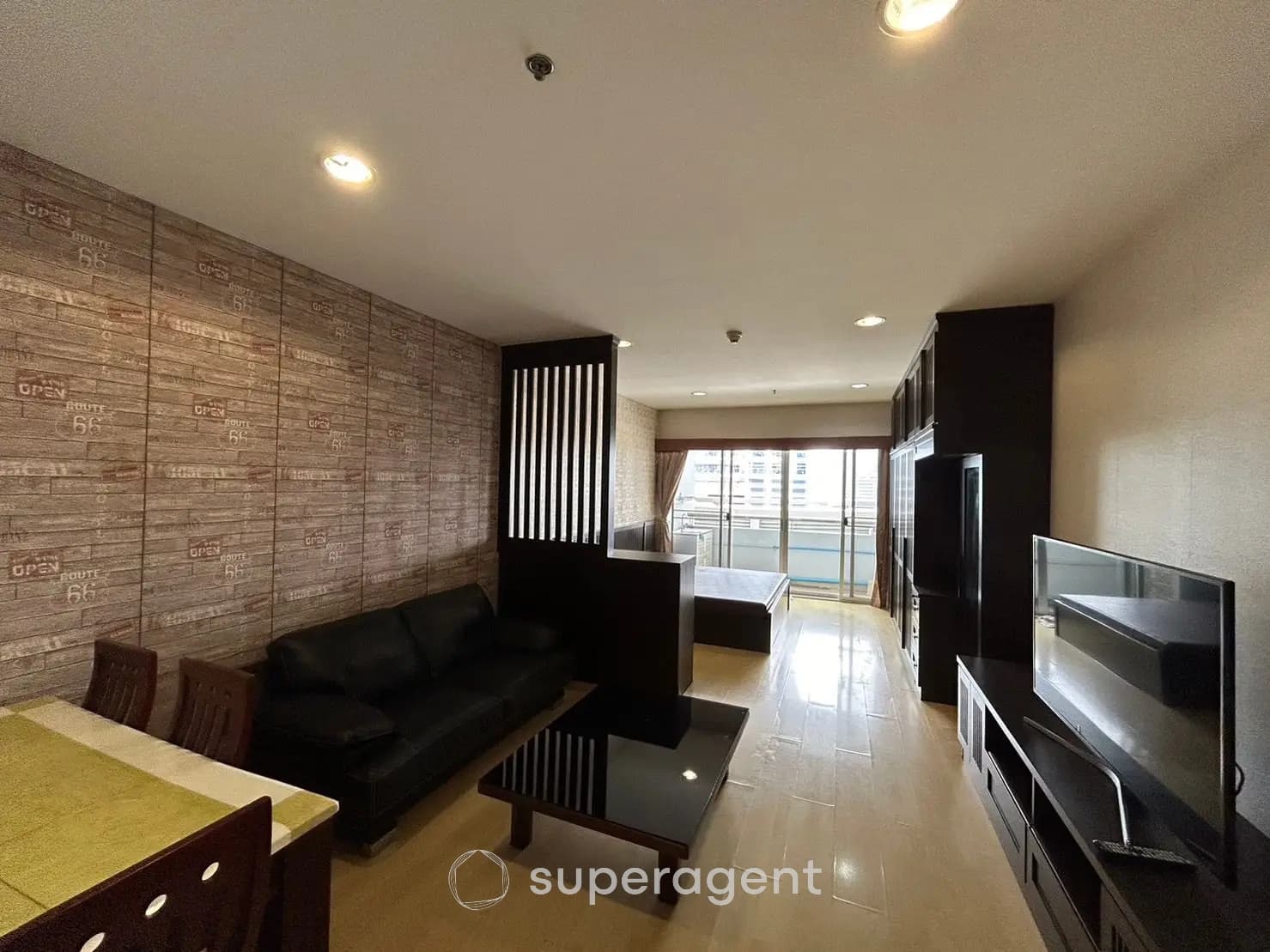
฿15,000
1 Bed145 sqm
1-BR Condo at The Platinum Condominium near ARL Ratchaprarop
Condo![[For Rent] CONDO I Park 24 I Studio I 1 Bath I 25,000THB/mo](/_next/image?url=https%3A%2F%2Fstorage.googleapis.com%2Fsuperagent-web%2Fattachments%2Flistings%2F6747%2F99e94009-1261-4181-ab16-6c2c80017f7d-1130-2.jpg&w=3840&q=75)
฿25,000
Studio129 sqm
[For Rent] CONDO I Park 24 I Studio I 1 Bath I 25,000THB/mo
Phrom Phong
CondoMore like this
 In Lifestyle · Superagent EditorialWhere Bangkok's Expat Communities Are Concentrated: Rental Guide by NationalityDiscover where Bangkok's expat community areas are located. Our rental guide maps out neighborhoods by nationality to help you find your ideal home.12 Apr 20241 min read
 In Lifestyle · Superagent EditorialThe AI Rental Revolution in Bangkok: How Technology Is Changing How Expats Find HomesBangkok rental revolution ai is reshaping how expats find homes. Explore smart technology, virtual tours, and AI-powered matching tools transforming the ma16 Apr 20211 min read
 In Lifestyle · Superagent EditorialMonthly Condo Rentals in Bangkok: Why They Beat Daily Rates Once Your Stay Passes Two WeeksCompare Bangkok daily and monthly condo rates near BTS Thong Lo, Asoke, Ari and On Nut, and see why monthly leases save tens of thousands of baht.19 Jul 20191 min read
 In Lifestyle · Superagent EditorialHow to Negotiate Rent With Thai Condo Landlords: Techniques That Actually Work in BangkokProven tactics for negotiating condo rent with Bangkok landlords, from market research and counter offers to lease length, timing and low season.18 Jul 20191 min read