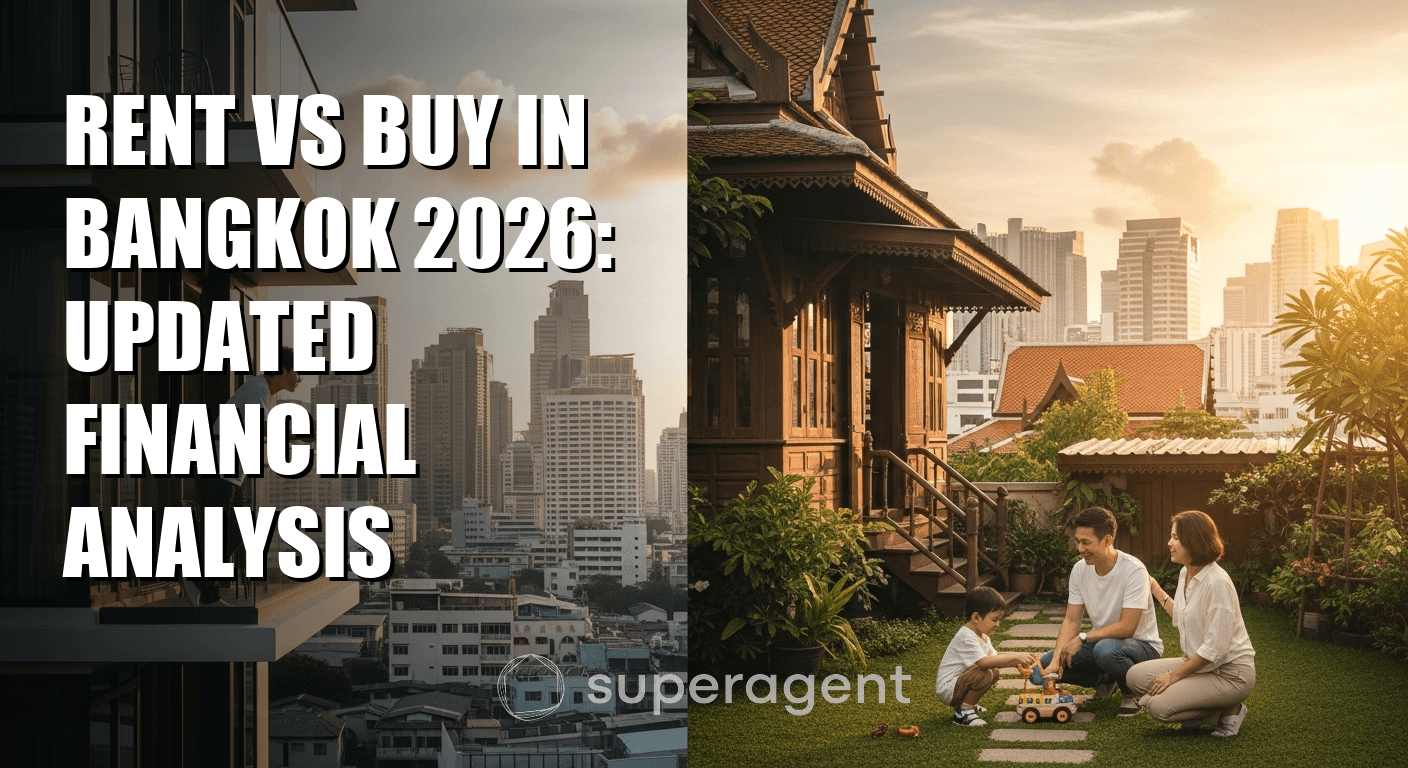
Rent vs Buy in Bangkok 2026: Updated Financial Analysis
Guides
Rent vs Buy in Bangkok 2026: Updated Financial Analysis
Discover whether renting or buying property in Bangkok makes financial sense for your situation in 2026.
Summary
Compare rent vs buy in Bangkok 2026 with updated financial analysis. Explore costs, investment returns, and which option suits your lifestyle best.
A friend of mine just closed on a one bedroom condo near BTS Ari for 4.8 million baht. He was proud, and honestly, I get it. Owning property in Bangkok feels like a milestone. But when I ran the numbers against what I pay renting a similar unit in the same neighborhood, the math told a different story. With 2026 shaping up to bring higher interest rates and a shifting condo market, this is the year where the rent vs buy question in Bangkok actually gets interesting.
The Real Cost of Buying a Bangkok Condo in 2026
Let's take a concrete example. Say you're looking at a 35 sqm one bedroom at The Line Phahol Pradipat, close to BTS Saphan Khwai. Units there sell for roughly 4.5 to 5.5 million baht on the resale market. To buy, you'd put down 10 to 20 percent and finance the rest.
Thai mortgage rates in early 2026 are hovering between 6.5 and 7.5 percent for most borrowers. On a 4.5 million baht loan with 10 percent down, you're looking at monthly payments around 30,000 to 33,000 baht over 25 years. Then add common area fees (typically 50 to 70 baht per sqm per month), a sinking fund contribution, and annual property taxes.
Your total monthly carrying cost lands somewhere around 35,000 to 38,000 baht. And that doesn't include the transfer fees, stamp duty, or the opportunity cost of tying up 450,000 to 900,000 baht as a down payment.
Compare that to renting a similar unit in the same building. On the rental market, those same condos go for 16,000 to 20,000 baht per month. The gap is significant.
What Renters Actually Save (and Can Do With It)
Let's say you rent at The Line Phahol Pradipat for 18,000 baht a month instead of buying. That's roughly 17,000 baht per month you're keeping compared to the buyer's total carrying cost. Over a year, that's 204,000 baht. Over five years, it's over a million baht.
If you invest that difference in a Thai mutual fund averaging even a modest 5 to 6 percent annual return, you build real wealth without being locked into a single asset. Property appreciation in Bangkok has been flat to low single digits in most areas over the past several years. Locations like Sukhumvit Soi 24 or Thonglor have held value well, but secondary corridors like Ratchada, Bang Sue, and even parts of On Nut have seen prices stagnate or dip.
The point isn't that buying is always bad. It's that renting in Bangkok gives you optionality, and in 2026, optionality has real financial value.
The Flexibility Factor No Spreadsheet Can Capture
Consider this scenario. You're working at a company near MRT Phra Ram 9 and you buy a condo at Life Asoke Hype, a five minute walk from MRT Phetchaburi. Two years later, your company relocates to Sathorn. Suddenly your commute is 45 minutes each way, and selling your condo quickly means accepting a 10 to 15 percent loss in a soft resale market.
If you'd been renting, you'd simply give notice, move to a condo near BTS Chong Nonsi or Saint Louis, and keep your commute under 15 minutes. Rent in the Sathorn corridor for a one bedroom runs 15,000 to 25,000 baht depending on the building and floor.
Bangkok is a city where your lifestyle, job, and social circle can shift quickly. Locking into a mortgage removes your ability to adapt. For expats on work permits, there's an additional layer of complexity since foreigners can only own condos (not land), and resale liquidity for foreign quota units can be unpredictable.
When Buying Actually Makes Sense in Bangkok
I'm not anti buying. There are situations where purchasing makes sense, even in 2026. If you're Thai, plan to stay in one location for 10 plus years, and can buy in cash or with a low interest loan, the math changes. Buying removes the risk of rent increases and gives you long term stability.
Prime locations still hold up. A well maintained two bedroom at Baan Siri Silom near BTS Surasak, for example, has appreciated modestly but consistently. If you buy in a building with strong management, good transport links, and genuine demand from both renters and buyers, you're in a better position.
The key question is always: how long will you stay? If the answer is less than seven years, renting almost always wins on pure numbers in Bangkok's current market.
Bangkok's 2026 Market Conditions Favor Renters
New condo supply keeps coming. Developers along the Yellow Line, Orange Line extension, and the northern Purple Line corridor are flooding the market with units. Areas like Lat Phrao, Soi Bearing, and Tiwanon have significant inventory that hasn't been absorbed yet. This oversupply keeps rents competitive and puts downward pressure on resale prices.
Meanwhile, rental yields in Bangkok have compressed to around 3 to 4 percent in most locations. That's a signal. When yields are this low relative to mortgage rates, the market is essentially telling you it's cheaper to rent than to own. Smart money listens.
Whether you're an expat on a two year contract or a Thai professional still figuring out your next career move, renting gives you the financial breathing room to make better decisions without the weight of a mortgage hanging over every choice.
If you're looking for a condo rental in Bangkok that actually fits your budget and lifestyle, Superagent at superagent.co uses AI to match you with listings across the city. No pressure, no agent games. Just honest options based on what you actually need.
A friend of mine just closed on a one bedroom condo near BTS Ari for 4.8 million baht. He was proud, and honestly, I get it. Owning property in Bangkok feels like a milestone. But when I ran the numbers against what I pay renting a similar unit in the same neighborhood, the math told a different story. With 2026 shaping up to bring higher interest rates and a shifting condo market, this is the year where the rent vs buy question in Bangkok actually gets interesting.
The Real Cost of Buying a Bangkok Condo in 2026
Let's take a concrete example. Say you're looking at a 35 sqm one bedroom at The Line Phahol Pradipat, close to BTS Saphan Khwai. Units there sell for roughly 4.5 to 5.5 million baht on the resale market. To buy, you'd put down 10 to 20 percent and finance the rest.
Thai mortgage rates in early 2026 are hovering between 6.5 and 7.5 percent for most borrowers. On a 4.5 million baht loan with 10 percent down, you're looking at monthly payments around 30,000 to 33,000 baht over 25 years. Then add common area fees (typically 50 to 70 baht per sqm per month), a sinking fund contribution, and annual property taxes.
Continue reading after that.
Looking for a condo
to rent?
Leave your name and phone. We'll follow up while you keep reading.
100% Secure
Fast Response
Free Consultation
Your total monthly carrying cost lands somewhere around 35,000 to 38,000 baht. And that doesn't include the transfer fees, stamp duty, or the opportunity cost of tying up 450,000 to 900,000 baht as a down payment.
Compare that to renting a similar unit in the same building. On the rental market, those same condos go for 16,000 to 20,000 baht per month. The gap is significant.
What Renters Actually Save (and Can Do With It)
Let's say you rent at The Line Phahol Pradipat for 18,000 baht a month instead of buying. That's roughly 17,000 baht per month you're keeping compared to the buyer's total carrying cost. Over a year, that's 204,000 baht. Over five years, it's over a million baht.
If you invest that difference in a Thai mutual fund averaging even a modest 5 to 6 percent annual return, you build real wealth without being locked into a single asset. Property appreciation in Bangkok has been flat to low single digits in most areas over the past several years. Locations like Sukhumvit Soi 24 or Thonglor have held value well, but secondary corridors like Ratchada, Bang Sue, and even parts of On Nut have seen prices stagnate or dip.
The point isn't that buying is always bad. It's that renting in Bangkok gives you optionality, and in 2026, optionality has real financial value.
The Flexibility Factor No Spreadsheet Can Capture
Consider this scenario. You're working at a company near MRT Phra Ram 9 and you buy a condo at Life Asoke Hype, a five minute walk from MRT Phetchaburi. Two years later, your company relocates to Sathorn. Suddenly your commute is 45 minutes each way, and selling your condo quickly means accepting a 10 to 15 percent loss in a soft resale market.
If you'd been renting, you'd simply give notice, move to a condo near BTS Chong Nonsi or Saint Louis, and keep your commute under 15 minutes. Rent in the Sathorn corridor for a one bedroom runs 15,000 to 25,000 baht depending on the building and floor.
Bangkok is a city where your lifestyle, job, and social circle can shift quickly. Locking into a mortgage removes your ability to adapt. For expats on work permits, there's an additional layer of complexity since foreigners can only own condos (not land), and resale liquidity for foreign quota units can be unpredictable.
When Buying Actually Makes Sense in Bangkok
I'm not anti buying. There are situations where purchasing makes sense, even in 2026. If you're Thai, plan to stay in one location for 10 plus years, and can buy in cash or with a low interest loan, the math changes. Buying removes the risk of rent increases and gives you long term stability.
Prime locations still hold up. A well maintained two bedroom at Baan Siri Silom near BTS Surasak, for example, has appreciated modestly but consistently. If you buy in a building with strong management, good transport links, and genuine demand from both renters and buyers, you're in a better position.
Continue reading after that.
Looking for a condo
to rent?
Leave your name and phone. We'll follow up while you keep reading.
100% Secure
Fast Response
Free Consultation
The key question is always: how long will you stay? If the answer is less than seven years, renting almost always wins on pure numbers in Bangkok's current market.
Bangkok's 2026 Market Conditions Favor Renters
New condo supply keeps coming. Developers along the Yellow Line, Orange Line extension, and the northern Purple Line corridor are flooding the market with units. Areas like Lat Phrao, Soi Bearing, and Tiwanon have significant inventory that hasn't been absorbed yet. This oversupply keeps rents competitive and puts downward pressure on resale prices.
Meanwhile, rental yields in Bangkok have compressed to around 3 to 4 percent in most locations. That's a signal. When yields are this low relative to mortgage rates, the market is essentially telling you it's cheaper to rent than to own. Smart money listens.
Whether you're an expat on a two year contract or a Thai professional still figuring out your next career move, renting gives you the financial breathing room to make better decisions without the weight of a mortgage hanging over every choice.
If you're looking for a condo rental in Bangkok that actually fits your budget and lifestyle, Superagent at superagent.co uses AI to match you with listings across the city. No pressure, no agent games. Just honest options based on what you actually need.
Share this article
Properties you may like
![[For Rent] CONDO I Aspire Sukhumvit 48 I 2 Beds I 2 Baths I 24,000THB/mo](/_next/image?url=https%3A%2F%2Fstorage.googleapis.com%2Fsuperagent-web%2Fattachments%2Flistings%2F1199%2F130cd37f-3e03-4538-ad28-bdb3d47916ce-93-9.jpg&w=3840&q=75)
฿24,000
2 Bed254 sqm
[For Rent] CONDO I Aspire Sukhumvit 48 I 2 Beds I 2 Baths I 24,000THB/mo
On Nut
Condo![[For Rent] CONDO I BEATNIQ Sukhumvit32 I 2 Beds I 1 Baths I 110,000THB/mo](/_next/image?url=https%3A%2F%2Fstorage.googleapis.com%2Fsuperagent-web%2Fattachments%2Flistings%2F6806%2F8024fbb5-880d-428a-b7f7-d8caf46fe4d1-1190-1.jpg&w=3840&q=75)
฿110,000
2 Bed1107 sqm
[For Rent] CONDO I BEATNIQ Sukhumvit32 I 2 Beds I 1 Baths I 110,000THB/mo
Phrom Phong
Condo![[For Rent] CONDO I The Diplomat 39 I 2 Beds I 2 Baths I 89,000THB/mo](/_next/image?url=https%3A%2F%2Fstorage.googleapis.com%2Fsuperagent-web%2Fattachments%2Flistings%2F6784%2Ff92c62cc-d3be-42df-adca-b8f96fb02cfb-1163-1.jpg&w=3840&q=75)
฿89,000
2 Bed286 sqm
[For Rent] CONDO I The Diplomat 39 I 2 Beds I 2 Baths I 89,000THB/mo
Phrom Phong
Condo![[For Rent] CONDO I Noble State 39 I 3 Beds I 2 Baths I 85,000 THB/mo](/_next/image?url=https%3A%2F%2Fstorage.googleapis.com%2Fsuperagent-web%2Fattachments%2Flistings%2F1454%2Fdc7f3742-b148-4d56-9e26-1961f002d674-384-19.jpg&w=3840&q=75)
฿85,000
3 Bed285 sqm
[For Rent] CONDO I Noble State 39 I 3 Beds I 2 Baths I 85,000 THB/mo
Phrom Phong
Condo![[For Rent] CONDO I Piyathip Place I 2 Beds I 2 Baths I 77,000THB/mo](/_next/image?url=https%3A%2F%2Fstorage.googleapis.com%2Fsuperagent-web%2Fattachments%2Flistings%2F6817%2F2943cf16-53ee-4779-8edb-2e1be7291556-1191-1.jpg&w=3840&q=75)
฿77,000
2 Bed2173 sqm
[For Rent] CONDO I Piyathip Place I 2 Beds I 2 Baths I 77,000THB/mo
Condo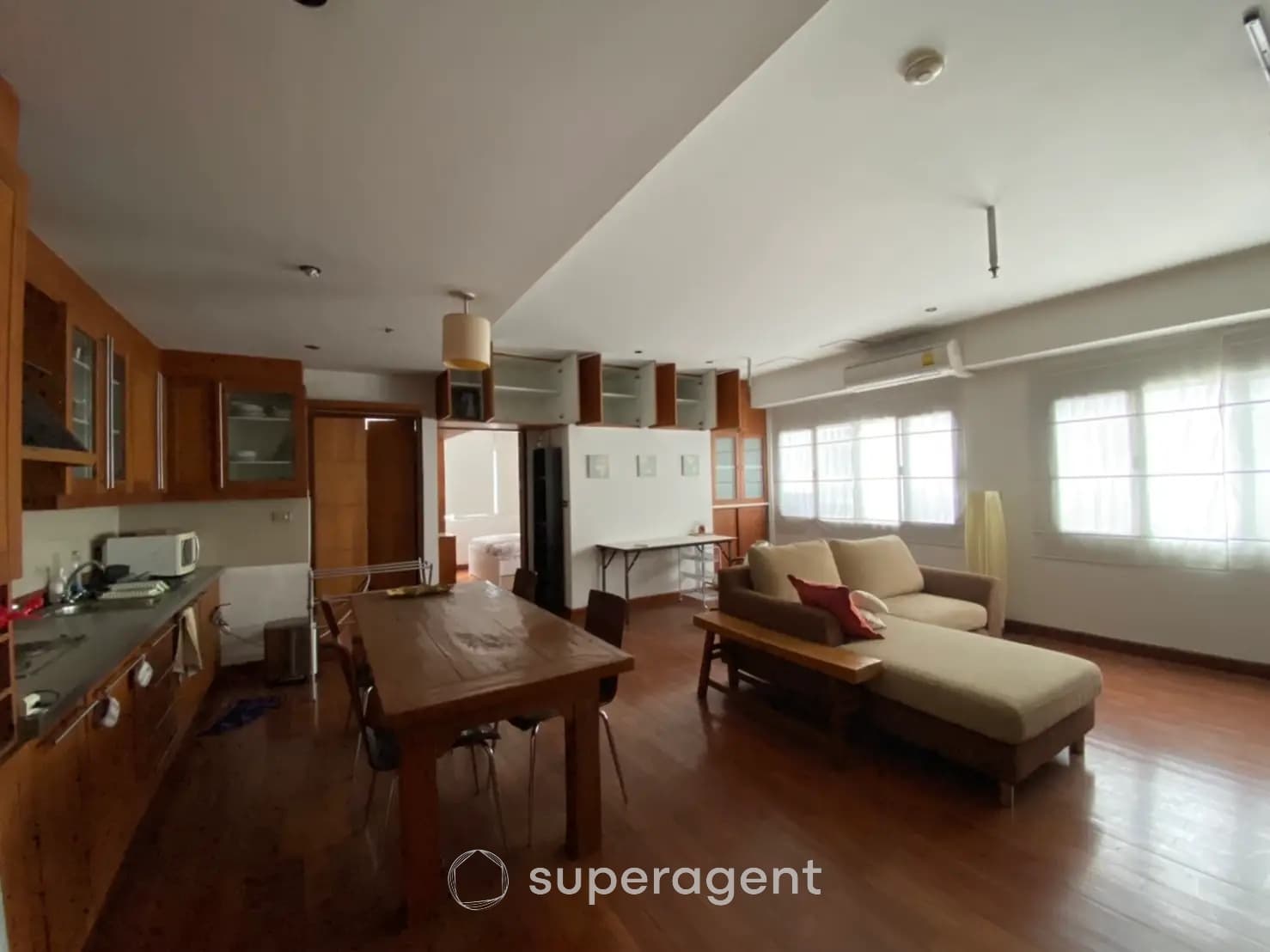
฿28,000
1 Bed167 sqm
1-BR Condo at Wittayu Complex near BTS Phloen Chit
Condo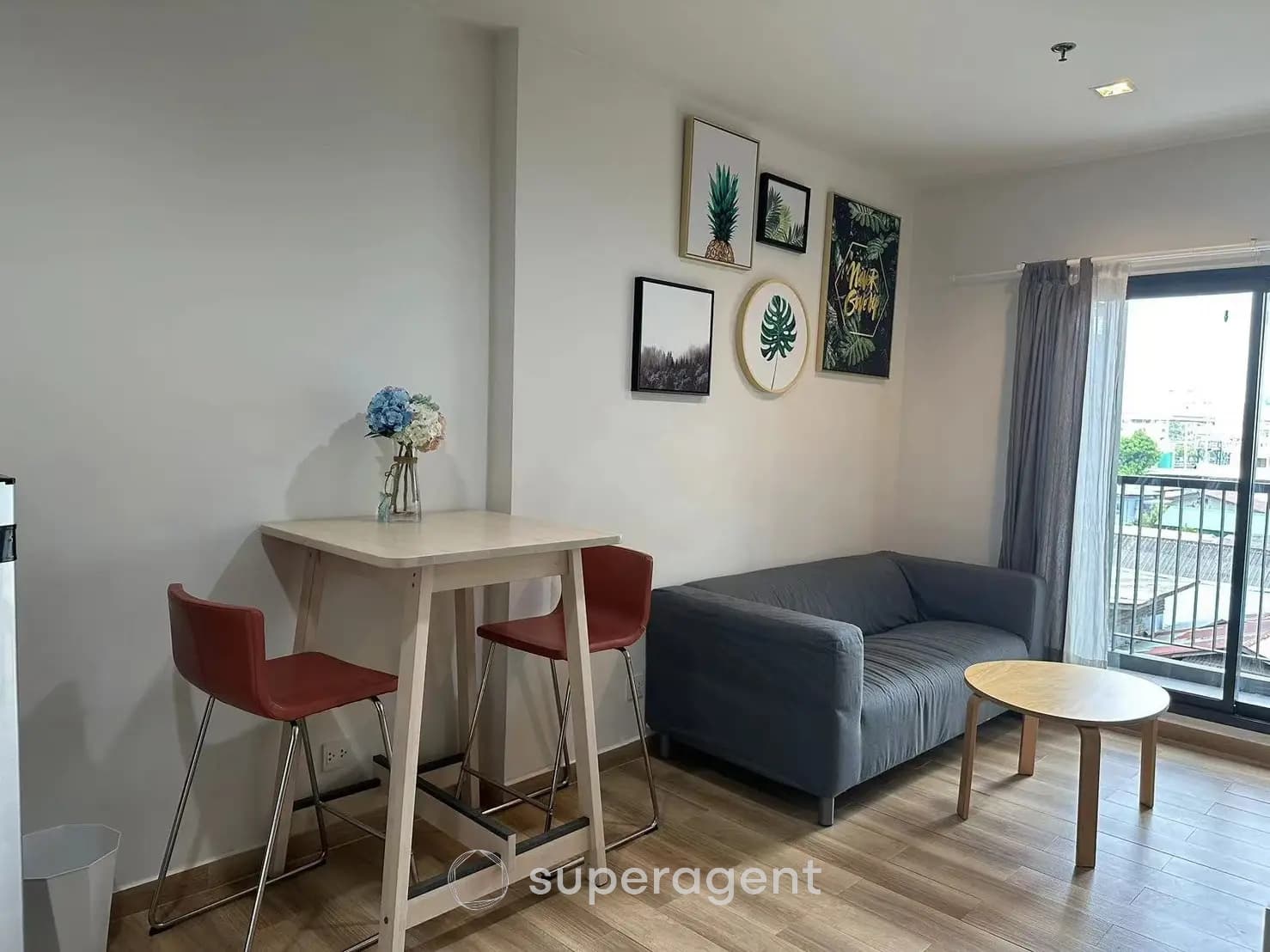
฿23,000
2 Bed150 sqm
2-BR Condo at Life Sukhumvit 48 near BTS Phra Khanong
On Nut
Condo![[For Rent] CONDO I Maestro 14 Siam-Ratchathewi Pet Friendly I 1 Bed I 1 Bath I 22,000THB/mo](/_next/image?url=https%3A%2F%2Fstorage.googleapis.com%2Fsuperagent-web%2Fattachments%2Flistings%2F6686%2F5ae8a77f-b6fb-4578-a765-e56f493cd25f-1058.png&w=3840&q=75)
฿25,000
1 Bed130 sqm
[For Rent] CONDO I Maestro 14 Siam-Ratchathewi Pet Friendly I 1 Bed I 1 Bath I 22,000THB/mo
Siam
Condo![[For Rent] CONDO I Las Colinas Condominium I 2 Beds I 3 Baths I 85,000THB/mo](/_next/image?url=https%3A%2F%2Fstorage.googleapis.com%2Fsuperagent-web%2Fattachments%2Flistings%2F6828%2F80f345c4-488e-43b2-b017-c9fbb17b520d-99486dd8-4237-4ba2-9207-01ce4f66b21f-media.jpg&w=3840&q=75)
฿85,000
2 Bed3170 sqm
[For Rent] CONDO I Las Colinas Condominium I 2 Beds I 3 Baths I 85,000THB/mo
Asoke
Condo![[For Rent] CONDO I KEN Attitude Rattanathibet I Duplex I 2 Beds I 2 Baths I 40,000THB/mo](/_next/image?url=https%3A%2F%2Fstorage.googleapis.com%2Fsuperagent-web%2Fattachments%2Flistings%2F6852%2F17c1715e-4458-4008-bb0b-072a4c081166-img_0557.jpeg&w=3840&q=75)
฿40,000
2 Bed277 sqm
[For Rent] CONDO I KEN Attitude Rattanathibet I Duplex I 2 Beds I 2 Baths I 40,000THB/mo
CondoMore like this
 In Guides · Superagent EditorialHidden Costs of Renting a Condo in Bangkok Nobody Warns You AboutBangkok condo rent looks affordable until month one hits. Here are the real costs beyond the headline figure that catch most renters off guard.25 May 20261 min read
 In Guides · Superagent EditorialWhat a Long-Vacant Bangkok Condo Unit Is Actually Telling YouA Bangkok condo vacant for months signals overpricing, landlord issues, or real problems. Here is how to read the signs.25 May 20261 min read
 In Guides · Superagent EditorialRed Flags in a Bangkok Rental Contract to Watch Out ForBangkok rental contracts often hide risky clauses. Here are the red flags every tenant must catch before signing any lease.25 May 20261 min read
 In Guides · Superagent EditorialWorking Online from a Condo: How to Choose the Perfect Room for ProductivityLearn how to choose the best condo room for working online with tips on lighting, noise, and furniture setup to maximize productivity.9 May 20261 min read