Sathorn vs Silom: Which Business District Is Better to Live In?
Guides
Sathorn vs Silom: Which Business District Is Better to Live In?
Discover which Bangkok business district offers the best value and lifestyle for your needs.

Summary
Compare sathorn vs silom rent prices, amenities and neighborhoods. Find the ideal business district to call home in Bangkok with this detailed guide.
If you work in Bangkok's central business district, you've probably had the Sathorn vs Silom debate at least once. Maybe over beers at a rooftop bar, maybe while doom scrolling through rental listings at midnight. Both neighborhoods sit right next to each other, share a BTS station, and offer easy access to offices, restaurants, and nightlife. But living in them feels completely different. Let's break down the sathorn vs silom rent question so you can pick the right side of the street.
The Vibe Check: Corporate Calm vs Urban Chaos
Sathorn feels like the polished, slightly older sibling. Wide tree lined boulevards, embassy compounds, and glass tower condos define the area. Walk down South Sathorn Road on a Sunday morning and it's almost peaceful. The side sois, especially Soi 1 through Soi 12, are leafy and residential, popular with families and professionals who want a quiet place to sleep after long office hours.
Silom is the opposite energy. It's dense, loud, and unapologetically urban. Patpong night market spills onto the sidewalk every evening. Street food vendors line Soi Convent. Office workers, tourists, and locals all squeeze onto the same narrow sidewalks. If you love being in the thick of city life, Silom delivers that 24/7.
Here's a real scenario. A friend of mine moved from a condo on Silom Soi 19 to Sathorn Soi 11 because she couldn't handle the noise anymore. She paid about the same rent but said it felt like moving to a different city. That contrast is real, and it matters more than most people think before signing a lease.
Rent Prices: What You Actually Pay
Let's talk numbers. For a one bedroom condo in Sathorn, expect to pay somewhere between 18,000 and 35,000 THB per month depending on the building and how close you are to BTS Chong Nonsi or BTS Surasak. Popular buildings like The Address Sathorn or Knightsbridge Prime Sathorn sit at the higher end, often 28,000 to 40,000 THB for a well furnished one bedroom.
Silom tends to be slightly cheaper for older buildings but surprisingly expensive for newer ones. A one bedroom near BTS Sala Daeng or MRT Silom can range from 15,000 to 30,000 THB. Places like Silom Suite or The Lofts Silom offer decent units starting around 20,000 THB. If you go deeper into the sois, especially past Soi 20, prices drop but so does your convenience.
Two bedroom units in Sathorn generally run 35,000 to 65,000 THB, while Silom's two bedrooms hover around 30,000 to 55,000 THB. The gap isn't huge, but Sathorn's newer building stock tends to push average rents a bit higher.
Getting Around: BTS, MRT, and the Walk Factor
Both areas share the Sala Daeng and Chong Nonsi BTS stations, and Silom has direct MRT access at Silom station and Sam Yan station. This makes commuting a near tie. But the daily walking experience is where they differ.
In Sathorn, especially along Naradhiwas Rajanagarindra Road, sidewalks are wider and less crowded. You can actually walk to your BTS station without dodging motorcycle taxis every ten seconds. Many expats who live near Chong Nonsi appreciate the relatively smooth walk to the office.
Silom's sidewalks during rush hour are a different story. Picture this: you leave your condo on Soi Convent at 8:30 AM and it takes you 15 minutes to walk 400 meters to Sala Daeng BTS because the sidewalk is packed with vendors, commuters, and tourists studying Google Maps. It's part of the charm for some people. For others, it's a dealbreaker.
Food, Social Life, and Weekend Living
Silom wins on street food and casual dining. Soi Convent alone has enough lunch options to last you months without repeating. Indian food on Soi 11, Thai street food near Soi 20, and the legendary Silom Soi 10 food court that office workers swear by. Going out at night is easy too, with rooftop bars, Patpong, and the Soi 4 scene all within walking distance.
Sathorn's food scene leans more upscale but has been growing fast. W District on Soi Sukhumvit 69 is a trek, but closer to home you've got excellent restaurants along Sathorn Soi 10 and Soi 12. The Saturday brunch crowd loves spots near BTS Surasak. For groceries, Sathorn residents rely on Tops at Sathorn Square or the Villa Market on Soi Convent, which technically straddles both neighborhoods.
Weekend life in Sathorn often means Lumpini Park is a short walk or ride away. Silom gives you faster access to the Bangrak riverside area, Asiatique, and Chinatown for weekend exploring.
Who Should Live Where?
Pick Sathorn if you want newer buildings, quieter streets, and a more residential feel. It suits couples, families with young kids, and professionals who value coming home to calm after a hectic workday.
Pick Silom if you want to live in the middle of everything. It's ideal for younger professionals, solo expats, and anyone who loves walkable urban density where dinner, drinks, and a late night snack are all within a five minute walk.
Both areas offer solid value when you compare sathorn vs silom rent to neighborhoods like Thonglor or Phrom Phong. You're getting business district access at prices that still feel reasonable by central Bangkok standards.
Whichever side you lean toward, the best way to find your ideal condo is to compare real listings with accurate pricing. Superagent at superagent.co lets you search both Sathorn and Silom rentals with AI powered filters that match your budget, preferred BTS station, and lifestyle. Skip the guesswork and start with listings that actually fit what you need.
If you work in Bangkok's central business district, you've probably had the Sathorn vs Silom debate at least once. Maybe over beers at a rooftop bar, maybe while doom scrolling through rental listings at midnight. Both neighborhoods sit right next to each other, share a BTS station, and offer easy access to offices, restaurants, and nightlife. But living in them feels completely different. Let's break down the sathorn vs silom rent question so you can pick the right side of the street.
The Vibe Check: Corporate Calm vs Urban Chaos
Sathorn feels like the polished, slightly older sibling. Wide tree lined boulevards, embassy compounds, and glass tower condos define the area. Walk down South Sathorn Road on a Sunday morning and it's almost peaceful. The side sois, especially Soi 1 through Soi 12, are leafy and residential, popular with families and professionals who want a quiet place to sleep after long office hours.
Silom is the opposite energy. It's dense, loud, and unapologetically urban. Patpong night market spills onto the sidewalk every evening. Street food vendors line Soi Convent. Office workers, tourists, and locals all squeeze onto the same narrow sidewalks. If you love being in the thick of city life, Silom delivers that 24/7.
Continue reading after that.
Looking for a condo
to rent?
Leave your name and phone. We'll follow up while you keep reading.
100% Secure
Fast Response
Free Consultation
Here's a real scenario. A friend of mine moved from a condo on Silom Soi 19 to Sathorn Soi 11 because she couldn't handle the noise anymore. She paid about the same rent but said it felt like moving to a different city. That contrast is real, and it matters more than most people think before signing a lease.
Rent Prices: What You Actually Pay
Let's talk numbers. For a one bedroom condo in Sathorn, expect to pay somewhere between 18,000 and 35,000 THB per month depending on the building and how close you are to BTS Chong Nonsi or BTS Surasak. Popular buildings like The Address Sathorn or Knightsbridge Prime Sathorn sit at the higher end, often 28,000 to 40,000 THB for a well furnished one bedroom.
Silom tends to be slightly cheaper for older buildings but surprisingly expensive for newer ones. A one bedroom near BTS Sala Daeng or MRT Silom can range from 15,000 to 30,000 THB. Places like Silom Suite or The Lofts Silom offer decent units starting around 20,000 THB. If you go deeper into the sois, especially past Soi 20, prices drop but so does your convenience.
Two bedroom units in Sathorn generally run 35,000 to 65,000 THB, while Silom's two bedrooms hover around 30,000 to 55,000 THB. The gap isn't huge, but Sathorn's newer building stock tends to push average rents a bit higher.
Getting Around: BTS, MRT, and the Walk Factor
Both areas share the Sala Daeng and Chong Nonsi BTS stations, and Silom has direct MRT access at Silom station and Sam Yan station. This makes commuting a near tie. But the daily walking experience is where they differ.
In Sathorn, especially along Naradhiwas Rajanagarindra Road, sidewalks are wider and less crowded. You can actually walk to your BTS station without dodging motorcycle taxis every ten seconds. Many expats who live near Chong Nonsi appreciate the relatively smooth walk to the office.
Silom's sidewalks during rush hour are a different story. Picture this: you leave your condo on Soi Convent at 8:30 AM and it takes you 15 minutes to walk 400 meters to Sala Daeng BTS because the sidewalk is packed with vendors, commuters, and tourists studying Google Maps. It's part of the charm for some people. For others, it's a dealbreaker.
Food, Social Life, and Weekend Living
Silom wins on street food and casual dining. Soi Convent alone has enough lunch options to last you months without repeating. Indian food on Soi 11, Thai street food near Soi 20, and the legendary Silom Soi 10 food court that office workers swear by. Going out at night is easy too, with rooftop bars, Patpong, and the Soi 4 scene all within walking distance.
Sathorn's food scene leans more upscale but has been growing fast. W District on Soi Sukhumvit 69 is a trek, but closer to home you've got excellent restaurants along Sathorn Soi 10 and Soi 12. The Saturday brunch crowd loves spots near BTS Surasak. For groceries, Sathorn residents rely on Tops at Sathorn Square or the Villa Market on Soi Convent, which technically straddles both neighborhoods.
Continue reading after that.
Looking for a condo
to rent?
Leave your name and phone. We'll follow up while you keep reading.
100% Secure
Fast Response
Free Consultation
Weekend life in Sathorn often means Lumpini Park is a short walk or ride away. Silom gives you faster access to the Bangrak riverside area, Asiatique, and Chinatown for weekend exploring.
Who Should Live Where?
Pick Sathorn if you want newer buildings, quieter streets, and a more residential feel. It suits couples, families with young kids, and professionals who value coming home to calm after a hectic workday.
Pick Silom if you want to live in the middle of everything. It's ideal for younger professionals, solo expats, and anyone who loves walkable urban density where dinner, drinks, and a late night snack are all within a five minute walk.
Both areas offer solid value when you compare sathorn vs silom rent to neighborhoods like Thonglor or Phrom Phong. You're getting business district access at prices that still feel reasonable by central Bangkok standards.
Whichever side you lean toward, the best way to find your ideal condo is to compare real listings with accurate pricing. Superagent at superagent.co lets you search both Sathorn and Silom rentals with AI powered filters that match your budget, preferred BTS station, and lifestyle. Skip the guesswork and start with listings that actually fit what you need.
Share this article
Properties you may like
![[For Rent] CONDO I BEATNIQ Sukhumvit32 I 2 Beds I 1 Baths I 110,000THB/mo](/_next/image?url=https%3A%2F%2Fstorage.googleapis.com%2Fsuperagent-web%2Fattachments%2Flistings%2F6806%2F8024fbb5-880d-428a-b7f7-d8caf46fe4d1-1190-1.jpg&w=3840&q=75)
฿110,000
2 Bed1107 sqm
[For Rent] CONDO I BEATNIQ Sukhumvit32 I 2 Beds I 1 Baths I 110,000THB/mo
Phrom Phong
Condo![[For Rent] CONDO I The Diplomat 39 I 2 Beds I 2 Baths I 89,000THB/mo](/_next/image?url=https%3A%2F%2Fstorage.googleapis.com%2Fsuperagent-web%2Fattachments%2Flistings%2F6784%2Ff92c62cc-d3be-42df-adca-b8f96fb02cfb-1163-1.jpg&w=3840&q=75)
฿89,000
2 Bed286 sqm
[For Rent] CONDO I The Diplomat 39 I 2 Beds I 2 Baths I 89,000THB/mo
Phrom Phong
Condo![[For Rent] CONDO I Noble State 39 I 3 Beds I 2 Baths I 85,000 THB/mo](/_next/image?url=https%3A%2F%2Fstorage.googleapis.com%2Fsuperagent-web%2Fattachments%2Flistings%2F1454%2Fdc7f3742-b148-4d56-9e26-1961f002d674-384-19.jpg&w=3840&q=75)
฿85,000
3 Bed285 sqm
[For Rent] CONDO I Noble State 39 I 3 Beds I 2 Baths I 85,000 THB/mo
Phrom Phong
Condo![[For Rent] CONDO I Piyathip Place I 2 Beds I 2 Baths I 77,000THB/mo](/_next/image?url=https%3A%2F%2Fstorage.googleapis.com%2Fsuperagent-web%2Fattachments%2Flistings%2F6817%2F2943cf16-53ee-4779-8edb-2e1be7291556-1191-1.jpg&w=3840&q=75)
฿77,000
2 Bed2173 sqm
[For Rent] CONDO I Piyathip Place I 2 Beds I 2 Baths I 77,000THB/mo
Condo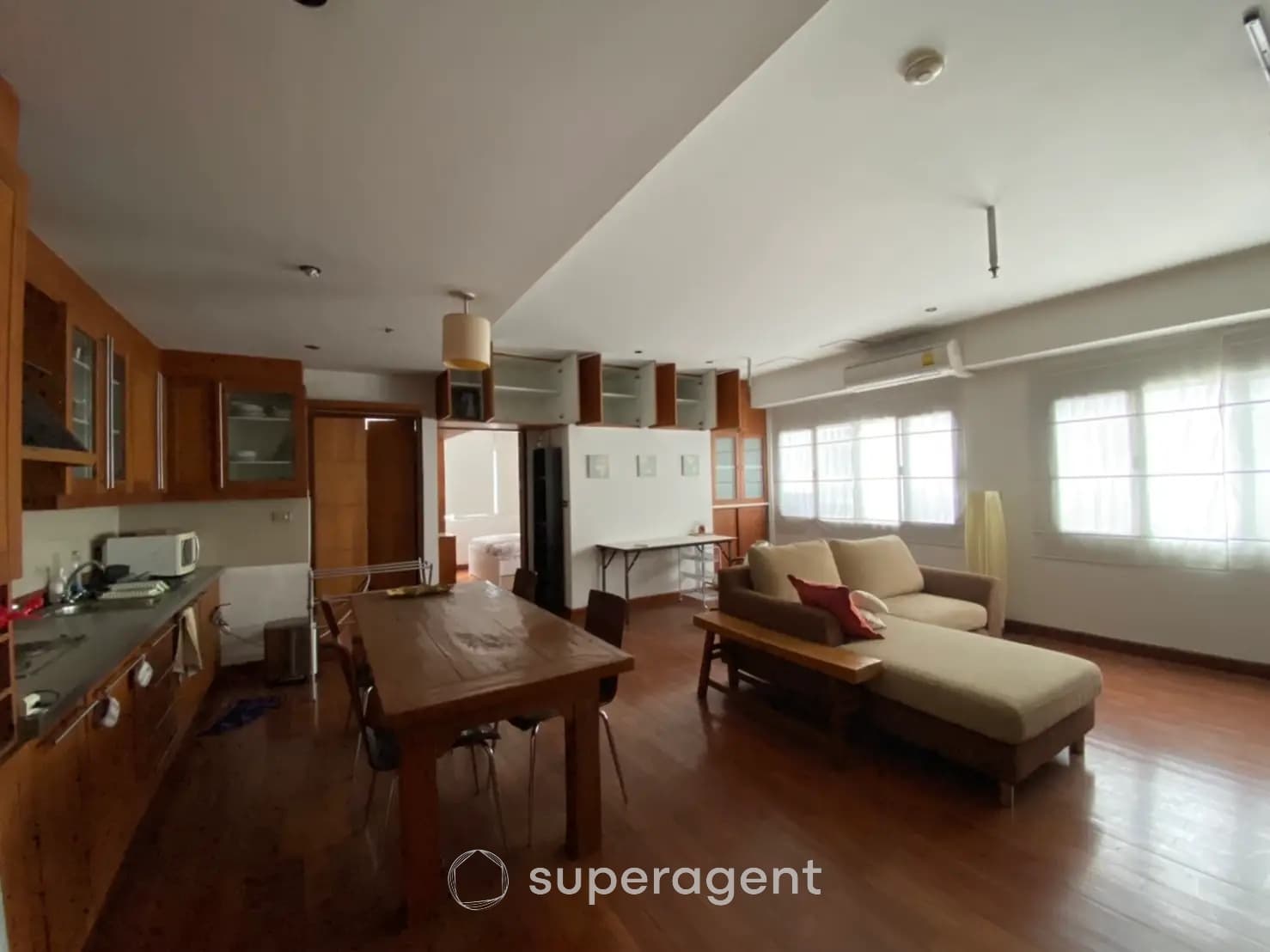
฿28,000
1 Bed167 sqm
1-BR Condo at Wittayu Complex near BTS Phloen Chit
Condo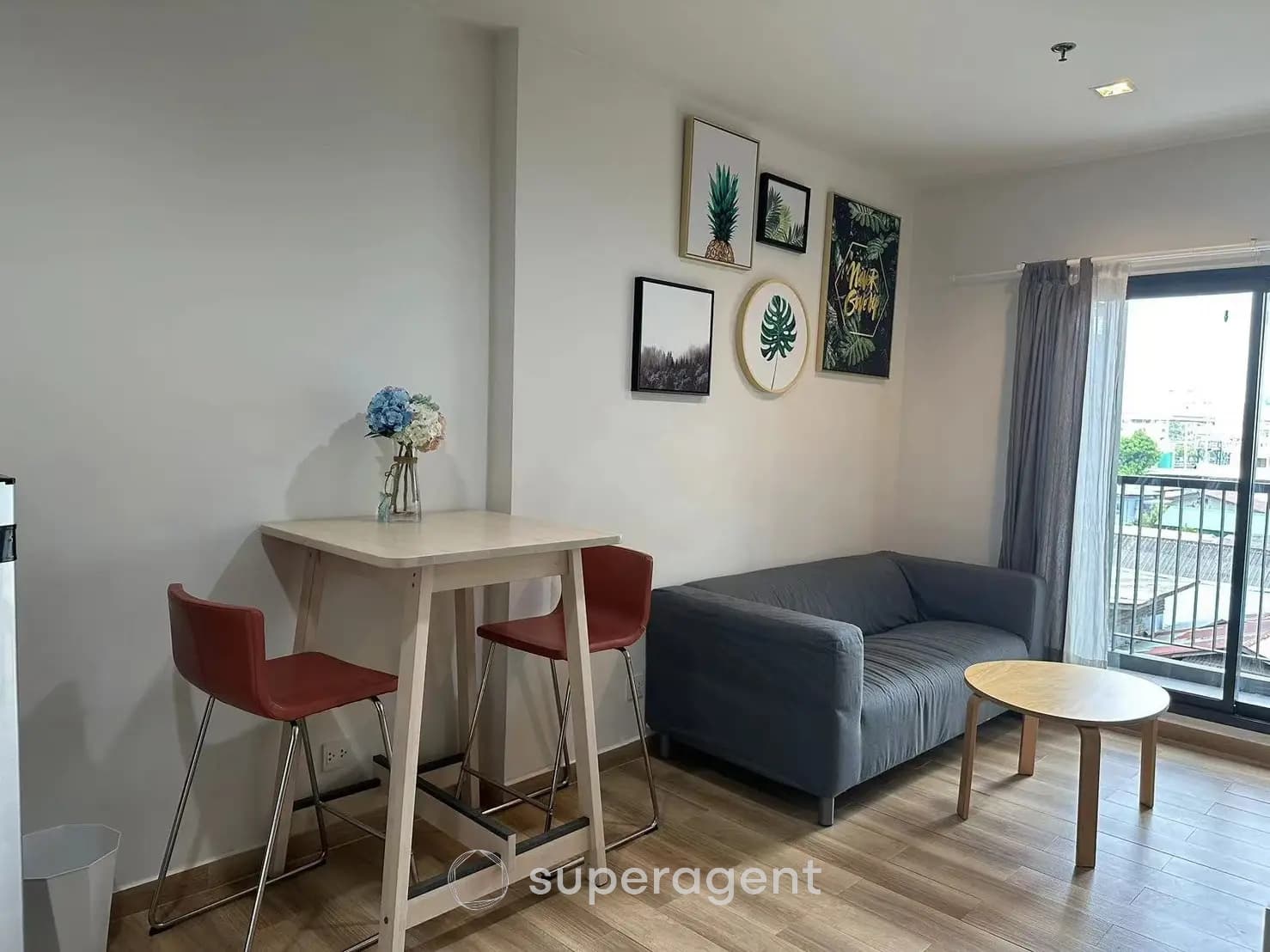
฿23,000
2 Bed150 sqm
2-BR Condo at Life Sukhumvit 48 near BTS Phra Khanong
On Nut
Condo![[For Rent] CONDO I Maestro 14 Siam-Ratchathewi Pet Friendly I 1 Bed I 1 Bath I 22,000THB/mo](/_next/image?url=https%3A%2F%2Fstorage.googleapis.com%2Fsuperagent-web%2Fattachments%2Flistings%2F6686%2F5ae8a77f-b6fb-4578-a765-e56f493cd25f-1058.png&w=3840&q=75)
฿25,000
1 Bed130 sqm
[For Rent] CONDO I Maestro 14 Siam-Ratchathewi Pet Friendly I 1 Bed I 1 Bath I 22,000THB/mo
Siam
Condo![[For Rent] CONDO I Las Colinas Condominium I 2 Beds I 3 Baths I 85,000THB/mo](/_next/image?url=https%3A%2F%2Fstorage.googleapis.com%2Fsuperagent-web%2Fattachments%2Flistings%2F6828%2F80f345c4-488e-43b2-b017-c9fbb17b520d-99486dd8-4237-4ba2-9207-01ce4f66b21f-media.jpg&w=3840&q=75)
฿85,000
2 Bed3170 sqm
[For Rent] CONDO I Las Colinas Condominium I 2 Beds I 3 Baths I 85,000THB/mo
Asoke
Condo![[For Rent] CONDO I KEN Attitude Rattanathibet I Duplex I 2 Beds I 2 Baths I 40,000THB/mo](/_next/image?url=https%3A%2F%2Fstorage.googleapis.com%2Fsuperagent-web%2Fattachments%2Flistings%2F6852%2F17c1715e-4458-4008-bb0b-072a4c081166-img_0557.jpeg&w=3840&q=75)
฿40,000
2 Bed277 sqm
[For Rent] CONDO I KEN Attitude Rattanathibet I Duplex I 2 Beds I 2 Baths I 40,000THB/mo
Condo![[For Rent] CONDO I H Sukhumvit 43 I 1 Bed I 1 Bath I 28,000THB/mo](/_next/image?url=https%3A%2F%2Fstorage.googleapis.com%2Fsuperagent-web%2Fattachments%2Flistings%2F6851%2Ff355c21a-a282-4338-86c6-dc5bb3368321-1244-1.jpg&w=3840&q=75)
฿28,000
1 Bed143 sqm
[For Rent] CONDO I H Sukhumvit 43 I 1 Bed I 1 Bath I 28,000THB/mo
Phrom Phong
CondoMore like this
 In Guides · Superagent EditorialHidden Costs of Renting a Condo in Bangkok Nobody Warns You AboutBangkok condo rent looks affordable until month one hits. Here are the real costs beyond the headline figure that catch most renters off guard.25 May 20261 min read
 In Guides · Superagent EditorialWhat a Long-Vacant Bangkok Condo Unit Is Actually Telling YouA Bangkok condo vacant for months signals overpricing, landlord issues, or real problems. Here is how to read the signs.25 May 20261 min read
 In Guides · Superagent EditorialRed Flags in a Bangkok Rental Contract to Watch Out ForBangkok rental contracts often hide risky clauses. Here are the red flags every tenant must catch before signing any lease.25 May 20261 min read
 In Guides · Superagent EditorialWorking Online from a Condo: How to Choose the Perfect Room for ProductivityLearn how to choose the best condo room for working online with tips on lighting, noise, and furniture setup to maximize productivity.9 May 20261 min read