Rental Repairs in Bangkok: Who Pays, the Landlord or the Tenant? What Thai Law Says
Guides
Rental Repairs in Bangkok: Who Pays, the Landlord or the Tenant? What Thai Law Says
Understand your legal rights and responsibilities for apartment maintenance costs
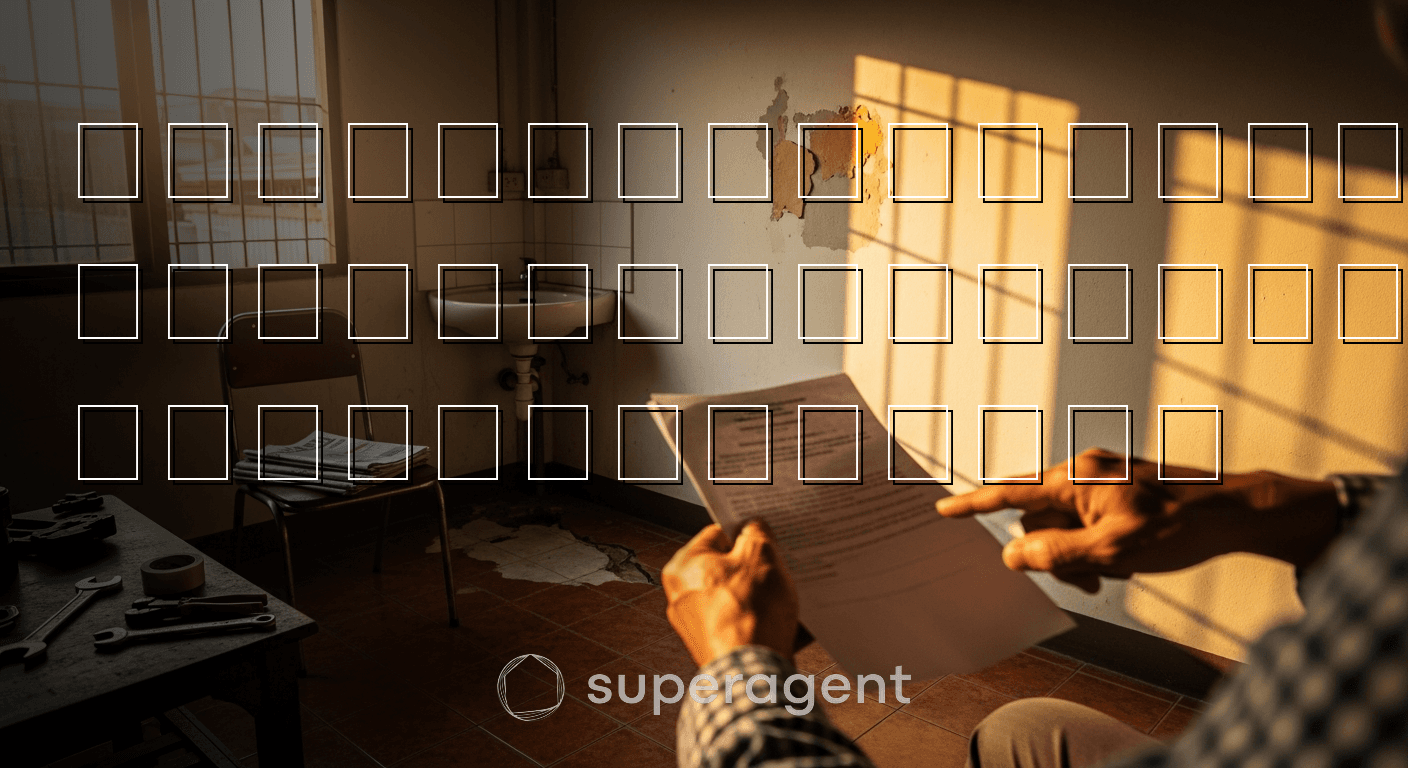
Summary
A clear guide to Bangkok rental repairs, from Thai Civil and Commercial Code rules to AC costs, wear and tear, deposits and lease clauses.
You walk into your condo after a long day at work, flip the switch, and nothing happens. The ceiling light is dead. Or maybe the air conditioning unit starts leaking water all over your wooden floor. Or the toilet just refuses to flush properly one random Tuesday morning. Your first thought, after the initial frustration, is always the same: who pays for this? You or the landlord? If you have ever rented a condo anywhere near Thong Lo, Ari, or Rama 9, you have probably had this exact moment. And the answer is not always as obvious as you think. Thailand actually has clear laws on this topic, but most tenants and landlords either do not know them or choose to ignore them. Let us break the whole thing down so you never get stuck paying for something that is not your responsibility.
What Thai Law Actually Says About Repairs
The starting point is the Thai Civil and Commercial Code, specifically Sections 546 through 551, which deal with obligations of lessors and lessees. The law is pretty straightforward. The landlord is responsible for maintaining the property in a condition suitable for the purpose of the lease. That means if something breaks due to normal wear and tear, or if a structural issue pops up, the landlord covers it.
On the flip side, the tenant is responsible for minor maintenance and any damage they cause themselves. Think of it this way: if the pipe behind the wall bursts because it is old, that is the landlord's problem. If you clog the drain by flushing things you should not be flushing, that is on you.
Here is a real scenario. A friend of mine rented a one bedroom unit in The Base Park West near On Nut BTS. About four months in, the hot water heater died completely. The landlord tried to argue it was the tenant's fault for using it too much. But under Thai law, a water heater failing from normal use is clearly the owner's responsibility. After some back and forth, the landlord replaced it. Knowing the law saved my friend about 8,000 to 12,000 THB.
Landlord Responsibilities: The Big Ticket Items
Landlords in Bangkok are legally obligated to handle repairs related to the structure of the property and any fixtures that were part of the unit when the lease began. This includes things like air conditioning units that came pre-installed, built-in kitchen appliances, water heaters, plumbing systems, electrical wiring, and anything attached to the walls or ceilings.
According to a 2023 survey by DDproperty, approximately 62% of tenant disputes in Bangkok involve disagreements over who should pay for appliance repairs, with air conditioning being the single most common issue. The average cost of an AC repair in Bangkok ranges from 1,500 to 5,000 THB for a standard service, but a full compressor replacement can run 15,000 to 25,000 THB or more.
Consider a condo like Ideo Mobi Sukhumvit near Ekkamai BTS, where rents for a one bedroom typically range from 18,000 to 28,000 THB per month. If the air conditioning unit that the owner installed dies after three years, that is clearly the owner's cost. The unit was there before you moved in, and it failed from regular use.
Landlords are also responsible for common area issues that affect your unit, like water leaks from the floor above or problems with building plumbing that back up into your bathroom. In these cases, the juristic person of the building often gets involved too, but ultimately your landlord needs to ensure the unit is livable.
Tenant Responsibilities: What You Actually Need to Pay For
As a tenant, you are responsible for what the law calls "small repairs" and any damage resulting from your own use or negligence. This includes things like replacing light bulbs, keeping the unit clean, minor drain unclogging, and replacing batteries in remote controls or locks.
If you hang shelves on the wall and the drilling damages the concrete or tiles, that is your repair to cover. If your pet scratches up the built-in wardrobe doors, you are paying for that. If you lose a key and need to replace the lock, that cost is yours.
A common situation happens in buildings like Lumpini Park Rama 9 near Rama 9 MRT, where many young professionals rent studios for 10,000 to 15,000 THB per month. Tenants sometimes bring in their own washing machines and connect them improperly, causing leaks that damage the flooring. In that case, the tenant is fully responsible for all resulting repairs, because the damage came from something the tenant installed and maintained.
The general rule is simple. If you caused it, you fix it. If time and normal use caused it, the landlord fixes it.
The Gray Areas That Cause Most Fights
The fights almost always happen in the gray areas, and Bangkok rental life is full of them. What about mold on the bathroom ceiling? Is that the tenant's fault for not ventilating properly, or the landlord's fault for poor building design? What about a stained mattress that came with the unit? What about curtains that have faded from sunlight?
Thai courts generally look at the concept of "normal wear and tear" versus "damage from misuse." Faded curtains from three years of sun exposure are normal wear. A cigarette burn on the curtain is damage. Mold from a building design flaw is the landlord's issue. Mold from a tenant who never opens windows or runs the exhaust fan could be argued as the tenant's fault.
I know someone who rented a two bedroom at Life Asoke Hype near Rama 9 MRT for about 30,000 THB per month. When they moved out, the landlord tried to deduct 15,000 THB from their deposit for "yellowed walls." But the tenant had lived there for over two years, never smoked inside, and the yellowing was simply from age and Bangkok's humidity. They pushed back with photos from move-in day, and the landlord eventually returned the full deposit. Documentation is everything.
What Your Lease Agreement Should Specify
Thai law provides the baseline, but your lease agreement can add specific terms on top of that, as long as those terms do not violate the law or create unfairly one-sided obligations. A well written lease should clearly spell out who pays for what.
Look for clauses that cover air conditioning servicing schedules, appliance replacement policies, and the process for reporting and handling repairs. Some landlords in high-end buildings like Marque Sukhumvit near Phrom Phong BTS include quarterly AC servicing as part of the rent. Others require tenants to arrange and pay for servicing every three months, with receipts as proof.
The best practice is to have a detailed inventory checklist with photos at move-in, signed by both parties. This protects everyone. If you are renting through an agent or platform, make sure this documentation is part of the process. The Knight Frank Thailand residential leasing team has noted that disputes drop significantly when both parties agree on a documented condition report before the lease starts.
If your lease says something that contradicts Thai law, like making the tenant responsible for all repairs regardless of cause, that clause may not be enforceable. But you would likely need to go through a dispute process to challenge it, which takes time and energy nobody wants to spend.
Quick Reference: Who Pays for What
Here is a practical breakdown of the most common repair scenarios in Bangkok condos and who is typically responsible.
| Repair Issue | Typically Landlord's Responsibility | Typically Tenant's Responsibility | Estimated Cost (THB) |
|---|---|---|---|
| Air conditioning failure (pre-installed unit) | Yes | No | 1,500 to 25,000 |
| Clogged drain from tenant misuse | No | Yes | 500 to 2,000 |
| Water heater replacement (normal wear) | Yes | No | 8,000 to 15,000 |
| Broken door lock from lost key | No | Yes | 1,000 to 3,500 |
| Leaking pipe inside wall | Yes | No | 3,000 to 10,000 |
| Light bulb replacement | No | Yes | 50 to 300 |
| Wall damage from tenant installations | No | Yes | 2,000 to 8,000 |
| Pest infestation (pre-existing) | Yes | No | 2,000 to 5,000 |
| Stained or burned flooring from tenant | No | Yes | 5,000 to 20,000 |
| Washing machine failure (owner provided) | Yes | No | 3,000 to 12,000 |
How to Protect Yourself Before Signing
Whether you are a tenant or a landlord, the smartest thing you can do is set expectations before anyone signs anything. Tenants should always request a detailed walk-through with the owner or agent, photographing every scratch, stain, and appliance serial number. Landlords should provide a clear maintenance schedule and specify in writing which appliances are included and under what warranty terms.
If a dispute arises, start with written communication. Line messages, emails, anything timestamped. Thai courts accept digital communications as evidence, and most small disputes get resolved once both parties realize the other person has documentation. For disputes that cannot be resolved informally, the Office of the Consumer Protection Board offers a mediation process that is free for tenants.
Bangkok's rental market moves fast, with thousands of units turning over every month across neighborhoods from Ari to Bang Na. The difference between a smooth rental experience and a nightmare often comes down to whether both parties understood their responsibilities from day one. Know the law, document everything, and communicate clearly. That combination solves about 90% of repair disputes before they even start.
If you are searching for a condo in Bangkok and want to start with clear, transparent lease terms from the beginning, check out superagent.co. Superagent helps you find the right condo and understand exactly what you are signing up for, so repair surprises stay small and responsibilities stay clear.
You walk into your condo after a long day at work, flip the switch, and nothing happens. The ceiling light is dead. Or maybe the air conditioning unit starts leaking water all over your wooden floor. Or the toilet just refuses to flush properly one random Tuesday morning. Your first thought, after the initial frustration, is always the same: who pays for this? You or the landlord? If you have ever rented a condo anywhere near Thong Lo, Ari, or Rama 9, you have probably had this exact moment. And the answer is not always as obvious as you think. Thailand actually has clear laws on this topic, but most tenants and landlords either do not know them or choose to ignore them. Let us break the whole thing down so you never get stuck paying for something that is not your responsibility.
What Thai Law Actually Says About Repairs
The starting point is the Thai Civil and Commercial Code, specifically Sections 546 through 551, which deal with obligations of lessors and lessees. The law is pretty straightforward. The landlord is responsible for maintaining the property in a condition suitable for the purpose of the lease. That means if something breaks due to normal wear and tear, or if a structural issue pops up, the landlord covers it.
On the flip side, the tenant is responsible for minor maintenance and any damage they cause themselves. Think of it this way: if the pipe behind the wall bursts because it is old, that is the landlord's problem. If you clog the drain by flushing things you should not be flushing, that is on you.
Here is a real scenario. A friend of mine rented a one bedroom unit in The Base Park West near On Nut BTS. About four months in, the hot water heater died completely. The landlord tried to argue it was the tenant's fault for using it too much. But under Thai law, a water heater failing from normal use is clearly the owner's responsibility. After some back and forth, the landlord replaced it. Knowing the law saved my friend about 8,000 to 12,000 THB.
Landlord Responsibilities: The Big Ticket Items
Landlords in Bangkok are legally obligated to handle repairs related to the structure of the property and any fixtures that were part of the unit when the lease began. This includes things like air conditioning units that came pre-installed, built-in kitchen appliances, water heaters, plumbing systems, electrical wiring, and anything attached to the walls or ceilings.
According to a 2023 survey by DDproperty, approximately 62% of tenant disputes in Bangkok involve disagreements over who should pay for appliance repairs, with air conditioning being the single most common issue. The average cost of an AC repair in Bangkok ranges from 1,500 to 5,000 THB for a standard service, but a full compressor replacement can run 15,000 to 25,000 THB or more.
Consider a condo like Ideo Mobi Sukhumvit near Ekkamai BTS, where rents for a one bedroom typically range from 18,000 to 28,000 THB per month. If the air conditioning unit that the owner installed dies after three years, that is clearly the owner's cost. The unit was there before you moved in, and it failed from regular use.
Landlords are also responsible for common area issues that affect your unit, like water leaks from the floor above or problems with building plumbing that back up into your bathroom. In these cases, the juristic person of the building often gets involved too, but ultimately your landlord needs to ensure the unit is livable.
Tenant Responsibilities: What You Actually Need to Pay For
As a tenant, you are responsible for what the law calls "small repairs" and any damage resulting from your own use or negligence. This includes things like replacing light bulbs, keeping the unit clean, minor drain unclogging, and replacing batteries in remote controls or locks.
If you hang shelves on the wall and the drilling damages the concrete or tiles, that is your repair to cover. If your pet scratches up the built-in wardrobe doors, you are paying for that. If you lose a key and need to replace the lock, that cost is yours.
A common situation happens in buildings like Lumpini Park Rama 9 near Rama 9 MRT, where many young professionals rent studios for 10,000 to 15,000 THB per month. Tenants sometimes bring in their own washing machines and connect them improperly, causing leaks that damage the flooring. In that case, the tenant is fully responsible for all resulting repairs, because the damage came from something the tenant installed and maintained.
The general rule is simple. If you caused it, you fix it. If time and normal use caused it, the landlord fixes it.
The Gray Areas That Cause Most Fights
The fights almost always happen in the gray areas, and Bangkok rental life is full of them. What about mold on the bathroom ceiling? Is that the tenant's fault for not ventilating properly, or the landlord's fault for poor building design? What about a stained mattress that came with the unit? What about curtains that have faded from sunlight?
Thai courts generally look at the concept of "normal wear and tear" versus "damage from misuse." Faded curtains from three years of sun exposure are normal wear. A cigarette burn on the curtain is damage. Mold from a building design flaw is the landlord's issue. Mold from a tenant who never opens windows or runs the exhaust fan could be argued as the tenant's fault.
I know someone who rented a two bedroom at Life Asoke Hype near Rama 9 MRT for about 30,000 THB per month. When they moved out, the landlord tried to deduct 15,000 THB from their deposit for "yellowed walls." But the tenant had lived there for over two years, never smoked inside, and the yellowing was simply from age and Bangkok's humidity. They pushed back with photos from move-in day, and the landlord eventually returned the full deposit. Documentation is everything.
Talk to us about renting
Share your details and keep reading — we’ll get back to you.
What Your Lease Agreement Should Specify
Thai law provides the baseline, but your lease agreement can add specific terms on top of that, as long as those terms do not violate the law or create unfairly one-sided obligations. A well written lease should clearly spell out who pays for what.
Look for clauses that cover air conditioning servicing schedules, appliance replacement policies, and the process for reporting and handling repairs. Some landlords in high-end buildings like Marque Sukhumvit near Phrom Phong BTS include quarterly AC servicing as part of the rent. Others require tenants to arrange and pay for servicing every three months, with receipts as proof.
The best practice is to have a detailed inventory checklist with photos at move-in, signed by both parties. This protects everyone. If you are renting through an agent or platform, make sure this documentation is part of the process. The Knight Frank Thailand residential leasing team has noted that disputes drop significantly when both parties agree on a documented condition report before the lease starts.
If your lease says something that contradicts Thai law, like making the tenant responsible for all repairs regardless of cause, that clause may not be enforceable. But you would likely need to go through a dispute process to challenge it, which takes time and energy nobody wants to spend.
Quick Reference: Who Pays for What
Here is a practical breakdown of the most common repair scenarios in Bangkok condos and who is typically responsible.
| Repair Issue | Typically Landlord's Responsibility | Typically Tenant's Responsibility | Estimated Cost (THB) |
|---|---|---|---|
| Air conditioning failure (pre-installed unit) | Yes | No | 1,500 to 25,000 |
| Clogged drain from tenant misuse | No | Yes | 500 to 2,000 |
| Water heater replacement (normal wear) | Yes | No | 8,000 to 15,000 |
| Broken door lock from lost key | No | Yes | 1,000 to 3,500 |
| Leaking pipe inside wall | Yes | No | 3,000 to 10,000 |
| Light bulb replacement | No | Yes | 50 to 300 |
| Wall damage from tenant installations | No | Yes | 2,000 to 8,000 |
| Pest infestation (pre-existing) | Yes | No | 2,000 to 5,000 |
| Stained or burned flooring from tenant | No | Yes | 5,000 to 20,000 |
| Washing machine failure (owner provided) | Yes | No | 3,000 to 12,000 |
How to Protect Yourself Before Signing
Whether you are a tenant or a landlord, the smartest thing you can do is set expectations before anyone signs anything. Tenants should always request a detailed walk-through with the owner or agent, photographing every scratch, stain, and appliance serial number. Landlords should provide a clear maintenance schedule and specify in writing which appliances are included and under what warranty terms.
If a dispute arises, start with written communication. Line messages, emails, anything timestamped. Thai courts accept digital communications as evidence, and most small disputes get resolved once both parties realize the other person has documentation. For disputes that cannot be resolved informally, the Office of the Consumer Protection Board offers a mediation process that is free for tenants.
Bangkok's rental market moves fast, with thousands of units turning over every month across neighborhoods from Ari to Bang Na. The difference between a smooth rental experience and a nightmare often comes down to whether both parties understood their responsibilities from day one. Know the law, document everything, and communicate clearly. That combination solves about 90% of repair disputes before they even start.
If you are searching for a condo in Bangkok and want to start with clear, transparent lease terms from the beginning, check out superagent.co. Superagent helps you find the right condo and understand exactly what you are signing up for, so repair surprises stay small and responsibilities stay clear.
Share this article
Properties you may like
![[For Rent] CONDO I Aguston Sukhumvit 22 I Pet Friendly I 2 Beds I 2 Baths I Rent 55,000THB/mo](/_next/image?url=https%3A%2F%2Fstorage.googleapis.com%2Fsuperagent-web%2Fattachments%2Flistings%2F2266%2Fd3afcd25-6b79-46cb-9f1f-396acdc3dd10-955-3.jpg&w=3840&q=75)
฿55,000
2 Bed295 sqm
[For Rent] CONDO I Aguston Sukhumvit 22 I Pet Friendly I 2 Beds I 2 Baths I Rent 55,000THB/mo
Phrom Phong
Condo![[For Rent] CONDO I SUPALAI PLACE Sukhumvit 39 I 2 Beds I 2 Baths (1 Jacuzzi) I 55,555THB/mo](/_next/image?url=https%3A%2F%2Fstorage.googleapis.com%2Fsuperagent-web%2Fattachments%2Flistings%2F6743%2Fba530743-48b9-4ac6-92d3-c2247e743cf6-01-supalai-place-skv39-2b-link-heaven.jpg&w=3840&q=75)
฿55,555
2 Bed2142 sqm
[For Rent] CONDO I SUPALAI PLACE Sukhumvit 39 I 2 Beds I 2 Baths (1 Jacuzzi) I 55,555THB/mo
Phrom Phong
Condo![[For Rent] CONDO I Maru Ekkamai 2 I Pet friendly I 2 Beds I 2 Baths I 68,000 THB/mo](/_next/image?url=https%3A%2F%2Fstorage.googleapis.com%2Fsuperagent-web%2Fattachments%2Flistings%2F6602%2F9f1d8f71-ee43-435f-9a44-da16c4092c92-968-1.jpg&w=3840&q=75)
฿68,000
2 Bed360 sqm
[For Rent] CONDO I Maru Ekkamai 2 I Pet friendly I 2 Beds I 2 Baths I 68,000 THB/mo
Ekkamai
Condo![[For Rent] CONDO I Noble State 39 I 2 Beds I 2 Baths I 63,000THB/mo](/_next/image?url=https%3A%2F%2Fstorage.googleapis.com%2Fsuperagent-web%2Fattachments%2Flistings%2F2237%2F60eb58f3-eae5-41ed-a80b-406e004f05d8-940-1.jpg&w=3840&q=75)
฿63,000
2 Bed260 sqm
[For Rent] CONDO I Noble State 39 I 2 Beds I 2 Baths I 63,000THB/mo
Phrom Phong
Condo![[For Rent] CONDO I Rhythm Sukhumvit 36-38 I 2 Beds I 2 Baths I 38,999THB/mo](/_next/image?url=https%3A%2F%2Fstorage.googleapis.com%2Fsuperagent-web%2Fattachments%2Flistings%2F1788%2F942a0215-4128-4c2c-a064-f607e84e7aa4-656-2.jpg&w=3840&q=75)
฿38,999
2 Bed256 sqm
[For Rent] CONDO I Rhythm Sukhumvit 36-38 I 2 Beds I 2 Baths I 38,999THB/mo
Thonglor
Condo![[For Rent] CONDO I CLOUD Thonglor-Phetchaburi I 1 Bed I 1 Bath I 22,500THB/mo](/_next/image?url=https%3A%2F%2Fstorage.googleapis.com%2Fsuperagent-web%2Fattachments%2Flistings%2F6742%2F6cef5361-0dac-4dba-98f1-b0d187559c84-1118-1.jpg&w=3840&q=75)
฿22,500
1 Bed132 sqm
[For Rent] CONDO I CLOUD Thonglor-Phetchaburi I 1 Bed I 1 Bath I 22,500THB/mo
Thonglor
Condo![[For Rent] CONDO I City Smart Sukhumvit 18 I 3 Beds I 3 Baths I 65,000mo/THB](/_next/image?url=https%3A%2F%2Fstorage.googleapis.com%2Fsuperagent-web%2Fattachments%2Flistings%2F6741%2Fd371c89d-a913-42c4-a673-e540afae4f46-1116-1.jpg&w=3840&q=75)
฿65,000
3 Bed3125 sqm
[For Rent] CONDO I City Smart Sukhumvit 18 I 3 Beds I 3 Baths I 65,000mo/THB
Condo![[For Rent] CONDO I The Coast Bangkok I 1 Bed I 1 Bath I 20,000mo/THB](/_next/image?url=https%3A%2F%2Fstorage.googleapis.com%2Fsuperagent-web%2Fattachments%2Flistings%2F6740%2F498477ce-4ffa-4e4c-ab08-0e565d9c4bbe-1115-3.jpg&w=3840&q=75)
฿20,000
1 Bed146 sqm
[For Rent] CONDO I The Coast Bangkok I 1 Bed I 1 Bath I 20,000mo/THB
Bang Na
Condo![[For Rent] CONDO I IDEO Sukhumvit-RAMA 4 I 2 Beds I 2 Baths I 55,000mo/THB](/_next/image?url=https%3A%2F%2Fstorage.googleapis.com%2Fsuperagent-web%2Fattachments%2Flistings%2F6739%2F15df221d-5b8e-497c-b7ce-a6b9b6412cab-1113-1.jpg&w=3840&q=75)
฿55,000
2 Bed265 sqm
[For Rent] CONDO I IDEO Sukhumvit-RAMA 4 I 2 Beds I 2 Baths I 55,000mo/THB
Phra Khanong
Condo![[For Rent] CONDO I Downtown 49 I Pet Friendly I 1 Bed I 1 Bath I 23,000mo/THB](/_next/image?url=https%3A%2F%2Fstorage.googleapis.com%2Fsuperagent-web%2Fattachments%2Flistings%2F6738%2F11cf2ffe-1f01-4ccc-991c-2ad608f1ba73-1112-1.jpg&w=3840&q=75)
฿23,000
1 Bed135 sqm
[For Rent] CONDO I Downtown 49 I Pet Friendly I 1 Bed I 1 Bath I 23,000mo/THB
Thonglor
CondoMore like this
 In Guides · Superagent EditorialHidden Costs of Renting a Condo in Bangkok Nobody Warns You AboutBangkok condo rent looks affordable until month one hits. Here are the real costs beyond the headline figure that catch most renters off guard.25 May 20261 min read
 In Guides · Superagent EditorialWhat a Long-Vacant Bangkok Condo Unit Is Actually Telling YouA Bangkok condo vacant for months signals overpricing, landlord issues, or real problems. Here is how to read the signs.25 May 20261 min read
 In Guides · Superagent EditorialRed Flags in a Bangkok Rental Contract to Watch Out ForBangkok rental contracts often hide risky clauses. Here are the red flags every tenant must catch before signing any lease.25 May 20261 min read
 In Guides · Superagent EditorialWorking Online from a Condo: How to Choose the Perfect Room for ProductivityLearn how to choose the best condo room for working online with tips on lighting, noise, and furniture setup to maximize productivity.9 May 20261 min read