Damage in a Bangkok Rental: Who Is Responsible, the Tenant or the Landlord?
Guides
Damage in a Bangkok Rental: Who Is Responsible, the Tenant or the Landlord?
Understanding liability and responsibility for property damage in Bangkok rentals.
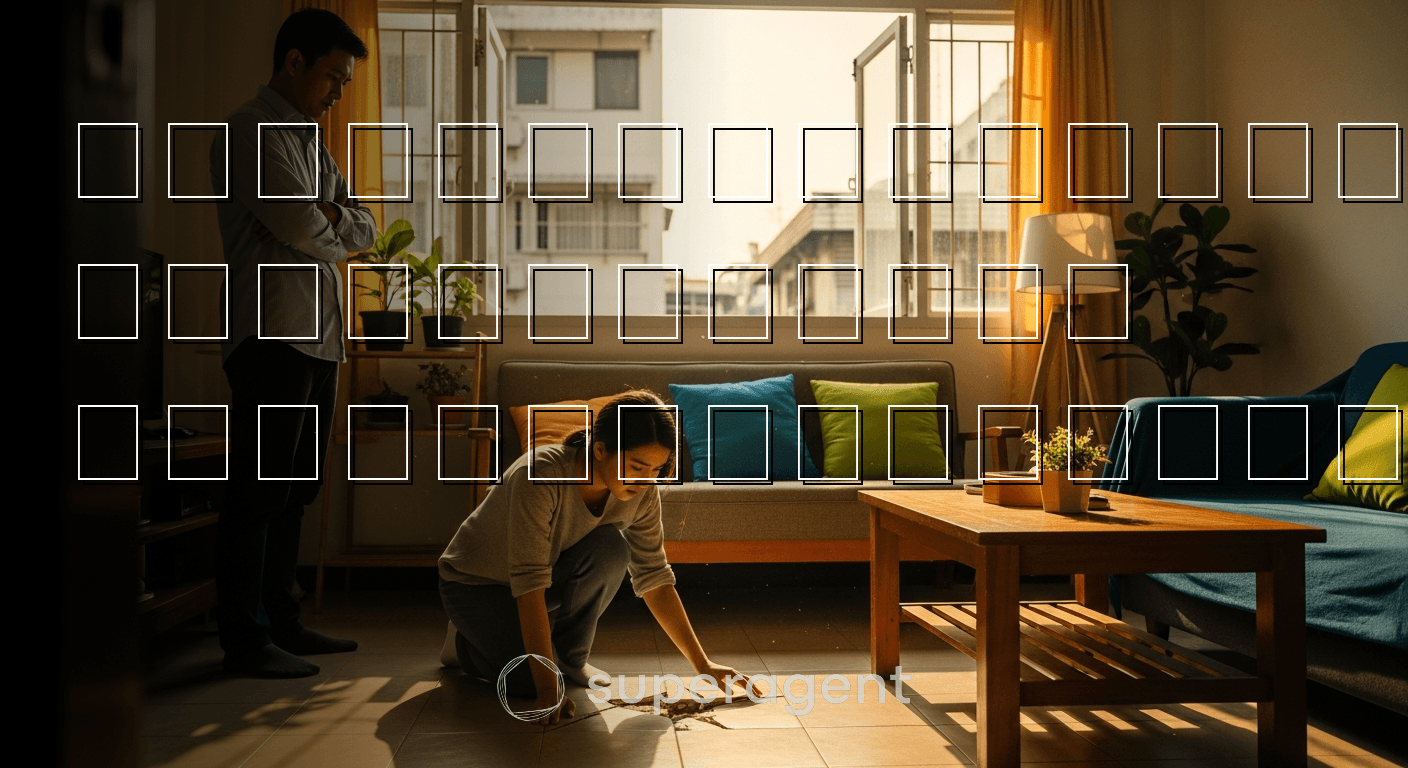
Summary
Who pays when a Bangkok rental gets damaged? Learn how Thai law splits normal wear and tear from tenant damage, and how to protect your deposit.
You move into a nice condo near BTS Thong Lo, paying 28,000 THB a month for a furnished one-bedroom. Everything looks great on day one. Six months later, the air conditioning unit starts leaking, the microwave stops heating, and there is a crack running along the bathroom tile. When you report it to the landlord, they tell you the damage is your responsibility. You disagree. Now what? This is one of the most common and most stressful situations renters in Bangkok deal with. Knowing who is actually responsible for what can save you thousands of baht and a whole lot of frustration.
Understanding the Basics of Damage Responsibility in Thai Rental Law
Thai rental agreements are governed by the Land Department regulations and the Civil and Commercial Code, Sections 537 to 571. The general principle is straightforward: landlords are responsible for maintaining the property in a livable condition, and tenants are responsible for damage they cause through misuse or negligence.
The tricky part is figuring out where normal wear and tear ends and tenant-caused damage begins. A faded paint job after two years of sunlight exposure? That is wear and tear. A hole punched in the drywall because you mounted a 65-inch TV without permission? That is on you.
Here is a real scenario. A friend rented a studio at Ideo Mobi Sukhumvit for around 18,000 THB a month. After a year, the washing machine broke down. The landlord insisted the tenant pay for a new one. But the machine was already eight years old and had never been serviced. In this case, the tenant pushed back, citing that appliance aging is the owner's responsibility. They eventually split the cost, but the tenant could have avoided the hassle entirely with a clearer contract.
According to a 2023 survey by DDproperty, approximately 63% of rental disputes in Thailand are related to security deposit deductions and damage claims. That is a massive number, and it shows just how common this problem is.
What Counts as Normal Wear and Tear vs. Tenant Damage
This distinction is where most arguments happen. Normal wear and tear includes things that degrade naturally over time with regular use. Tenant damage is anything that results from carelessness, misuse, or intentional action.
Think of it this way. If you live in a condo near MRT Phra Ram 9 and the rubber seal on your refrigerator door cracks after three years, that is wear and tear. If your cat scratches up the leather sofa that came with the unit, that is tenant damage.
Here are some common examples to clarify:
| Item or Issue | Normal Wear and Tear (Landlord's Responsibility) | Tenant Damage (Tenant's Responsibility) |
|---|---|---|
| Walls and paint | Fading, minor scuff marks, small nail holes | Large holes, stains, unauthorized painting |
| Air conditioning | Reduced cooling efficiency over time, compressor aging | Damage from never cleaning filters, physical damage to unit |
| Flooring | Light scratches on wood or laminate, minor tile discoloration | Deep gouges, broken tiles from dropped objects, water damage from negligence |
| Appliances (washer, microwave, fridge) | Mechanical failure from age, electrical issues | Damage from misuse, overloading, or not following instructions |
| Furniture | Fabric pilling, cushion sagging, minor wood fading | Cigarette burns, pet damage, broken legs or frames |
| Bathroom fixtures | Grout discoloration, slow drains from old pipes | Cracked toilet seat, broken shower head, mold from poor ventilation habits |
The key takeaway here is that anything that happens through normal daily living is usually the landlord's problem. Anything that happens because you did something wrong, or failed to do something you should have, is yours.
The Security Deposit: Your Money and How to Protect It
In Bangkok, most condo rentals require a two-month security deposit. For a one-bedroom in a building like Life Asoke Hype near MRT Phetchaburi, where rent runs about 22,000 to 30,000 THB per month, that means you are putting down 44,000 to 60,000 THB upfront. That is not pocket change.
Landlords are legally required to return your deposit within 30 days of move-out, minus any legitimate deductions for damage beyond normal wear and tear. But "legitimate" is where things get murky. Some landlords will try to deduct for professional cleaning, repainting, or replacing items that were already worn out when you moved in.
The single best thing you can do to protect your deposit is document everything on move-in day. Take photos and videos of every room, every appliance, every wall, every piece of furniture. Open every cabinet. Run every faucet. Turn on the air conditioning and check for leaks. Send these photos to your landlord via email or LINE so there is a timestamped record.
A couple I know rented a two-bedroom at The Base Park West near BTS Onnut for 25,000 THB a month. When they moved out, the landlord wanted to deduct 15,000 THB for a "damaged" kitchen countertop. The couple pulled up their move-in photos showing the exact same scratch already present. They got their full deposit back. Documentation is everything.
What Your Lease Agreement Should Spell Out
A well-written lease agreement is your best defense against disputes. Unfortunately, a lot of rental contracts in Bangkok are vague or overly simple, especially in the sub-20,000 THB range where many landlords use generic one-page templates.
Your contract should clearly outline who is responsible for repairs and maintenance of appliances, air conditioning units, plumbing, and structural elements. It should state whether the landlord or tenant handles regular air conditioning servicing, which in Bangkok should happen every three to four months given the humidity and dust.
The lease should also include a detailed inventory list of all furniture and appliances provided, along with their condition. If the sofa has a small tear when you move in, that should be noted. If the TV remote is missing a battery cover, write it down.
For example, many newer buildings near BTS Bearing and BTS Samrong in the 12,000 to 18,000 THB range cater to young professionals and first-time renters who might not think to check these details. But skipping this step can cost you at the end of your lease.
If your landlord does not provide a detailed contract, ask for one. If they refuse, consider it a red flag. The Knight Frank Thailand residential team regularly advises that detailed lease terms significantly reduce the chance of end-of-tenancy disputes.
How to Handle Disputes When They Happen
Even with the best preparation, disagreements still happen. Maybe your landlord insists the broken curtain rod is your fault, or they want to charge you for a full bathroom renovation because of a chipped tile. Here is how to handle it.
First, communicate in writing. LINE is fine for quick messages, but for anything related to damage or money, follow up with an email. Keep a paper trail. If you report a leaky pipe and the landlord ignores it for three months, and then the water damage gets worse, you want proof that you reported the issue promptly.
Second, get a repair quote from an independent technician. Landlords sometimes inflate repair costs. A friend living at Aspire Sathorn Thapra near BTS Talat Phlu was quoted 8,000 THB by his landlord to fix a broken kitchen faucet. He called a local plumber from a Soi Sathorn shop who did the job for 1,200 THB. Having a second opinion gives you leverage in negotiations.
Third, if things really escalate and you cannot reach an agreement, you can file a complaint with the Consumer Protection Board or seek mediation through the Thai courts. This is a last resort, but it exists as an option. Most disputes, thankfully, get resolved through direct conversation and reasonable compromise.
Preventive Steps Smart Renters Take from Day One
The best way to deal with damage disputes is to prevent them from becoming disputes in the first place. Here are practical steps that experienced Bangkok renters swear by.
Schedule regular air conditioning cleaning yourself if your landlord will not do it. In Bangkok's climate, dirty AC filters are the number one cause of unit breakdowns. A basic cleaning service costs 300 to 500 THB per unit and takes 30 minutes. It is worth every baht.
Report problems immediately. Do not wait until the small leak under the sink turns into water damage on the floor. The longer you wait, the easier it is for a landlord to argue the damage was your fault. Send a photo, send a message, and keep a record of when you reported it.
Get renter's insurance. This is still relatively uncommon in Thailand, but several providers now offer affordable policies that cover accidental damage to property. For around 2,000 to 4,000 THB per year, you can get coverage that protects you from unexpected costs. It is a small price to pay for peace of mind, especially if you are renting a furnished condo in the 30,000 to 50,000 THB range in areas like Silom, Sathorn, or Sukhumvit.
Finally, build a good relationship with your landlord. This sounds basic, but it matters. A landlord who likes you and trusts you is far more likely to handle repairs quickly and fairly. Pay rent on time, keep the unit clean, and communicate respectfully. It goes a long way.
Renting a condo in Bangkok should be a great experience, not a source of anxiety. When you understand your rights, document everything from the start, and communicate clearly with your landlord, most damage issues can be resolved without drama or financial pain. The key is preparation and knowing what is fair before a problem ever comes up. If you are looking for your next condo rental in Bangkok and want a smoother, more transparent experience from search to signing, check out superagent.co to find listings, compare options, and get AI-powered support that actually helps you understand what you are getting into.
You move into a nice condo near BTS Thong Lo, paying 28,000 THB a month for a furnished one-bedroom. Everything looks great on day one. Six months later, the air conditioning unit starts leaking, the microwave stops heating, and there is a crack running along the bathroom tile. When you report it to the landlord, they tell you the damage is your responsibility. You disagree. Now what? This is one of the most common and most stressful situations renters in Bangkok deal with. Knowing who is actually responsible for what can save you thousands of baht and a whole lot of frustration.
Understanding the Basics of Damage Responsibility in Thai Rental Law
Thai rental agreements are governed by the Land Department regulations and the Civil and Commercial Code, Sections 537 to 571. The general principle is straightforward: landlords are responsible for maintaining the property in a livable condition, and tenants are responsible for damage they cause through misuse or negligence.
The tricky part is figuring out where normal wear and tear ends and tenant-caused damage begins. A faded paint job after two years of sunlight exposure? That is wear and tear. A hole punched in the drywall because you mounted a 65-inch TV without permission? That is on you.
Here is a real scenario. A friend rented a studio at Ideo Mobi Sukhumvit for around 18,000 THB a month. After a year, the washing machine broke down. The landlord insisted the tenant pay for a new one. But the machine was already eight years old and had never been serviced. In this case, the tenant pushed back, citing that appliance aging is the owner's responsibility. They eventually split the cost, but the tenant could have avoided the hassle entirely with a clearer contract.
According to a 2023 survey by DDproperty, approximately 63% of rental disputes in Thailand are related to security deposit deductions and damage claims. That is a massive number, and it shows just how common this problem is.
What Counts as Normal Wear and Tear vs. Tenant Damage
This distinction is where most arguments happen. Normal wear and tear includes things that degrade naturally over time with regular use. Tenant damage is anything that results from carelessness, misuse, or intentional action.
Think of it this way. If you live in a condo near MRT Phra Ram 9 and the rubber seal on your refrigerator door cracks after three years, that is wear and tear. If your cat scratches up the leather sofa that came with the unit, that is tenant damage.
Here are some common examples to clarify:
| Item or Issue | Normal Wear and Tear (Landlord's Responsibility) | Tenant Damage (Tenant's Responsibility) |
|---|---|---|
| Walls and paint | Fading, minor scuff marks, small nail holes | Large holes, stains, unauthorized painting |
| Air conditioning | Reduced cooling efficiency over time, compressor aging | Damage from never cleaning filters, physical damage to unit |
| Flooring | Light scratches on wood or laminate, minor tile discoloration | Deep gouges, broken tiles from dropped objects, water damage from negligence |
| Appliances (washer, microwave, fridge) | Mechanical failure from age, electrical issues | Damage from misuse, overloading, or not following instructions |
| Furniture | Fabric pilling, cushion sagging, minor wood fading | Cigarette burns, pet damage, broken legs or frames |
| Bathroom fixtures | Grout discoloration, slow drains from old pipes | Cracked toilet seat, broken shower head, mold from poor ventilation habits |
The key takeaway here is that anything that happens through normal daily living is usually the landlord's problem. Anything that happens because you did something wrong, or failed to do something you should have, is yours.
The Security Deposit: Your Money and How to Protect It
In Bangkok, most condo rentals require a two-month security deposit. For a one-bedroom in a building like Life Asoke Hype near MRT Phetchaburi, where rent runs about 22,000 to 30,000 THB per month, that means you are putting down 44,000 to 60,000 THB upfront. That is not pocket change.
Landlords are legally required to return your deposit within 30 days of move-out, minus any legitimate deductions for damage beyond normal wear and tear. But "legitimate" is where things get murky. Some landlords will try to deduct for professional cleaning, repainting, or replacing items that were already worn out when you moved in.
The single best thing you can do to protect your deposit is document everything on move-in day. Take photos and videos of every room, every appliance, every wall, every piece of furniture. Open every cabinet. Run every faucet. Turn on the air conditioning and check for leaks. Send these photos to your landlord via email or LINE so there is a timestamped record.
A couple I know rented a two-bedroom at The Base Park West near BTS Onnut for 25,000 THB a month. When they moved out, the landlord wanted to deduct 15,000 THB for a "damaged" kitchen countertop. The couple pulled up their move-in photos showing the exact same scratch already present. They got their full deposit back. Documentation is everything.
What Your Lease Agreement Should Spell Out
A well-written lease agreement is your best defense against disputes. Unfortunately, a lot of rental contracts in Bangkok are vague or overly simple, especially in the sub-20,000 THB range where many landlords use generic one-page templates.
Your contract should clearly outline who is responsible for repairs and maintenance of appliances, air conditioning units, plumbing, and structural elements. It should state whether the landlord or tenant handles regular air conditioning servicing, which in Bangkok should happen every three to four months given the humidity and dust.
The lease should also include a detailed inventory list of all furniture and appliances provided, along with their condition. If the sofa has a small tear when you move in, that should be noted. If the TV remote is missing a battery cover, write it down.
Talk to us about renting
Share your details and keep reading — we’ll get back to you.
For example, many newer buildings near BTS Bearing and BTS Samrong in the 12,000 to 18,000 THB range cater to young professionals and first-time renters who might not think to check these details. But skipping this step can cost you at the end of your lease.
If your landlord does not provide a detailed contract, ask for one. If they refuse, consider it a red flag. The Knight Frank Thailand residential team regularly advises that detailed lease terms significantly reduce the chance of end-of-tenancy disputes.
How to Handle Disputes When They Happen
Even with the best preparation, disagreements still happen. Maybe your landlord insists the broken curtain rod is your fault, or they want to charge you for a full bathroom renovation because of a chipped tile. Here is how to handle it.
First, communicate in writing. LINE is fine for quick messages, but for anything related to damage or money, follow up with an email. Keep a paper trail. If you report a leaky pipe and the landlord ignores it for three months, and then the water damage gets worse, you want proof that you reported the issue promptly.
Second, get a repair quote from an independent technician. Landlords sometimes inflate repair costs. A friend living at Aspire Sathorn Thapra near BTS Talat Phlu was quoted 8,000 THB by his landlord to fix a broken kitchen faucet. He called a local plumber from a Soi Sathorn shop who did the job for 1,200 THB. Having a second opinion gives you leverage in negotiations.
Third, if things really escalate and you cannot reach an agreement, you can file a complaint with the Consumer Protection Board or seek mediation through the Thai courts. This is a last resort, but it exists as an option. Most disputes, thankfully, get resolved through direct conversation and reasonable compromise.
Preventive Steps Smart Renters Take from Day One
The best way to deal with damage disputes is to prevent them from becoming disputes in the first place. Here are practical steps that experienced Bangkok renters swear by.
Schedule regular air conditioning cleaning yourself if your landlord will not do it. In Bangkok's climate, dirty AC filters are the number one cause of unit breakdowns. A basic cleaning service costs 300 to 500 THB per unit and takes 30 minutes. It is worth every baht.
Report problems immediately. Do not wait until the small leak under the sink turns into water damage on the floor. The longer you wait, the easier it is for a landlord to argue the damage was your fault. Send a photo, send a message, and keep a record of when you reported it.
Get renter's insurance. This is still relatively uncommon in Thailand, but several providers now offer affordable policies that cover accidental damage to property. For around 2,000 to 4,000 THB per year, you can get coverage that protects you from unexpected costs. It is a small price to pay for peace of mind, especially if you are renting a furnished condo in the 30,000 to 50,000 THB range in areas like Silom, Sathorn, or Sukhumvit.
Finally, build a good relationship with your landlord. This sounds basic, but it matters. A landlord who likes you and trusts you is far more likely to handle repairs quickly and fairly. Pay rent on time, keep the unit clean, and communicate respectfully. It goes a long way.
Renting a condo in Bangkok should be a great experience, not a source of anxiety. When you understand your rights, document everything from the start, and communicate clearly with your landlord, most damage issues can be resolved without drama or financial pain. The key is preparation and knowing what is fair before a problem ever comes up. If you are looking for your next condo rental in Bangkok and want a smoother, more transparent experience from search to signing, check out superagent.co to find listings, compare options, and get AI-powered support that actually helps you understand what you are getting into.
Share this article
Properties you may like
![[For Rent] CONDO I Aguston Sukhumvit 22 I Pet Friendly I 2 Beds I 2 Baths I Rent 55,000THB/mo](/_next/image?url=https%3A%2F%2Fstorage.googleapis.com%2Fsuperagent-web%2Fattachments%2Flistings%2F2266%2Fd3afcd25-6b79-46cb-9f1f-396acdc3dd10-955-3.jpg&w=3840&q=75)
฿55,000
2 Bed295 sqm
[For Rent] CONDO I Aguston Sukhumvit 22 I Pet Friendly I 2 Beds I 2 Baths I Rent 55,000THB/mo
Phrom Phong
Condo![[For Rent] CONDO I SUPALAI PLACE Sukhumvit 39 I 2 Beds I 2 Baths (1 Jacuzzi) I 55,555THB/mo](/_next/image?url=https%3A%2F%2Fstorage.googleapis.com%2Fsuperagent-web%2Fattachments%2Flistings%2F6743%2Fba530743-48b9-4ac6-92d3-c2247e743cf6-01-supalai-place-skv39-2b-link-heaven.jpg&w=3840&q=75)
฿55,555
2 Bed2142 sqm
[For Rent] CONDO I SUPALAI PLACE Sukhumvit 39 I 2 Beds I 2 Baths (1 Jacuzzi) I 55,555THB/mo
Phrom Phong
Condo![[For Rent] CONDO I Maru Ekkamai 2 I Pet friendly I 2 Beds I 2 Baths I 68,000 THB/mo](/_next/image?url=https%3A%2F%2Fstorage.googleapis.com%2Fsuperagent-web%2Fattachments%2Flistings%2F6602%2F9f1d8f71-ee43-435f-9a44-da16c4092c92-968-1.jpg&w=3840&q=75)
฿68,000
2 Bed360 sqm
[For Rent] CONDO I Maru Ekkamai 2 I Pet friendly I 2 Beds I 2 Baths I 68,000 THB/mo
Ekkamai
Condo![[For Rent] CONDO I Noble State 39 I 2 Beds I 2 Baths I 63,000THB/mo](/_next/image?url=https%3A%2F%2Fstorage.googleapis.com%2Fsuperagent-web%2Fattachments%2Flistings%2F2237%2F60eb58f3-eae5-41ed-a80b-406e004f05d8-940-1.jpg&w=3840&q=75)
฿63,000
2 Bed260 sqm
[For Rent] CONDO I Noble State 39 I 2 Beds I 2 Baths I 63,000THB/mo
Phrom Phong
Condo![[For Rent] CONDO I Rhythm Sukhumvit 36-38 I 2 Beds I 2 Baths I 38,999THB/mo](/_next/image?url=https%3A%2F%2Fstorage.googleapis.com%2Fsuperagent-web%2Fattachments%2Flistings%2F1788%2F942a0215-4128-4c2c-a064-f607e84e7aa4-656-2.jpg&w=3840&q=75)
฿38,999
2 Bed256 sqm
[For Rent] CONDO I Rhythm Sukhumvit 36-38 I 2 Beds I 2 Baths I 38,999THB/mo
Thonglor
Condo![[For Rent] CONDO I CLOUD Thonglor-Phetchaburi I 1 Bed I 1 Bath I 22,500THB/mo](/_next/image?url=https%3A%2F%2Fstorage.googleapis.com%2Fsuperagent-web%2Fattachments%2Flistings%2F6742%2F6cef5361-0dac-4dba-98f1-b0d187559c84-1118-1.jpg&w=3840&q=75)
฿22,500
1 Bed132 sqm
[For Rent] CONDO I CLOUD Thonglor-Phetchaburi I 1 Bed I 1 Bath I 22,500THB/mo
Thonglor
Condo![[For Rent] CONDO I City Smart Sukhumvit 18 I 3 Beds I 3 Baths I 65,000mo/THB](/_next/image?url=https%3A%2F%2Fstorage.googleapis.com%2Fsuperagent-web%2Fattachments%2Flistings%2F6741%2Fd371c89d-a913-42c4-a673-e540afae4f46-1116-1.jpg&w=3840&q=75)
฿65,000
3 Bed3125 sqm
[For Rent] CONDO I City Smart Sukhumvit 18 I 3 Beds I 3 Baths I 65,000mo/THB
Condo![[For Rent] CONDO I The Coast Bangkok I 1 Bed I 1 Bath I 20,000mo/THB](/_next/image?url=https%3A%2F%2Fstorage.googleapis.com%2Fsuperagent-web%2Fattachments%2Flistings%2F6740%2F498477ce-4ffa-4e4c-ab08-0e565d9c4bbe-1115-3.jpg&w=3840&q=75)
฿20,000
1 Bed146 sqm
[For Rent] CONDO I The Coast Bangkok I 1 Bed I 1 Bath I 20,000mo/THB
Bang Na
Condo![[For Rent] CONDO I IDEO Sukhumvit-RAMA 4 I 2 Beds I 2 Baths I 55,000mo/THB](/_next/image?url=https%3A%2F%2Fstorage.googleapis.com%2Fsuperagent-web%2Fattachments%2Flistings%2F6739%2F15df221d-5b8e-497c-b7ce-a6b9b6412cab-1113-1.jpg&w=3840&q=75)
฿55,000
2 Bed265 sqm
[For Rent] CONDO I IDEO Sukhumvit-RAMA 4 I 2 Beds I 2 Baths I 55,000mo/THB
Phra Khanong
Condo![[For Rent] CONDO I Downtown 49 I Pet Friendly I 1 Bed I 1 Bath I 23,000mo/THB](/_next/image?url=https%3A%2F%2Fstorage.googleapis.com%2Fsuperagent-web%2Fattachments%2Flistings%2F6738%2F11cf2ffe-1f01-4ccc-991c-2ad608f1ba73-1112-1.jpg&w=3840&q=75)
฿23,000
1 Bed135 sqm
[For Rent] CONDO I Downtown 49 I Pet Friendly I 1 Bed I 1 Bath I 23,000mo/THB
Thonglor
CondoMore like this
 In Guides · Superagent EditorialHidden Costs of Renting a Condo in Bangkok Nobody Warns You AboutBangkok condo rent looks affordable until month one hits. Here are the real costs beyond the headline figure that catch most renters off guard.25 May 20261 min read
 In Guides · Superagent EditorialWhat a Long-Vacant Bangkok Condo Unit Is Actually Telling YouA Bangkok condo vacant for months signals overpricing, landlord issues, or real problems. Here is how to read the signs.25 May 20261 min read
 In Guides · Superagent EditorialRed Flags in a Bangkok Rental Contract to Watch Out ForBangkok rental contracts often hide risky clauses. Here are the red flags every tenant must catch before signing any lease.25 May 20261 min read
 In Guides · Superagent EditorialWorking Online from a Condo: How to Choose the Perfect Room for ProductivityLearn how to choose the best condo room for working online with tips on lighting, noise, and furniture setup to maximize productivity.9 May 20261 min read