Are English-Only Condo Lease Agreements Legally Valid in Thailand? What Bangkok Renters Need to Know
Guides
Are English-Only Condo Lease Agreements Legally Valid in Thailand? What Bangkok Renters Need to Know
Understand the legal status of English-language lease contracts in Thailand.
Summary
English-language condo leases are enforceable in Thailand. Learn why bilingual contracts win, which clauses to check and the three-year rule.
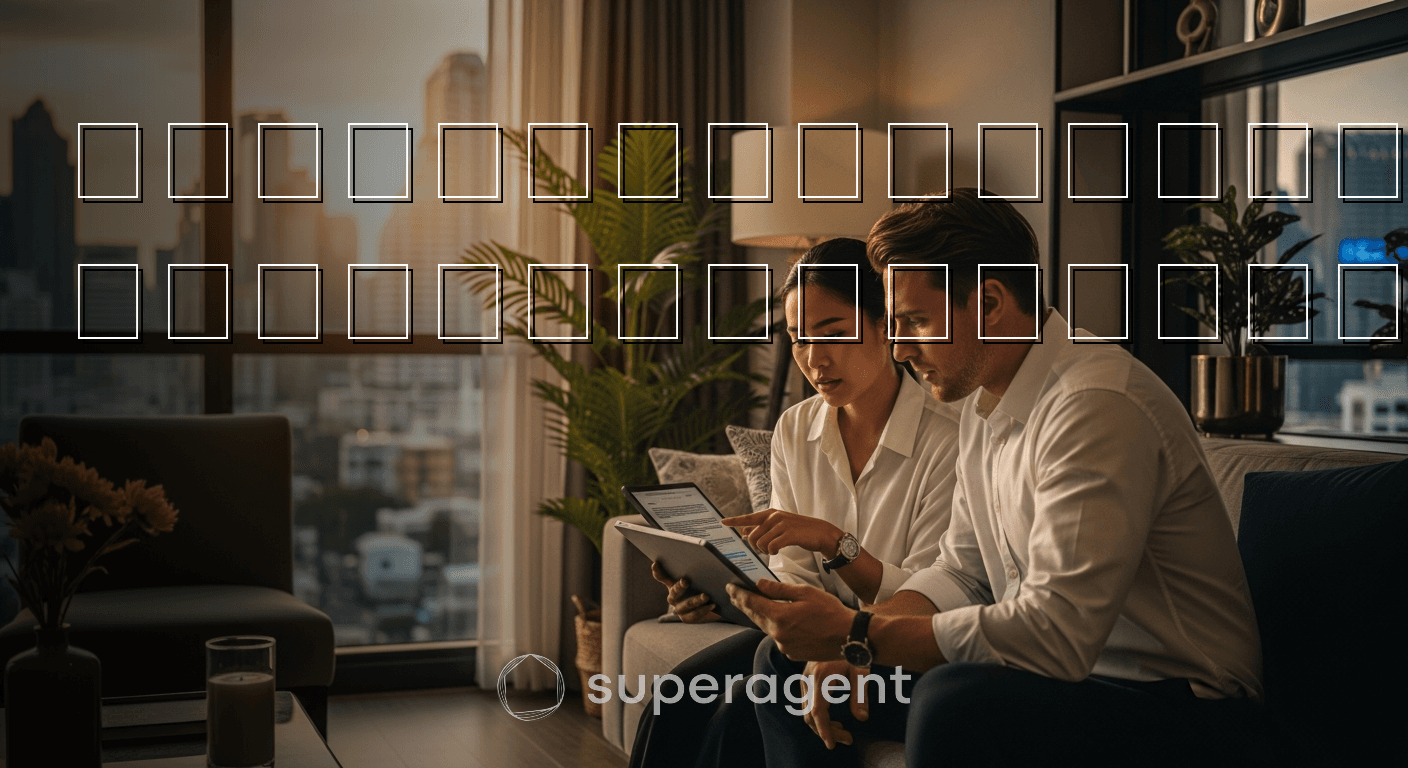
You have just found the perfect condo near BTS Thong Lo. The rent is 28,000 THB per month, the landlord seems friendly, and everything feels right. Then the lease agreement lands in your inbox, and it is entirely in English. You pause. Is this actually legal in Thailand? Will a Thai court honor it if things go sideways? If you are an expat renting in Bangkok, this question probably crosses your mind more often than you think. The short answer is yes, an English-language lease can be legally enforceable in Thailand. But there are important details you absolutely need to understand before you sign anything.
Is an English-Only Lease Agreement Legally Valid in Thailand?
Thai law does not require rental contracts to be written in the Thai language to be valid. There is no provision in the Land Department's regulations or in the Civil and Commercial Code that mandates a specific language for private lease agreements. As long as both parties consent to the terms and the contract meets basic legal requirements, it holds up regardless of the language used.
That said, Thai courts operate in Thai. If a dispute ever reaches a courtroom, the English contract will need to be officially translated into Thai by a certified translator. This translation then becomes the document the court reviews. So while your English lease is valid, it could face interpretation challenges if the Thai translation introduces ambiguity.
Here is a real scenario. A British expat renting a one-bedroom at Ideo Q Sukhumvit 36, paying around 22,000 THB per month, had a dispute over the security deposit. The lease was entirely in English. The landlord initially argued the English terms were unclear. But once the document was professionally translated and submitted to the consumer protection court, the expat's position was upheld. The English contract was enforceable because both parties had signed it willingly.
According to a 2023 survey by CBRE Thailand, approximately 65% of condo leases signed by foreign tenants in central Bangkok are drafted in English or in bilingual format. This is a significant majority, meaning the practice is well established and widely accepted.
Why Bilingual Contracts Are the Gold Standard
Even though English-only contracts work, the smartest approach is a bilingual lease. A bilingual contract has both English and Thai text side by side, usually with a clause stating which language version prevails in case of conflict. Most experienced landlords and property management companies in Bangkok already use this format.
Think about it from a practical standpoint. If you are renting a two-bedroom unit at Life Ladprao Valley near MRT Phahon Yothin for 35,000 THB per month, and the air conditioning breaks down, you want zero confusion about who pays for repairs. A bilingual lease removes any translation guesswork because the Thai version is already right there, pre-agreed by both sides.
When reviewing a bilingual lease, always check which language is designated as the governing language. Some contracts state that the Thai version controls. Others give precedence to the English version. This single clause can determine the outcome of any future disagreement, so do not skip over it.
Key Clauses to Watch For in Any Language
Whether your lease is in English, Thai, or both, certain clauses require your full attention. Missing or vague terms are where problems start, not the language of the contract itself.
Security deposit terms are the number one source of disputes in Bangkok. Thai law under the Land Department's tenant protection guidelines caps security deposits at one month's rent for residential leases, though in practice many landlords request two months. Your lease should clearly state the deposit amount, the conditions for deductions, and the timeline for return. The standard is 30 days after move-out.
Consider a scenario at The Base Park West near BTS On Nut, where a Japanese professional is paying 18,000 THB per month. Her English lease mentioned a deposit of two months but said nothing about the return timeline or deduction criteria. When she moved out, the landlord withheld 15,000 THB for "cleaning and wear" with no itemized breakdown. Without specific contract language to push back on, she had limited recourse.
Other critical clauses to verify include the lease term and renewal conditions, utility payment responsibilities, early termination penalties, the process for property inspections, and whether subletting is allowed. Every one of these should be spelled out clearly, no matter what language the contract is in.
Comparing English-Only, Thai-Only, and Bilingual Leases
To make this easier to digest, here is a breakdown of how the three contract formats compare across the factors that matter most to renters in Bangkok.
| Factor | English-Only Lease | Thai-Only Lease | Bilingual Lease |
|---|---|---|---|
| Legal Validity | Valid if both parties consent | Fully valid | Fully valid |
| Court Usability | Requires certified Thai translation | Directly usable | Directly usable in both languages |
| Common Among Expats | Very common | Rare for foreign tenants | Increasingly standard |
| Risk of Misinterpretation | Moderate, translation may introduce errors | Low for Thai speakers, high for non-Thai speakers | Low, both versions agreed upfront |
| Typical Use Case | Private landlords renting to expats | Thai-to-Thai rentals | Professional agencies, managed properties |
| Recommended For | Short-term stays, lower-risk situations | Thai nationals | All foreign tenants, especially long-term |
Registration Requirements and the Three-Year Rule
Here is something many renters overlook entirely. Under Thai law, any lease with a term exceeding three years must be registered with the Land Department to be enforceable beyond that initial three-year period. This applies regardless of the contract language. If your lease is not registered, it is only enforceable for a maximum of three years, even if you signed a five-year deal.
For most condo renters in Bangkok, this is not a major concern. The vast majority of condo leases run for one year with an option to renew. But if you are signing a longer-term lease, say for a family home in a compound near Soi Bearing or a large unit at Magnolias Waterfront Residences on Charoen Nakhon at 120,000 THB per month, registration becomes essential.
Registration involves fees based on the total rental value over the lease period. The landlord and tenant typically split these costs, though this is negotiable. The contract language does not affect registration eligibility. English, Thai, or bilingual contracts can all be registered, though the Land Department will require a Thai translation of any English documents.
What to Do If Your Landlord Only Offers an English Lease
This happens all the time, especially in expat-heavy neighborhoods like Sukhumvit Soi 24, Sathorn Soi 12, or around BTS Ari. Many individual landlords who rent to foreigners use simple English-language templates they found online or received from a friend. These templates range from perfectly adequate to dangerously incomplete.
If you receive an English-only lease, your first step should be to read every line carefully. Do not assume it covers the basics just because it looks professional. Check for the exact rental amount, the deposit terms, the payment due date, maintenance responsibilities, and what happens if either party wants to terminate early.
Your second step is to request a bilingual version. Most landlords will agree if you explain that it protects both parties. If they refuse, consider having the English lease independently reviewed by a Thai lawyer who works with expat clients. A basic contract review typically costs between 3,000 and 8,000 THB, which is a small price to pay compared to losing a 50,000 THB deposit.
A digital nomad renting a studio at Ashton Asoke near MRT Sukhumvit recently shared his experience online. His landlord provided a one-page English lease with no mention of deposit return conditions. He paid a lawyer 5,000 THB to draft a proper bilingual contract. The landlord signed it without complaint. That simple step gave him clear legal protection for the entire 12-month lease.
Protect Yourself Before You Sign
The language of your condo lease matters less than the quality of its content. An English-only lease is legally valid in Thailand, but a bilingual contract gives you stronger footing if anything goes wrong. Always verify the key clauses, always document the condition of the unit with photos before moving in, and always keep a signed copy of the lease in a safe place. Whether you are paying 15,000 THB per month for a studio near BTS Wutthakat or 80,000 THB for a river-view two-bedroom in Riverside, the same rules apply. Your lease is your safety net.
If you are searching for a condo in Bangkok and want to make sure the paperwork is handled properly from the start, check out superagent.co. Superagent helps you find verified listings across Bangkok and connects you with landlords who use proper, transparent lease agreements, so you can focus on settling into your new place instead of worrying about contract fine print.
You have just found the perfect condo near BTS Thong Lo. The rent is 28,000 THB per month, the landlord seems friendly, and everything feels right. Then the lease agreement lands in your inbox, and it is entirely in English. You pause. Is this actually legal in Thailand? Will a Thai court honor it if things go sideways? If you are an expat renting in Bangkok, this question probably crosses your mind more often than you think. The short answer is yes, an English-language lease can be legally enforceable in Thailand. But there are important details you absolutely need to understand before you sign anything.
Is an English-Only Lease Agreement Legally Valid in Thailand?
Thai law does not require rental contracts to be written in the Thai language to be valid. There is no provision in the Land Department's regulations or in the Civil and Commercial Code that mandates a specific language for private lease agreements. As long as both parties consent to the terms and the contract meets basic legal requirements, it holds up regardless of the language used.
That said, Thai courts operate in Thai. If a dispute ever reaches a courtroom, the English contract will need to be officially translated into Thai by a certified translator. This translation then becomes the document the court reviews. So while your English lease is valid, it could face interpretation challenges if the Thai translation introduces ambiguity.
Here is a real scenario. A British expat renting a one-bedroom at Ideo Q Sukhumvit 36, paying around 22,000 THB per month, had a dispute over the security deposit. The lease was entirely in English. The landlord initially argued the English terms were unclear. But once the document was professionally translated and submitted to the consumer protection court, the expat's position was upheld. The English contract was enforceable because both parties had signed it willingly.
According to a 2023 survey by CBRE Thailand, approximately 65% of condo leases signed by foreign tenants in central Bangkok are drafted in English or in bilingual format. This is a significant majority, meaning the practice is well established and widely accepted.
Why Bilingual Contracts Are the Gold Standard
Even though English-only contracts work, the smartest approach is a bilingual lease. A bilingual contract has both English and Thai text side by side, usually with a clause stating which language version prevails in case of conflict. Most experienced landlords and property management companies in Bangkok already use this format.
Think about it from a practical standpoint. If you are renting a two-bedroom unit at Life Ladprao Valley near MRT Phahon Yothin for 35,000 THB per month, and the air conditioning breaks down, you want zero confusion about who pays for repairs. A bilingual lease removes any translation guesswork because the Thai version is already right there, pre-agreed by both sides.
When reviewing a bilingual lease, always check which language is designated as the governing language. Some contracts state that the Thai version controls. Others give precedence to the English version. This single clause can determine the outcome of any future disagreement, so do not skip over it.
Key Clauses to Watch For in Any Language
Whether your lease is in English, Thai, or both, certain clauses require your full attention. Missing or vague terms are where problems start, not the language of the contract itself.
Security deposit terms are the number one source of disputes in Bangkok. Thai law under the Land Department's tenant protection guidelines caps security deposits at one month's rent for residential leases, though in practice many landlords request two months. Your lease should clearly state the deposit amount, the conditions for deductions, and the timeline for return. The standard is 30 days after move-out.
Consider a scenario at The Base Park West near BTS On Nut, where a Japanese professional is paying 18,000 THB per month. Her English lease mentioned a deposit of two months but said nothing about the return timeline or deduction criteria. When she moved out, the landlord withheld 15,000 THB for "cleaning and wear" with no itemized breakdown. Without specific contract language to push back on, she had limited recourse.
Other critical clauses to verify include the lease term and renewal conditions, utility payment responsibilities, early termination penalties, the process for property inspections, and whether subletting is allowed. Every one of these should be spelled out clearly, no matter what language the contract is in.
Comparing English-Only, Thai-Only, and Bilingual Leases
To make this easier to digest, here is a breakdown of how the three contract formats compare across the factors that matter most to renters in Bangkok.
| Factor | English-Only Lease | Thai-Only Lease | Bilingual Lease |
|---|---|---|---|
| Legal Validity | Valid if both parties consent | Fully valid | Fully valid |
| Court Usability | Requires certified Thai translation | Directly usable | Directly usable in both languages |
| Common Among Expats | Very common | Rare for foreign tenants | Increasingly standard |
| Risk of Misinterpretation | Moderate, translation may introduce errors | Low for Thai speakers, high for non-Thai speakers | Low, both versions agreed upfront |
| Typical Use Case | Private landlords renting to expats | Thai-to-Thai rentals | Professional agencies, managed properties |
| Recommended For | Short-term stays, lower-risk situations | Thai nationals | All foreign tenants, especially long-term |
Registration Requirements and the Three-Year Rule
Here is something many renters overlook entirely. Under Thai law, any lease with a term exceeding three years must be registered with the Land Department to be enforceable beyond that initial three-year period. This applies regardless of the contract language. If your lease is not registered, it is only enforceable for a maximum of three years, even if you signed a five-year deal.
Talk to us about renting
Share your details and keep reading — we’ll get back to you.
For most condo renters in Bangkok, this is not a major concern. The vast majority of condo leases run for one year with an option to renew. But if you are signing a longer-term lease, say for a family home in a compound near Soi Bearing or a large unit at Magnolias Waterfront Residences on Charoen Nakhon at 120,000 THB per month, registration becomes essential.
Registration involves fees based on the total rental value over the lease period. The landlord and tenant typically split these costs, though this is negotiable. The contract language does not affect registration eligibility. English, Thai, or bilingual contracts can all be registered, though the Land Department will require a Thai translation of any English documents.
What to Do If Your Landlord Only Offers an English Lease
This happens all the time, especially in expat-heavy neighborhoods like Sukhumvit Soi 24, Sathorn Soi 12, or around BTS Ari. Many individual landlords who rent to foreigners use simple English-language templates they found online or received from a friend. These templates range from perfectly adequate to dangerously incomplete.
If you receive an English-only lease, your first step should be to read every line carefully. Do not assume it covers the basics just because it looks professional. Check for the exact rental amount, the deposit terms, the payment due date, maintenance responsibilities, and what happens if either party wants to terminate early.
Your second step is to request a bilingual version. Most landlords will agree if you explain that it protects both parties. If they refuse, consider having the English lease independently reviewed by a Thai lawyer who works with expat clients. A basic contract review typically costs between 3,000 and 8,000 THB, which is a small price to pay compared to losing a 50,000 THB deposit.
A digital nomad renting a studio at Ashton Asoke near MRT Sukhumvit recently shared his experience online. His landlord provided a one-page English lease with no mention of deposit return conditions. He paid a lawyer 5,000 THB to draft a proper bilingual contract. The landlord signed it without complaint. That simple step gave him clear legal protection for the entire 12-month lease.
Protect Yourself Before You Sign
The language of your condo lease matters less than the quality of its content. An English-only lease is legally valid in Thailand, but a bilingual contract gives you stronger footing if anything goes wrong. Always verify the key clauses, always document the condition of the unit with photos before moving in, and always keep a signed copy of the lease in a safe place. Whether you are paying 15,000 THB per month for a studio near BTS Wutthakat or 80,000 THB for a river-view two-bedroom in Riverside, the same rules apply. Your lease is your safety net.
If you are searching for a condo in Bangkok and want to make sure the paperwork is handled properly from the start, check out superagent.co. Superagent helps you find verified listings across Bangkok and connects you with landlords who use proper, transparent lease agreements, so you can focus on settling into your new place instead of worrying about contract fine print.
Share this article
Properties you may like
![[For Rent] CONDO I Aguston Sukhumvit 22 I Pet Friendly I 2 Beds I 2 Baths I Rent 55,000THB/mo](/_next/image?url=https%3A%2F%2Fstorage.googleapis.com%2Fsuperagent-web%2Fattachments%2Flistings%2F2266%2Fd3afcd25-6b79-46cb-9f1f-396acdc3dd10-955-3.jpg&w=3840&q=75)
฿55,000
2 Bed295 sqm
[For Rent] CONDO I Aguston Sukhumvit 22 I Pet Friendly I 2 Beds I 2 Baths I Rent 55,000THB/mo
Phrom Phong
Condo![[For Rent] CONDO I SUPALAI PLACE Sukhumvit 39 I 2 Beds I 2 Baths (1 Jacuzzi) I 55,555THB/mo](/_next/image?url=https%3A%2F%2Fstorage.googleapis.com%2Fsuperagent-web%2Fattachments%2Flistings%2F6743%2Fba530743-48b9-4ac6-92d3-c2247e743cf6-01-supalai-place-skv39-2b-link-heaven.jpg&w=3840&q=75)
฿55,555
2 Bed2142 sqm
[For Rent] CONDO I SUPALAI PLACE Sukhumvit 39 I 2 Beds I 2 Baths (1 Jacuzzi) I 55,555THB/mo
Phrom Phong
Condo![[For Rent] CONDO I Maru Ekkamai 2 I Pet friendly I 2 Beds I 2 Baths I 68,000 THB/mo](/_next/image?url=https%3A%2F%2Fstorage.googleapis.com%2Fsuperagent-web%2Fattachments%2Flistings%2F6602%2F9f1d8f71-ee43-435f-9a44-da16c4092c92-968-1.jpg&w=3840&q=75)
฿68,000
2 Bed360 sqm
[For Rent] CONDO I Maru Ekkamai 2 I Pet friendly I 2 Beds I 2 Baths I 68,000 THB/mo
Ekkamai
Condo![[For Rent] CONDO I Noble State 39 I 2 Beds I 2 Baths I 63,000THB/mo](/_next/image?url=https%3A%2F%2Fstorage.googleapis.com%2Fsuperagent-web%2Fattachments%2Flistings%2F2237%2F60eb58f3-eae5-41ed-a80b-406e004f05d8-940-1.jpg&w=3840&q=75)
฿63,000
2 Bed260 sqm
[For Rent] CONDO I Noble State 39 I 2 Beds I 2 Baths I 63,000THB/mo
Phrom Phong
Condo![[For Rent] CONDO I Rhythm Sukhumvit 36-38 I 2 Beds I 2 Baths I 38,999THB/mo](/_next/image?url=https%3A%2F%2Fstorage.googleapis.com%2Fsuperagent-web%2Fattachments%2Flistings%2F1788%2F942a0215-4128-4c2c-a064-f607e84e7aa4-656-2.jpg&w=3840&q=75)
฿38,999
2 Bed256 sqm
[For Rent] CONDO I Rhythm Sukhumvit 36-38 I 2 Beds I 2 Baths I 38,999THB/mo
Thonglor
Condo![[For Rent] CONDO I CLOUD Thonglor-Phetchaburi I 1 Bed I 1 Bath I 22,500THB/mo](/_next/image?url=https%3A%2F%2Fstorage.googleapis.com%2Fsuperagent-web%2Fattachments%2Flistings%2F6742%2F6cef5361-0dac-4dba-98f1-b0d187559c84-1118-1.jpg&w=3840&q=75)
฿22,500
1 Bed132 sqm
[For Rent] CONDO I CLOUD Thonglor-Phetchaburi I 1 Bed I 1 Bath I 22,500THB/mo
Thonglor
Condo![[For Rent] CONDO I City Smart Sukhumvit 18 I 3 Beds I 3 Baths I 65,000mo/THB](/_next/image?url=https%3A%2F%2Fstorage.googleapis.com%2Fsuperagent-web%2Fattachments%2Flistings%2F6741%2Fd371c89d-a913-42c4-a673-e540afae4f46-1116-1.jpg&w=3840&q=75)
฿65,000
3 Bed3125 sqm
[For Rent] CONDO I City Smart Sukhumvit 18 I 3 Beds I 3 Baths I 65,000mo/THB
Condo![[For Rent] CONDO I The Coast Bangkok I 1 Bed I 1 Bath I 20,000mo/THB](/_next/image?url=https%3A%2F%2Fstorage.googleapis.com%2Fsuperagent-web%2Fattachments%2Flistings%2F6740%2F498477ce-4ffa-4e4c-ab08-0e565d9c4bbe-1115-3.jpg&w=3840&q=75)
฿20,000
1 Bed146 sqm
[For Rent] CONDO I The Coast Bangkok I 1 Bed I 1 Bath I 20,000mo/THB
Bang Na
Condo![[For Rent] CONDO I IDEO Sukhumvit-RAMA 4 I 2 Beds I 2 Baths I 55,000mo/THB](/_next/image?url=https%3A%2F%2Fstorage.googleapis.com%2Fsuperagent-web%2Fattachments%2Flistings%2F6739%2F15df221d-5b8e-497c-b7ce-a6b9b6412cab-1113-1.jpg&w=3840&q=75)
฿55,000
2 Bed265 sqm
[For Rent] CONDO I IDEO Sukhumvit-RAMA 4 I 2 Beds I 2 Baths I 55,000mo/THB
Phra Khanong
Condo![[For Rent] CONDO I Downtown 49 I Pet Friendly I 1 Bed I 1 Bath I 23,000mo/THB](/_next/image?url=https%3A%2F%2Fstorage.googleapis.com%2Fsuperagent-web%2Fattachments%2Flistings%2F6738%2F11cf2ffe-1f01-4ccc-991c-2ad608f1ba73-1112-1.jpg&w=3840&q=75)
฿23,000
1 Bed135 sqm
[For Rent] CONDO I Downtown 49 I Pet Friendly I 1 Bed I 1 Bath I 23,000mo/THB
Thonglor
CondoMore like this
 In Guides · Superagent EditorialHidden Costs of Renting a Condo in Bangkok Nobody Warns You AboutBangkok condo rent looks affordable until month one hits. Here are the real costs beyond the headline figure that catch most renters off guard.25 May 20261 min read
 In Guides · Superagent EditorialWhat a Long-Vacant Bangkok Condo Unit Is Actually Telling YouA Bangkok condo vacant for months signals overpricing, landlord issues, or real problems. Here is how to read the signs.25 May 20261 min read
 In Guides · Superagent EditorialRed Flags in a Bangkok Rental Contract to Watch Out ForBangkok rental contracts often hide risky clauses. Here are the red flags every tenant must catch before signing any lease.25 May 20261 min read
 In Guides · Superagent EditorialWorking Online from a Condo: How to Choose the Perfect Room for ProductivityLearn how to choose the best condo room for working online with tips on lighting, noise, and furniture setup to maximize productivity.9 May 20261 min read