Thai Permanent Residency 2026: Requirements, Process, Is It Worth It?
Lifestyle
Thai Permanent Residency 2026: Requirements, Process, Is It Worth It?
Complete guide to obtaining Thai permanent residency with updated 2026 requirements and eligibility criteria.
Summary
Thai permanent residency 2026 guide covering requirements, application process, benefits, and whether it's worth pursuing for expats.
You have been renting a condo in Bangkok for years. Maybe you started near Asok, moved to Thonglor for the lifestyle, then settled into a two bedroom near Phra Khanong because the rent made more sense. At some point, a thought creeps in: should I actually try to stay here permanently? Thai permanent residency is one of those topics that sounds straightforward but gets complicated fast. Let me break down what the process actually looks like heading into 2026, what it costs, and whether it is genuinely worth pursuing.
What Thai Permanent Residency Actually Gets You
Permanent residency, often just called PR, gives you the legal right to live in Thailand indefinitely without renewing a visa. You get a blue book for household registration, which opens doors to things like owning a condo unit under slightly easier conditions and signing certain contracts without a work permit tie in.
It also means no more 90 day reporting. If you have ever stood in line at the Chaeng Watthana immigration office, you know exactly why that matters. PR holders still need a re entry permit if they leave the country, but day to day life gets significantly simpler.
Here is a real scenario. A friend of mine has been working in finance near Ploenchit BTS for eight years. He rents a unit at Noble Ploenchit for around 45,000 THB per month. Every year he renews his Non B visa and work permit. Every 90 days he reports. PR would eliminate most of that admin and give him long term stability in a city he already calls home.
The Core Requirements for 2026 Applicants
Thailand opens PR applications once a year, typically around October or November. The annual quota is 100 people per nationality. Yes, you read that right. One hundred. This is not a mass immigration program. It is selective and slow.
To qualify, you generally need to have held a Non Immigrant visa for at least three consecutive years before applying. You also need a minimum income threshold. For the employment category, your monthly salary should be at least 80,000 THB, though having higher income strengthens your application. Investment category applicants need to show at least 10 million THB invested in Thailand.
You will also need to demonstrate basic ability to speak and understand Thai during an interview. This part trips up a lot of applicants. It does not need to be fluent conversation, but you should be able to handle simple questions and show you have made an effort to integrate.
Consider someone living in a family condo at Life Sukhumvit 48, paying around 25,000 THB monthly, commuting to work near Sala Daeng. If they have been on a Non B visa since 2022, they could be eligible to apply in late 2025 for the 2026 cycle, assuming salary and documentation requirements are met.
The Application Process Step by Step
First, you gather documents. A lot of documents. Think tax records for three years, employment letters, bank statements, medical certificates, police clearance, photos, and copies of every passport page you have used. Most applicants hire an immigration lawyer, and fees typically range from 50,000 to 150,000 THB depending on the complexity.
You submit your application at the Immigration Bureau, usually at the main office in Chaeng Watthana, Government Complex Building B. After submission, expect to wait several months before your interview. The interview is conducted partly in Thai, which is where your language skills get tested.
After the interview, there is another long wait. Final approval can take six months to over a year from the date you applied. If approved, you pay a 7,600 THB fee and receive your PR status along with your residence book.
A colleague who went through the process in 2023 described it as "the most paperwork I have ever done in my life, and I am an accountant." He was living in a studio near Ekkamai BTS, paying about 18,000 THB per month, and he spent nearly 100,000 THB total on legal fees and document preparation. He got approved, though, and says it was worth every baht.
Is PR Actually Worth It Compared to Long Term Visas
This is the real question. Thailand now offers several long term visa options, including the Long Term Resident visa and the Thailand Elite visa. The LTR visa gives you a 10 year stay with work authorization and tax benefits. The Elite visa is essentially a paid membership starting from 600,000 THB for five years, giving you easy entry and exit without the hassle of annual renewals.
PR is more meaningful if you plan to stay in Thailand for decades, want household registration, or have family here. It also carries symbolic weight. It shows immigration authorities and landlords that you are committed to the country long term. Some condo buildings near Phrom Phong and Thonglor prefer renting to tenants with stable visa status, and PR gives you an edge in those conversations.
But if your priority is flexibility and you are not sure whether Bangkok is your forever city, the Elite visa or LTR might be a better fit. They are faster to obtain, require less paperwork, and still let you rent comfortably anywhere from a 15,000 THB studio near Wutthakat BTS to a 120,000 THB penthouse at Marque Sukhumvit.
How Your Residency Status Affects Renting in Bangkok
Landlords care about stability. Whether you have PR, an Elite visa, or a standard work permit setup, showing that you are legally settled in Thailand makes lease negotiations smoother. Some landlords near Sathorn or Silom will offer better rates or longer lease terms to tenants who can prove long term residency intent.
PR holders also find it easier to set up utilities, internet, and banking in their own name. If you have ever tried to get a Thai bank account on a tourist visa, you know the frustration. With PR, those barriers mostly disappear, making the entire process of settling into a new condo far less stressful.
Whether you are applying for PR or just settling into Bangkok on a work visa, finding the right condo matters. If you are looking for a place that fits your budget and lifestyle, Superagent at superagent.co uses AI to match you with verified listings across Bangkok, so you spend less time searching and more time actually living here.
You have been renting a condo in Bangkok for years. Maybe you started near Asok, moved to Thonglor for the lifestyle, then settled into a two bedroom near Phra Khanong because the rent made more sense. At some point, a thought creeps in: should I actually try to stay here permanently? Thai permanent residency is one of those topics that sounds straightforward but gets complicated fast. Let me break down what the process actually looks like heading into 2026, what it costs, and whether it is genuinely worth pursuing.
What Thai Permanent Residency Actually Gets You
Permanent residency, often just called PR, gives you the legal right to live in Thailand indefinitely without renewing a visa. You get a blue book for household registration, which opens doors to things like owning a condo unit under slightly easier conditions and signing certain contracts without a work permit tie in.
It also means no more 90 day reporting. If you have ever stood in line at the Chaeng Watthana immigration office, you know exactly why that matters. PR holders still need a re entry permit if they leave the country, but day to day life gets significantly simpler.
Here is a real scenario. A friend of mine has been working in finance near Ploenchit BTS for eight years. He rents a unit at Noble Ploenchit for around 45,000 THB per month. Every year he renews his Non B visa and work permit. Every 90 days he reports. PR would eliminate most of that admin and give him long term stability in a city he already calls home.
The Core Requirements for 2026 Applicants
Thailand opens PR applications once a year, typically around October or November. The annual quota is 100 people per nationality. Yes, you read that right. One hundred. This is not a mass immigration program. It is selective and slow.
To qualify, you generally need to have held a Non Immigrant visa for at least three consecutive years before applying. You also need a minimum income threshold. For the employment category, your monthly salary should be at least 80,000 THB, though having higher income strengthens your application. Investment category applicants need to show at least 10 million THB invested in Thailand.
You will also need to demonstrate basic ability to speak and understand Thai during an interview. This part trips up a lot of applicants. It does not need to be fluent conversation, but you should be able to handle simple questions and show you have made an effort to integrate.
Consider someone living in a family condo at Life Sukhumvit 48, paying around 25,000 THB monthly, commuting to work near Sala Daeng. If they have been on a Non B visa since 2022, they could be eligible to apply in late 2025 for the 2026 cycle, assuming salary and documentation requirements are met.
The Application Process Step by Step
First, you gather documents. A lot of documents. Think tax records for three years, employment letters, bank statements, medical certificates, police clearance, photos, and copies of every passport page you have used. Most applicants hire an immigration lawyer, and fees typically range from 50,000 to 150,000 THB depending on the complexity.
You submit your application at the Immigration Bureau, usually at the main office in Chaeng Watthana, Government Complex Building B. After submission, expect to wait several months before your interview. The interview is conducted partly in Thai, which is where your language skills get tested.
After the interview, there is another long wait. Final approval can take six months to over a year from the date you applied. If approved, you pay a 7,600 THB fee and receive your PR status along with your residence book.
A colleague who went through the process in 2023 described it as "the most paperwork I have ever done in my life, and I am an accountant." He was living in a studio near Ekkamai BTS, paying about 18,000 THB per month, and he spent nearly 100,000 THB total on legal fees and document preparation. He got approved, though, and says it was worth every baht.
Talk to us about renting
Share your details and keep reading — we’ll get back to you.
Is PR Actually Worth It Compared to Long Term Visas
This is the real question. Thailand now offers several long term visa options, including the Long Term Resident visa and the Thailand Elite visa. The LTR visa gives you a 10 year stay with work authorization and tax benefits. The Elite visa is essentially a paid membership starting from 600,000 THB for five years, giving you easy entry and exit without the hassle of annual renewals.
PR is more meaningful if you plan to stay in Thailand for decades, want household registration, or have family here. It also carries symbolic weight. It shows immigration authorities and landlords that you are committed to the country long term. Some condo buildings near Phrom Phong and Thonglor prefer renting to tenants with stable visa status, and PR gives you an edge in those conversations.
But if your priority is flexibility and you are not sure whether Bangkok is your forever city, the Elite visa or LTR might be a better fit. They are faster to obtain, require less paperwork, and still let you rent comfortably anywhere from a 15,000 THB studio near Wutthakat BTS to a 120,000 THB penthouse at Marque Sukhumvit.
How Your Residency Status Affects Renting in Bangkok
Landlords care about stability. Whether you have PR, an Elite visa, or a standard work permit setup, showing that you are legally settled in Thailand makes lease negotiations smoother. Some landlords near Sathorn or Silom will offer better rates or longer lease terms to tenants who can prove long term residency intent.
PR holders also find it easier to set up utilities, internet, and banking in their own name. If you have ever tried to get a Thai bank account on a tourist visa, you know the frustration. With PR, those barriers mostly disappear, making the entire process of settling into a new condo far less stressful.
Whether you are applying for PR or just settling into Bangkok on a work visa, finding the right condo matters. If you are looking for a place that fits your budget and lifestyle, Superagent at superagent.co uses AI to match you with verified listings across Bangkok, so you spend less time searching and more time actually living here.
Share this article
Properties you may like
![[For Rent] CONDO I The Room 69 I 1 Bed I 1 Bath I 35,000THB/mo](/_next/image?url=https%3A%2F%2Fstorage.googleapis.com%2Fsuperagent-web%2Fattachments%2Flistings%2F6756%2F445213f0-c378-46a2-b3fe-7a5ba62b623f-1135-1.jpg&w=3840&q=75)
฿35,000
1 Bed144.7 sqm
[For Rent] CONDO I The Room 69 I 1 Bed I 1 Bath I 35,000THB/mo
Condo![[For Rent] HOUSE I Mantana Bangna Km.7 I 3 BedsI 3 Baths I 68,000THB/mo](/_next/image?url=https%3A%2F%2Fstorage.googleapis.com%2Fsuperagent-web%2Fattachments%2Flistings%2F6755%2F673e8400-a19a-43b4-b994-7c0d717c8d40-1128-4.jpg&w=3840&q=75)
฿68,000
3 Bed3172 sqm
[For Rent] HOUSE I Mantana Bangna Km.7 I 3 BedsI 3 Baths I 68,000THB/mo
Bang Na
House![[For Rent] CONDO I Rhythm Sukhumvit 42 I 1 Bed I 1 Bath I 40,000THB/mo](/_next/image?url=https%3A%2F%2Fstorage.googleapis.com%2Fsuperagent-web%2Fattachments%2Flistings%2F6754%2F8bbb6bb3-98f5-49b6-8b48-0c2321f81b70-1127-3.jpg&w=3840&q=75)
฿40,000
1 Bed148 sqm
[For Rent] CONDO I Rhythm Sukhumvit 42 I 1 Bed I 1 Bath I 40,000THB/mo
Ekkamai
Condo![[For Rent&Sale] CONDO I The Waterford Sukhumvit 50 I Pet Friendly I 2 Beds I 2 Baths I Rent 50,000THB/mo - Sale 9mb THB](/_next/image?url=https%3A%2F%2Fstorage.googleapis.com%2Fsuperagent-web%2Fattachments%2Flistings%2F6753%2F9b31da57-144a-4728-bac2-010477b1614d-112-5.jpg&w=3840&q=75)
฿50,000
2 Bed292 sqm
[For Rent&Sale] CONDO I The Waterford Sukhumvit 50 I Pet Friendly I 2 Beds I 2 Baths I Rent 50,000THB/mo - Sale 9mb THB
On Nut
Condo![[For Rent&Sale] HOUSE I Perfect Masterpiece Rama 9–Krungthep Kreetha I 5 Beds I 6 Baths I Rent 400,000THB/mo - Sale 70 ล้านบาท](/_next/image?url=https%3A%2F%2Fstorage.googleapis.com%2Fsuperagent-web%2Fattachments%2Flistings%2F6752%2F1f1b4e6f-23df-48bb-a7ea-7a3252f44588-1125-1.jpg&w=3840&q=75)
฿400,000
5 Bed+6700 sqm
[For Rent&Sale] HOUSE I Perfect Masterpiece Rama 9–Krungthep Kreetha I 5 Beds I 6 Baths I Rent 400,000THB/mo - Sale 70 ล้านบาท
Condo![[For Rent] CONDO I Ashton Asoke I 3 Beds I 3 Baths I 100,000THB/mo](/_next/image?url=https%3A%2F%2Fstorage.googleapis.com%2Fsuperagent-web%2Fattachments%2Flistings%2F6751%2F5e37d6d9-2e62-43e6-b358-15d8b92aad47-1124.jpg&w=3840&q=75)
฿100,000
3 Bed3100 sqm
[For Rent] CONDO I Ashton Asoke I 3 Beds I 3 Baths I 100,000THB/mo
Asoke
Condo![[For Rent&Sale] CONDO I TC Green Rama 9 I 1 Bed I 1 Bath I Rent 15,000THB/mo - Sale 2.8mb THB](/_next/image?url=https%3A%2F%2Fstorage.googleapis.com%2Fsuperagent-web%2Fattachments%2Flistings%2F6750%2F47e9c291-b440-4d94-8168-c22bdaf34baf-1123-1.jpg&w=3840&q=75)
฿15,000
1 Bed139 sqm
[For Rent&Sale] CONDO I TC Green Rama 9 I 1 Bed I 1 Bath I Rent 15,000THB/mo - Sale 2.8mb THB
Rama 9
Condo![[For Rent&Sale] CONDO I Riviera 4 I 2 Beds I 2 Baths I Rent 18,000THB/mo - Sale 3.2mb THB](/_next/image?url=https%3A%2F%2Fstorage.googleapis.com%2Fsuperagent-web%2Fattachments%2Flistings%2F6748%2F5a58104a-d990-4793-8366-1acd0390940b-1121-6.jpg&w=3840&q=75)
฿18,000
2 Bed290 sqm
[For Rent&Sale] CONDO I Riviera 4 I 2 Beds I 2 Baths I Rent 18,000THB/mo - Sale 3.2mb THB
Condo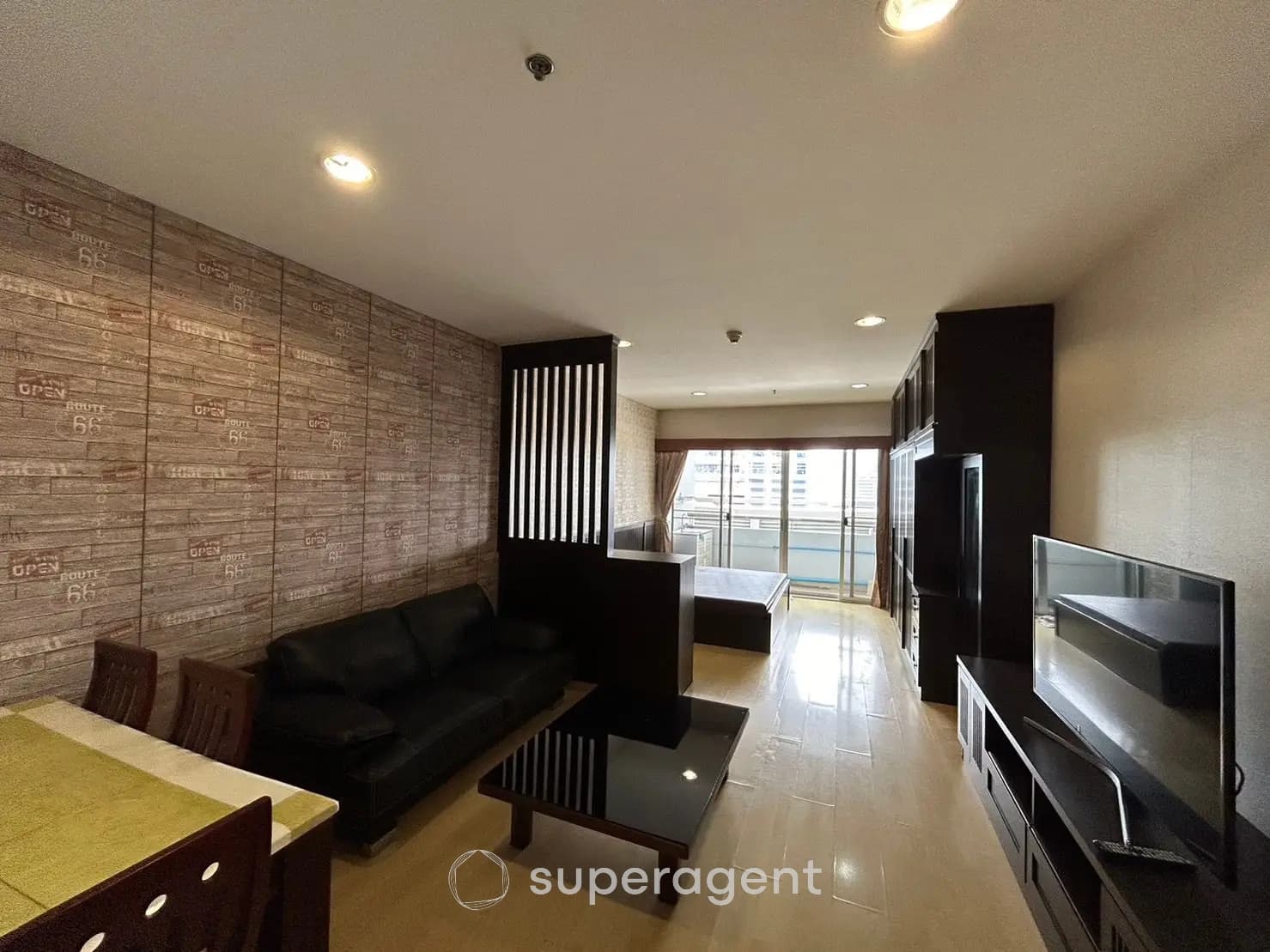
฿15,000
1 Bed145 sqm
1-BR Condo at The Platinum Condominium near ARL Ratchaprarop
Condo![[For Rent] CONDO I Park 24 I Studio I 1 Bath I 25,000THB/mo](/_next/image?url=https%3A%2F%2Fstorage.googleapis.com%2Fsuperagent-web%2Fattachments%2Flistings%2F6747%2F99e94009-1261-4181-ab16-6c2c80017f7d-1130-2.jpg&w=3840&q=75)
฿25,000
Studio129 sqm
[For Rent] CONDO I Park 24 I Studio I 1 Bath I 25,000THB/mo
Phrom Phong
CondoMore like this
 In Lifestyle · Superagent EditorialWhere Bangkok's Expat Communities Are Concentrated: Rental Guide by NationalityDiscover where Bangkok's expat community areas are located. Our rental guide maps out neighborhoods by nationality to help you find your ideal home.12 Apr 20241 min read
 In Lifestyle · Superagent EditorialThe AI Rental Revolution in Bangkok: How Technology Is Changing How Expats Find HomesBangkok rental revolution ai is reshaping how expats find homes. Explore smart technology, virtual tours, and AI-powered matching tools transforming the ma16 Apr 20211 min read
 In Lifestyle · Superagent EditorialMonthly Condo Rentals in Bangkok: Why They Beat Daily Rates Once Your Stay Passes Two WeeksCompare Bangkok daily and monthly condo rates near BTS Thong Lo, Asoke, Ari and On Nut, and see why monthly leases save tens of thousands of baht.19 Jul 20191 min read
 In Lifestyle · Superagent EditorialHow to Negotiate Rent With Thai Condo Landlords: Techniques That Actually Work in BangkokProven tactics for negotiating condo rent with Bangkok landlords, from market research and counter offers to lease length, timing and low season.18 Jul 20191 min read