Visa Options for Digital Nomads in Bangkok in 2026: Full Comparison
Lifestyle
Visa Options for Digital Nomads in Bangkok in 2026: Full Comparison
Compare Thailand's best visa options for remote workers and digital nomads in 2026.
Summary
Explore bangkok nomad visa options including Elite, ED, and Long Term Resident visas. Find the best fit for your remote work lifestyle and budget needs.
So you've decided Bangkok is your base for 2026. Smart move. The coworking spaces keep getting better, the street food still costs next to nothing, and your apartment near BTS Ari probably has a rooftop pool. But here's the thing most digital nomads don't sort out early enough: which visa actually makes sense for your situation? Thailand has been rolling out new options, tweaking old ones, and quietly changing rules. Let's break down every realistic visa path for digital nomads living in Bangkok right now.
The Destination Thailand Visa (DTV): Built for Nomads
Thailand's Destination Thailand Visa launched in mid 2024 and has become the go to option for remote workers heading into 2026. It gives you a 180 day stay, extendable once for another 180 days, totaling up to a year on a single visa. The fee is 10,000 THB, and you can apply at Thai embassies or consulates abroad.
What makes this one popular is that it explicitly covers remote workers. You don't need a Thai employer or a work permit as long as your income comes from outside Thailand. You do need to show proof of remote employment or freelance work, plus financial evidence of at least 500,000 THB in funds.
Picture this: you're a UX designer working for a Berlin startup, renting a one bedroom at The Line Ratchathewi for around 18,000 THB per month. You spend mornings at a café on Soi Ari 4, take the BTS to Siam for lunch, and your entire professional life is online. The DTV was designed exactly for this lifestyle. Just remember, each 180 day period requires a border exit and re entry, so plan a weekend in Penang or Phnom Penh accordingly.
The Thailand Elite Visa: Pay to Stay
If budget isn't your primary concern, the Thailand Privilege Card (formerly Elite Visa) remains the most hassle free route. Packages start at 900,000 THB for a 5 year membership and go up to several million for 20 year options. You get expedited immigration, airport lounge access, and zero paperwork headaches once you're enrolled.
Think of a crypto trader living in a two bedroom at Esse Asoke, paying around 55,000 THB per month, pulling income from offshore accounts. She doesn't want to think about visa runs or 90 day reporting more than necessary. The Elite Visa handles most of the bureaucracy through a concierge service. It's overkill for someone on a tight budget, but for high earners who value their time, it's genuinely worth considering.
One caveat for 2026: Thailand Privilege has been restructuring its tiers, so double check the current packages before committing. Prices have shifted upward over the past year.
The ED Visa: Learn Thai While You Work
The Education Visa is the old school nomad hack, and yes, it still works in 2026, though with more scrutiny than before. You enroll in a Thai language school, get a 90 day visa, and extend it up to a year. Tuition runs about 25,000 to 35,000 THB for a full year at schools near MRT Phra Ram 9 or along Sukhumvit.
Here's where it gets real. Immigration officers at the Chaeng Watthana office have been cracking down on students who clearly aren't attending classes. If you sign up at a language school on Soi Sukhumvit 33 but never show up, your extension could get denied. The trick is to actually attend. Even twice a week makes a difference, and honestly, learning Thai will make your daily life in Bangkok dramatically better.
A freelance copywriter renting a studio at Ideo Mobi Rama 9 for 12,000 THB per month might pair an ED Visa with genuine language study. It's the most affordable long stay option, but it demands you play by the rules.
Tourist Visa Extensions: The Short Game
Some nomads still hop between tourist visa exemptions and Tourist Visa (TR) entries. In 2026, visa exempt entries from most Western countries give you 60 days, extendable by 30 days at immigration for 1,900 THB. A 60 day Tourist Visa from a consulate can also be extended once.
This works fine if Bangkok is just one stop on a longer Southeast Asia loop. Maybe you're spending two months in a serviced apartment near BTS Ekkamai for 15,000 THB per month, then heading to Bali for a bit. But if you're doing back to back tourist entries at Suvarnabhumi, immigration will eventually start asking questions. Three or four consecutive entries in a calendar year is usually when officers begin pushing back.
Choosing the Right Visa for Your Rental Situation
Your visa type actually affects your rental options more than you might expect. Landlords at higher end buildings like Muniq Sukhumvit 23 or 28 Chidlom often ask for proof of a long term visa before signing a 12 month lease. If you're on tourist exemptions, you'll likely be limited to month to month rentals or serviced apartments, which cost more per month.
With a DTV or Elite Visa, you can confidently sign a yearly lease and access better rates. A one bedroom near BTS Thong Lo that goes for 22,000 THB on a 12 month contract might cost 28,000 to 30,000 THB on a monthly arrangement. That difference adds up fast.
Before you lock in a visa path, think about where and how long you want to live in Bangkok. The visa and the apartment search go hand in hand. If you're ready to find the right condo for your setup, Superagent at superagent.co matches you with listings based on your budget, neighborhood, and lease length, all powered by AI so you skip the endless scrolling and agent fees. Get your visa sorted, then let Superagent handle the rest.
So you've decided Bangkok is your base for 2026. Smart move. The coworking spaces keep getting better, the street food still costs next to nothing, and your apartment near BTS Ari probably has a rooftop pool. But here's the thing most digital nomads don't sort out early enough: which visa actually makes sense for your situation? Thailand has been rolling out new options, tweaking old ones, and quietly changing rules. Let's break down every realistic visa path for digital nomads living in Bangkok right now.
The Destination Thailand Visa (DTV): Built for Nomads
Thailand's Destination Thailand Visa launched in mid 2024 and has become the go to option for remote workers heading into 2026. It gives you a 180 day stay, extendable once for another 180 days, totaling up to a year on a single visa. The fee is 10,000 THB, and you can apply at Thai embassies or consulates abroad.
What makes this one popular is that it explicitly covers remote workers. You don't need a Thai employer or a work permit as long as your income comes from outside Thailand. You do need to show proof of remote employment or freelance work, plus financial evidence of at least 500,000 THB in funds.
Continue reading after that.
Looking for a condo
to rent?
Leave your name and phone. We'll follow up while you keep reading.
100% Secure
Fast Response
Free Consultation
Picture this: you're a UX designer working for a Berlin startup, renting a one bedroom at The Line Ratchathewi for around 18,000 THB per month. You spend mornings at a café on Soi Ari 4, take the BTS to Siam for lunch, and your entire professional life is online. The DTV was designed exactly for this lifestyle. Just remember, each 180 day period requires a border exit and re entry, so plan a weekend in Penang or Phnom Penh accordingly.
The Thailand Elite Visa: Pay to Stay
If budget isn't your primary concern, the Thailand Privilege Card (formerly Elite Visa) remains the most hassle free route. Packages start at 900,000 THB for a 5 year membership and go up to several million for 20 year options. You get expedited immigration, airport lounge access, and zero paperwork headaches once you're enrolled.
Think of a crypto trader living in a two bedroom at Esse Asoke, paying around 55,000 THB per month, pulling income from offshore accounts. She doesn't want to think about visa runs or 90 day reporting more than necessary. The Elite Visa handles most of the bureaucracy through a concierge service. It's overkill for someone on a tight budget, but for high earners who value their time, it's genuinely worth considering.
One caveat for 2026: Thailand Privilege has been restructuring its tiers, so double check the current packages before committing. Prices have shifted upward over the past year.
The ED Visa: Learn Thai While You Work
The Education Visa is the old school nomad hack, and yes, it still works in 2026, though with more scrutiny than before. You enroll in a Thai language school, get a 90 day visa, and extend it up to a year. Tuition runs about 25,000 to 35,000 THB for a full year at schools near MRT Phra Ram 9 or along Sukhumvit.
Here's where it gets real. Immigration officers at the Chaeng Watthana office have been cracking down on students who clearly aren't attending classes. If you sign up at a language school on Soi Sukhumvit 33 but never show up, your extension could get denied. The trick is to actually attend. Even twice a week makes a difference, and honestly, learning Thai will make your daily life in Bangkok dramatically better.
A freelance copywriter renting a studio at Ideo Mobi Rama 9 for 12,000 THB per month might pair an ED Visa with genuine language study. It's the most affordable long stay option, but it demands you play by the rules.
Tourist Visa Extensions: The Short Game
Some nomads still hop between tourist visa exemptions and Tourist Visa (TR) entries. In 2026, visa exempt entries from most Western countries give you 60 days, extendable by 30 days at immigration for 1,900 THB. A 60 day Tourist Visa from a consulate can also be extended once.
This works fine if Bangkok is just one stop on a longer Southeast Asia loop. Maybe you're spending two months in a serviced apartment near BTS Ekkamai for 15,000 THB per month, then heading to Bali for a bit. But if you're doing back to back tourist entries at Suvarnabhumi, immigration will eventually start asking questions. Three or four consecutive entries in a calendar year is usually when officers begin pushing back.
Continue reading after that.
Looking for a condo
to rent?
Leave your name and phone. We'll follow up while you keep reading.
100% Secure
Fast Response
Free Consultation
Choosing the Right Visa for Your Rental Situation
Your visa type actually affects your rental options more than you might expect. Landlords at higher end buildings like Muniq Sukhumvit 23 or 28 Chidlom often ask for proof of a long term visa before signing a 12 month lease. If you're on tourist exemptions, you'll likely be limited to month to month rentals or serviced apartments, which cost more per month.
With a DTV or Elite Visa, you can confidently sign a yearly lease and access better rates. A one bedroom near BTS Thong Lo that goes for 22,000 THB on a 12 month contract might cost 28,000 to 30,000 THB on a monthly arrangement. That difference adds up fast.
Before you lock in a visa path, think about where and how long you want to live in Bangkok. The visa and the apartment search go hand in hand. If you're ready to find the right condo for your setup, Superagent at superagent.co matches you with listings based on your budget, neighborhood, and lease length, all powered by AI so you skip the endless scrolling and agent fees. Get your visa sorted, then let Superagent handle the rest.
Share this article
Properties you may like
![[For Rent] CONDO I BEATNIQ Sukhumvit32 I 2 Beds I 1 Baths I 110,000THB/mo](/_next/image?url=https%3A%2F%2Fstorage.googleapis.com%2Fsuperagent-web%2Fattachments%2Flistings%2F6806%2F8024fbb5-880d-428a-b7f7-d8caf46fe4d1-1190-1.jpg&w=3840&q=75)
฿110,000
2 Bed1107 sqm
[For Rent] CONDO I BEATNIQ Sukhumvit32 I 2 Beds I 1 Baths I 110,000THB/mo
Phrom Phong
Condo![[For Rent] CONDO I The Diplomat 39 I 2 Beds I 2 Baths I 89,000THB/mo](/_next/image?url=https%3A%2F%2Fstorage.googleapis.com%2Fsuperagent-web%2Fattachments%2Flistings%2F6784%2Ff92c62cc-d3be-42df-adca-b8f96fb02cfb-1163-1.jpg&w=3840&q=75)
฿89,000
2 Bed286 sqm
[For Rent] CONDO I The Diplomat 39 I 2 Beds I 2 Baths I 89,000THB/mo
Phrom Phong
Condo![[For Rent] CONDO I Noble State 39 I 3 Beds I 2 Baths I 85,000 THB/mo](/_next/image?url=https%3A%2F%2Fstorage.googleapis.com%2Fsuperagent-web%2Fattachments%2Flistings%2F1454%2Fdc7f3742-b148-4d56-9e26-1961f002d674-384-19.jpg&w=3840&q=75)
฿85,000
3 Bed285 sqm
[For Rent] CONDO I Noble State 39 I 3 Beds I 2 Baths I 85,000 THB/mo
Phrom Phong
Condo![[For Rent] CONDO I Piyathip Place I 2 Beds I 2 Baths I 77,000THB/mo](/_next/image?url=https%3A%2F%2Fstorage.googleapis.com%2Fsuperagent-web%2Fattachments%2Flistings%2F6817%2F2943cf16-53ee-4779-8edb-2e1be7291556-1191-1.jpg&w=3840&q=75)
฿77,000
2 Bed2173 sqm
[For Rent] CONDO I Piyathip Place I 2 Beds I 2 Baths I 77,000THB/mo
Condo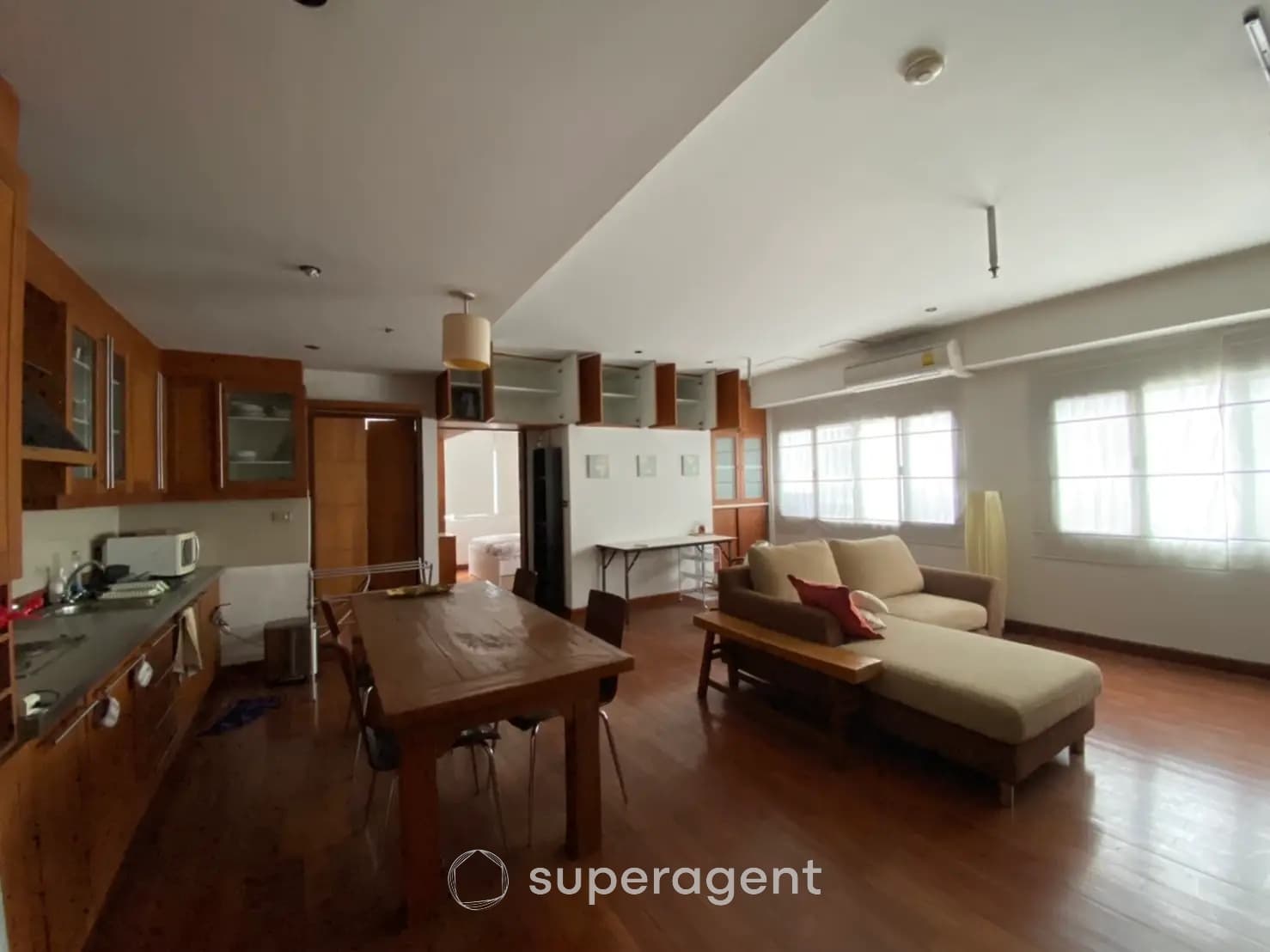
฿28,000
1 Bed167 sqm
1-BR Condo at Wittayu Complex near BTS Phloen Chit
Condo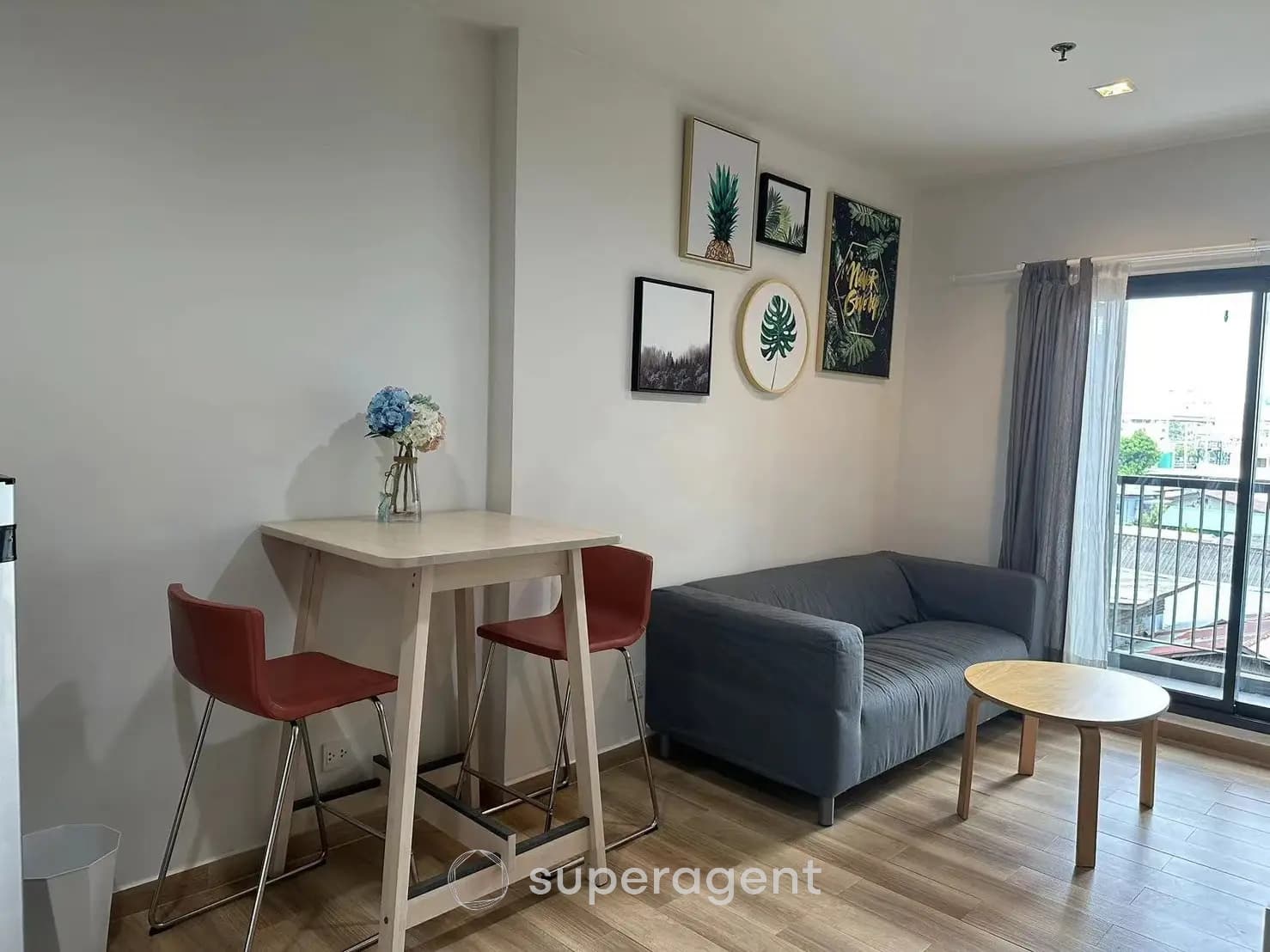
฿23,000
2 Bed150 sqm
2-BR Condo at Life Sukhumvit 48 near BTS Phra Khanong
On Nut
Condo![[For Rent] CONDO I Maestro 14 Siam-Ratchathewi Pet Friendly I 1 Bed I 1 Bath I 22,000THB/mo](/_next/image?url=https%3A%2F%2Fstorage.googleapis.com%2Fsuperagent-web%2Fattachments%2Flistings%2F6686%2F5ae8a77f-b6fb-4578-a765-e56f493cd25f-1058.png&w=3840&q=75)
฿25,000
1 Bed130 sqm
[For Rent] CONDO I Maestro 14 Siam-Ratchathewi Pet Friendly I 1 Bed I 1 Bath I 22,000THB/mo
Siam
Condo![[For Rent] CONDO I Las Colinas Condominium I 2 Beds I 3 Baths I 85,000THB/mo](/_next/image?url=https%3A%2F%2Fstorage.googleapis.com%2Fsuperagent-web%2Fattachments%2Flistings%2F6828%2F80f345c4-488e-43b2-b017-c9fbb17b520d-99486dd8-4237-4ba2-9207-01ce4f66b21f-media.jpg&w=3840&q=75)
฿85,000
2 Bed3170 sqm
[For Rent] CONDO I Las Colinas Condominium I 2 Beds I 3 Baths I 85,000THB/mo
Asoke
Condo![[For Rent] CONDO I KEN Attitude Rattanathibet I Duplex I 2 Beds I 2 Baths I 40,000THB/mo](/_next/image?url=https%3A%2F%2Fstorage.googleapis.com%2Fsuperagent-web%2Fattachments%2Flistings%2F6852%2F17c1715e-4458-4008-bb0b-072a4c081166-img_0557.jpeg&w=3840&q=75)
฿40,000
2 Bed277 sqm
[For Rent] CONDO I KEN Attitude Rattanathibet I Duplex I 2 Beds I 2 Baths I 40,000THB/mo
Condo![[For Rent] CONDO I H Sukhumvit 43 I 1 Bed I 1 Bath I 28,000THB/mo](/_next/image?url=https%3A%2F%2Fstorage.googleapis.com%2Fsuperagent-web%2Fattachments%2Flistings%2F6851%2Ff355c21a-a282-4338-86c6-dc5bb3368321-1244-1.jpg&w=3840&q=75)
฿28,000
1 Bed143 sqm
[For Rent] CONDO I H Sukhumvit 43 I 1 Bed I 1 Bath I 28,000THB/mo
Phrom Phong
CondoMore like this
 In Lifestyle · Superagent EditorialWhere Bangkok's Expat Communities Are Concentrated: Rental Guide by NationalityDiscover where Bangkok's expat community areas are located. Our rental guide maps out neighborhoods by nationality to help you find your ideal home.12 Apr 20241 min read
 In Lifestyle · Superagent EditorialThe AI Rental Revolution in Bangkok: How Technology Is Changing How Expats Find HomesBangkok rental revolution ai is reshaping how expats find homes. Explore smart technology, virtual tours, and AI-powered matching tools transforming the ma16 Apr 20211 min read
 In Lifestyle · Superagent EditorialMonthly Condo Rentals in Bangkok: Why They Beat Daily Rates Once Your Stay Passes Two WeeksCompare Bangkok daily and monthly condo rates near BTS Thong Lo, Asoke, Ari and On Nut, and see why monthly leases save tens of thousands of baht.19 Jul 20191 min read
 In Lifestyle · Superagent EditorialHow to Negotiate Rent With Thai Condo Landlords: Techniques That Actually Work in BangkokProven tactics for negotiating condo rent with Bangkok landlords, from market research and counter offers to lease length, timing and low season.18 Jul 20191 min read