What is a Juristic Person Condo: What Renters Need to Know
Guides
What is a Juristic Person Condo: What Renters Need to Know
Understanding juristic person condos and how they affect your Bangkok rental experience
Summary
Juristic person condos are company-owned properties in Thailand. Learn what renters must know about this condo ownership structure and your rental rights.
You're scrolling through condos on Superagent, you see a listing, and it says "นิติบุคคล" next to the owner's name. You pause. What does that mean? Does it matter for you as a tenant? The answer is yes, and honestly, it's one of those Bangkok rental details that separates people who know the market from people who just sign whatever's in front of them.
Let me break down what นิติบุคคล actually means and why it matters for your rental deal here in Bangkok.
นิติบุคคลคือบุคคลธรรมชาติไหม
นิติบุคคล (niti-buk-khon) literally translates to "juristic person" or "legal entity." In rental terms, it means the owner is not a single human being. Instead, it's a company, corporation, partnership, or some other registered organization that owns the condo.
This is different from a regular person, or บุคคลธรรมชาติ (buk-khon-tham-ma-chat), who owns the property. When you rent from a นิติบุคคล owner, you're technically renting from a business entity, not an individual landlord.
Think of it this way. You find a nice 2-bedroom in Thonglor near BTS Thonglor. The listing shows the owner is "ABC Company Limited." That's a นิติบุคคล. If the owner was listed as "Mr. Somchai or Mrs. Noi," that would be a บุคคลธรรมชาติ owner instead.
ทำไมเจ้าของจึงใช้นิติบุคคล
You might wonder why owners bother with this legal structure. There are actually several reasons Bangkok property owners choose นิติบุคคล setups.
First, it's about tax efficiency. Companies can deduct expenses like maintenance, utilities, and management fees before calculating tax liability. An individual owner cannot claim those deductions as easily. Over multiple units, the savings add up significantly.
Second, it protects personal assets. If something goes wrong in the building, the owner's personal bank account and other properties stay separate from the liability. The company absorbs the risk, not the individual. This is especially common for developers who own dozens of units across multiple buildings.
Third, it makes selling or transferring ownership easier. A company can sell units without personal involvement or drama. One person gets tired of landlording, another person takes over the company shares. No complicated inheritance disputes.
A practical example: you rent a 1-bedroom condo in Rama 9 area, unit 1505. The owner is listed as "Property Development Thailand Co., Ltd." That company might own 20 units in the same building. When one manager leaves and another takes over, your contract technically stays with the same company. No renegotiation needed unless you choose one.
ผลกระทบต่อการเช่าของคุณ
Now here's what matters to you as a tenant. Does renting from a นิติบุคคล owner change your experience?
Sometimes yes, sometimes no. It depends on how professional the company operates. Some are ultra-professional with dedicated property managers, quick maintenance responses, and transparent contracts. Others are just a freelance landlord who set up a company to save taxes but operate like a solo owner anyway.
The biggest advantage is stability. If you rent from a corporation managing 10 units, the person you call for repair issues probably isn't their personal landlord. There's a management structure. When you email about a leaking tap on a Tuesday morning, there's someone assigned to respond within 24 hours, not "whenever I feel like it."
The potential downside is less personal negotiation. Want to knock 2,000 baht off the monthly rent because you're signing a 2-year lease? Easier to ask an individual owner. A company with standardized pricing? They'll likely say no. They have a profit target and a formula.
Let's say you're looking at a 3-bedroom in Ari near BTS Ari going for 65,000 baht per month. If it's owned by a นิติบุคคล management company handling 15 units, they probably won't budge on price. But if the owner is an individual landlord in the same building, you might negotiate down to 62,000 baht, especially if you commit to 24 months upfront.
เอกสารและสัญญาต่างกันไหม
From a paperwork perspective, renting from นิติบุคคล owners is usually more thorough and formal. They typically have a standard rental agreement already drafted by their lawyer. You sign it mostly as-is, with limited room for customization.
Individual owners often use informal agreements or templates they copy from online. Sometimes there's confusion about terms. Sometimes deposits aren't clearly documented. With a company, everything is usually written down and copies go to both parties.
One thing to always check: get the owner's tax ID or company registration number. Verify it through the Thai Department of Business Development website. This protects you if there's ever a dispute. You want proof the person you're paying actually owns the unit and has the authority to rent it out.
A concrete Bangkok example: you're renting a condo in Chidlom area managed by a professional development company. Your 12-month contract is 4 pages long, covers deposit terms, maintenance responsibility, security deposits, and damage liability. Everything is crystal clear. Compare that to a solo landlord who hands you a 1-page agreement with vague language about "damage the tenant caused." The formal approach gives you better legal footing if something goes wrong.
วิธีตรวจสอบความถูกต้องของเจ้าของนิติบุคคล
Before you hand over your first month's rent, always verify the นิติบุคคล owner is real and legitimate.
Ask for their company registration document, or สัตยบัตร. Legitimate owners will have this and won't hesitate to show it. You can cross-check the company name, registration number, and the listed director's name against the government database.
Ask for proof they own the condo. This means the updated house registration (โฉนดที่ดิน) or the ownership certificate showing the company name as the registered owner. Again, real landlords have this. Sketchy ones make excuses.
Check if the unit is actually available and legally rentable. Some condos have restrictions on short-term rentals or limit the number of tenants. The owner should disclose this upfront. If they don't mention it, ask directly.
Here's a real scenario: you find a great unit in Ekkamai near BTS Ekkamai. The owner claims to be a company but can't produce registration documents. Red flag. Move on. There are hundreds of legitimate landlords in Bangkok. Don't waste time on anyone evasive about ownership credentials.
The rental market in Bangkok has changed a lot in recent years, and with it, the way property ownership is structured. Whether you rent from an individual or a นิติบุคคล, what matters most is transparency, clear documentation, and a landlord who responds when you need them.
When you're ready to search for your next Bangkok condo, look for owners who are upfront about their legal status and structure. The best listings on Superagent make this information easy to find because professional landlords know transparency builds trust. Start your search today and find the right fit for your Bangkok lifestyle.
You're scrolling through condos on Superagent, you see a listing, and it says "นิติบุคคล" next to the owner's name. You pause. What does that mean? Does it matter for you as a tenant? The answer is yes, and honestly, it's one of those Bangkok rental details that separates people who know the market from people who just sign whatever's in front of them.
Let me break down what นิติบุคคล actually means and why it matters for your rental deal here in Bangkok.
นิติบุคคลคือบุคคลธรรมชาติไหม
นิติบุคคล (niti-buk-khon) literally translates to "juristic person" or "legal entity." In rental terms, it means the owner is not a single human being. Instead, it's a company, corporation, partnership, or some other registered organization that owns the condo.
This is different from a regular person, or บุคคลธรรมชาติ (buk-khon-tham-ma-chat), who owns the property. When you rent from a นิติบุคคล owner, you're technically renting from a business entity, not an individual landlord.
Think of it this way. You find a nice 2-bedroom in Thonglor near BTS Thonglor. The listing shows the owner is "ABC Company Limited." That's a นิติบุคคล. If the owner was listed as "Mr. Somchai or Mrs. Noi," that would be a บุคคลธรรมชาติ owner instead.
ทำไมเจ้าของจึงใช้นิติบุคคล
You might wonder why owners bother with this legal structure. There are actually several reasons Bangkok property owners choose นิติบุคคล setups.
First, it's about tax efficiency. Companies can deduct expenses like maintenance, utilities, and management fees before calculating tax liability. An individual owner cannot claim those deductions as easily. Over multiple units, the savings add up significantly.
Second, it protects personal assets. If something goes wrong in the building, the owner's personal bank account and other properties stay separate from the liability. The company absorbs the risk, not the individual. This is especially common for developers who own dozens of units across multiple buildings.
Third, it makes selling or transferring ownership easier. A company can sell units without personal involvement or drama. One person gets tired of landlording, another person takes over the company shares. No complicated inheritance disputes.
A practical example: you rent a 1-bedroom condo in Rama 9 area, unit 1505. The owner is listed as "Property Development Thailand Co., Ltd." That company might own 20 units in the same building. When one manager leaves and another takes over, your contract technically stays with the same company. No renegotiation needed unless you choose one.
ผลกระทบต่อการเช่าของคุณ
Now here's what matters to you as a tenant. Does renting from a นิติบุคคล owner change your experience?
Sometimes yes, sometimes no. It depends on how professional the company operates. Some are ultra-professional with dedicated property managers, quick maintenance responses, and transparent contracts. Others are just a freelance landlord who set up a company to save taxes but operate like a solo owner anyway.
The biggest advantage is stability. If you rent from a corporation managing 10 units, the person you call for repair issues probably isn't their personal landlord. There's a management structure. When you email about a leaking tap on a Tuesday morning, there's someone assigned to respond within 24 hours, not "whenever I feel like it."
The potential downside is less personal negotiation. Want to knock 2,000 baht off the monthly rent because you're signing a 2-year lease? Easier to ask an individual owner. A company with standardized pricing? They'll likely say no. They have a profit target and a formula.
Let's say you're looking at a 3-bedroom in Ari near BTS Ari going for 65,000 baht per month. If it's owned by a นิติบุคคล management company handling 15 units, they probably won't budge on price. But if the owner is an individual landlord in the same building, you might negotiate down to 62,000 baht, especially if you commit to 24 months upfront.
เอกสารและสัญญาต่างกันไหม
From a paperwork perspective, renting from นิติบุคคล owners is usually more thorough and formal. They typically have a standard rental agreement already drafted by their lawyer. You sign it mostly as-is, with limited room for customization.
Talk to us about renting
Share your details and keep reading — we’ll get back to you.
Individual owners often use informal agreements or templates they copy from online. Sometimes there's confusion about terms. Sometimes deposits aren't clearly documented. With a company, everything is usually written down and copies go to both parties.
One thing to always check: get the owner's tax ID or company registration number. Verify it through the Thai Department of Business Development website. This protects you if there's ever a dispute. You want proof the person you're paying actually owns the unit and has the authority to rent it out.
A concrete Bangkok example: you're renting a condo in Chidlom area managed by a professional development company. Your 12-month contract is 4 pages long, covers deposit terms, maintenance responsibility, security deposits, and damage liability. Everything is crystal clear. Compare that to a solo landlord who hands you a 1-page agreement with vague language about "damage the tenant caused." The formal approach gives you better legal footing if something goes wrong.
วิธีตรวจสอบความถูกต้องของเจ้าของนิติบุคคล
Before you hand over your first month's rent, always verify the นิติบุคคล owner is real and legitimate.
Ask for their company registration document, or สัตยบัตร. Legitimate owners will have this and won't hesitate to show it. You can cross-check the company name, registration number, and the listed director's name against the government database.
Ask for proof they own the condo. This means the updated house registration (โฉนดที่ดิน) or the ownership certificate showing the company name as the registered owner. Again, real landlords have this. Sketchy ones make excuses.
Check if the unit is actually available and legally rentable. Some condos have restrictions on short-term rentals or limit the number of tenants. The owner should disclose this upfront. If they don't mention it, ask directly.
Here's a real scenario: you find a great unit in Ekkamai near BTS Ekkamai. The owner claims to be a company but can't produce registration documents. Red flag. Move on. There are hundreds of legitimate landlords in Bangkok. Don't waste time on anyone evasive about ownership credentials.
The rental market in Bangkok has changed a lot in recent years, and with it, the way property ownership is structured. Whether you rent from an individual or a นิติบุคคล, what matters most is transparency, clear documentation, and a landlord who responds when you need them.
When you're ready to search for your next Bangkok condo, look for owners who are upfront about their legal status and structure. The best listings on Superagent make this information easy to find because professional landlords know transparency builds trust. Start your search today and find the right fit for your Bangkok lifestyle.
Share this article
Properties you may like
![[For Rent] CONDO I The Room 69 I 1 Bed I 1 Bath I 35,000THB/mo](/_next/image?url=https%3A%2F%2Fstorage.googleapis.com%2Fsuperagent-web%2Fattachments%2Flistings%2F6756%2F445213f0-c378-46a2-b3fe-7a5ba62b623f-1135-1.jpg&w=3840&q=75)
฿35,000
1 Bed144.7 sqm
[For Rent] CONDO I The Room 69 I 1 Bed I 1 Bath I 35,000THB/mo
Condo![[For Rent] HOUSE I Mantana Bangna Km.7 I 3 BedsI 3 Baths I 68,000THB/mo](/_next/image?url=https%3A%2F%2Fstorage.googleapis.com%2Fsuperagent-web%2Fattachments%2Flistings%2F6755%2F673e8400-a19a-43b4-b994-7c0d717c8d40-1128-4.jpg&w=3840&q=75)
฿68,000
3 Bed3172 sqm
[For Rent] HOUSE I Mantana Bangna Km.7 I 3 BedsI 3 Baths I 68,000THB/mo
Bang Na
House![[For Rent] CONDO I Rhythm Sukhumvit 42 I 1 Bed I 1 Bath I 40,000THB/mo](/_next/image?url=https%3A%2F%2Fstorage.googleapis.com%2Fsuperagent-web%2Fattachments%2Flistings%2F6754%2F8bbb6bb3-98f5-49b6-8b48-0c2321f81b70-1127-3.jpg&w=3840&q=75)
฿40,000
1 Bed148 sqm
[For Rent] CONDO I Rhythm Sukhumvit 42 I 1 Bed I 1 Bath I 40,000THB/mo
Ekkamai
Condo![[For Rent&Sale] CONDO I The Waterford Sukhumvit 50 I Pet Friendly I 2 Beds I 2 Baths I Rent 50,000THB/mo - Sale 9mb THB](/_next/image?url=https%3A%2F%2Fstorage.googleapis.com%2Fsuperagent-web%2Fattachments%2Flistings%2F6753%2F9b31da57-144a-4728-bac2-010477b1614d-112-5.jpg&w=3840&q=75)
฿50,000
2 Bed292 sqm
[For Rent&Sale] CONDO I The Waterford Sukhumvit 50 I Pet Friendly I 2 Beds I 2 Baths I Rent 50,000THB/mo - Sale 9mb THB
On Nut
Condo![[For Rent&Sale] HOUSE I Perfect Masterpiece Rama 9–Krungthep Kreetha I 5 Beds I 6 Baths I Rent 400,000THB/mo - Sale 70 ล้านบาท](/_next/image?url=https%3A%2F%2Fstorage.googleapis.com%2Fsuperagent-web%2Fattachments%2Flistings%2F6752%2F1f1b4e6f-23df-48bb-a7ea-7a3252f44588-1125-1.jpg&w=3840&q=75)
฿400,000
5 Bed+6700 sqm
[For Rent&Sale] HOUSE I Perfect Masterpiece Rama 9–Krungthep Kreetha I 5 Beds I 6 Baths I Rent 400,000THB/mo - Sale 70 ล้านบาท
Condo![[For Rent] CONDO I Ashton Asoke I 3 Beds I 3 Baths I 100,000THB/mo](/_next/image?url=https%3A%2F%2Fstorage.googleapis.com%2Fsuperagent-web%2Fattachments%2Flistings%2F6751%2F5e37d6d9-2e62-43e6-b358-15d8b92aad47-1124.jpg&w=3840&q=75)
฿100,000
3 Bed3100 sqm
[For Rent] CONDO I Ashton Asoke I 3 Beds I 3 Baths I 100,000THB/mo
Asoke
Condo![[For Rent&Sale] CONDO I TC Green Rama 9 I 1 Bed I 1 Bath I Rent 15,000THB/mo - Sale 2.8mb THB](/_next/image?url=https%3A%2F%2Fstorage.googleapis.com%2Fsuperagent-web%2Fattachments%2Flistings%2F6750%2F47e9c291-b440-4d94-8168-c22bdaf34baf-1123-1.jpg&w=3840&q=75)
฿15,000
1 Bed139 sqm
[For Rent&Sale] CONDO I TC Green Rama 9 I 1 Bed I 1 Bath I Rent 15,000THB/mo - Sale 2.8mb THB
Rama 9
Condo![[For Rent&Sale] CONDO I Riviera 4 I 2 Beds I 2 Baths I Rent 18,000THB/mo - Sale 3.2mb THB](/_next/image?url=https%3A%2F%2Fstorage.googleapis.com%2Fsuperagent-web%2Fattachments%2Flistings%2F6748%2F5a58104a-d990-4793-8366-1acd0390940b-1121-6.jpg&w=3840&q=75)
฿18,000
2 Bed290 sqm
[For Rent&Sale] CONDO I Riviera 4 I 2 Beds I 2 Baths I Rent 18,000THB/mo - Sale 3.2mb THB
Condo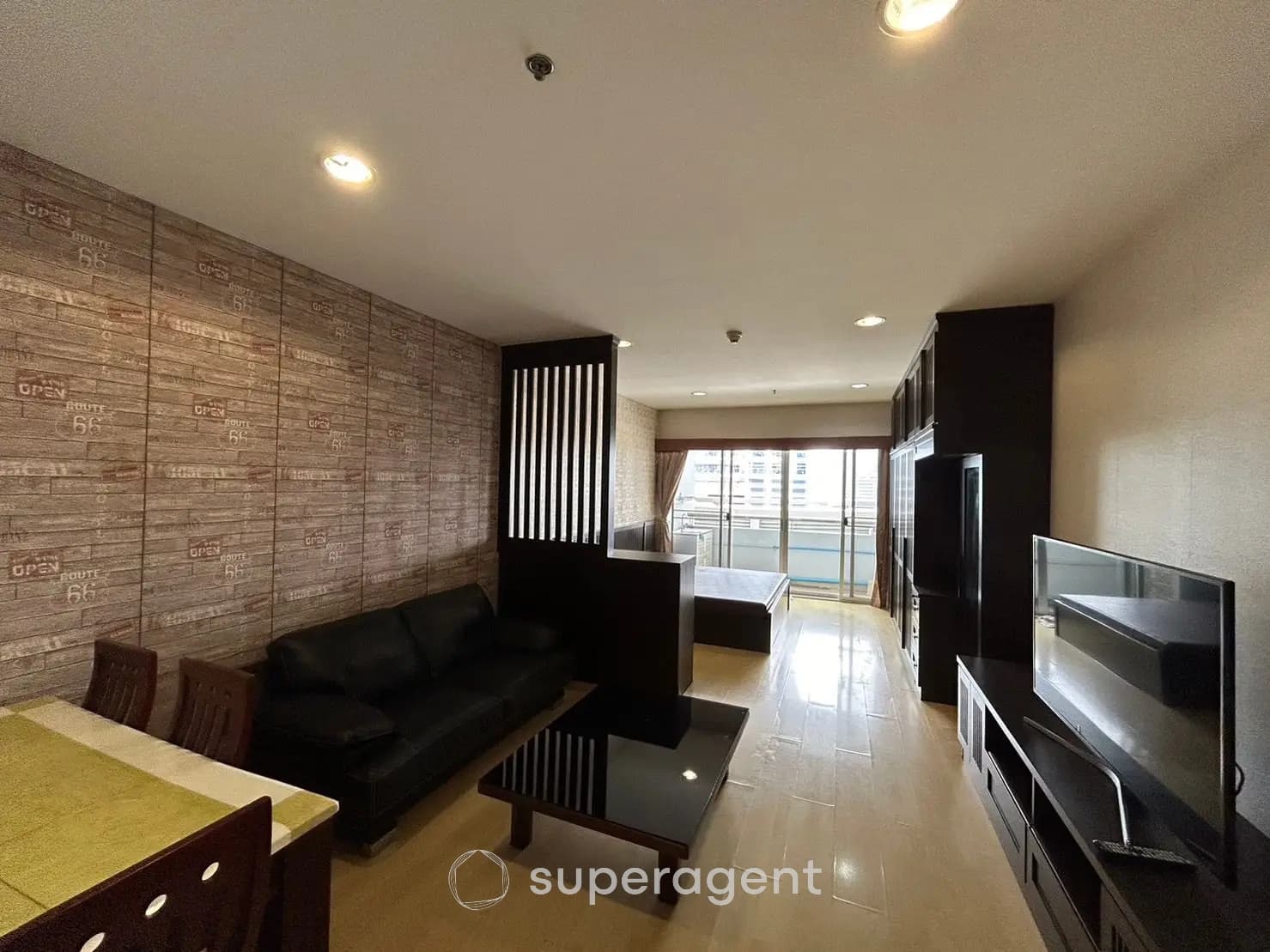
฿15,000
1 Bed145 sqm
1-BR Condo at The Platinum Condominium near ARL Ratchaprarop
Condo![[For Rent] CONDO I Park 24 I Studio I 1 Bath I 25,000THB/mo](/_next/image?url=https%3A%2F%2Fstorage.googleapis.com%2Fsuperagent-web%2Fattachments%2Flistings%2F6747%2F99e94009-1261-4181-ab16-6c2c80017f7d-1130-2.jpg&w=3840&q=75)
฿25,000
Studio129 sqm
[For Rent] CONDO I Park 24 I Studio I 1 Bath I 25,000THB/mo
Phrom Phong
CondoMore like this
 In Guides · Superagent EditorialHidden Costs of Renting a Condo in Bangkok Nobody Warns You AboutBangkok condo rent looks affordable until month one hits. Here are the real costs beyond the headline figure that catch most renters off guard.25 May 20261 min read
 In Guides · Superagent EditorialWhat a Long-Vacant Bangkok Condo Unit Is Actually Telling YouA Bangkok condo vacant for months signals overpricing, landlord issues, or real problems. Here is how to read the signs.25 May 20261 min read
 In Guides · Superagent EditorialRed Flags in a Bangkok Rental Contract to Watch Out ForBangkok rental contracts often hide risky clauses. Here are the red flags every tenant must catch before signing any lease.25 May 20261 min read
 In Guides · Superagent EditorialWorking Online from a Condo: How to Choose the Perfect Room for ProductivityLearn how to choose the best condo room for working online with tips on lighting, noise, and furniture setup to maximize productivity.9 May 20261 min read