Bangkok Monthly Rates vs Daily Rates: Which Is Actually Cheaper?
Guides
Bangkok Monthly Rates vs Daily Rates: Which Is Actually Cheaper?
The math most renters get wrong when comparing short-term and long-term Bangkok condo prices.
Summary
Discover whether monthly or daily Bangkok condo rates save you more money, with real numbers and tips for negotiating the best deal.
This is the calculation most people skip before booking. And it costs them a lot.
The Math Nobody Does Before Booking
The daily rate math hits hardest in popular expat corridors. In Thong Lo, a furnished one-bedroom at a mid-range building like Quattro Thong Lo lists around 2,800 to 3,500 THB per night on short-stay platforms. Run that for 30 nights and you're spending between 84,000 and 105,000 THB for a single month.
A monthly tenant in the same building, or a comparable one just off Ekkamai Soi 10 nearby, typically pays 25,000 to 35,000 THB all in. You're paying two to three times more just by defaulting to nightly bookings.
The gap exists because landlords and operators price daily rates to cover short business trips and weekend leisure stays. They build in cleaning fees, platform commissions, vacancy risk, and turnover costs. Monthly tenants absorb none of that overhead, and the savings get passed directly to anyone willing to commit for the month.
When Daily Rates Actually Make Sense
Daily rates aren't always the wrong choice. If you're in Bangkok for fewer than 10 days, the nightly model is flexible, convenient, and competitive. You can check into a well-located unit near Nana BTS or Asok MRT, skip the lease paperwork, and leave on your own schedule.
They also work when you need something specific and temporary. Ideo Mobi Asoke, right at Asok MRT, sees a lot of short-stay bookings from business travelers here for a week of meetings. For a no-commitment, centrally located base with full amenities, the premium makes sense.
The break-even point in most Bangkok neighbourhoods sits around 12 to 15 days. Under that window, daily rates hold their own. Past it, you're paying a markup that serves the operator, not you.
Hidden Costs That Flip the Equation
The listed nightly price is rarely the final number. Cleaning fees of 500 to 1,500 THB per stay, above-cost utility charges, and service fees from booking platforms typically add 15 to 25 percent on top of what you expected to pay.
A short-stay unit near On Nut BTS, something like a listing at The Line Sukhumvit 101, might advertise 1,800 THB per night. After the cleaning fee, platform service charge, and security deposit hold, your effective daily cost lands closer to 2,400 THB. Over 20 days, that's a gap of roughly 12,000 THB compared to what the headline rate suggested.
Monthly rentals in Bangkok work differently. They typically include regular cleaning, no platform fees, and a fixed utility arrangement. You know your total cost from day one, and nothing unexpected shows up at checkout.
What a Monthly Rental Actually Includes
There's a common assumption that monthly rentals mean bare walls, basic furniture, and a landlord who ignores messages. That hasn't been Bangkok's reality for years. The furnished monthly market here is large, competitive, and well-maintained, especially in areas like Ari, Phrom Phong, and the Ratchada corridor near Phetchaburi MRT.
In the Ratchada area, a fully furnished one-bedroom in a mid-range building typically runs 18,000 to 22,000 THB per month. That rate includes air conditioning, a fitted kitchen, washing machine, pool, gym, and often wi-fi. Short-stay equivalents with the same amenities, booked nightly, cost roughly double over 30 days.
The monthly rate delivers the same lifestyle at half the cost. The only real difference is that you commit to a fixed period upfront, which is precisely why the operator can afford to charge less.
The Sweet Spot: Short-Term Monthly Rentals
There's a middle option that most newcomers to Bangkok miss entirely. Monthly-priced rentals with short minimum stays are furnished units rented at monthly rates but available for stays of 15 to 30 days, without a six-month or one-year lease commitment.
This model is common in high-turnover expat zones like Silom and Sathorn, within walking distance of Lumphini MRT and Surasak BTS. A unit in a serviced building near Sathorn Road might come in at 20,000 THB per month with a one-month minimum. That works out to roughly 667 THB per day, a fraction of comparable nightly rates in the same neighbourhood.
Freelancers, remote workers, and people relocating for a new job tend to gravitate toward this model once they know it exists. The challenge is that these units move quickly and don't always appear on the major short-stay platforms people are used to searching.
So Which One Should You Book?
Monthly wins past the two-week mark in almost every Bangkok neighbourhood. The daily rate structure is built for short trips. If you're staying longer than 12 days, you should be comparing monthly options seriously, not anchoring to a nightly price just because it feels familiar.
Start by locking down your dates. Then search both markets at the same time, using the total cost of your stay as the measuring stick. A unit that looks affordable per night can cost more than twice as much as a furnished monthly rental over the same period.
For neighbourhoods like Asok, Phrom Phong, Ekkamai, and On Nut, the monthly market is deep enough that you'll almost always find something competitive if your stay is 15 days or more. You just have to know where to look.
Superagent at superagent.co uses AI to search Bangkok's furnished monthly and short-term monthly rental market, letting you filter by area, budget, and stay length. If you're working out whether daily or monthly makes more financial sense for your next time in Bangkok, it's a practical place to start the comparison.
Written by the Superagent editorial team. Superagent is Bangkok's AI-powered condo rental platform, helping expats and locals find the right rental faster. superagent.co
Related articles
This is the calculation most people skip before booking. And it costs them a lot.
The Math Nobody Does Before Booking
The daily rate math hits hardest in popular expat corridors. In Thong Lo, a furnished one-bedroom at a mid-range building like Quattro Thong Lo lists around 2,800 to 3,500 THB per night on short-stay platforms. Run that for 30 nights and you're spending between 84,000 and 105,000 THB for a single month.
A monthly tenant in the same building, or a comparable one just off Ekkamai Soi 10 nearby, typically pays 25,000 to 35,000 THB all in. You're paying two to three times more just by defaulting to nightly bookings.
The gap exists because landlords and operators price daily rates to cover short business trips and weekend leisure stays. They build in cleaning fees, platform commissions, vacancy risk, and turnover costs. Monthly tenants absorb none of that overhead, and the savings get passed directly to anyone willing to commit for the month.
When Daily Rates Actually Make Sense
Daily rates aren't always the wrong choice. If you're in Bangkok for fewer than 10 days, the nightly model is flexible, convenient, and competitive. You can check into a well-located unit near Nana BTS or Asok MRT, skip the lease paperwork, and leave on your own schedule.
Continue reading after that.
Looking for a condo
to rent?
Leave your name and phone. We'll follow up while you keep reading.
100% Secure
Fast Response
Free Consultation
They also work when you need something specific and temporary. Ideo Mobi Asoke, right at Asok MRT, sees a lot of short-stay bookings from business travelers here for a week of meetings. For a no-commitment, centrally located base with full amenities, the premium makes sense.
The break-even point in most Bangkok neighbourhoods sits around 12 to 15 days. Under that window, daily rates hold their own. Past it, you're paying a markup that serves the operator, not you.
Hidden Costs That Flip the Equation
The listed nightly price is rarely the final number. Cleaning fees of 500 to 1,500 THB per stay, above-cost utility charges, and service fees from booking platforms typically add 15 to 25 percent on top of what you expected to pay.
A short-stay unit near On Nut BTS, something like a listing at The Line Sukhumvit 101, might advertise 1,800 THB per night. After the cleaning fee, platform service charge, and security deposit hold, your effective daily cost lands closer to 2,400 THB. Over 20 days, that's a gap of roughly 12,000 THB compared to what the headline rate suggested.
Monthly rentals in Bangkok work differently. They typically include regular cleaning, no platform fees, and a fixed utility arrangement. You know your total cost from day one, and nothing unexpected shows up at checkout.
What a Monthly Rental Actually Includes
There's a common assumption that monthly rentals mean bare walls, basic furniture, and a landlord who ignores messages. That hasn't been Bangkok's reality for years. The furnished monthly market here is large, competitive, and well-maintained, especially in areas like Ari, Phrom Phong, and the Ratchada corridor near Phetchaburi MRT.
In the Ratchada area, a fully furnished one-bedroom in a mid-range building typically runs 18,000 to 22,000 THB per month. That rate includes air conditioning, a fitted kitchen, washing machine, pool, gym, and often wi-fi. Short-stay equivalents with the same amenities, booked nightly, cost roughly double over 30 days.
The monthly rate delivers the same lifestyle at half the cost. The only real difference is that you commit to a fixed period upfront, which is precisely why the operator can afford to charge less.
The Sweet Spot: Short-Term Monthly Rentals
There's a middle option that most newcomers to Bangkok miss entirely. Monthly-priced rentals with short minimum stays are furnished units rented at monthly rates but available for stays of 15 to 30 days, without a six-month or one-year lease commitment.
This model is common in high-turnover expat zones like Silom and Sathorn, within walking distance of Lumphini MRT and Surasak BTS. A unit in a serviced building near Sathorn Road might come in at 20,000 THB per month with a one-month minimum. That works out to roughly 667 THB per day, a fraction of comparable nightly rates in the same neighbourhood.
Freelancers, remote workers, and people relocating for a new job tend to gravitate toward this model once they know it exists. The challenge is that these units move quickly and don't always appear on the major short-stay platforms people are used to searching.
Continue reading after that.
Looking for a condo
to rent?
Leave your name and phone. We'll follow up while you keep reading.
100% Secure
Fast Response
Free Consultation
So Which One Should You Book?
Monthly wins past the two-week mark in almost every Bangkok neighbourhood. The daily rate structure is built for short trips. If you're staying longer than 12 days, you should be comparing monthly options seriously, not anchoring to a nightly price just because it feels familiar.
Start by locking down your dates. Then search both markets at the same time, using the total cost of your stay as the measuring stick. A unit that looks affordable per night can cost more than twice as much as a furnished monthly rental over the same period.
For neighbourhoods like Asok, Phrom Phong, Ekkamai, and On Nut, the monthly market is deep enough that you'll almost always find something competitive if your stay is 15 days or more. You just have to know where to look.
Superagent at superagent.co uses AI to search Bangkok's furnished monthly and short-term monthly rental market, letting you filter by area, budget, and stay length. If you're working out whether daily or monthly makes more financial sense for your next time in Bangkok, it's a practical place to start the comparison.
Written by the Superagent editorial team. Superagent is Bangkok's AI-powered condo rental platform, helping expats and locals find the right rental faster. superagent.co
Related articles
Share this article
Properties you may like
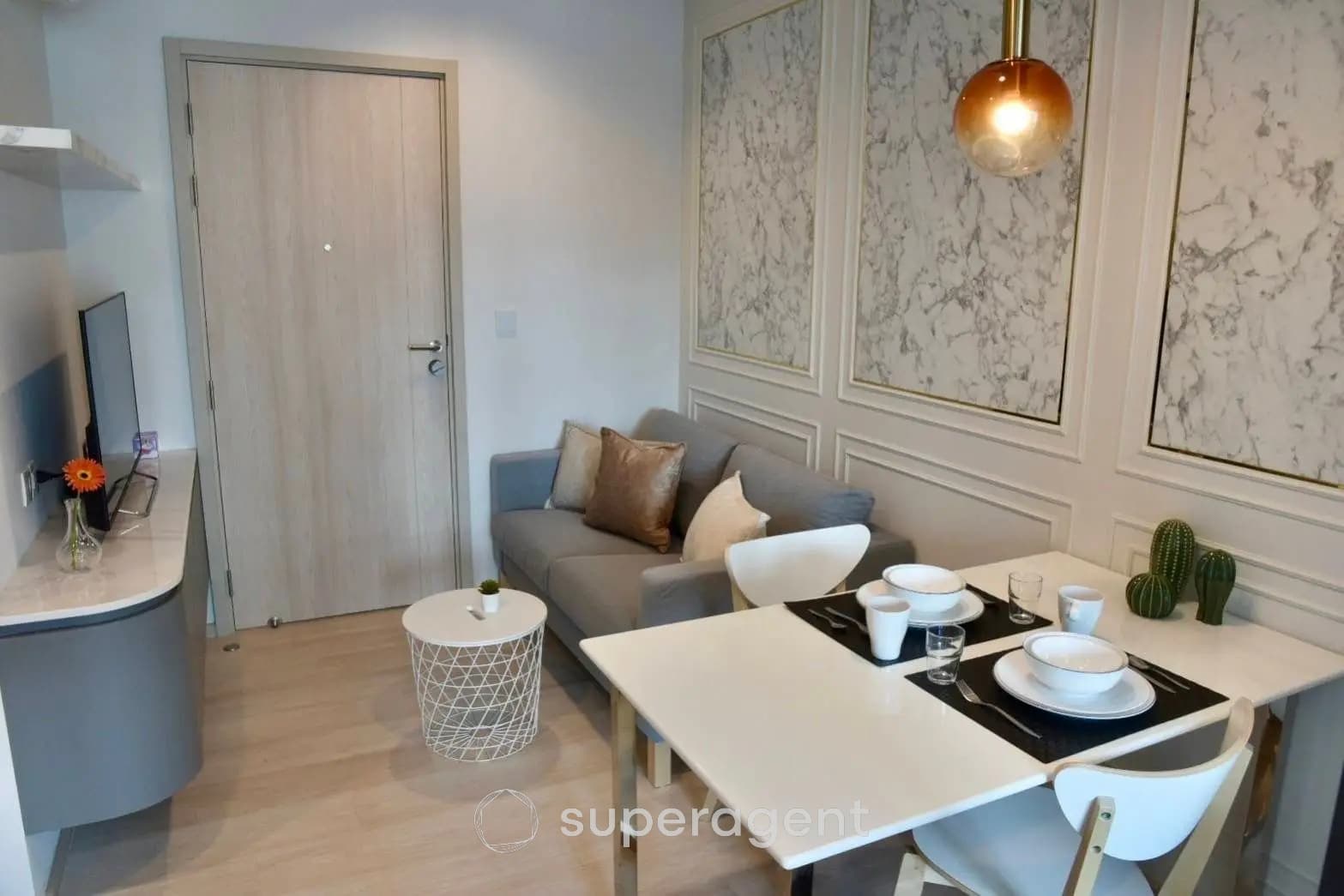
฿24,000
1 Bed135 sqm
1-BR Condo at Life One Wireless near BTS Phloen Chit
Ploenchit
Condo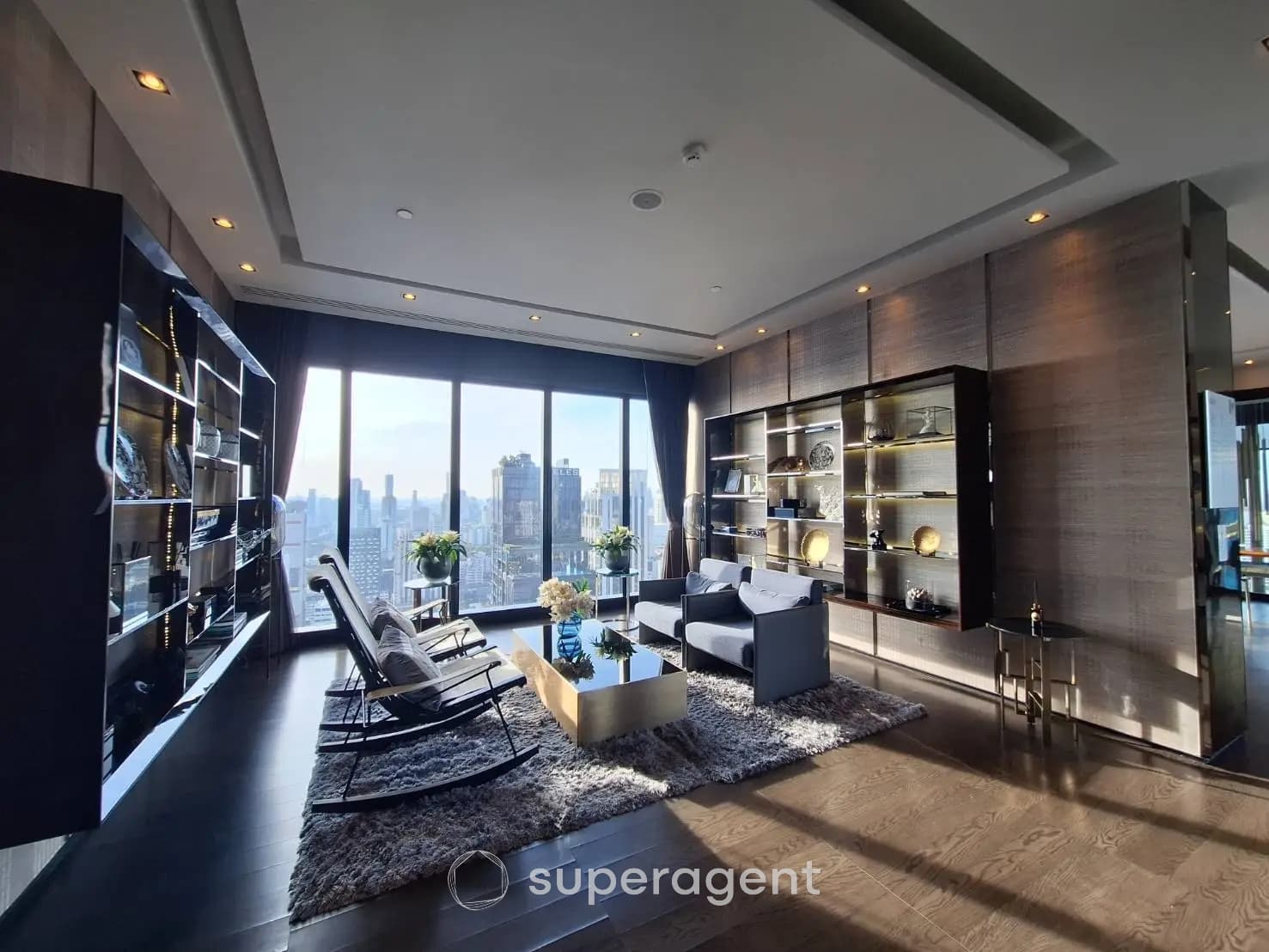
฿25,000
1 Bed133 sqm
1-BR Condo at Ashton Asoke near MRT Sukhumvit
Asoke
Condo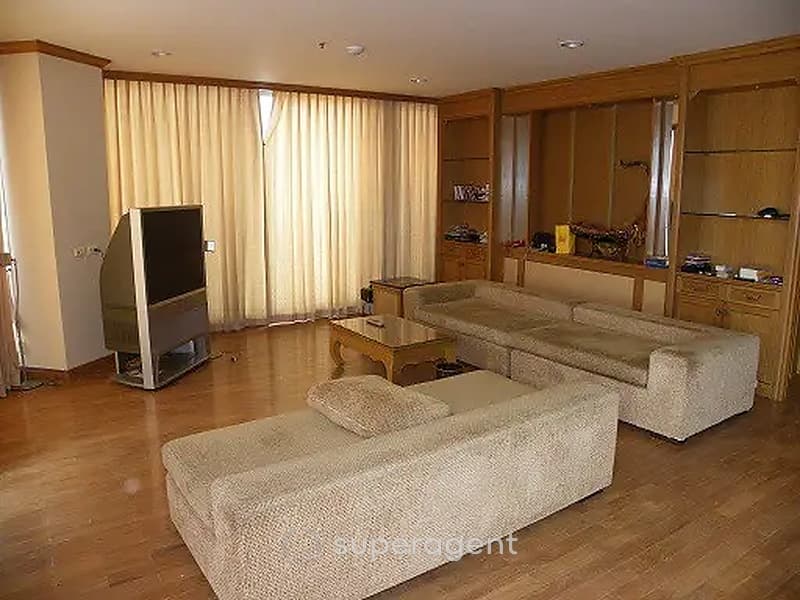
฿70,000
3 Bed3230 sqm
3-BR Condo at River Heaven Chareonkrung in Bang Kho Laem
Condo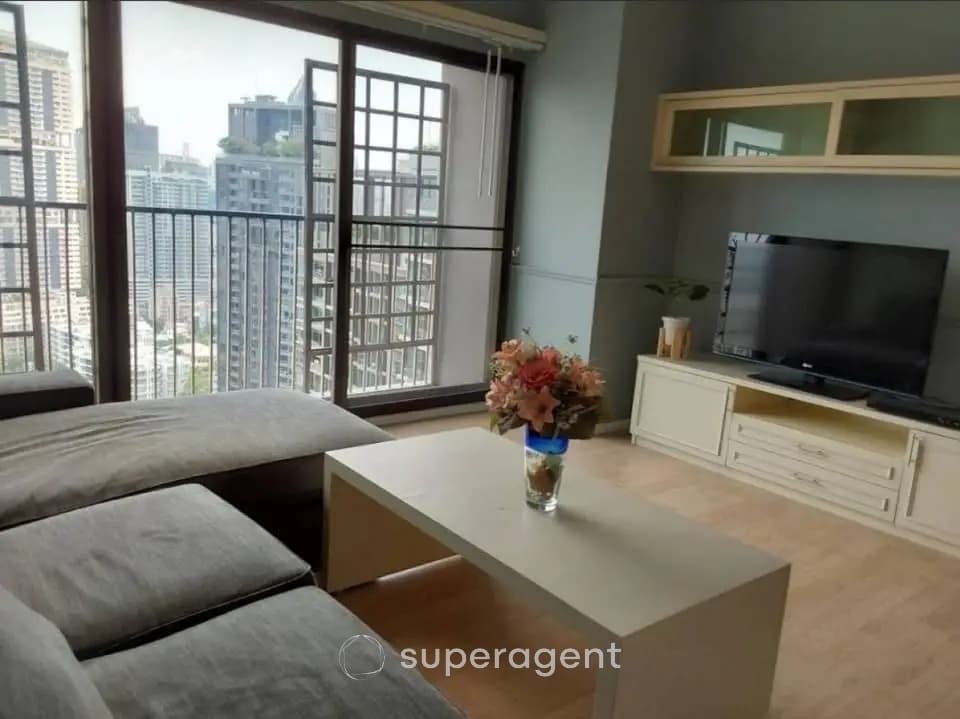
฿63,000
3 Bed2102 sqm
3-BR Condo at Noble Remix near BTS Thong Lor
Thonglor
Condo
฿27,000
Studio135 sqm
Studio Condo at Ideo Q Victory near BTS Victory Monument
Victory Monument
Condo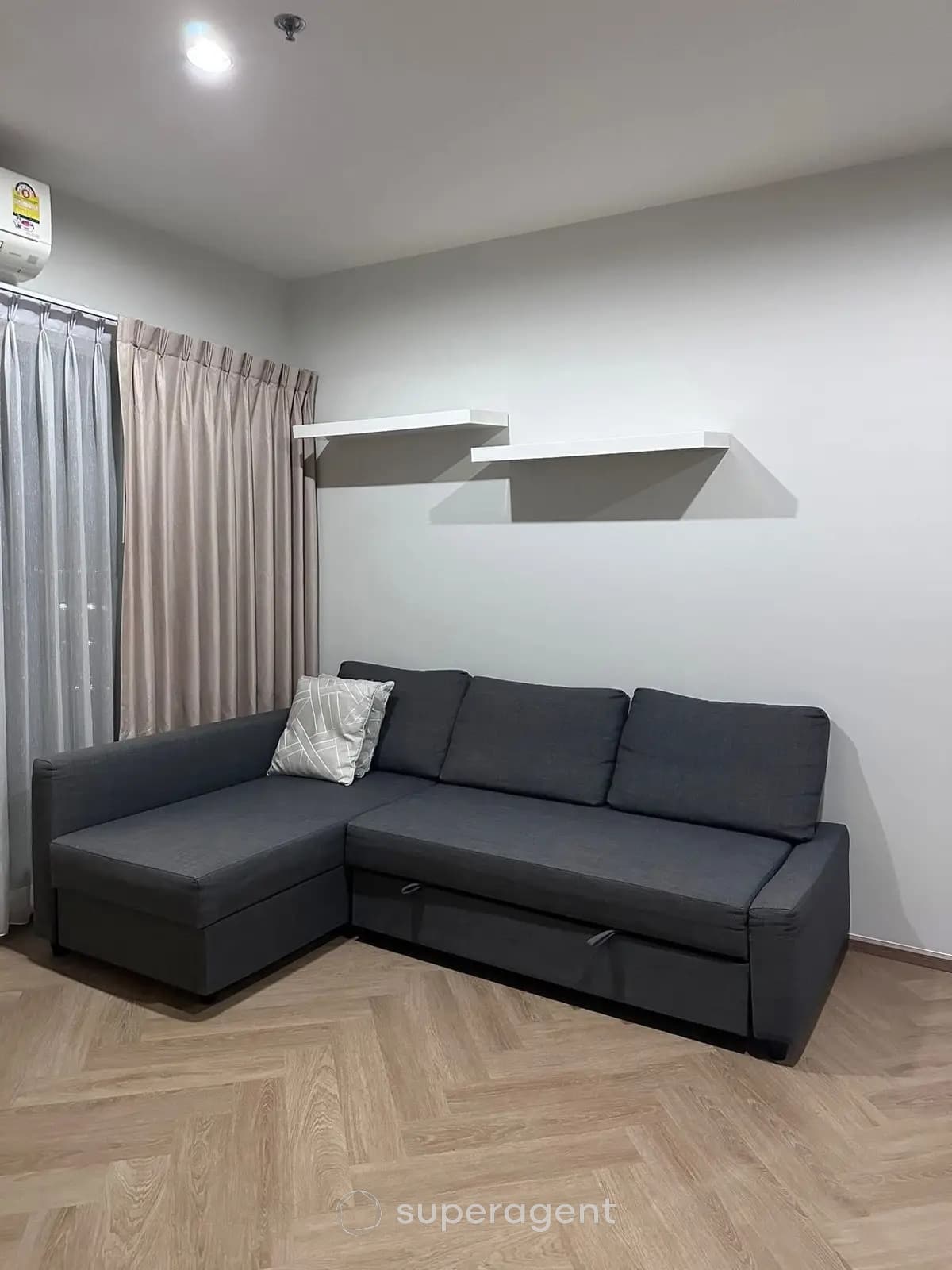
฿30,000
2 Bed252.9 sqm
2-BR Condo at The Key Sathorn - Charoenraj in Bang Khlo
Condo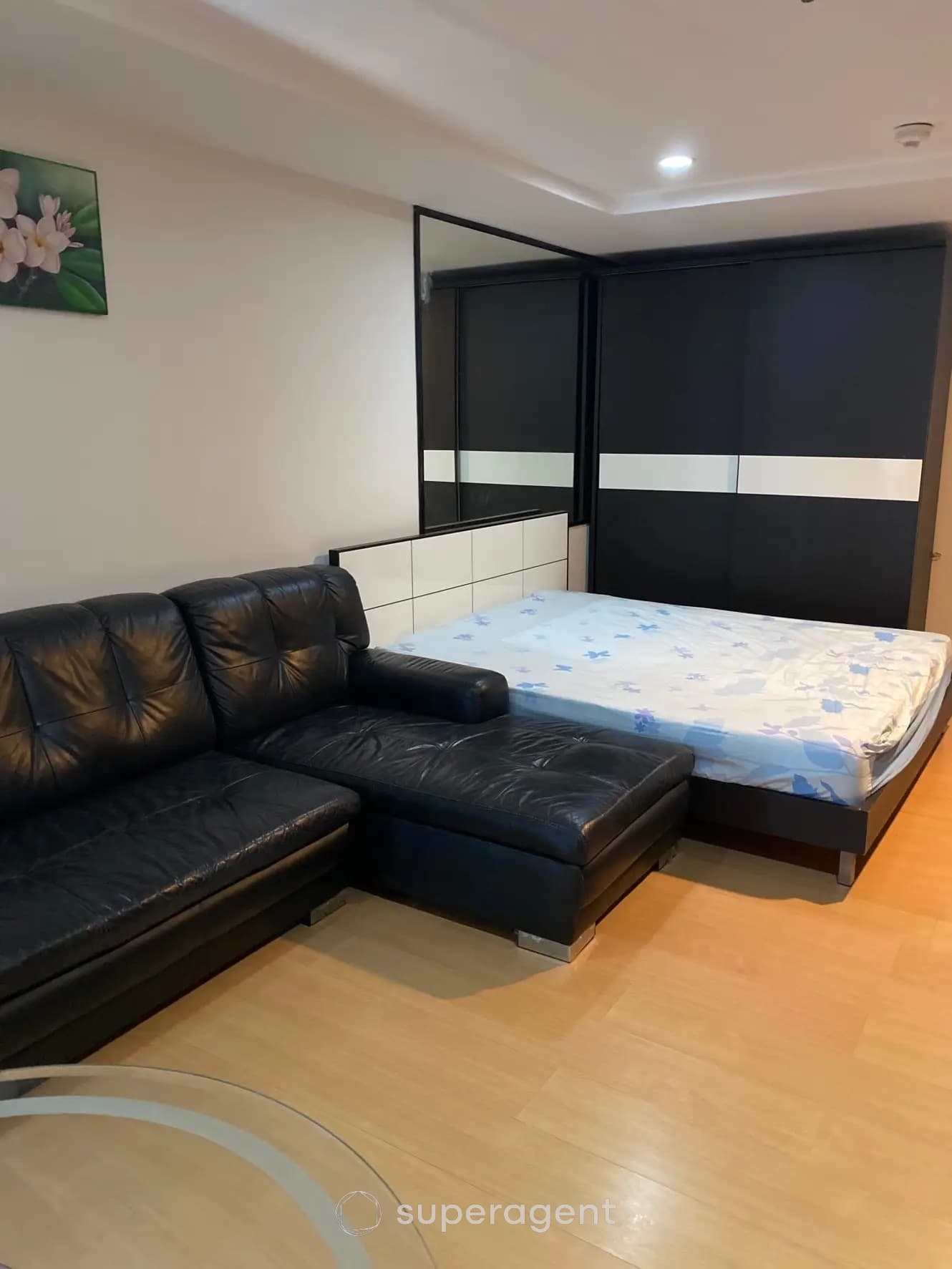
฿17,000
1 Bed136 sqm
1-BR Condo at The Trendy Condominium near BTS Nana
Condo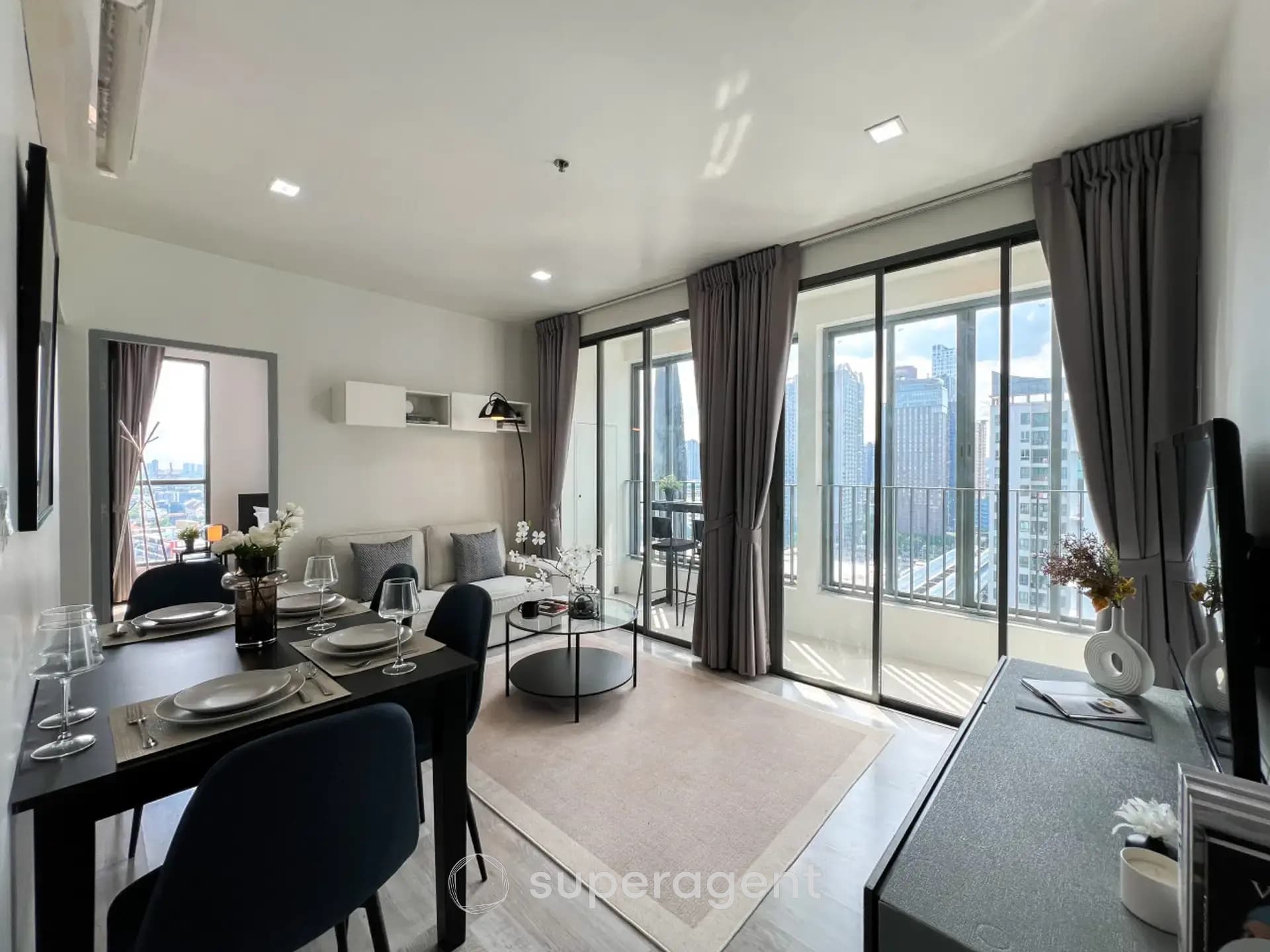
฿42,000
2 Bed287 sqm
2-BR Condo at Ideo Mobi Sukhumvit 81 near BTS On Nut
Condo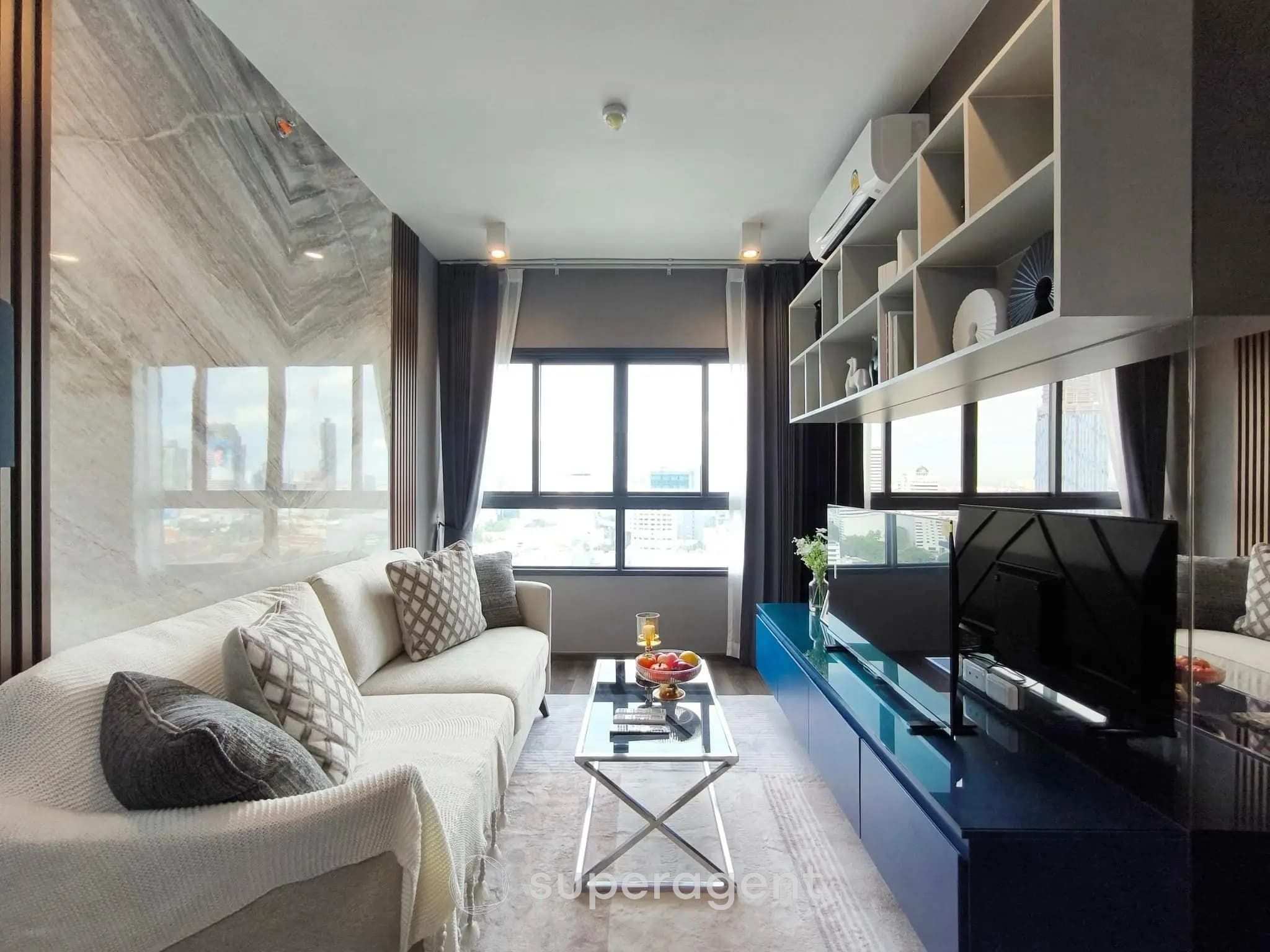
฿38,000
2 Bed258 sqm
2-BR Condo at Ideo Rama 9 - Asoke near MRT Phra Ram 9
Condo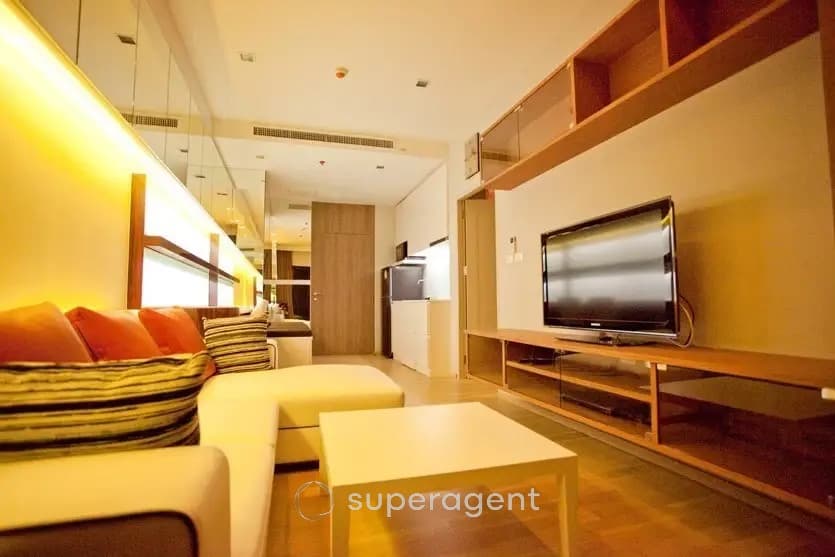
฿27,000
1 Bed145 sqm
1-BR Condo at Noble Reveal Ekamai near BTS Ekkamai
Ekkamai
CondoMore like this
 In Guides · Superagent EditorialHidden Costs of Renting a Condo in Bangkok Nobody Warns You AboutBangkok condo rent looks affordable until month one hits. Here are the real costs beyond the headline figure that catch most renters off guard.25 May 20261 min read
 In Guides · Superagent EditorialWhat a Long-Vacant Bangkok Condo Unit Is Actually Telling YouA Bangkok condo vacant for months signals overpricing, landlord issues, or real problems. Here is how to read the signs.25 May 20261 min read
 In Guides · Superagent EditorialRed Flags in a Bangkok Rental Contract to Watch Out ForBangkok rental contracts often hide risky clauses. Here are the red flags every tenant must catch before signing any lease.25 May 20261 min read
 In Guides · Superagent EditorialWorking Online from a Condo: How to Choose the Perfect Room for ProductivityLearn how to choose the best condo room for working online with tips on lighting, noise, and furniture setup to maximize productivity.9 May 20261 min read