Breaking a Rental Lease in Thailand: Rights, Penalties, and Reality
Guides
Breaking a Rental Lease in Thailand: Rights, Penalties, and Reality
What Bangkok renters actually face when they need to exit a lease early, legally and practically.
Summary
Learn your rights, typical penalties, and real outcomes when breaking a rental lease in Bangkok, Thailand as a foreigner or local.
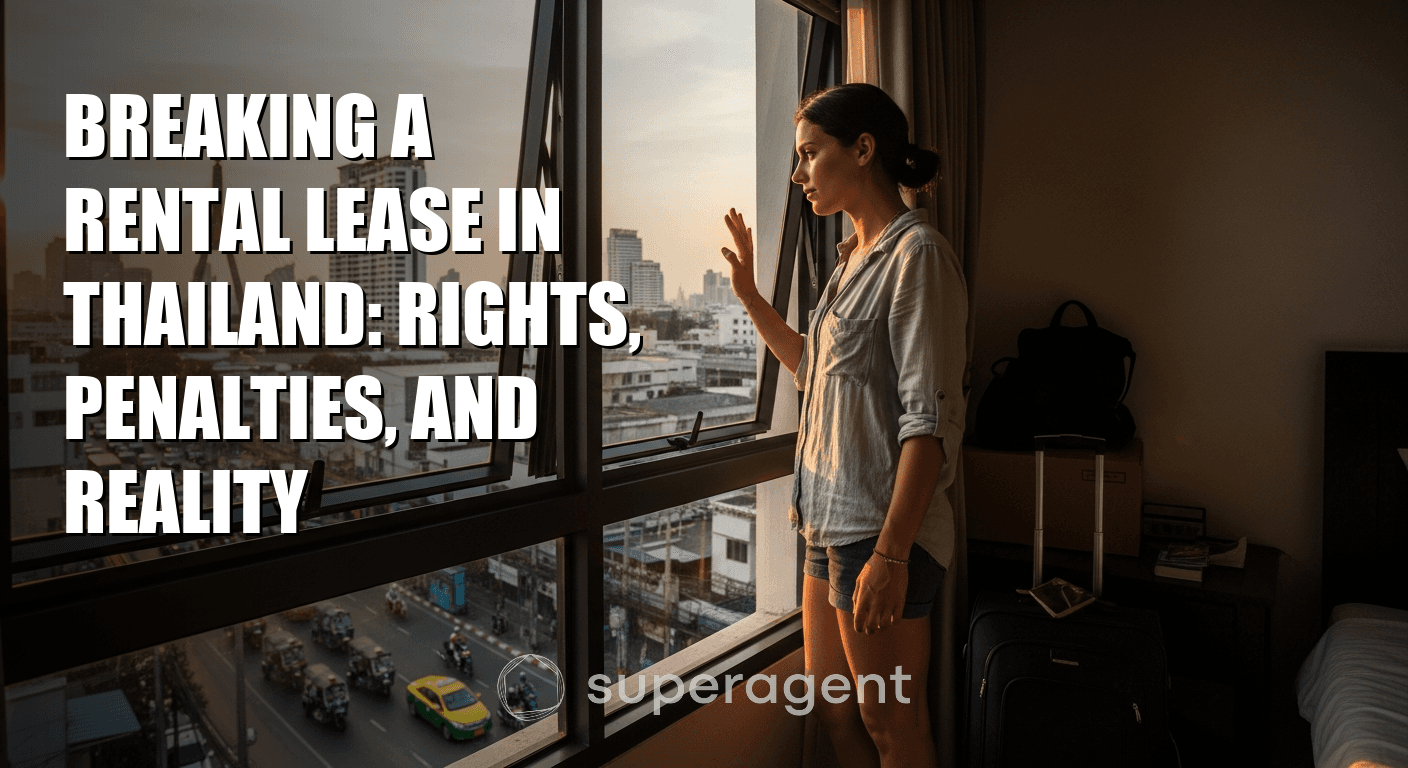
You signed a 12-month lease on a condo near Phrom Phong BTS, and three months in your company is relocating you to Singapore. Or maybe the landlord has ignored your maintenance requests for two months and the mold is quietly spreading across your bedroom wall. Whatever the situation, breaking a rental lease in Thailand is more common than most expats and locals realize, and the financial consequences range from losing your deposit to a civil court case you never planned for when you picked up the keys.
The good news is that Thai lease law is more tenant-friendly than many people expect. The bad news is that most lease agreements in Bangkok are drafted to protect the landlord, so what you can actually do depends almost entirely on what you signed before moving in.
What Thai Law Actually Says
The Civil and Commercial Code governs rental agreements across Thailand. For residential leases under three years, which covers the overwhelming majority of Bangkok condo contracts, the law allows either party to terminate with reasonable notice when no specific fixed term applies.
The problem is that most Bangkok landlords, whether you are renting a studio near Bearing BTS or a two-bedroom unit on Sukhumvit Soi 11, use fixed-term contracts with early termination penalty clauses already written in. Those clauses hold up in Thai courts, which means the specific language in your agreement matters more than any general understanding of what the law permits. Reading the contract word by word before signing is not optional.
The Deposit: Your Most Immediate Risk
The standard deposit for residential rentals in Bangkok is two months' rent. Some landlords in higher-demand areas ask for three. When a tenant breaks a lease early, the most common immediate consequence is losing the entire deposit, regardless of how many months remain on the contract.
Take a mid-range unit near Ekkamai BTS at 20,000 THB per month. That is a 40,000 THB deposit sitting in the landlord's account. If you leave four months early, that money is almost certainly gone. Beyond the deposit, some agreements in Bangkok explicitly state that tenants remain liable for rent until the end of the contract period. That is a separate and potentially much larger exposure, and it is the clause most tenants skip over during the excitement of securing a new unit.
When You Have Grounds to Exit Without Full Penalty
Thai law recognizes situations where a tenant can terminate a lease without bearing the standard penalties, and the strongest grounds is landlord breach. If a landlord has materially failed their obligations, specifically refusing to maintain the unit in habitable condition or ignoring agreed repair responsibilities, tenants have a defensible legal position worth pursuing.
A tenant renting a condo off Soi Ari 1 dealt with a broken water heater and a leaking ceiling for eight weeks while the landlord delayed. With a documented paper trail of LINE messages, dated photos, and a formal written notice, that tenant had legitimate grounds to exit without losing the full deposit. Written documentation is critical. Verbal conversations mean nothing in a Thai civil proceeding, and screenshots of LINE exchanges are treated as valid evidence in court.
Force majeure clauses appear in some contracts but are applied narrowly. Personal circumstances like a job transfer or a shift in finances generally do not qualify. A government closure directly affecting your ability to occupy the property, or a natural disaster, may apply depending on the exact wording of your specific agreement.
Negotiating a Mutual Exit
The most realistic path for most Bangkok tenants is a direct, calm negotiation with the landlord. Thai landlords are generally practical. A vacant unit earns nothing, and a long dispute costs everyone time that neither party has budgeted for.
In buildings with lower occupancy rates, like some newer towers near Ratchadaphisek MRT or along Lat Phrao Road, landlords tend to be more flexible than their contracts suggest. A common negotiated exit involves forfeiting the deposit, giving 30 to 60 days notice, and agreeing to let the landlord show the unit during your remaining time. Some landlords will accept one month's penalty rather than two if you arrive at the conversation with a qualified replacement tenant ready to sign. Handing over a ready tenant is the single most effective move available to you in this situation.
Keep the conversation transactional and respectful. A landlord who feels treated fairly is far more likely to meet you halfway than one receiving a panicked message at midnight.
What Happens If You Just Walk Out
Leaving a unit without notice, dropping the keys and going silent, is the worst possible approach. A Bangkok landlord can file a civil claim for unpaid rent through the Thai court system. The process is slow, but for higher-value units in Silom, Sathorn, or central Sukhumvit, the amounts involved make litigation genuinely worth a landlord's effort.
There is also a reputational dimension that matters in Bangkok more than most renters expect. Property managers at buildings like The Esse Asoke or Rhythm Sukhumvit 36 share information with agencies, and agencies share information with each other. Bangkok's rental market is smaller and more connected than it looks from the outside. A clean, professional exit protects your ability to rent anywhere in the city again without the awkward conversation about your last place.
Before signing any lease in Bangkok, slow down on the termination clause. If the agreement holds you liable for rent through the end of the contract with no early exit option, that is the clause to push back on before you commit, not six months later when your plans have changed. Ask specifically for 30-day or 60-day notice terms, and compare what similar units near the same BTS or MRT station are offering. Flexibility is available in this market, especially in mid-range condos near stations like Asok, Phaya Thai, and Thong Lo where buildings compete for reliable tenants.
If you want to start your Bangkok condo search with listings that already come with clear lease terms and responsive landlords, Superagent at superagent.co uses AI to match you with units that fit how you actually live, including options with flexible arrangements built in from day one.
Written by the Superagent editorial team. Superagent is Bangkok's AI-powered condo rental platform, helping expats and locals find the right rental faster. superagent.co
Related articles
You signed a 12-month lease on a condo near Phrom Phong BTS, and three months in your company is relocating you to Singapore. Or maybe the landlord has ignored your maintenance requests for two months and the mold is quietly spreading across your bedroom wall. Whatever the situation, breaking a rental lease in Thailand is more common than most expats and locals realize, and the financial consequences range from losing your deposit to a civil court case you never planned for when you picked up the keys.
The good news is that Thai lease law is more tenant-friendly than many people expect. The bad news is that most lease agreements in Bangkok are drafted to protect the landlord, so what you can actually do depends almost entirely on what you signed before moving in.
What Thai Law Actually Says
The Civil and Commercial Code governs rental agreements across Thailand. For residential leases under three years, which covers the overwhelming majority of Bangkok condo contracts, the law allows either party to terminate with reasonable notice when no specific fixed term applies.
The problem is that most Bangkok landlords, whether you are renting a studio near Bearing BTS or a two-bedroom unit on Sukhumvit Soi 11, use fixed-term contracts with early termination penalty clauses already written in. Those clauses hold up in Thai courts, which means the specific language in your agreement matters more than any general understanding of what the law permits. Reading the contract word by word before signing is not optional.
Continue reading after that.
Looking for a condo
to rent?
Leave your name and phone. We'll follow up while you keep reading.
100% Secure
Fast Response
Free Consultation
The Deposit: Your Most Immediate Risk
The standard deposit for residential rentals in Bangkok is two months' rent. Some landlords in higher-demand areas ask for three. When a tenant breaks a lease early, the most common immediate consequence is losing the entire deposit, regardless of how many months remain on the contract.
Take a mid-range unit near Ekkamai BTS at 20,000 THB per month. That is a 40,000 THB deposit sitting in the landlord's account. If you leave four months early, that money is almost certainly gone. Beyond the deposit, some agreements in Bangkok explicitly state that tenants remain liable for rent until the end of the contract period. That is a separate and potentially much larger exposure, and it is the clause most tenants skip over during the excitement of securing a new unit.
When You Have Grounds to Exit Without Full Penalty
Thai law recognizes situations where a tenant can terminate a lease without bearing the standard penalties, and the strongest grounds is landlord breach. If a landlord has materially failed their obligations, specifically refusing to maintain the unit in habitable condition or ignoring agreed repair responsibilities, tenants have a defensible legal position worth pursuing.
A tenant renting a condo off Soi Ari 1 dealt with a broken water heater and a leaking ceiling for eight weeks while the landlord delayed. With a documented paper trail of LINE messages, dated photos, and a formal written notice, that tenant had legitimate grounds to exit without losing the full deposit. Written documentation is critical. Verbal conversations mean nothing in a Thai civil proceeding, and screenshots of LINE exchanges are treated as valid evidence in court.
Force majeure clauses appear in some contracts but are applied narrowly. Personal circumstances like a job transfer or a shift in finances generally do not qualify. A government closure directly affecting your ability to occupy the property, or a natural disaster, may apply depending on the exact wording of your specific agreement.
Negotiating a Mutual Exit
The most realistic path for most Bangkok tenants is a direct, calm negotiation with the landlord. Thai landlords are generally practical. A vacant unit earns nothing, and a long dispute costs everyone time that neither party has budgeted for.
In buildings with lower occupancy rates, like some newer towers near Ratchadaphisek MRT or along Lat Phrao Road, landlords tend to be more flexible than their contracts suggest. A common negotiated exit involves forfeiting the deposit, giving 30 to 60 days notice, and agreeing to let the landlord show the unit during your remaining time. Some landlords will accept one month's penalty rather than two if you arrive at the conversation with a qualified replacement tenant ready to sign. Handing over a ready tenant is the single most effective move available to you in this situation.
Keep the conversation transactional and respectful. A landlord who feels treated fairly is far more likely to meet you halfway than one receiving a panicked message at midnight.
What Happens If You Just Walk Out
Leaving a unit without notice, dropping the keys and going silent, is the worst possible approach. A Bangkok landlord can file a civil claim for unpaid rent through the Thai court system. The process is slow, but for higher-value units in Silom, Sathorn, or central Sukhumvit, the amounts involved make litigation genuinely worth a landlord's effort.
Continue reading after that.
Looking for a condo
to rent?
Leave your name and phone. We'll follow up while you keep reading.
100% Secure
Fast Response
Free Consultation
There is also a reputational dimension that matters in Bangkok more than most renters expect. Property managers at buildings like The Esse Asoke or Rhythm Sukhumvit 36 share information with agencies, and agencies share information with each other. Bangkok's rental market is smaller and more connected than it looks from the outside. A clean, professional exit protects your ability to rent anywhere in the city again without the awkward conversation about your last place.
Before signing any lease in Bangkok, slow down on the termination clause. If the agreement holds you liable for rent through the end of the contract with no early exit option, that is the clause to push back on before you commit, not six months later when your plans have changed. Ask specifically for 30-day or 60-day notice terms, and compare what similar units near the same BTS or MRT station are offering. Flexibility is available in this market, especially in mid-range condos near stations like Asok, Phaya Thai, and Thong Lo where buildings compete for reliable tenants.
If you want to start your Bangkok condo search with listings that already come with clear lease terms and responsive landlords, Superagent at superagent.co uses AI to match you with units that fit how you actually live, including options with flexible arrangements built in from day one.
Written by the Superagent editorial team. Superagent is Bangkok's AI-powered condo rental platform, helping expats and locals find the right rental faster. superagent.co
Related articles
Share this article
Properties you may like
![[For Rent] CONDO I Park Origin 24 I 2 Beds I 1 Baths I 48,000THB/mo](/_next/image?url=https%3A%2F%2Fstorage.googleapis.com%2Fsuperagent-web%2Fattachments%2Flistings%2F6890%2Ffb28cb5c-9a1b-424b-9b52-b844aeba7bf2-1291-1.jpg&w=3840&q=75)
฿48,000
2 Bed152.1 sqm
[For Rent] CONDO I Park Origin 24 I 2 Beds I 1 Baths I 48,000THB/mo
Phrom Phong
Condo![[For Rent] CONDO I Grand Parkview Asoke I 2 Beds I 1 Bath I 35,000THB/mo](/_next/image?url=https%3A%2F%2Fstorage.googleapis.com%2Fsuperagent-web%2Fattachments%2Flistings%2F6889%2F9cb3631b-7a06-4438-9425-a5c78df563d4-1303-1.jpg&w=3840&q=75)
฿35,000
2 Bed168.4 sqm
[For Rent] CONDO I Grand Parkview Asoke I 2 Beds I 1 Bath I 35,000THB/mo
Asoke
Condo![[For Rent] CONDO I Culture Thonglor I 1 Bed I 1 Bath I 22,000THB/mo](/_next/image?url=https%3A%2F%2Fstorage.googleapis.com%2Fsuperagent-web%2Fattachments%2Flistings%2F2271%2Fcb90f802-330c-49a2-a142-2e33a8127032-culture_thonglor_for_rent_02.jpg&w=3840&q=75)
฿22,000
1 Bed126 sqm
[For Rent] CONDO I Culture Thonglor I 1 Bed I 1 Bath I 22,000THB/mo
Thonglor
Condo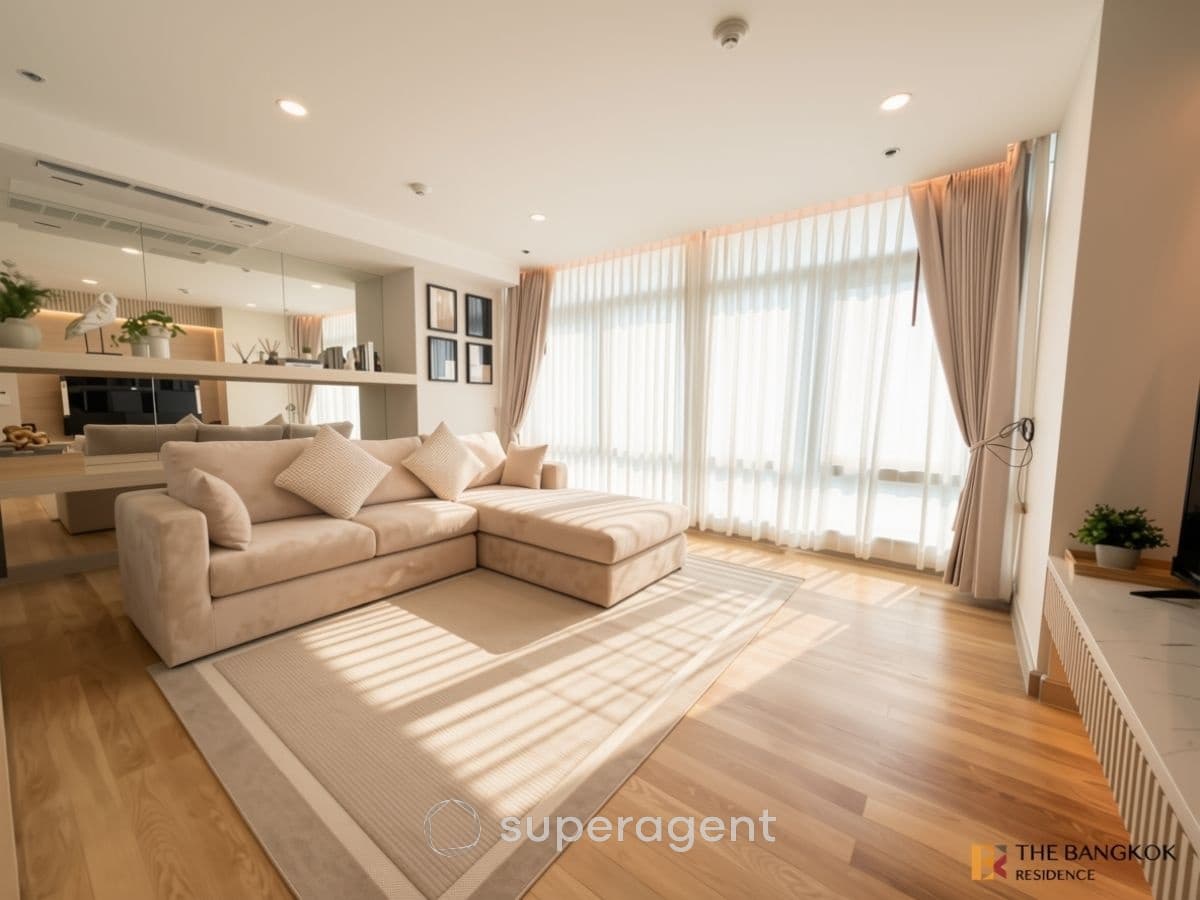
฿120,000
3 Bed3165 sqm
The Height Thonglor, 3BR 165 sq.m. 120K Show Unit Feel, Great Price, Rare Item in the Heart of Thonglor, Near BTS Thonglo
Condo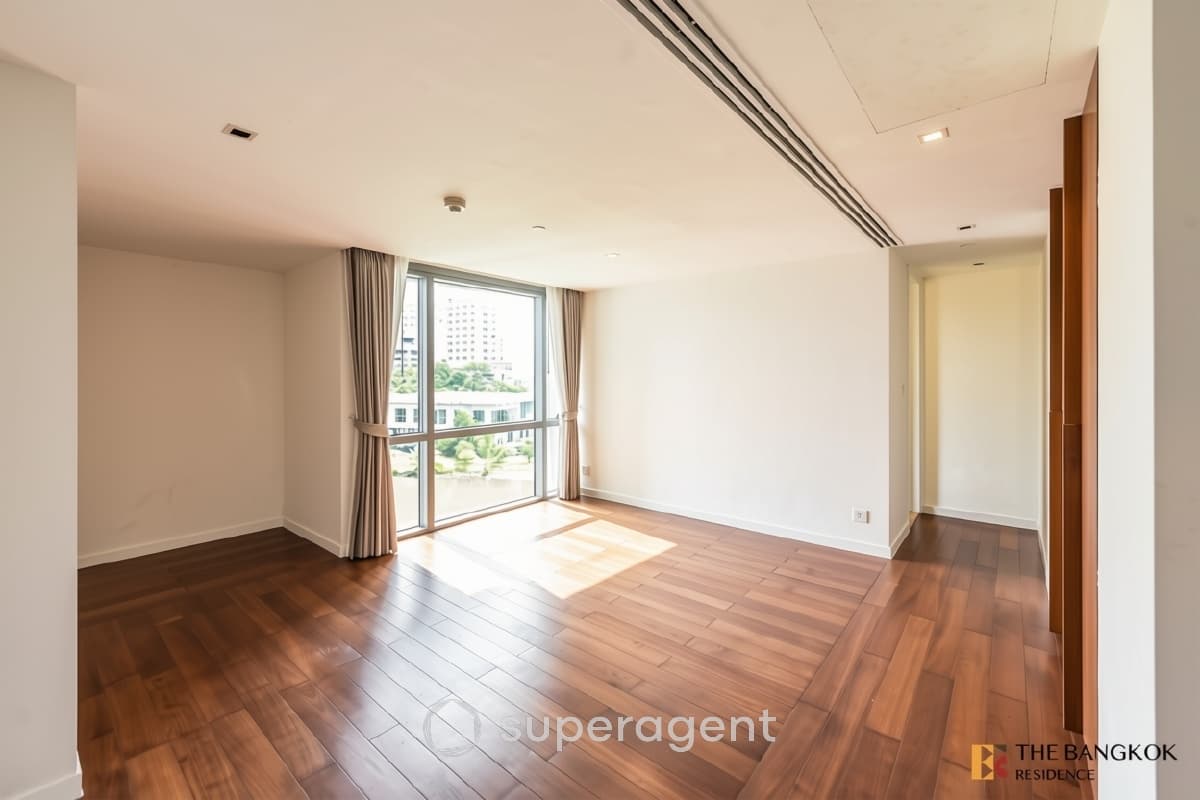
฿180,000
3 Bed4453 sqm
The Pano, 3BR 453sq.m. 180K Spacious Unit, Stunning Views
Condo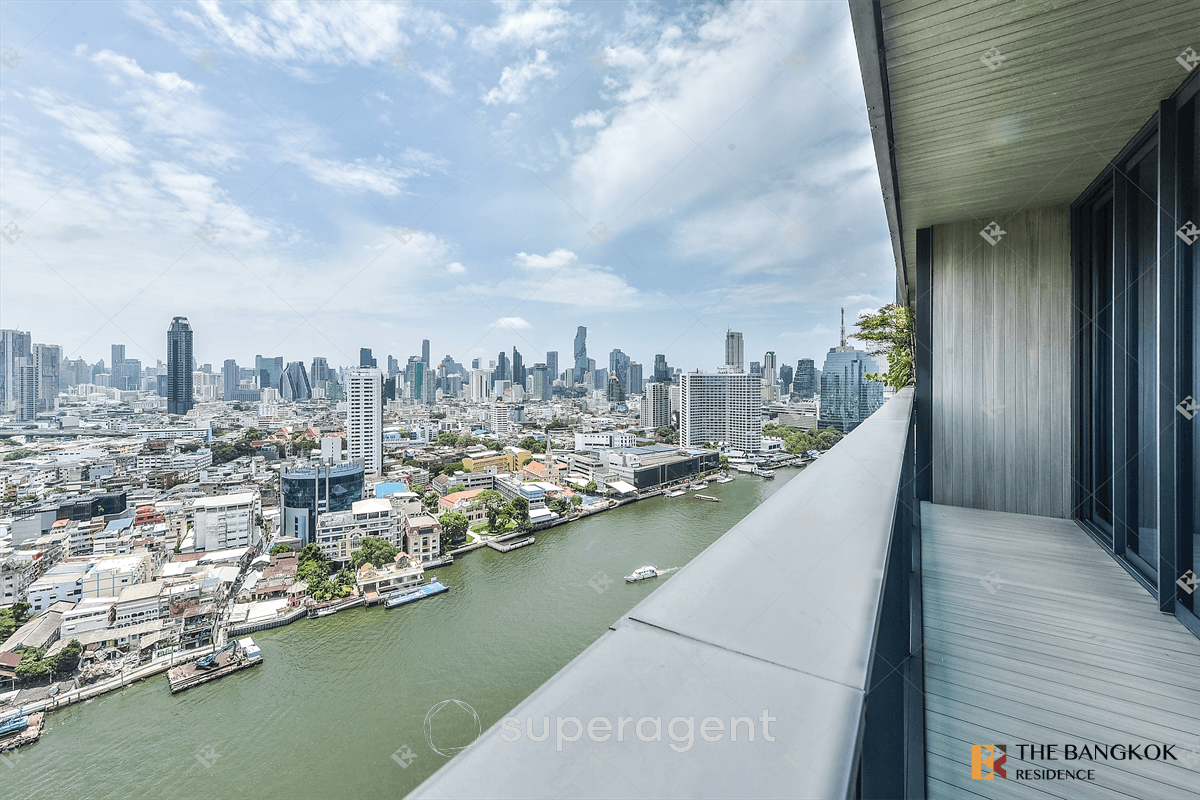
฿190,000
2 Bed2178.3 sqm
Banyan Tree Residence Riverside Bangkok, 2BR 178.34 sq.m. 190K Beautiful Fully Furnished Unit, Near BTS Saphan Taksin
Charoen Nakhon
Condo
฿59,000
1 Bed155.8 sqm
The Bangkok Thonglor, 1BR 55.8 sq.m. 59K, Premium High Floor Unit, Near BTS Thonglo
Thonglor
Condo![[For Rent] CONDO I Culture Chula I Duplex I 1 Bed I 1 Bath I 35,000THB/mo](/_next/image?url=https%3A%2F%2Fstorage.googleapis.com%2Fsuperagent-web%2Fattachments%2Flistings%2F6760%2F8deaff98-ecb1-4c62-b9be-aecac2f65797-1140-1.jpg&w=3840&q=75)
฿35,000
1 Bed138 sqm
[For Rent] CONDO I Culture Chula I Duplex I 1 Bed I 1 Bath I 35,000THB/mo
Siam
Condo![[For Rent] CONDO I Ideo Chula Samyan I 1 Bed I 1 Bath I 30,000THB/mo](/_next/image?url=https%3A%2F%2Fstorage.googleapis.com%2Fsuperagent-web%2Fattachments%2Flistings%2F6872%2Ff9ab570c-e4ca-41d6-90ee-a8e581218438-1271-8.jpg&w=3840&q=75)
฿30,000
1 Bed135 sqm
[For Rent] CONDO I Ideo Chula Samyan I 1 Bed I 1 Bath I 30,000THB/mo
Siam
Condo![[For Rent] TOWNHOME I Quarter 31 I 4 Beds I 5 Baths I 280,000THB/mo](/_next/image?url=https%3A%2F%2Fstorage.googleapis.com%2Fsuperagent-web%2Fattachments%2Flistings%2F1724%2Fb24f7c3a-8acd-49e4-ae85-6a31498207e4-600-2.jpg&w=3840&q=75)
฿280,000
4 Bed5425 sqm
[For Rent] TOWNHOME I Quarter 31 I 4 Beds I 5 Baths I 280,000THB/mo
Phrom Phong
CondoMore like this
 In Guides · Superagent EditorialHidden Costs of Renting a Condo in Bangkok Nobody Warns You AboutBangkok condo rent looks affordable until month one hits. Here are the real costs beyond the headline figure that catch most renters off guard.25 May 20261 min read
 In Guides · Superagent EditorialWhat a Long-Vacant Bangkok Condo Unit Is Actually Telling YouA Bangkok condo vacant for months signals overpricing, landlord issues, or real problems. Here is how to read the signs.25 May 20261 min read
 In Guides · Superagent EditorialRed Flags in a Bangkok Rental Contract to Watch Out ForBangkok rental contracts often hide risky clauses. Here are the red flags every tenant must catch before signing any lease.25 May 20261 min read
 In Guides · Superagent EditorialWorking Online from a Condo: How to Choose the Perfect Room for ProductivityLearn how to choose the best condo room for working online with tips on lighting, noise, and furniture setup to maximize productivity.9 May 20261 min read