Condo Tenant Rights Under Thai Law: What You Need to Know Before Signing
Guides
Condo Tenant Rights Under Thai Law: What You Need to Know Before Signing
Protect yourself by understanding your legal rights as a condo tenant in Thailand.
Summary
Learn essential condo tenant rights in Thailand before signing your lease. Understand legal protections, deposit rules, and your responsibilities as a rent
You're sitting in a café near BTS Thonglor, coffee in hand, scrolling through condo listings. You find something perfect. Three bedrooms, 35,000 baht a month, move-in date next week. Then reality hits you. What are your actual rights as a tenant in Thailand? What happens if the landlord decides to keep your deposit? What if they want you out in two weeks?
Most people signing rental contracts in Bangkok have no idea what Thai law actually protects them for. And honestly, landlords sometimes don't either. I've seen Thai renters get robbed of deposits, expat tenants stuck in abusive lease terms, and families forced out with zero notice. The worst part? A lot of this is preventable if you understand your legal rights before you sign anything.
Here's what you actually need to know about tenant rights in Thailand, based on the Civil and Commercial Code and real situations I've watched play out across Bangkok neighborhoods.
สัญญาเช่า: ต้องเป็นลายลักษณ์อักษรหรือไม่
Let's start with the basics. Thailand actually has specific rules about what makes a rental agreement legally binding. If your lease is longer than three years, Thai law requires a written contract. Period. No exceptions. But here's the thing that catches people off guard.
Even for leases under three years, you should always get something in writing. I know people who rented a one bedroom near Ari BTS on a handshake deal, and when the landlord wanted to bump the rent from 22,000 to 28,000 baht after six months, there was nothing stopping him. No contract meant zero protection.
Get a written contract. Every single time. Make sure it clearly states the rental period, monthly rent, deposit amount, and what counts as breaking the agreement. If your landlord refuses to give you a written contract, that's already a red flag about how they operate.
ค่าเช่าและเงินประกัน: เนินน้อยหลากสิทธิ์
Here's where the real confusion starts. Thai law says the deposit cannot be more than one month's rent. That's the legal maximum. But I've seen deposits in Bangkok running from zero baht (rare) to three months (technically illegal). A lot of landlords don't know their own law, or they assume you won't push back.
The deposit belongs to you. It's your money held for security. Legally, the landlord can only deduct from it for actual damage beyond normal wear and tear, unpaid rent, or unpaid utilities if those were part of your agreement. They cannot deduct for cleaning, minor paint touch ups, or just because they feel like it.
Real example: you move out of a two bedroom in Ekkamai after two years. There's some scuff marks on the walls and the kitchen tap drips slightly. Those are normal. Your deposit should come back. If the landlord claims 5,000 baht for "renovation," that's probably not legal. You have the right to inspect the unit with the landlord before moving out and document any damage in writing.
ระยะเวลาบอกเลิกสัญญา: ไม่มีข้อยกเว้น
This one saves people. If you want to end the lease early, you need to give written notice. How much notice? That depends on your contract. If the contract doesn't specify, Thai law requires 30 days minimum notice. This applies to both you and the landlord.
The landlord cannot just tell you on Friday to be out by Sunday. They cannot change the locks. They cannot remove your belongings. If they do, they're actually breaking the law and you have grounds to sue them, which I know sounds extreme but people have done it successfully in Thailand.
Same applies the other way. If you want to leave a lease halfway through and there's no early termination clause in your contract, the landlord could theoretically take you to court for the remaining rent. I've seen this happen in Sukhumvit condos where someone got a job in Chiang Mai and just wanted out. Their contract had no flexibility, so they were on the hook. Always negotiate an early termination clause when you sign.
อุปกรณ์และการซ่อมแซม: ใครจ่ายเงิน
Your washing machine breaks. Your air con stops blowing cold air. Your hot water heater goes out. Who pays to fix it? Thai law says the landlord is responsible for maintaining the property in rentable condition, unless your contract says otherwise. This is important.
If something was broken when you moved in, that's not your problem to fix. I know people who moved into a Huamark condo where the bathroom tiles were cracked, and the landlord expected them to repair it. Not legal. Document the condition of the unit before you move in. Take photos. That's your proof.
The contract can shift some responsibility to you, but generally major repairs fall to the landlord. Regular maintenance and utilities are usually your job. Get clarity on this before signing. Some landlords try to include vague language like "tenant responsible for all maintenance," which courts have actually struck down as unreasonable.
สิทธิ์ความเป็นส่วนตัวและความปลอดภัย
Your landlord cannot enter the unit without permission except in emergencies. There's no Thai law requiring you to give them a key. If there's a fire or flood, sure. But they cannot just come in to check on things or show the unit to potential new tenants unless you've agreed to it in writing.
If your landlord harasses you, threatens you, or creates unsafe living conditions, that's a breach of your tenant rights. This includes things like shutting off electricity because rent is a few days late, which I've unfortunately seen happen in some older buildings near Ratchathewi.
Keep documentation of everything. Save messages. Take photos. Thai courts actually do protect tenants in cases of clear harassment or unsafe conditions, but you need evidence.
The bottom line here is simple: tenant rights in Thailand are stronger than most people think, but they only protect you if you know about them and insist on your rights. Get everything in writing. Understand the terms before you sign. Take photos of the unit's condition. Keep copies of your contract and all correspondence with the landlord.
When you're ready to start your condo search in Bangkok and you want transparency, clear terms, and landlords who actually understand tenant law, check out Superagent. They handle the complicated stuff so you can focus on finding a place that actually feels like home.
You're sitting in a café near BTS Thonglor, coffee in hand, scrolling through condo listings. You find something perfect. Three bedrooms, 35,000 baht a month, move-in date next week. Then reality hits you. What are your actual rights as a tenant in Thailand? What happens if the landlord decides to keep your deposit? What if they want you out in two weeks?
Most people signing rental contracts in Bangkok have no idea what Thai law actually protects them for. And honestly, landlords sometimes don't either. I've seen Thai renters get robbed of deposits, expat tenants stuck in abusive lease terms, and families forced out with zero notice. The worst part? A lot of this is preventable if you understand your legal rights before you sign anything.
Here's what you actually need to know about tenant rights in Thailand, based on the Civil and Commercial Code and real situations I've watched play out across Bangkok neighborhoods.
สัญญาเช่า: ต้องเป็นลายลักษณ์อักษรหรือไม่
Let's start with the basics. Thailand actually has specific rules about what makes a rental agreement legally binding. If your lease is longer than three years, Thai law requires a written contract. Period. No exceptions. But here's the thing that catches people off guard.
Even for leases under three years, you should always get something in writing. I know people who rented a one bedroom near Ari BTS on a handshake deal, and when the landlord wanted to bump the rent from 22,000 to 28,000 baht after six months, there was nothing stopping him. No contract meant zero protection.
Continue reading after that.
Looking for a condo
to rent?
Leave your name and phone. We'll follow up while you keep reading.
100% Secure
Fast Response
Free Consultation
Get a written contract. Every single time. Make sure it clearly states the rental period, monthly rent, deposit amount, and what counts as breaking the agreement. If your landlord refuses to give you a written contract, that's already a red flag about how they operate.
ค่าเช่าและเงินประกัน: เนินน้อยหลากสิทธิ์
Here's where the real confusion starts. Thai law says the deposit cannot be more than one month's rent. That's the legal maximum. But I've seen deposits in Bangkok running from zero baht (rare) to three months (technically illegal). A lot of landlords don't know their own law, or they assume you won't push back.
The deposit belongs to you. It's your money held for security. Legally, the landlord can only deduct from it for actual damage beyond normal wear and tear, unpaid rent, or unpaid utilities if those were part of your agreement. They cannot deduct for cleaning, minor paint touch ups, or just because they feel like it.
Real example: you move out of a two bedroom in Ekkamai after two years. There's some scuff marks on the walls and the kitchen tap drips slightly. Those are normal. Your deposit should come back. If the landlord claims 5,000 baht for "renovation," that's probably not legal. You have the right to inspect the unit with the landlord before moving out and document any damage in writing.
ระยะเวลาบอกเลิกสัญญา: ไม่มีข้อยกเว้น
This one saves people. If you want to end the lease early, you need to give written notice. How much notice? That depends on your contract. If the contract doesn't specify, Thai law requires 30 days minimum notice. This applies to both you and the landlord.
The landlord cannot just tell you on Friday to be out by Sunday. They cannot change the locks. They cannot remove your belongings. If they do, they're actually breaking the law and you have grounds to sue them, which I know sounds extreme but people have done it successfully in Thailand.
Same applies the other way. If you want to leave a lease halfway through and there's no early termination clause in your contract, the landlord could theoretically take you to court for the remaining rent. I've seen this happen in Sukhumvit condos where someone got a job in Chiang Mai and just wanted out. Their contract had no flexibility, so they were on the hook. Always negotiate an early termination clause when you sign.
อุปกรณ์และการซ่อมแซม: ใครจ่ายเงิน
Your washing machine breaks. Your air con stops blowing cold air. Your hot water heater goes out. Who pays to fix it? Thai law says the landlord is responsible for maintaining the property in rentable condition, unless your contract says otherwise. This is important.
If something was broken when you moved in, that's not your problem to fix. I know people who moved into a Huamark condo where the bathroom tiles were cracked, and the landlord expected them to repair it. Not legal. Document the condition of the unit before you move in. Take photos. That's your proof.
Continue reading after that.
Looking for a condo
to rent?
Leave your name and phone. We'll follow up while you keep reading.
100% Secure
Fast Response
Free Consultation
The contract can shift some responsibility to you, but generally major repairs fall to the landlord. Regular maintenance and utilities are usually your job. Get clarity on this before signing. Some landlords try to include vague language like "tenant responsible for all maintenance," which courts have actually struck down as unreasonable.
สิทธิ์ความเป็นส่วนตัวและความปลอดภัย
Your landlord cannot enter the unit without permission except in emergencies. There's no Thai law requiring you to give them a key. If there's a fire or flood, sure. But they cannot just come in to check on things or show the unit to potential new tenants unless you've agreed to it in writing.
If your landlord harasses you, threatens you, or creates unsafe living conditions, that's a breach of your tenant rights. This includes things like shutting off electricity because rent is a few days late, which I've unfortunately seen happen in some older buildings near Ratchathewi.
Keep documentation of everything. Save messages. Take photos. Thai courts actually do protect tenants in cases of clear harassment or unsafe conditions, but you need evidence.
The bottom line here is simple: tenant rights in Thailand are stronger than most people think, but they only protect you if you know about them and insist on your rights. Get everything in writing. Understand the terms before you sign. Take photos of the unit's condition. Keep copies of your contract and all correspondence with the landlord.
When you're ready to start your condo search in Bangkok and you want transparency, clear terms, and landlords who actually understand tenant law, check out Superagent. They handle the complicated stuff so you can focus on finding a place that actually feels like home.
Share this article
Properties you may like
![[For Rent] CONDO I Park Origin 24 I 2 Beds I 1 Baths I 48,000THB/mo](/_next/image?url=https%3A%2F%2Fstorage.googleapis.com%2Fsuperagent-web%2Fattachments%2Flistings%2F6890%2Ffb28cb5c-9a1b-424b-9b52-b844aeba7bf2-1291-1.jpg&w=3840&q=75)
฿48,000
2 Bed152.1 sqm
[For Rent] CONDO I Park Origin 24 I 2 Beds I 1 Baths I 48,000THB/mo
Phrom Phong
Condo![[For Rent] CONDO I Grand Parkview Asoke I 2 Beds I 1 Bath I 35,000THB/mo](/_next/image?url=https%3A%2F%2Fstorage.googleapis.com%2Fsuperagent-web%2Fattachments%2Flistings%2F6889%2F9cb3631b-7a06-4438-9425-a5c78df563d4-1303-1.jpg&w=3840&q=75)
฿35,000
2 Bed168.4 sqm
[For Rent] CONDO I Grand Parkview Asoke I 2 Beds I 1 Bath I 35,000THB/mo
Asoke
Condo![[For Rent] CONDO I Culture Thonglor I 1 Bed I 1 Bath I 22,000THB/mo](/_next/image?url=https%3A%2F%2Fstorage.googleapis.com%2Fsuperagent-web%2Fattachments%2Flistings%2F2271%2Fcb90f802-330c-49a2-a142-2e33a8127032-culture_thonglor_for_rent_02.jpg&w=3840&q=75)
฿22,000
1 Bed126 sqm
[For Rent] CONDO I Culture Thonglor I 1 Bed I 1 Bath I 22,000THB/mo
Thonglor
Condo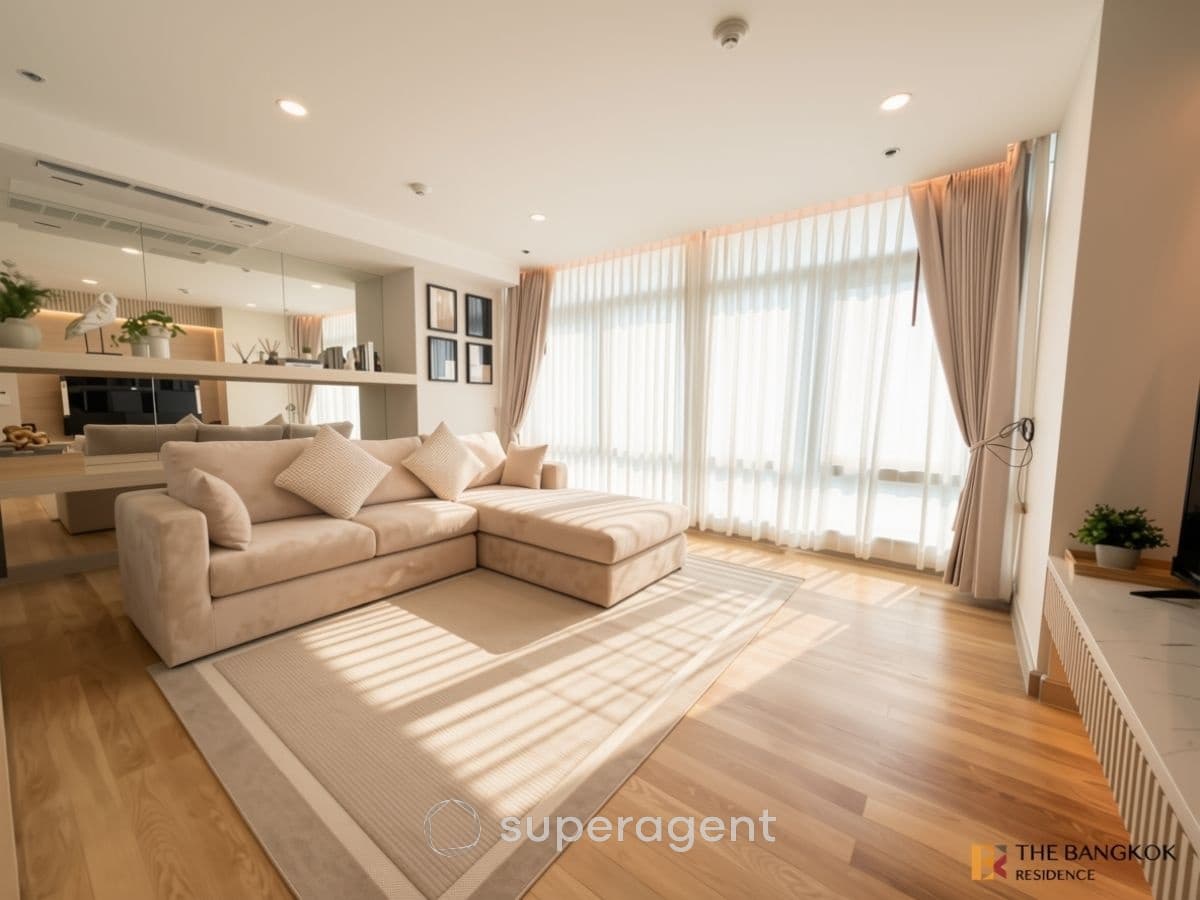
฿120,000
3 Bed3165 sqm
The Height Thonglor, 3BR 165 sq.m. 120K Show Unit Feel, Great Price, Rare Item in the Heart of Thonglor, Near BTS Thonglo
Condo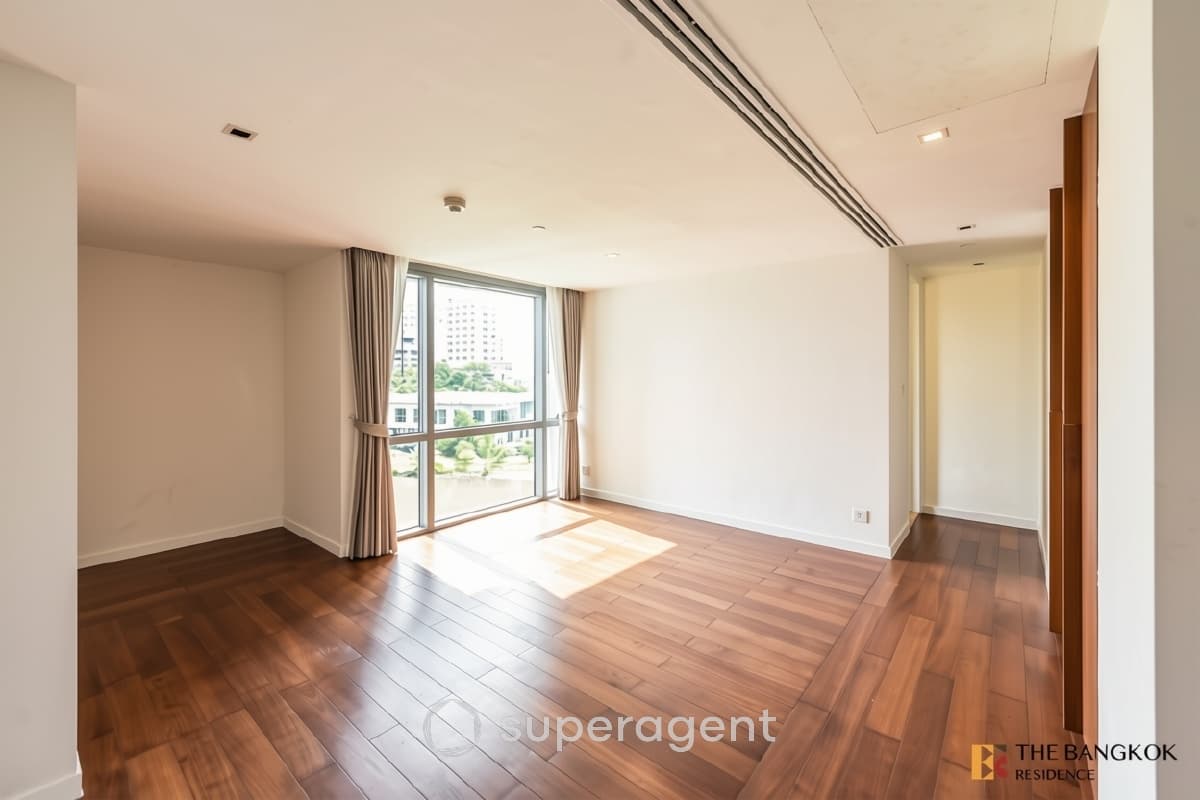
฿180,000
3 Bed4453 sqm
The Pano, 3BR 453sq.m. 180K Spacious Unit, Stunning Views
Condo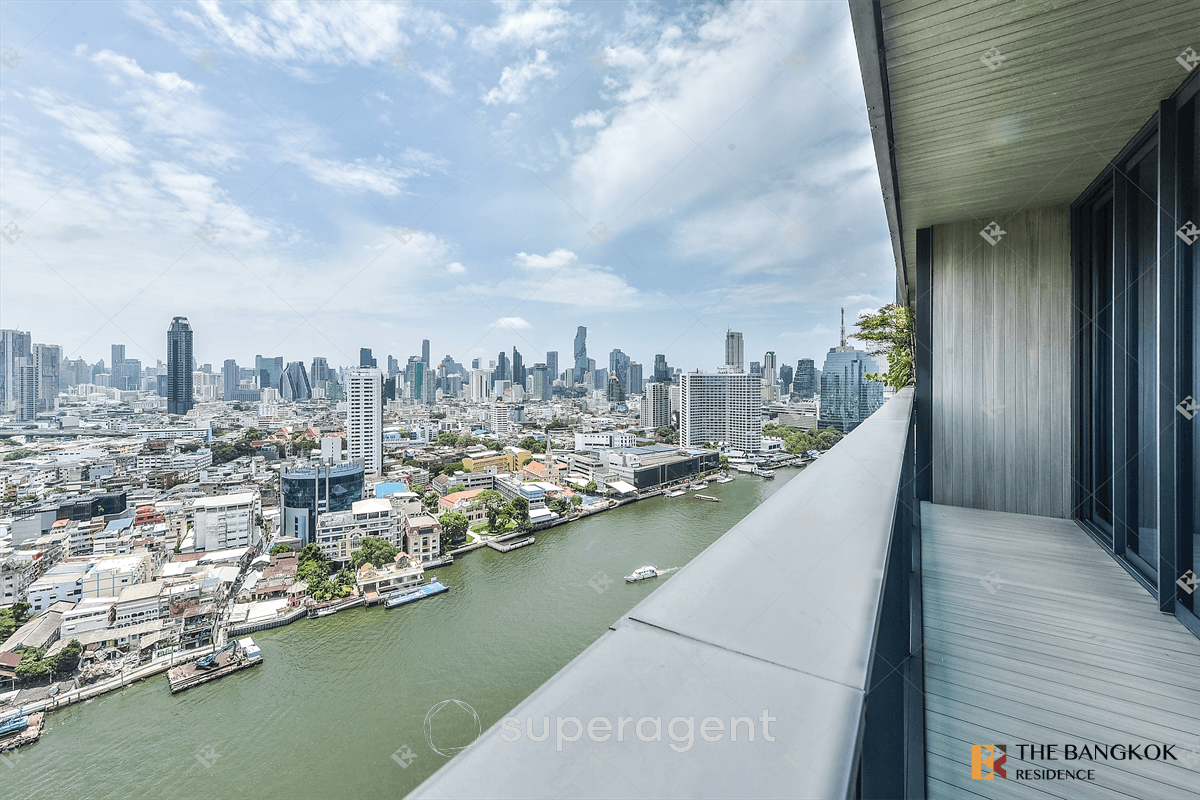
฿190,000
2 Bed2178.3 sqm
Banyan Tree Residence Riverside Bangkok, 2BR 178.34 sq.m. 190K Beautiful Fully Furnished Unit, Near BTS Saphan Taksin
Charoen Nakhon
Condo
฿59,000
1 Bed155.8 sqm
The Bangkok Thonglor, 1BR 55.8 sq.m. 59K, Premium High Floor Unit, Near BTS Thonglo
Thonglor
Condo![[For Rent] CONDO I Culture Chula I Duplex I 1 Bed I 1 Bath I 35,000THB/mo](/_next/image?url=https%3A%2F%2Fstorage.googleapis.com%2Fsuperagent-web%2Fattachments%2Flistings%2F6760%2F8deaff98-ecb1-4c62-b9be-aecac2f65797-1140-1.jpg&w=3840&q=75)
฿35,000
1 Bed138 sqm
[For Rent] CONDO I Culture Chula I Duplex I 1 Bed I 1 Bath I 35,000THB/mo
Siam
Condo![[For Rent] CONDO I Ideo Chula Samyan I 1 Bed I 1 Bath I 30,000THB/mo](/_next/image?url=https%3A%2F%2Fstorage.googleapis.com%2Fsuperagent-web%2Fattachments%2Flistings%2F6872%2Ff9ab570c-e4ca-41d6-90ee-a8e581218438-1271-8.jpg&w=3840&q=75)
฿30,000
1 Bed135 sqm
[For Rent] CONDO I Ideo Chula Samyan I 1 Bed I 1 Bath I 30,000THB/mo
Siam
Condo![[For Rent] TOWNHOME I Quarter 31 I 4 Beds I 5 Baths I 280,000THB/mo](/_next/image?url=https%3A%2F%2Fstorage.googleapis.com%2Fsuperagent-web%2Fattachments%2Flistings%2F1724%2Fb24f7c3a-8acd-49e4-ae85-6a31498207e4-600-2.jpg&w=3840&q=75)
฿280,000
4 Bed5425 sqm
[For Rent] TOWNHOME I Quarter 31 I 4 Beds I 5 Baths I 280,000THB/mo
Phrom Phong
CondoMore like this
 In Guides · Superagent EditorialHidden Costs of Renting a Condo in Bangkok Nobody Warns You AboutBangkok condo rent looks affordable until month one hits. Here are the real costs beyond the headline figure that catch most renters off guard.25 May 20261 min read
 In Guides · Superagent EditorialWhat a Long-Vacant Bangkok Condo Unit Is Actually Telling YouA Bangkok condo vacant for months signals overpricing, landlord issues, or real problems. Here is how to read the signs.25 May 20261 min read
 In Guides · Superagent EditorialRed Flags in a Bangkok Rental Contract to Watch Out ForBangkok rental contracts often hide risky clauses. Here are the red flags every tenant must catch before signing any lease.25 May 20261 min read
 In Guides · Superagent EditorialWorking Online from a Condo: How to Choose the Perfect Room for ProductivityLearn how to choose the best condo room for working online with tips on lighting, noise, and furniture setup to maximize productivity.9 May 20261 min read