Expat Demand for Bangkok Rentals in 2026: Where It's Coming From
Market
Expat Demand for Bangkok Rentals in 2026: Where It's Coming From
Discover which countries are driving Bangkok's rental market and what expats want most in 2026.
Summary
Expat demand Bangkok rental market continues climbing as remote workers and families seek affordable, convenient living. Learn where tenants originate and
Bangkok's rental market has always moved in waves, but the one building right now feels different. Expat demand for Bangkok rentals isn't just growing. It's shifting in ways that are reshaping which neighborhoods matter, what price points are hot, and which condo types get snapped up fastest. If you're a landlord trying to price your unit or a renter trying to beat the competition, understanding where this demand is actually coming from in 2026 gives you a serious edge.
The Digital Nomad Wave Has Matured Into Something Bigger
Remember when digital nomads were mostly solo freelancers bouncing between hostels and co-working cafes on Khao San Road? That era is over. The nomad crowd hitting Bangkok in 2026 skews older, earns more, and wants proper one-bedroom condos with fast Wi-Fi, a gym, and a workspace nook. They're signing three to six month leases instead of doing monthly Airbnb hops.
You can see this clearly around Ari BTS, where buildings like The Line Phahol-Pradipat and Ideo Q Victory are pulling in remote workers willing to pay 18,000 to 25,000 THB per month for a well-furnished one-bed. These renters love the cafe culture on Soi Ari 1 and the easy commute to coworking spaces near Ratchathewi.
Thailand's updated Long-Term Resident visa and the digital nomad visa that rolled out have made this easier. People who used to do visa runs every 60 days are now settling in for real stretches. That means landlords in the right locations are seeing less turnover and more reliable tenants.
Chinese and East Asian Professionals Are Back in Force
After a quieter period during and just after COVID, Chinese, Japanese, Korean, and Taiwanese professionals have returned to Bangkok in big numbers. Many are working in fintech, e-commerce logistics, and regional operations roles. Companies are expanding their Southeast Asian hubs here because Bangkok's cost base still beats Singapore and Hong Kong by a wide margin.
This group tends to cluster in specific corridors. Japanese expats still gravitate toward Phrom Phong BTS and the stretch along Sukhumvit Soi 33 and Soi 39, where buildings like Keyne by Sansiri or Park 24 pull rents of 30,000 to 55,000 THB for a solid two-bedroom. Chinese professionals are increasingly renting in the Huai Khwang and Rama 9 MRT areas, where newer projects like Life Asoke Rama 9 offer modern units at 15,000 to 22,000 THB per month.
If you own a condo in these zones and you're not listing it on platforms that cater to international renters, you're leaving money on the table.
European and American Expats Are Spreading Beyond Sukhumvit
For years, the default for Western expats was simple. Land in Bangkok, find a place between Nana BTS and Ekkamai BTS, done. That's still a popular corridor, but something interesting is happening. More European and American renters are looking at areas like Charoen Nakhon along the Gold Line, Sathorn near Surasak BTS, and even further out toward Bang Na.
Take the ICONSIAM area as an example. Buildings like Magnolias Waterfront Residences and Supalai Premier Charoen Nakhon are attracting couples and small families who want river views and newer facilities without paying the 60,000 to 80,000 THB that premium Sukhumvit two-beds command. On Charoen Nakhon, comparable units go for 35,000 to 50,000 THB, and tenants get a Gold Line connection to Krung Thonburi BTS.
This migration is partly driven by the remote work shift. When you don't need to commute to an office on Wireless Road every day, suddenly living on the Thonburi side makes a lot of sense.
Indian and South Asian Tech Workers Are a Growing Segment
One of the less talked about trends in expat demand for Bangkok rentals is the growing presence of Indian, Pakistani, and Bangladeshi professionals. Many are working for tech companies, startups, and BPO operations that have set up regional offices in Bangkok. This demographic tends to be younger, budget conscious, and comfortable with studio or one-bedroom units in the 12,000 to 18,000 THB range.
Areas around Phra Ram 9 MRT and Ratchadaphisek are popular with this group. A building like Lumpini Suite Dindaeng, Ratchaprarop, or Rhythm Asoke near Asok intersection offers the kind of value they're looking for. Proximity to Indian restaurants along Sukhumvit Soi 3 and grocery stores stocking South Asian staples on Soi 11 also plays a role in where they choose to live.
Landlords who furnish units practically and price them competitively in these neighborhoods are seeing very strong occupancy rates right now.
What This Means for Rents and Availability
All of this demand converging at once is putting real pressure on inventory in certain price bands. The 15,000 to 30,000 THB range for furnished one-bedrooms near a BTS or MRT station is the most competitive segment in Bangkok right now. Good units in that range near On Nut BTS or Bearing BTS get multiple inquiries within days of listing.
If you're a renter, the takeaway is simple. Start your search early, be ready to move fast, and get clear on your priorities before you tour units. If you're a landlord, pricing accurately from day one matters more than ever because overpriced units sit while the market moves around them.
Whether you're arriving fresh in Bangkok or looking for your next place, Superagent at superagent.co uses AI to match you with available condos based on your actual needs, budget, and preferred area. It cuts through the noise so you're seeing the right listings first, not sorting through hundreds of outdated posts. Give it a try and see what's available in your target neighborhood today.
Bangkok's rental market has always moved in waves, but the one building right now feels different. Expat demand for Bangkok rentals isn't just growing. It's shifting in ways that are reshaping which neighborhoods matter, what price points are hot, and which condo types get snapped up fastest. If you're a landlord trying to price your unit or a renter trying to beat the competition, understanding where this demand is actually coming from in 2026 gives you a serious edge.
The Digital Nomad Wave Has Matured Into Something Bigger
Remember when digital nomads were mostly solo freelancers bouncing between hostels and co-working cafes on Khao San Road? That era is over. The nomad crowd hitting Bangkok in 2026 skews older, earns more, and wants proper one-bedroom condos with fast Wi-Fi, a gym, and a workspace nook. They're signing three to six month leases instead of doing monthly Airbnb hops.
You can see this clearly around Ari BTS, where buildings like The Line Phahol-Pradipat and Ideo Q Victory are pulling in remote workers willing to pay 18,000 to 25,000 THB per month for a well-furnished one-bed. These renters love the cafe culture on Soi Ari 1 and the easy commute to coworking spaces near Ratchathewi.
Continue reading after that.
Looking for a condo
to rent?
Leave your name and phone. We'll follow up while you keep reading.
100% Secure
Fast Response
Free Consultation
Thailand's updated Long-Term Resident visa and the digital nomad visa that rolled out have made this easier. People who used to do visa runs every 60 days are now settling in for real stretches. That means landlords in the right locations are seeing less turnover and more reliable tenants.
Chinese and East Asian Professionals Are Back in Force
After a quieter period during and just after COVID, Chinese, Japanese, Korean, and Taiwanese professionals have returned to Bangkok in big numbers. Many are working in fintech, e-commerce logistics, and regional operations roles. Companies are expanding their Southeast Asian hubs here because Bangkok's cost base still beats Singapore and Hong Kong by a wide margin.
This group tends to cluster in specific corridors. Japanese expats still gravitate toward Phrom Phong BTS and the stretch along Sukhumvit Soi 33 and Soi 39, where buildings like Keyne by Sansiri or Park 24 pull rents of 30,000 to 55,000 THB for a solid two-bedroom. Chinese professionals are increasingly renting in the Huai Khwang and Rama 9 MRT areas, where newer projects like Life Asoke Rama 9 offer modern units at 15,000 to 22,000 THB per month.
If you own a condo in these zones and you're not listing it on platforms that cater to international renters, you're leaving money on the table.
European and American Expats Are Spreading Beyond Sukhumvit
For years, the default for Western expats was simple. Land in Bangkok, find a place between Nana BTS and Ekkamai BTS, done. That's still a popular corridor, but something interesting is happening. More European and American renters are looking at areas like Charoen Nakhon along the Gold Line, Sathorn near Surasak BTS, and even further out toward Bang Na.
Take the ICONSIAM area as an example. Buildings like Magnolias Waterfront Residences and Supalai Premier Charoen Nakhon are attracting couples and small families who want river views and newer facilities without paying the 60,000 to 80,000 THB that premium Sukhumvit two-beds command. On Charoen Nakhon, comparable units go for 35,000 to 50,000 THB, and tenants get a Gold Line connection to Krung Thonburi BTS.
This migration is partly driven by the remote work shift. When you don't need to commute to an office on Wireless Road every day, suddenly living on the Thonburi side makes a lot of sense.
Indian and South Asian Tech Workers Are a Growing Segment
One of the less talked about trends in expat demand for Bangkok rentals is the growing presence of Indian, Pakistani, and Bangladeshi professionals. Many are working for tech companies, startups, and BPO operations that have set up regional offices in Bangkok. This demographic tends to be younger, budget conscious, and comfortable with studio or one-bedroom units in the 12,000 to 18,000 THB range.
Areas around Phra Ram 9 MRT and Ratchadaphisek are popular with this group. A building like Lumpini Suite Dindaeng, Ratchaprarop, or Rhythm Asoke near Asok intersection offers the kind of value they're looking for. Proximity to Indian restaurants along Sukhumvit Soi 3 and grocery stores stocking South Asian staples on Soi 11 also plays a role in where they choose to live.
Continue reading after that.
Looking for a condo
to rent?
Leave your name and phone. We'll follow up while you keep reading.
100% Secure
Fast Response
Free Consultation
Landlords who furnish units practically and price them competitively in these neighborhoods are seeing very strong occupancy rates right now.
What This Means for Rents and Availability
All of this demand converging at once is putting real pressure on inventory in certain price bands. The 15,000 to 30,000 THB range for furnished one-bedrooms near a BTS or MRT station is the most competitive segment in Bangkok right now. Good units in that range near On Nut BTS or Bearing BTS get multiple inquiries within days of listing.
If you're a renter, the takeaway is simple. Start your search early, be ready to move fast, and get clear on your priorities before you tour units. If you're a landlord, pricing accurately from day one matters more than ever because overpriced units sit while the market moves around them.
Whether you're arriving fresh in Bangkok or looking for your next place, Superagent at superagent.co uses AI to match you with available condos based on your actual needs, budget, and preferred area. It cuts through the noise so you're seeing the right listings first, not sorting through hundreds of outdated posts. Give it a try and see what's available in your target neighborhood today.
Share this article
Properties you may like
![[For Rent] CONDO I BEATNIQ Sukhumvit32 I 2 Beds I 1 Baths I 110,000THB/mo](/_next/image?url=https%3A%2F%2Fstorage.googleapis.com%2Fsuperagent-web%2Fattachments%2Flistings%2F6806%2F8024fbb5-880d-428a-b7f7-d8caf46fe4d1-1190-1.jpg&w=3840&q=75)
฿110,000
2 Bed1107 sqm
[For Rent] CONDO I BEATNIQ Sukhumvit32 I 2 Beds I 1 Baths I 110,000THB/mo
Phrom Phong
Condo![[For Rent] CONDO I The Diplomat 39 I 2 Beds I 2 Baths I 89,000THB/mo](/_next/image?url=https%3A%2F%2Fstorage.googleapis.com%2Fsuperagent-web%2Fattachments%2Flistings%2F6784%2Ff92c62cc-d3be-42df-adca-b8f96fb02cfb-1163-1.jpg&w=3840&q=75)
฿89,000
2 Bed286 sqm
[For Rent] CONDO I The Diplomat 39 I 2 Beds I 2 Baths I 89,000THB/mo
Phrom Phong
Condo![[For Rent] CONDO I Noble State 39 I 3 Beds I 2 Baths I 85,000 THB/mo](/_next/image?url=https%3A%2F%2Fstorage.googleapis.com%2Fsuperagent-web%2Fattachments%2Flistings%2F1454%2Fdc7f3742-b148-4d56-9e26-1961f002d674-384-19.jpg&w=3840&q=75)
฿85,000
3 Bed285 sqm
[For Rent] CONDO I Noble State 39 I 3 Beds I 2 Baths I 85,000 THB/mo
Phrom Phong
Condo![[For Rent] CONDO I Piyathip Place I 2 Beds I 2 Baths I 77,000THB/mo](/_next/image?url=https%3A%2F%2Fstorage.googleapis.com%2Fsuperagent-web%2Fattachments%2Flistings%2F6817%2F2943cf16-53ee-4779-8edb-2e1be7291556-1191-1.jpg&w=3840&q=75)
฿77,000
2 Bed2173 sqm
[For Rent] CONDO I Piyathip Place I 2 Beds I 2 Baths I 77,000THB/mo
Condo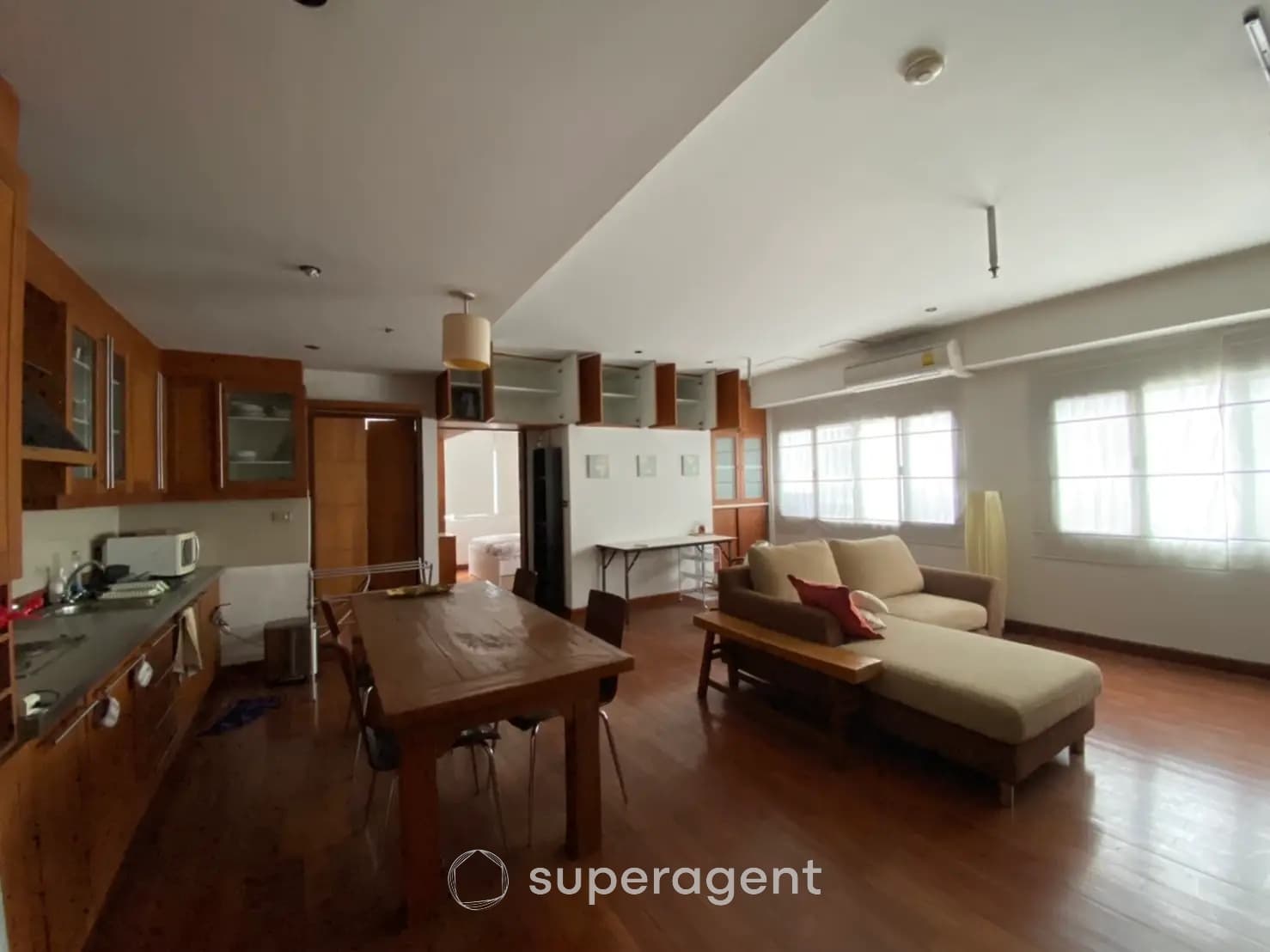
฿28,000
1 Bed167 sqm
1-BR Condo at Wittayu Complex near BTS Phloen Chit
Condo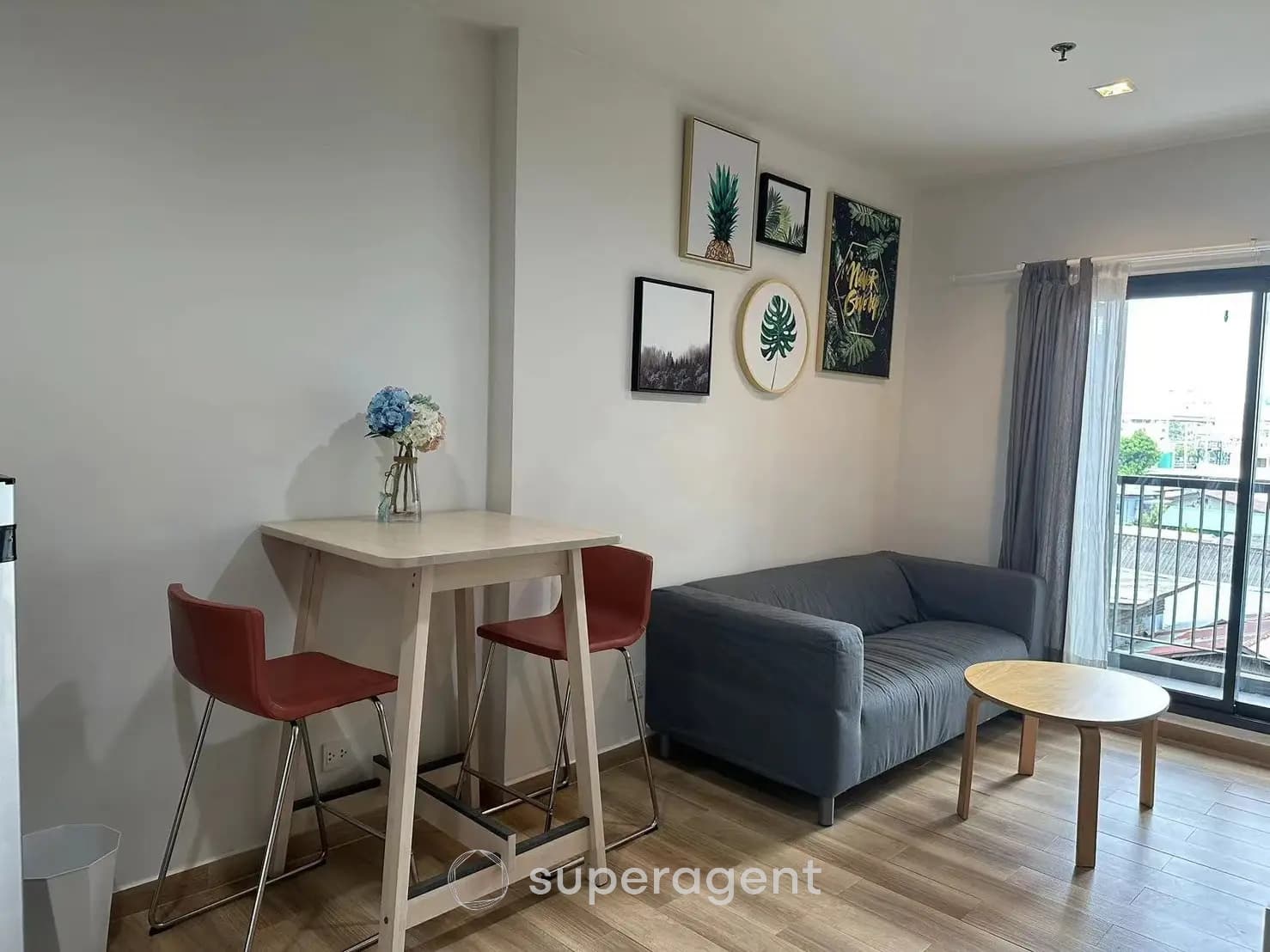
฿23,000
2 Bed150 sqm
2-BR Condo at Life Sukhumvit 48 near BTS Phra Khanong
On Nut
Condo![[For Rent] CONDO I Maestro 14 Siam-Ratchathewi Pet Friendly I 1 Bed I 1 Bath I 22,000THB/mo](/_next/image?url=https%3A%2F%2Fstorage.googleapis.com%2Fsuperagent-web%2Fattachments%2Flistings%2F6686%2F5ae8a77f-b6fb-4578-a765-e56f493cd25f-1058.png&w=3840&q=75)
฿25,000
1 Bed130 sqm
[For Rent] CONDO I Maestro 14 Siam-Ratchathewi Pet Friendly I 1 Bed I 1 Bath I 22,000THB/mo
Siam
Condo![[For Rent] CONDO I Las Colinas Condominium I 2 Beds I 3 Baths I 85,000THB/mo](/_next/image?url=https%3A%2F%2Fstorage.googleapis.com%2Fsuperagent-web%2Fattachments%2Flistings%2F6828%2F80f345c4-488e-43b2-b017-c9fbb17b520d-99486dd8-4237-4ba2-9207-01ce4f66b21f-media.jpg&w=3840&q=75)
฿85,000
2 Bed3170 sqm
[For Rent] CONDO I Las Colinas Condominium I 2 Beds I 3 Baths I 85,000THB/mo
Asoke
Condo![[For Rent] CONDO I KEN Attitude Rattanathibet I Duplex I 2 Beds I 2 Baths I 40,000THB/mo](/_next/image?url=https%3A%2F%2Fstorage.googleapis.com%2Fsuperagent-web%2Fattachments%2Flistings%2F6852%2F17c1715e-4458-4008-bb0b-072a4c081166-img_0557.jpeg&w=3840&q=75)
฿40,000
2 Bed277 sqm
[For Rent] CONDO I KEN Attitude Rattanathibet I Duplex I 2 Beds I 2 Baths I 40,000THB/mo
Condo![[For Rent] CONDO I H Sukhumvit 43 I 1 Bed I 1 Bath I 28,000THB/mo](/_next/image?url=https%3A%2F%2Fstorage.googleapis.com%2Fsuperagent-web%2Fattachments%2Flistings%2F6851%2Ff355c21a-a282-4338-86c6-dc5bb3368321-1244-1.jpg&w=3840&q=75)
฿28,000
1 Bed143 sqm
[For Rent] CONDO I H Sukhumvit 43 I 1 Bed I 1 Bath I 28,000THB/mo
Phrom Phong
CondoMore like this
 In Market · Superagent EditorialApartment vs Condo in Bangkok: What Is the Real Difference and Which One Should You Rent?Bangkok apartments and condos differ in ownership, rent, utilities, maintenance and lease terms. Here is how to compare them before you sign.26 Jan 20191 min read
 In Market · Superagent EditorialRent or Buy a Condo in Bangkok: An Honest Financial BreakdownCompare the true cost of buying versus renting a Bangkok condo, from mortgage rates and common fees to rental yields and opportunity cost.25 Jan 20191 min read
 In Market · Superagent EditorialWhere Expats Rent Condos in Bangkok: The Top Neighborhoods and What They Really CostFrom Sukhumvit and Sathorn to Ari, On Nut and the riverside, see which Bangkok neighborhoods expats rent in and what monthly rent costs.19 Jan 20191 min read
 In Market · Superagent EditorialBangkok Condo Rents vs the World: How Cheap Is Bangkok Really?Compare Bangkok condo rents with Singapore, Tokyo, London, Paris, New York and Toronto, plus where Bangkok itself turns expensive.17 Jan 20191 min read