Getting a Rental Receipt in Thailand: Why It Matters and How to Ask
Guides
Getting a Rental Receipt in Thailand: Why It Matters and How to Ask
Protect yourself by understanding why receipts matter for Thai rentals and rental agreements
Summary
Learn why getting a Thailand rental receipt is essential for legal protection and tax purposes. Discover the steps to request one from landlords.
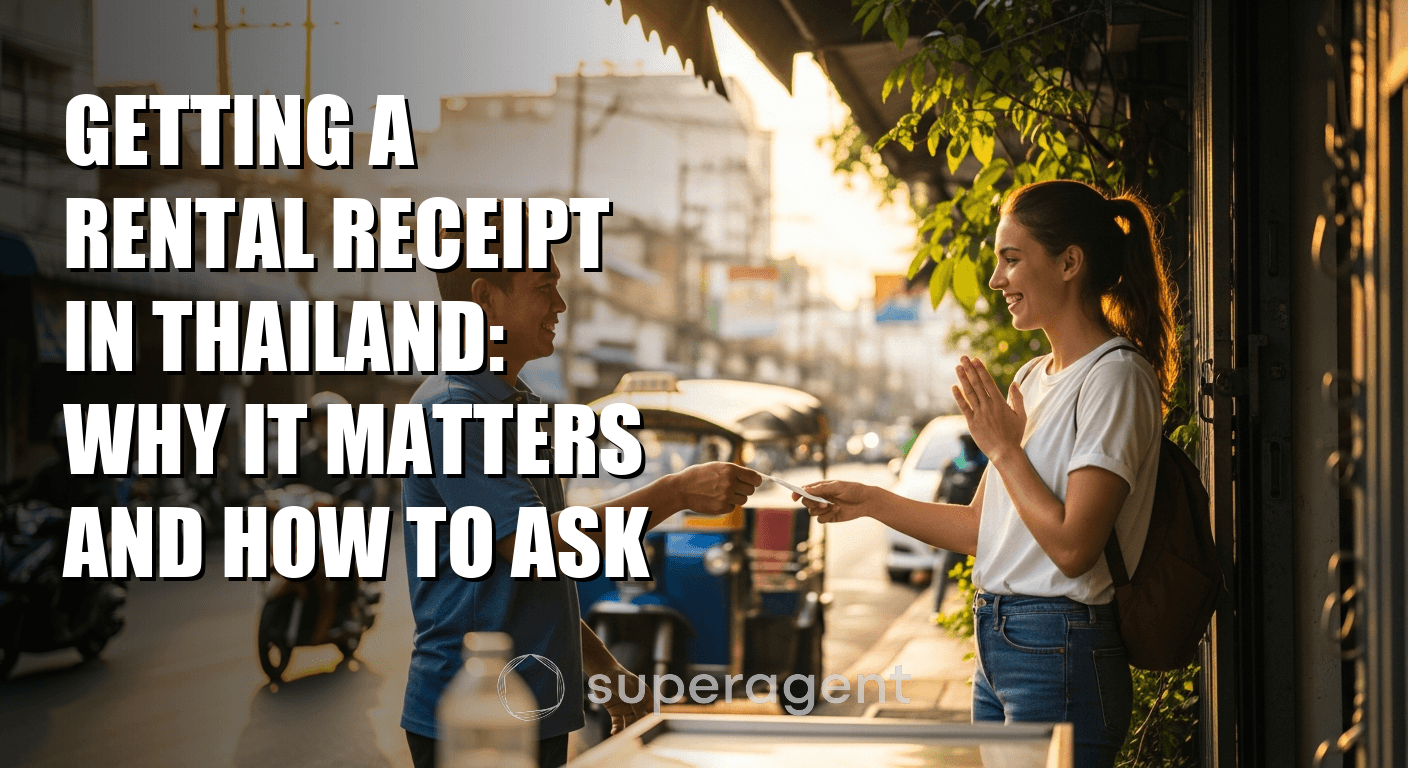
You've been renting a one bedroom condo near BTS Ekkamai for six months. Rent is 18,000 THB per month, paid in cash to the landlord's wife who stops by on the first of every month. She smiles, you hand over the envelope, she leaves. No paper trail. No receipt. Then tax season rolls around, or your employer asks for proof of address expenses, or you need documentation for a visa extension. Suddenly that friendly cash handoff becomes a real problem. Getting a rental receipt in Thailand is something most tenants skip until the moment they desperately need one.
Why a Thailand Rental Receipt Actually Matters
A lot of renters in Bangkok treat receipts like an afterthought. You signed a lease, you pay on time, what else do you need? Quite a bit, actually. If you're working here on a work permit, your company's accounting department may need receipts to process housing allowances or tax deductions. Without them, that 25,000 THB monthly rent for your Ideo Mobi Sukhumvit unit is just money that disappeared from your bank account.
For expats on certain visa types, immigration officers sometimes request proof of accommodation costs during extensions. A proper rental receipt with the landlord's name, address, amount, and date adds credibility to your file. It shows you're a legitimate resident with traceable living expenses.
Thai tax residents can also benefit. If you're filing personal income tax here and your employer provides a housing allowance as part of your compensation package, documented receipts help keep everything clean with the Revenue Department. Think of it as the boring paperwork that protects you when things get complicated.
Even if none of those situations apply right now, receipts create a paper trail that protects both you and your landlord. If there's ever a dispute about whether rent was paid for a particular month, that little slip of paper is worth its weight in gold.
What a Proper Thai Rental Receipt Should Include
Not every scrap of paper counts as a valid receipt. If your landlord scribbles "got money" on a napkin, that probably won't fly with an accountant or immigration officer. A proper Thailand rental receipt should include specific details that make it legitimate.
Here's what to look for. The receipt should show the landlord's full legal name or the name of the management company. It needs the property address, including the unit number. So if you're renting at Life Ladprao on Soi Phahonyothin 18, near BTS Ha Yaek Lat Phrao, that full address should be printed clearly.
The amount paid should be written in both numbers and Thai baht text. The date of payment matters too. A signature or stamp from the landlord or their authorized representative rounds it out. Some landlords use a standard receipt book you can buy at any office supply shop on Ratchadaphisek Road for about 35 THB. These pre-printed books have carbon copies, which means both parties keep a record automatically.
If your landlord is a registered company or juristic person, they might issue a withholding tax certificate as well. This is separate from the receipt but equally important for tax filing purposes. For condos in large developments like The Base Sukhumvit 77 near BTS On Nut, the management office can sometimes help facilitate proper documentation.
How to Ask Your Landlord Without Making It Awkward
This is where most renters freeze up. Thai culture values smooth social interactions, and asking for documentation can feel like you're implying distrust. But here's the thing: requesting a receipt is completely normal and most Thai landlords won't think twice about it if you approach it the right way.
Frame it as your need, not their obligation. Something like "My company needs receipts for my housing allowance processing" works perfectly. You're not questioning their honesty. You're explaining a requirement from your end. Most landlords who rent out condos in areas like Thonglor, Phrom Phong, or Ari are used to dealing with professional tenants who need documentation.
If you're renting a 15,000 THB studio in an older apartment building on Soi Ratchadaphisek 36, the landlord might be less familiar with issuing formal receipts. In that case, offer to buy a receipt book yourself and bring it along on rent day. Fill in the details, have them sign it, done. It takes 30 seconds and removes any friction from the process.
For tenants who transfer rent via bank app, your transfer confirmation is helpful but it's not a substitute for an actual receipt. Bank slips show money moved but they don't confirm what the payment was for. Always get both.
What to Do If Your Landlord Refuses
It's rare, but some landlords resist issuing receipts because they're not declaring rental income for tax purposes. This is a red flag. A landlord who won't provide basic documentation may cause you problems down the road with lease disputes or deposit returns.
If you're in this situation, consider whether this rental arrangement is really protecting your interests. For context, a landlord renting out a two bedroom condo at Rhythm Sukhumvit 36 near BTS Thong Lo for 35,000 THB per month has tax obligations on that income. Their reluctance to document payments shouldn't become your problem.
You can politely insist by referencing Thai civil and commercial code, which entitles payors to request proof of payment. If they still refuse, it might be time to evaluate whether this is the right rental situation for you. Plenty of professional landlords and property management companies in Bangkok handle receipts as standard practice.
Set Yourself Up Right from the Start
The easiest time to establish a receipt routine is before you sign the lease. During negotiations, simply mention that you'll need a monthly receipt and ask if they're comfortable providing one. Add a clause to the lease agreement stating that the landlord will issue a receipt upon each rent payment. This makes it contractual and removes any ambiguity later.
If you're renting through a platform or agent, ask them to confirm receipt procedures as part of the onboarding process. A 20,000 THB condo near MRT Phra Ram 9 with proper documentation is a better deal than a 17,000 THB place where nothing is on paper.
Keeping your rental paperwork organized protects you during your stay and makes your eventual move out smoother. Receipts, lease copies, and transfer records should all live in one folder, physical or digital. Future you will be grateful.
If you're searching for a condo rental in Bangkok where everything is handled professionally from the start, check out Superagent at superagent.co. The platform connects you with verified listings and helps ensure that the basics, like receipts and proper lease terms, are covered before you move in.
You've been renting a one bedroom condo near BTS Ekkamai for six months. Rent is 18,000 THB per month, paid in cash to the landlord's wife who stops by on the first of every month. She smiles, you hand over the envelope, she leaves. No paper trail. No receipt. Then tax season rolls around, or your employer asks for proof of address expenses, or you need documentation for a visa extension. Suddenly that friendly cash handoff becomes a real problem. Getting a rental receipt in Thailand is something most tenants skip until the moment they desperately need one.
Why a Thailand Rental Receipt Actually Matters
A lot of renters in Bangkok treat receipts like an afterthought. You signed a lease, you pay on time, what else do you need? Quite a bit, actually. If you're working here on a work permit, your company's accounting department may need receipts to process housing allowances or tax deductions. Without them, that 25,000 THB monthly rent for your Ideo Mobi Sukhumvit unit is just money that disappeared from your bank account.
For expats on certain visa types, immigration officers sometimes request proof of accommodation costs during extensions. A proper rental receipt with the landlord's name, address, amount, and date adds credibility to your file. It shows you're a legitimate resident with traceable living expenses.
Thai tax residents can also benefit. If you're filing personal income tax here and your employer provides a housing allowance as part of your compensation package, documented receipts help keep everything clean with the Revenue Department. Think of it as the boring paperwork that protects you when things get complicated.
Continue reading after that.
Looking for a condo
to rent?
Leave your name and phone. We'll follow up while you keep reading.
100% Secure
Fast Response
Free Consultation
Even if none of those situations apply right now, receipts create a paper trail that protects both you and your landlord. If there's ever a dispute about whether rent was paid for a particular month, that little slip of paper is worth its weight in gold.
What a Proper Thai Rental Receipt Should Include
Not every scrap of paper counts as a valid receipt. If your landlord scribbles "got money" on a napkin, that probably won't fly with an accountant or immigration officer. A proper Thailand rental receipt should include specific details that make it legitimate.
Here's what to look for. The receipt should show the landlord's full legal name or the name of the management company. It needs the property address, including the unit number. So if you're renting at Life Ladprao on Soi Phahonyothin 18, near BTS Ha Yaek Lat Phrao, that full address should be printed clearly.
The amount paid should be written in both numbers and Thai baht text. The date of payment matters too. A signature or stamp from the landlord or their authorized representative rounds it out. Some landlords use a standard receipt book you can buy at any office supply shop on Ratchadaphisek Road for about 35 THB. These pre-printed books have carbon copies, which means both parties keep a record automatically.
If your landlord is a registered company or juristic person, they might issue a withholding tax certificate as well. This is separate from the receipt but equally important for tax filing purposes. For condos in large developments like The Base Sukhumvit 77 near BTS On Nut, the management office can sometimes help facilitate proper documentation.
How to Ask Your Landlord Without Making It Awkward
This is where most renters freeze up. Thai culture values smooth social interactions, and asking for documentation can feel like you're implying distrust. But here's the thing: requesting a receipt is completely normal and most Thai landlords won't think twice about it if you approach it the right way.
Frame it as your need, not their obligation. Something like "My company needs receipts for my housing allowance processing" works perfectly. You're not questioning their honesty. You're explaining a requirement from your end. Most landlords who rent out condos in areas like Thonglor, Phrom Phong, or Ari are used to dealing with professional tenants who need documentation.
If you're renting a 15,000 THB studio in an older apartment building on Soi Ratchadaphisek 36, the landlord might be less familiar with issuing formal receipts. In that case, offer to buy a receipt book yourself and bring it along on rent day. Fill in the details, have them sign it, done. It takes 30 seconds and removes any friction from the process.
For tenants who transfer rent via bank app, your transfer confirmation is helpful but it's not a substitute for an actual receipt. Bank slips show money moved but they don't confirm what the payment was for. Always get both.
What to Do If Your Landlord Refuses
It's rare, but some landlords resist issuing receipts because they're not declaring rental income for tax purposes. This is a red flag. A landlord who won't provide basic documentation may cause you problems down the road with lease disputes or deposit returns.
Continue reading after that.
Looking for a condo
to rent?
Leave your name and phone. We'll follow up while you keep reading.
100% Secure
Fast Response
Free Consultation
If you're in this situation, consider whether this rental arrangement is really protecting your interests. For context, a landlord renting out a two bedroom condo at Rhythm Sukhumvit 36 near BTS Thong Lo for 35,000 THB per month has tax obligations on that income. Their reluctance to document payments shouldn't become your problem.
You can politely insist by referencing Thai civil and commercial code, which entitles payors to request proof of payment. If they still refuse, it might be time to evaluate whether this is the right rental situation for you. Plenty of professional landlords and property management companies in Bangkok handle receipts as standard practice.
Set Yourself Up Right from the Start
The easiest time to establish a receipt routine is before you sign the lease. During negotiations, simply mention that you'll need a monthly receipt and ask if they're comfortable providing one. Add a clause to the lease agreement stating that the landlord will issue a receipt upon each rent payment. This makes it contractual and removes any ambiguity later.
If you're renting through a platform or agent, ask them to confirm receipt procedures as part of the onboarding process. A 20,000 THB condo near MRT Phra Ram 9 with proper documentation is a better deal than a 17,000 THB place where nothing is on paper.
Keeping your rental paperwork organized protects you during your stay and makes your eventual move out smoother. Receipts, lease copies, and transfer records should all live in one folder, physical or digital. Future you will be grateful.
If you're searching for a condo rental in Bangkok where everything is handled professionally from the start, check out Superagent at superagent.co. The platform connects you with verified listings and helps ensure that the basics, like receipts and proper lease terms, are covered before you move in.
Share this article
Properties you may like
![[For Rent] CONDO I BEATNIQ Sukhumvit32 I 2 Beds I 1 Baths I 110,000THB/mo](/_next/image?url=https%3A%2F%2Fstorage.googleapis.com%2Fsuperagent-web%2Fattachments%2Flistings%2F6806%2F8024fbb5-880d-428a-b7f7-d8caf46fe4d1-1190-1.jpg&w=3840&q=75)
฿110,000
2 Bed1107 sqm
[For Rent] CONDO I BEATNIQ Sukhumvit32 I 2 Beds I 1 Baths I 110,000THB/mo
Phrom Phong
Condo![[For Rent] CONDO I The Diplomat 39 I 2 Beds I 2 Baths I 89,000THB/mo](/_next/image?url=https%3A%2F%2Fstorage.googleapis.com%2Fsuperagent-web%2Fattachments%2Flistings%2F6784%2Ff92c62cc-d3be-42df-adca-b8f96fb02cfb-1163-1.jpg&w=3840&q=75)
฿89,000
2 Bed286 sqm
[For Rent] CONDO I The Diplomat 39 I 2 Beds I 2 Baths I 89,000THB/mo
Phrom Phong
Condo![[For Rent] CONDO I Noble State 39 I 3 Beds I 2 Baths I 85,000 THB/mo](/_next/image?url=https%3A%2F%2Fstorage.googleapis.com%2Fsuperagent-web%2Fattachments%2Flistings%2F1454%2Fdc7f3742-b148-4d56-9e26-1961f002d674-384-19.jpg&w=3840&q=75)
฿85,000
3 Bed285 sqm
[For Rent] CONDO I Noble State 39 I 3 Beds I 2 Baths I 85,000 THB/mo
Phrom Phong
Condo![[For Rent] CONDO I Piyathip Place I 2 Beds I 2 Baths I 77,000THB/mo](/_next/image?url=https%3A%2F%2Fstorage.googleapis.com%2Fsuperagent-web%2Fattachments%2Flistings%2F6817%2F2943cf16-53ee-4779-8edb-2e1be7291556-1191-1.jpg&w=3840&q=75)
฿77,000
2 Bed2173 sqm
[For Rent] CONDO I Piyathip Place I 2 Beds I 2 Baths I 77,000THB/mo
Condo
฿28,000
1 Bed167 sqm
1-BR Condo at Wittayu Complex near BTS Phloen Chit
Condo
฿23,000
2 Bed150 sqm
2-BR Condo at Life Sukhumvit 48 near BTS Phra Khanong
On Nut
Condo![[For Rent] CONDO I Maestro 14 Siam-Ratchathewi Pet Friendly I 1 Bed I 1 Bath I 22,000THB/mo](/_next/image?url=https%3A%2F%2Fstorage.googleapis.com%2Fsuperagent-web%2Fattachments%2Flistings%2F6686%2F5ae8a77f-b6fb-4578-a765-e56f493cd25f-1058.png&w=3840&q=75)
฿25,000
1 Bed130 sqm
[For Rent] CONDO I Maestro 14 Siam-Ratchathewi Pet Friendly I 1 Bed I 1 Bath I 22,000THB/mo
Siam
Condo![[For Rent] CONDO I Las Colinas Condominium I 2 Beds I 3 Baths I 85,000THB/mo](/_next/image?url=https%3A%2F%2Fstorage.googleapis.com%2Fsuperagent-web%2Fattachments%2Flistings%2F6828%2F80f345c4-488e-43b2-b017-c9fbb17b520d-99486dd8-4237-4ba2-9207-01ce4f66b21f-media.jpg&w=3840&q=75)
฿85,000
2 Bed3170 sqm
[For Rent] CONDO I Las Colinas Condominium I 2 Beds I 3 Baths I 85,000THB/mo
Asoke
Condo![[For Rent] CONDO I KEN Attitude Rattanathibet I Duplex I 2 Beds I 2 Baths I 40,000THB/mo](/_next/image?url=https%3A%2F%2Fstorage.googleapis.com%2Fsuperagent-web%2Fattachments%2Flistings%2F6852%2F17c1715e-4458-4008-bb0b-072a4c081166-img_0557.jpeg&w=3840&q=75)
฿40,000
2 Bed277 sqm
[For Rent] CONDO I KEN Attitude Rattanathibet I Duplex I 2 Beds I 2 Baths I 40,000THB/mo
Condo![[For Rent] CONDO I H Sukhumvit 43 I 1 Bed I 1 Bath I 28,000THB/mo](/_next/image?url=https%3A%2F%2Fstorage.googleapis.com%2Fsuperagent-web%2Fattachments%2Flistings%2F6851%2Ff355c21a-a282-4338-86c6-dc5bb3368321-1244-1.jpg&w=3840&q=75)
฿28,000
1 Bed143 sqm
[For Rent] CONDO I H Sukhumvit 43 I 1 Bed I 1 Bath I 28,000THB/mo
Phrom Phong
CondoMore like this
 In Guides · Superagent EditorialHidden Costs of Renting a Condo in Bangkok Nobody Warns You AboutBangkok condo rent looks affordable until month one hits. Here are the real costs beyond the headline figure that catch most renters off guard.25 May 20261 min read
 In Guides · Superagent EditorialWhat a Long-Vacant Bangkok Condo Unit Is Actually Telling YouA Bangkok condo vacant for months signals overpricing, landlord issues, or real problems. Here is how to read the signs.25 May 20261 min read
 In Guides · Superagent EditorialRed Flags in a Bangkok Rental Contract to Watch Out ForBangkok rental contracts often hide risky clauses. Here are the red flags every tenant must catch before signing any lease.25 May 20261 min read
 In Guides · Superagent EditorialWorking Online from a Condo: How to Choose the Perfect Room for ProductivityLearn how to choose the best condo room for working online with tips on lighting, noise, and furniture setup to maximize productivity.9 May 20261 min read