Getting a Thai SIM Card and Internet as an Expat in Bangkok
Lifestyle
Getting a Thai SIM Card and Internet as an Expat in Bangkok
Everything you need to know about staying connected in Bangkok on a local SIM

Summary
A practical guide to getting a Thai SIM card in Bangkok, covering providers, plans, and tips for expats staying long-term.
You just landed at Suvarnabhumi, grabbed your bags, and made it to your new condo near BTS On Nut. The WiFi password works, but your phone is basically a paperweight. No Google Maps, no Grab, no LINE. In Bangkok, being without a local SIM card and reliable internet is like trying to cross Sukhumvit without a pedestrian bridge. Technically possible, but painful. Let's fix that fast.
Picking the Right Thai SIM Card Provider
Thailand has three major mobile carriers: AIS, TrueMove H, and DTAC. All three offer solid coverage across Bangkok. AIS tends to have the widest overall network and strongest rural coverage if you plan weekend trips. TrueMove H is popular with expats because it bundles well with True home internet. DTAC often has the most aggressive pricing on tourist and prepaid plans.
For most expats renting a condo in Bangkok, TrueMove H or AIS will be your best bet. If your condo building already has TrueOnline fiber installed, which is extremely common in buildings along the Sukhumvit corridor, pairing your mobile plan with a True home internet package can save you a few hundred baht per month.
You can grab a prepaid SIM at the airport. There are booths for all three providers in the arrivals hall at both Suvarnabhumi and Don Mueang. A basic tourist SIM with 15GB of data runs around 299 to 599 THB depending on the duration. But here's the thing. Tourist SIMs expire, and topping them up gets annoying. If you're staying longer than a month, go prepaid with a local plan or switch to postpaid once you have your documentation sorted.
Prepaid vs. Postpaid Plans for Expats
Prepaid SIMs are the fastest way to get connected. Walk into any 7-Eleven, AIS shop on Soi 31 Sukhumvit, or True store at Terminal 21 near BTS Asok, hand over your passport, and you'll be online in ten minutes. Prepaid plans with unlimited social media and 20 to 30GB of data cost between 300 and 700 THB per month.
Postpaid plans give you more data, better international call rates, and the convenience of monthly billing. The catch? You usually need a Thai bank account or credit card, plus your passport. Some providers also ask for a work permit or proof of address, like a lease agreement for your condo. If you've just signed a rental contract for a place at Life Ladprao or Ideo Mobi Sukhumvit, that lease document can double as your address proof.
A typical postpaid plan with 30 to 50GB of high speed data runs about 599 to 899 THB per month. AIS and True both let you manage your account through their apps, which is convenient for checking data usage and paying bills via mobile banking.
Setting Up Home Internet in Your Bangkok Condo
Most condos in Bangkok come with at least one internet provider pre wired into the building. In many newer buildings near BTS Bearing or MRT Phra Ram 9, True and 3BB fiber are already available. Some buildings, especially older ones in areas like Ari or Thong Lor, might only support one provider. Always ask your landlord or the building's juristic office which providers are available before signing up.
Home fiber internet packages in Bangkok are genuinely affordable. True offers 500 Mbps for about 599 THB per month, and AIS Fibre has similar pricing. 3BB is another solid option with plans starting around 590 THB for 500 Mbps. If you work remotely and need rock solid speeds, bumping up to a 1 Gbps plan will cost around 799 to 900 THB per month. That is remarkably cheap compared to internet pricing in most Western countries.
One real world example. A friend renting a one bedroom at The Base Park West near BTS On Nut for about 12,000 THB per month got True fiber 500 Mbps installed within three days of moving in. The technician came, set up the router, and it was done. If you're curious about what else to budget for when renting, check out this guide on renting a condo in Bangkok for a full breakdown of costs.
Using LINE and Why It Matters More Than You Think
Once your SIM is active, download LINE immediately. It is not optional in Thailand. Your landlord will message you on LINE. Your condo's juristic office uses LINE. Grab drivers contact you through LINE. Even your local laundry aunty on Soi 36 probably has a LINE account for pickup orders.
Register LINE with your Thai phone number so people can add you easily. Many condo buildings have LINE groups where management posts announcements about water shutoffs, elevator maintenance, and package deliveries. If you're moving into a building like Aspire Sukhumvit 48 near BTS Phra Khanong, expect to be added to the residents' group within your first week. It becomes your primary source of building information.
For more tips on settling into your new neighborhood, this article on moving to Bangkok covers the practical stuff most people forget about.
Staying Connected While You Explore Bangkok
Free WiFi is everywhere in Bangkok. Every mall, every cafe, every BTS station has some form of it. But public WiFi is slow and unreliable, so don't count on it for anything important. Your mobile data plan is your lifeline for Google Maps when you're lost somewhere between MRT Lat Phrao and the Chatuchak Weekend Market.
If you travel within Thailand frequently, check whether your mobile plan includes roaming for domestic trips. Most postpaid plans cover the entire country without extra charges. For international calls or messaging, apps like WhatsApp and Telegram work perfectly over data, so you rarely need to worry about traditional call minutes.
One more tip. Keep a portable power bank in your bag. Bangkok heat drains phone batteries fast, especially if you're running Maps and Grab simultaneously while wandering through Chinatown on Yaowarat Road.
Getting your SIM card and internet sorted is one of those first week tasks that makes everything else easier. From finding the best pad kra pao near your condo to setting up utility payments, a connected phone is your most essential tool in Bangkok. And when you're ready to find a condo with fast internet already wired in, Superagent at superagent.co can match you with listings that fit your needs, including details on available internet providers, so you can get connected from day one.
You just landed at Suvarnabhumi, grabbed your bags, and made it to your new condo near BTS On Nut. The WiFi password works, but your phone is basically a paperweight. No Google Maps, no Grab, no LINE. In Bangkok, being without a local SIM card and reliable internet is like trying to cross Sukhumvit without a pedestrian bridge. Technically possible, but painful. Let's fix that fast.
Picking the Right Thai SIM Card Provider
Thailand has three major mobile carriers: AIS, TrueMove H, and DTAC. All three offer solid coverage across Bangkok. AIS tends to have the widest overall network and strongest rural coverage if you plan weekend trips. TrueMove H is popular with expats because it bundles well with True home internet. DTAC often has the most aggressive pricing on tourist and prepaid plans.
For most expats renting a condo in Bangkok, TrueMove H or AIS will be your best bet. If your condo building already has TrueOnline fiber installed, which is extremely common in buildings along the Sukhumvit corridor, pairing your mobile plan with a True home internet package can save you a few hundred baht per month.
You can grab a prepaid SIM at the airport. There are booths for all three providers in the arrivals hall at both Suvarnabhumi and Don Mueang. A basic tourist SIM with 15GB of data runs around 299 to 599 THB depending on the duration. But here's the thing. Tourist SIMs expire, and topping them up gets annoying. If you're staying longer than a month, go prepaid with a local plan or switch to postpaid once you have your documentation sorted.
Continue reading after that.
Looking for a condo
to rent?
Leave your name and phone. We'll follow up while you keep reading.
100% Secure
Fast Response
Free Consultation
Prepaid vs. Postpaid Plans for Expats
Prepaid SIMs are the fastest way to get connected. Walk into any 7-Eleven, AIS shop on Soi 31 Sukhumvit, or True store at Terminal 21 near BTS Asok, hand over your passport, and you'll be online in ten minutes. Prepaid plans with unlimited social media and 20 to 30GB of data cost between 300 and 700 THB per month.
Postpaid plans give you more data, better international call rates, and the convenience of monthly billing. The catch? You usually need a Thai bank account or credit card, plus your passport. Some providers also ask for a work permit or proof of address, like a lease agreement for your condo. If you've just signed a rental contract for a place at Life Ladprao or Ideo Mobi Sukhumvit, that lease document can double as your address proof.
A typical postpaid plan with 30 to 50GB of high speed data runs about 599 to 899 THB per month. AIS and True both let you manage your account through their apps, which is convenient for checking data usage and paying bills via mobile banking.
Setting Up Home Internet in Your Bangkok Condo
Most condos in Bangkok come with at least one internet provider pre wired into the building. In many newer buildings near BTS Bearing or MRT Phra Ram 9, True and 3BB fiber are already available. Some buildings, especially older ones in areas like Ari or Thong Lor, might only support one provider. Always ask your landlord or the building's juristic office which providers are available before signing up.
Home fiber internet packages in Bangkok are genuinely affordable. True offers 500 Mbps for about 599 THB per month, and AIS Fibre has similar pricing. 3BB is another solid option with plans starting around 590 THB for 500 Mbps. If you work remotely and need rock solid speeds, bumping up to a 1 Gbps plan will cost around 799 to 900 THB per month. That is remarkably cheap compared to internet pricing in most Western countries.
One real world example. A friend renting a one bedroom at The Base Park West near BTS On Nut for about 12,000 THB per month got True fiber 500 Mbps installed within three days of moving in. The technician came, set up the router, and it was done. If you're curious about what else to budget for when renting, check out this guide on renting a condo in Bangkok for a full breakdown of costs.
Using LINE and Why It Matters More Than You Think
Once your SIM is active, download LINE immediately. It is not optional in Thailand. Your landlord will message you on LINE. Your condo's juristic office uses LINE. Grab drivers contact you through LINE. Even your local laundry aunty on Soi 36 probably has a LINE account for pickup orders.
Register LINE with your Thai phone number so people can add you easily. Many condo buildings have LINE groups where management posts announcements about water shutoffs, elevator maintenance, and package deliveries. If you're moving into a building like Aspire Sukhumvit 48 near BTS Phra Khanong, expect to be added to the residents' group within your first week. It becomes your primary source of building information.
Continue reading after that.
Looking for a condo
to rent?
Leave your name and phone. We'll follow up while you keep reading.
100% Secure
Fast Response
Free Consultation
For more tips on settling into your new neighborhood, this article on moving to Bangkok covers the practical stuff most people forget about.
Staying Connected While You Explore Bangkok
Free WiFi is everywhere in Bangkok. Every mall, every cafe, every BTS station has some form of it. But public WiFi is slow and unreliable, so don't count on it for anything important. Your mobile data plan is your lifeline for Google Maps when you're lost somewhere between MRT Lat Phrao and the Chatuchak Weekend Market.
If you travel within Thailand frequently, check whether your mobile plan includes roaming for domestic trips. Most postpaid plans cover the entire country without extra charges. For international calls or messaging, apps like WhatsApp and Telegram work perfectly over data, so you rarely need to worry about traditional call minutes.
One more tip. Keep a portable power bank in your bag. Bangkok heat drains phone batteries fast, especially if you're running Maps and Grab simultaneously while wandering through Chinatown on Yaowarat Road.
Getting your SIM card and internet sorted is one of those first week tasks that makes everything else easier. From finding the best pad kra pao near your condo to setting up utility payments, a connected phone is your most essential tool in Bangkok. And when you're ready to find a condo with fast internet already wired in, Superagent at superagent.co can match you with listings that fit your needs, including details on available internet providers, so you can get connected from day one.
Share this article
Properties you may like
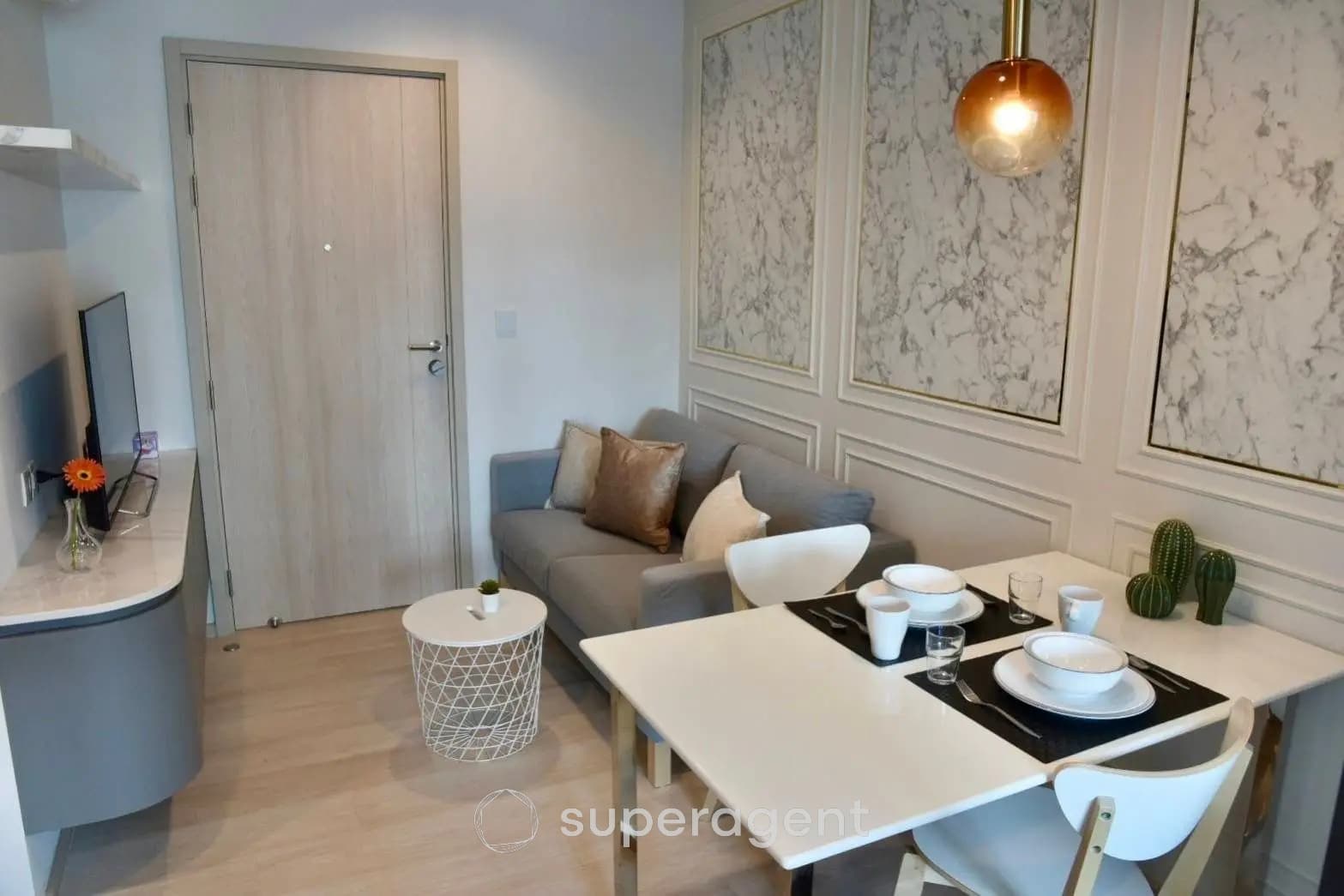
฿24,000
1 Bed135 sqm
1-BR Condo at Life One Wireless near BTS Phloen Chit
Ploenchit
Condo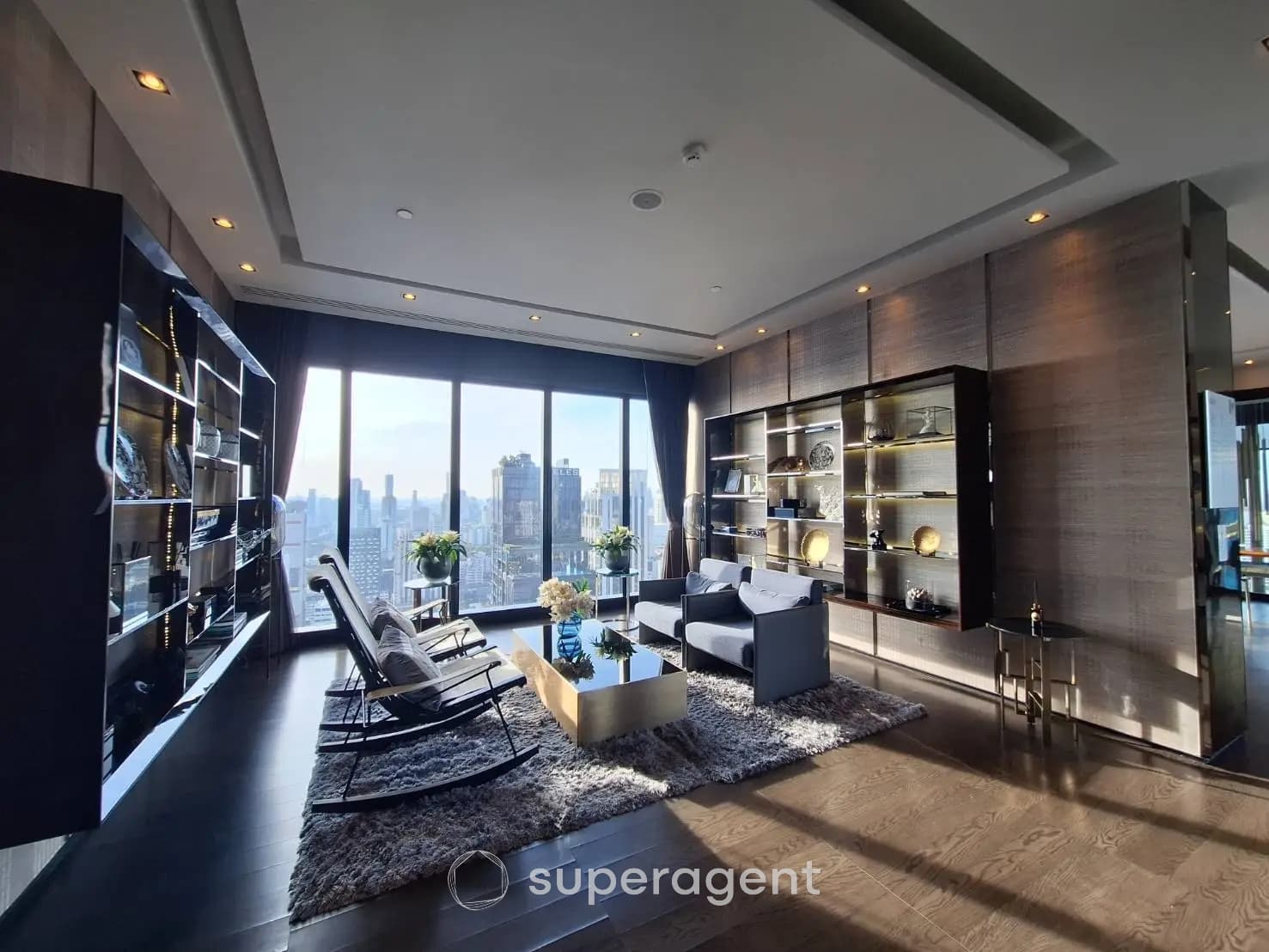
฿25,000
1 Bed133 sqm
1-BR Condo at Ashton Asoke near MRT Sukhumvit
Asoke
Condo
฿70,000
3 Bed3230 sqm
3-BR Condo at River Heaven Chareonkrung in Bang Kho Laem
Condo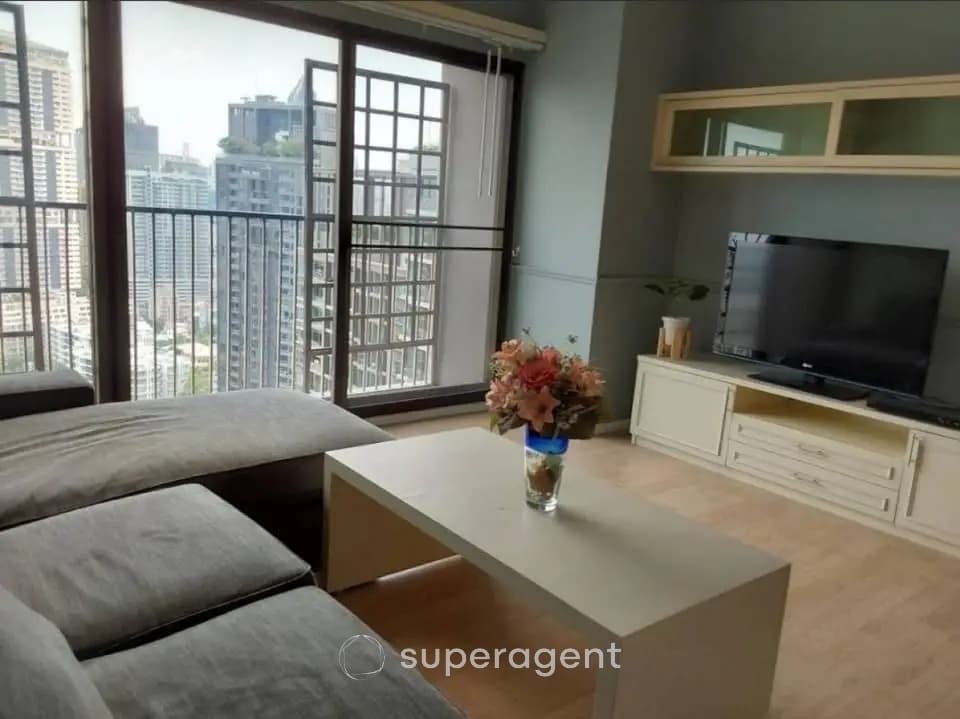
฿63,000
3 Bed2102 sqm
3-BR Condo at Noble Remix near BTS Thong Lor
Thonglor
Condo
฿27,000
Studio135 sqm
Studio Condo at Ideo Q Victory near BTS Victory Monument
Victory Monument
Condo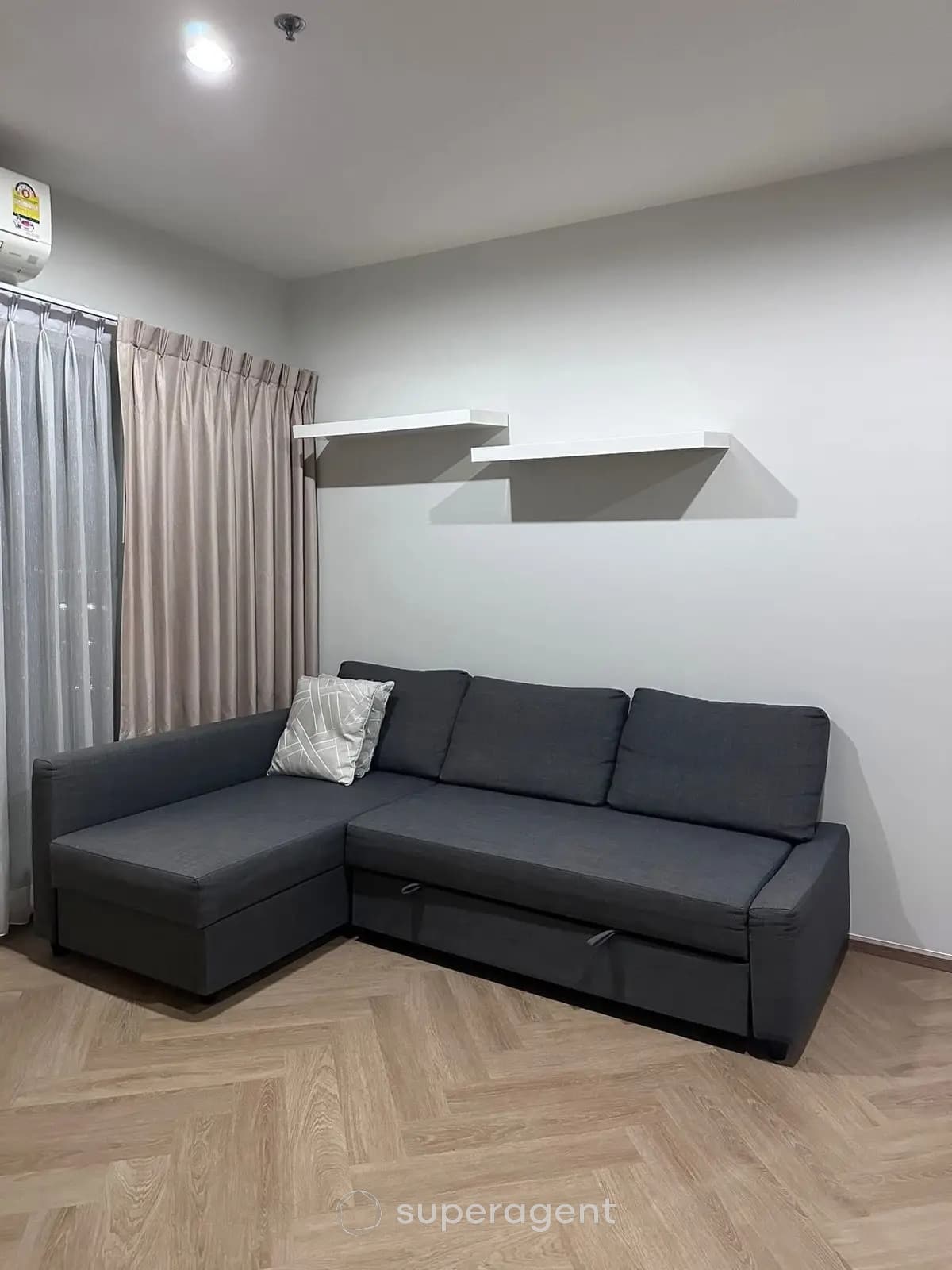
฿30,000
2 Bed252.9 sqm
2-BR Condo at The Key Sathorn - Charoenraj in Bang Khlo
Condo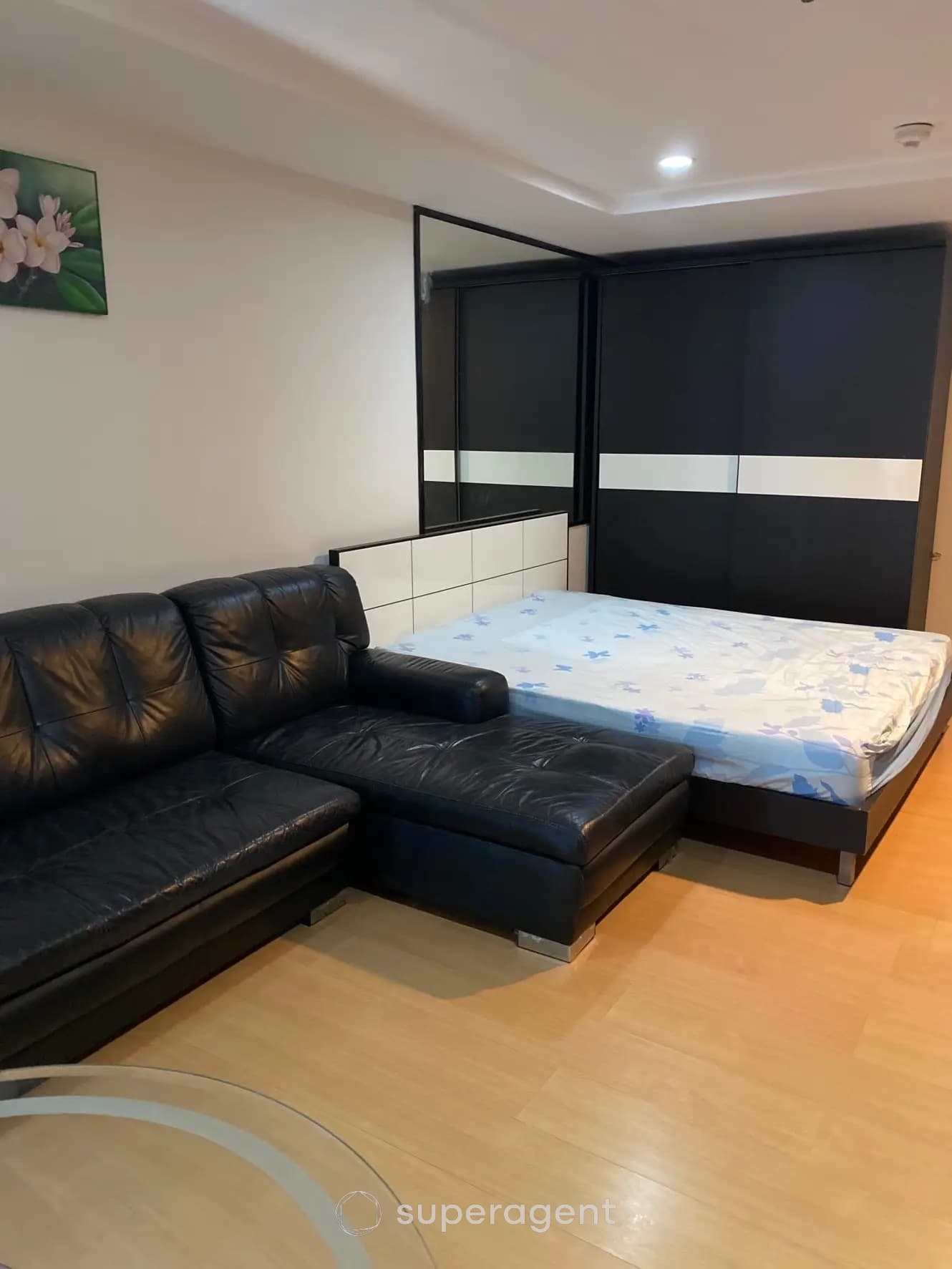
฿17,000
1 Bed136 sqm
1-BR Condo at The Trendy Condominium near BTS Nana
Condo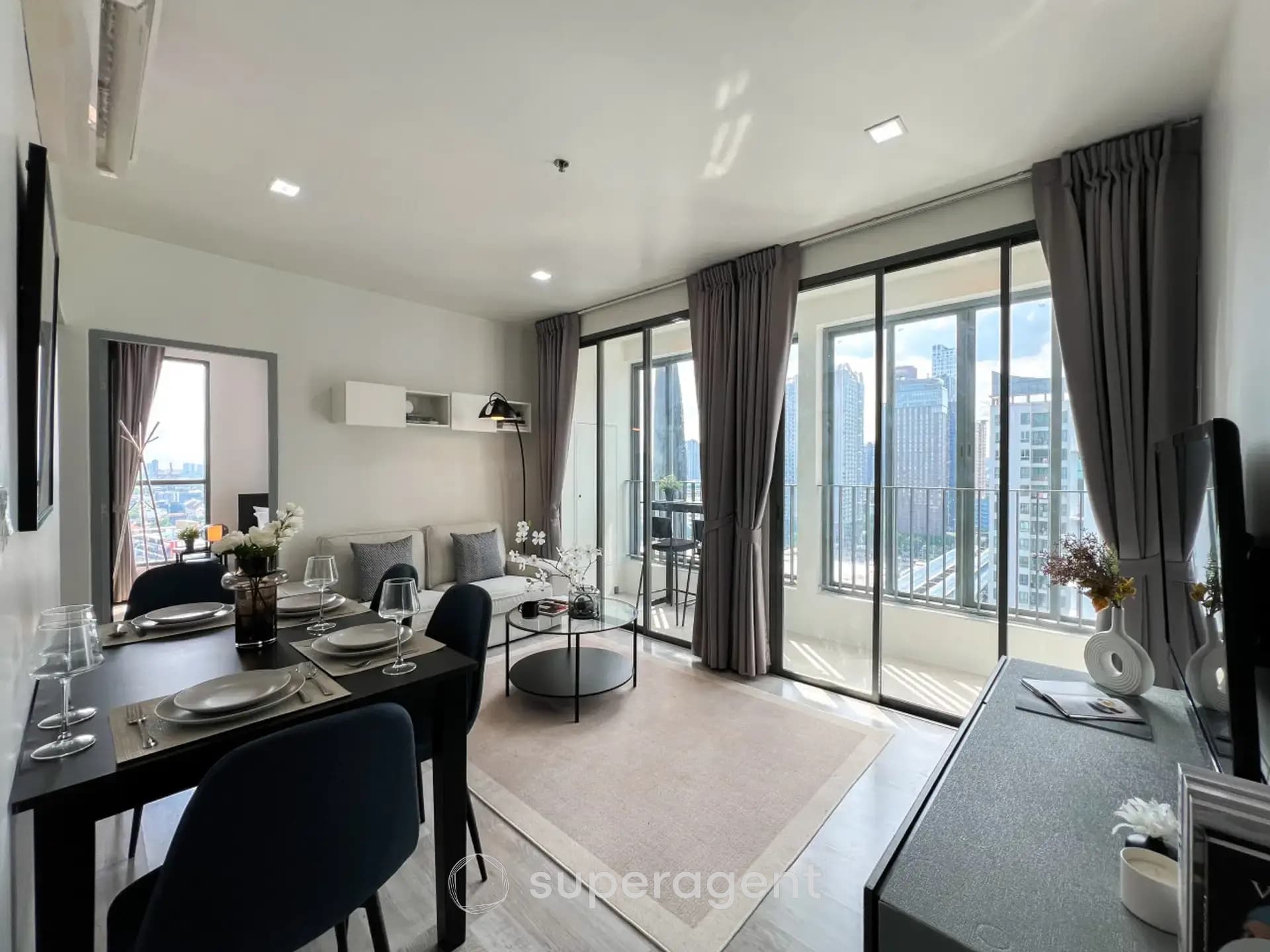
฿42,000
2 Bed287 sqm
2-BR Condo at Ideo Mobi Sukhumvit 81 near BTS On Nut
Condo
฿38,000
2 Bed258 sqm
2-BR Condo at Ideo Rama 9 - Asoke near MRT Phra Ram 9
Condo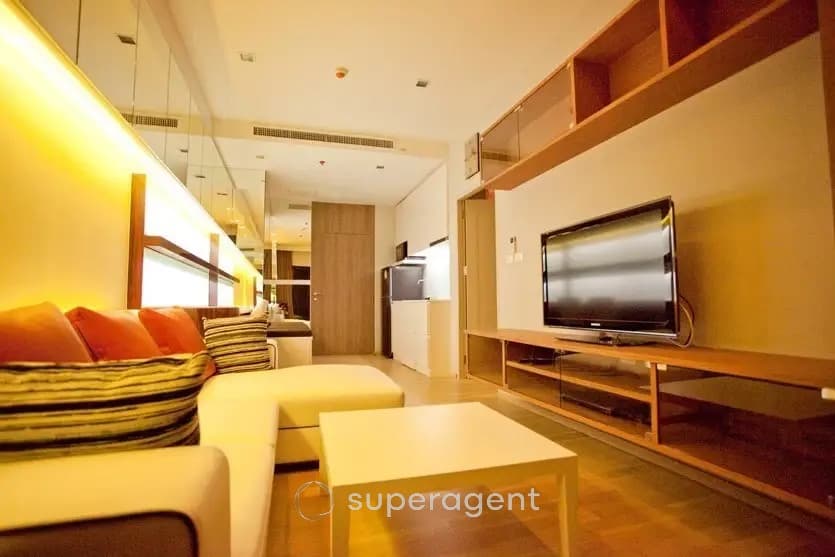
฿27,000
1 Bed145 sqm
1-BR Condo at Noble Reveal Ekamai near BTS Ekkamai
Ekkamai
CondoMore like this
 In Lifestyle · Superagent EditorialWhere Bangkok's Expat Communities Are Concentrated: Rental Guide by NationalityDiscover where Bangkok's expat community areas are located. Our rental guide maps out neighborhoods by nationality to help you find your ideal home.12 Apr 20241 min read
 In Lifestyle · Superagent EditorialThe AI Rental Revolution in Bangkok: How Technology Is Changing How Expats Find HomesBangkok rental revolution ai is reshaping how expats find homes. Explore smart technology, virtual tours, and AI-powered matching tools transforming the ma16 Apr 20211 min read
 In Lifestyle · Superagent EditorialMonthly Condo Rentals in Bangkok: Why They Beat Daily Rates Once Your Stay Passes Two WeeksCompare Bangkok daily and monthly condo rates near BTS Thong Lo, Asoke, Ari and On Nut, and see why monthly leases save tens of thousands of baht.19 Jul 20191 min read
 In Lifestyle · Superagent EditorialHow to Negotiate Rent With Thai Condo Landlords: Techniques That Actually Work in BangkokProven tactics for negotiating condo rent with Bangkok landlords, from market research and counter offers to lease length, timing and low season.18 Jul 20191 min read