Healthcare in Bangkok for Expats: Which Hospitals and What Insurance You Need
Lifestyle
Healthcare in Bangkok for Expats: Which Hospitals and What Insurance You Need
A practical guide to Bangkok's top hospitals, clinics, and insurance options for expats living in the city.

Summary
Navigate Bangkok's healthcare system with confidence, discover the best expat hospitals and insurance plans you actually need.
You moved to Bangkok, found a great condo near the BTS, got your favorite street food spot locked down, and then you wake up at 2 AM with a mysterious fever. Suddenly, the one thing you never thought about becomes the only thing that matters. Healthcare in Bangkok is genuinely world class, but knowing which hospital to go to and what insurance to carry can save you a fortune and a whole lot of stress. Let me walk you through what actually matters.
Bangkok's Top Hospitals for Expats and Why Location Matters
Bangkok has some of the best private hospitals in Southeast Asia, and several of them cater specifically to international patients. The big names you will hear over and over are Bumrungrad International Hospital near BTS Nana, Samitivej Sukhumvit near BTS Thong Lo, and BNH Hospital close to BTS Sala Daeng. All three have multilingual staff, international patient departments, and standards that rival anything in Europe or the US.
Here is something most guides do not tell you. Your hospital choice should factor into your condo search. If you rent a place on Sukhumvit Soi 3 near Bumrungrad, you are literally a five minute walk from one of Asia's most respected hospitals. A one bedroom condo in that area runs around 18,000 to 30,000 THB per month depending on the building. Compare that to living out in Bang Na, where your nearest high quality international hospital might be a 40 minute taxi ride in traffic.
For families, Samitivej Sukhumvit on Soi 49 is a popular pick. It has an excellent pediatric wing and sits in one of Bangkok's most family friendly neighborhoods. Condos like The Alcove Thonglor 10 or Aguston Sukhumvit 22 put you within easy reach. If you are planning your move to Bangkok, plotting your home base near a trusted hospital is quietly one of the smartest decisions you can make.
Understanding Health Insurance Options in Thailand
Insurance in Thailand breaks down into three main categories for expats. You have international health insurance plans from companies like Cigna, Bupa, and Allianz. You have local Thai insurance plans from providers like AIA, Muang Thai, and Pacific Cross. And you have the social security system, which covers you if you are employed by a Thai company.
Let me give you a real scenario. A friend of mine, a remote worker living in a condo at Life Asoke Hype near MRT Phetchaburi, skipped insurance for his first year. He figured he was young and healthy. Then he needed an emergency appendectomy at Bumrungrad. The bill came to around 280,000 THB. That is roughly four to five months of rent on a nice one bedroom in the Asoke area. He paid it out of pocket and bought insurance the very next week.
International plans typically cost between 40,000 and 120,000 THB per year depending on your age and coverage level. Local Thai plans can be significantly cheaper, sometimes as low as 15,000 THB annually, but they usually cap coverage and may exclude pre-existing conditions. For most expats earning a decent income, a mid-tier international plan with both inpatient and outpatient coverage hits the sweet spot.
What to Look for in Your Policy
Not all insurance policies are created equal, and the details matter more than the price tag. Focus on these things. Does the plan offer direct billing at your preferred hospital? Bumrungrad and Samitivej both work with major international insurers, meaning you show your card and walk out without paying upfront. That convenience alone is worth the premium.
Check whether outpatient coverage is included. Many cheaper plans only cover inpatient stays, which means every doctor visit, blood test, and prescription comes out of your wallet. A single outpatient visit at a private hospital in Bangkok can easily cost 3,000 to 8,000 THB once you add consultations, lab work, and medication.
Also confirm whether your plan covers dental and vision. Bangkok is famous for affordable dental care, with clinics like BIDC on Soi Sukhumvit 2 offering great quality. But "affordable" still adds up if you need crowns or implants. Having even basic dental coverage takes the edge off those surprise expenses.
Public Hospitals and Budget Alternatives
Private hospitals get all the attention, but Bangkok's public hospitals are genuinely capable. Ramathibodi Hospital near BTS Victory Monument and Siriraj Hospital across the river near MRT Itsaraphap are both teaching hospitals attached to major universities. The care quality is high, but expect longer wait times and less English-speaking staff.
If you are renting on a tighter budget, say a studio near BTS Wutthakat for around 8,000 to 12,000 THB per month, Siriraj is right across the Chao Phraya. A consultation there might cost 200 to 500 THB compared to 1,500 to 3,000 THB at a private hospital. For non-emergency situations, public hospitals are a completely reasonable option. You can read more about managing your overall cost of living in Bangkok to see how healthcare fits into your monthly budget.
Telemedicine and Clinic Alternatives Worth Knowing
Bangkok has caught up fast with telemedicine. Services like Doctor Anywhere and Samitivej Virtual Hospital let you video call a licensed physician from your condo. For common issues like allergies, skin rashes, or a lingering cough, this saves you a trip and usually costs between 500 and 1,500 THB per session.
Neighborhood clinics are another hidden gem. Almost every soi in Bangkok has a small clinic staffed by a licensed doctor. Near Sukhumvit Soi 39 or along Rama 9, you will find clinics open until late evening where a basic visit costs 300 to 700 THB. These are perfect for everyday issues and prescription refills. Many long term expats use a combination of a local clinic for small stuff and a private hospital for anything serious.
Healthcare in Bangkok is one of the genuine perks of living here. The quality is excellent, the costs are reasonable compared to Western countries, and your options range from budget friendly public hospitals to five star private facilities. The key is getting your insurance sorted before you need it and choosing a condo location that keeps you close to the care you trust. If you are still looking for the right place to call home, Superagent at superagent.co can help you find a condo rental that fits your life, your budget, and yes, your proximity to a great hospital.
You moved to Bangkok, found a great condo near the BTS, got your favorite street food spot locked down, and then you wake up at 2 AM with a mysterious fever. Suddenly, the one thing you never thought about becomes the only thing that matters. Healthcare in Bangkok is genuinely world class, but knowing which hospital to go to and what insurance to carry can save you a fortune and a whole lot of stress. Let me walk you through what actually matters.
Bangkok's Top Hospitals for Expats and Why Location Matters
Bangkok has some of the best private hospitals in Southeast Asia, and several of them cater specifically to international patients. The big names you will hear over and over are Bumrungrad International Hospital near BTS Nana, Samitivej Sukhumvit near BTS Thong Lo, and BNH Hospital close to BTS Sala Daeng. All three have multilingual staff, international patient departments, and standards that rival anything in Europe or the US.
Here is something most guides do not tell you. Your hospital choice should factor into your condo search. If you rent a place on Sukhumvit Soi 3 near Bumrungrad, you are literally a five minute walk from one of Asia's most respected hospitals. A one bedroom condo in that area runs around 18,000 to 30,000 THB per month depending on the building. Compare that to living out in Bang Na, where your nearest high quality international hospital might be a 40 minute taxi ride in traffic.
Continue reading after that.
Looking for a condo
to rent?
Leave your name and phone. We'll follow up while you keep reading.
100% Secure
Fast Response
Free Consultation
For families, Samitivej Sukhumvit on Soi 49 is a popular pick. It has an excellent pediatric wing and sits in one of Bangkok's most family friendly neighborhoods. Condos like The Alcove Thonglor 10 or Aguston Sukhumvit 22 put you within easy reach. If you are planning your move to Bangkok, plotting your home base near a trusted hospital is quietly one of the smartest decisions you can make.
Understanding Health Insurance Options in Thailand
Insurance in Thailand breaks down into three main categories for expats. You have international health insurance plans from companies like Cigna, Bupa, and Allianz. You have local Thai insurance plans from providers like AIA, Muang Thai, and Pacific Cross. And you have the social security system, which covers you if you are employed by a Thai company.
Let me give you a real scenario. A friend of mine, a remote worker living in a condo at Life Asoke Hype near MRT Phetchaburi, skipped insurance for his first year. He figured he was young and healthy. Then he needed an emergency appendectomy at Bumrungrad. The bill came to around 280,000 THB. That is roughly four to five months of rent on a nice one bedroom in the Asoke area. He paid it out of pocket and bought insurance the very next week.
International plans typically cost between 40,000 and 120,000 THB per year depending on your age and coverage level. Local Thai plans can be significantly cheaper, sometimes as low as 15,000 THB annually, but they usually cap coverage and may exclude pre-existing conditions. For most expats earning a decent income, a mid-tier international plan with both inpatient and outpatient coverage hits the sweet spot.
What to Look for in Your Policy
Not all insurance policies are created equal, and the details matter more than the price tag. Focus on these things. Does the plan offer direct billing at your preferred hospital? Bumrungrad and Samitivej both work with major international insurers, meaning you show your card and walk out without paying upfront. That convenience alone is worth the premium.
Check whether outpatient coverage is included. Many cheaper plans only cover inpatient stays, which means every doctor visit, blood test, and prescription comes out of your wallet. A single outpatient visit at a private hospital in Bangkok can easily cost 3,000 to 8,000 THB once you add consultations, lab work, and medication.
Also confirm whether your plan covers dental and vision. Bangkok is famous for affordable dental care, with clinics like BIDC on Soi Sukhumvit 2 offering great quality. But "affordable" still adds up if you need crowns or implants. Having even basic dental coverage takes the edge off those surprise expenses.
Public Hospitals and Budget Alternatives
Private hospitals get all the attention, but Bangkok's public hospitals are genuinely capable. Ramathibodi Hospital near BTS Victory Monument and Siriraj Hospital across the river near MRT Itsaraphap are both teaching hospitals attached to major universities. The care quality is high, but expect longer wait times and less English-speaking staff.
If you are renting on a tighter budget, say a studio near BTS Wutthakat for around 8,000 to 12,000 THB per month, Siriraj is right across the Chao Phraya. A consultation there might cost 200 to 500 THB compared to 1,500 to 3,000 THB at a private hospital. For non-emergency situations, public hospitals are a completely reasonable option. You can read more about managing your overall cost of living in Bangkok to see how healthcare fits into your monthly budget.
Continue reading after that.
Looking for a condo
to rent?
Leave your name and phone. We'll follow up while you keep reading.
100% Secure
Fast Response
Free Consultation
Telemedicine and Clinic Alternatives Worth Knowing
Bangkok has caught up fast with telemedicine. Services like Doctor Anywhere and Samitivej Virtual Hospital let you video call a licensed physician from your condo. For common issues like allergies, skin rashes, or a lingering cough, this saves you a trip and usually costs between 500 and 1,500 THB per session.
Neighborhood clinics are another hidden gem. Almost every soi in Bangkok has a small clinic staffed by a licensed doctor. Near Sukhumvit Soi 39 or along Rama 9, you will find clinics open until late evening where a basic visit costs 300 to 700 THB. These are perfect for everyday issues and prescription refills. Many long term expats use a combination of a local clinic for small stuff and a private hospital for anything serious.
Healthcare in Bangkok is one of the genuine perks of living here. The quality is excellent, the costs are reasonable compared to Western countries, and your options range from budget friendly public hospitals to five star private facilities. The key is getting your insurance sorted before you need it and choosing a condo location that keeps you close to the care you trust. If you are still looking for the right place to call home, Superagent at superagent.co can help you find a condo rental that fits your life, your budget, and yes, your proximity to a great hospital.
Share this article
Properties you may like
![[For Rent] CONDO I BEATNIQ Sukhumvit32 I 2 Beds I 1 Baths I 110,000THB/mo](/_next/image?url=https%3A%2F%2Fstorage.googleapis.com%2Fsuperagent-web%2Fattachments%2Flistings%2F6806%2F8024fbb5-880d-428a-b7f7-d8caf46fe4d1-1190-1.jpg&w=3840&q=75)
฿110,000
2 Bed1107 sqm
[For Rent] CONDO I BEATNIQ Sukhumvit32 I 2 Beds I 1 Baths I 110,000THB/mo
Phrom Phong
Condo![[For Rent] CONDO I The Diplomat 39 I 2 Beds I 2 Baths I 89,000THB/mo](/_next/image?url=https%3A%2F%2Fstorage.googleapis.com%2Fsuperagent-web%2Fattachments%2Flistings%2F6784%2Ff92c62cc-d3be-42df-adca-b8f96fb02cfb-1163-1.jpg&w=3840&q=75)
฿89,000
2 Bed286 sqm
[For Rent] CONDO I The Diplomat 39 I 2 Beds I 2 Baths I 89,000THB/mo
Phrom Phong
Condo![[For Rent] CONDO I Noble State 39 I 3 Beds I 2 Baths I 85,000 THB/mo](/_next/image?url=https%3A%2F%2Fstorage.googleapis.com%2Fsuperagent-web%2Fattachments%2Flistings%2F1454%2Fdc7f3742-b148-4d56-9e26-1961f002d674-384-19.jpg&w=3840&q=75)
฿85,000
3 Bed285 sqm
[For Rent] CONDO I Noble State 39 I 3 Beds I 2 Baths I 85,000 THB/mo
Phrom Phong
Condo![[For Rent] CONDO I Piyathip Place I 2 Beds I 2 Baths I 77,000THB/mo](/_next/image?url=https%3A%2F%2Fstorage.googleapis.com%2Fsuperagent-web%2Fattachments%2Flistings%2F6817%2F2943cf16-53ee-4779-8edb-2e1be7291556-1191-1.jpg&w=3840&q=75)
฿77,000
2 Bed2173 sqm
[For Rent] CONDO I Piyathip Place I 2 Beds I 2 Baths I 77,000THB/mo
Condo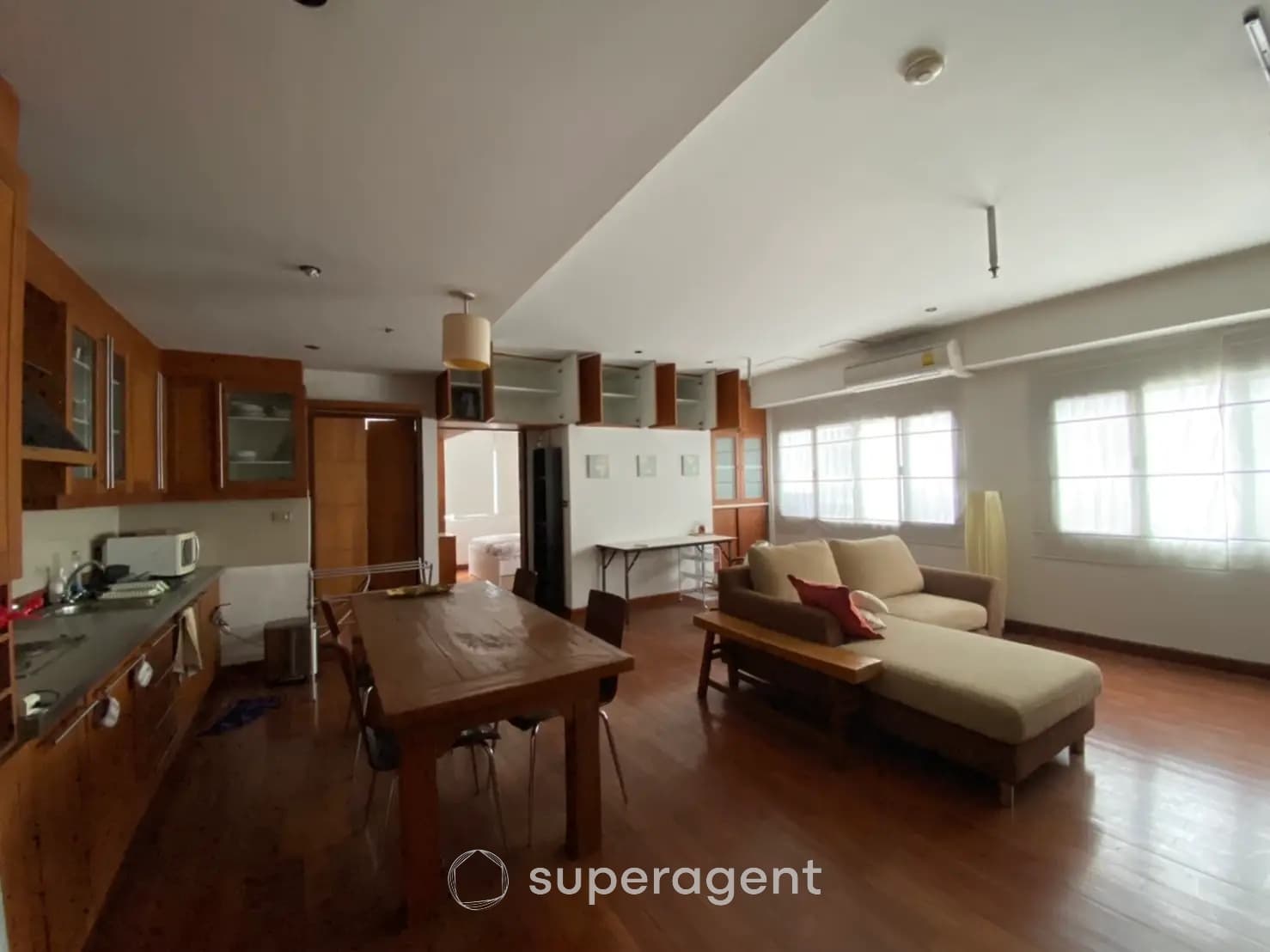
฿28,000
1 Bed167 sqm
1-BR Condo at Wittayu Complex near BTS Phloen Chit
Condo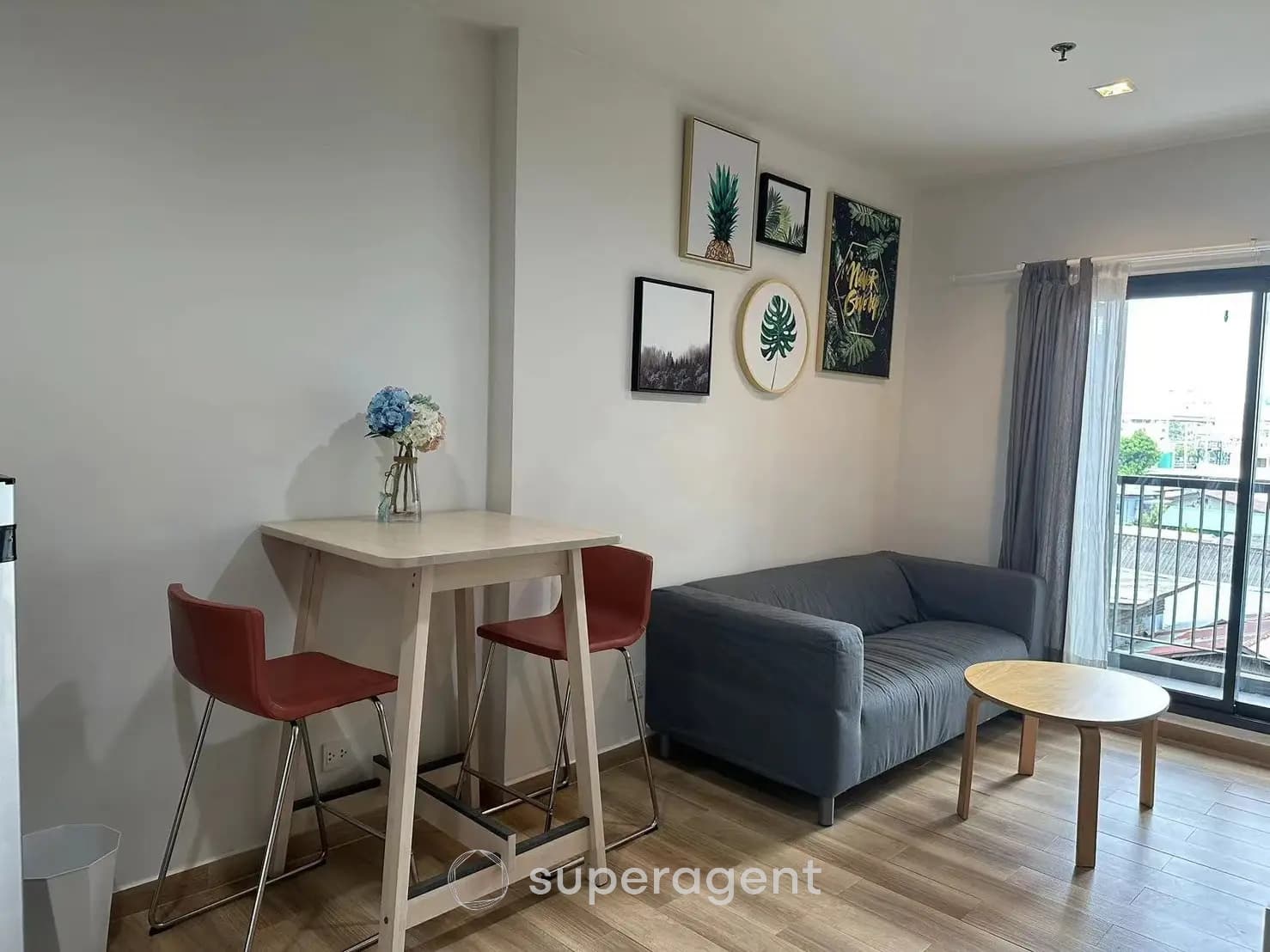
฿23,000
2 Bed150 sqm
2-BR Condo at Life Sukhumvit 48 near BTS Phra Khanong
On Nut
Condo![[For Rent] CONDO I Maestro 14 Siam-Ratchathewi Pet Friendly I 1 Bed I 1 Bath I 22,000THB/mo](/_next/image?url=https%3A%2F%2Fstorage.googleapis.com%2Fsuperagent-web%2Fattachments%2Flistings%2F6686%2F5ae8a77f-b6fb-4578-a765-e56f493cd25f-1058.png&w=3840&q=75)
฿25,000
1 Bed130 sqm
[For Rent] CONDO I Maestro 14 Siam-Ratchathewi Pet Friendly I 1 Bed I 1 Bath I 22,000THB/mo
Siam
Condo![[For Rent] CONDO I Las Colinas Condominium I 2 Beds I 3 Baths I 85,000THB/mo](/_next/image?url=https%3A%2F%2Fstorage.googleapis.com%2Fsuperagent-web%2Fattachments%2Flistings%2F6828%2F80f345c4-488e-43b2-b017-c9fbb17b520d-99486dd8-4237-4ba2-9207-01ce4f66b21f-media.jpg&w=3840&q=75)
฿85,000
2 Bed3170 sqm
[For Rent] CONDO I Las Colinas Condominium I 2 Beds I 3 Baths I 85,000THB/mo
Asoke
Condo![[For Rent] CONDO I KEN Attitude Rattanathibet I Duplex I 2 Beds I 2 Baths I 40,000THB/mo](/_next/image?url=https%3A%2F%2Fstorage.googleapis.com%2Fsuperagent-web%2Fattachments%2Flistings%2F6852%2F17c1715e-4458-4008-bb0b-072a4c081166-img_0557.jpeg&w=3840&q=75)
฿40,000
2 Bed277 sqm
[For Rent] CONDO I KEN Attitude Rattanathibet I Duplex I 2 Beds I 2 Baths I 40,000THB/mo
Condo![[For Rent] CONDO I H Sukhumvit 43 I 1 Bed I 1 Bath I 28,000THB/mo](/_next/image?url=https%3A%2F%2Fstorage.googleapis.com%2Fsuperagent-web%2Fattachments%2Flistings%2F6851%2Ff355c21a-a282-4338-86c6-dc5bb3368321-1244-1.jpg&w=3840&q=75)
฿28,000
1 Bed143 sqm
[For Rent] CONDO I H Sukhumvit 43 I 1 Bed I 1 Bath I 28,000THB/mo
Phrom Phong
CondoMore like this
 In Lifestyle · Superagent EditorialWhere Bangkok's Expat Communities Are Concentrated: Rental Guide by NationalityDiscover where Bangkok's expat community areas are located. Our rental guide maps out neighborhoods by nationality to help you find your ideal home.12 Apr 20241 min read
 In Lifestyle · Superagent EditorialThe AI Rental Revolution in Bangkok: How Technology Is Changing How Expats Find HomesBangkok rental revolution ai is reshaping how expats find homes. Explore smart technology, virtual tours, and AI-powered matching tools transforming the ma16 Apr 20211 min read
 In Lifestyle · Superagent EditorialMonthly Condo Rentals in Bangkok: Why They Beat Daily Rates Once Your Stay Passes Two WeeksCompare Bangkok daily and monthly condo rates near BTS Thong Lo, Asoke, Ari and On Nut, and see why monthly leases save tens of thousands of baht.19 Jul 20191 min read
 In Lifestyle · Superagent EditorialHow to Negotiate Rent With Thai Condo Landlords: Techniques That Actually Work in BangkokProven tactics for negotiating condo rent with Bangkok landlords, from market research and counter offers to lease length, timing and low season.18 Jul 20191 min read