Hidden Costs of Living in Bangkok as an Expat: What Surprises People
Guides
Hidden Costs of Living in Bangkok as an Expat: What Surprises People
Beyond cheap rent lies a web of unexpected expenses that catch most expats off guard

Summary
Discover the bangkok hidden costs expat residents face beyond affordable housing. Learn which expenses surprise newcomers and how to budget wisely.
You did the math before moving to Bangkok. Rent looked cheap compared to London or Sydney. Street food costs next to nothing. You figured you'd be saving money hand over fist. Then three months in, you check your bank account and wonder where it all went. You're not alone. Bangkok is genuinely affordable, but there's a whole layer of costs that nobody warns you about until you're already signing a lease and setting up your LINE account.
The Condo Costs That Aren't in Your Lease
Let's start with the biggest one. You found a nice one bedroom at Life Asoke Hype near Rama 9 MRT for 18,000 THB per month. Great deal. But then your landlord asks for two months' security deposit plus one month advance rent. That's 54,000 THB before you even sleep there one night.
Then there's the electricity. Most Bangkok condos don't bill you at the government rate. Landlords typically charge 7 to 8 THB per unit instead of the Metropolitan Electricity Authority rate of around 4 THB. If you're running air conditioning regularly, and trust me you will from March through October, your electric bill can easily hit 3,000 to 5,000 THB per month in a studio or one bedroom.
Water is cheap, usually 300 to 500 THB. But internet setup can catch you off guard. If the building doesn't already have your preferred provider, installation fees range from 1,500 to 3,000 THB. And some older condos along Sukhumvit near Thong Lo or Ekkamai only support one or two ISPs, so you don't always get to choose.
Getting Around Costs More Than You Think
Bangkok's BTS and MRT are affordable per trip, usually 16 to 59 THB depending on distance. But if you're commuting daily from, say, Bearing BTS to Chit Lom BTS, that's around 50 THB each way. Over a month of workdays, that's roughly 2,200 THB just on the train. There's no unlimited monthly pass that actually saves significant money either.
Then there's the Grab habit. You'll tell yourself you'll only take motorbike taxis and the BTS. But after one rainy Tuesday stuck on Sukhumvit Soi 33 with no taxi in sight, you'll open Grab. A 15 minute GrabCar ride during rush hour can cost 200 to 350 THB with surge pricing. Do that three or four times a week and you've added another 3,000 to 5,000 THB to your monthly expenses.
Some expats living near On Nut or Udom Suk save on rent but spend the difference on transport. It's a tradeoff worth calculating before you sign a lease, not after.
Social Life and the "Expat Tax"
Street food is 40 to 60 THB a plate. That part is real. But most expats don't eat pad kra pao from a cart three meals a day, seven days a week. You'll end up at brunch spots in Ari, rooftop bars near Sathorn, or Japanese restaurants in Phrom Phong. A casual dinner with drinks at a mid range restaurant on Thong Lo Soi 13 runs 800 to 1,500 THB per person easily.
Coffee culture adds up fast too. Bangkok has incredible specialty coffee, but your daily flat white at Roots or Casa Lapin costs 130 to 180 THB. That's 4,000 THB a month on coffee alone. Nobody budgets for that, but everyone spends it.
Gym memberships are another surprise. A decent gym like Jetts or Fitness First runs 1,500 to 2,500 THB per month. Fancier options like Virgin Active at EmQuartier can cost 3,500 THB or more. Your condo might have a small gym, but if it only has two treadmills and a dusty set of dumbbells, you'll be joining a real gym within weeks.
Healthcare, Insurance, and Visa Fees
Bangkok has world class hospitals. Bumrungrad, Samitivej, BNH. But "affordable healthcare" is relative. A standard doctor visit at Bumrungrad runs 1,500 to 3,000 THB before any tests or medication. An emergency room visit can easily exceed 10,000 THB.
If you're on a work permit, your employer likely provides insurance. But freelancers, remote workers, and retirees need to budget for their own coverage. Decent international health insurance costs 30,000 to 80,000 THB per year depending on your age and coverage level. Skip it and you're gambling with potentially massive bills.
Visa costs vary, but renewals, 90 day reporting trips to Chaeng Watthana immigration office, and the occasional border run or agent fee add 15,000 to 40,000 THB annually for many expats. These aren't optional expenses, and they're easy to forget when planning your budget back home.
The Small Stuff That Compounds
Laundry services at most condos cost 40 to 80 THB per load. Sounds tiny, but it adds up to 600 to 1,000 THB monthly. Drinking water is another one. Tap water isn't safe to drink, so you're buying bottled water or refilling jugs at 1 THB per liter from machines in your building. Small, but constant.
Phone plans are cheap, True or AIS unlimited data runs about 600 to 900 THB. But topping up apps, subscriptions, and VPN services for accessing content from back home can quietly add another 500 to 1,000 THB per month.
The honest truth is that Bangkok is still remarkably affordable compared to most major cities. But the gap between what you expect to spend and what you actually spend is where the stress lives. The best way to control your costs is to start with your biggest expense, rent, and get it right from the beginning. Choosing the right location and the right lease terms can save you thousands every month on transport, electricity, and lifestyle spending.
If you're looking for a condo in Bangkok and want transparent pricing with no surprises, try searching on superagent.co. Superagent helps you compare real listings with actual costs so you can budget like someone who already lives here.
You did the math before moving to Bangkok. Rent looked cheap compared to London or Sydney. Street food costs next to nothing. You figured you'd be saving money hand over fist. Then three months in, you check your bank account and wonder where it all went. You're not alone. Bangkok is genuinely affordable, but there's a whole layer of costs that nobody warns you about until you're already signing a lease and setting up your LINE account.
The Condo Costs That Aren't in Your Lease
Let's start with the biggest one. You found a nice one bedroom at Life Asoke Hype near Rama 9 MRT for 18,000 THB per month. Great deal. But then your landlord asks for two months' security deposit plus one month advance rent. That's 54,000 THB before you even sleep there one night.
Then there's the electricity. Most Bangkok condos don't bill you at the government rate. Landlords typically charge 7 to 8 THB per unit instead of the Metropolitan Electricity Authority rate of around 4 THB. If you're running air conditioning regularly, and trust me you will from March through October, your electric bill can easily hit 3,000 to 5,000 THB per month in a studio or one bedroom.
Continue reading after that.
Looking for a condo
to rent?
Leave your name and phone. We'll follow up while you keep reading.
100% Secure
Fast Response
Free Consultation
Water is cheap, usually 300 to 500 THB. But internet setup can catch you off guard. If the building doesn't already have your preferred provider, installation fees range from 1,500 to 3,000 THB. And some older condos along Sukhumvit near Thong Lo or Ekkamai only support one or two ISPs, so you don't always get to choose.
Getting Around Costs More Than You Think
Bangkok's BTS and MRT are affordable per trip, usually 16 to 59 THB depending on distance. But if you're commuting daily from, say, Bearing BTS to Chit Lom BTS, that's around 50 THB each way. Over a month of workdays, that's roughly 2,200 THB just on the train. There's no unlimited monthly pass that actually saves significant money either.
Then there's the Grab habit. You'll tell yourself you'll only take motorbike taxis and the BTS. But after one rainy Tuesday stuck on Sukhumvit Soi 33 with no taxi in sight, you'll open Grab. A 15 minute GrabCar ride during rush hour can cost 200 to 350 THB with surge pricing. Do that three or four times a week and you've added another 3,000 to 5,000 THB to your monthly expenses.
Some expats living near On Nut or Udom Suk save on rent but spend the difference on transport. It's a tradeoff worth calculating before you sign a lease, not after.
Social Life and the "Expat Tax"
Street food is 40 to 60 THB a plate. That part is real. But most expats don't eat pad kra pao from a cart three meals a day, seven days a week. You'll end up at brunch spots in Ari, rooftop bars near Sathorn, or Japanese restaurants in Phrom Phong. A casual dinner with drinks at a mid range restaurant on Thong Lo Soi 13 runs 800 to 1,500 THB per person easily.
Coffee culture adds up fast too. Bangkok has incredible specialty coffee, but your daily flat white at Roots or Casa Lapin costs 130 to 180 THB. That's 4,000 THB a month on coffee alone. Nobody budgets for that, but everyone spends it.
Gym memberships are another surprise. A decent gym like Jetts or Fitness First runs 1,500 to 2,500 THB per month. Fancier options like Virgin Active at EmQuartier can cost 3,500 THB or more. Your condo might have a small gym, but if it only has two treadmills and a dusty set of dumbbells, you'll be joining a real gym within weeks.
Healthcare, Insurance, and Visa Fees
Bangkok has world class hospitals. Bumrungrad, Samitivej, BNH. But "affordable healthcare" is relative. A standard doctor visit at Bumrungrad runs 1,500 to 3,000 THB before any tests or medication. An emergency room visit can easily exceed 10,000 THB.
If you're on a work permit, your employer likely provides insurance. But freelancers, remote workers, and retirees need to budget for their own coverage. Decent international health insurance costs 30,000 to 80,000 THB per year depending on your age and coverage level. Skip it and you're gambling with potentially massive bills.
Visa costs vary, but renewals, 90 day reporting trips to Chaeng Watthana immigration office, and the occasional border run or agent fee add 15,000 to 40,000 THB annually for many expats. These aren't optional expenses, and they're easy to forget when planning your budget back home.
Continue reading after that.
Looking for a condo
to rent?
Leave your name and phone. We'll follow up while you keep reading.
100% Secure
Fast Response
Free Consultation
The Small Stuff That Compounds
Laundry services at most condos cost 40 to 80 THB per load. Sounds tiny, but it adds up to 600 to 1,000 THB monthly. Drinking water is another one. Tap water isn't safe to drink, so you're buying bottled water or refilling jugs at 1 THB per liter from machines in your building. Small, but constant.
Phone plans are cheap, True or AIS unlimited data runs about 600 to 900 THB. But topping up apps, subscriptions, and VPN services for accessing content from back home can quietly add another 500 to 1,000 THB per month.
The honest truth is that Bangkok is still remarkably affordable compared to most major cities. But the gap between what you expect to spend and what you actually spend is where the stress lives. The best way to control your costs is to start with your biggest expense, rent, and get it right from the beginning. Choosing the right location and the right lease terms can save you thousands every month on transport, electricity, and lifestyle spending.
If you're looking for a condo in Bangkok and want transparent pricing with no surprises, try searching on superagent.co. Superagent helps you compare real listings with actual costs so you can budget like someone who already lives here.
Share this article
Properties you may like
![[For Rent] CONDO I Noble State 39 I 3 Beds I 2 Baths I 85,000 THB/mo](/_next/image?url=https%3A%2F%2Fstorage.googleapis.com%2Fsuperagent-web%2Fattachments%2Flistings%2F1454%2Fdc7f3742-b148-4d56-9e26-1961f002d674-384-19.jpg&w=3840&q=75)
฿85,000
3 Bed285 sqm
[For Rent] CONDO I Noble State 39 I 3 Beds I 2 Baths I 85,000 THB/mo
Phrom Phong
Condo![[For Rent] CONDO I Piyathip Place I 2 Beds I 2 Baths I 77,000THB/mo](/_next/image?url=https%3A%2F%2Fstorage.googleapis.com%2Fsuperagent-web%2Fattachments%2Flistings%2F6817%2F2943cf16-53ee-4779-8edb-2e1be7291556-1191-1.jpg&w=3840&q=75)
฿77,000
2 Bed2173 sqm
[For Rent] CONDO I Piyathip Place I 2 Beds I 2 Baths I 77,000THB/mo
Condo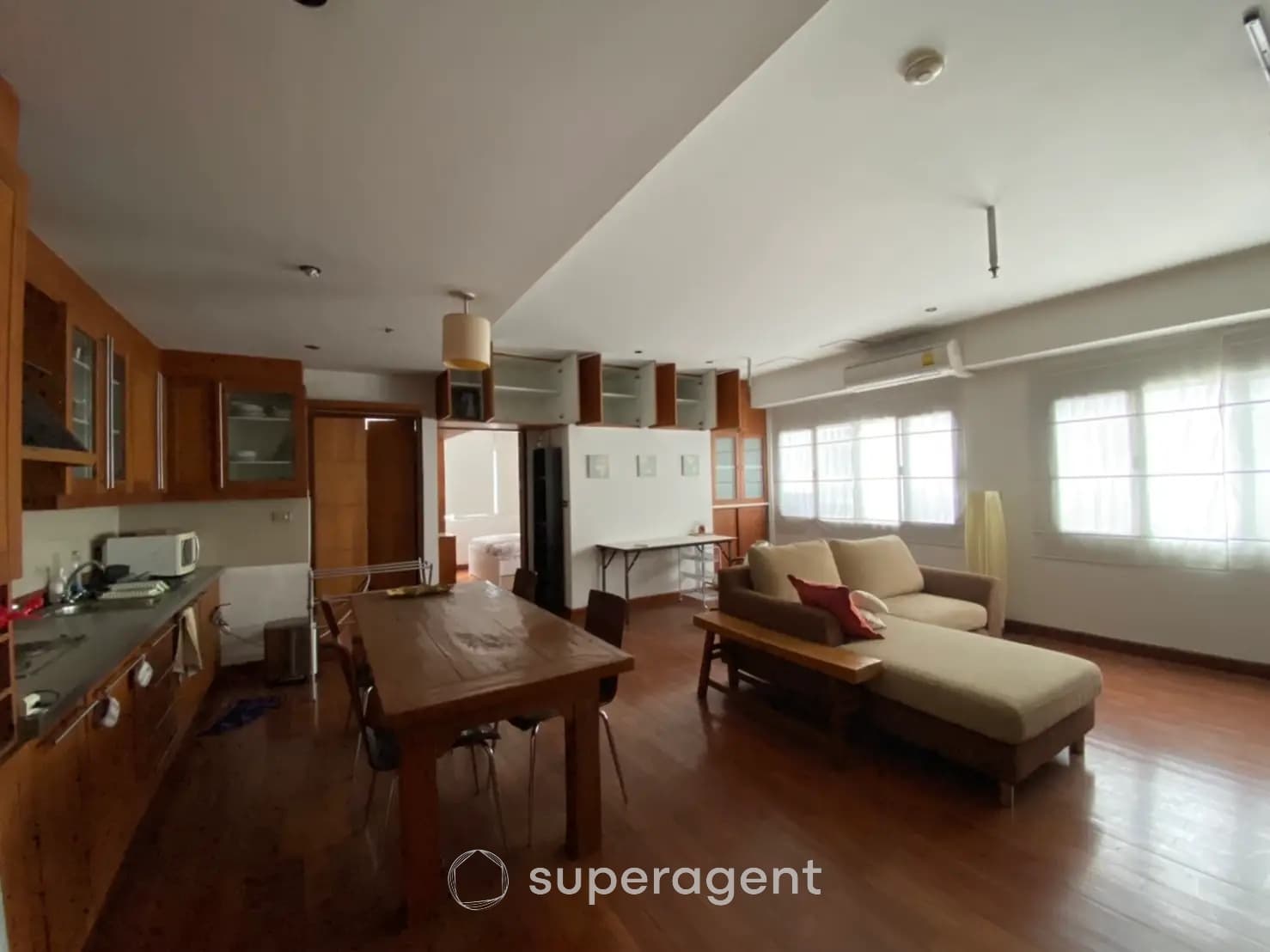
฿28,000
1 Bed167 sqm
1-BR Condo at Wittayu Complex near BTS Phloen Chit
Condo![[For Rent] CONDO I BEATNIQ Sukhumvit32 I 2 Beds I 1 Baths I 110,000THB/mo](/_next/image?url=https%3A%2F%2Fstorage.googleapis.com%2Fsuperagent-web%2Fattachments%2Flistings%2F6806%2F8024fbb5-880d-428a-b7f7-d8caf46fe4d1-1190-1.jpg&w=3840&q=75)
฿110,000
2 Bed1107 sqm
[For Rent] CONDO I BEATNIQ Sukhumvit32 I 2 Beds I 1 Baths I 110,000THB/mo
Phrom Phong
Condo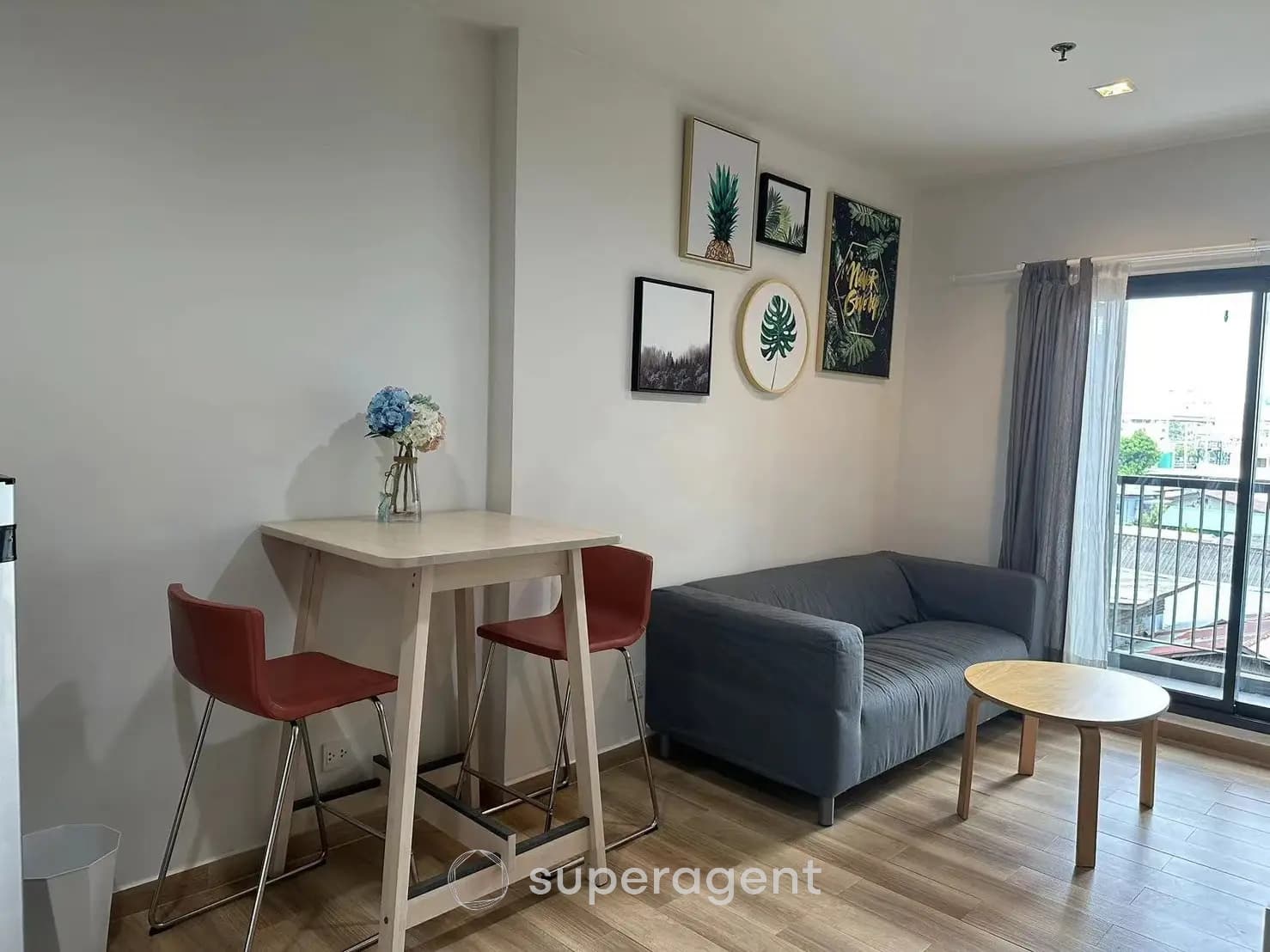
฿23,000
2 Bed150 sqm
2-BR Condo at Life Sukhumvit 48 near BTS Phra Khanong
On Nut
Condo![[For Rent] CONDO I Maestro 14 Siam-Ratchathewi Pet Friendly I 1 Bed I 1 Bath I 22,000THB/mo](/_next/image?url=https%3A%2F%2Fstorage.googleapis.com%2Fsuperagent-web%2Fattachments%2Flistings%2F6686%2F5ae8a77f-b6fb-4578-a765-e56f493cd25f-1058.png&w=3840&q=75)
฿25,000
1 Bed130 sqm
[For Rent] CONDO I Maestro 14 Siam-Ratchathewi Pet Friendly I 1 Bed I 1 Bath I 22,000THB/mo
Siam
Condo![[For Rent] CONDO I Las Colinas Condominium I 2 Beds I 3 Baths I 85,000THB/mo](/_next/image?url=https%3A%2F%2Fstorage.googleapis.com%2Fsuperagent-web%2Fattachments%2Flistings%2F6828%2F80f345c4-488e-43b2-b017-c9fbb17b520d-99486dd8-4237-4ba2-9207-01ce4f66b21f-media.jpg&w=3840&q=75)
฿85,000
2 Bed3170 sqm
[For Rent] CONDO I Las Colinas Condominium I 2 Beds I 3 Baths I 85,000THB/mo
Asoke
Condo![[For Rent] CONDO I The Diplomat 39 I 2 Beds I 2 Baths I 89,000THB/mo](/_next/image?url=https%3A%2F%2Fstorage.googleapis.com%2Fsuperagent-web%2Fattachments%2Flistings%2F6784%2Ff92c62cc-d3be-42df-adca-b8f96fb02cfb-1163-1.jpg&w=3840&q=75)
฿89,000
2 Bed286 sqm
[For Rent] CONDO I The Diplomat 39 I 2 Beds I 2 Baths I 89,000THB/mo
Phrom Phong
Condo![[For Rent] CONDO I KEN Attitude Rattanathibet I Duplex I 2 Beds I 2 Baths I 40,000THB/mo](/_next/image?url=https%3A%2F%2Fstorage.googleapis.com%2Fsuperagent-web%2Fattachments%2Flistings%2F6852%2F17c1715e-4458-4008-bb0b-072a4c081166-img_0557.jpeg&w=3840&q=75)
฿40,000
2 Bed277 sqm
[For Rent] CONDO I KEN Attitude Rattanathibet I Duplex I 2 Beds I 2 Baths I 40,000THB/mo
Condo![[For Rent] CONDO I H Sukhumvit 43 I 1 Bed I 1 Bath I 28,000THB/mo](/_next/image?url=https%3A%2F%2Fstorage.googleapis.com%2Fsuperagent-web%2Fattachments%2Flistings%2F6851%2Ff355c21a-a282-4338-86c6-dc5bb3368321-1244-1.jpg&w=3840&q=75)
฿28,000
1 Bed143 sqm
[For Rent] CONDO I H Sukhumvit 43 I 1 Bed I 1 Bath I 28,000THB/mo
Phrom Phong
CondoMore like this
 In Guides · Superagent EditorialHidden Costs of Renting a Condo in Bangkok Nobody Warns You AboutBangkok condo rent looks affordable until month one hits. Here are the real costs beyond the headline figure that catch most renters off guard.25 May 20261 min read
 In Guides · Superagent EditorialWhat a Long-Vacant Bangkok Condo Unit Is Actually Telling YouA Bangkok condo vacant for months signals overpricing, landlord issues, or real problems. Here is how to read the signs.25 May 20261 min read
 In Guides · Superagent EditorialRed Flags in a Bangkok Rental Contract to Watch Out ForBangkok rental contracts often hide risky clauses. Here are the red flags every tenant must catch before signing any lease.25 May 20261 min read
 In Guides · Superagent EditorialWorking Online from a Condo: How to Choose the Perfect Room for ProductivityLearn how to choose the best condo room for working online with tips on lighting, noise, and furniture setup to maximize productivity.9 May 20261 min read