How to File a Complaint Against a Condo Owner Who Won't Return Your Deposit
Guides
How to File a Complaint Against a Condo Owner Who Won't Return Your Deposit
Learn your legal options when a Bangkok condo landlord refuses to return your security deposit.
Summary
Complete guide: How to File a Complaint Against a Condo Owner Who Won't Return Your Deposit. Expert tips for Bangkok renters.
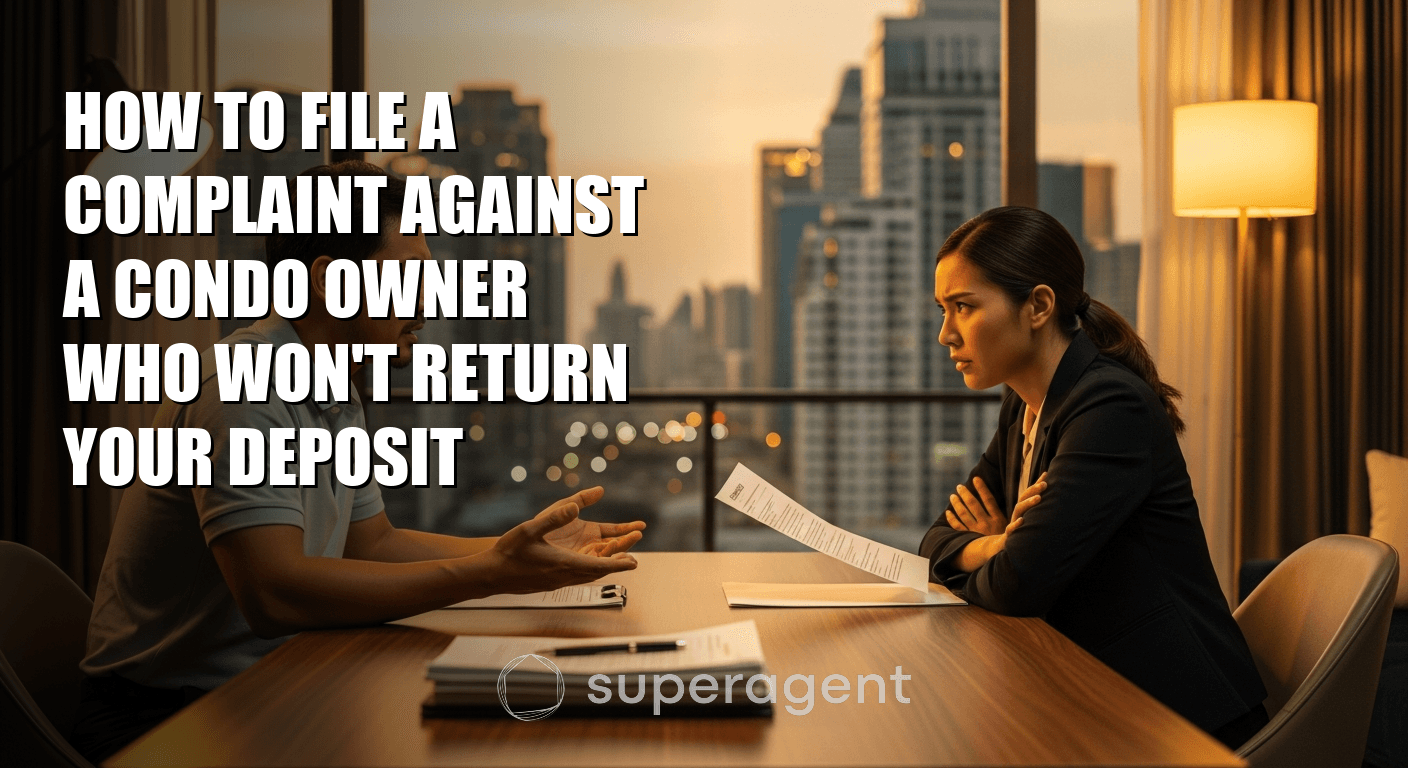
You've just moved out of your condo in Thonglor. You cleaned the place, fixed the scratches, did everything right. Then your landlord says they're keeping 15,000 baht of your 30,000 baht deposit because of "wear and tear." No receipts. No detailed damage report. Sound familiar?
This happens to renters in Bangkok more often than it should. Whether you're in a modern condo near Phrom Phong BTS or an older soi building in Ari, deposit disputes are one of the most stressful parts of moving out. But here's the truth: you have more power than you think.
Why Landlords Keep Deposits (And When They Shouldn't)
Let's be honest about how this works in Bangkok. Some landlords are straightforward. Others use the deposit as an easy money grab. They'll claim damage that existed before you moved in or charge you for normal wear and tear that's their responsibility as the property owner.
Thai rental law says deposits should only cover actual damage beyond normal use. That means you can't be charged for painted walls that look tired after two years, or faded curtains, or a slow drain that existed when you arrived. Real damage, sure. But phantom repairs? That's not legal.
I once watched a friend get charged 12,000 baht for "carpet cleaning" in a unit that had tile flooring. The building manager just copied a standard checklist without looking at the actual apartment. No witnesses, no photos, no itemization.
Document Everything Before You Hand Over Keys
Prevention is easier than fighting for your money back. When you first get the keys, take photos or videos of the entire unit. Damaged tiles, stains, scratches, broken handles, everything. Boring, I know, but crucial.
Walk through with your landlord if possible and take that same video or photos while they're present. Get them to sign a move-in checklist that lists the condition. Most professional buildings near Sukhumvit and around Silom have these forms. If yours doesn't, ask for one anyway. Put it in writing.
When you move out, do the same thing. Document the condition with photos and a dated checklist. Keep these files. Seriously. A Superagent user in Phetchaburi saved 25,000 baht by having move-in photos that showed a broken window air conditioner unit. Their landlord couldn't claim they broke it.
Request an Itemized Damage Report Within 5 Days
Thai law requires landlords to return your deposit within 5 days of move-out, or provide a written explanation if they're keeping any amount. Emphasis on written. If your landlord just texts you vague complaints, that's not legal compliance.
Send them a message requesting an itemized report. Include specific dates, damage descriptions, and estimated repair costs. Ask them to provide receipts or quotes from repair shops. Most legitimate owners will send this. The ones who don't are banking on you not pushing back.
Keep all communication in writing. Line, email, Facebook, whatever. Avoid phone calls where there's no record. If they say "we'll discuss it later" or "I'll send photos," follow up with a message saying "Thanks for talking about this earlier. Please send the written report by [date]."
A tenant in Asoke got their full deposit back just by asking for this report. The landlord realized they couldn't justify the charges on paper and returned the money. Sometimes they count on your silence.
File a Complaint With the Local Housing Authority or Tambon Office
If your landlord won't return the deposit or won't provide documentation, escalate. Bangkok has sub-district housing offices, though they're not as powerful as you might hope. Still, filing a complaint creates an official record.
Visit your local tambon office (the sub-district administrative office near your building) and file a formal complaint. Bring copies of your rental agreement, photos, the checklist, and all messages with your landlord. They'll mediate or guide you toward the next step.
For bigger disputes, you can contact the Bangkok Metropolitan Administration's Consumer Protection Division or file a case with the Renter Protection Center if your building falls under their jurisdiction. Yes, Bangkok has actual renter protection resources. Most people don't know about them.
Take It to Small Claims Court if Necessary
If the amount is under 100,000 baht and other options haven't worked, small claims court is an option. Thai courts take deposit disputes seriously when you have documentation. This sounds intimidating, but it's actually the most effective move for larger amounts.
You'll need your rental agreement, evidence of the damage dispute, and your documentation. Bring your before and after photos. Bring the checklist. Bring all messages. You don't need a lawyer for small claims in Thailand, though having one helps.
A couple I know in Ekkamai spent 3,000 baht on a lawyer to recover 28,000 baht. The court sided with them because they had photos and the landlord couldn't produce any evidence. Worth it.
The real power of taking it to court isn't always winning. It's that most landlords will settle before trial when they realize you're serious. They don't want the hassle either.
Protect Yourself From the Start
Your best move is never needing to fight. Use a reputable rental platform like Superagent.co that vets landlords and clarifies deposit terms upfront. Read your contract carefully. Know the exact deposit amount and what conditions might affect it.
When you move in, document. When you move out, document again. Communicate everything in writing. Most landlords will respect that because it protects them too. The ones who won't are the ones you need to pursue legally anyway.
Deposit disputes suck. But you're not powerless. You have documentation, you have Thai law on your side, and you have pathways to get your money back. The landlords counting on your passivity are banking on you not knowing that.
You've just moved out of your condo in Thonglor. You cleaned the place, fixed the scratches, did everything right. Then your landlord says they're keeping 15,000 baht of your 30,000 baht deposit because of "wear and tear." No receipts. No detailed damage report. Sound familiar?
This happens to renters in Bangkok more often than it should. Whether you're in a modern condo near Phrom Phong BTS or an older soi building in Ari, deposit disputes are one of the most stressful parts of moving out. But here's the truth: you have more power than you think.
Why Landlords Keep Deposits (And When They Shouldn't)
Let's be honest about how this works in Bangkok. Some landlords are straightforward. Others use the deposit as an easy money grab. They'll claim damage that existed before you moved in or charge you for normal wear and tear that's their responsibility as the property owner.
Thai rental law says deposits should only cover actual damage beyond normal use. That means you can't be charged for painted walls that look tired after two years, or faded curtains, or a slow drain that existed when you arrived. Real damage, sure. But phantom repairs? That's not legal.
Continue reading after that.
Looking for a condo
to rent?
Leave your name and phone. We'll follow up while you keep reading.
100% Secure
Fast Response
Free Consultation
I once watched a friend get charged 12,000 baht for "carpet cleaning" in a unit that had tile flooring. The building manager just copied a standard checklist without looking at the actual apartment. No witnesses, no photos, no itemization.
Document Everything Before You Hand Over Keys
Prevention is easier than fighting for your money back. When you first get the keys, take photos or videos of the entire unit. Damaged tiles, stains, scratches, broken handles, everything. Boring, I know, but crucial.
Walk through with your landlord if possible and take that same video or photos while they're present. Get them to sign a move-in checklist that lists the condition. Most professional buildings near Sukhumvit and around Silom have these forms. If yours doesn't, ask for one anyway. Put it in writing.
When you move out, do the same thing. Document the condition with photos and a dated checklist. Keep these files. Seriously. A Superagent user in Phetchaburi saved 25,000 baht by having move-in photos that showed a broken window air conditioner unit. Their landlord couldn't claim they broke it.
Request an Itemized Damage Report Within 5 Days
Thai law requires landlords to return your deposit within 5 days of move-out, or provide a written explanation if they're keeping any amount. Emphasis on written. If your landlord just texts you vague complaints, that's not legal compliance.
Send them a message requesting an itemized report. Include specific dates, damage descriptions, and estimated repair costs. Ask them to provide receipts or quotes from repair shops. Most legitimate owners will send this. The ones who don't are banking on you not pushing back.
Keep all communication in writing. Line, email, Facebook, whatever. Avoid phone calls where there's no record. If they say "we'll discuss it later" or "I'll send photos," follow up with a message saying "Thanks for talking about this earlier. Please send the written report by [date]."
A tenant in Asoke got their full deposit back just by asking for this report. The landlord realized they couldn't justify the charges on paper and returned the money. Sometimes they count on your silence.
File a Complaint With the Local Housing Authority or Tambon Office
If your landlord won't return the deposit or won't provide documentation, escalate. Bangkok has sub-district housing offices, though they're not as powerful as you might hope. Still, filing a complaint creates an official record.
Visit your local tambon office (the sub-district administrative office near your building) and file a formal complaint. Bring copies of your rental agreement, photos, the checklist, and all messages with your landlord. They'll mediate or guide you toward the next step.
For bigger disputes, you can contact the Bangkok Metropolitan Administration's Consumer Protection Division or file a case with the Renter Protection Center if your building falls under their jurisdiction. Yes, Bangkok has actual renter protection resources. Most people don't know about them.
Continue reading after that.
Looking for a condo
to rent?
Leave your name and phone. We'll follow up while you keep reading.
100% Secure
Fast Response
Free Consultation
Take It to Small Claims Court if Necessary
If the amount is under 100,000 baht and other options haven't worked, small claims court is an option. Thai courts take deposit disputes seriously when you have documentation. This sounds intimidating, but it's actually the most effective move for larger amounts.
You'll need your rental agreement, evidence of the damage dispute, and your documentation. Bring your before and after photos. Bring the checklist. Bring all messages. You don't need a lawyer for small claims in Thailand, though having one helps.
A couple I know in Ekkamai spent 3,000 baht on a lawyer to recover 28,000 baht. The court sided with them because they had photos and the landlord couldn't produce any evidence. Worth it.
The real power of taking it to court isn't always winning. It's that most landlords will settle before trial when they realize you're serious. They don't want the hassle either.
Protect Yourself From the Start
Your best move is never needing to fight. Use a reputable rental platform like Superagent.co that vets landlords and clarifies deposit terms upfront. Read your contract carefully. Know the exact deposit amount and what conditions might affect it.
When you move in, document. When you move out, document again. Communicate everything in writing. Most landlords will respect that because it protects them too. The ones who won't are the ones you need to pursue legally anyway.
Deposit disputes suck. But you're not powerless. You have documentation, you have Thai law on your side, and you have pathways to get your money back. The landlords counting on your passivity are banking on you not knowing that.
Share this article
Properties you may like
![[For Rent] CONDO I Park Origin 24 I 2 Beds I 1 Baths I 48,000THB/mo](/_next/image?url=https%3A%2F%2Fstorage.googleapis.com%2Fsuperagent-web%2Fattachments%2Flistings%2F6890%2Ffb28cb5c-9a1b-424b-9b52-b844aeba7bf2-1291-1.jpg&w=3840&q=75)
฿48,000
2 Bed152.1 sqm
[For Rent] CONDO I Park Origin 24 I 2 Beds I 1 Baths I 48,000THB/mo
Phrom Phong
Condo![[For Rent] CONDO I Grand Parkview Asoke I 2 Beds I 1 Bath I 35,000THB/mo](/_next/image?url=https%3A%2F%2Fstorage.googleapis.com%2Fsuperagent-web%2Fattachments%2Flistings%2F6889%2F9cb3631b-7a06-4438-9425-a5c78df563d4-1303-1.jpg&w=3840&q=75)
฿35,000
2 Bed168.4 sqm
[For Rent] CONDO I Grand Parkview Asoke I 2 Beds I 1 Bath I 35,000THB/mo
Asoke
Condo![[For Rent] CONDO I Culture Thonglor I 1 Bed I 1 Bath I 22,000THB/mo](/_next/image?url=https%3A%2F%2Fstorage.googleapis.com%2Fsuperagent-web%2Fattachments%2Flistings%2F2271%2Fcb90f802-330c-49a2-a142-2e33a8127032-culture_thonglor_for_rent_02.jpg&w=3840&q=75)
฿22,000
1 Bed126 sqm
[For Rent] CONDO I Culture Thonglor I 1 Bed I 1 Bath I 22,000THB/mo
Thonglor
Condo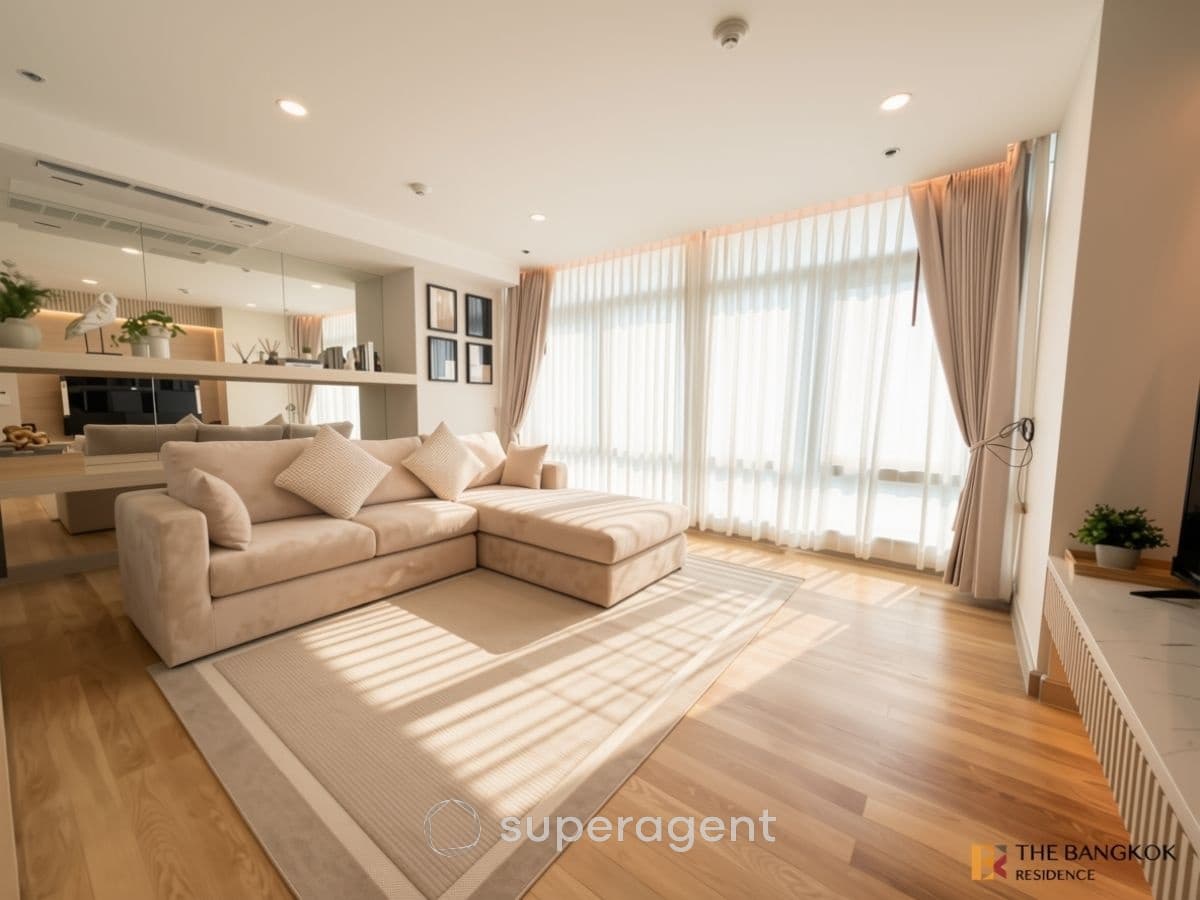
฿120,000
3 Bed3165 sqm
The Height Thonglor, 3BR 165 sq.m. 120K Show Unit Feel, Great Price, Rare Item in the Heart of Thonglor, Near BTS Thonglo
Condo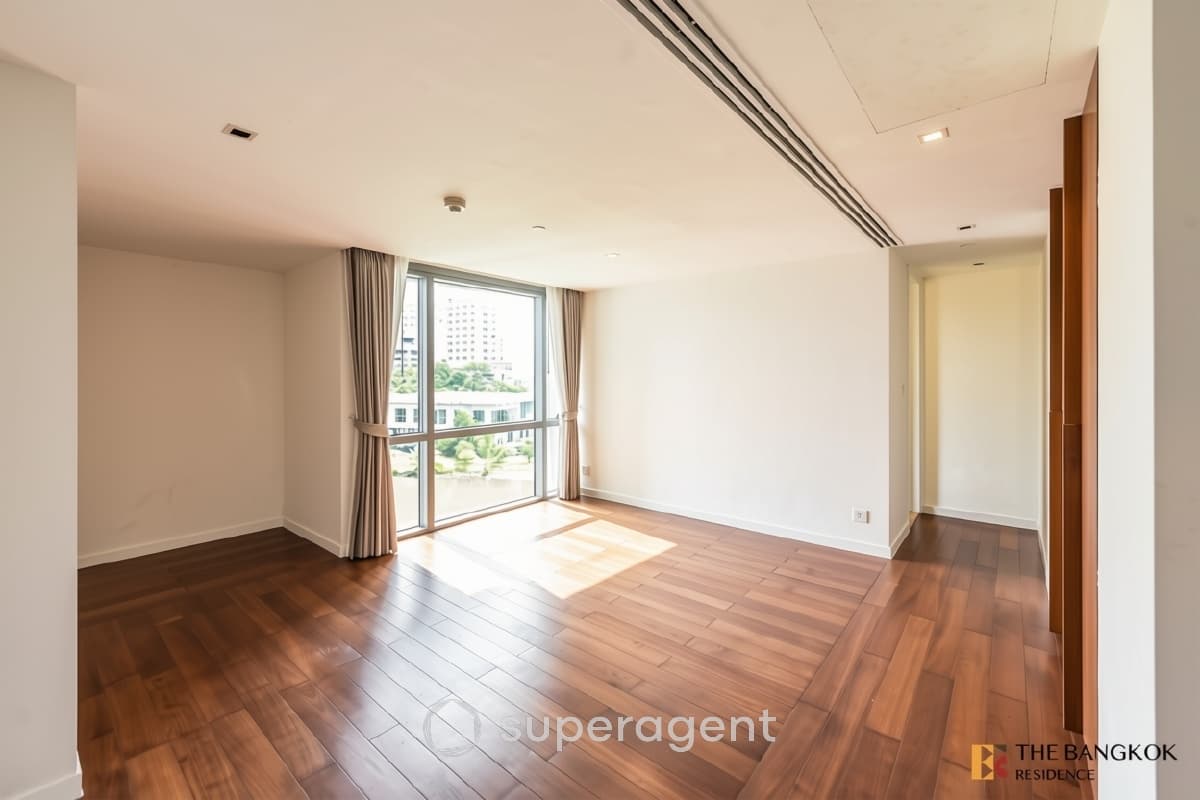
฿180,000
3 Bed4453 sqm
The Pano, 3BR 453sq.m. 180K Spacious Unit, Stunning Views
Condo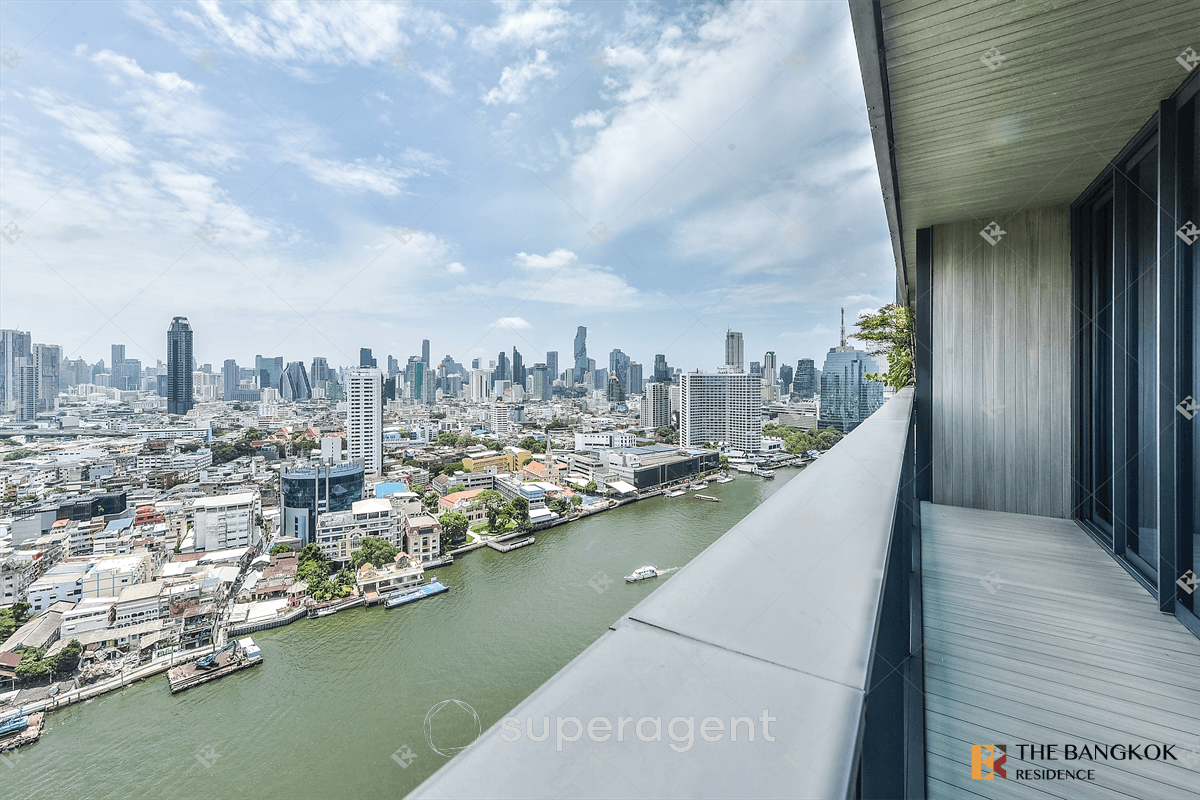
฿190,000
2 Bed2178.3 sqm
Banyan Tree Residence Riverside Bangkok, 2BR 178.34 sq.m. 190K Beautiful Fully Furnished Unit, Near BTS Saphan Taksin
Charoen Nakhon
Condo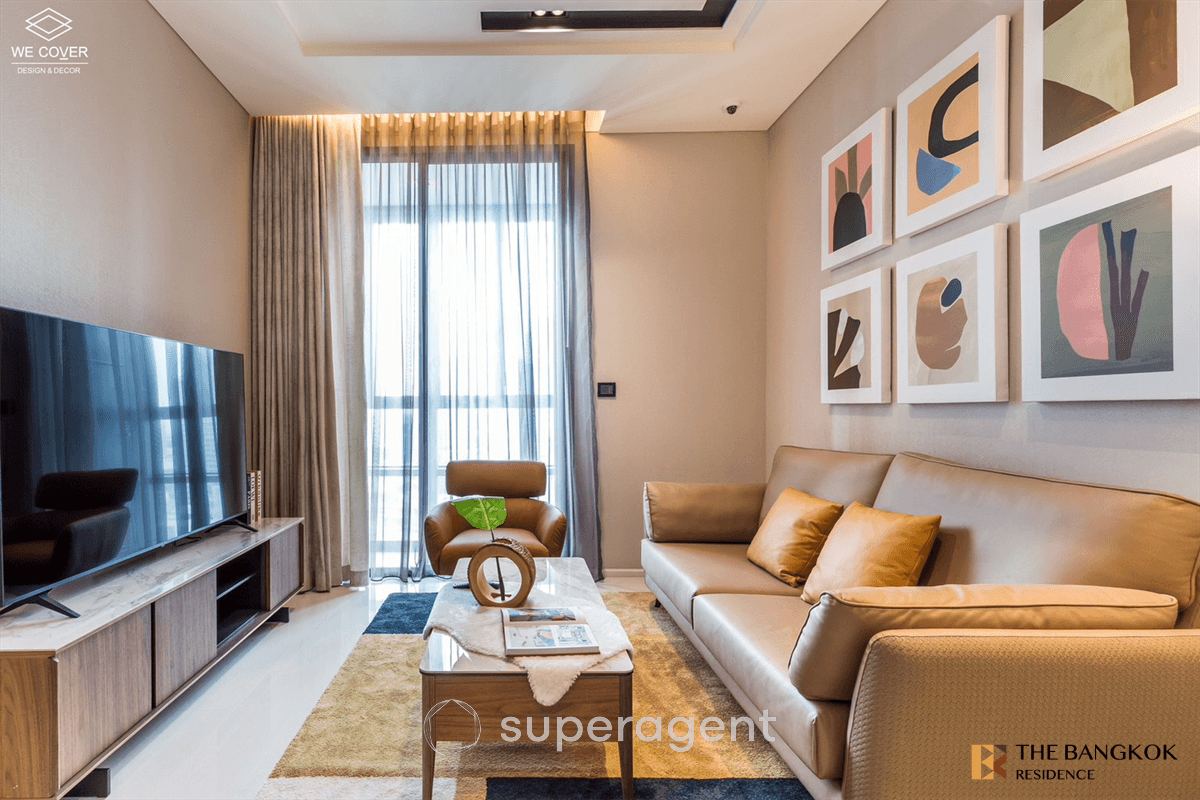
฿59,000
1 Bed155.8 sqm
The Bangkok Thonglor, 1BR 55.8 sq.m. 59K, Premium High Floor Unit, Near BTS Thonglo
Thonglor
Condo![[For Rent] CONDO I Culture Chula I Duplex I 1 Bed I 1 Bath I 35,000THB/mo](/_next/image?url=https%3A%2F%2Fstorage.googleapis.com%2Fsuperagent-web%2Fattachments%2Flistings%2F6760%2F8deaff98-ecb1-4c62-b9be-aecac2f65797-1140-1.jpg&w=3840&q=75)
฿35,000
1 Bed138 sqm
[For Rent] CONDO I Culture Chula I Duplex I 1 Bed I 1 Bath I 35,000THB/mo
Siam
Condo![[For Rent] CONDO I Ideo Chula Samyan I 1 Bed I 1 Bath I 30,000THB/mo](/_next/image?url=https%3A%2F%2Fstorage.googleapis.com%2Fsuperagent-web%2Fattachments%2Flistings%2F6872%2Ff9ab570c-e4ca-41d6-90ee-a8e581218438-1271-8.jpg&w=3840&q=75)
฿30,000
1 Bed135 sqm
[For Rent] CONDO I Ideo Chula Samyan I 1 Bed I 1 Bath I 30,000THB/mo
Siam
Condo![[For Rent] TOWNHOME I Quarter 31 I 4 Beds I 5 Baths I 280,000THB/mo](/_next/image?url=https%3A%2F%2Fstorage.googleapis.com%2Fsuperagent-web%2Fattachments%2Flistings%2F1724%2Fb24f7c3a-8acd-49e4-ae85-6a31498207e4-600-2.jpg&w=3840&q=75)
฿280,000
4 Bed5425 sqm
[For Rent] TOWNHOME I Quarter 31 I 4 Beds I 5 Baths I 280,000THB/mo
Phrom Phong
CondoMore like this
 In Guides · Superagent EditorialHidden Costs of Renting a Condo in Bangkok Nobody Warns You AboutBangkok condo rent looks affordable until month one hits. Here are the real costs beyond the headline figure that catch most renters off guard.25 May 20261 min read
 In Guides · Superagent EditorialWhat a Long-Vacant Bangkok Condo Unit Is Actually Telling YouA Bangkok condo vacant for months signals overpricing, landlord issues, or real problems. Here is how to read the signs.25 May 20261 min read
 In Guides · Superagent EditorialRed Flags in a Bangkok Rental Contract to Watch Out ForBangkok rental contracts often hide risky clauses. Here are the red flags every tenant must catch before signing any lease.25 May 20261 min read
 In Guides · Superagent EditorialWorking Online from a Condo: How to Choose the Perfect Room for ProductivityLearn how to choose the best condo room for working online with tips on lighting, noise, and furniture setup to maximize productivity.9 May 20261 min read