Moving to Bangkok as a Foreigner: The Practical Guide Nobody Wrote
Lifestyle
Moving to Bangkok as a Foreigner: The Practical Guide Nobody Wrote
Everything landlords, agents, and expat forums won't tell you, from deposits to district trade-offs.
Summary
A no-nonsense Bangkok rental guide for foreigners covering leases, deposits, hidden costs, and the best districts to live in.
You've watched the YouTube videos, read the Reddit threads, and maybe even visited once or twice on holiday. Now you're actually doing it. Moving to Bangkok as a foreigner is one of those life decisions that sounds wild until you realize thousands of people do it every year, and most of them wonder why they didn't do it sooner. But the gap between "thinking about it" and "actually settled in" is where things get messy. This is the stuff nobody really tells you until you're already here, sweating through your shirt, trying to figure out why your landlord wants six months of rent upfront.
Your First Few Weeks Will Be Chaos, and That's Normal
Here's what typically happens. You land at Suvarnabhumi, grab a Bolt to your Airbnb in Sukhumvit, and immediately feel like you've made the best decision of your life. The street food is incredible, the BTS is clean, and your temporary place near Phrom Phong cost less than a hotel room back home. Then week two hits.
You need a Thai phone number. You need to open a bank account, which requires a work permit or a letter from your embassy, depending on the bank. You realize the Airbnb you booked is technically illegal in that building and management is giving you looks. These aren't deal breakers. They're just the reality of settling in.
A practical move: get a tourist SIM from AIS or TrueMove at the airport immediately. Download Grab, LINE, and a VPN. LINE is how Bangkok communicates. Your future landlord, your building's juristic office, your coworkers. Everyone uses LINE. If you skip it, you're invisible.
Finding a Condo Without Getting Ripped Off
The Bangkok rental market is fantastic for tenants right now, but only if you know what things actually cost. Foreigners routinely overpay by 20 to 40 percent because they don't comparison shop or they work with agents who push high commission units.
Let's get specific. A one bedroom condo at Life Asoke Hype, right next to MRT Phetchaburi, runs around 15,000 to 18,000 THB per month. A similar unit at Ideo Mobi Sukhumvit near BTS On Nut goes for 12,000 to 16,000 THB. If someone quotes you 25,000 for either of those, walk away. Meanwhile, a two bedroom at Supalai Premier Ratchathewi might sit around 25,000 to 30,000 THB, which is solid value for that location near BTS Ratchathewi and the city center.
The standard deposit is two months' rent plus one month advance. Not six months. If a landlord demands more, that's a red flag. You can read more about how renting a condo in Bangkok actually works to understand the full process before you sign anything.
Choosing a Neighborhood That Matches Your Actual Life
This is where most guides fail you. They list neighborhoods like a travel brochure. Let me tell you what it actually feels like to live in them.
If you work remotely and want cafes, nightlife, and easy access to everything, the stretch between BTS Asok and BTS Thong Lo is hard to beat. Sukhumvit Soi 33 and Soi 39 are packed with restaurants, coworking spaces, and other foreigners. It's comfortable but pricier, with studios starting around 15,000 THB.
If you're on a tighter budget, look at Bearing or Udomsuk along the BTS extension. You can find a decent one bedroom for 8,000 to 11,000 THB, and you're still on the Sukhumvit line. Phra Khanong is the sweet spot between affordable and lively, popular with younger expats and digital nomads. And if you have a family, consider Ari near BTS Ari, which has a more local, neighborhood feel with great schools nearby.
Picking the right area matters more than picking the right condo. Our breakdown of the best areas to live in Bangkok goes deeper into each neighborhood if you want the full picture.
The Money Stuff Nobody Wants to Talk About
Living in Bangkok as a foreigner is affordable, but "affordable" depends entirely on your lifestyle. Here's a realistic monthly budget for a single person living comfortably, not luxury, not backpacker.
Rent for a one bedroom condo in a decent area: 14,000 to 20,000 THB. Electricity and water: 2,000 to 4,000 THB, and yes, electricity is expensive because you'll run the AC constantly. Food, mixing street food with restaurants: 8,000 to 15,000 THB. BTS and MRT commuting: 1,500 to 2,500 THB. Health insurance: 3,000 to 6,000 THB depending on your plan. That puts you somewhere between 30,000 and 50,000 THB per month total.
One thing that catches people off guard is electricity billing. Many condo buildings charge a per unit rate of 7 to 8 THB instead of the government rate of around 4 THB. Always ask about this before signing a lease. It adds up fast in a hot month.
Visas, the Endless Puzzle
If you're working for a Thai company, they handle your Non B visa and work permit. If you're remote, things get murkier. The DTV, or Digital Nomad Visa, launched in 2024 and gives you up to 180 days, extendable once. It requires proof of income or savings and employment with a foreign company.
Many foreigners still do border runs on tourist visa exemptions, but immigration has been tightening this. Getting denied entry after your fourth visa exempt stamp in a year is a real possibility. Plan your visa situation before you move, not after. A solid resource is the Thai e-visa portal, but honestly, a reputable visa agent in Bangkok will save you hours of confusion for a few thousand baht.
Living in Bangkok as a foreigner is not about figuring everything out before you arrive. It's about landing with enough information to avoid the expensive mistakes and enough flexibility to enjoy the learning curve. The city rewards people who actually engage with it. Talk to your neighbors, eat at the stall on Soi 38 that has the longest line, take the boat down the Chao Phraya instead of a taxi. Bangkok becomes home faster than you expect. And when you're ready to find a condo that fits your life here, check out Superagent at superagent.co to compare listings, see real prices, and skip the runaround.
You've watched the YouTube videos, read the Reddit threads, and maybe even visited once or twice on holiday. Now you're actually doing it. Moving to Bangkok as a foreigner is one of those life decisions that sounds wild until you realize thousands of people do it every year, and most of them wonder why they didn't do it sooner. But the gap between "thinking about it" and "actually settled in" is where things get messy. This is the stuff nobody really tells you until you're already here, sweating through your shirt, trying to figure out why your landlord wants six months of rent upfront.
Your First Few Weeks Will Be Chaos, and That's Normal
Here's what typically happens. You land at Suvarnabhumi, grab a Bolt to your Airbnb in Sukhumvit, and immediately feel like you've made the best decision of your life. The street food is incredible, the BTS is clean, and your temporary place near Phrom Phong cost less than a hotel room back home. Then week two hits.
You need a Thai phone number. You need to open a bank account, which requires a work permit or a letter from your embassy, depending on the bank. You realize the Airbnb you booked is technically illegal in that building and management is giving you looks. These aren't deal breakers. They're just the reality of settling in.
Continue reading after that.
Looking for a condo
to rent?
Leave your name and phone. We'll follow up while you keep reading.
100% Secure
Fast Response
Free Consultation
A practical move: get a tourist SIM from AIS or TrueMove at the airport immediately. Download Grab, LINE, and a VPN. LINE is how Bangkok communicates. Your future landlord, your building's juristic office, your coworkers. Everyone uses LINE. If you skip it, you're invisible.
Finding a Condo Without Getting Ripped Off
The Bangkok rental market is fantastic for tenants right now, but only if you know what things actually cost. Foreigners routinely overpay by 20 to 40 percent because they don't comparison shop or they work with agents who push high commission units.
Let's get specific. A one bedroom condo at Life Asoke Hype, right next to MRT Phetchaburi, runs around 15,000 to 18,000 THB per month. A similar unit at Ideo Mobi Sukhumvit near BTS On Nut goes for 12,000 to 16,000 THB. If someone quotes you 25,000 for either of those, walk away. Meanwhile, a two bedroom at Supalai Premier Ratchathewi might sit around 25,000 to 30,000 THB, which is solid value for that location near BTS Ratchathewi and the city center.
The standard deposit is two months' rent plus one month advance. Not six months. If a landlord demands more, that's a red flag. You can read more about how renting a condo in Bangkok actually works to understand the full process before you sign anything.
Choosing a Neighborhood That Matches Your Actual Life
This is where most guides fail you. They list neighborhoods like a travel brochure. Let me tell you what it actually feels like to live in them.
If you work remotely and want cafes, nightlife, and easy access to everything, the stretch between BTS Asok and BTS Thong Lo is hard to beat. Sukhumvit Soi 33 and Soi 39 are packed with restaurants, coworking spaces, and other foreigners. It's comfortable but pricier, with studios starting around 15,000 THB.
If you're on a tighter budget, look at Bearing or Udomsuk along the BTS extension. You can find a decent one bedroom for 8,000 to 11,000 THB, and you're still on the Sukhumvit line. Phra Khanong is the sweet spot between affordable and lively, popular with younger expats and digital nomads. And if you have a family, consider Ari near BTS Ari, which has a more local, neighborhood feel with great schools nearby.
Picking the right area matters more than picking the right condo. Our breakdown of the best areas to live in Bangkok goes deeper into each neighborhood if you want the full picture.
The Money Stuff Nobody Wants to Talk About
Living in Bangkok as a foreigner is affordable, but "affordable" depends entirely on your lifestyle. Here's a realistic monthly budget for a single person living comfortably, not luxury, not backpacker.
Rent for a one bedroom condo in a decent area: 14,000 to 20,000 THB. Electricity and water: 2,000 to 4,000 THB, and yes, electricity is expensive because you'll run the AC constantly. Food, mixing street food with restaurants: 8,000 to 15,000 THB. BTS and MRT commuting: 1,500 to 2,500 THB. Health insurance: 3,000 to 6,000 THB depending on your plan. That puts you somewhere between 30,000 and 50,000 THB per month total.
Continue reading after that.
Looking for a condo
to rent?
Leave your name and phone. We'll follow up while you keep reading.
100% Secure
Fast Response
Free Consultation
One thing that catches people off guard is electricity billing. Many condo buildings charge a per unit rate of 7 to 8 THB instead of the government rate of around 4 THB. Always ask about this before signing a lease. It adds up fast in a hot month.
Visas, the Endless Puzzle
If you're working for a Thai company, they handle your Non B visa and work permit. If you're remote, things get murkier. The DTV, or Digital Nomad Visa, launched in 2024 and gives you up to 180 days, extendable once. It requires proof of income or savings and employment with a foreign company.
Many foreigners still do border runs on tourist visa exemptions, but immigration has been tightening this. Getting denied entry after your fourth visa exempt stamp in a year is a real possibility. Plan your visa situation before you move, not after. A solid resource is the Thai e-visa portal, but honestly, a reputable visa agent in Bangkok will save you hours of confusion for a few thousand baht.
Living in Bangkok as a foreigner is not about figuring everything out before you arrive. It's about landing with enough information to avoid the expensive mistakes and enough flexibility to enjoy the learning curve. The city rewards people who actually engage with it. Talk to your neighbors, eat at the stall on Soi 38 that has the longest line, take the boat down the Chao Phraya instead of a taxi. Bangkok becomes home faster than you expect. And when you're ready to find a condo that fits your life here, check out Superagent at superagent.co to compare listings, see real prices, and skip the runaround.
Share this article
Properties you may like
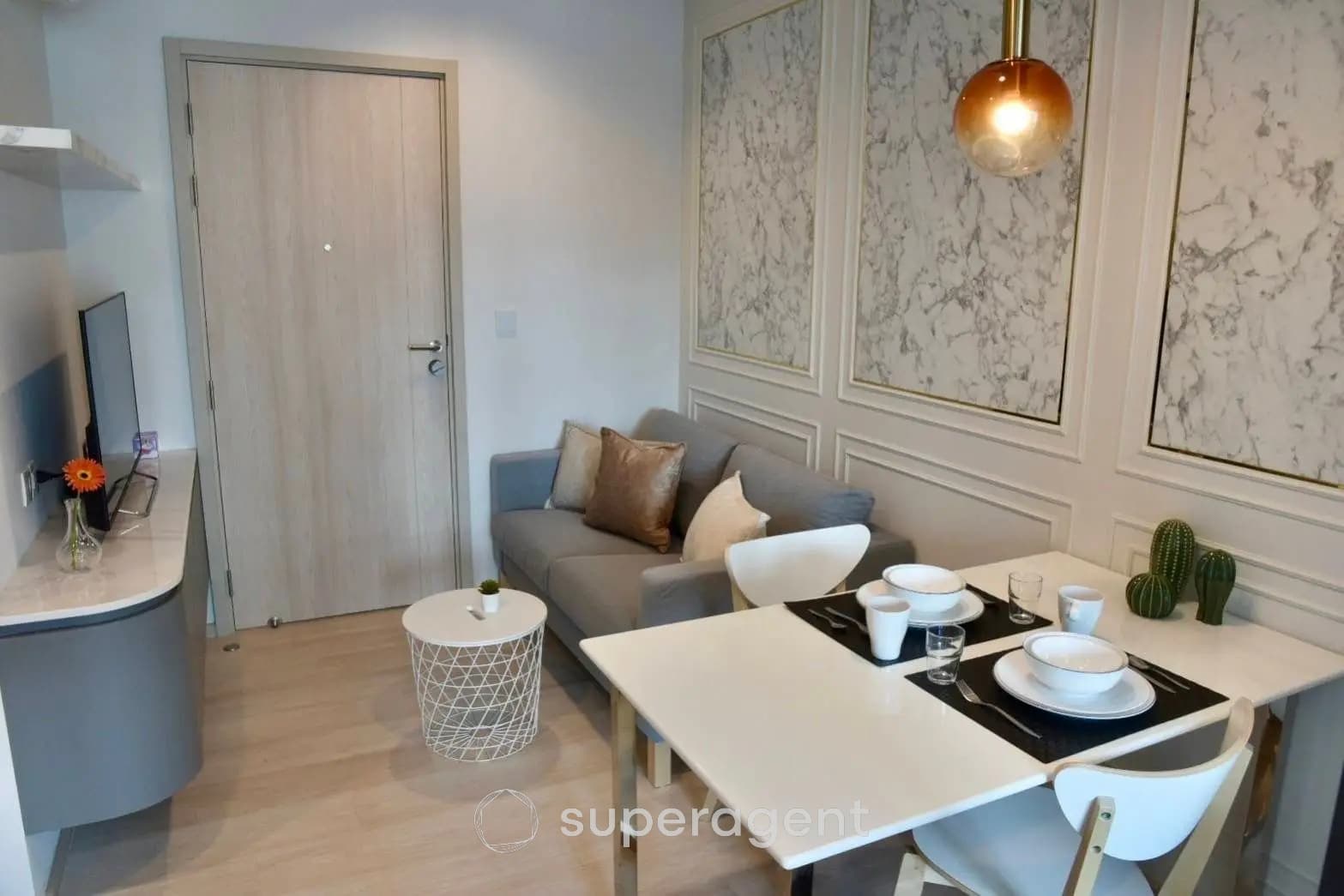
฿24,000
1 Bed135 sqm
1-BR Condo at Life One Wireless near BTS Phloen Chit
Ploenchit
Condo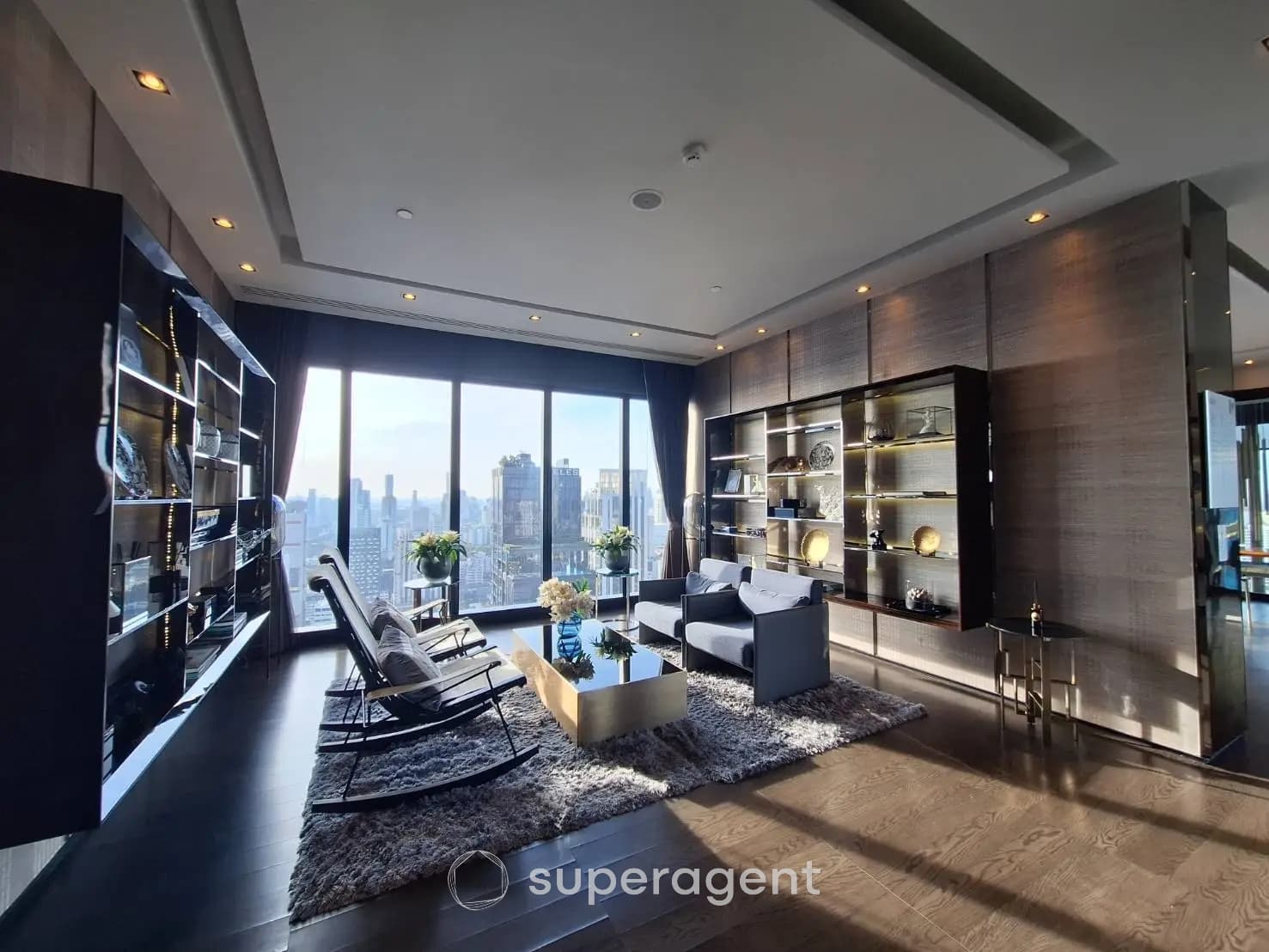
฿25,000
1 Bed133 sqm
1-BR Condo at Ashton Asoke near MRT Sukhumvit
Asoke
Condo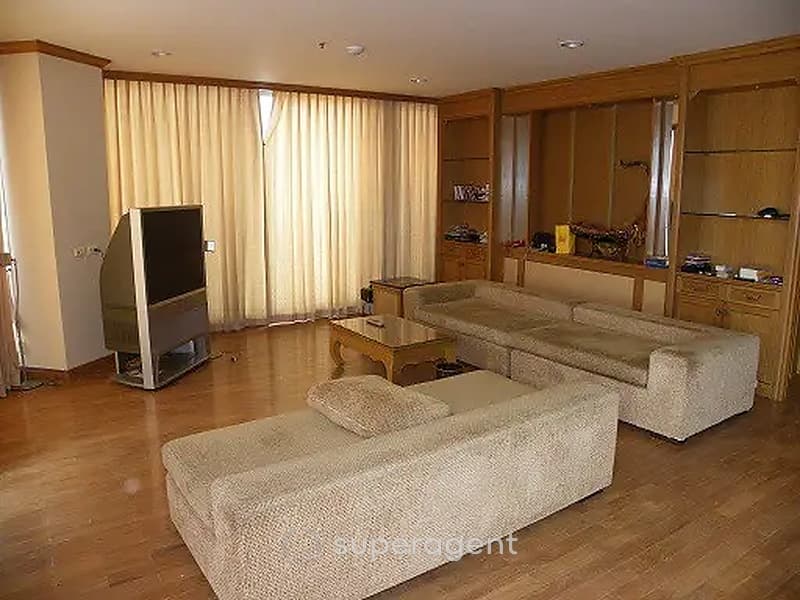
฿70,000
3 Bed3230 sqm
3-BR Condo at River Heaven Chareonkrung in Bang Kho Laem
Condo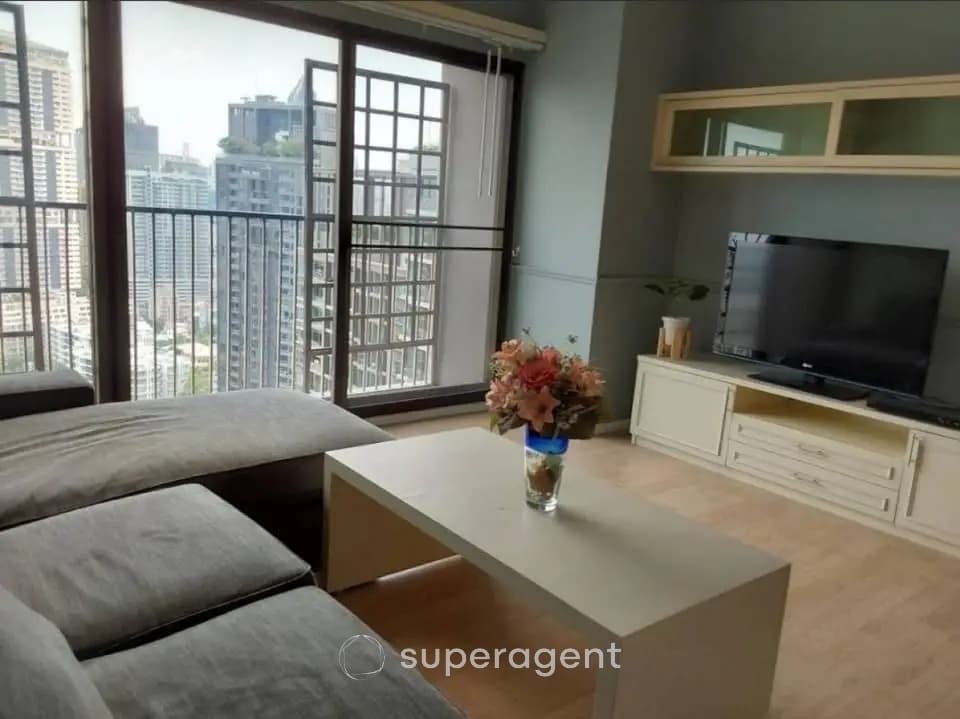
฿63,000
3 Bed2102 sqm
3-BR Condo at Noble Remix near BTS Thong Lor
Thonglor
Condo
฿27,000
Studio135 sqm
Studio Condo at Ideo Q Victory near BTS Victory Monument
Victory Monument
Condo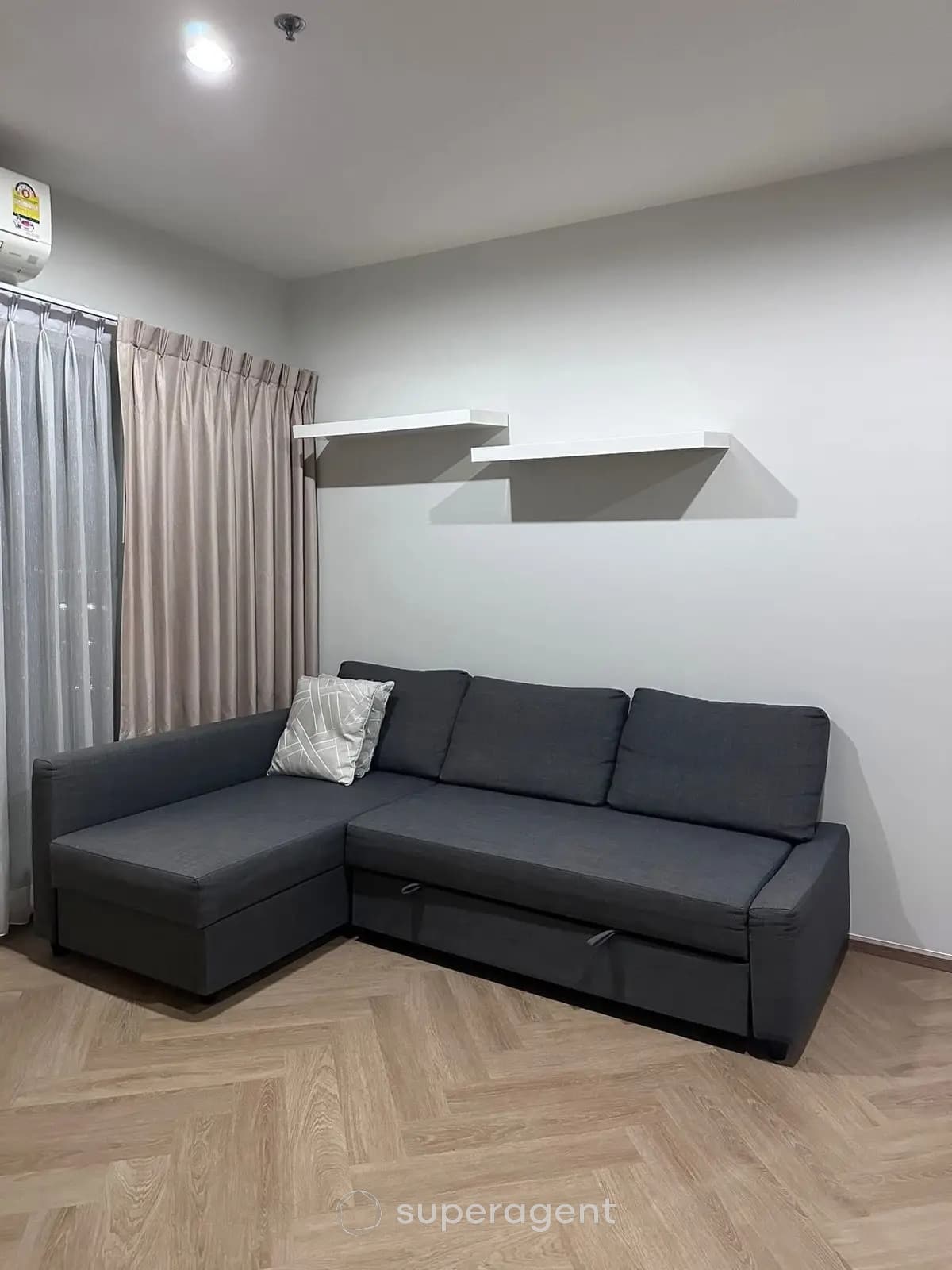
฿30,000
2 Bed252.9 sqm
2-BR Condo at The Key Sathorn - Charoenraj in Bang Khlo
Condo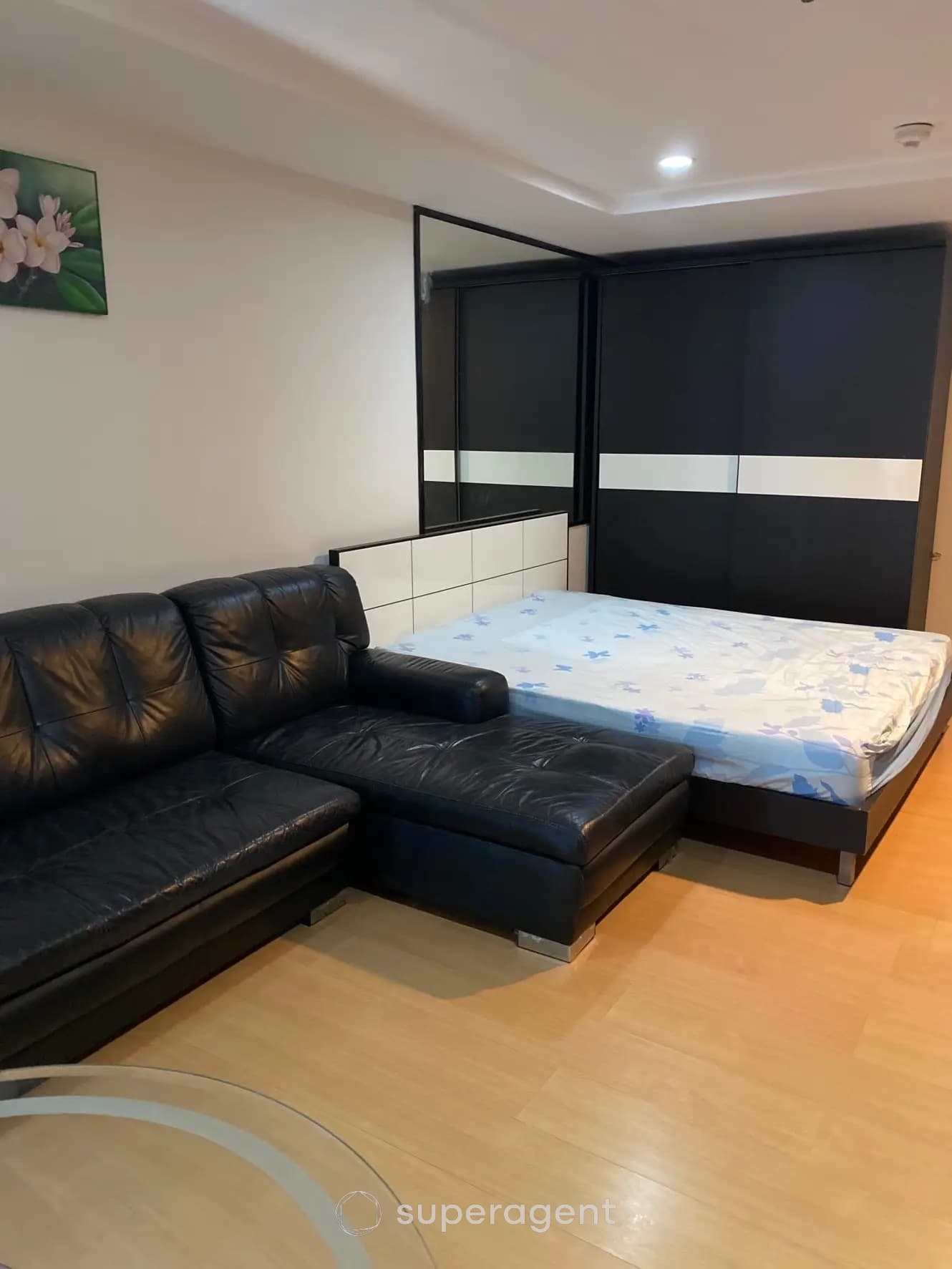
฿17,000
1 Bed136 sqm
1-BR Condo at The Trendy Condominium near BTS Nana
Condo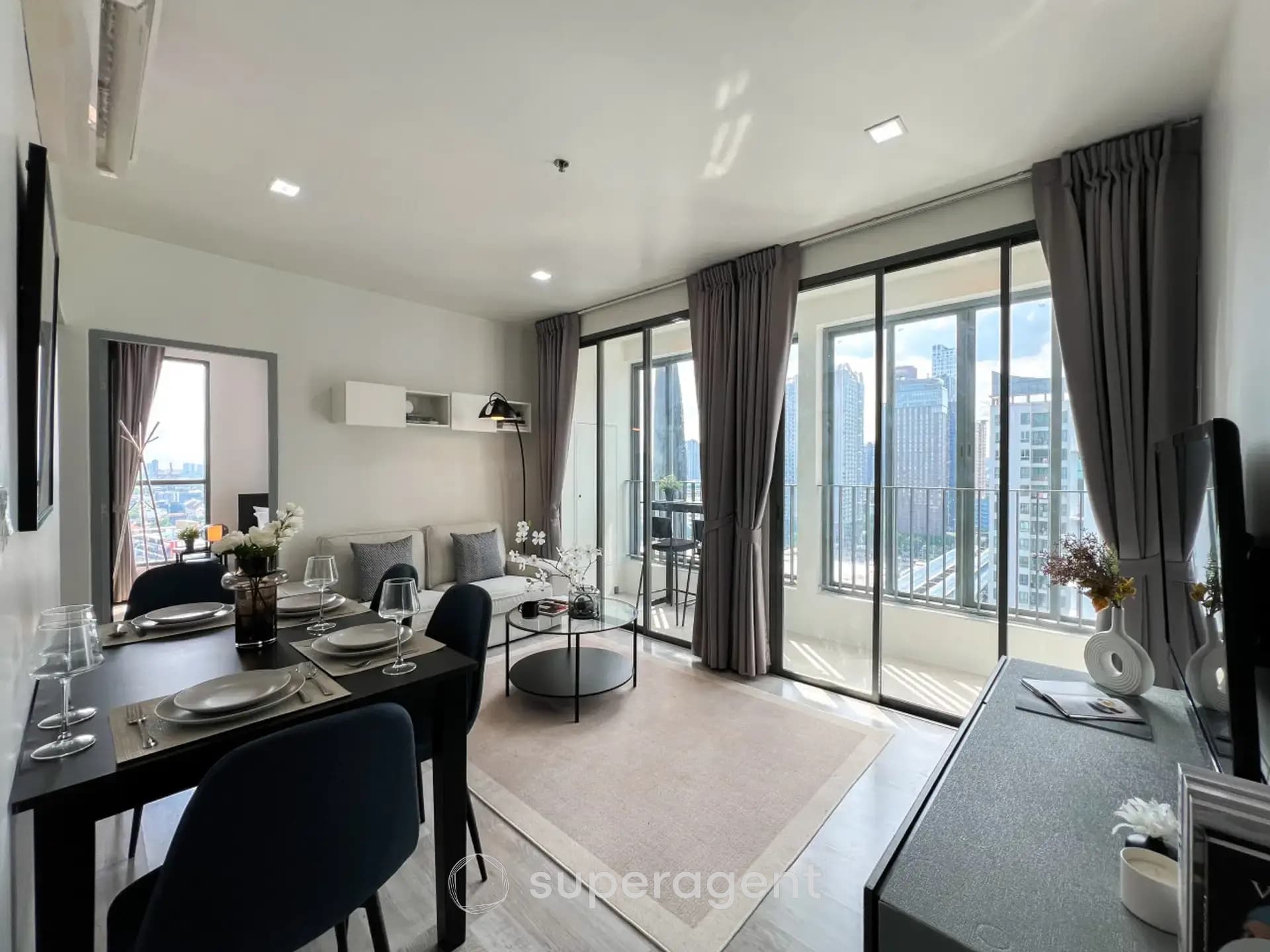
฿42,000
2 Bed287 sqm
2-BR Condo at Ideo Mobi Sukhumvit 81 near BTS On Nut
Condo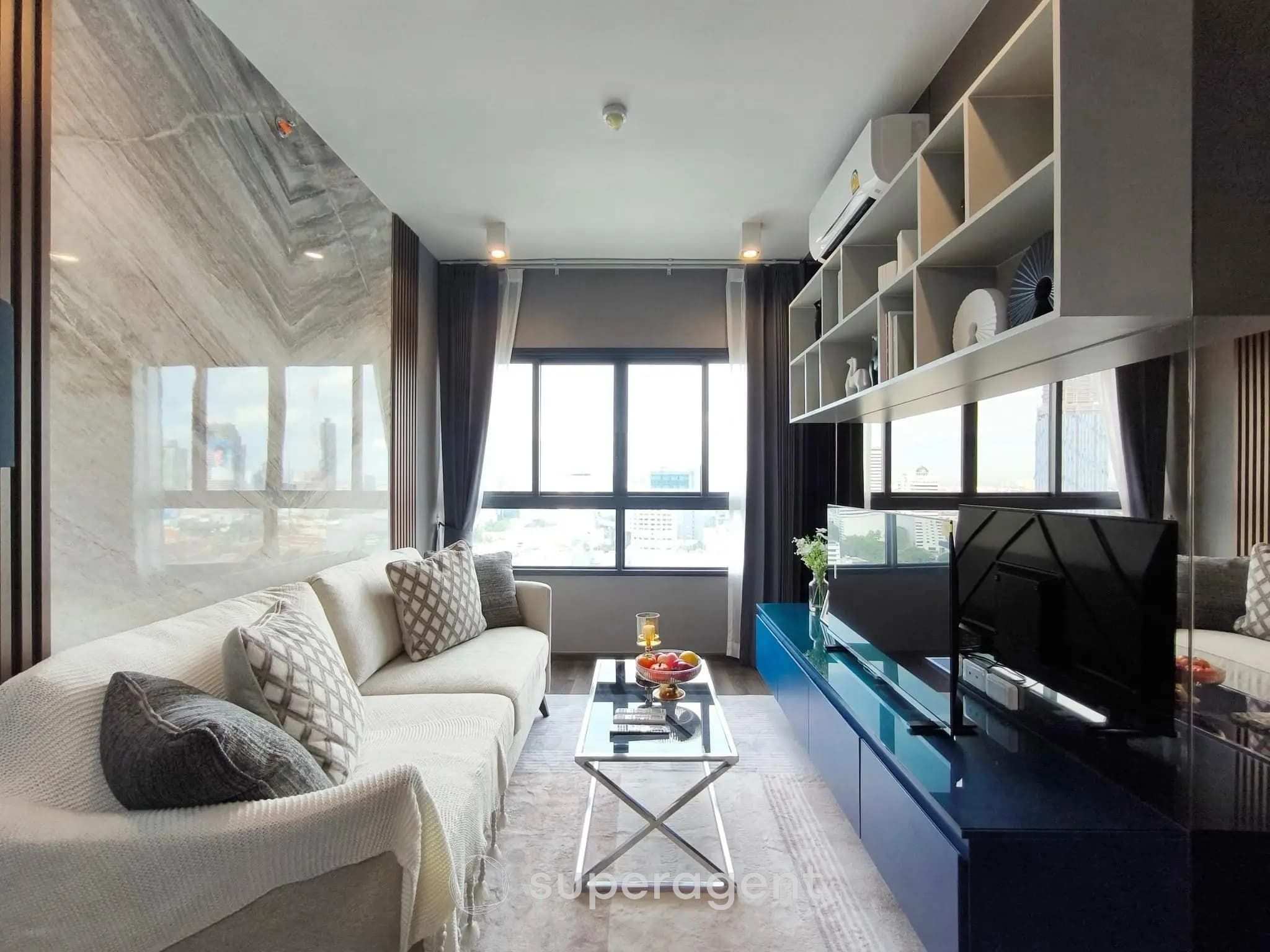
฿38,000
2 Bed258 sqm
2-BR Condo at Ideo Rama 9 - Asoke near MRT Phra Ram 9
Condo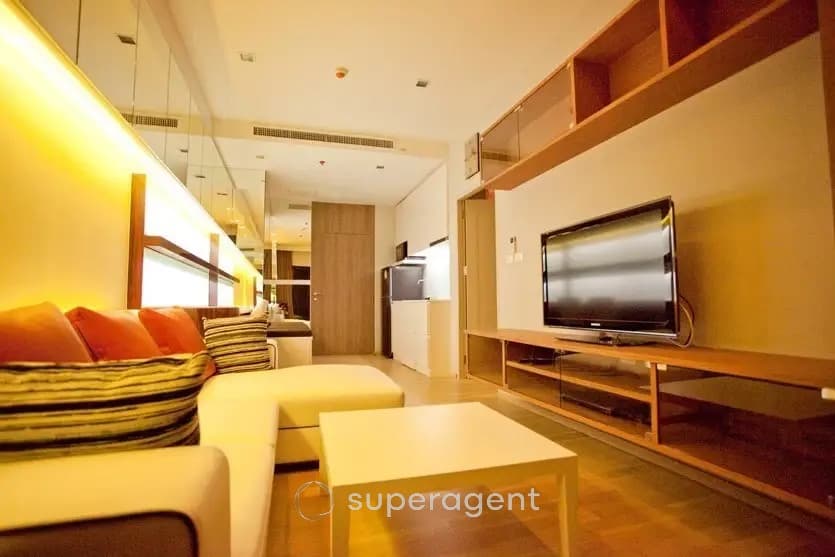
฿27,000
1 Bed145 sqm
1-BR Condo at Noble Reveal Ekamai near BTS Ekkamai
Ekkamai
CondoMore like this
 In Lifestyle · Superagent EditorialWhere Bangkok's Expat Communities Are Concentrated: Rental Guide by NationalityDiscover where Bangkok's expat community areas are located. Our rental guide maps out neighborhoods by nationality to help you find your ideal home.12 Apr 20241 min read
 In Lifestyle · Superagent EditorialThe AI Rental Revolution in Bangkok: How Technology Is Changing How Expats Find HomesBangkok rental revolution ai is reshaping how expats find homes. Explore smart technology, virtual tours, and AI-powered matching tools transforming the ma16 Apr 20211 min read
 In Lifestyle · Superagent EditorialMonthly Condo Rentals in Bangkok: Why They Beat Daily Rates Once Your Stay Passes Two WeeksCompare Bangkok daily and monthly condo rates near BTS Thong Lo, Asoke, Ari and On Nut, and see why monthly leases save tens of thousands of baht.19 Jul 20191 min read
 In Lifestyle · Superagent EditorialHow to Negotiate Rent With Thai Condo Landlords: Techniques That Actually Work in BangkokProven tactics for negotiating condo rent with Bangkok landlords, from market research and counter offers to lease length, timing and low season.18 Jul 20191 min read