Road Safety in Bangkok for Expats: What Every Renter Should Know
Lifestyle
Road Safety in Bangkok for Expats: What Every Renter Should Know
Master Bangkok's chaotic streets with essential safety tips for expat renters
Summary
Bangkok road safety for expats requires understanding local driving customs, traffic laws, and practical precautions. Learn how to navigate safely as a ren
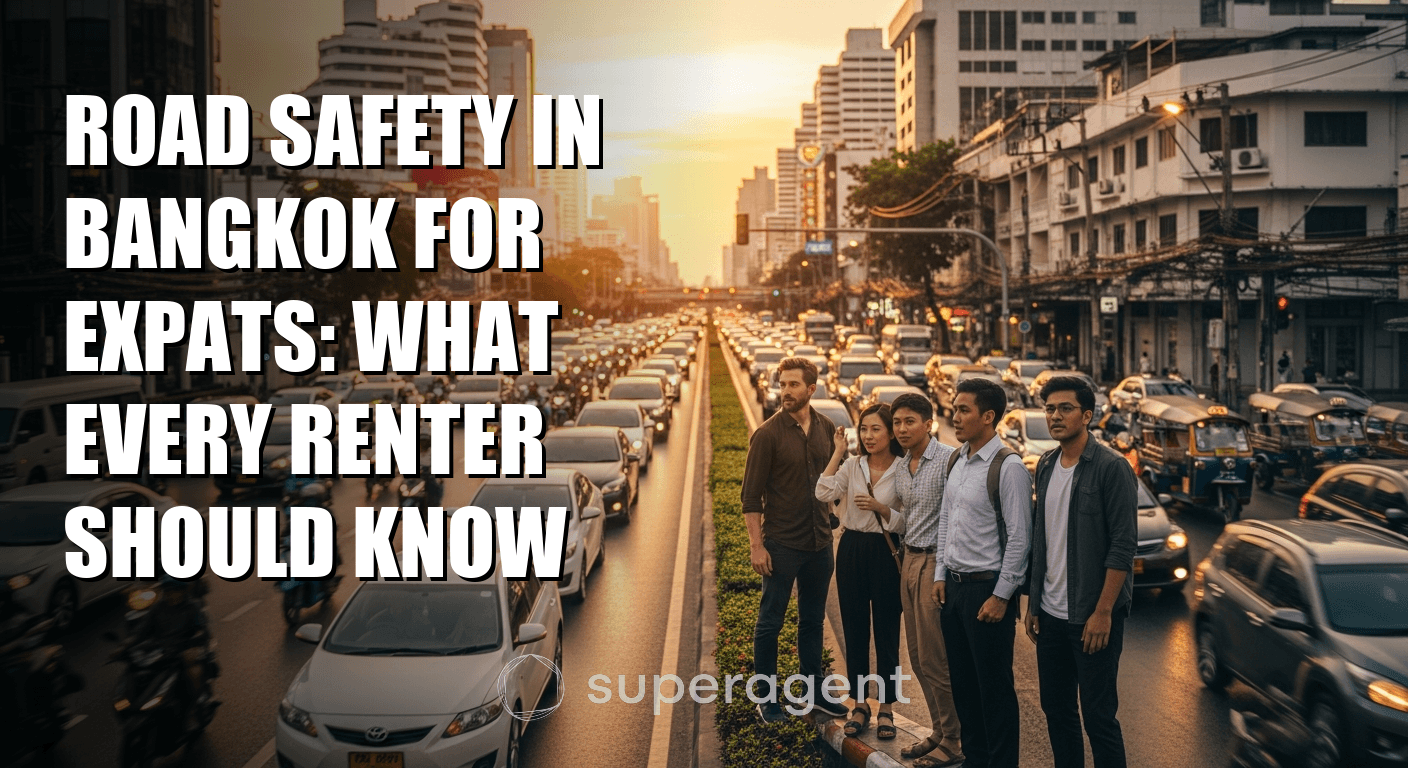
Bangkok traffic is legendary for a reason. The first time you step off the BTS at Asok and try to cross Sukhumvit Road during rush hour, you realize this city operates by its own set of rules. Motorbikes fly down sidewalks. Buses swing wide into the left lane without warning. Tuk tuks appear from angles you didn't know existed. If you're moving to Bangkok and planning to rent a condo, understanding road safety isn't just helpful. It could genuinely save your life.
Pedestrian Crossings Are Suggestions, Not Guarantees
Let's get the biggest culture shock out of the way first. Zebra crossings in Bangkok do not work the way they do in London, Sydney, or Toronto. Cars and motorbikes will not automatically stop for you. Even at marked crosswalks near popular areas like Thonglor or Ari, you need to make eye contact with drivers, use a hand gesture to signal your intent, and cross with a group whenever possible.
A friend of mine moved into a condo near BTS Ekkamai, paying about 18,000 THB per month for a one bedroom on Sukhumvit Soi 63. She loved the neighborhood but spent her first two weeks terrified to cross the main road. The trick she learned? Wait for a local, walk when they walk, and never assume a green pedestrian light means all vehicles have actually stopped.
If you're choosing a condo, think about which side of major roads you'll be on. Living on the same side as your nearest BTS station or grocery store means fewer dangerous crossings in your daily routine. It sounds like a small detail, but after a few months here, you'll understand why it matters.
Motorbikes Are Everywhere, Including the Sidewalk
This is the one that catches most expats off guard. Motorbikes in Bangkok regularly use sidewalks, and they come up behind you fast and quiet. Walking along Sukhumvit between Nana and Phrom Phong, you'll encounter motorbike riders weaving between pedestrians, food carts, and construction barriers. It happens on smaller sois too.
When you're apartment hunting in areas like Silom, Sathorn, or Ratchathewi, pay attention to the sidewalk conditions near the building. Some condos like The Lumpini 24 near BTS Phrom Phong sit on relatively wide, well maintained sidewalks. Others, especially older buildings along Rama IV, have narrow or broken sidewalks that force you into the road.
Always walk facing oncoming traffic when there's no proper sidewalk. Keep your phone in your pocket when crossing sois. And if you hear a horn behind you on a sidewalk, step to the side quickly. It's not rude here. It's just how things work.
Choosing a Condo Location With Safety in Mind
Your daily commute matters more than you think. Renters who live directly connected to the BTS or MRT system have a huge advantage because they can avoid street level traffic almost entirely. Buildings like Life Asoke Hype, which connects to MRT Phetchaburi, or Ideo Q Siam, near BTS Ratchathewi, let you go from your front door to the train without spending much time on busy roads.
Condos on smaller sois also tend to be safer for walking. Sukhumvit Soi 24, Soi 36, and Soi 49 have lower traffic speeds and more residential vibes compared to the chaos of Sukhumvit Road itself. Rent on these sois ranges from about 15,000 to 35,000 THB for a one bedroom, depending on the building age and amenities.
If you're renting in areas like Ladprao or Huai Khwang near MRT stations, the roads are generally wider and slightly less chaotic than central Sukhumvit. A studio near MRT Ladprao goes for around 10,000 to 14,000 THB per month, and the pedestrian infrastructure has improved significantly in recent years.
Getting Around Safely Beyond Walking
Most expats in Bangkok rely on a mix of BTS, MRT, and ride hailing apps like Grab or Bolt. If you're thinking about renting or buying a motorbike, understand the risks clearly. Bangkok has one of the highest road fatality rates in Southeast Asia, and motorbike riders account for the vast majority of serious injuries.
A colleague renting a place at Ideo Mobi Rama 9 for about 16,000 THB per month bought a scooter to save on Grab costs. Within three months, he had two minor accidents on Ratchadaphisek Road. He sold the bike and went back to the train. His advice? Unless you have significant riding experience in a similar city, stick to public transport and ride hailing.
If you do ride, always wear a helmet, get proper insurance, and avoid riding at night on major roads. The combination of poor lighting, fast moving trucks, and unpredictable lane changes makes nighttime riding especially dangerous.
Rainy Season Changes Everything
From June through October, Bangkok's rainy season turns roads into a different challenge altogether. Flooding on roads near Lat Phrao, On Nut, and parts of Sathorn can get ankle deep within an hour. Sidewalks become slippery. Visibility drops. And drivers tend to speed up, not slow down, during heavy rain.
If you're renting during rainy season, check whether your condo area is prone to flooding. Buildings on higher ground or newer developments with proper drainage systems handle the rain much better. Ask current tenants or check recent Google reviews for flooding complaints before signing a lease.
Bangkok is an incredible city to live in, and millions of people get around safely every single day. The key is adjusting your habits, staying alert, and making smart choices about where you live. When you're ready to find a condo in a location that fits your lifestyle and keeps your daily commute as safe as possible, try searching on superagent.co to compare options across Bangkok's best connected neighborhoods.
Bangkok traffic is legendary for a reason. The first time you step off the BTS at Asok and try to cross Sukhumvit Road during rush hour, you realize this city operates by its own set of rules. Motorbikes fly down sidewalks. Buses swing wide into the left lane without warning. Tuk tuks appear from angles you didn't know existed. If you're moving to Bangkok and planning to rent a condo, understanding road safety isn't just helpful. It could genuinely save your life.
Pedestrian Crossings Are Suggestions, Not Guarantees
Let's get the biggest culture shock out of the way first. Zebra crossings in Bangkok do not work the way they do in London, Sydney, or Toronto. Cars and motorbikes will not automatically stop for you. Even at marked crosswalks near popular areas like Thonglor or Ari, you need to make eye contact with drivers, use a hand gesture to signal your intent, and cross with a group whenever possible.
A friend of mine moved into a condo near BTS Ekkamai, paying about 18,000 THB per month for a one bedroom on Sukhumvit Soi 63. She loved the neighborhood but spent her first two weeks terrified to cross the main road. The trick she learned? Wait for a local, walk when they walk, and never assume a green pedestrian light means all vehicles have actually stopped.
Continue reading after that.
Looking for a condo
to rent?
Leave your name and phone. We'll follow up while you keep reading.
100% Secure
Fast Response
Free Consultation
If you're choosing a condo, think about which side of major roads you'll be on. Living on the same side as your nearest BTS station or grocery store means fewer dangerous crossings in your daily routine. It sounds like a small detail, but after a few months here, you'll understand why it matters.
Motorbikes Are Everywhere, Including the Sidewalk
This is the one that catches most expats off guard. Motorbikes in Bangkok regularly use sidewalks, and they come up behind you fast and quiet. Walking along Sukhumvit between Nana and Phrom Phong, you'll encounter motorbike riders weaving between pedestrians, food carts, and construction barriers. It happens on smaller sois too.
When you're apartment hunting in areas like Silom, Sathorn, or Ratchathewi, pay attention to the sidewalk conditions near the building. Some condos like The Lumpini 24 near BTS Phrom Phong sit on relatively wide, well maintained sidewalks. Others, especially older buildings along Rama IV, have narrow or broken sidewalks that force you into the road.
Always walk facing oncoming traffic when there's no proper sidewalk. Keep your phone in your pocket when crossing sois. And if you hear a horn behind you on a sidewalk, step to the side quickly. It's not rude here. It's just how things work.
Choosing a Condo Location With Safety in Mind
Your daily commute matters more than you think. Renters who live directly connected to the BTS or MRT system have a huge advantage because they can avoid street level traffic almost entirely. Buildings like Life Asoke Hype, which connects to MRT Phetchaburi, or Ideo Q Siam, near BTS Ratchathewi, let you go from your front door to the train without spending much time on busy roads.
Condos on smaller sois also tend to be safer for walking. Sukhumvit Soi 24, Soi 36, and Soi 49 have lower traffic speeds and more residential vibes compared to the chaos of Sukhumvit Road itself. Rent on these sois ranges from about 15,000 to 35,000 THB for a one bedroom, depending on the building age and amenities.
If you're renting in areas like Ladprao or Huai Khwang near MRT stations, the roads are generally wider and slightly less chaotic than central Sukhumvit. A studio near MRT Ladprao goes for around 10,000 to 14,000 THB per month, and the pedestrian infrastructure has improved significantly in recent years.
Getting Around Safely Beyond Walking
Most expats in Bangkok rely on a mix of BTS, MRT, and ride hailing apps like Grab or Bolt. If you're thinking about renting or buying a motorbike, understand the risks clearly. Bangkok has one of the highest road fatality rates in Southeast Asia, and motorbike riders account for the vast majority of serious injuries.
A colleague renting a place at Ideo Mobi Rama 9 for about 16,000 THB per month bought a scooter to save on Grab costs. Within three months, he had two minor accidents on Ratchadaphisek Road. He sold the bike and went back to the train. His advice? Unless you have significant riding experience in a similar city, stick to public transport and ride hailing.
Continue reading after that.
Looking for a condo
to rent?
Leave your name and phone. We'll follow up while you keep reading.
100% Secure
Fast Response
Free Consultation
If you do ride, always wear a helmet, get proper insurance, and avoid riding at night on major roads. The combination of poor lighting, fast moving trucks, and unpredictable lane changes makes nighttime riding especially dangerous.
Rainy Season Changes Everything
From June through October, Bangkok's rainy season turns roads into a different challenge altogether. Flooding on roads near Lat Phrao, On Nut, and parts of Sathorn can get ankle deep within an hour. Sidewalks become slippery. Visibility drops. And drivers tend to speed up, not slow down, during heavy rain.
If you're renting during rainy season, check whether your condo area is prone to flooding. Buildings on higher ground or newer developments with proper drainage systems handle the rain much better. Ask current tenants or check recent Google reviews for flooding complaints before signing a lease.
Bangkok is an incredible city to live in, and millions of people get around safely every single day. The key is adjusting your habits, staying alert, and making smart choices about where you live. When you're ready to find a condo in a location that fits your lifestyle and keeps your daily commute as safe as possible, try searching on superagent.co to compare options across Bangkok's best connected neighborhoods.
Share this article
Properties you may like
![[For Rent] CONDO I Las Colinas Condominium I 2 Beds I 3 Baths I 85,000THB/mo](/_next/image?url=https%3A%2F%2Fstorage.googleapis.com%2Fsuperagent-web%2Fattachments%2Flistings%2F6828%2F80f345c4-488e-43b2-b017-c9fbb17b520d-99486dd8-4237-4ba2-9207-01ce4f66b21f-media.jpg&w=3840&q=75)
฿85,000
2 Bed3170 sqm
[For Rent] CONDO I Las Colinas Condominium I 2 Beds I 3 Baths I 85,000THB/mo
Asoke
Condo![[For Rent] CONDO I Aspire Sukhumvit 48 I 2 Beds I 2 Baths I 24,000THB/mo](/_next/image?url=https%3A%2F%2Fstorage.googleapis.com%2Fsuperagent-web%2Fattachments%2Flistings%2F1199%2F130cd37f-3e03-4538-ad28-bdb3d47916ce-93-9.jpg&w=3840&q=75)
฿24,000
2 Bed254 sqm
[For Rent] CONDO I Aspire Sukhumvit 48 I 2 Beds I 2 Baths I 24,000THB/mo
On Nut
Condo![[For Rent] CONDO I BEATNIQ Sukhumvit32 I 2 Beds I 1 Baths I 110,000THB/mo](/_next/image?url=https%3A%2F%2Fstorage.googleapis.com%2Fsuperagent-web%2Fattachments%2Flistings%2F6806%2F8024fbb5-880d-428a-b7f7-d8caf46fe4d1-1190-1.jpg&w=3840&q=75)
฿110,000
2 Bed1107 sqm
[For Rent] CONDO I BEATNIQ Sukhumvit32 I 2 Beds I 1 Baths I 110,000THB/mo
Phrom Phong
Condo![[For Rent] CONDO I The Diplomat 39 I 2 Beds I 2 Baths I 89,000THB/mo](/_next/image?url=https%3A%2F%2Fstorage.googleapis.com%2Fsuperagent-web%2Fattachments%2Flistings%2F6784%2Ff92c62cc-d3be-42df-adca-b8f96fb02cfb-1163-1.jpg&w=3840&q=75)
฿89,000
2 Bed286 sqm
[For Rent] CONDO I The Diplomat 39 I 2 Beds I 2 Baths I 89,000THB/mo
Phrom Phong
Condo![[For Rent] CONDO I Noble State 39 I 3 Beds I 2 Baths I 85,000 THB/mo](/_next/image?url=https%3A%2F%2Fstorage.googleapis.com%2Fsuperagent-web%2Fattachments%2Flistings%2F1454%2Fdc7f3742-b148-4d56-9e26-1961f002d674-384-19.jpg&w=3840&q=75)
฿85,000
3 Bed285 sqm
[For Rent] CONDO I Noble State 39 I 3 Beds I 2 Baths I 85,000 THB/mo
Phrom Phong
Condo![[For Rent] CONDO I Piyathip Place I 2 Beds I 2 Baths I 77,000THB/mo](/_next/image?url=https%3A%2F%2Fstorage.googleapis.com%2Fsuperagent-web%2Fattachments%2Flistings%2F6817%2F2943cf16-53ee-4779-8edb-2e1be7291556-1191-1.jpg&w=3840&q=75)
฿77,000
2 Bed2173 sqm
[For Rent] CONDO I Piyathip Place I 2 Beds I 2 Baths I 77,000THB/mo
Condo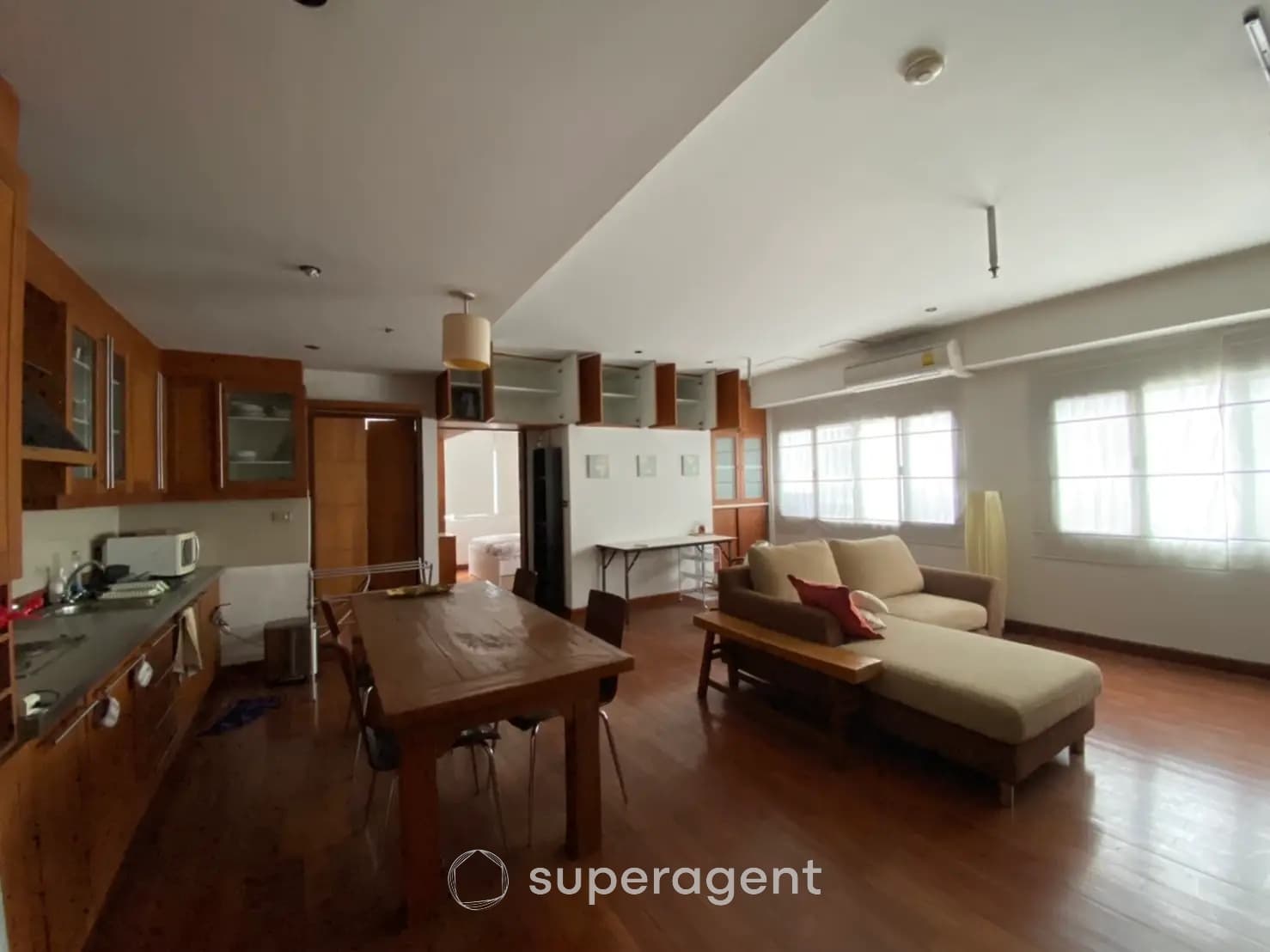
฿28,000
1 Bed167 sqm
1-BR Condo at Wittayu Complex near BTS Phloen Chit
Condo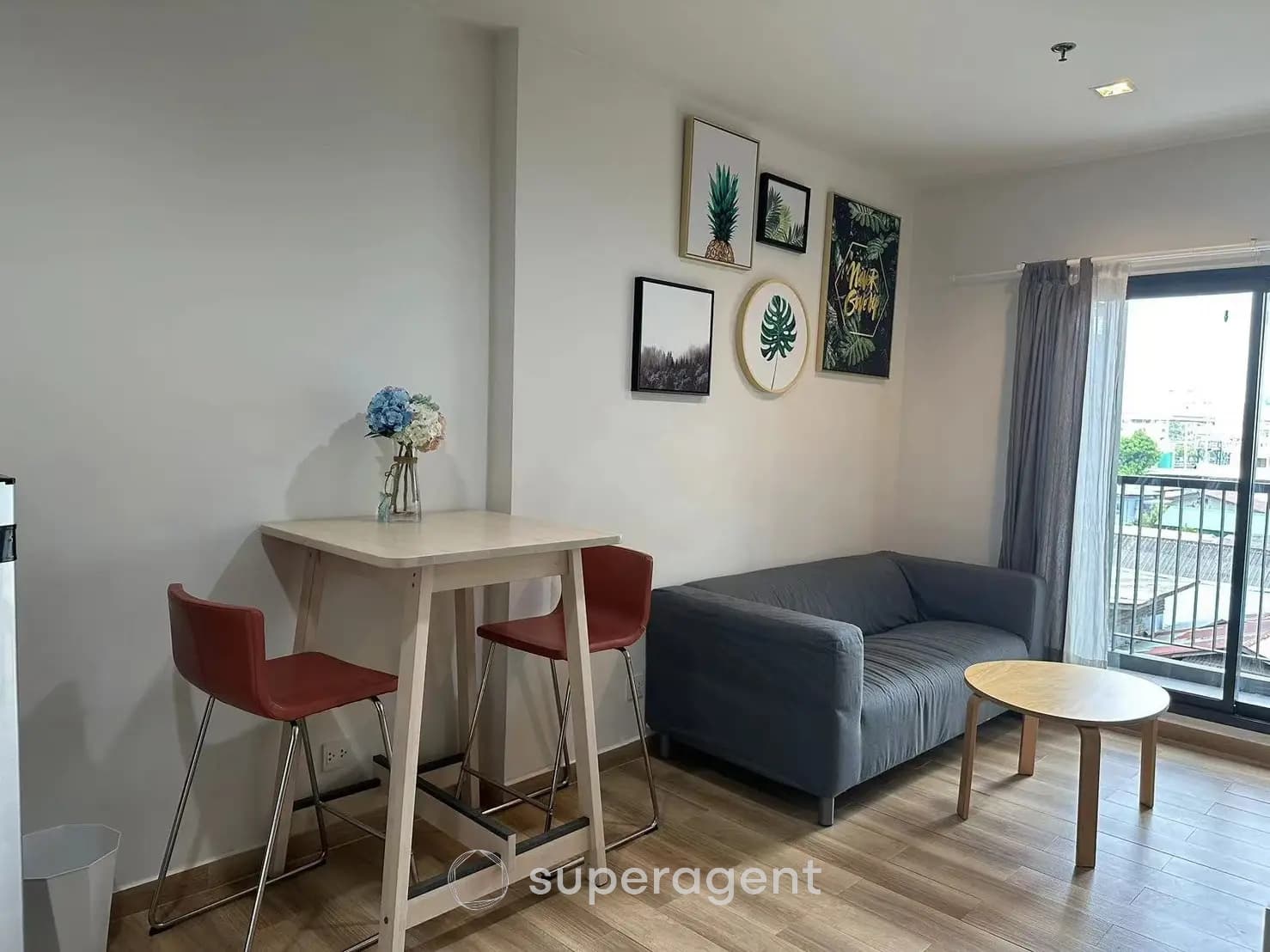
฿23,000
2 Bed150 sqm
2-BR Condo at Life Sukhumvit 48 near BTS Phra Khanong
On Nut
Condo![[For Rent] CONDO I Maestro 14 Siam-Ratchathewi Pet Friendly I 1 Bed I 1 Bath I 22,000THB/mo](/_next/image?url=https%3A%2F%2Fstorage.googleapis.com%2Fsuperagent-web%2Fattachments%2Flistings%2F6686%2F5ae8a77f-b6fb-4578-a765-e56f493cd25f-1058.png&w=3840&q=75)
฿25,000
1 Bed130 sqm
[For Rent] CONDO I Maestro 14 Siam-Ratchathewi Pet Friendly I 1 Bed I 1 Bath I 22,000THB/mo
Siam
Condo![[For Rent] CONDO I KEN Attitude Rattanathibet I Duplex I 2 Beds I 2 Baths I 40,000THB/mo](/_next/image?url=https%3A%2F%2Fstorage.googleapis.com%2Fsuperagent-web%2Fattachments%2Flistings%2F6852%2F17c1715e-4458-4008-bb0b-072a4c081166-img_0557.jpeg&w=3840&q=75)
฿40,000
2 Bed277 sqm
[For Rent] CONDO I KEN Attitude Rattanathibet I Duplex I 2 Beds I 2 Baths I 40,000THB/mo
CondoMore like this
 In Lifestyle · Superagent EditorialWhere Bangkok's Expat Communities Are Concentrated: Rental Guide by NationalityDiscover where Bangkok's expat community areas are located. Our rental guide maps out neighborhoods by nationality to help you find your ideal home.12 Apr 20241 min read
 In Lifestyle · Superagent EditorialThe AI Rental Revolution in Bangkok: How Technology Is Changing How Expats Find HomesBangkok rental revolution ai is reshaping how expats find homes. Explore smart technology, virtual tours, and AI-powered matching tools transforming the ma16 Apr 20211 min read
 In Lifestyle · Superagent EditorialMonthly Condo Rentals in Bangkok: Why They Beat Daily Rates Once Your Stay Passes Two WeeksCompare Bangkok daily and monthly condo rates near BTS Thong Lo, Asoke, Ari and On Nut, and see why monthly leases save tens of thousands of baht.19 Jul 20191 min read
 In Lifestyle · Superagent EditorialHow to Negotiate Rent With Thai Condo Landlords: Techniques That Actually Work in BangkokProven tactics for negotiating condo rent with Bangkok landlords, from market research and counter offers to lease length, timing and low season.18 Jul 20191 min read