Thai Condo Rental Laws: Essential Landlord Rights You Must Know
Guides
Thai Condo Rental Laws: Essential Landlord Rights You Must Know
Understand Thai condo rental regulations to protect your property investment and tenant relationships effectively.
Summary
Learn about in Thailand. This guide covers landlord rights, legal obligations, and regulations every property owner should understan
You're signing a condo rental agreement in Bangkok and the landlord just handed you a 15-page contract in Thai. Your Thai friend glances at it and says "looks normal," but you're wondering what you're actually agreeing to. What are your rights as a tenant? What can the landlord actually do if you're late on rent? Can they really keep your deposit?
The truth is, most renters in Bangkok, whether you've been here three months or three years, don't fully understand the legal framework around condo rentals. And that's costing people money, security deposits, and peace of mind.
Let's walk through the actual Thai rental laws that protect you as a tenant, what landlords are legally required to do, and what happens when things go wrong.
ความสำคัญของสัญญาเช่าที่ถูกต้องตามกฎหมาย
A written rental agreement is your only real protection in Bangkok. Without one, you have almost zero legal standing if there's a dispute. The Thai Civil and Commercial Code doesn't require a written contract for a rental to be valid, but trust me, you want one anyway.
I met a British guy in Thonglor who rented a condo for two years on a handshake and a bank transfer every month. When the building sold and the new owner wanted him out immediately, he had no contract to reference. He lost his deposit, had to move within two weeks, and had no legal recourse whatsoever.
Your rental agreement should clearly state the monthly rent amount, the lease period, what utilities are included, the deposit amount, and the conditions under which you can be evicted. If it doesn't have these terms in writing, you're operating on goodwill, not law.
สิทธิ์ของเจ้าของบ้านที่ต้องเก็บรักษา
Thai landlords have legitimate rights that are backed by law. Understanding these helps you avoid conflicts and know what's actually fair.
First, a landlord can absolutely increase rent when your lease expires, but they can't do it mid-contract unless the agreement explicitly allows it (and frankly, most agreements don't). The increase also can't be deemed "unreasonable" by Thai law standards, though what counts as reasonable is somewhat subjective.
Second, landlords can enter your unit for inspections, repairs, or showing the place to potential new tenants, but they must give you written notice in advance. They can't just show up with a key. A landlord in Ekkamai once let herself into a tenant's unit to show it to prospective renters without warning. The tenant filmed it, showed it to a lawyer, and the landlord lost that dispute in court.
Third, if you damage the unit beyond normal wear and tear, the landlord can charge you for repairs. A broken window, a hole in the wall, or permanent marker on the walls? That's on you. Normal paint wear after three years? That's on the landlord.
Finally, landlords can withhold deposits if you break the lease early without valid cause, if you owe unpaid rent or utilities, or if there's documented damage to the unit. They just have to provide an itemized list and return the remainder within 30 days of move-out.
สิทธิ์ของผู้เช่าตามกฎหมายไทย
You have rights too, and they're stronger than many renters realize.
You have the right to "quiet enjoyment" of the property. That means the landlord can't harass you, enter without notice, or do anything that substantially interferes with your use of the unit. A landlord in Rama 9 kept threatening eviction if the tenant didn't paint the walls in colors the landlord preferred. That's interference with quiet enjoyment. The tenant could actually sue.
You have the right to have the unit maintained in a safe, habitable condition. If the air conditioning is broken, plumbing is leaking, or the building is infested, the landlord is responsible for fixing it within a reasonable timeframe. They can't pass all repair costs to you either.
You have the right to your security deposit back unless there's documented damage or unpaid utilities. Many landlords try to keep deposits for vague reasons like "cleaning" or "general wear." That's not legal. The landlord must show itemized proof of damage and provide receipts if they're charging you for repairs.
You also have the right to proper notice before eviction. The landlord can't just tell you to leave. They must follow legal procedures, which typically include written notice at least 30 days in advance, with specific cause stated. Without proper legal process, their eviction is void.
เงินประกันและค่าเช่าตามกฎหมาย
The deposit amount and rent structure are heavily regulated. A landlord can't charge whatever they want or structure rent in ways that hide actual costs.
Security deposits typically range from one to three months of rent depending on the building and location. A studio in Phaya Thai might be 15,000 baht per month with one month deposit. A two-bedroom in Ploenchit might be 45,000 baht with two months deposit. But there's no legal maximum. A landlord can ask for five months if they want, though most tenants will walk.
Rent increases are legal but must be reasonable and can't happen mid-lease without agreement. If your contract is up for renewal and the landlord wants to increase rent by 30 percent, you can negotiate or leave. But they can't surprise you with a higher bill in month 13 of a 12-month lease.
What's important: utilities like electricity, water, and internet should be clearly separated from rent in the contract. Some landlords bundle them in (saying "30,000 all-in"), but this gets messy when usage varies. Better contracts itemize rent separately from utilities.
กรณีพิพาทและการแก้ไขปัญหา
Disputes happen. A landlord claims damage you didn't cause. You're withheld deposit money without explanation. The building flooded and the landlord won't fix it. What do you do?
First, communicate in writing. Send a registered letter or formal email (screenshot it) to your landlord explaining the issue. Keep all messages in writing from this point forward. Never rely on WhatsApp chats alone, though they help back up your case.
Second, contact the Thai Juristic Person Association or a local lawyer if you need professional help. Many offer free initial consultations. A consultation usually costs 500 to 1,000 baht if you need a quick answer on whether the landlord's action is legal.
Third, if the dispute can't be settled, you can take your landlord to civil court. Court fees are reasonable (typically under 5,000 baht), and you don't need to be Thai or speak fluent Thai if you bring a translator. I've seen expats win deposit disputes in Bangkok courts.
One American in Prompong was charged 40,000 baht for "cleaning" after moving out. She paid a lawyer 3,000 baht to send a formal letter to the landlord claiming the charge was illegal. The landlord immediately returned the money rather than risk a court case. Sometimes just knowing your rights and putting them in writing works.
ข้อเสนอแนะปฏิบัติสำหรับผู้เช่า
Read every rental contract, even if it's in Thai and even if your landlord says it's "standard." Have a Thai friend look it over or pay a lawyer 1,000 baht for a quick review. Get clarification on ambiguous terms before you sign.
Document the unit's condition before you move in. Take photos and videos of walls, floors, appliances, and any existing damage. Send these to your landlord in writing. When you move out, repeat this process. You now have proof of what was already broken.
Keep all receipts, payment records, and correspondence with your landlord. Rent transfers, utility payments, repair requests, everything. This creates a paper trail that protects you in disputes.
Understand that rental law in Thailand leans toward protecting the property owner, not the tenant. Your best defense is a clear, detailed contract and meticulous documentation. Handshakes and verbal agreements leave you vulnerable every time.
Renting a condo in Bangkok becomes much less stressful when you actually know what the law says you're entitled to and what you're not. Most landlords are reasonable, but a few will push boundaries if they think you don't know your rights. Being informed changes the entire dynamic of your rental relationship.
When you're ready to search for your next place in Bangkok, Superagent has thousands of listings with transparent pricing and verified landlords who understand tenant rights. You'll know exactly what you're signing into.
You're signing a condo rental agreement in Bangkok and the landlord just handed you a 15-page contract in Thai. Your Thai friend glances at it and says "looks normal," but you're wondering what you're actually agreeing to. What are your rights as a tenant? What can the landlord actually do if you're late on rent? Can they really keep your deposit?
The truth is, most renters in Bangkok, whether you've been here three months or three years, don't fully understand the legal framework around condo rentals. And that's costing people money, security deposits, and peace of mind.
Let's walk through the actual Thai rental laws that protect you as a tenant, what landlords are legally required to do, and what happens when things go wrong.
ความสำคัญของสัญญาเช่าที่ถูกต้องตามกฎหมาย
A written rental agreement is your only real protection in Bangkok. Without one, you have almost zero legal standing if there's a dispute. The Thai Civil and Commercial Code doesn't require a written contract for a rental to be valid, but trust me, you want one anyway.
I met a British guy in Thonglor who rented a condo for two years on a handshake and a bank transfer every month. When the building sold and the new owner wanted him out immediately, he had no contract to reference. He lost his deposit, had to move within two weeks, and had no legal recourse whatsoever.
Your rental agreement should clearly state the monthly rent amount, the lease period, what utilities are included, the deposit amount, and the conditions under which you can be evicted. If it doesn't have these terms in writing, you're operating on goodwill, not law.
สิทธิ์ของเจ้าของบ้านที่ต้องเก็บรักษา
Thai landlords have legitimate rights that are backed by law. Understanding these helps you avoid conflicts and know what's actually fair.
First, a landlord can absolutely increase rent when your lease expires, but they can't do it mid-contract unless the agreement explicitly allows it (and frankly, most agreements don't). The increase also can't be deemed "unreasonable" by Thai law standards, though what counts as reasonable is somewhat subjective.
Second, landlords can enter your unit for inspections, repairs, or showing the place to potential new tenants, but they must give you written notice in advance. They can't just show up with a key. A landlord in Ekkamai once let herself into a tenant's unit to show it to prospective renters without warning. The tenant filmed it, showed it to a lawyer, and the landlord lost that dispute in court.
Third, if you damage the unit beyond normal wear and tear, the landlord can charge you for repairs. A broken window, a hole in the wall, or permanent marker on the walls? That's on you. Normal paint wear after three years? That's on the landlord.
Finally, landlords can withhold deposits if you break the lease early without valid cause, if you owe unpaid rent or utilities, or if there's documented damage to the unit. They just have to provide an itemized list and return the remainder within 30 days of move-out.
สิทธิ์ของผู้เช่าตามกฎหมายไทย
You have rights too, and they're stronger than many renters realize.
You have the right to "quiet enjoyment" of the property. That means the landlord can't harass you, enter without notice, or do anything that substantially interferes with your use of the unit. A landlord in Rama 9 kept threatening eviction if the tenant didn't paint the walls in colors the landlord preferred. That's interference with quiet enjoyment. The tenant could actually sue.
You have the right to have the unit maintained in a safe, habitable condition. If the air conditioning is broken, plumbing is leaking, or the building is infested, the landlord is responsible for fixing it within a reasonable timeframe. They can't pass all repair costs to you either.
You have the right to your security deposit back unless there's documented damage or unpaid utilities. Many landlords try to keep deposits for vague reasons like "cleaning" or "general wear." That's not legal. The landlord must show itemized proof of damage and provide receipts if they're charging you for repairs.
You also have the right to proper notice before eviction. The landlord can't just tell you to leave. They must follow legal procedures, which typically include written notice at least 30 days in advance, with specific cause stated. Without proper legal process, their eviction is void.
เงินประกันและค่าเช่าตามกฎหมาย
The deposit amount and rent structure are heavily regulated. A landlord can't charge whatever they want or structure rent in ways that hide actual costs.
Security deposits typically range from one to three months of rent depending on the building and location. A studio in Phaya Thai might be 15,000 baht per month with one month deposit. A two-bedroom in Ploenchit might be 45,000 baht with two months deposit. But there's no legal maximum. A landlord can ask for five months if they want, though most tenants will walk.
Rent increases are legal but must be reasonable and can't happen mid-lease without agreement. If your contract is up for renewal and the landlord wants to increase rent by 30 percent, you can negotiate or leave. But they can't surprise you with a higher bill in month 13 of a 12-month lease.
Talk to us about renting
Share your details and keep reading — we’ll get back to you.
What's important: utilities like electricity, water, and internet should be clearly separated from rent in the contract. Some landlords bundle them in (saying "30,000 all-in"), but this gets messy when usage varies. Better contracts itemize rent separately from utilities.
กรณีพิพาทและการแก้ไขปัญหา
Disputes happen. A landlord claims damage you didn't cause. You're withheld deposit money without explanation. The building flooded and the landlord won't fix it. What do you do?
First, communicate in writing. Send a registered letter or formal email (screenshot it) to your landlord explaining the issue. Keep all messages in writing from this point forward. Never rely on WhatsApp chats alone, though they help back up your case.
Second, contact the Thai Juristic Person Association or a local lawyer if you need professional help. Many offer free initial consultations. A consultation usually costs 500 to 1,000 baht if you need a quick answer on whether the landlord's action is legal.
Third, if the dispute can't be settled, you can take your landlord to civil court. Court fees are reasonable (typically under 5,000 baht), and you don't need to be Thai or speak fluent Thai if you bring a translator. I've seen expats win deposit disputes in Bangkok courts.
One American in Prompong was charged 40,000 baht for "cleaning" after moving out. She paid a lawyer 3,000 baht to send a formal letter to the landlord claiming the charge was illegal. The landlord immediately returned the money rather than risk a court case. Sometimes just knowing your rights and putting them in writing works.
ข้อเสนอแนะปฏิบัติสำหรับผู้เช่า
Read every rental contract, even if it's in Thai and even if your landlord says it's "standard." Have a Thai friend look it over or pay a lawyer 1,000 baht for a quick review. Get clarification on ambiguous terms before you sign.
Document the unit's condition before you move in. Take photos and videos of walls, floors, appliances, and any existing damage. Send these to your landlord in writing. When you move out, repeat this process. You now have proof of what was already broken.
Keep all receipts, payment records, and correspondence with your landlord. Rent transfers, utility payments, repair requests, everything. This creates a paper trail that protects you in disputes.
Understand that rental law in Thailand leans toward protecting the property owner, not the tenant. Your best defense is a clear, detailed contract and meticulous documentation. Handshakes and verbal agreements leave you vulnerable every time.
Renting a condo in Bangkok becomes much less stressful when you actually know what the law says you're entitled to and what you're not. Most landlords are reasonable, but a few will push boundaries if they think you don't know your rights. Being informed changes the entire dynamic of your rental relationship.
When you're ready to search for your next place in Bangkok, Superagent has thousands of listings with transparent pricing and verified landlords who understand tenant rights. You'll know exactly what you're signing into.
Share this article
Properties you may like
![[For Rent] CONDO I The Room 69 I 1 Bed I 1 Bath I 35,000THB/mo](/_next/image?url=https%3A%2F%2Fstorage.googleapis.com%2Fsuperagent-web%2Fattachments%2Flistings%2F6756%2F445213f0-c378-46a2-b3fe-7a5ba62b623f-1135-1.jpg&w=3840&q=75)
฿35,000
1 Bed144.7 sqm
[For Rent] CONDO I The Room 69 I 1 Bed I 1 Bath I 35,000THB/mo
Condo![[For Rent] HOUSE I Mantana Bangna Km.7 I 3 BedsI 3 Baths I 68,000THB/mo](/_next/image?url=https%3A%2F%2Fstorage.googleapis.com%2Fsuperagent-web%2Fattachments%2Flistings%2F6755%2F673e8400-a19a-43b4-b994-7c0d717c8d40-1128-4.jpg&w=3840&q=75)
฿68,000
3 Bed3172 sqm
[For Rent] HOUSE I Mantana Bangna Km.7 I 3 BedsI 3 Baths I 68,000THB/mo
Bang Na
House![[For Rent] CONDO I Rhythm Sukhumvit 42 I 1 Bed I 1 Bath I 40,000THB/mo](/_next/image?url=https%3A%2F%2Fstorage.googleapis.com%2Fsuperagent-web%2Fattachments%2Flistings%2F6754%2F8bbb6bb3-98f5-49b6-8b48-0c2321f81b70-1127-3.jpg&w=3840&q=75)
฿40,000
1 Bed148 sqm
[For Rent] CONDO I Rhythm Sukhumvit 42 I 1 Bed I 1 Bath I 40,000THB/mo
Ekkamai
Condo![[For Rent&Sale] CONDO I The Waterford Sukhumvit 50 I Pet Friendly I 2 Beds I 2 Baths I Rent 50,000THB/mo - Sale 9mb THB](/_next/image?url=https%3A%2F%2Fstorage.googleapis.com%2Fsuperagent-web%2Fattachments%2Flistings%2F6753%2F9b31da57-144a-4728-bac2-010477b1614d-112-5.jpg&w=3840&q=75)
฿50,000
2 Bed292 sqm
[For Rent&Sale] CONDO I The Waterford Sukhumvit 50 I Pet Friendly I 2 Beds I 2 Baths I Rent 50,000THB/mo - Sale 9mb THB
On Nut
Condo![[For Rent&Sale] HOUSE I Perfect Masterpiece Rama 9–Krungthep Kreetha I 5 Beds I 6 Baths I Rent 400,000THB/mo - Sale 70 ล้านบาท](/_next/image?url=https%3A%2F%2Fstorage.googleapis.com%2Fsuperagent-web%2Fattachments%2Flistings%2F6752%2F1f1b4e6f-23df-48bb-a7ea-7a3252f44588-1125-1.jpg&w=3840&q=75)
฿400,000
5 Bed+6700 sqm
[For Rent&Sale] HOUSE I Perfect Masterpiece Rama 9–Krungthep Kreetha I 5 Beds I 6 Baths I Rent 400,000THB/mo - Sale 70 ล้านบาท
Condo![[For Rent] CONDO I Ashton Asoke I 3 Beds I 3 Baths I 100,000THB/mo](/_next/image?url=https%3A%2F%2Fstorage.googleapis.com%2Fsuperagent-web%2Fattachments%2Flistings%2F6751%2F5e37d6d9-2e62-43e6-b358-15d8b92aad47-1124.jpg&w=3840&q=75)
฿100,000
3 Bed3100 sqm
[For Rent] CONDO I Ashton Asoke I 3 Beds I 3 Baths I 100,000THB/mo
Asoke
Condo![[For Rent&Sale] CONDO I TC Green Rama 9 I 1 Bed I 1 Bath I Rent 15,000THB/mo - Sale 2.8mb THB](/_next/image?url=https%3A%2F%2Fstorage.googleapis.com%2Fsuperagent-web%2Fattachments%2Flistings%2F6750%2F47e9c291-b440-4d94-8168-c22bdaf34baf-1123-1.jpg&w=3840&q=75)
฿15,000
1 Bed139 sqm
[For Rent&Sale] CONDO I TC Green Rama 9 I 1 Bed I 1 Bath I Rent 15,000THB/mo - Sale 2.8mb THB
Rama 9
Condo![[For Rent&Sale] CONDO I Riviera 4 I 2 Beds I 2 Baths I Rent 18,000THB/mo - Sale 3.2mb THB](/_next/image?url=https%3A%2F%2Fstorage.googleapis.com%2Fsuperagent-web%2Fattachments%2Flistings%2F6748%2F5a58104a-d990-4793-8366-1acd0390940b-1121-6.jpg&w=3840&q=75)
฿18,000
2 Bed290 sqm
[For Rent&Sale] CONDO I Riviera 4 I 2 Beds I 2 Baths I Rent 18,000THB/mo - Sale 3.2mb THB
Condo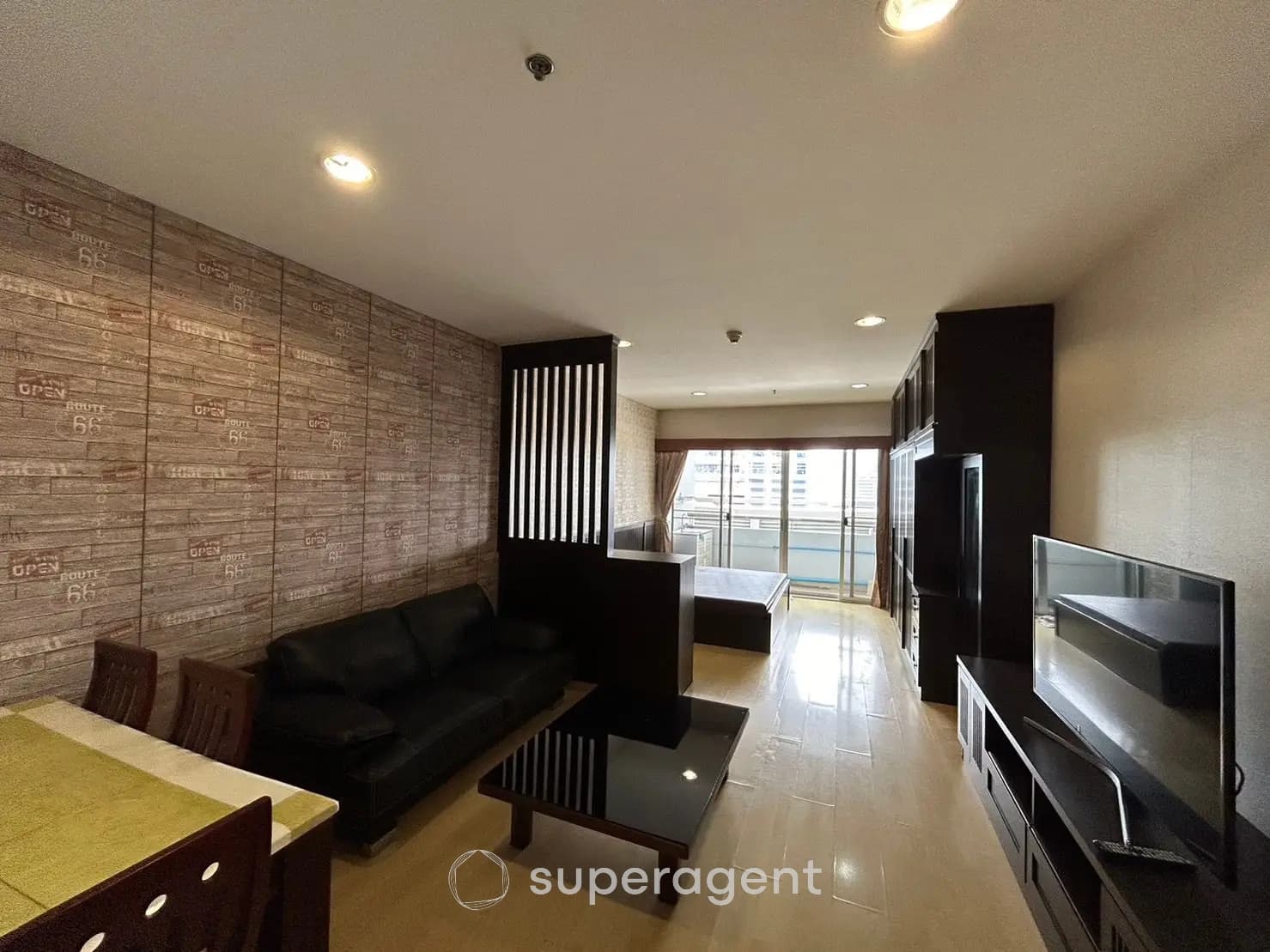
฿15,000
1 Bed145 sqm
1-BR Condo at The Platinum Condominium near ARL Ratchaprarop
Condo![[For Rent] CONDO I Park 24 I Studio I 1 Bath I 25,000THB/mo](/_next/image?url=https%3A%2F%2Fstorage.googleapis.com%2Fsuperagent-web%2Fattachments%2Flistings%2F6747%2F99e94009-1261-4181-ab16-6c2c80017f7d-1130-2.jpg&w=3840&q=75)
฿25,000
Studio129 sqm
[For Rent] CONDO I Park 24 I Studio I 1 Bath I 25,000THB/mo
Phrom Phong
CondoMore like this
 In Guides · Superagent EditorialHidden Costs of Renting a Condo in Bangkok Nobody Warns You AboutBangkok condo rent looks affordable until month one hits. Here are the real costs beyond the headline figure that catch most renters off guard.25 May 20261 min read
 In Guides · Superagent EditorialWhat a Long-Vacant Bangkok Condo Unit Is Actually Telling YouA Bangkok condo vacant for months signals overpricing, landlord issues, or real problems. Here is how to read the signs.25 May 20261 min read
 In Guides · Superagent EditorialRed Flags in a Bangkok Rental Contract to Watch Out ForBangkok rental contracts often hide risky clauses. Here are the red flags every tenant must catch before signing any lease.25 May 20261 min read
 In Guides · Superagent EditorialWorking Online from a Condo: How to Choose the Perfect Room for ProductivityLearn how to choose the best condo room for working online with tips on lighting, noise, and furniture setup to maximize productivity.9 May 20261 min read