Thai Permanent Residency: Who Qualifies and Is It Worth Applying?
Lifestyle
Thai Permanent Residency: Who Qualifies and Is It Worth Applying?
Explore eligibility requirements and long-term benefits of Thailand's elite residency status.

Summary
Thai permanent residency offers long-term stability for qualifying expatriates. Learn eligibility criteria, application process, and whether it's worth you
Every year, around 1,000 foreigners apply for Thai permanent residency. Only a fraction of them actually get approved. The quota is tight, the paperwork is intense, and the process can take well over a year from start to finish. But for those who've built a life here in Bangkok, who've signed lease after lease on condos near Phrom Phong or Ari, permanent residency offers something rare: stability in a country that typically keeps long term visa options limited. So who actually qualifies, and is the whole process worth the effort?
What Thai Permanent Residency Actually Gets You
Thai permanent residency, often called PR, gives you the right to live in Thailand indefinitely without needing to renew a visa. You get a blue book (tabien baan) for your registered address, you can own a condo unit more easily, and you no longer need to do 90 day reporting at immigration. You also gain the ability to apply for a work permit without employer sponsorship in some cases.
For someone renting a two bedroom condo at Noble Refine near BTS Phrom Phong for around 35,000 to 45,000 THB per month, PR status means you can finally register that address as your official domicile. That might sound small, but it changes how banks, government offices, and even landlords view you. You shift from being a temporary visitor to someone with permanent roots.
PR holders can also change jobs without worrying about visa transfers. If you've ever dealt with the stress of switching employers while on a Non B visa, you know how valuable that freedom is. And for families with kids enrolled at international schools near Ekkamai or Thonglor, the long term certainty is a genuine relief.
Who Actually Qualifies for PR in Thailand
Thailand opens its PR application window once a year, usually between October and December, though exact dates shift. To be eligible, you need to have held a Non Immigrant visa (typically a Non B or Non O) for at least three consecutive years before applying. Tourist visas and Elite visas do not count.
There are several categories. The most common are employment based (you work in Thailand and earn at least 80,000 THB per month), investment based (you invest at least 10 million THB in Thailand), and family based (you're married to a Thai national or are the parent of a Thai child). Each category has its own supporting documents and financial thresholds.
Let's say you're a marketing director working for a company in Silom, earning 120,000 THB monthly. You've held a valid work permit for three years and paid Thai taxes consistently. You'd fall into the employment category. Your employer needs to support your application, and you'll need tax records, bank statements, and reference letters. It's not casual paperwork. Think binders, not folders.
If you're exploring the basics of Thai visa types for expats, understanding how Non B and Non O visas work is essential before even considering the PR route.
The Application Process and What to Expect
Once you confirm eligibility, the application itself involves submitting a stack of documents to the Immigration Bureau on Soi Suan Phlu near BTS Chong Nonsi. You'll need everything from your passport and work permit copies to medical certificates, police clearance, and proof of Thai language ability.
Yes, there's a Thai language component. You'll go through an interview conducted partly in Thai. You don't need to be fluent, but you should be able to handle basic conversation. Many applicants take Thai classes for a few months before the interview. Some even hire consultants who specialize in PR applications, and fees for that service typically run between 50,000 and 150,000 THB.
The total government fee is 191,400 THB, broken into a processing fee and a residence fee paid upon approval. From application to final decision, expect to wait 12 to 18 months. Some people wait even longer. During that time, you continue living on your existing visa as usual.
A friend of mine living in a one bedroom at Ideo Q Sukhumvit 36, right by BTS Thong Lo, applied in late 2022 and didn't receive approval until mid 2024. Patience is not optional here.
Is It Actually Worth the Effort
That depends on your situation. If you're planning to stay in Bangkok long term, if you already rent, work, and socialize here, PR removes a layer of bureaucratic anxiety that most expats simply live with. No more visa runs, no more scrambling when you change jobs, no more explaining your status to every bank teller.
For people who move frequently or aren't sure if Bangkok is their forever city, the cost and effort might not make sense. The Thailand Elite visa, while expensive, gives similar stay privileges with far less paperwork. But it doesn't come with the same legal standing as PR.
If you're a family renting a three bedroom near BTS Ari for 55,000 to 70,000 THB per month and your kids are growing up here, PR starts to look less like a luxury and more like a practical step. It also puts you on the path toward Thai citizenship, if that's something you'd ever consider down the road.
Understanding how renting a condo in Bangkok works as a foreigner is useful context too, since PR changes what you can do with property registration and lease agreements.
How Your Living Situation Connects to PR
One detail that surprises many applicants is how much your housing situation matters during the PR process. Immigration officers may visit your registered address. Your lease agreement, utility bills, and tabien baan registration all become part of your file. Living in a well documented rental with a proper contract actually helps your case.
If you're renting informally or subleasing without paperwork, that could raise flags. Condos like Life Sukhumvit 48 near BTS Phra Khanong or Rhythm Ekkamai, where management offices handle tenant documentation professionally, tend to make this easier. Having clean rental records shows stability, and that's exactly what immigration wants to see.
For anyone starting to think seriously about PR, getting your rental lease agreement in order is a smart early move.
Thai permanent residency isn't for everyone. It demands time, money, and a genuine commitment to life in Thailand. But for those of us who've already made Bangkok home, who know our favorite noodle spot on Soi 38 and which BTS car is least crowded at 8 AM, it can be the difference between living here and truly belonging here. If you're searching for a well documented rental that supports your long term plans in Bangkok, Superagent at superagent.co can help you find the right condo with proper contracts and transparent terms.
Every year, around 1,000 foreigners apply for Thai permanent residency. Only a fraction of them actually get approved. The quota is tight, the paperwork is intense, and the process can take well over a year from start to finish. But for those who've built a life here in Bangkok, who've signed lease after lease on condos near Phrom Phong or Ari, permanent residency offers something rare: stability in a country that typically keeps long term visa options limited. So who actually qualifies, and is the whole process worth the effort?
What Thai Permanent Residency Actually Gets You
Thai permanent residency, often called PR, gives you the right to live in Thailand indefinitely without needing to renew a visa. You get a blue book (tabien baan) for your registered address, you can own a condo unit more easily, and you no longer need to do 90 day reporting at immigration. You also gain the ability to apply for a work permit without employer sponsorship in some cases.
For someone renting a two bedroom condo at Noble Refine near BTS Phrom Phong for around 35,000 to 45,000 THB per month, PR status means you can finally register that address as your official domicile. That might sound small, but it changes how banks, government offices, and even landlords view you. You shift from being a temporary visitor to someone with permanent roots.
PR holders can also change jobs without worrying about visa transfers. If you've ever dealt with the stress of switching employers while on a Non B visa, you know how valuable that freedom is. And for families with kids enrolled at international schools near Ekkamai or Thonglor, the long term certainty is a genuine relief.
Who Actually Qualifies for PR in Thailand
Thailand opens its PR application window once a year, usually between October and December, though exact dates shift. To be eligible, you need to have held a Non Immigrant visa (typically a Non B or Non O) for at least three consecutive years before applying. Tourist visas and Elite visas do not count.
There are several categories. The most common are employment based (you work in Thailand and earn at least 80,000 THB per month), investment based (you invest at least 10 million THB in Thailand), and family based (you're married to a Thai national or are the parent of a Thai child). Each category has its own supporting documents and financial thresholds.
Let's say you're a marketing director working for a company in Silom, earning 120,000 THB monthly. You've held a valid work permit for three years and paid Thai taxes consistently. You'd fall into the employment category. Your employer needs to support your application, and you'll need tax records, bank statements, and reference letters. It's not casual paperwork. Think binders, not folders.
If you're exploring the basics of Thai visa types for expats, understanding how Non B and Non O visas work is essential before even considering the PR route.
The Application Process and What to Expect
Once you confirm eligibility, the application itself involves submitting a stack of documents to the Immigration Bureau on Soi Suan Phlu near BTS Chong Nonsi. You'll need everything from your passport and work permit copies to medical certificates, police clearance, and proof of Thai language ability.
Yes, there's a Thai language component. You'll go through an interview conducted partly in Thai. You don't need to be fluent, but you should be able to handle basic conversation. Many applicants take Thai classes for a few months before the interview. Some even hire consultants who specialize in PR applications, and fees for that service typically run between 50,000 and 150,000 THB.
The total government fee is 191,400 THB, broken into a processing fee and a residence fee paid upon approval. From application to final decision, expect to wait 12 to 18 months. Some people wait even longer. During that time, you continue living on your existing visa as usual.
A friend of mine living in a one bedroom at Ideo Q Sukhumvit 36, right by BTS Thong Lo, applied in late 2022 and didn't receive approval until mid 2024. Patience is not optional here.
Talk to us about renting
Share your details and keep reading — we’ll get back to you.
Is It Actually Worth the Effort
That depends on your situation. If you're planning to stay in Bangkok long term, if you already rent, work, and socialize here, PR removes a layer of bureaucratic anxiety that most expats simply live with. No more visa runs, no more scrambling when you change jobs, no more explaining your status to every bank teller.
For people who move frequently or aren't sure if Bangkok is their forever city, the cost and effort might not make sense. The Thailand Elite visa, while expensive, gives similar stay privileges with far less paperwork. But it doesn't come with the same legal standing as PR.
If you're a family renting a three bedroom near BTS Ari for 55,000 to 70,000 THB per month and your kids are growing up here, PR starts to look less like a luxury and more like a practical step. It also puts you on the path toward Thai citizenship, if that's something you'd ever consider down the road.
Understanding how renting a condo in Bangkok works as a foreigner is useful context too, since PR changes what you can do with property registration and lease agreements.
How Your Living Situation Connects to PR
One detail that surprises many applicants is how much your housing situation matters during the PR process. Immigration officers may visit your registered address. Your lease agreement, utility bills, and tabien baan registration all become part of your file. Living in a well documented rental with a proper contract actually helps your case.
If you're renting informally or subleasing without paperwork, that could raise flags. Condos like Life Sukhumvit 48 near BTS Phra Khanong or Rhythm Ekkamai, where management offices handle tenant documentation professionally, tend to make this easier. Having clean rental records shows stability, and that's exactly what immigration wants to see.
For anyone starting to think seriously about PR, getting your rental lease agreement in order is a smart early move.
Thai permanent residency isn't for everyone. It demands time, money, and a genuine commitment to life in Thailand. But for those of us who've already made Bangkok home, who know our favorite noodle spot on Soi 38 and which BTS car is least crowded at 8 AM, it can be the difference between living here and truly belonging here. If you're searching for a well documented rental that supports your long term plans in Bangkok, Superagent at superagent.co can help you find the right condo with proper contracts and transparent terms.
Share this article
Properties you may like
![[For Rent] CONDO I The Room 69 I 1 Bed I 1 Bath I 35,000THB/mo](/_next/image?url=https%3A%2F%2Fstorage.googleapis.com%2Fsuperagent-web%2Fattachments%2Flistings%2F6756%2F445213f0-c378-46a2-b3fe-7a5ba62b623f-1135-1.jpg&w=3840&q=75)
฿35,000
1 Bed144.7 sqm
[For Rent] CONDO I The Room 69 I 1 Bed I 1 Bath I 35,000THB/mo
Condo![[For Rent] HOUSE I Mantana Bangna Km.7 I 3 BedsI 3 Baths I 68,000THB/mo](/_next/image?url=https%3A%2F%2Fstorage.googleapis.com%2Fsuperagent-web%2Fattachments%2Flistings%2F6755%2F673e8400-a19a-43b4-b994-7c0d717c8d40-1128-4.jpg&w=3840&q=75)
฿68,000
3 Bed3172 sqm
[For Rent] HOUSE I Mantana Bangna Km.7 I 3 BedsI 3 Baths I 68,000THB/mo
Bang Na
House![[For Rent] CONDO I Rhythm Sukhumvit 42 I 1 Bed I 1 Bath I 40,000THB/mo](/_next/image?url=https%3A%2F%2Fstorage.googleapis.com%2Fsuperagent-web%2Fattachments%2Flistings%2F6754%2F8bbb6bb3-98f5-49b6-8b48-0c2321f81b70-1127-3.jpg&w=3840&q=75)
฿40,000
1 Bed148 sqm
[For Rent] CONDO I Rhythm Sukhumvit 42 I 1 Bed I 1 Bath I 40,000THB/mo
Ekkamai
Condo![[For Rent&Sale] CONDO I The Waterford Sukhumvit 50 I Pet Friendly I 2 Beds I 2 Baths I Rent 50,000THB/mo - Sale 9mb THB](/_next/image?url=https%3A%2F%2Fstorage.googleapis.com%2Fsuperagent-web%2Fattachments%2Flistings%2F6753%2F9b31da57-144a-4728-bac2-010477b1614d-112-5.jpg&w=3840&q=75)
฿50,000
2 Bed292 sqm
[For Rent&Sale] CONDO I The Waterford Sukhumvit 50 I Pet Friendly I 2 Beds I 2 Baths I Rent 50,000THB/mo - Sale 9mb THB
On Nut
Condo![[For Rent&Sale] HOUSE I Perfect Masterpiece Rama 9–Krungthep Kreetha I 5 Beds I 6 Baths I Rent 400,000THB/mo - Sale 70 ล้านบาท](/_next/image?url=https%3A%2F%2Fstorage.googleapis.com%2Fsuperagent-web%2Fattachments%2Flistings%2F6752%2F1f1b4e6f-23df-48bb-a7ea-7a3252f44588-1125-1.jpg&w=3840&q=75)
฿400,000
5 Bed+6700 sqm
[For Rent&Sale] HOUSE I Perfect Masterpiece Rama 9–Krungthep Kreetha I 5 Beds I 6 Baths I Rent 400,000THB/mo - Sale 70 ล้านบาท
Condo![[For Rent] CONDO I Ashton Asoke I 3 Beds I 3 Baths I 100,000THB/mo](/_next/image?url=https%3A%2F%2Fstorage.googleapis.com%2Fsuperagent-web%2Fattachments%2Flistings%2F6751%2F5e37d6d9-2e62-43e6-b358-15d8b92aad47-1124.jpg&w=3840&q=75)
฿100,000
3 Bed3100 sqm
[For Rent] CONDO I Ashton Asoke I 3 Beds I 3 Baths I 100,000THB/mo
Asoke
Condo![[For Rent&Sale] CONDO I TC Green Rama 9 I 1 Bed I 1 Bath I Rent 15,000THB/mo - Sale 2.8mb THB](/_next/image?url=https%3A%2F%2Fstorage.googleapis.com%2Fsuperagent-web%2Fattachments%2Flistings%2F6750%2F47e9c291-b440-4d94-8168-c22bdaf34baf-1123-1.jpg&w=3840&q=75)
฿15,000
1 Bed139 sqm
[For Rent&Sale] CONDO I TC Green Rama 9 I 1 Bed I 1 Bath I Rent 15,000THB/mo - Sale 2.8mb THB
Rama 9
Condo![[For Rent&Sale] CONDO I Riviera 4 I 2 Beds I 2 Baths I Rent 18,000THB/mo - Sale 3.2mb THB](/_next/image?url=https%3A%2F%2Fstorage.googleapis.com%2Fsuperagent-web%2Fattachments%2Flistings%2F6748%2F5a58104a-d990-4793-8366-1acd0390940b-1121-6.jpg&w=3840&q=75)
฿18,000
2 Bed290 sqm
[For Rent&Sale] CONDO I Riviera 4 I 2 Beds I 2 Baths I Rent 18,000THB/mo - Sale 3.2mb THB
Condo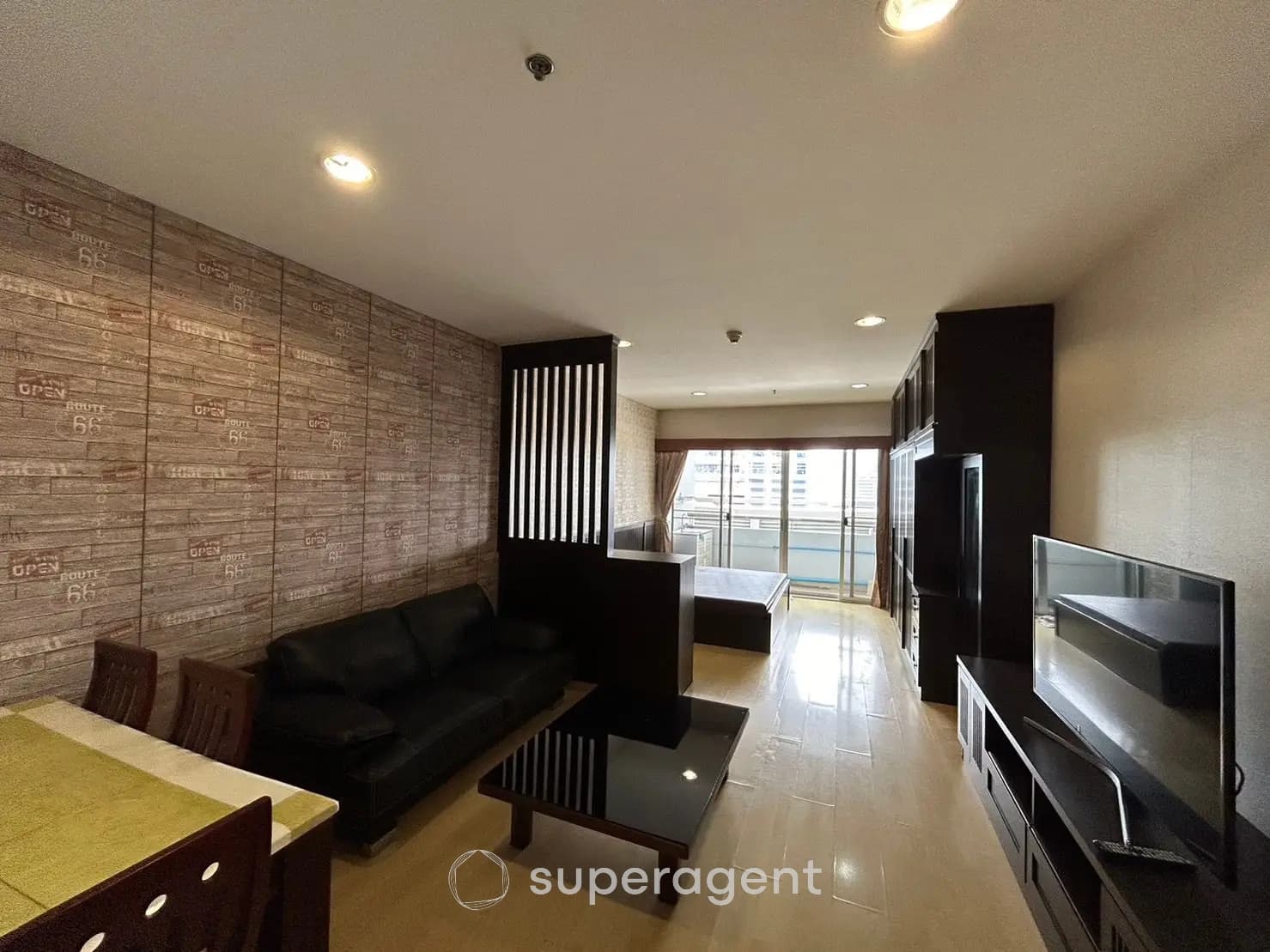
฿15,000
1 Bed145 sqm
1-BR Condo at The Platinum Condominium near ARL Ratchaprarop
Condo![[For Rent] CONDO I Park 24 I Studio I 1 Bath I 25,000THB/mo](/_next/image?url=https%3A%2F%2Fstorage.googleapis.com%2Fsuperagent-web%2Fattachments%2Flistings%2F6747%2F99e94009-1261-4181-ab16-6c2c80017f7d-1130-2.jpg&w=3840&q=75)
฿25,000
Studio129 sqm
[For Rent] CONDO I Park 24 I Studio I 1 Bath I 25,000THB/mo
Phrom Phong
CondoMore like this
 In Lifestyle · Superagent EditorialWhere Bangkok's Expat Communities Are Concentrated: Rental Guide by NationalityDiscover where Bangkok's expat community areas are located. Our rental guide maps out neighborhoods by nationality to help you find your ideal home.12 Apr 20241 min read
 In Lifestyle · Superagent EditorialThe AI Rental Revolution in Bangkok: How Technology Is Changing How Expats Find HomesBangkok rental revolution ai is reshaping how expats find homes. Explore smart technology, virtual tours, and AI-powered matching tools transforming the ma16 Apr 20211 min read
 In Lifestyle · Superagent EditorialMonthly Condo Rentals in Bangkok: Why They Beat Daily Rates Once Your Stay Passes Two WeeksCompare Bangkok daily and monthly condo rates near BTS Thong Lo, Asoke, Ari and On Nut, and see why monthly leases save tens of thousands of baht.19 Jul 20191 min read
 In Lifestyle · Superagent EditorialHow to Negotiate Rent With Thai Condo Landlords: Techniques That Actually Work in BangkokProven tactics for negotiating condo rent with Bangkok landlords, from market research and counter offers to lease length, timing and low season.18 Jul 20191 min read