Thailand Digital Nomad Visa: The LTR Option for Remote Workers
Lifestyle
Thailand Digital Nomad Visa: The LTR Option for Remote Workers
Everything remote workers need to know about Thailand's Long Term Resident visa option
Summary
Thailand's digital nomad visa through the LTR program offers remote workers a flexible long-term solution with tax benefits and easy renewal processes for
So you've heard Thailand is offering a visa for remote workers, and you're wondering if it's finally time to make Bangkok your base. The short answer? Yes, there's a legit long term visa option. The longer answer? It's not exactly the breezy "digital nomad visa" you might be picturing. Thailand's Long Term Resident (LTR) visa is the closest thing the country has to a digital nomad visa, and while it comes with some serious perks, it also has requirements that filter out a lot of applicants. Let me break down what you actually need to know before you start browsing condos near BTS Thong Lo.
What Exactly Is the LTR Visa?
Thailand doesn't technically have a visa called a "digital nomad visa." What it does have is the LTR visa, launched in 2022, which includes a category specifically designed for remote workers. That category is called "Work from Thailand" and it targets professionals employed by established foreign companies who want to live in Thailand while working remotely for their overseas employer.
The LTR visa gives you a 10 year stay, with a renewable 5 year stamp. You also get a flat 17% income tax rate instead of the progressive Thai tax scale, exemption from the 90 day reporting requirement at immigration, fast track airport lanes, and a digital work permit. It's genuinely one of the best long term visa options Thailand has ever offered for foreign professionals.
Here's the catch. To qualify under the "Work from Thailand" category, you need to prove a personal income of at least USD 80,000 per year over the past two years. If your income is between USD 40,000 and USD 80,000, you can still qualify, but you'll need a master's degree or own intellectual property or have received Series A funding. Your employer also needs to have been in operation for at least three years with revenue of at least USD 150 million. That's a high bar. But if you clear it, the lifestyle payoff is massive.
Why Bangkok Makes Sense for LTR Holders
Let's say you're a senior developer working for a European fintech company and you just got your LTR approved. Now what? Most people in this position land in Bangkok, and for good reason. The city has world class coworking spaces, fast fiber internet in most condos, and a cost of living that lets you save aggressively even on a good salary.
Take a typical setup near BTS Phrom Phong. You can rent a well furnished one bedroom condo at a place like Noble Refine for around 25,000 to 35,000 THB per month. Walk five minutes and you're at EmQuartier for lunch. Grab a desk at a coworking space like JustCo in Samyan Mitrtown for your calls, then head to Benchasiri Park for a run after work. That daily rhythm is why people stay for years, not months.
If you're looking at what different Bangkok neighborhoods offer for remote workers, our guide to the best areas to live in Bangkok covers everything from Silom to Ari with real rent comparisons.
The Application Process and What to Prepare
You apply for the LTR visa through the Thailand Board of Investment (BOI). The process is fully online through their website. You'll upload proof of income, employment verification, your passport, health insurance coverage of at least USD 50,000, and your employer's financial documents. The BOI reviews your application and, if approved, issues an endorsement letter. You then take that letter to a Thai embassy or consulate to get the actual visa stamped.
Processing typically takes 20 to 30 business days. One thing that trips people up is the health insurance requirement. You need coverage that's valid in Thailand with at least USD 50,000 in coverage, or you need to show assets of at least USD 100,000 as an alternative. Many applicants use international plans from providers like Cigna Global or Allianz Care.
A practical example: I know a marketing director from Austin who applied while on a tourist visa in Bangkok, staying in a short term rental near MRT Phra Ram 9. She got her BOI approval in about three weeks, then did a quick visa run to the Thai consulate in Vientiane to get her stamp. If you're already here on a tourist visa, this is a common route. Check out our condo rental guide for foreigners for tips on what to look for while you sort out your visa situation.
How the LTR Compares to Other Visa Options
Before the LTR, most remote workers in Bangkok were cycling through tourist visa exemptions, ED visas for Thai language courses, or the Thailand Elite visa, which costs 600,000 THB for five years and doesn't include a work permit. The LTR is genuinely better for anyone who qualifies. The 10 year duration, the work permit, and the tax benefits make it the most practical option available.
The DTV, or Destination Thailand Visa, launched in mid 2024, is another option for people who don't meet the LTR income threshold. It gives you up to 180 days per entry and is much easier to qualify for. But it doesn't come with the tax benefits or the long term certainty. If you're a freelancer earning USD 40,000 a year, the DTV might be your more realistic path. If you're clearing USD 80,000 plus with a corporate employer, the LTR is the obvious choice.
Setting Up Your Bangkok Life After Approval
Once your LTR is sorted, the real fun starts. Finding the right condo is the biggest decision you'll make. With a 10 year visa, you're not just passing through. You want a place that actually feels like home.
Consider your commute to coworking spaces, gym access, and proximity to your social circle. Areas like Sukhumvit Soi 24 to Soi 39 between BTS Phrom Phong and BTS Thong Lo are popular with remote working professionals. A two bedroom unit at a building like Quattro by Sansiri on Soi 36 goes for about 45,000 to 60,000 THB. For something more budget friendly, Ideo Mobi Sukhumvit near BTS On Nut offers modern one bedrooms from 12,000 to 18,000 THB.
You'll also want to set up a Thai bank account, which is easier with an LTR visa than with a tourist stamp. Bangkok Bank and Kasikornbank are both straightforward options. Get a local phone number from AIS or True, and you're basically operational within a week of landing.
If you're ready to find a condo that fits your new life in Bangkok, Superagent at superagent.co can help you search by neighborhood, budget, and building, with AI powered matching that actually understands what remote workers need. Start browsing and see what's available near your favorite BTS stop.
So you've heard Thailand is offering a visa for remote workers, and you're wondering if it's finally time to make Bangkok your base. The short answer? Yes, there's a legit long term visa option. The longer answer? It's not exactly the breezy "digital nomad visa" you might be picturing. Thailand's Long Term Resident (LTR) visa is the closest thing the country has to a digital nomad visa, and while it comes with some serious perks, it also has requirements that filter out a lot of applicants. Let me break down what you actually need to know before you start browsing condos near BTS Thong Lo.
What Exactly Is the LTR Visa?
Thailand doesn't technically have a visa called a "digital nomad visa." What it does have is the LTR visa, launched in 2022, which includes a category specifically designed for remote workers. That category is called "Work from Thailand" and it targets professionals employed by established foreign companies who want to live in Thailand while working remotely for their overseas employer.
The LTR visa gives you a 10 year stay, with a renewable 5 year stamp. You also get a flat 17% income tax rate instead of the progressive Thai tax scale, exemption from the 90 day reporting requirement at immigration, fast track airport lanes, and a digital work permit. It's genuinely one of the best long term visa options Thailand has ever offered for foreign professionals.
Continue reading after that.
Looking for a condo
to rent?
Leave your name and phone. We'll follow up while you keep reading.
100% Secure
Fast Response
Free Consultation
Here's the catch. To qualify under the "Work from Thailand" category, you need to prove a personal income of at least USD 80,000 per year over the past two years. If your income is between USD 40,000 and USD 80,000, you can still qualify, but you'll need a master's degree or own intellectual property or have received Series A funding. Your employer also needs to have been in operation for at least three years with revenue of at least USD 150 million. That's a high bar. But if you clear it, the lifestyle payoff is massive.
Why Bangkok Makes Sense for LTR Holders
Let's say you're a senior developer working for a European fintech company and you just got your LTR approved. Now what? Most people in this position land in Bangkok, and for good reason. The city has world class coworking spaces, fast fiber internet in most condos, and a cost of living that lets you save aggressively even on a good salary.
Take a typical setup near BTS Phrom Phong. You can rent a well furnished one bedroom condo at a place like Noble Refine for around 25,000 to 35,000 THB per month. Walk five minutes and you're at EmQuartier for lunch. Grab a desk at a coworking space like JustCo in Samyan Mitrtown for your calls, then head to Benchasiri Park for a run after work. That daily rhythm is why people stay for years, not months.
If you're looking at what different Bangkok neighborhoods offer for remote workers, our guide to the best areas to live in Bangkok covers everything from Silom to Ari with real rent comparisons.
The Application Process and What to Prepare
You apply for the LTR visa through the Thailand Board of Investment (BOI). The process is fully online through their website. You'll upload proof of income, employment verification, your passport, health insurance coverage of at least USD 50,000, and your employer's financial documents. The BOI reviews your application and, if approved, issues an endorsement letter. You then take that letter to a Thai embassy or consulate to get the actual visa stamped.
Processing typically takes 20 to 30 business days. One thing that trips people up is the health insurance requirement. You need coverage that's valid in Thailand with at least USD 50,000 in coverage, or you need to show assets of at least USD 100,000 as an alternative. Many applicants use international plans from providers like Cigna Global or Allianz Care.
A practical example: I know a marketing director from Austin who applied while on a tourist visa in Bangkok, staying in a short term rental near MRT Phra Ram 9. She got her BOI approval in about three weeks, then did a quick visa run to the Thai consulate in Vientiane to get her stamp. If you're already here on a tourist visa, this is a common route. Check out our condo rental guide for foreigners for tips on what to look for while you sort out your visa situation.
How the LTR Compares to Other Visa Options
Before the LTR, most remote workers in Bangkok were cycling through tourist visa exemptions, ED visas for Thai language courses, or the Thailand Elite visa, which costs 600,000 THB for five years and doesn't include a work permit. The LTR is genuinely better for anyone who qualifies. The 10 year duration, the work permit, and the tax benefits make it the most practical option available.
Continue reading after that.
Looking for a condo
to rent?
Leave your name and phone. We'll follow up while you keep reading.
100% Secure
Fast Response
Free Consultation
The DTV, or Destination Thailand Visa, launched in mid 2024, is another option for people who don't meet the LTR income threshold. It gives you up to 180 days per entry and is much easier to qualify for. But it doesn't come with the tax benefits or the long term certainty. If you're a freelancer earning USD 40,000 a year, the DTV might be your more realistic path. If you're clearing USD 80,000 plus with a corporate employer, the LTR is the obvious choice.
Setting Up Your Bangkok Life After Approval
Once your LTR is sorted, the real fun starts. Finding the right condo is the biggest decision you'll make. With a 10 year visa, you're not just passing through. You want a place that actually feels like home.
Consider your commute to coworking spaces, gym access, and proximity to your social circle. Areas like Sukhumvit Soi 24 to Soi 39 between BTS Phrom Phong and BTS Thong Lo are popular with remote working professionals. A two bedroom unit at a building like Quattro by Sansiri on Soi 36 goes for about 45,000 to 60,000 THB. For something more budget friendly, Ideo Mobi Sukhumvit near BTS On Nut offers modern one bedrooms from 12,000 to 18,000 THB.
You'll also want to set up a Thai bank account, which is easier with an LTR visa than with a tourist stamp. Bangkok Bank and Kasikornbank are both straightforward options. Get a local phone number from AIS or True, and you're basically operational within a week of landing.
If you're ready to find a condo that fits your new life in Bangkok, Superagent at superagent.co can help you search by neighborhood, budget, and building, with AI powered matching that actually understands what remote workers need. Start browsing and see what's available near your favorite BTS stop.
Share this article
Properties you may like
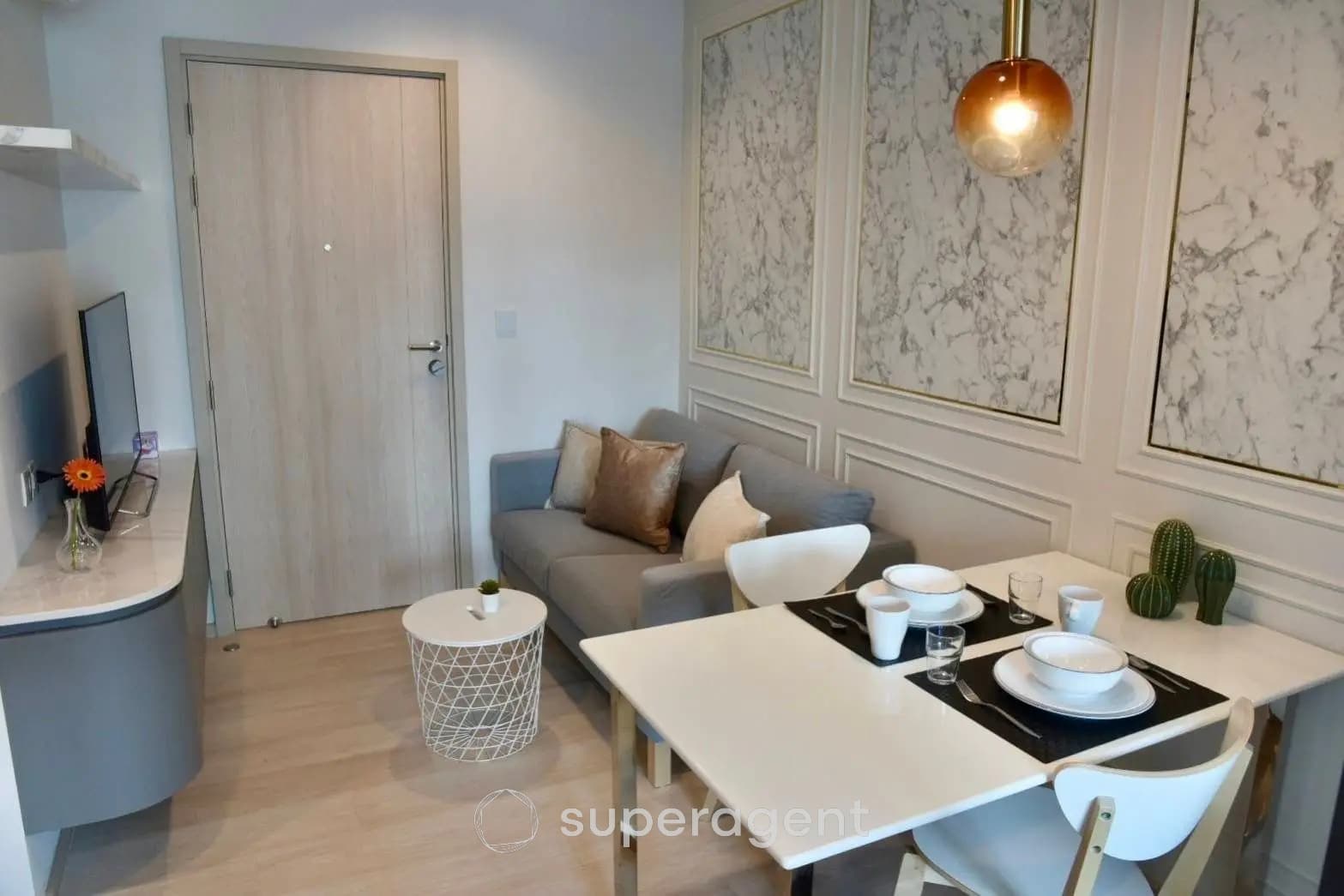
฿24,000
1 Bed135 sqm
1-BR Condo at Life One Wireless near BTS Phloen Chit
Ploenchit
Condo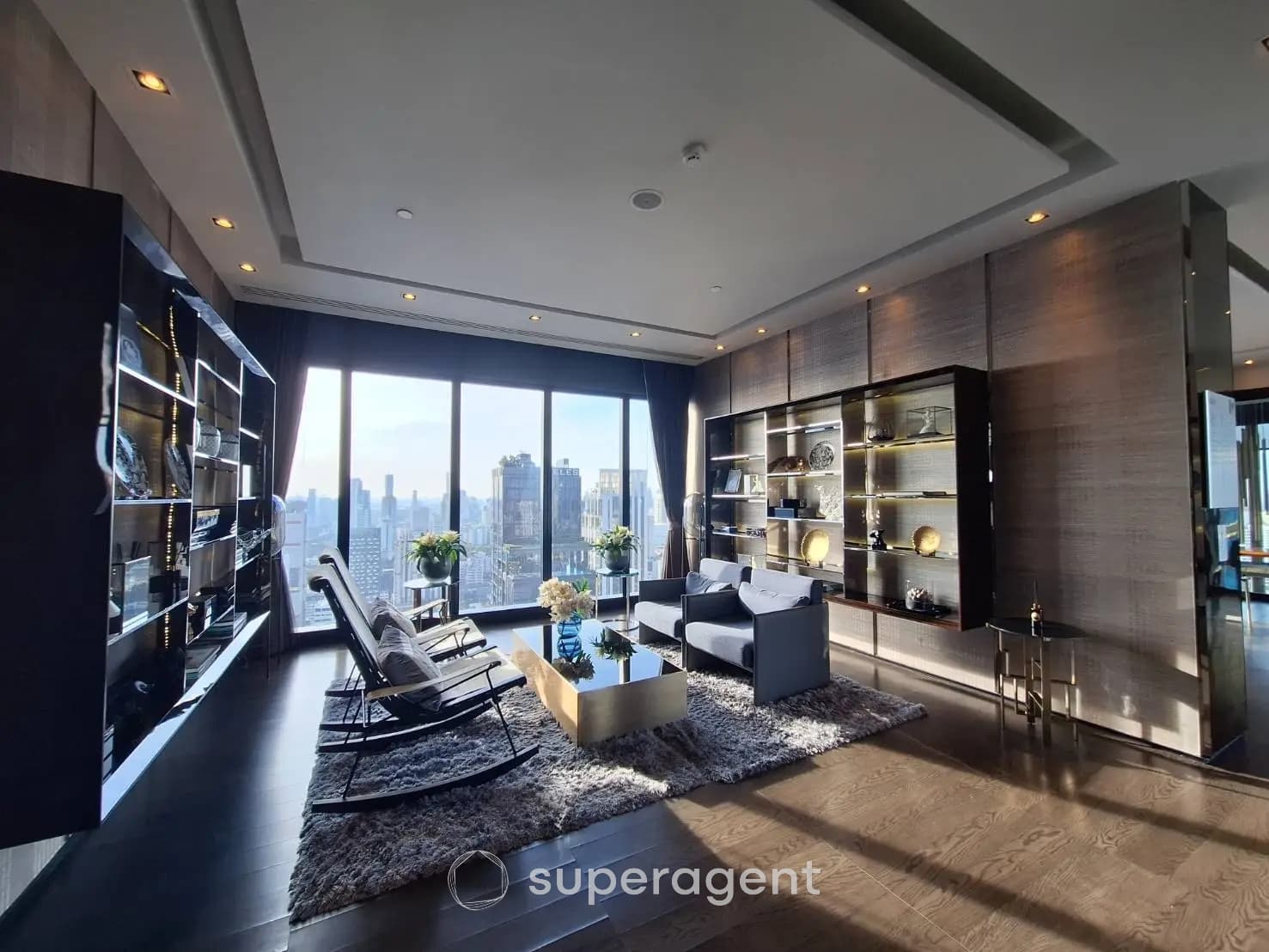
฿25,000
1 Bed133 sqm
1-BR Condo at Ashton Asoke near MRT Sukhumvit
Asoke
Condo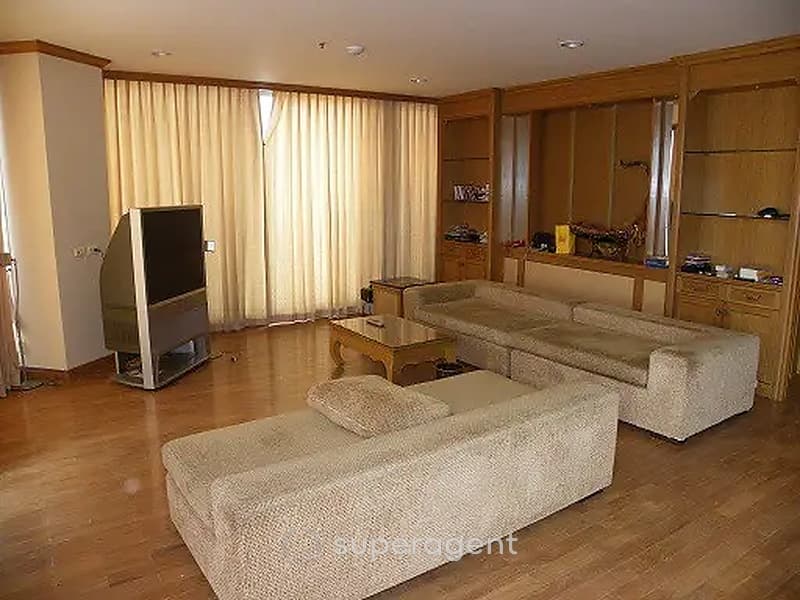
฿70,000
3 Bed3230 sqm
3-BR Condo at River Heaven Chareonkrung in Bang Kho Laem
Condo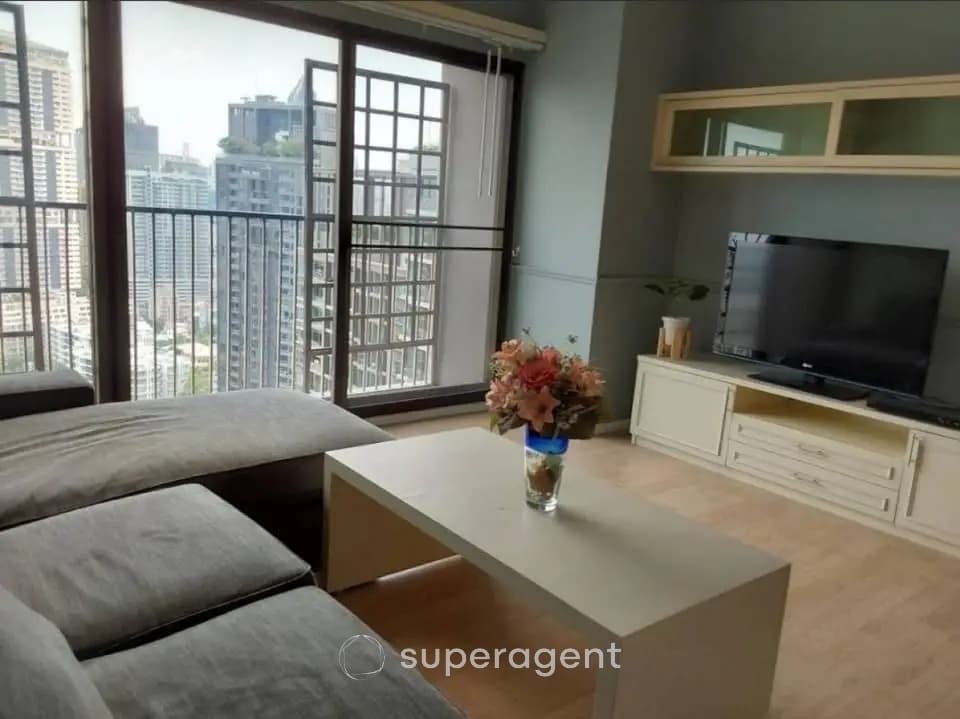
฿63,000
3 Bed2102 sqm
3-BR Condo at Noble Remix near BTS Thong Lor
Thonglor
Condo
฿27,000
Studio135 sqm
Studio Condo at Ideo Q Victory near BTS Victory Monument
Victory Monument
Condo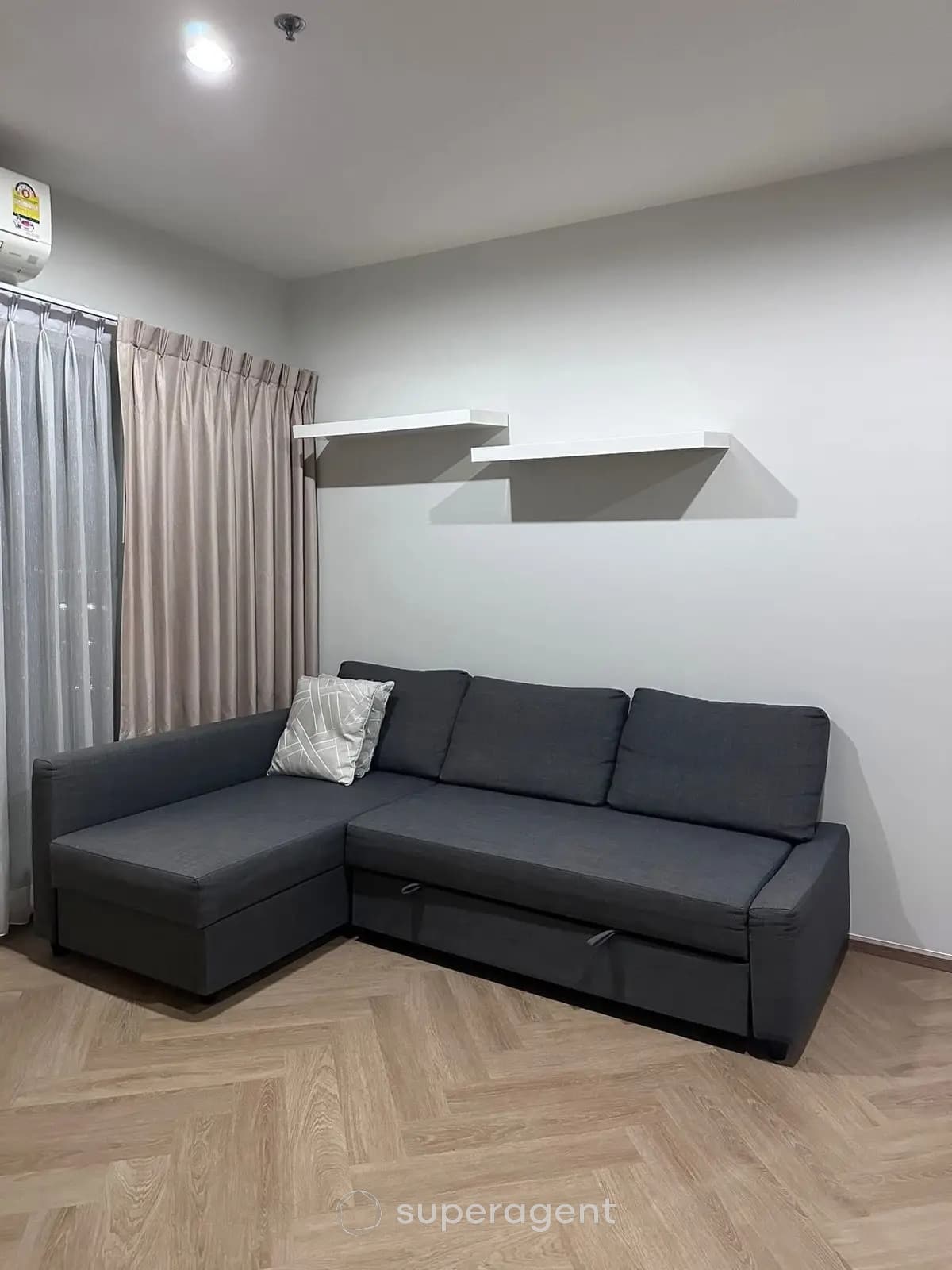
฿30,000
2 Bed252.9 sqm
2-BR Condo at The Key Sathorn - Charoenraj in Bang Khlo
Condo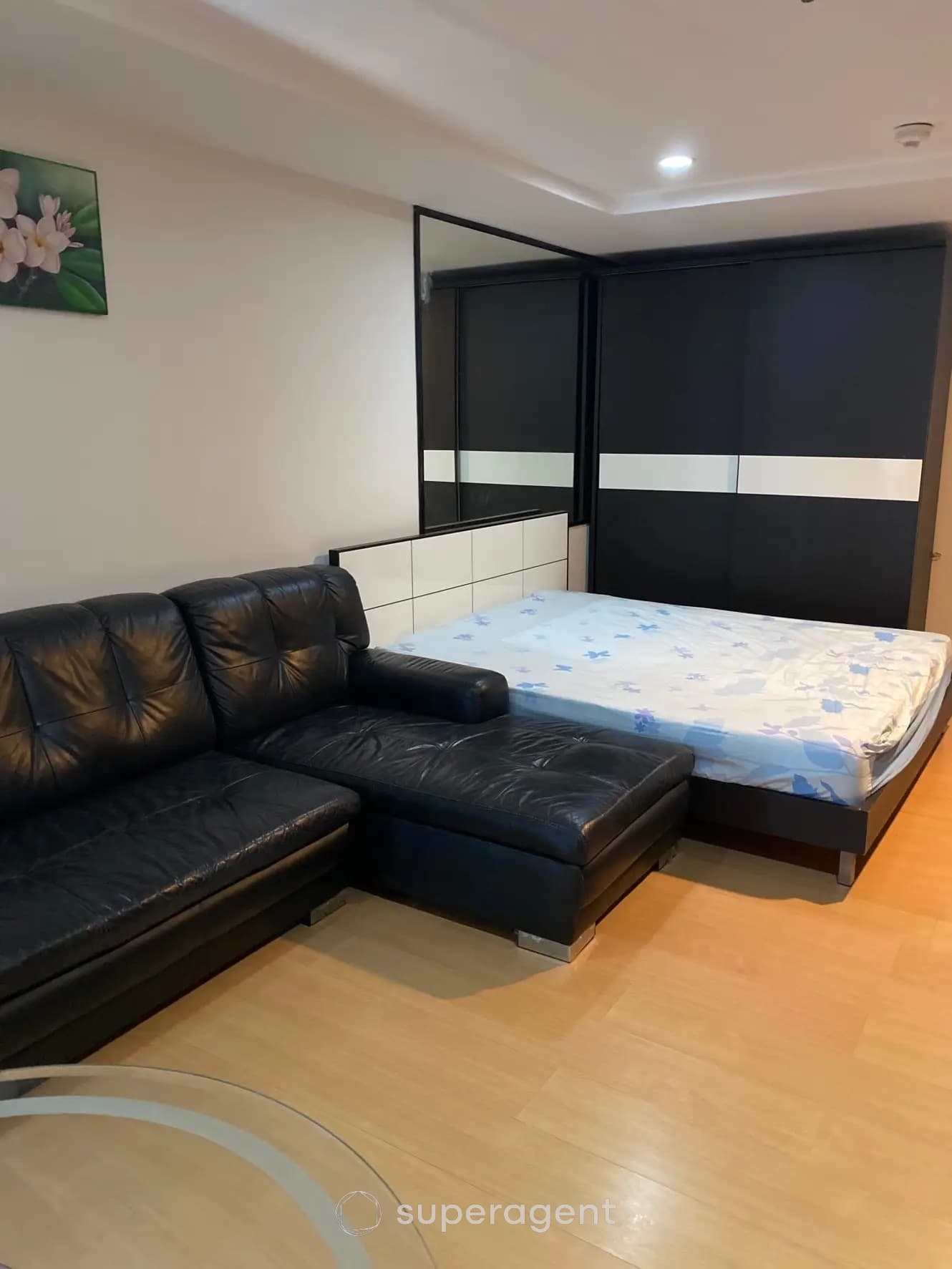
฿17,000
1 Bed136 sqm
1-BR Condo at The Trendy Condominium near BTS Nana
Condo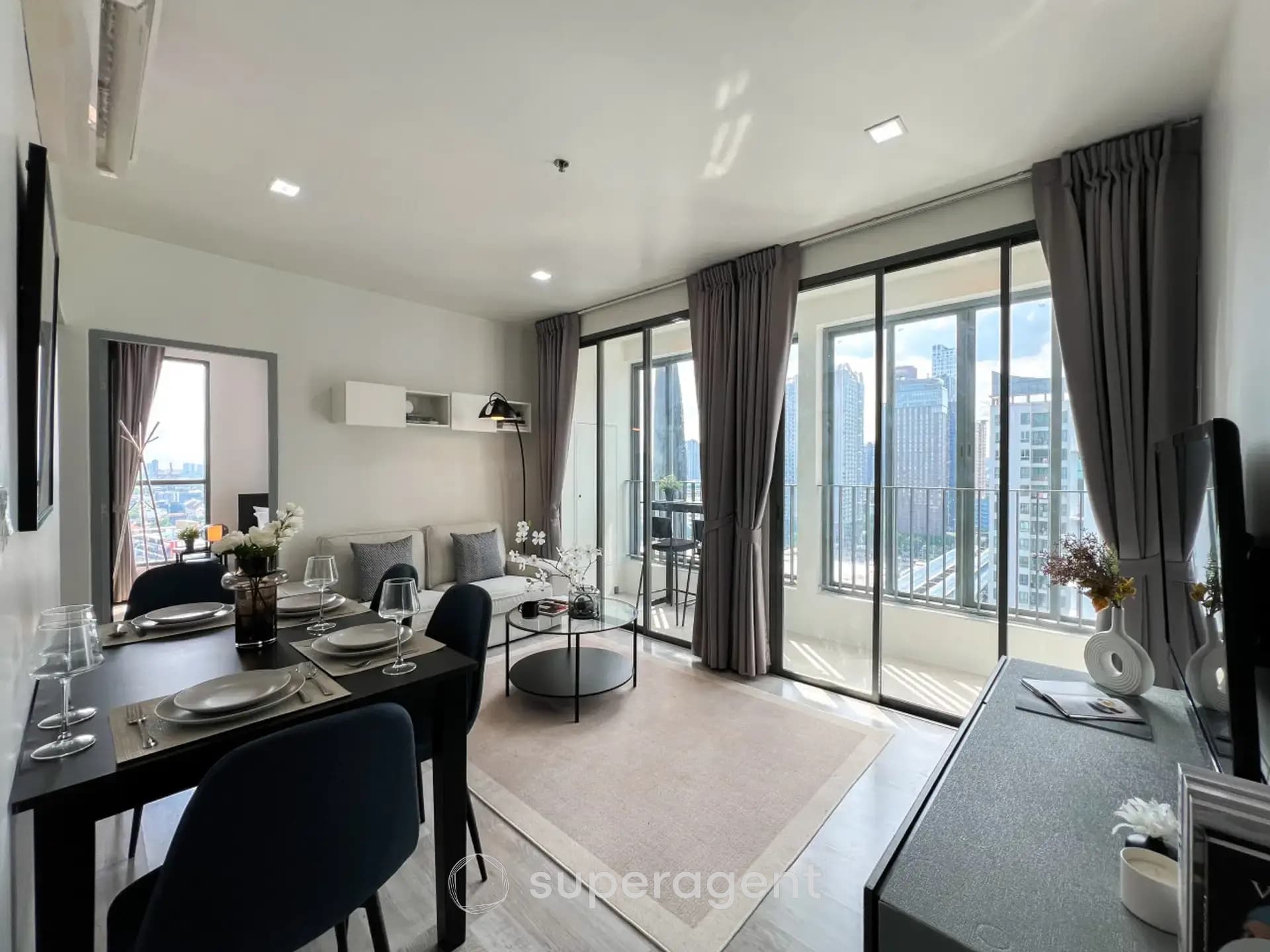
฿42,000
2 Bed287 sqm
2-BR Condo at Ideo Mobi Sukhumvit 81 near BTS On Nut
Condo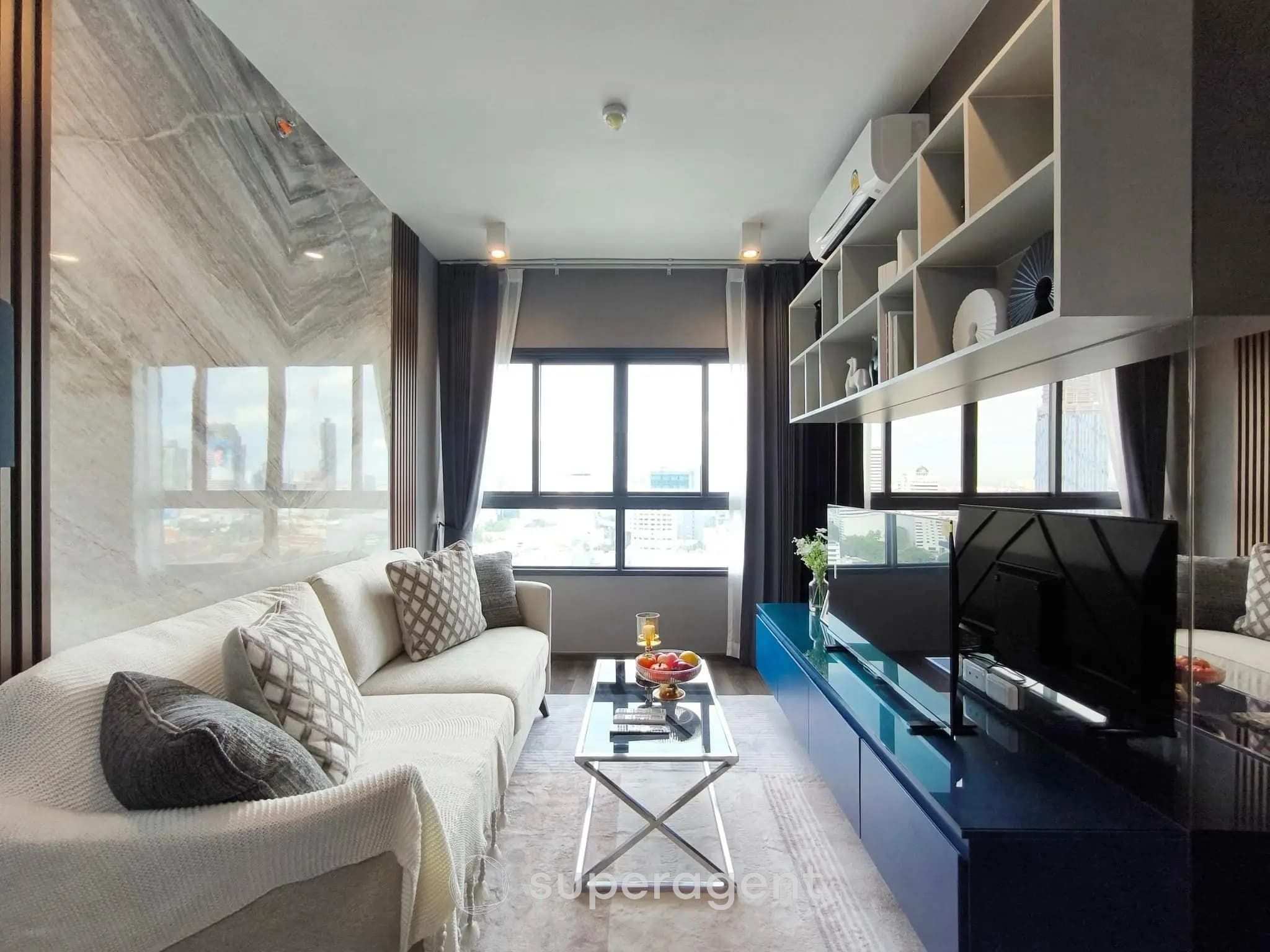
฿38,000
2 Bed258 sqm
2-BR Condo at Ideo Rama 9 - Asoke near MRT Phra Ram 9
Condo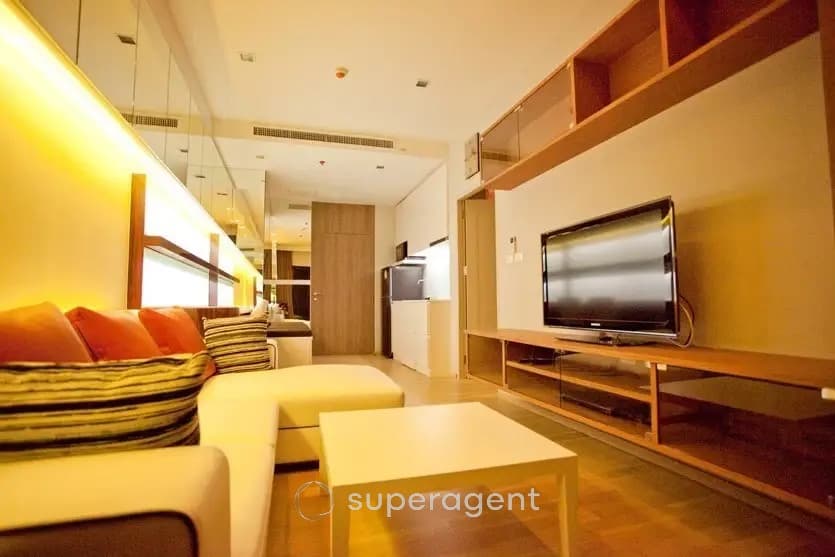
฿27,000
1 Bed145 sqm
1-BR Condo at Noble Reveal Ekamai near BTS Ekkamai
Ekkamai
CondoMore like this
 In Lifestyle · Superagent EditorialWhere Bangkok's Expat Communities Are Concentrated: Rental Guide by NationalityDiscover where Bangkok's expat community areas are located. Our rental guide maps out neighborhoods by nationality to help you find your ideal home.12 Apr 20241 min read
 In Lifestyle · Superagent EditorialThe AI Rental Revolution in Bangkok: How Technology Is Changing How Expats Find HomesBangkok rental revolution ai is reshaping how expats find homes. Explore smart technology, virtual tours, and AI-powered matching tools transforming the ma16 Apr 20211 min read
 In Lifestyle · Superagent EditorialMonthly Condo Rentals in Bangkok: Why They Beat Daily Rates Once Your Stay Passes Two WeeksCompare Bangkok daily and monthly condo rates near BTS Thong Lo, Asoke, Ari and On Nut, and see why monthly leases save tens of thousands of baht.19 Jul 20191 min read
 In Lifestyle · Superagent EditorialHow to Negotiate Rent With Thai Condo Landlords: Techniques That Actually Work in BangkokProven tactics for negotiating condo rent with Bangkok landlords, from market research and counter offers to lease length, timing and low season.18 Jul 20191 min read